预约演示
更新于:2025-12-09

Arbor Research Collaborative For Health
更新于:2025-12-09
概览
关联
CTRI/2024/03/064152
PRECEDE: The Pancreatic Cancer Early Detection Consortium - Precede
NCT05272319
Genetic Collection Protocol
NCT04181138
Prospective Observational Study of Primary Sclerosing Cholangitis (PSC) in Children
100 项与 Arbor Research Collaborative For Health 相关的临床结果
登录后查看更多信息
登录后查看更多信息
2025-12-01Clinical and Experimental Nephrology
Association between blood pressure and cardiovascular events and mortality in patients on peritoneal dialysis: a systematic review and meta-analysis of observational studies
Review
作者: Pecoits-Filho, Roberto ; Bezerra, Rodrigo ; Ponce, Daniela ; Coelho, Jorge A P M ; Feitosa, Audes D M ; Rodrigues, Cibele I S ; Teles, Flavio ; Nadruz, Wilson
BACKGROUND:
The association between blood pressure (BP) and adverse outcomes in peritoneal dialysis (PD) remains uncertain. This study aims to address this knowledge gap.
MATERIALS AND METHODS:
We systematically searched five databases (1964-2025) for observational studies assessing associations between BP and mortality or cardiovascular (CV) outcomes in adults on PD. Risk of bias was evaluated using the Newcastle-Ottawa Scale and ROBINS-I. Meta-analyses were performed using random- or fixed-effects models, and pooled hazard ratios (HRs) with 95% confidence intervals (CIs) were calculated for continuous and categorical BP exposures.
RESULTS:
Twenty-four studies comprising 28,016 patients (55% males; hypertension prevalence ranging from 39 to 95%) were included. Higher pulse pressure (PP) was consistently associated with increased all-cause (HR per 10 mmHg: 1.20; 95%CI 1.02-1.40) and CV (HR per 10 mmHg: 1.35; 95%CI 1.16-1.58) mortality. For systolic BP (SBP), no significant association was found when analyzed as a continuous variable. However, predefined thresholds revealed that all-cause mortality was significantly associated with SBP < 120 mmHg (HR: 1.55; 95%CI 1.15-2.11) and with SBP > 140 mmHg (HR: 1.18; 95%CI 1.07-1.31). Diastolic BP was not significantly associated with mortality. Additional studies linked higher BP to left ventricular hypertrophy and non-fatal CV events.
CONCLUSION:
In PD patients, SBP < 120 mmHg and > 140 mmHg are associated with increased all-cause mortality, while elevated PP robustly predicts all-cause and CV mortality. These findings identify SBP and PP as key prognostic markers and potential targets in PD management.
2025-12-01BONE
Advancing Patient Evidence in XLH (APEX): Baseline analysis of a global data unification program
Article
作者: Li, Zhiyi ; McCullough, Keith P ; Imel, Erik A ; Lee, Cheuk ; Ishii, Haruka ; Brandi, Maria Luisa ; Ozono, Keiichi ; Carpenter, Thomas O ; Joos-Vandewalle, Paul ; Sandilands, Kerry ; Fukumoto, Seiji ; Haffner, Dieter ; Kanematsu, Masanori
PURPOSE:
X-linked hypophosphatemia (XLH) is a rare, genetic, progressive, lifelong disorder caused by pathogenic variants in the PHEX gene, leading to excess fibroblast growth factor 23 (FGF23) and renal phosphate wasting. Advancing Patient Evidence in XLH (APEX) is a 10-year global data unification project that combines 3 regional observational studies (XLH Disease Monitoring Program [DMP], International XLH Registry [IXLHR], and SUNFLOWER). APEX aims to describe the burden and lifelong progression of XLH, to collect real-world data on treatment effectiveness and safety, and to investigate regional differences in treatment outcomes.
METHODS:
This was a baseline analysis of the characteristics and disease burden of a global group of patients with XLH.
RESULTS:
This analysis included 1556 participants (XLH DMP n = 598; IXLHR n = 736; SUNFLOWER n = 222), with 590 participants aged 0-12 years, 193 aged 13-17 years, and 773 aged ≥18 years. Overall, 66 % of participants were female. Family history of XLH and of a PHEX variant were reported for 55 % and 47 % of participants, respectively; 71 % of participants had a confirmed PHEX variant. Participants had reduced height, normal weight, and elevated body mass index compared with a reference population. Clinical histories demonstrated increasing prevalence of dental complications, fractures, and osteoarthritis with age. Median Z-scores for phosphate, tubular maximum reabsorption of phosphate to glomerular filtration rate, and urine calcium/creatinine ratio were below the scores for the reference population.
CONCLUSION:
This baseline analysis provides substantial information on the global characteristics and natural history of patients with XLH in the APEX program.
REGISTRATION:
ClinicalTrials.govNCT03651505 (registered August 24, 2018), NCT03193476 (registered June 13, 2017), NCT03745521 (registered November 6, 2018).
2025-11-01ADVANCES IN THERAPY
Disease Progression, Clinical Outcomes and Treatment Challenges in Patients with Chronic Kidney Disease and High-Risk Proteinuria
Article
作者: Svensson, Maria K ; Ambery, Phil ; Bodegård, Johan ; Pecoits-Filho, Roberto ; Nam, You-Seon ; Thuresson, Marcus
INTRODUCTION:
A urine albumin-creatinine ratio (UACR) > 700 mg/g signifies severe kidney damage, and nephrology referral is recommended for intensified management. The impact of UACR ≥ 700 mg/g on outcomes and the efficacy of kidney protective therapies in patients have not been thoroughly examined.
METHODS:
Using claims healthcare data from the USA, we identified prevalent patients with chronic kidney disease and a UACR measurement on 1 January 2022, and grouped them by UACR level. We also identified new users of sodium-glucose cotransporter 2 inhibitors (SGLT2i) between 2021 and 2023. Outcomes included estimated glomerular filtration rate (eGFR) slopes and risks of adverse outcomes and mortality.
RESULTS:
Of the 46,626 patients with UACR ≥ 300 mg/g, 23,998 had UACR ≥ 700 mg/g. In the UACR ≥ 700 and UACR 300 to < 700 mg/g groups, mean age was 72 and 74 years, median eGFR was 42 and 50 mL/min/1.73 m2, median UACR was 1376 and 437 mg/g at baseline and eGFR slopes were - 5.5 and - 3.1 mL/min/1.73 m2 per year, respectively. Compared to the UACR < 10 mg/g group, adjusted hazard ratio of risk of cardiorenal hospitalizations was 5.83 (95% CI 5.55-6.12) and 3.53 (95% CI 3.34-3.73), atherosclerotic cardiovascular disease hospitalizations was 2.97 (95% CI 2.76-3.19) and 2.33 (95% CI 2.15-2.52), and all-cause death was 2.89 (95% CI 2.78-3.02) and 2.10 (95% CI 2.01-2.20) in the UACR ≥ 700 and UACR 300 to < 700 mg/g groups, respectively. Of the 5908 new users of SGLT2i with UACR ≥ 700 mg/g, UACR and eGFR slope improved as expected (to 720 mg/g and - 2.44 mL/min/1.73 m2 per year, respectively).
CONCLUSIONS:
A UACR ≥ 700 mg/g identifies patients at high risk of accelerated kidney function decline and adverse outcomes. While emerging therapies such as SGLT2i had the expected benefits, the persistence of residual proteinuria/albuminuria and associated risks highlight an unmet need for optimized and new treatment strategies.
100 项与 Arbor Research Collaborative For Health 相关的药物交易
登录后查看更多信息
100 项与 Arbor Research Collaborative For Health 相关的转化医学
登录后查看更多信息
组织架构
使用我们的机构树数据加速您的研究。
登录
或
管线布局
2026年02月08日管线快照
无数据报导
登录后保持更新
药物交易
使用我们的药物交易数据加速您的研究。
登录
或
转化医学
使用我们的转化医学数据加速您的研究。
登录
或
营收
使用 Synapse 探索超过 36 万个组织的财务状况。
登录
或
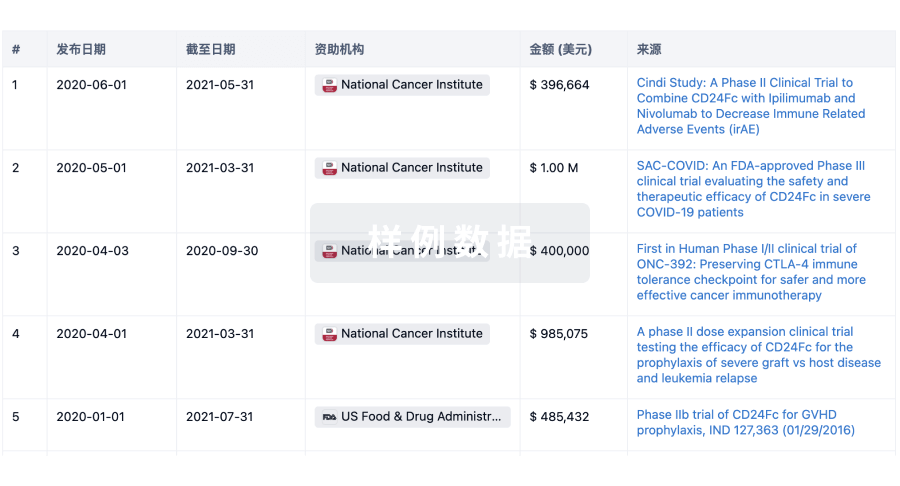
科研基金(NIH)
访问超过 200 万项资助和基金信息,以提升您的研究之旅。
登录
或
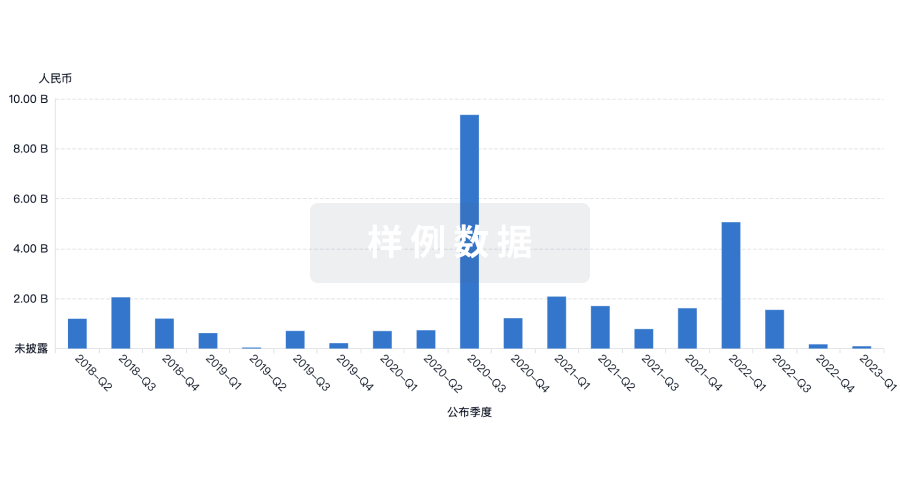
投资
深入了解从初创企业到成熟企业的最新公司投资动态。
登录
或
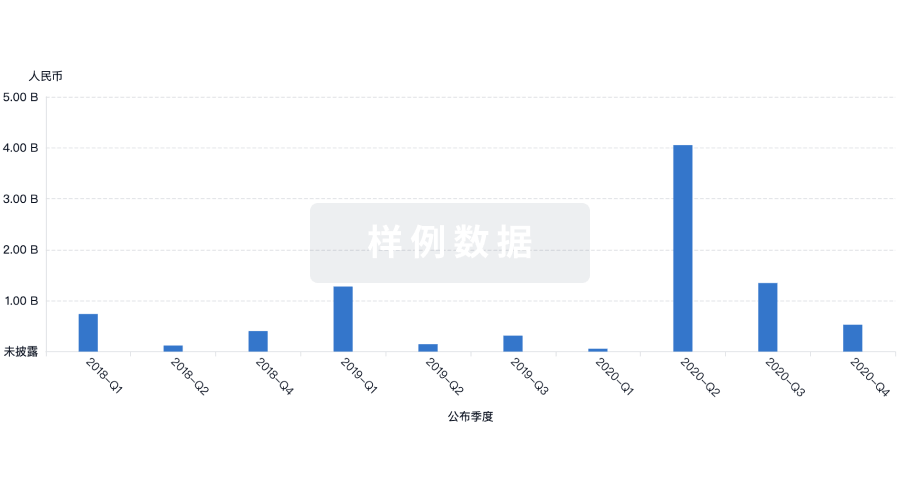
融资
发掘融资趋势以验证和推进您的投资机会。
登录
或
生物医药百科问答
全新生物医药AI Agent 覆盖科研全链路,让突破性发现快人一步
立即开始免费试用!
智慧芽新药情报库是智慧芽专为生命科学人士构建的基于AI的创新药情报平台,助您全方位提升您的研发与决策效率。
立即开始数据试用!
智慧芽新药库数据也通过智慧芽数据服务平台,以API或者数据包形式对外开放,助您更加充分利用智慧芽新药情报信息。
生物序列数据库
生物药研发创新
免费使用
化学结构数据库
小分子化药研发创新
免费使用