预约演示
更新于:2026-02-06
NOD2 x TLR2
更新于:2026-02-06
关联
靶点 |
作用机制 |
在研机构 |
原研机构 |
在研适应症 |
非在研适应症 |
最高研发阶段 |
首次获批国家/地区 |
首次获批日期 |

100 项与 NOD2 x TLR2 相关的临床结果
登录后查看更多信息
100 项与 NOD2 x TLR2 相关的转化医学
登录后查看更多信息
登录后查看更多信息
2026-03-01FISH & SHELLFISH IMMUNOLOGY
Mechanism of Pseudomonas plecoglossicida T6SS effector vgrG1a in disrupting hepatic immunometabolic homeostasis in large yellow croaker
Article
作者: Yujia, Sun ; Qingpi, Yan ; Haoyang, Li ; Xizhi, Peng
Pseudomonas plecoglossicida, a significant pathogen of large yellow croaker (Larimichthys crocea), employs its Type VI secretion system (T6SS1) as a key virulence determinant. However, the role of the T6SS1 spike protein, VgrG1a, in pathogenesis remains poorly understood. This study elucidates the critical function of vgrG1a in disrupting hepatic immunometabolic homeostasis by constructing a vgrG1a deletion mutant (ΔvgrG1a). We found that the ΔvgrG1a strain exhibited markedly attenuated virulence, increasing host survival by 40 % compared to wild-type challenge. Histopathological and ultrastructural analyses revealed that vgrG1a deletion significantly alleviated hepatic vacuolar degeneration, inflammatory infiltration, glycogen depletion, and mitochondrial damage. Physio-biochemical assays demonstrated that the metabolic disturbances in ATP synthase activity, NAD+/NADH ratio, and glutathione content were considerably milder in the ΔvgrG1a-infected group. Proteomic and qRT-PCR analyses indicated that vgrG1a activates a robust pro-inflammatory cytokine storm via the Toll-like receptor 2 (TLR2) and nucleotide-binding oligomerization domain-containing protein 2 (NOD2) signaling pathways. Concurrently, it potently suppressed the AMPK signaling pathway and the expression of key metabolic genes involved in gluconeogenesis (Pck1) and fatty acid β-oxidation (Acaa2). Our findings demonstrate that vgrG1a, as a key T6SS1 component, drives hepatic immunometabolic dysregulation by coordinately activating innate immune responses and inhibiting AMPK-mediated energy metabolism, providing novel insights into the pathogenesis of microbes.
2025-03-24BIOSCIENCE BIOTECHNOLOGY AND BIOCHEMISTRY
Immunostimulatory effects of Heyndrickxia coagulans SANK70258
Article
作者: Aida, Masanori ; Okamura, Hotaka ; Ikeda, Yuki ; Yamashita, Niya ; Yamada, Ryouichi ; Nishiyama, Chiharu ; Yashiro, Takuya ; Nagata, Kazuki ; Ito, Naoto ; Hachisu, Masakazu ; Minamikawa, Natsuki
Abstract:
Here, we examined the immunomodulating effects of Heyndrickxia coagulans SANK70258 (SANK70258). Mouse splenocytes treated with γ-ray-irradiated SANK70258 produced higher levels of interferon (IFN)-γ than those with 7 types of lactic acid bacteria. IFN-γ was mainly produced by natural killer (NK) cells, involving IL-12/IL-23, dendritic cells (DCs), and NF-κB signaling. SANK70258 induced the release of IL-6, IL-10, and IL-12p40 from mouse DCs and the expression of cytokine genes in the human monocyte. Cytokine release from SANK70258-treated DCs was partially reduced by the knockdown of Tlr2 or Nod2, and was abolished by Myd88 knockout. DC-stimulating components of SANK70258 were enriched in ether- and butanol-insoluble peptidoglycan-related fractions. The SANK70258 component induced high levels of immunoglobulin (Ig) A production in Peyer’s patch cells, and its oral intake significantly increased intestinal IgA and IgA-expressing B cells in Peyer’s patches in mice. We conclude that the SANK70258 component exhibits high activity as an immunostimulant that induces the production of IFN-γ and IgA.
2025-01-01Stem Cells International
Mixtures of PRR Ligands Partly Mimic the Immunomodulatory Response of γi Staphylococcus aureus, Enhancing Osteogenic Differentiation of Human Mesenchymal Stromal Cells
Article
作者: Gawlitta, Debby ; Khokhani, Paree ; Warmink, Kelly ; Weinans, Harrie ; Kruyt, Moyo
Recent evidence indicates the potential of gamma‐irradiated (γi) Staphylococcus aureus to be used as an osteo‐immunomodulator for bone regeneration. This study aims at characterizing the inflammatory milieu caused by the stimulation of γi S. aureus in immune cells and investigates its effects on MSC osteogenic differentiation. Furthermore, we aimed to recreate the immune‐modulatory response exhibited by γi S. aureus by using a mixture of various synthetic pathogen recognition receptor (PRR) ligands consisting of TLR2, TLR8, TLR9, and NOD2 agonists. Human peripheral blood mononuclear cells (hPBMCs), isolated from healthy human donors, were exposed to γi S. aureus or seven different ligand mixtures. After 24 h, the conditioned medium (CM) from the hPBMCs was collected and its effects on hMSC osteogenic differentiation were investigated by assessing alkaline phosphatase (ALP) activity and matrix mineralization. The hPBMCs and their CM were also analyzed by bulk RNA sequencing and for cytokine secretion. CM from the γi S. aureus and the mixture consisting of Pam3CSK4, C‐class CpG oligodeoxynucleotide (CpG ODN C), and murabutide targeting TLR2, TLR9, and NOD2 showed a fivefold increase in ALP and matrix mineralization in a donor‐dependent manner. These effects were due to the upregulation of inflammatory signaling pathways, which led to an increase in cytokines and chemokines TNF, interleukin (IL)‐6, IFN‐γ, IL‐1α, CXCL10, CCL18, CCL17, CXCL1, and CCL5. Upregulation of genes like BMP2R, BMP6R, BGLAP, and others contributed to the upregulation of osteogenic pathways in the hPBMCs stimulated with γi S. aureus and the aforementioned mix. Thus, formulations with mixtures of PRR ligands may serve as immune‐modulatory osteogenesis‐enhancing agents.
2026-02-04
分析
对领域进行一次全面的分析。
登录
或
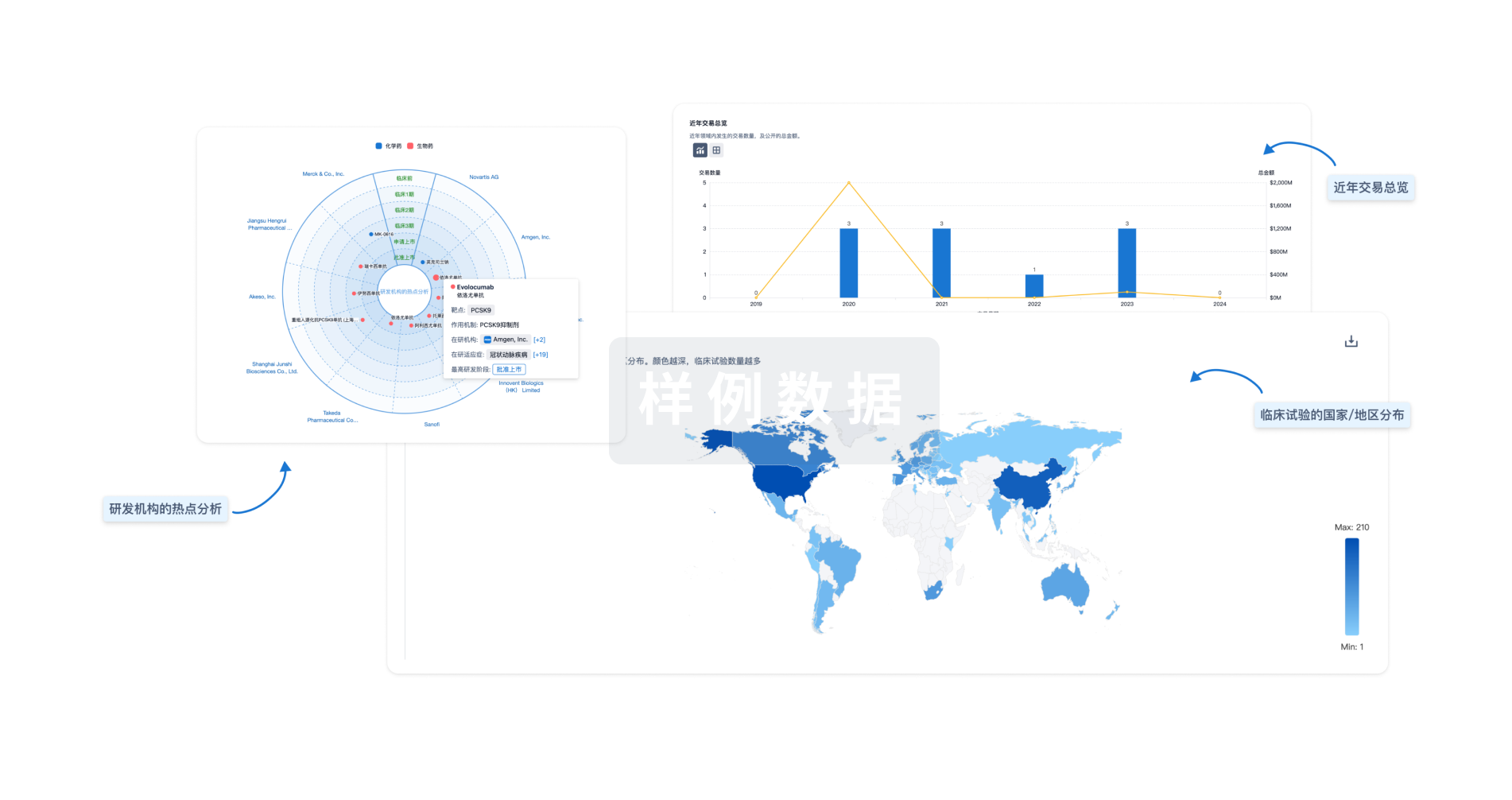
提出任何生物医药研究问题
让每一步生物医药决策都精准制胜
基于十亿级生物数据与全球情报的精准 AI,赋能早期药物发现
立即开始免费试用!
智慧芽新药情报库是智慧芽专为生命科学人士构建的基于AI的创新药情报平台,助您全方位提升您的研发与决策效率。
立即接入生物医药数据包
智慧芽新药库数据也通过智慧芽开放平台,以MCP或API服务形式对外开放。立即使用我们的MCP服务定制您的LLM智能体。
生物序列数据库
生物药研发创新
免费使用
化学结构数据库
小分子化药研发创新
免费使用