预约演示
更新于:2026-05-22
Bone growth proteins(XOMA Corp.)
更新于:2026-05-22
概要
基本信息
在研机构- |
权益机构- |
最高研发阶段终止临床1期 |
首次获批日期- |
最高研发阶段(中国)- |
特殊审评- |


登录后查看时间轴
结构/序列
Sequence Code 1382

关联
100 项与 Bone growth proteins(XOMA Corp.) 相关的临床结果
登录后查看更多信息
100 项与 Bone growth proteins(XOMA Corp.) 相关的转化医学
登录后查看更多信息
100 项与 Bone growth proteins(XOMA Corp.) 相关的专利(医药)
登录后查看更多信息
189
项与 Bone growth proteins(XOMA Corp.) 相关的文献(医药)2026-01-22·ANGEWANDTE CHEMIE-INTERNATIONAL EDITION
Structure–Reactivity Relationships of Oxime–Oxalate/Glyoxylate/Ester Derivatives: Dual Photo/Thermal Initiators for Visible Light Polymerization and Composite Preparation
Article
作者: Schmitt, Michael ; Feng, Ji ; Morlet‐Savary, Fabrice ; Dumur, Frédéric ; Nechab, Malek ; Dietlin, Céline ; Gao, Tong ; Lalevée, Jacques ; Xiao, Pu ; Joly, Jean‐Patrick ; De Monfreid, Thybault ; Zhang, Jing
Abstract:
In this study, we reported the design, synthesis, and comprehensive evaluation of a series of nitro carbazole‐based oxime photoinitiators (OPIs, OP1: oxime oxalate, OP2: oxime glyoxylate), as a series of efficient Type I photoinitiators (PIs) for the free radical photopolymerization (FRP) of trimethylolpropane triacrylate (TMPTA) and ethoxylated trimethylolpropane triacrylate (ETPTA) under blue light‐emitting diodes and sunlight irradiation. Computational molecular modeling was employed to predict the effect of OPIs structures on the photoinitiation properties. The predictions suggest that OP1 had a higher propensity for decarboxylation and therefore a better photoinitiation behavior. Compared to OP2, OP3, and commercial benchmark photoinitiator TPO, OP1 exhibits exceptional photoinitiation performance when exposed to LED@405 nm, LED@450 nm, and sunlight. OP1 undergoes decarboxylation to efficiently produce CO
2
and free radicals, thereby initiating the photopolymerization reaction. Remarkably, OP1 is successfully applied in 3D printing, producing complete morphology with high‐resolution structure, showcasing its potential for advanced manufacturing applications. The photochemical mechanism of OPIs is comprehensively elucidated using the monitoring of the CO
2
, steady state photolysis, UV–vis absorption spectroscopy, fluorescence spectroscopy, and electron spin resonance techniques. These experimental investigations are supported by data OP1 from the molecular modelling carried out. Additionally, thermal polymerization shows that OP1 had a high thermal initiation capability, and the composites are successfully prepared together with carbon fibers. The cytotoxicity of the synthesized oxime oxalate and TPO on human umbilical vein endothelial cells (HUVECs) results in a lower cytotoxicity for the oxalate than for TPO. Therefore, OP1, which has never been reported before, can be used as a highly efficient and low cytotoxic dual photo/thermal initiator. This research not only provides theoretical and practical insights into the design and development of new efficient Type I PIs, but also opens up new perspectives for curing applications that require scalability, cost‐effectiveness, environmental sustainability, and green chemistry.
2025-12-01·FOOD RESEARCH INTERNATIONAL
Protecting the power of organic propolis: microencapsulation preserves phenolic bioactivity through digestion and intestinal transport
Article
作者: Ballan, Lucas Righetto ; Saliba, Ana Sofia Martelli Chaib ; de Alencar, Severino Matias ; de Oliveira Sartori, Alan Giovanini ; Franchin, Marcelo ; de Sá, Samuel Gomes ; Fávaro-Trindade, Carmen Sílvia ; Rosalen, Pedro Luiz
Propolis is a resinous substance produced by bees, known for a wide range of biological activities, including antimicrobial, anti-inflammatory, and antioxidant properties. This study focused on organic propolis Type 1 (OP1), collected from the native forest of General Carneiro, Paraná, Brazil. The ethanolic extract of OP1 was microencapsulated in three formulations: extract + gum arabic by spray drying (GA + OPE), extract + vegetable fat by spray chilling (VF + OPE), and extract + gum arabic + vegetable fat by spray drying (GA + VF + OPE). Particles were characterized for physical properties and subjected to in vitro gastrointestinal digestion, followed by epithelial transport assays using Caco-2 monolayers. Bioaccessible and basolateral fractions were analyzed by LC-ESI-QTOF-MS, and antioxidant activity was assessed against reactive oxygen species. The anti-inflammatory potential was evaluated in RAW 264.7 cells transfected with a luciferase reporter gene by measuring NF-κB activation, TNF-α secretion, and CXCL2/MIP-2 production. Chemical analysis revealed a predominance of lignans and phenolic acids, with distinct release kinetics among formulations during digestion. GA + VF + OPE particles showed significantly higher antioxidant activity (p < 0.05) against peroxyl radicals and hypochlorous acid and demonstrated superior anti-inflammatory effects by inhibiting NF-κB activation (28 %) and TNF-α secretion (53 %) at 100 μg propolis/mL. In conclusion, the encapsulation strategies preserved the bioactive properties of OP1, with GA + VF + OPE particles emerging as the most promising formulation. Future studies should explore their incorporation into functional food products.
2025-11-01·JOURNAL OF ENVIRONMENTAL MANAGEMENT
Characteristics of microbial phosphorus cycling in Phyllostachys praecox forest soils supplemented with the phosphate-solubilizing bacterium Pseudomonas sp. OP1 revealed by metagenomics
Article
作者: Wu, Zhizhuang ; Huang, Zhiyuan ; Zhong, Zheke ; Bian, Fangyuan ; Peng, Yuwen ; Zhang, Xiaoping
Soil phosphorus (P) is an essential nutrient for plants and a limiting factor in bamboo forest productivity. Plant endophytic phosphate-solubilizing bacteria (PSB) play a crucial role in soil P cycling. However, the mechanisms by which they influence soil P cycling in bamboo forests remain unclear. Here, we employed a metagenomics approach to evaluate the effects of the endophytic PSB Pseudomonas sp. OP1 on microbial P cycling in Phyllostachys. praecox forest soils. OP1 treatment significantly increased labile phosphorus (LP), moderately labile phosphorus (MLP), and nonlabile phosphorus (NLP) by 23.7, 40.37, and 18.98 % compared with the control (CK), respectively (p < 0.05). OP1 further significantly increased the abundance of functional genes associated with inorganic P solubilization and P transport. OP1-treated soils were enriched in ppx, gcd, ugpC, phnW, and phoN, whereas CK was characterized by phnC, phnP, ppa, and phnO. OP1 application altered the community structure of P-cycling microorganisms, enriching Chloroflexi and Bradyrhizobium while reducing Firmicutes and Streptomyces. Mantel tests revealed significant relation of soil P fractions to alkali-hydrolyzed nitrogen (AN), P-cycling genes, and the related microbial communities. Specifically, AN, ppx, phnW, phoN, and Nitrospirae (complete ammonia oxidizers) were significantly positively correlated with LP, MLP, and NLP, while Planctomycetota (anaerobic ammonia oxidizers) exhibited negative correlations with these P fractions, highlighting nitrogen-P co-regulation and microbial-mediated P transformation. These findings highlight the potential of PSB in enhancing soil P-use efficiency and reducing chemical phosphate fertilizer use, providing insights into the microbial mechanisms underlying P cycling in bamboo forests and supporting sustainable bamboo plantation management.
100 项与 Bone growth proteins(XOMA Corp.) 相关的药物交易
登录后查看更多信息
外链
| KEGG | Wiki | ATC | Drug Bank |
|---|---|---|---|
| - | - | - |
研发状态
10 条进展最快的记录, 后查看更多信息
登录
| 适应症 | 最高研发状态 | 国家/地区 | 公司 | 日期 |
|---|---|---|---|---|
| 骨质疏松症 | 临床1期 | - | - |
登录后查看更多信息
临床结果
临床结果
适应症
分期
评价
查看全部结果
| 研究 | 分期 | 人群特征 | 评价人数 | 分组 | 结果 | 评价 | 发布日期 |
|---|
No Data | |||||||
登录后查看更多信息
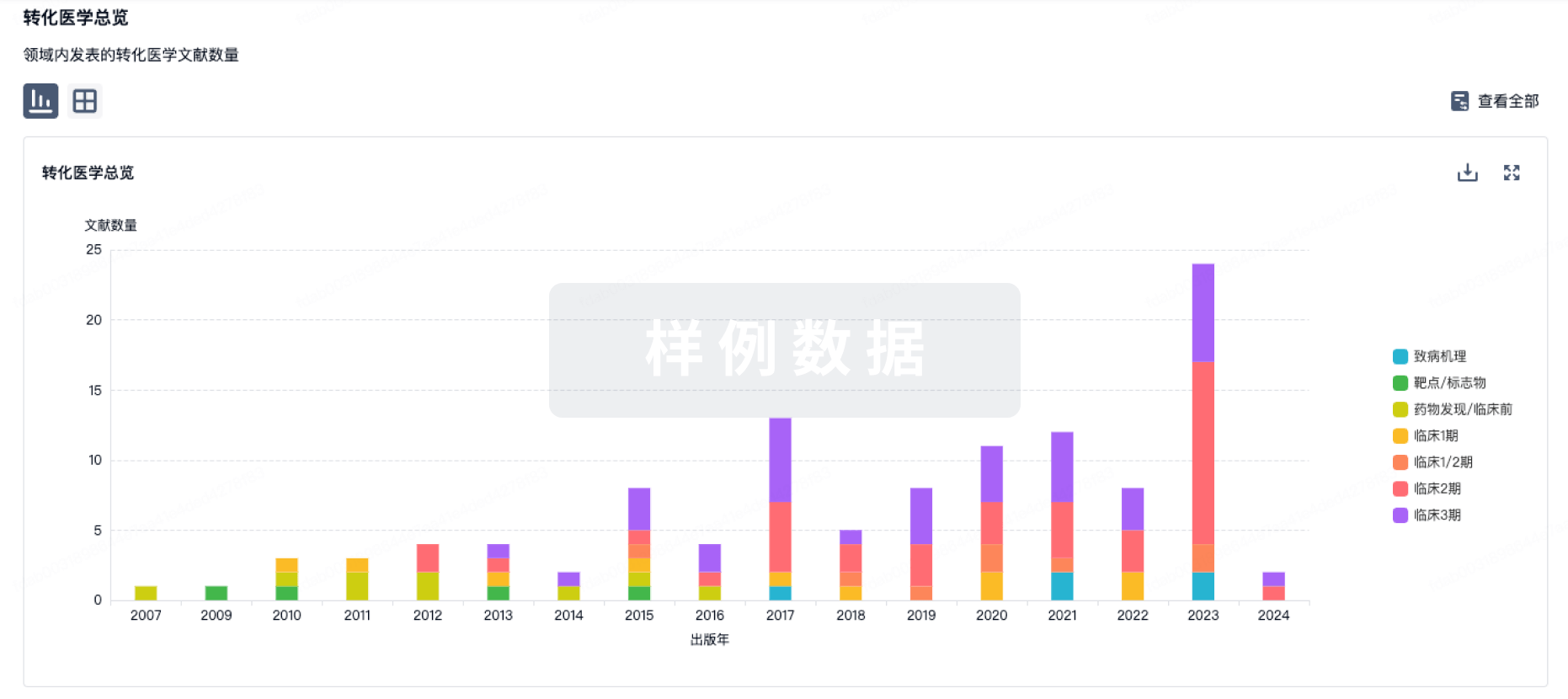
转化医学
使用我们的转化医学数据加速您的研究。
登录
或
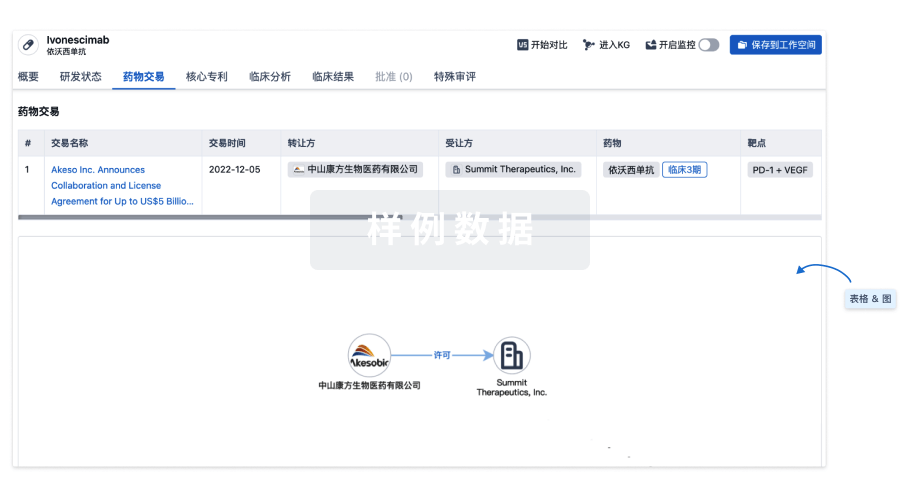
药物交易
使用我们的药物交易数据加速您的研究。
登录
或
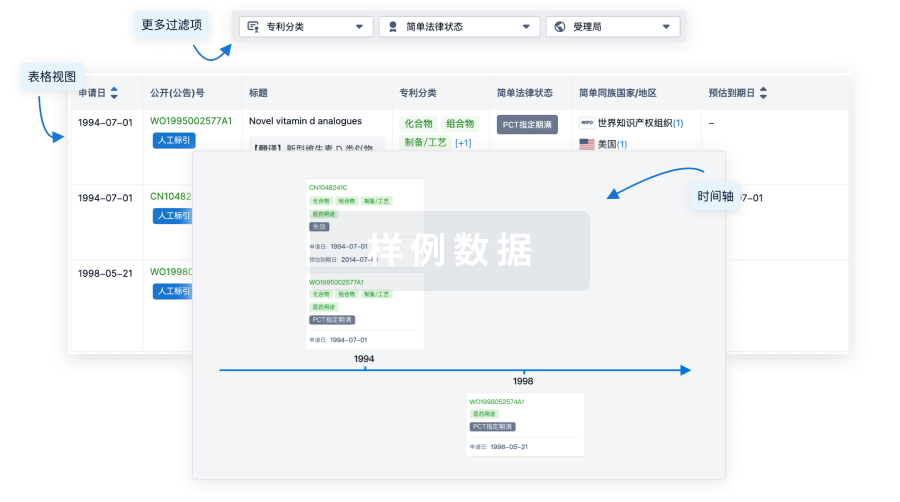
核心专利
使用我们的核心专利数据促进您的研究。
登录
或
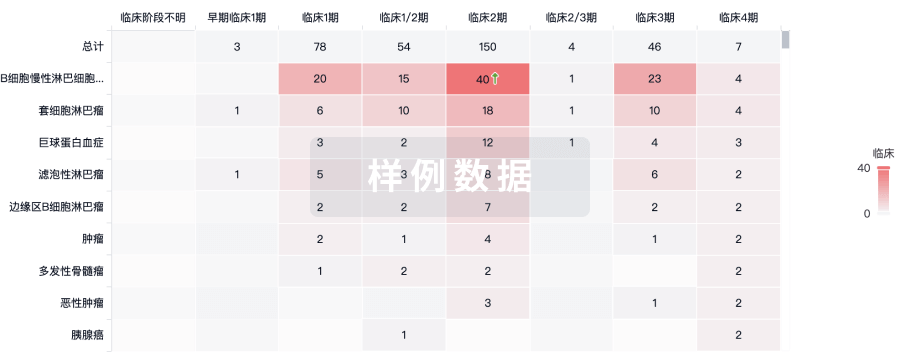
临床分析
紧跟全球注册中心的最新临床试验。
登录
或
批准
利用最新的监管批准信息加速您的研究。
登录
或
生物类似药
生物类似药在不同国家/地区的竞争态势。请注意临床1/2期并入临床2期,临床2/3期并入临床3期
登录
或
特殊审评
只需点击几下即可了解关键药物信息。
登录
或
提出任何生物医药研究问题
让每一步生物医药决策都精准制胜
基于十亿级生物数据与全球情报的精准 AI,赋能早期药物发现
立即开始免费试用!
智慧芽新药情报库是智慧芽专为生命科学人士构建的基于AI的创新药情报平台,助您全方位提升您的研发与决策效率。
立即接入生物医药数据包
智慧芽新药库数据也通过智慧芽开放平台,以MCP或API服务形式对外开放。立即使用我们的MCP服务定制您的LLM智能体。
生物序列数据库
生物药研发创新
免费使用
化学结构数据库
小分子化药研发创新
免费使用