预约演示
更新于:2026-03-11
GL-1
更新于:2026-03-11
概要
基本信息
非在研机构- |
权益机构- |
最高研发阶段临床前 |
首次获批日期- |
最高研发阶段(中国)临床前 |
特殊审评- |


关联
100 项与 GL-1 相关的临床结果
登录后查看更多信息
100 项与 GL-1 相关的转化医学
登录后查看更多信息
100 项与 GL-1 相关的专利(医药)
登录后查看更多信息
21
项与 GL-1 相关的文献(医药)2025-11-01·JOURNAL OF MEDICINAL FOOD
Antioxidant Properties of Mexican
Ganoderma lucidum
Extracts in Obese C57BL/6 Mice Fed with a High-Fat and Sugar Diet
Article
作者: Martínez, Wilfrido ; Castillo, Ivan ; Bonilla, Myrna ; Fernández, Nora ; Torres, Nimbe ; Petlacalco, Beatriz ; Aliphat, Mario ; Morales, Alfredo ; Meneses, María E. ; Sánchez-Tapia, Mónica ; Tovar, Armando R. ; Hernández-Acosta, Julieta ; Sánchez, Miguel ; Coutiño-Hernández, Diana ; Martínez-Carrera, Daniel ; Pérez-Herrera, Aleyda ; Bautista-Montero, Zoha
Oxidative stress is a key factor of comorbidities in obesity. A Mexican genotype of the medicinal mushroom
Ganoderma lucidum
(
Gl
) contains bioactive compounds showing antioxidant, hypocholesterolemic, anti-inflammatory, anticancer, and prebiotic properties. We assessed the effect of standardized
Gl
-1 and
Gl
-2 extracts (1%) consumed by obese C57BL/6 mice fed with a high-fat and sugar diet (HFSD), on weight increase, serum parameters, liver lipid accumulation, and the expression of antioxidant genes (glutathione peroxidase 1, catalase [CAT], superoxide dismutase [SOD] 1, SOD2) and proteins (CAT, SOD2, nuclear factor erythroid 2-related factor 2) in the liver. Fifty-six male C57BL/6 mice were randomized into seven groups involving the control and treatments during 17 weeks, as well as using metformin (Met, 250 mg/kg/day) as a reference drug. Serum lipids and glucose levels decreased in mice groups consuming
Gl
extracts and metformin, in comparison with the HFSD group, as follows: total cholesterol (−11.8% to −35.7%), triglycerides (−8.3% to −24.8%), low-density lipoprotein cholesterol (−19.6% to −51.6%), and glucose (−3.1% to −25.7%).
Gl
-1 and
Gl
-2 extracts showed antioxidant properties and prevented lipid accumulation in the liver. The expression of antioxidant genes and proteins was significantly higher (
P
< .001) in the mice groups consuming
Gl
extracts, as compared to the HFSD group. This evidence showed that
Gl
-1 and
Gl
-2 extracts prevented oxidative stress in the
in vivo
model of obesity induced by an HFSD.
2025-01-01·Journal of prosthodontics : official journal of the American College of Prosthodontists
Evaluation of one versus two glaze firings on the color stability and mechanical properties of an extrinsically characterized monolithic CAD‐CAM lithium disilicate glass ceramic
Article
作者: Loíky Sampaio de Souza, Matheus ; Whitehurst Ary Leitão, Andrea ; Kelma Palacio Gomes Magalhães, Aghata ; Matthes de Freitas Pontes, Karina ; Barros Moreira, Gabriela ; Fernandes Peixoto, Raniel ; Pontes, Cássio
Abstract:
Purpose:
To evaluate the effects of 1 versus 2 glaze firings on the color and mechanical properties of an extrinsically characterized lithium disilicate ceramic after thermal cycling, brushing, or both.
Materials and Methods:
Eighty specimens were divided into 2 groups: 1 glaze firing (GL1) and 2 glaze firings (GL2). Each group was subdivided into 4 groups (n = 10), according to the experimental conditions: thermal‐cycling, brushing, thermal‐cycling + brushing, and immersion in distilled water (control). Color variation, surface roughness, and Vickers microhardness were analyzed before each designated experiment and after the simulated periods of 2.5, 5, and 10 years. Three‐way mixed ANOVA was used for all outcomes, followed by 1‐way ANOVA, repeated measures 1‐way ANOVA, Bonferroni post hoc test, and t‐test to check for statistical differences (α = 0.05).
Results:
Thermal cycling generated greater color changes in the GL1 group at 2.5 and 5 years (p < 0.001; p = 0.013). Brushing generated color changes in GL1 at 5 years (p = 0.003) and in GL2 at 10 years (p = 0.017). Regarding surface roughness, the GL1 group suffered alterations in thermal cycling + brushing at 5 years. In the control group, the GL1 group exhibited higher roughness values than GL2 (p < 0.05). Most of the groups experienced an increase in microhardness at 2.5 years (p < 0.05). In the GL1 group, thermal‐cycling increased the microhardness at 5 years (p = 0.006); at 5 and 10 years, the GL1 group had a higher microhardness than the GL2 in thermal‐cycling + brushing (p < 0.05).
Conclusion:
Ceramics with 1 glaze firing showed greater color, roughness, and microhardness changes compared to those submitted to 2 firings.
2024-09-01·Advanced Science
DHPS‐Mediated Hypusination Regulates METTL3 Self‐m6A‐Methylation Modification to Promote Melanoma Proliferation and the Development of Novel Inhibitors
Article
作者: Yang, Yue‐hui ; Guo, Jing‐si ; Li, Xin‐yang ; Zhang, Ji‐fang ; Liu, Kai‐li ; Ma, Jian ; Meng, Fan‐hao ; Li, Long‐tian ; Zhao, Xi‐he ; Jian, Ling‐yan ; Qin, Yu‐xi
Abstract:
Discovering new treatments for melanoma will benefit human health. The mechanism by which deoxyhypusine synthase (DHPS) promotes melanoma development remains elucidated. Multi‐omics studies have revealed that DHPS regulates m6A modification and maintains mRNA stability in melanoma cells. Mechanistically, DHPS activates the hypusination of eukaryotic translation initiation factor 5A (eIF5A) to assist METTL3 localizing on its mRNA for m6A modification, then promoting METTL3 expression. Structure‐based design, synthesis, and activity screening yielded the hit compound GL‐1 as a DHPS inhibitor. Notably, GL‐1 directly inhibits DHPS binding to eIF5A, whereas GC‐7 cannot. Based on the clarification of the mode of action of GL‐1 on DHPS, it is found that GL‐1 can promote the accumulation of intracellular Cu2+ to induce apoptosis, and antibody microarray analysis shows that GL‐1 inhibits the expression of several cytokines. GL‐1 shows promising antitumor activity with good bioavailability in a xenograft tumor model. These findings clarify the molecular mechanisms by which DHPS regulates melanoma proliferation and demonstrate the potential of GL‐1 for clinical melanoma therapy.
100 项与 GL-1 相关的药物交易
登录后查看更多信息
研发状态
10 条进展最快的记录, 后查看更多信息
登录
| 适应症 | 最高研发状态 | 国家/地区 | 公司 | 日期 |
|---|---|---|---|---|
| 肿瘤 | 临床前 | 中国 | 2026-01-01 | |
| 肿瘤 | 临床前 | 中国 | 2026-01-01 |
登录后查看更多信息
临床结果
临床结果
适应症
分期
评价
查看全部结果
| 研究 | 分期 | 人群特征 | 评价人数 | 分组 | 结果 | 评价 | 发布日期 |
|---|
No Data | |||||||
登录后查看更多信息
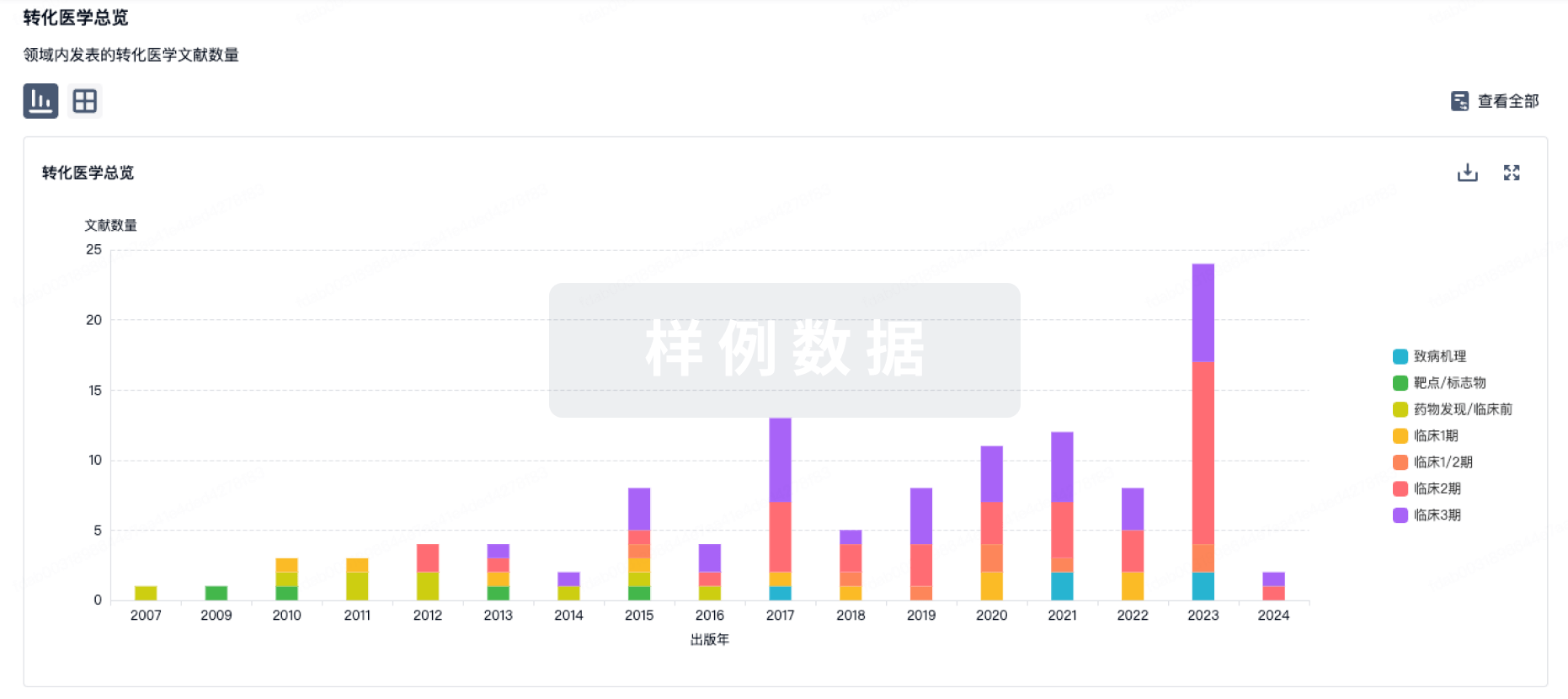
转化医学
使用我们的转化医学数据加速您的研究。
登录
或
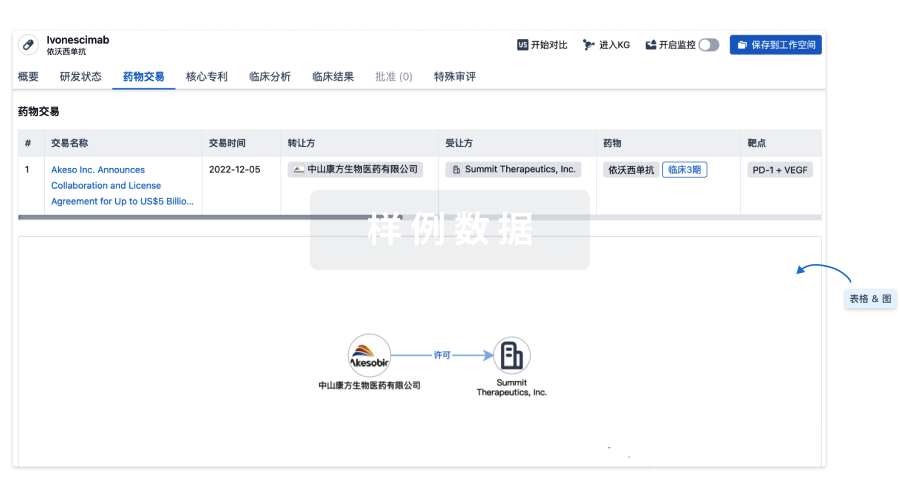
药物交易
使用我们的药物交易数据加速您的研究。
登录
或
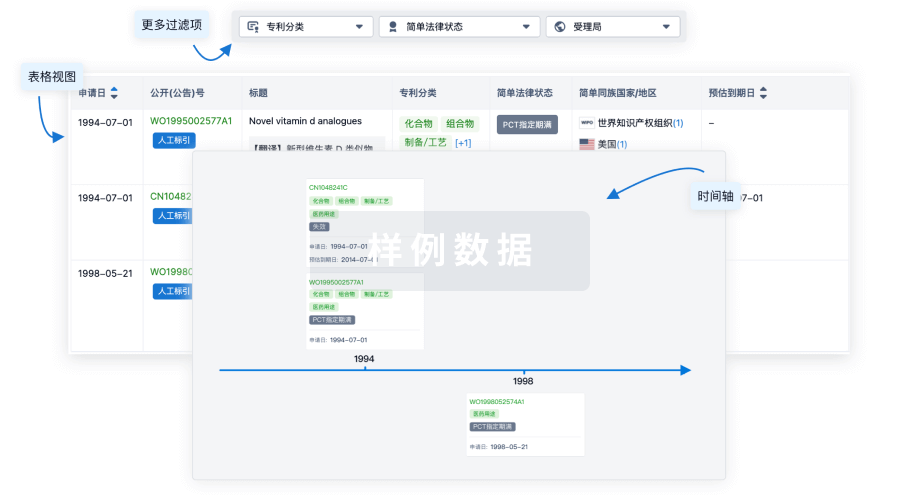
核心专利
使用我们的核心专利数据促进您的研究。
登录
或
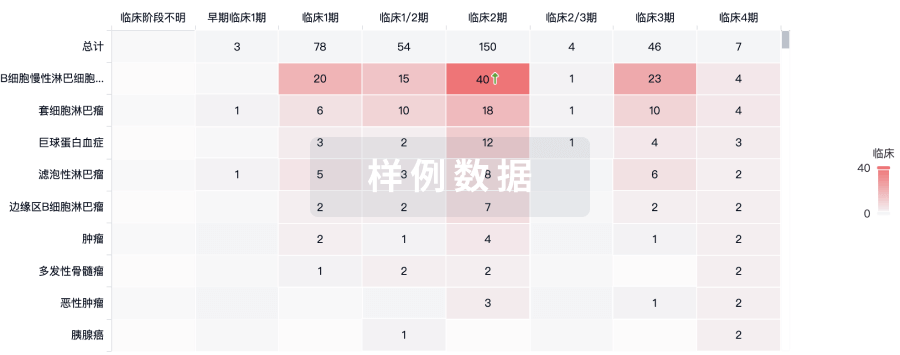
临床分析
紧跟全球注册中心的最新临床试验。
登录
或
批准
利用最新的监管批准信息加速您的研究。
登录
或
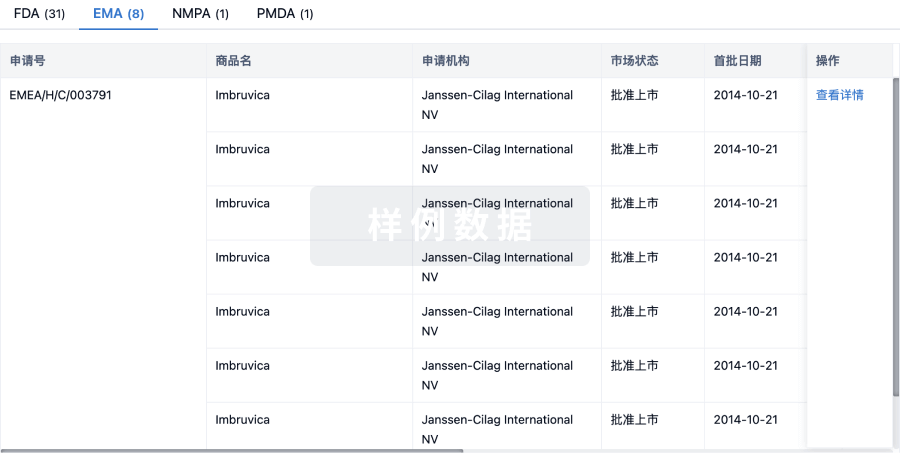
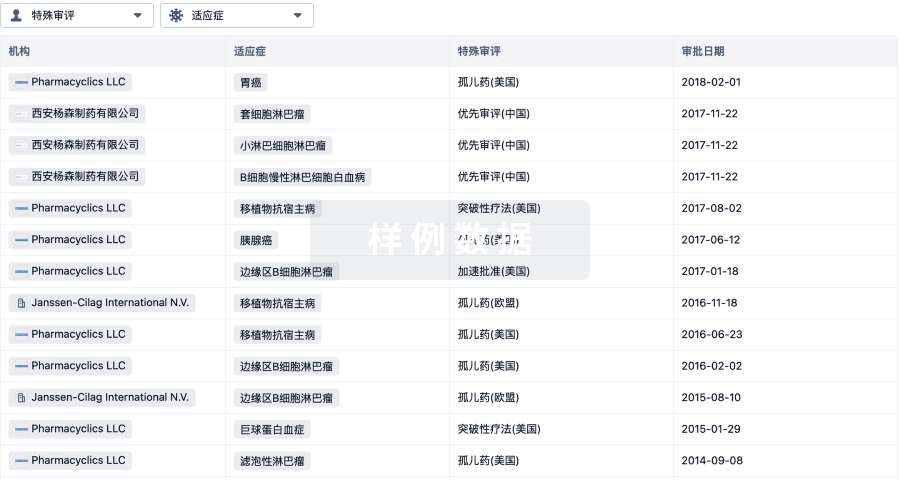
特殊审评
只需点击几下即可了解关键药物信息。
登录
或
生物医药百科问答
全新生物医药AI Agent 覆盖科研全链路,让突破性发现快人一步
立即开始免费试用!
智慧芽新药情报库是智慧芽专为生命科学人士构建的基于AI的创新药情报平台,助您全方位提升您的研发与决策效率。
立即开始数据试用!
智慧芽新药库数据也通过智慧芽数据服务平台,以API或者数据包形式对外开放,助您更加充分利用智慧芽新药情报信息。
生物序列数据库
生物药研发创新
免费使用
化学结构数据库
小分子化药研发创新
免费使用