预约演示
更新于:2026-01-10
BMS-193885
更新于:2026-01-10
概要
基本信息
在研机构- |
权益机构- |
最高研发阶段无进展临床前 |
首次获批日期- |
最高研发阶段(中国)- |
特殊审评- |
结构/序列
分子式C33H42N4O6 |
InChIKeyWMYSXJSJXZFODY-UHFFFAOYSA-N |
CAS号186185-03-5 |
关联
100 项与 BMS-193885 相关的临床结果
登录后查看更多信息
100 项与 BMS-193885 相关的转化医学
登录后查看更多信息
100 项与 BMS-193885 相关的专利(医药)
登录后查看更多信息
13
项与 BMS-193885 相关的文献(医药)2026-02-01·POULTRY SCIENCE
Investigating the role of melanocortinergic, glutamatergic and neuropeptide Y systems on hypophagia caused by gastric inhibitory polypeptide (GIP) in broilers
Article
作者: Zarei, Hamed ; Mahdavi, Kimia ; Zendehdel, Morteza ; Gharaie, Maryam Lotfi
Appetite control and the metabolic rate of energy expenditure are under the influence of a broad suite of biochemical messengers, which include peptide-based signals, hormonal agents, and neurotransmitters. This research sought to examine the correlation between melanocortinergic, glutamatergic, and neuropeptide Y (NPY) systems with gastric inhibitory polypeptide (GIP) in the modulation of appetite and consummatory behavior. In experiment 1, broilers were injected with GIP at various doses (3, 6 and 12 nmol) in addition to saline. The experimental design for the second trial involved four distinct ICV treatment groups: a saline control, SHU9119 (a MC3/4 melanocortin receptor antagonist, 0.5 nmol), GIP (12 nmol), and a co-infusion of SHU9119 and GIP. Experiments 3 through 11 followed a protocol analogous to that of experiment 2. The sole modification was the substitution of SHU9119 with specific receptor antagonists, administered via intracerebroventricular (ICV) injection. These antagonists targeted the following receptors and their respective doses: MC4 (HS024, 0.5 nmol), NMDA (MK-801, 15 nmol), AMPA (CNQX, 390 nmol), mGluR1 (AIDA, 2 nmol), mGluR2 (LY341495, 150 nmol), mGluR3 (UBP1112, 2 nmol), NPY1 (BMS193885, 1.25 µg), NPY2 (CYM9484, 1.25 µg), and NPY5 (L-152804, 1.25 µg). Cumulative feed intake was subsequently measured at 30, 60, and 120-minute post-infusion intervals. Based on the results, GIP at doses of 6 and 12 nmol induced a significant reduction in food consumption relative to the control group (P < 0.05). This anorexigenic effect of GIP was significantly attenuated by the co-infusion of either the MC3/MC4 receptor antagonist SHU9119 (P < 0.05) or the NMDA receptor antagonist MK-801 (P < 0.05). The collected data imply that signaling cascades dependent on NMDA and melanocortin (MC3/MC4) receptors potentially mediate the anorectic effect of GIP in neonatal broilers, a process which appears independent of NPY Y1, Y2, and Y5 receptor involvement.
2026-02-01·VETERINARY RESEARCH COMMUNICATIONS
Central administration of C-type natriuretic peptide (CNP) modulates food consumption in broilers: involvement of dopaminergic, melanocortinergic, and neuropeptide Y receptors
Article
作者: Alidadiani, Ghazaleh ; Mahdavi, Kimia ; Zendehdel, Morteza
C-type natriuretic peptide (CNP), belonging to the natriuretic peptide group, has recently emerged as a potential modulator of feeding behavior in mammalian species. This study aimed to examine the impact of central infusion of CNP-22 on feeding behavior in neonatal broilers and to elucidate its interaction with the dopaminergic, malanocortinergic, and neuropeptide Y (NPY) systems. Across ten separate experiments, broilers were systematically allocated into four different treatment groups for each experiment. In the initial experiment, neonatal chickens (Ross-308) received ICV injections of saline or CNP-22 at escalating doses (0.75, 1.5, and 3 nmol). Subsequent experiments assessed the interplay between CNP-22 (3 nmol); L-DOPA, a precursor of dopamine; 6-hydroxydopamine (6-OHDA), a neurotoxin targeting dopaminergic neurons; SCH23390, an antagonist of D1 dopamine receptors; AMI-193, an antagonist of D2 dopamine receptors; SHU9119, an antagonist of melanocortin 3 and 4 receptors; HS 024, a selective melanocortin 4 receptor antagonist; BMS193885, an antagonist of the neuropeptide Y1 receptor; CYM9484, an antagonist of the neuropeptide Y2 receptor; and L-152,804, which functions as an antagonist at neuropeptide Y5 receptors. Treatments included individual injections and simultaneous co-administrations of CNP-22 with these pharmacological agents. Feed consumption was measured for 120 min post-infusion. When CNP-22 was administered at concentrations of 1.5 and 3 nmol, a progressive decline in meal consumption was observed, correlating with increasing dosage (P < 0.05). Co-infusion of BMS193885 + CNP-22 enhanced the anorexigenic effect induced by CNP-22 (P < 0.05). However, simultaneous infusion of 6-OHDA, SCH23390, and SHU9119 with CNP-22 markedly decreased CNP-22-induced anorexia (P < 0.05). The data indicate that CNP-22 administration suppresses feeding behavior in young broiler chickens, a process potentially mediated via the D1, MC3/MC4, and NPY1 receptors pathways.
2025-11-01·MOLECULAR NUTRITION & FOOD RESEARCH
Nobiletin Alleviates Npy1r‐Mediated Insulin Secretion Deficiency of Islet β‐Cells via the Clock‐Modulatory Signaling
Article
作者: Xia, Zijun ; Chen, Zhi ; Xiang, Qianru ; Chen, Xiao ; Liao, Wenzhen ; Tang, Enhui
ABSTRACT:
Current research indicates that insulin secretion deficiency in β‐cells contributes to Type 2 diabetes mellitus (T2DM), which is associated with neuropeptide Y
1
receptor (Npy1r) overexpression from neuropeptide Y (NPY) system dysregulation. To date, limited literature has explored nobiletin (NOB) as a circadian modulator for restoring β‐cell function through Npy1r regulation. This study investigates NOB's stimulatory effects on insulin secretion via Npy1r and clock‐modulatory signaling to elucidate its underlying mechanism. The findings demonstrated that NOB ameliorated hyperglycemia and promoted insulin secretion in two distinct mouse models: T2DM induced by a high‐fat diet with low‐dose streptozotocin, and acute hyperglycemia triggered by NPY. Moreover, NOB reduced NPY family peptides in the serum and suppressed Npy1r overexpression in β‐cells. Comprehensive investigations revealed that NOB mitigated Npy1r‐mediated β‐cell dysfunction through activating clock‐modulatory signaling, evidenced by restored
Bmal1::Luc
bioluminescence rhythmicity in mouse insulinoma6 (MIN6) cells. Molecular docking confirmed a direct NOB‐Npy1r interaction, while mechanistic analyses demonstrated modulation of the retinoic acid‐related orphan receptors (RORs)/Bmal1‐Yes‐associated protein (Yap) pathway via Yap suppression and Bmal1 activation, based on the interventions with palmitic acid, BMS 193885 (Npy1r antagonist), and NPY. Therefore, this study provides evidence that NOB can protect β‐cells from insulin secretion dysfunction by downregulating Npy1r expression and activating the RORs/Bmal1‐Yap pathway.
100 项与 BMS-193885 相关的药物交易
登录后查看更多信息
研发状态
10 条进展最快的记录, 后查看更多信息
登录
| 适应症 | 最高研发状态 | 国家/地区 | 公司 | 日期 |
|---|---|---|---|---|
| 肥胖 | 临床前 | 美国 | 2002-02-01 |
登录后查看更多信息
临床结果
临床结果
适应症
分期
评价
查看全部结果
| 研究 | 分期 | 人群特征 | 评价人数 | 分组 | 结果 | 评价 | 发布日期 |
|---|
No Data | |||||||
登录后查看更多信息
转化医学
使用我们的转化医学数据加速您的研究。
登录
或
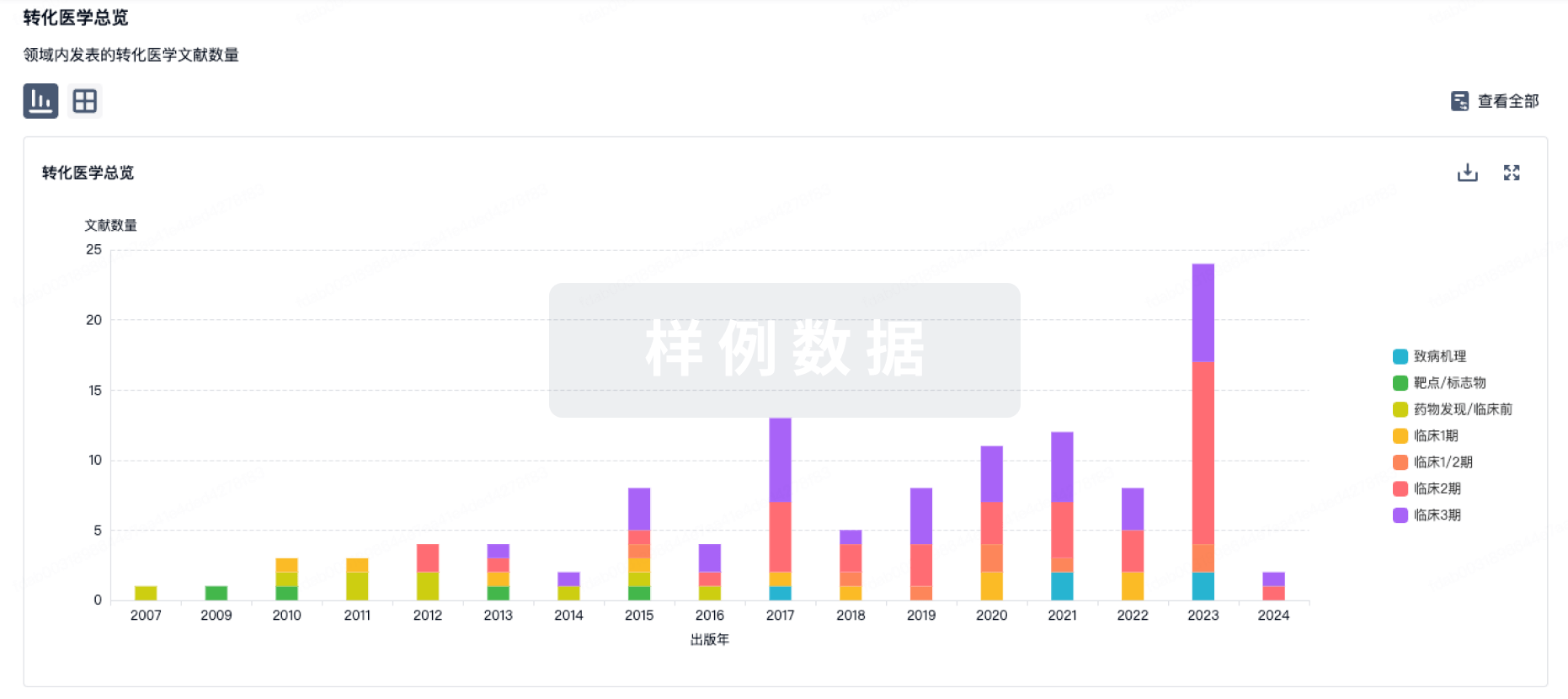
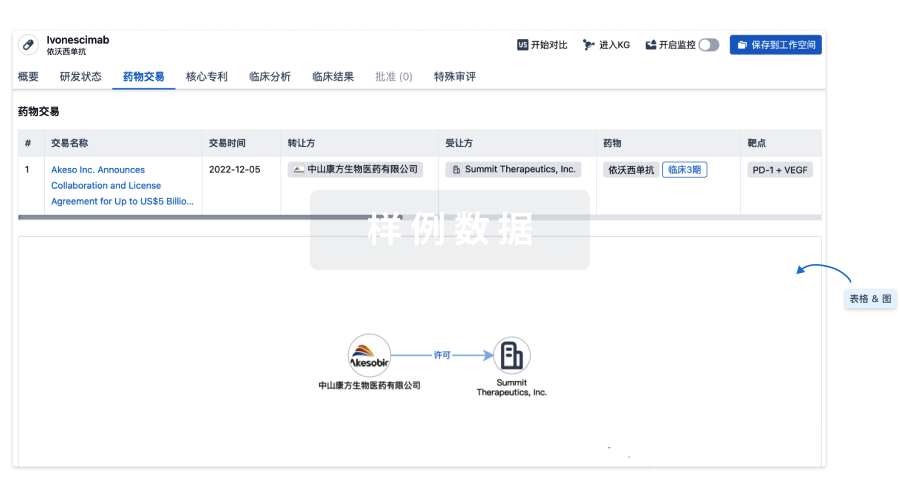
药物交易
使用我们的药物交易数据加速您的研究。
登录
或
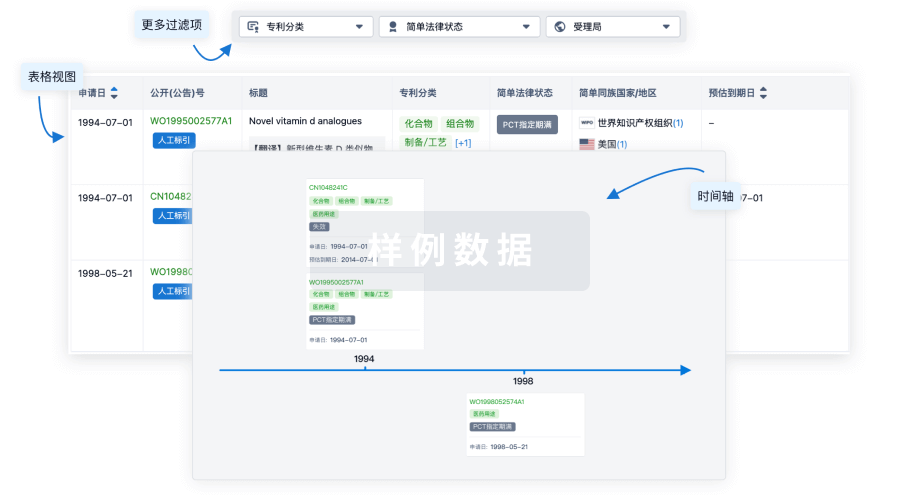
核心专利
使用我们的核心专利数据促进您的研究。
登录
或
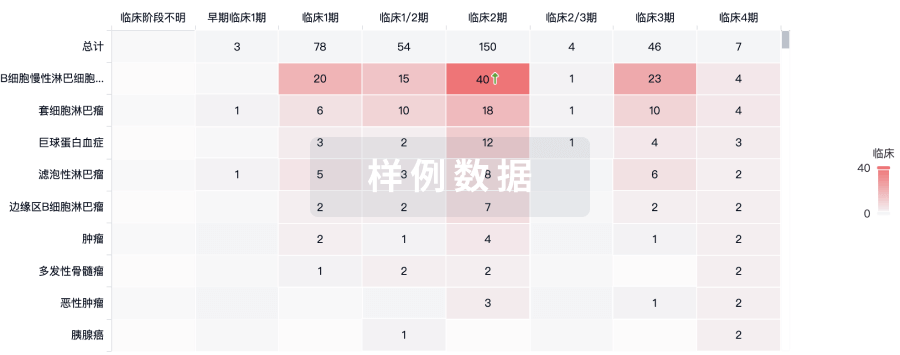
临床分析
紧跟全球注册中心的最新临床试验。
登录
或
批准
利用最新的监管批准信息加速您的研究。
登录
或
特殊审评
只需点击几下即可了解关键药物信息。
登录
或
生物医药百科问答
全新生物医药AI Agent 覆盖科研全链路,让突破性发现快人一步
立即开始免费试用!
智慧芽新药情报库是智慧芽专为生命科学人士构建的基于AI的创新药情报平台,助您全方位提升您的研发与决策效率。
立即开始数据试用!
智慧芽新药库数据也通过智慧芽数据服务平台,以API或者数据包形式对外开放,助您更加充分利用智慧芽新药情报信息。
生物序列数据库
生物药研发创新
免费使用
化学结构数据库
小分子化药研发创新
免费使用