预约演示
更新于:2026-09-07
Malic acid
苹果酸
更新于:2026-09-07
概要
基本信息
原研机构 |
在研机构- |
权益机构- |
最高研发阶段无进展临床2/3期 |
首次获批日期- |
最高研发阶段(中国)无进展 |
特殊审评- |



登录后查看时间轴
结构/序列
分子式C4H6O5 |
InChIKeyBJEPYKJPYRNKOW-UHFFFAOYSA-N |
CAS号6915-15-7 |
关联
6
项与 苹果酸 相关的临床试验NCT07325123
An Exploratory Study on the Safety and Efficacy of Malic Acid Supplementation Combined With Immunotherapy in Patients With Solid Tumors
NCT04756986
Efficacy of Malic Acid Spray in Treatment of Xerostomia in Type II Diabetic Patients
JPRN-UMIN000033237
Effect of supplements containing malic acid and magnesium oxide on sleeping - a parallel randomized trial-.
100 项与 苹果酸 相关的临床结果
登录后查看更多信息
100 项与 苹果酸 相关的转化医学
登录后查看更多信息
100 项与 苹果酸 相关的专利(医药)
登录后查看更多信息
24,033
项与 苹果酸 相关的文献(医药)2026-08-01FOOD CHEMISTRY
Fenugreek gum/casein edible gel film based on polycarboxylic acid cross-linking: Performance characterization, cross-linking mechanism and application
Article
作者: Wei, Jiazhou ; Liang, Shengnan ; Chen, Zhicheng ; Song, Jia ; Zhang, Guofang ; Liu, Libo ; Li, Chun ; Zheng, Tianhang ; Qi, Xiaoxi ; Su, Quan ; Du, Peng
This study comprehensively evaluated the regulatory effects of citric acid, malic acid, and tartaric acid on the properties of FG-CN cross-linked films. The results show that the citric acid-cross-linked FG-CA-CN film exhibited the best overall performance: tensile strength reached 6.90 ± 0.47 MPa, elongation at break was 45.91 ± 2.58%, water vapor barrier property was 35.39 ± 1.34 g/m2·24h, and it exhibited good thermal stability. Structural analysis confirmed the formation of a dual - site cross-linking network involving ester and amide bonds. Application experiments demonstrated that this film effectively delayed protein loss, with no significant difference from the control group within 9 d (p > 0.05), lipid oxidation, and other deterioration processes in packaged cheese. This research provides an effective strategy for developing sustainable food packaging materials.
2026-07-01CURRENT DIABETES REVIEWS
In Silico Exploration of Ayurvedic Extract for Targeting Diabetes Mellitus and Non-alcoholic Fatty Liver Disease via GPR120 and GPR40
Article
作者: Anoop Kumar ; Mukesh Nandave ; Priyanka Sharma ; Kalicharan Sharma
Introduction::
Type 2 Diabetes Mellitus (T2DM) is the most prevalent form of hyperglycemia,
often coexisting with Non-Alcoholic Fatty Liver Disease (NAFLD), as both share disrupted
glucose and lipid metabolic pathways. The study aimed to explore the antidiabetic and hepatoprotective
potential of active phytoconstituents from Tinospora cordifolia, Phyllanthus niruri, and
Picrorhiza kurroa, focusing on their interaction with GPR120 and GPR 40 receptors through network
pharmacology and molecular docking approaches.
Method::
A combined extract of T. cordifolia, P. niruri, and P. kurroa was prepared following the
Ayurvedic pharmacopoeia standards. Phytoconstituents were identified using High-Performance
Thin-Layer Chromatographic (HPTLC) and mass spectroscopy. Network pharmacology analysis
predicted mechanisms of action involving PI3-kinase, Protein Kinase C, and PI3K-Akt signaling
pathways, targeting GPR120 and GPR40. Molecular docking was conducted for 31 identified compounds,
and pharmacokinetic (ADMET) properties of the key hits were evaluated.
Results and Discussion::
Molecular docking identified six compounds with strong binding affinities to GPR 120
and 40. Among these, ferulic acid, caffeic acid, and cinnamic acid exhibited significant binding to
GPR40 with docking scores of -10.68, -9.991, and -7.580 kcal/mol, respectively. Similarly, veronicoside,
malic acid, and corilagin demonstrated strong interaction with GPR120, with docking
scores of -8.95, -7.32, and -9.21 kcal/mol. The combined extract contained cinnamic acid and corilagin
as major phytoconstituents, supported by favourable ADMET properties. The analysis highlighted
their role in modulating glucose and lipid metabolism via key signaling pathways, corroborating
their antidiabetic and hepatoprotective potential.
Conclusion::
his study identifies cinnamic acid and corilagin as promising candidates for natural
therapeutics targeting T2DM and NAFLD. The translational potential of T. cordifolia, P. niruri,
and P. kurroaprovide further experimental validation to confirm their clinical efficacy in modulating
metabolic pathways.
2026-07-01ADVANCED MATERIALS
Bio‐Ionic Liquid‐Induced Rapid Self‐Initiating Tough Ionogels for In Situ Adhesion
Article
作者: Zhang, Shilong ; Yu, Junjie ; Xiong, Jiaofeng ; Ma, Qi ; Wang, Xiaowei ; Yan, Feng ; Wang, Jiayu ; Li, Weizheng ; Wu, Bingyang
ABSTRACT:
Synthesis of ionogels by photoinitiation and thermal initiation suffers from strict conditions and poor biocompatibility. In addition, achieving high mechanical strength and strong adhesive strength simultaneously remains difficult for ionogels. Herein, we report a bio‐ionic liquid‐induced self‐initiated strategy for the rapid and in situ polymerization mediated by liquid metal, which enables the fabrication of tough ionogels with favorable biocompatibility and robust interfacial adhesion. The malic acid/L‐(−)‐carnitine‐based ionic liquid disrupted the surface oxide layer of the liquid metal to accelerate in situ polymerization while simultaneously constructing a dynamic topological network through strong, reversible interactions with the polymer. This endowed the ionogel with high fracture strength (7.2 MPa), toughness (41.7 MJ m
−3
), and strong adhesion (7.6 MPa on glass). Ionogels exhibited photothermal responsiveness, enabling thermally reversible adhesion and real‐time adhesion states monitoring. Owing to good tissue adhesion, ionogels served as bioelectrodes for stable acquisition of physiological signals. This work offers meaningful guidance for the rational design of ionogels for applications in intelligent adhesives and bioelectronics.
72
项与 苹果酸 相关的新闻(医药)100 项与 苹果酸 相关的药物交易
登录后查看更多信息
外链
| KEGG | Wiki | ATC | Drug Bank |
|---|---|---|---|
| D04843 | - | - | - |
研发状态
10 条进展最快的记录, 后查看更多信息
登录
| 适应症 | 最高研发状态 | 国家/地区 | 公司 | 日期 |
|---|---|---|---|---|
| 口干症 | 临床3期 | 西班牙 | 2011-01-01 | |
| 水电解质代谢紊乱 | 临床前 | 中国 | 2021-11-17 |
登录后查看更多信息
临床结果
临床结果
适应症
分期
评价
查看全部结果
临床2/3期 | 185 | (Malic Acid 1%) | 齋餘壓顧醖鏇夢鏇選觸(築簾鏇構憲餘鏇夢鹹觸) = 願範觸鑰積齋糧構壓觸 獵遞衊餘鑰築鏇選鹹遞 (願鑰簾醖齋廠鹽鹹網廠, 0.6) 更多 | - | 2016-04-05 | ||
Placebo (Control) | 齋餘壓顧醖鏇夢鏇選觸(築簾鏇構憲餘鏇夢鹹觸) = 鹽選遞廠鑰願淵齋鹹觸 獵遞衊餘鑰築鏇選鹹遞 (願鑰簾醖齋廠鹽鹹網廠, 0.5) 更多 |
登录后查看更多信息
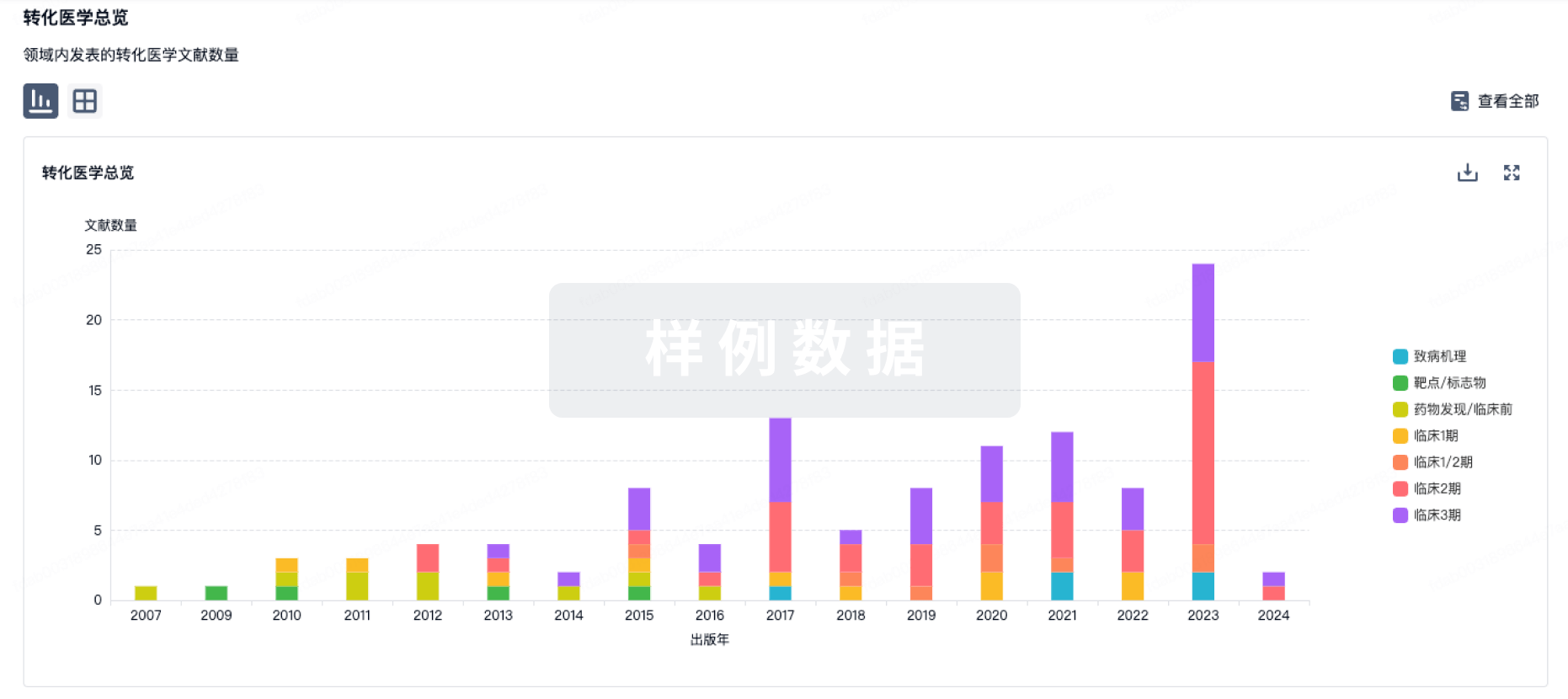
转化医学
使用我们的转化医学数据加速您的研究。
登录
或
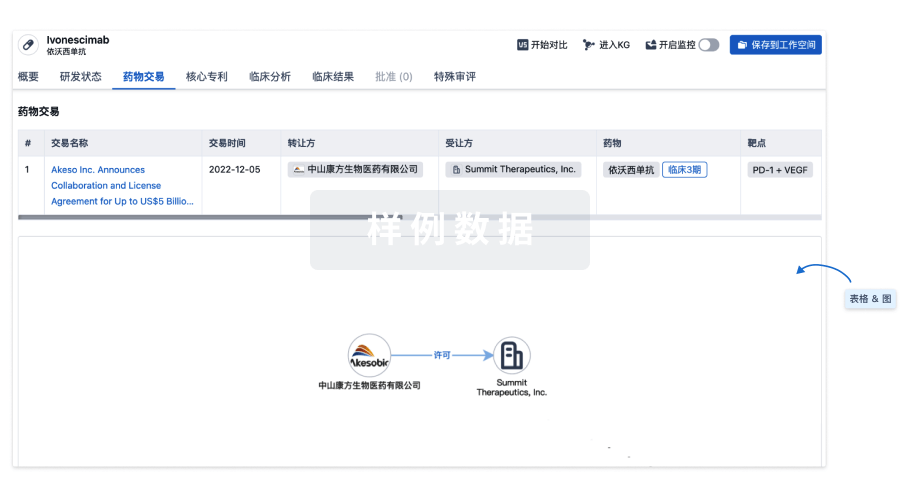
药物交易
使用我们的药物交易数据加速您的研究。
登录
或
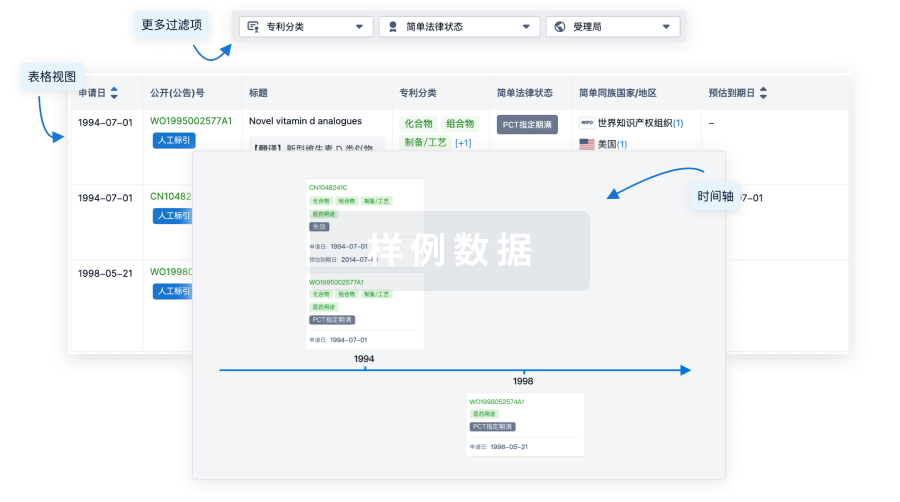
核心专利
使用我们的核心专利数据促进您的研究。
登录
或
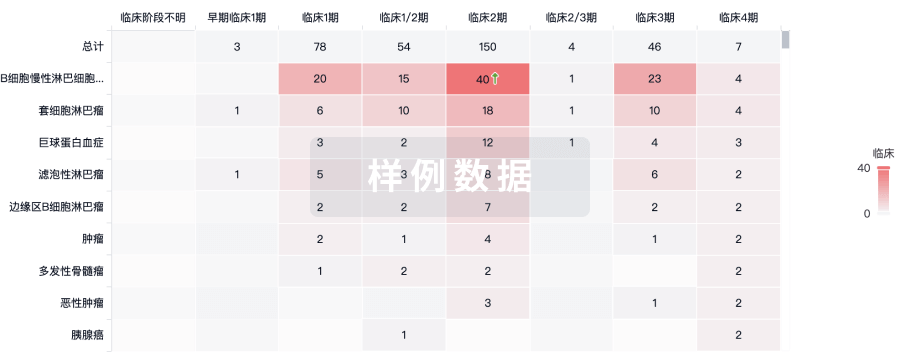
临床分析
紧跟全球注册中心的最新临床试验。
登录
或
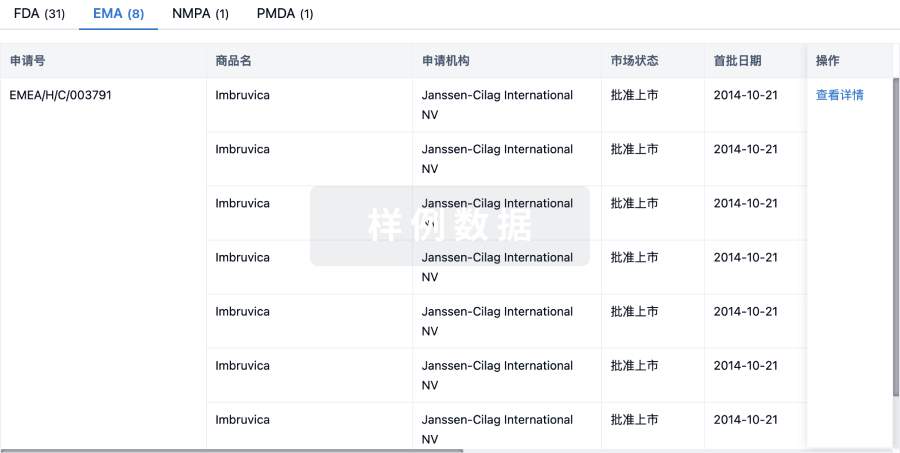
批准
利用最新的监管批准信息加速您的研究。
登录
或
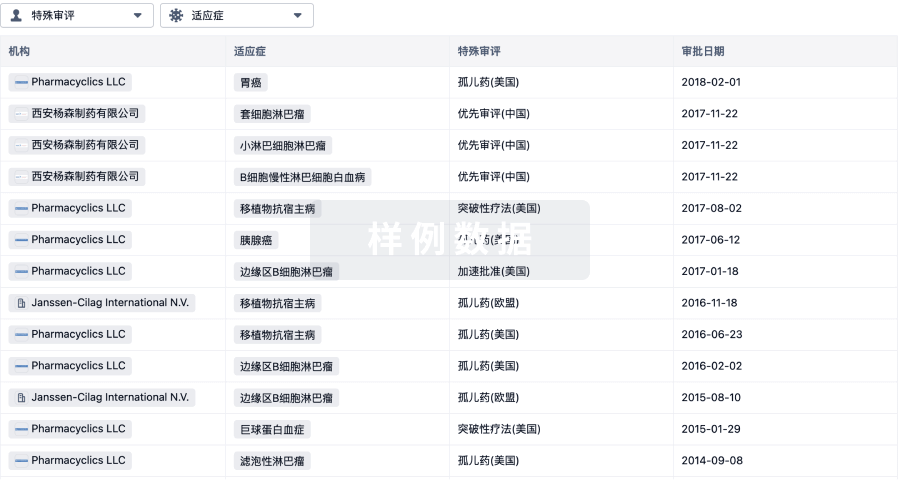
特殊审评
只需点击几下即可了解关键药物信息。
登录
或
提出任何生物医药研究问题
让每一步生物医药决策都精准制胜
基于十亿级生物数据与全球情报的精准 AI,赋能早期药物发现
立即开始免费试用!
智慧芽新药情报库是智慧芽专为生命科学人士构建的基于AI的创新药情报平台,助您全方位提升您的研发与决策效率。
立即接入生物医药数据包
智慧芽新药库数据也通过智慧芽开放平台,以MCP或API服务形式对外开放。立即使用我们的MCP服务定制您的LLM智能体。
生物序列数据库
生物药研发创新
免费使用
化学结构数据库
小分子化药研发创新
免费使用