预约演示
更新于:2025-12-09

Alexandria University
更新于:2025-12-09
概览
标签
内分泌与代谢疾病
其他疾病
神经系统疾病
小分子化药
生物药
疾病领域得分
一眼洞穿机构专注的疾病领域

技术平台
公司药物应用最多的技术
靶点
公司最常开发的靶点
关联
靶点 |
作用机制 |
在研机构 |
原研机构 |
在研适应症 |
非在研适应症 |
最高研发阶段 |
首次获批国家/地区 |
首次获批日期 |


靶点 |
作用机制 |
在研机构 |
原研机构 |
在研适应症 |
非在研适应症 |
最高研发阶段 |
首次获批国家/地区 |
首次获批日期 |

靶点 |
作用机制 |
在研机构 |
原研机构 |
在研适应症 |
非在研适应症 |
最高研发阶段 |
首次获批国家/地区 |
首次获批日期 |

NCT03806439
Post-surgical Delirium in Patients Undergoing Radical Cystectomy.
NCT03806413
Post-surgical Delirium in Patients Undergoing Open Heart Surgery.
NCT04110132
Postoperative Analgesia Using Ganglion Impar Block After Anal Surgery
100 项与 Alexandria University 相关的临床结果
登录后查看更多信息
登录后查看更多信息
2026-01-01Respiratory Investigation
The role of ultrasound-guided cervical lymph node biopsy in lung cancer: A scoping review
Review
作者: Hassan, M ; Daneshvar, C ; Thong, L ; Breen, D
The involvement of cervical lymph nodes in lung cancer occurs frequently. Despite the involvement of this group of lymph nodes reflecting either stage N3 or M1b in patients with non-small cell lung cancer, they do not receive the same amount of attention as mediastinal lymph nodes. Furthermore, these lymph nodes are more accessible for histology samples compared to other group of lymph nodes. Critically, cervical lymph nodes are often missed on CT scans. Neck US and US-guided biopsy of cervical lymph nodes have more established roles in other primary malignancies (e.g. thyroid cancer) and non-malignant diseases. This scoping review explores existing literature on neck US and cervical lymph node biopsy in patients with suspected lung cancer. The role and potentials benefits of neck US and cervical lymph node biopsy in this group of patients is examined. We also explored whether the procedure is being performed routinely by respiratory physicians as part of their lung cancer algorithm.
2025-12-31Alexandria Journal of Medicine
A randomized controlled trial of the effect of a psychoeducational intervention program on quality of life of patients with gynecological cancers
作者: Meleis, Mahmoud Elsayed Hanafi ; Tayel, Salwa Elsayed Abdelhalim ; Darwish, Eman Ahmed Fawzy ; Abou Elwafa, Heba Essam ; Shaaban Marouf, Fadia Samir
BackgroundWomen diagnosed with gynecol. cancer often suffer from phys., psychol., and social challenges as well as sexuality-related concerns and hence poor life quality.This study attempted to evaluate the effect of psychoeducational intervention program on quality of life among patients with gynecol. cancers.MethodsA randomized controlled trial design was used where the eligible gynecol. cancer women (n = 100) were allocated randomly into the intervention group receiving a four-session, 8-wk-long psychoeducational program (n = 50) or the control group receiving routine care (n = 50).Allocation concealment was used to avoid selection bias.A structured interview questionnaire was used at baseline assessment to obtain data regarding the socio-demographics as well as clin. traits of studied women.Addnl., data on quality of life at baseline and after implementation of the program were collected using the Arabic version of Functional Assessment of Cancer Therapy-General version 4 (FACT-G).ResultsThe study revealed that gynecol. cancer women receiving psychoeducational intervention program experienced a significantly greater improvement in their total life quality in addition to significant improvements across different domains as measured by FACT-G.ConclusionThe psychoeducational intervention program contributed pos. in improving the life quality among patients with gynecol. cancers.
2025-11-01RESPIRATORY MEDICINE
The effect of sampling method on the success of tissue diagnosis and molecular profiling in ultrasound guided biopsies for lung cancer
Article
作者: Nicholson, Sarah ; Baig, Tousif ; Hassan, Maged ; Anees, Muhammad Aamir
BACKGROUND AND AIMS:
In lung cancer diagnosis tissue should be adequate for identification of tumour type, and for testing for molecular alterations including multi-target next generation sequencing (NGS) where resources allow. This study aimed to examine the sufficiency of percutaneous ultrasound (US) guided samples obtained via the 2 main sampling methods; fine needle aspiration (FNA) and core biopsy (CB) for different levels of lung cancer testing.
METHODS:
Details of US-guided procedures carried out for lung cancer diagnosis were retrospectively collected. FNA and/or CBs were carried out according to feasibility and on-site cytology was not available. Diagnostic yields for histological diagnosis, limited molecular panel and multi-target NGS panel were calculated for each procedure.
RESULTS:
Out of 66 samples, the yield for identifying tissue type was 95.4 % with no difference in yield between FNA and CBs (92.7 % and 93.6 % respectively). 32 samples were sent for multi-target NGS, with a success rate of 71.9 %. This was improved from 66.7 % to 76.5 % when both sampling methods were done as opposed to either method alone.
CONCLUSION:
US-guided biopsies have high yield for tissue diagnosis in lung cancer and reasonable adequacy for extended genomic profiling. The results suggest that carrying out both FNA and CB improves the overall yield. Further prospective studies with standardized protocols are needed to confirm these findings.
2025-05-22
100 项与 Alexandria University 相关的药物交易
登录后查看更多信息
100 项与 Alexandria University 相关的转化医学
登录后查看更多信息
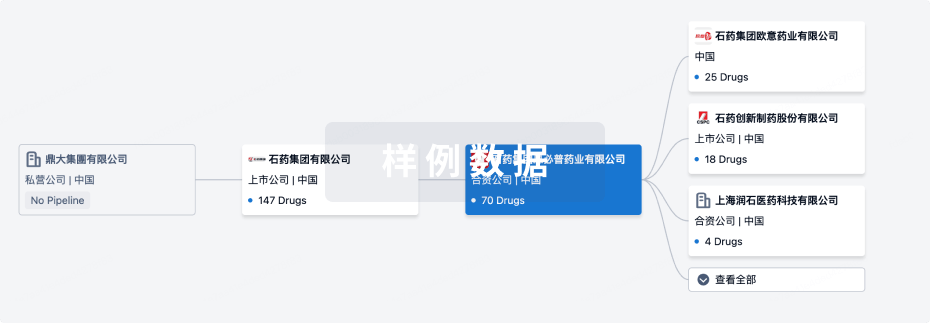
组织架构
使用我们的机构树数据加速您的研究。
登录
或
管线布局
2026年10月26日管线快照
管线布局中药物为当前组织机构及其子机构作为药物机构进行统计,早期临床1期并入临床1期,临床1/2期并入临床2期,临床2/3期并入临床3期
临床前
20
2
其他
登录后查看更多信息
当前项目
登录后查看更多信息
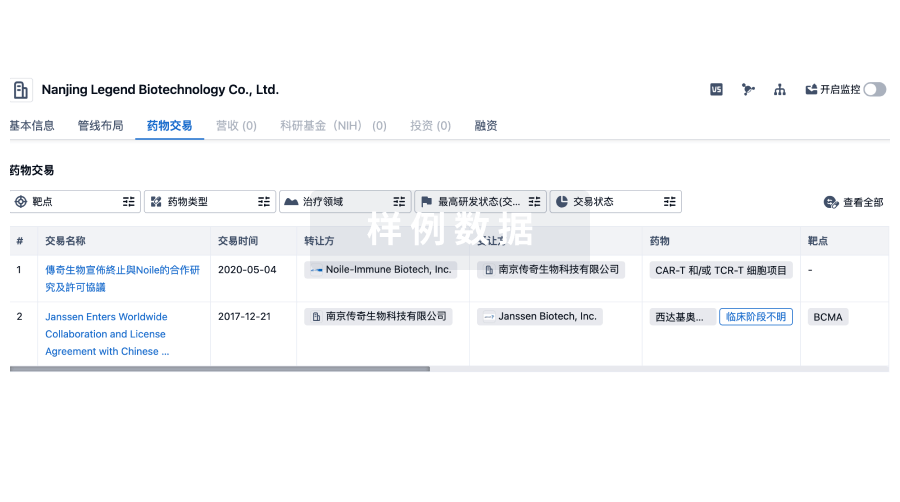
药物交易
使用我们的药物交易数据加速您的研究。
登录
或
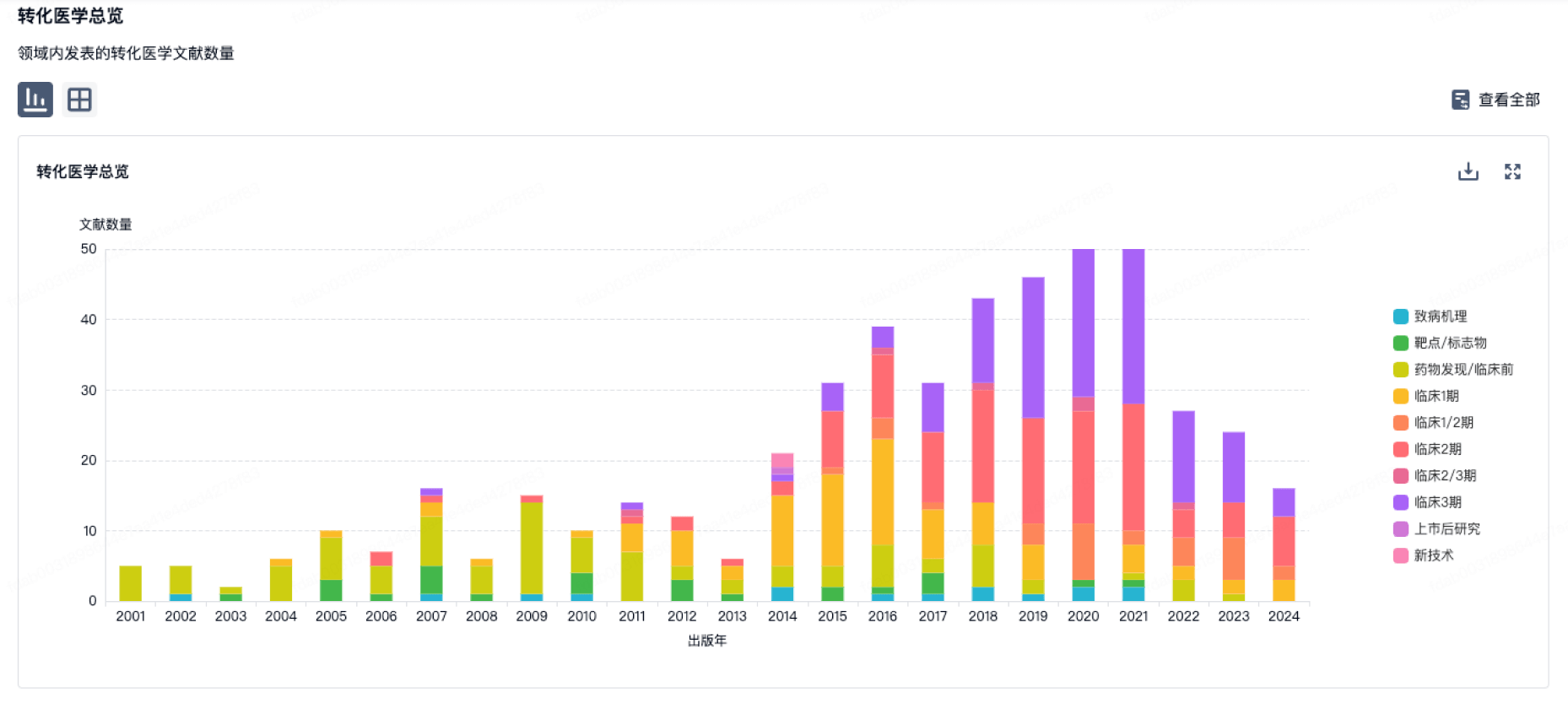
转化医学
使用我们的转化医学数据加速您的研究。
登录
或
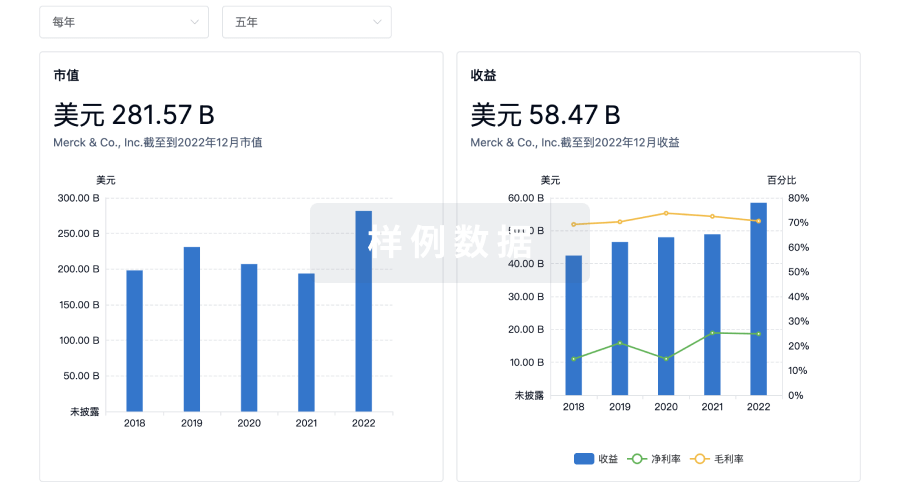
营收
使用 Synapse 探索超过 36 万个组织的财务状况。
登录
或
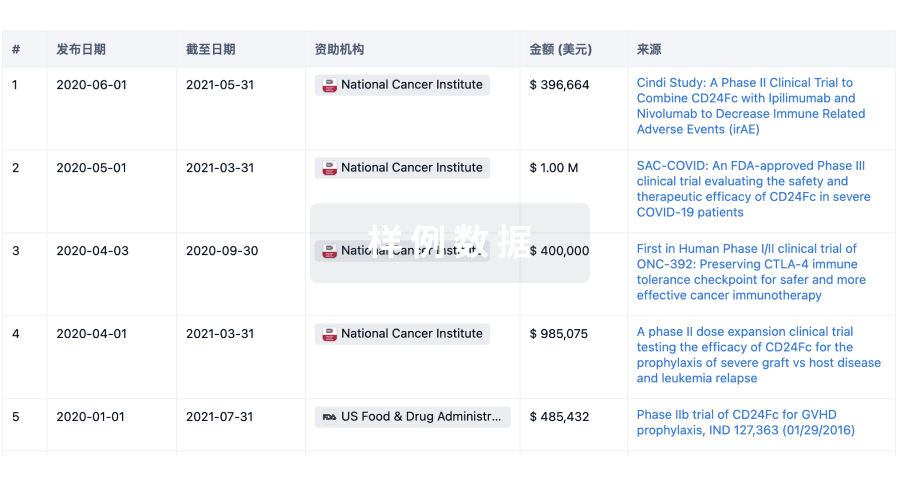
科研基金(NIH)
访问超过 200 万项资助和基金信息,以提升您的研究之旅。
登录
或
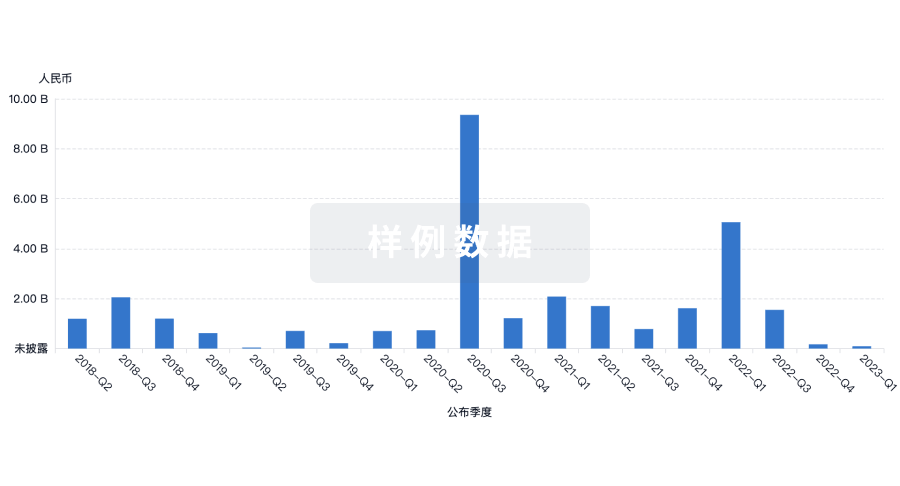
投资
深入了解从初创企业到成熟企业的最新公司投资动态。
登录
或
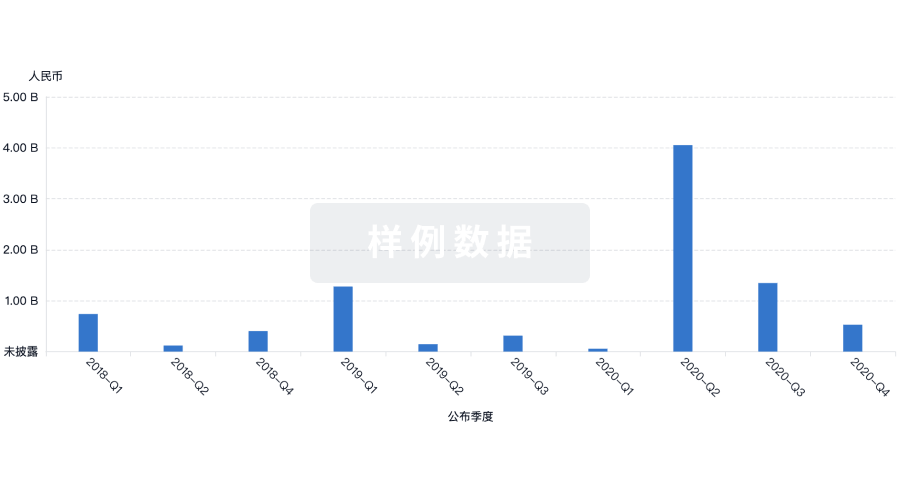
融资
发掘融资趋势以验证和推进您的投资机会。
登录
或
提出任何生物医药研究问题
让每一步生物医药决策都精准制胜
基于十亿级生物数据与全球情报的精准 AI,赋能早期药物发现
立即开始免费试用!
智慧芽新药情报库是智慧芽专为生命科学人士构建的基于AI的创新药情报平台,助您全方位提升您的研发与决策效率。
立即接入生物医药数据包
智慧芽新药库数据也通过智慧芽开放平台,以MCP或API服务形式对外开放。立即使用我们的MCP服务定制您的LLM智能体。
生物序列数据库
生物药研发创新
免费使用
化学结构数据库
小分子化药研发创新
免费使用