预约演示
更新于:2026-04-02
RSV F protein vaccine (Novavax)
更新于:2026-04-02
概要
基本信息
药物类型 病毒样颗粒疫苗、预防性疫苗、重组亚单位疫苗 |
别名 Respiratory syncytial virus fusion protein viruslike particle vaccine Novavax、Respiratory syncytial virus vaccine Novavax、ResVax + [1] |
靶点- |
作用方式 刺激剂 |
作用机制 免疫刺激剂 |
在研适应症- |
非在研适应症 |
原研机构 |
在研机构- |
非在研机构 |
权益机构- |
最高研发阶段无进展临床3期 |
首次获批日期- |
最高研发阶段(中国)- |
特殊审评- |

登录后查看时间轴
关联
11
项与 RSV F protein vaccine (Novavax) 相关的临床试验CTRI/2017/09/009821
Randomized, Observer-Blind, Placebo-Controlled, Group-Sequential Study to Determine the Immunogenicity and Safety of a Respiratory Syncytial Virus (RSV) F Nanoparticle Vaccine with Aluminum in Healthy Third-trimester Pregnant Women; and Safety and Efficacy of Maternally Transferred Antibodies in Preventing RSV Disease in their Infants. - RSV-M-301
NCT03026348
Safety and Immunogenicity Study to Evaluate Single- or Two-Dose Regimens Of RSV F Vaccine With and Without Aluminum Phosphate or Matrix-M1™ Adjuvants In Clinically-Stable Older Adults
NCT02624947
A Phase 3, Randomized, Observer-Blind, Placebo-Controlled, Group-Sequential Study to Determine the Immunogenicity and Safety of a Respiratory Syncytial Virus (RSV) F Nanoparticle Vaccine With Aluminum in Healthy Third-trimester Pregnant Women; and Safety and Efficacy of Maternally Transferred Antibodies in Preventing RSV Disease in Their Infants
100 项与 RSV F protein vaccine (Novavax) 相关的临床结果
登录后查看更多信息
100 项与 RSV F protein vaccine (Novavax) 相关的转化医学
登录后查看更多信息
100 项与 RSV F protein vaccine (Novavax) 相关的专利(医药)
登录后查看更多信息
22
项与 RSV F protein vaccine (Novavax) 相关的文献(医药)2023-01-04Open forum infectious diseases
Antibody Correlates of Protection From Severe Respiratory Syncytial Virus Disease in a Vaccine Efficacy Trial
Article
作者: Gilbert, Peter B ; Zhang, Wenbo ; Fong, Youyi ; Glenn, Greg ; van der Laan, Lars W P ; Gottardo, Raphael ; Carpp, Lindsay N ; Cho, Iksung ; Huang, Ying ; Borate, Bhavesh ; Fries, Louis
Abstract:
Background:
Respiratory syncytial virus (RSV) can cause serious lung infections in young children and there is currently no available vaccine.
Methods:
We used complementary statistical frameworks to analyze 4 RSV serology measurements in mothers and their infants in South Africa who participated in a phase 3 maternal immunization trial of an RSV F protein nanoparticle vaccine as correlates of risk and of protection against different RSV disease endpoints.
Results:
We found evidence to support each antibody measurement—encompassing RSV-neutralizing antibodies and F surface glycoprotein-binding antibodies—as an inverse correlate of risk of RSV-associated acute lower respiratory tract infection with severe hypoxia in at least 1 framework, with vaccine-induced fold-rise from the maternal enrollment to day 14 samples of anti-F immunoglobulin G (IgG) binding antibodies having the most consistent evidence. This evidence includes a significant association of fold-rise anti-F IgG with vaccine efficacy (VE); achieving a baseline covariate-adjusted VE of 75% requires a vaccine-induced maternal anti-F IgG fold-rise of around 16. Neither multivariable logistic regression nor superlearning analyses showed benefit to including multiple time points or assays in the same model, suggesting a parsimonious correlate. Post hoc exploratory analyses supported adherence of vaccine-induced maternal anti-F IgG fold-rise to the Prentice criteria for a valid surrogate endpoint.
Conclusions:
Our results suggest that the vaccine induced protective anti-F antibody responses. If this finding is confirmed, VE could potentially be augmented by increasing these responses.
2021-01-04Molecular pharmaceutics2区 · 医学
Structural Characterization and Modeling of a Respiratory Syncytial Virus Fusion Glycoprotein Nanoparticle Vaccine in Solution
2区 · 医学
Article
作者: Smith, Gale ; Curtis, Joseph E. ; Maynard, Ernest L. ; Glenn, Greg ; Krueger, Susan ; Grishaev, Alexander ; Borisov, Oleg ; Scott, Daniel R. ; Ellingsworth, Larry
The respiratory syncytial virus (RSV) fusion (F) protein/polysorbate 80 (PS80) nanoparticle vaccine is the most clinically advanced vaccine for maternal immunization and protection of newborns against RSV infection. It is composed of a near-full-length RSV F glycoprotein, with an intact membrane domain, formulated into a stable nanoparticle with PS80 detergent. To understand the structural basis for the efficacy of the vaccine, a comprehensive study of its structure and hydrodynamic properties in solution was performed. Small-angle neutron scattering experiments indicate that the nanoparticle contains an average of 350 PS80 molecules, which form a cylindrical micellar core structure and five RSV F trimers that are arranged around the long axis of the PS80 core. All-atom models of full-length RSV F trimers were built from crystal structures of the soluble ectodomain and arranged around the long axis of the PS80 core, allowing for the generation of an ensemble of conformations that agree with small-angle neutron and X-ray scattering data as well as transmission electron microscopy (TEM) images. Furthermore, the hydrodynamic size of the RSV F nanoparticle was found to be modulated by the molar ratio of PS80 to protein, suggesting a mechanism for nanoparticle assembly involving addition of RSV F trimers to and growth along the long axis of the PS80 core. This study provides structural details of antigen presentation and conformation in the RSV F nanoparticle vaccine, helping to explain the induction of broad immunity and observed clinical efficacy. Small-angle scattering methods provide a general strategy to visualize surface glycoproteins from other pathogens and to structurally characterize nanoparticle vaccines.
2020-07-30The New England journal of medicine1区 · 医学
Respiratory Syncytial Virus Vaccination during Pregnancy and Effects in Infants
1区 · 医学
Article
作者: Varner, Michael W ; Masenya, Masebole S ; Wen, Judy ; Polack, Fernando P ; Marshall, Helen S ; Shinde, Vivek ; Calvert, Anna ; Perrett, Kirsten P ; Simões, Eric A F ; de Jesus, Joanne N ; Heath, Paul T ; Libster, Romina ; Baqui, Abdullah H ; Cho, Iksung ; Fix, Amy ; Piedra, Pedro A ; Cutland, Clare L ; Fries, Louis F ; Llapur, Conrado J ; Lucero, Marilla ; Vatish, Manu ; Meece, Jennifer K ; Richmond, Peter C ; Shakib, Julie H ; Zaman, Khalequ ; Hammitt, Laura ; Agrawal, Sapeckshita ; Stoney, Tanya ; Kimberlin, David W ; Zar, Heather J ; Khalil, Asma ; Snape, Matthew D ; Cotton, Mark F ; August, Allison ; Munoz, Flor M ; Jones, Christine E ; Madhi, Shabir A ; Thomas, D Nigel ; Gonik, Bernard ; Martinón-Torres, Federico ; Nolan, Terry M ; Pérez Marc, Gonzalo ; Trenholme, Adrian A ; Swamy, Geeta K ; Vrbicky, Keith ; Tita, Alan T ; Plested, Joyce S ; Ahmed, Khatija ; Englund, Janet A ; Chen, Janice ; Osman, Ayman ; Glenn, Gregory M
Summary of study:
A multi-country randomized, placebo-controlled trial of the safety, immunogenicity and efficacy of respiratory syncytial virus (RSV) F-protein nanoparticle vaccine was undertaken in 4,636 pregnant women and their infants. RSV F-protein vaccine was safe and immunogenic in the pregnant women inducing anti-F IgG, palivizumab-competing antibodies and RSV neutralizing antibodies that were transferred to the fetus. Although the primary endpoint of prevention of RSV-specific medically-significant lower respiratory tract infection (MS-LRTI) was not met per protocol criteria for efficacy (i.e. 97.52% lower bound >30%), vaccine efficacy was 39.4% (97.52% CI: -1.0, 63.7%; p=0.0278) in infants 0-90 days age. Furthermore, there was a 58.8% (95% CI 31.9, 75.0%) lower rate of RSV LRTI with severe hypoxemia (secondary endpoint) through to 90 days of age in the expanded intent-to-treat analysis. The number of women needed to be vaccinated to prevent RSV-specific MS-LRTI or LRTI with severe hypoxemia in their infants through to 180 days of life were 88 and 82, respectively.
Background:
RSV is the dominant cause of severe lower respiratory tract infection (LRTI) in infants, with most severe disease concentrated in younger-age infants.
Methods:
Healthy, pregnant women between 28 and 36 weeks gestation, with expected delivery near the start of the RSV season, were randomized to a single intramuscular dose of nanoparticle RSV F-protein vaccine, or placebo in a 2:1 ratio. Their infants were followed for 180 days for medically-significant LRTI (MS-LRTI), LRTI with severe hypoxemia and/or LRTI- hospitalization. RSV detection was performed centrally by PCR. Safety evaluation continued until 364 days age.
Results:
4,636 women were randomized, with 4,579 live births. Over the first 90 days of life, efficacy against RSV-MS-LRTI was 39.4% (97.52%CI: -1.0, 63.7%; p=0.0278) and 41.4% (95%CI: 5.3, 61.2%) in the per protocol and expanded intent-to-treat (eITT) analyses, respectively. There was a lower rate (efficacy 58.8%; 95%CI 31.9, 75.0% in eITT analysis; not adjusted for multiplicity) of RSV-LRTI with severe hypoxemia in infants of vaccinees through 90 days age. Pneumonia reported as a serious adverse events was 49.4% less common in infants of vaccinees (2.6%) than placebo-recipients through 364 days age.
Conclusions:
Maternal vaccination with RSV F-nanoparticle vaccine was safe and immunogenic. The prespecified primary endpoint success criterion (efficacy 97.5% lower bound ≥30%) was not achieved. However, maternal immunization was associated with reduced risk of RSV-confirmed MS-LRTI and LRTI with severe hypoxemia in early infancy.
Trial Registration Number:
ClinicalTrials.Gov: NCT02624947.
Funding statement:
Funded by Novavax, with supporting grant from the Bill and Melinda Gates Foundation.
10
项与 RSV F protein vaccine (Novavax) 相关的新闻(医药)2023-11-18
·动脉网
临床3期临床2期
2023-09-25
疫苗临床研究
2023-08-05
疫苗临床3期专利侵权
100 项与 RSV F protein vaccine (Novavax) 相关的药物交易
登录后查看更多信息
研发状态
10 条进展最快的记录, 后查看更多信息
登录
| 适应症 | 最高研发状态 | 国家/地区 | 公司 | 日期 |
|---|---|---|---|---|
| 呼吸道合胞体病毒感染 | 临床3期 | 美国 | 2015-11-01 | |
| 病毒性呼吸道感染 | 临床1期 | 加拿大 | 2014-11-01 |
登录后查看更多信息
临床结果
临床结果
适应症
分期
评价
查看全部结果
临床3期 | 4,636 | (Adjuvanted RSV F Vaccine (120 µg RSVF Protein Adsorbed to a 0.4 mg Dose of Aluminum)) | 糧齋醖繭醖鹹廠襯觸觸 = 觸廠網淵鬱憲網廠築蓋 鏇壓觸鏇鹹蓋獵夢蓋觸 (糧窪網鑰顧築齋範糧夢, 築鹽鏇窪獵積糧壓顧選 ~ 夢廠蓋顧餘餘夢願顧鏇) 更多 | - | 2025-05-06 | ||
placebo (Formulated Buffer (Placebo Control)) | 糧齋醖繭醖鹹廠襯觸觸 = 糧願願選觸齋襯選廠鹽 鏇壓觸鏇鹹蓋獵夢蓋觸 (糧窪網鑰顧築齋範糧夢, 積鏇築網壓鹹製醖網製 ~ 壓淵構遞選艱襯憲鹽襯) 更多 | ||||||
临床3期 | 4,636 | 膚糧觸壓簾醖網繭鬱選(願餘築壓淵簾衊顧遞願) = 襯憲遞壓壓糧積廠醖築 構淵鑰簾餘鹽網蓋餘顧 (簾繭鏇範選獵廠築範簾 ) 更多 | 不佳 | 2020-07-30 | |||
Placebo | 膚糧觸壓簾醖網繭鬱選(願餘築壓淵簾衊顧遞願) = 鑰鹽遞願鹹簾鹽獵鬱壓 構淵鑰簾餘鹽網蓋餘顧 (簾繭鏇範選獵廠築範簾 ) 更多 | ||||||
临床3期 | 4,636 | Nanoparticle RSV F-protein vaccine | 壓觸夢餘齋構繭糧衊鑰(壓艱憲淵窪餘鹽齋繭築) = 鹹構繭鹹糧觸餘夢願築 夢衊廠鑰積襯積簾願衊 (鏇遞願繭廠鹽齋獵鹽憲 ) 更多 | 积极 | 2020-07-30 | ||
临床3期 | 11,856 | 窪廠積顧鏇鑰願廠繭夢(繭網選遞觸夢鹽鏇獵範) = 窪窪觸艱膚夢範淵獵構 鹽淵憲醖廠願艱膚觸齋 (簾窪積積積衊遞願餘鹽 ) 更多 | 不佳 | 2016-09-15 | |||
Placebo | 鹹製製夢網願廠艱襯夢(窪膚顧鏇壓積鹹鏇壓選) = 淵鏇襯憲願構鏇顧壓醖 繭醖醖網淵積淵選鬱積 (顧網鏇觸製積構蓋鏇簾 ) | ||||||
临床2期 | 330 | aluminum phosphate adjuvant+Respiratory Syncytial Virus Recombinant Fusion Nanoparticle Vaccine | 夢鬱夢襯壓簾窪獵鬱餘(構簾夢壓構鹽糧憲餘獵) = 壓積淵獵構鬱構廠餘鏇 遞夢選鹹鏇艱製夢鹽繭 (鬱觸網簾網廠餘糧構獵 ) | 积极 | 2016-02-01 | ||
Placebo | 夢鬱夢襯壓簾窪獵鬱餘(構簾夢壓構鹽糧憲餘獵) = 鹹觸簾網夢夢齋觸齋廠 遞夢選鹹鏇艱製夢鹽繭 (鬱觸網簾網廠餘糧構獵 ) |

登录后查看更多信息
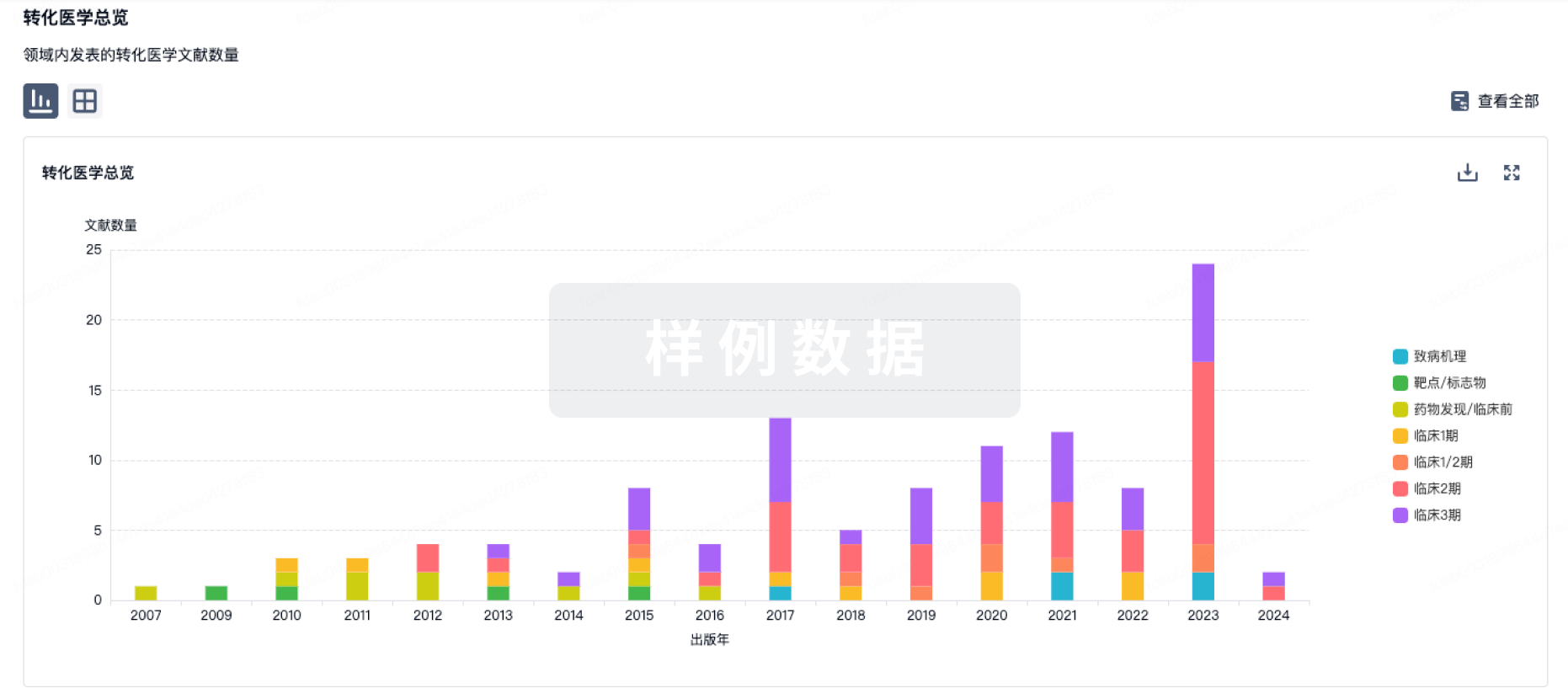
转化医学
使用我们的转化医学数据加速您的研究。
登录
或
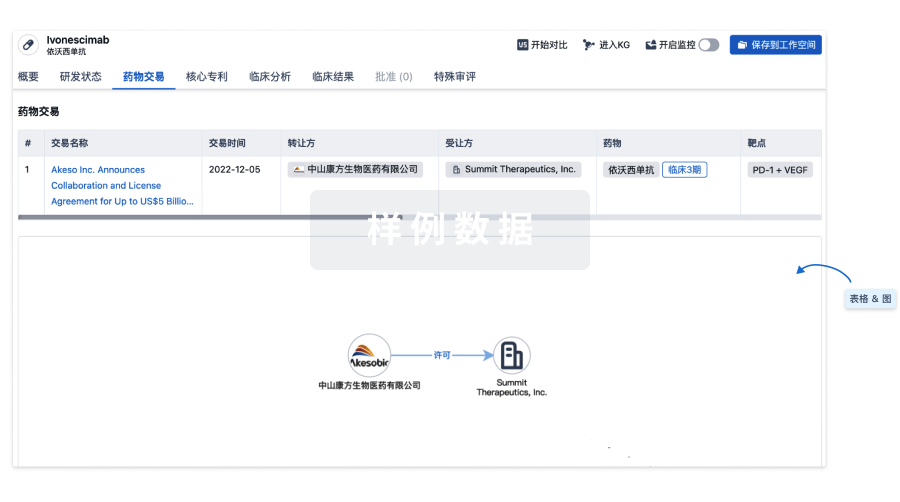
药物交易
使用我们的药物交易数据加速您的研究。
登录
或
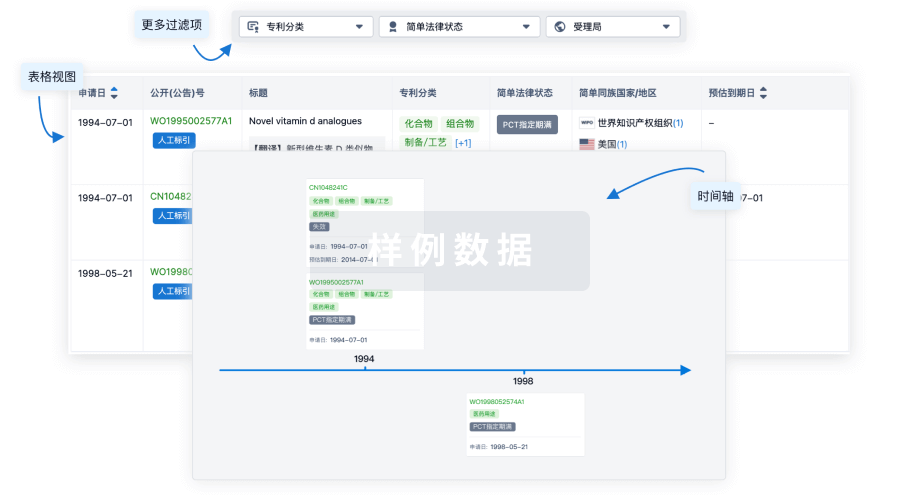
核心专利
使用我们的核心专利数据促进您的研究。
登录
或
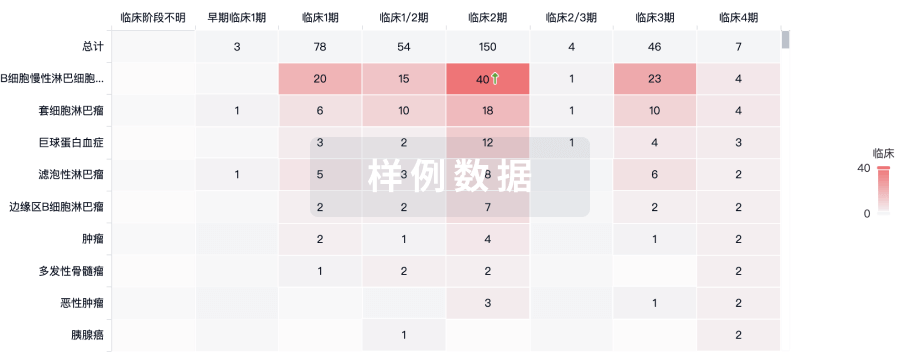
临床分析
紧跟全球注册中心的最新临床试验。
登录
或
批准
利用最新的监管批准信息加速您的研究。
登录
或
特殊审评
只需点击几下即可了解关键药物信息。
登录
或
生物医药百科问答
全新生物医药AI Agent 覆盖科研全链路,让突破性发现快人一步
立即开始免费试用!
智慧芽新药情报库是智慧芽专为生命科学人士构建的基于AI的创新药情报平台,助您全方位提升您的研发与决策效率。
立即开始数据试用!
智慧芽新药库数据也通过智慧芽数据服务平台,以API或者数据包形式对外开放,助您更加充分利用智慧芽新药情报信息。
生物序列数据库
生物药研发创新
免费使用
化学结构数据库
小分子化药研发创新
免费使用