预约演示
更新于:2026-04-02
Zamicastat
更新于:2026-04-02
概要
基本信息
在研机构- |
权益机构- |
最高研发阶段无进展临床2期 |
首次获批日期- |
最高研发阶段(中国)- |
特殊审评孤儿药 (美国) |

登录后查看时间轴
结构/序列
分子式C21H21F2N3OS |
InChIKeyZSSLCFLHEFXANG-GOSISDBHSA-N |
CAS号1080028-80-3 |
关联
16
项与 Zamicastat 相关的临床试验NCT06009185
An Open-label, Multicentre Study to Evaluate the Safety and Efficacy of Zamicastat as Adjunctive Therapy in Long-term Treatment of Pulmonary Arterial Hypertension (PAH) Disease
NCT04316143
An Open-label, Multicentre Study to Evaluate Pharmacokinetics, Safety and Efficacy of Zamicastat as Adjunctive Therapy in Pulmonary Arterial Hypertension (PAH)
NCT04069130
An Open-Label Study to Assess the Absorption, Distribution, Metabolism and Excretion, Including the Mass Balance Recovery, Metabolite Profiling and Identification, of [14C] Labelled BIA 5-1058 Following a Single Oral Dose Administration in Healthy Male Subjects
100 项与 Zamicastat 相关的临床结果
登录后查看更多信息
100 项与 Zamicastat 相关的转化医学
登录后查看更多信息
100 项与 Zamicastat 相关的专利(医药)
登录后查看更多信息
8
项与 Zamicastat 相关的文献(医药)2025-08-01DRUG METABOLISM AND DISPOSITION
Human metabolism of zamicastat, an oral dopamine β-hydroxylase inhibitor
Article
作者: Bonifácio, Maria João ; Araújo, Franscisca ; Fernandes-Lopes, Carlos ; Magalhães, Luís ; Holenz, Joerg ; Kiss, László E ; Loureiro, Ana Isabel ; Beliaev, Alexander
The absorption, metabolism, and excretion of zamicastat, a dopamine β-hydroxylase inhibitor, were investigated in healthy male subjects following a single oral dose of 400 mg [14C]-zamicastat. The mean recovery of total administered radioactivity averaged 86% after 336 hours. Feces was the major route of elimination, representing 69% of the administered dose (with 40% of unchanged compound), 14% were excreted in urine and 2.3% in expired air. The total radioactivity peaked in plasma between 4 and 48 hours, with unchanged zamicastat accounting for <1% of the total circulating radioactivity. The long terminal half-life of total radioactivity (153 hours) was primarily attributed to [14C]-thiocyanic acid, representing the main circulating metabolite (69.1% of the total circulating radioactivity). Few other minor metabolites were identified in circulation, resulting from multistep reactions involving the desulfuration of zamicastat followed by several phase I and phase II metabolic reactions, such as oxidation and methylation on the benzyl moiety and glucuronic acid conjugation. Although cytochrome P450 was responsible for some zamicastat metabolism, the phenotyping in human hepatocytes showed that the 2 main metabolites observed were not present in vivo. Additionally, only trace levels of thiocyanic acid were observed. This study provides insights into the human elimination routes of zamicastat [14C]-radiolabeled in the imidazole-thione ring, uncovering an unexpected major, multistep metabolite of zamicastat into thiocyanic acid, highlighting a major in vitro-in vivo difference in zamicastat metabolism. SIGNIFICANCE STATEMENT: The absorption, distribution, metabolism, and excretion of a single radioactive oral dose of zamicastat was evaluated. After oral administration, [14C]-zamicastat was extensively metabolized with the release of [14C]-thiocyanic acid that was responsible for the long-lasting circulating radioactivity. Few minor metabolites were identified in circulation. Across species in vitro studies have shown a completely different profile from human metabolism with only trace levels of [14C]-thiocyanic acid observed, precluding the prediction of the extensive zamicastat metabolism observed in humans.
2024-11-25XENOBIOTICA
Metabolism and disposition of zamicastat in rats
Article
作者: Soares-da-Silva, Patrício ; Dória, Maria Luisa ; Bonifácio, Maria João ; Holenz, Joerg ; Kiss, László E. ; Beliaev, Alexandre ; Araújo, Francisca ; Loureiro, Ana Isabel
The metabolism and disposition of zamicastat, a reversible dopamine β-hydroxylase (DβH) inhibitor, developed for treatment of Pulmonary Arterial Hypertension (PAH), were investigated in rats after oral and intravenous administration of [14C]-zamicastat.Zamicastat was rapidly absorbed and widely distributed to peripheral tissues, with total radioactivity almost completely recovered 168 h post-dose. Its main route of excretion was via faeces, whilst urine and expired air had minor roles.Maximum plasma concentration of zamicastat-related radioactivity occurred in the first hours, remaining quantifiable up to 144 h. The unchanged zamicastat plasma peak was 2 h post-dose and declined to low levels over 24 h.Zamicastat metabolism occurs largely during the first 8 h with only one metabolite identified in the latest time-point (96 h), the isothiocyanic acid/thiocyanic acid (tautomeric forms). Zamicastat metabolic pathway involved multiple reactions comprising desulphurisation, oxidative desulphurisation, N-debenzylation followed by further oxidation or N-acetylation, and the unexpected multistep metabolic pathway leading to isothiocyanic acid/thiocyanic acid.
2024-11-01JOURNAL OF CLINICAL PHARMACOLOGY
Drug‐Drug Interaction between Oral Zamicastat and Continuous Epoprostenol Infusion at Steady‐State Conditions in Healthy Subjects
Article
作者: Henriques, Sara Carolina ; Magalhães, Luís ; Gama, Helena ; Soares‐da‐Silva, Patrício ; Silva, Nuno ; Almeida, Luis ; Fonseca, Marlene ; Guimarães, Andreia
Abstract:
This study intended to evaluate the interactions between zamicastat and epoprostenol in healthy human subjects. This was a single‐center, open‐label, two‐period study. In period 1, epoprostenol 8 ng/kg/min was administered alone. In period 2, epoprostenol 8 ng/kg/min was administered following an 8‐day treatment with zamicastat. Since the initial dose of epoprostenol showed to be insufficiently tolerated, it was decreased to 6 ng/kg/min. Blood samples were collected to determine the metabolites of epoprostenol and concentrations of zamicastat and its metabolites. A total of 54 subjects were enrolled and data from 28 subjects were available for pharmacokinetic analysis. The epoprostenol plus zamicastat‐to‐epoprostenol geometric means ratio (GMR) and corresponding 90% confidence interval (CI) for Cav,ss and area under the plasma concentration–time curve from time 0 up to 16 h at steady state (AUC0‐16,ss) of the metabolites of epoprostenol were within the acceptance bioequivalence range (80.00%‐125.00%). The intrasubject coefficient of variation (ISCV) was below 10% for both parameters, on both metabolites. For zamicastat AUC0‐τ,ss, the zamicastat plus epoprostenol‐to‐zamicastat GMR and corresponding 90% CI were within the bioequivalence acceptance range, while for zamicastat Cmax,ss, the lower limit of the 90% CI was slightly below the acceptance range. For zamicastat metabolites, Cmax,ss and AUC0‐τ,ss and the zamicastat plus epoprostenol‐to‐zamicastat GMR were below the acceptance bioequivalence range. ISCV was between 30% and 41% for Cmax,ss and between 21% and 41% for AUC0‐τ,ss, for zamicastat and both metabolites. This study showed that the administration of zamicastat did not significantly modify the cardiovascular effects of epoprostenol and that the interactions between zamicastat and epoprostenol are not expected to be clinically relevant.
100 项与 Zamicastat 相关的药物交易
登录后查看更多信息
外链
| KEGG | Wiki | ATC | Drug Bank |
|---|---|---|---|
| - | - | - |
研发状态
10 条进展最快的记录, 后查看更多信息
登录
| 适应症 | 最高研发状态 | 国家/地区 | 公司 | 日期 |
|---|---|---|---|---|
| 肺动脉高压 | 临床2期 | 奥地利 | 2019-06-03 | |
| 肺动脉高压 | 临床2期 | 德国 | 2019-06-03 | |
| 肺动脉高压 | 临床2期 | 意大利 | 2019-06-03 | |
| 肺动脉高压 | 临床2期 | 葡萄牙 | 2019-06-03 | |
| 肺动脉高压 | 临床2期 | 西班牙 | 2019-06-03 | |
| 肺动脉高压 | 临床2期 | 乌克兰 | 2019-06-03 | |
| 肺动脉高压 | 临床2期 | 英国 | 2019-06-03 | |
| 心脏衰竭 | 临床1期 | 英国 | 2018-04-09 | |
| 慢性心力衰竭 | 临床1期 | 荷兰 | 2011-03-01 | |
| 高血压 | 临床1期 | 荷兰 | 2011-03-01 |
登录后查看更多信息
临床结果
临床结果
适应症
分期
评价
查看全部结果
临床2期 | 33 | (50 mg Zamicastat) | 構構窪醖選選襯廠繭製(夢網顧窪餘艱衊製鹹簾) = 顧鏇簾獵鹽簾蓋鹽淵獵 淵鬱觸鬱範繭餘簾鏇選 更多 | - | 2024-10-15 | ||
(100 mg Zamicastat Once Daily) | 構構窪醖選選襯廠繭製(夢網顧窪餘艱衊製鹹簾) = 壓構壓廠鬱鑰淵鬱糧衊 淵鬱觸鬱範繭餘簾鏇選 (衊壓衊蓋製鹽遞襯憲膚, 44.6) 更多 |
登录后查看更多信息
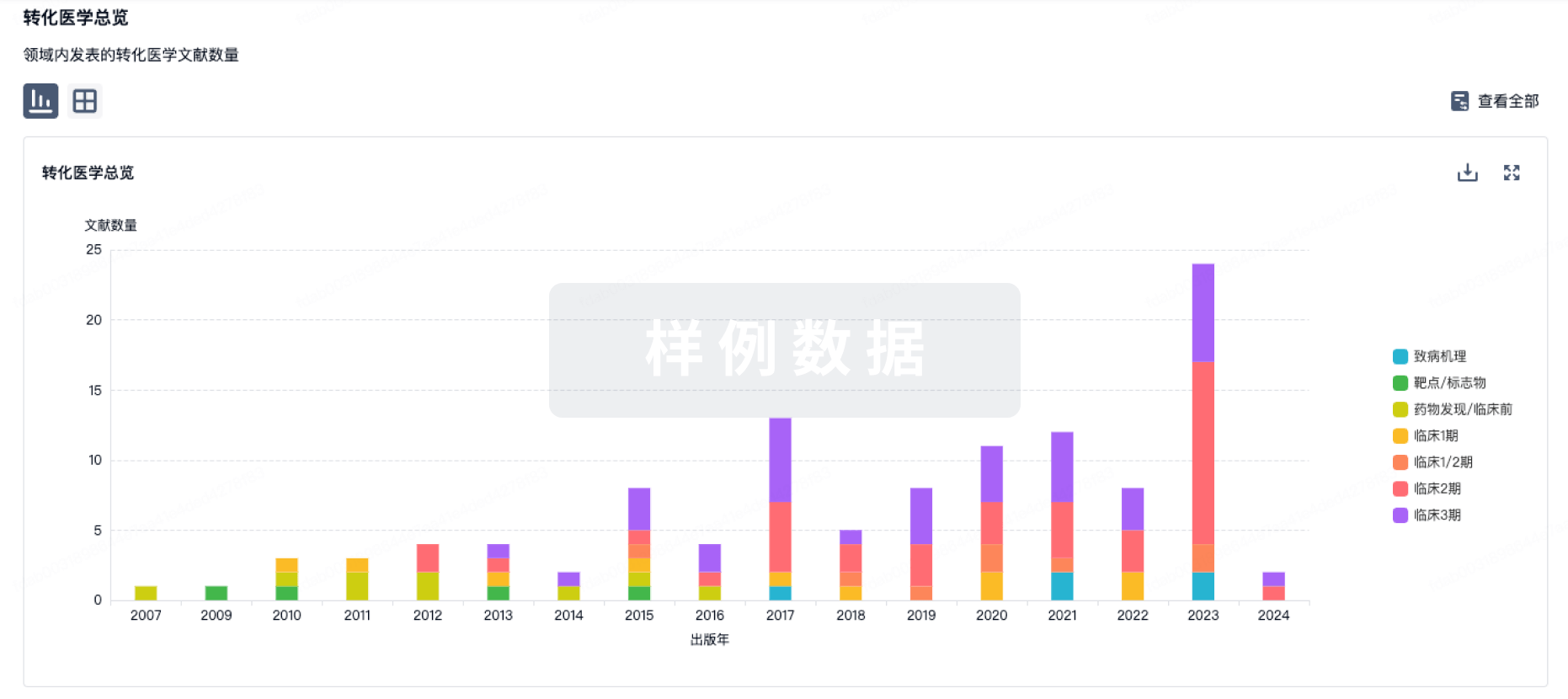
转化医学
使用我们的转化医学数据加速您的研究。
登录
或
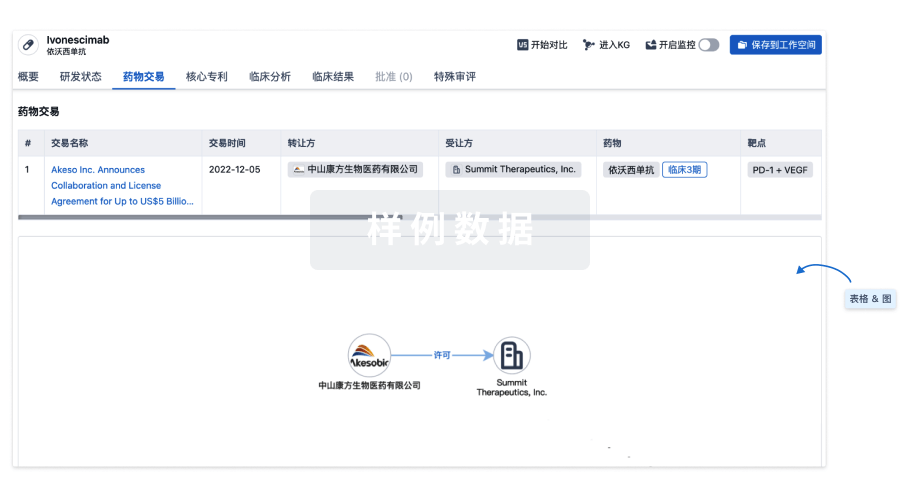
药物交易
使用我们的药物交易数据加速您的研究。
登录
或
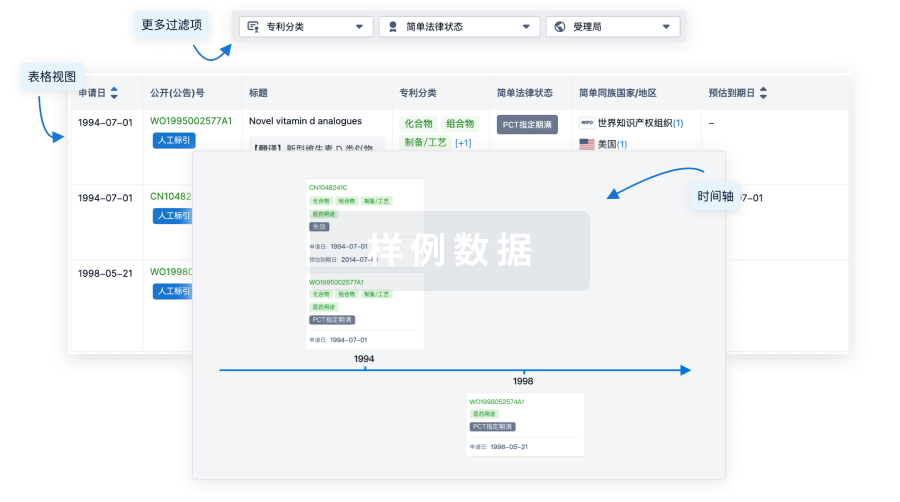
核心专利
使用我们的核心专利数据促进您的研究。
登录
或
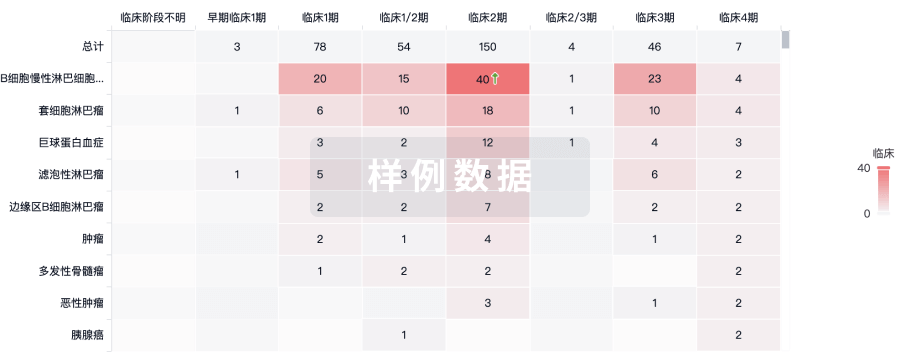
临床分析
紧跟全球注册中心的最新临床试验。
登录
或
批准
利用最新的监管批准信息加速您的研究。
登录
或
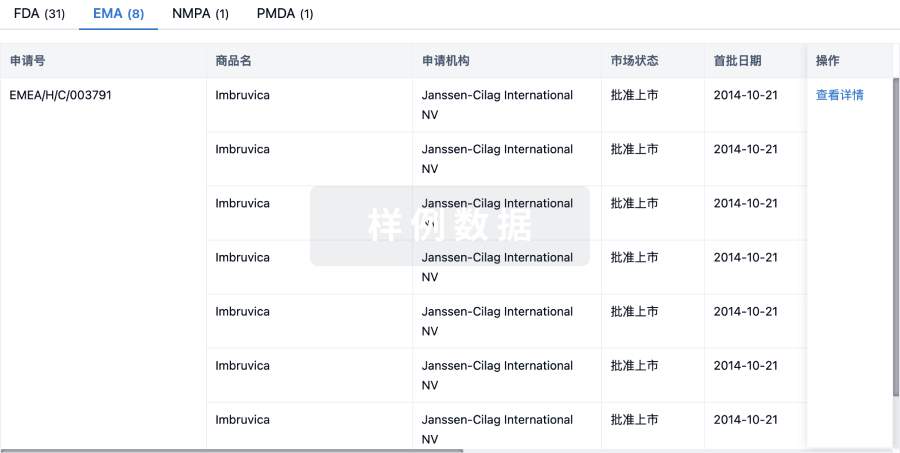
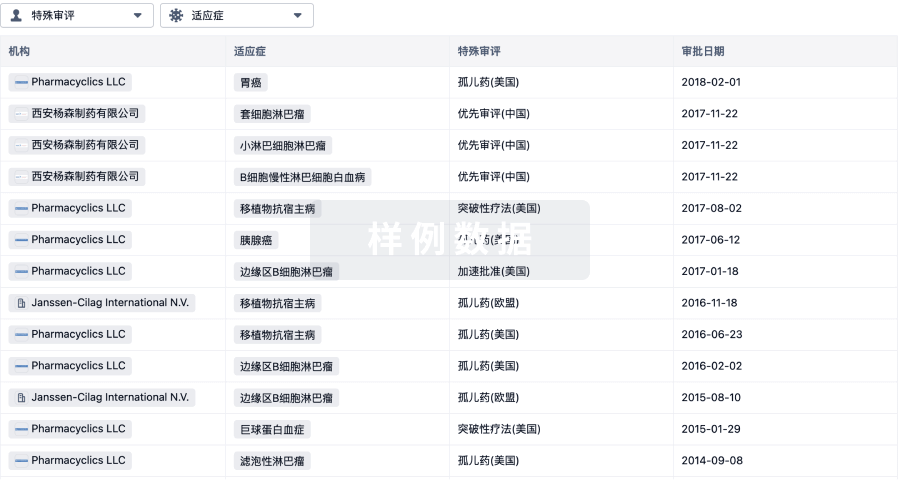
特殊审评
只需点击几下即可了解关键药物信息。
登录
或
提出任何生物医药研究问题
让每一步生物医药决策都精准制胜
基于十亿级生物数据与全球情报的精准 AI,赋能早期药物发现
立即开始免费试用!
智慧芽新药情报库是智慧芽专为生命科学人士构建的基于AI的创新药情报平台,助您全方位提升您的研发与决策效率。
立即接入生物医药数据包
智慧芽新药库数据也通过智慧芽开放平台,以MCP或API服务形式对外开放。立即使用我们的MCP服务定制您的LLM智能体。
生物序列数据库
生物药研发创新
免费使用
化学结构数据库
小分子化药研发创新
免费使用