预约演示
更新于:2026-10-10
Lotamilast
更新于:2026-10-10
概要
基本信息
原研机构 |
在研机构- |
最高研发阶段无进展临床2期 |
首次获批日期- |
最高研发阶段(中国)- |
特殊审评- |



登录后查看时间轴
结构/序列
分子式C26H24N4O5 |
InChIKeyBBTFKAOFCSOZMB-UHFFFAOYSA-N |
CAS号947620-48-6 |
关联
7
项与 Lotamilast 相关的临床试验NCT03415282
Open-Label Study to Evaluate the Safety, Tolerability, and Pharmacokinetics of RVT-501 Topical Ointment in Pediatric Patients With Atopic Dermatitis
NCT02950922
Study of RVT-501 in Adult and Adolescent Subjects With Atopic Dermatitis
NCT02094235
A Phase 1/2 Study of E6005 in Pediatric Subjects With Atopic Dermatitis
100 项与 Lotamilast 相关的临床结果
登录后查看更多信息
100 项与 Lotamilast 相关的转化医学
登录后查看更多信息
100 项与 Lotamilast 相关的专利(医药)
登录后查看更多信息
22
项与 Lotamilast 相关的文献(医药)2026-08-13EXPERT OPINION ON PHARMACOTHERAPY
The evolving landscape of phosphodiesterase inhibitors in atopic dermatitis management
Review
作者: Jaworek, Andrzej ; Szepietowski, Jacek C. ; Putek, Justyna
INTRODUCTION:
Atopic dermatitis (AD) is a chronic, relapsing inflammatory skin disease associated with recurrent flares, impaired quality of life, and significant psychological burden. Despite therapeutic progress, important unmet needs remain, particularly for steroid-sparing treatments that are safe for long-term use, suitable for sensitive areas, and applicable in pediatric patients. Phosphodiesterase-4 (PDE4) inhibitors represent a targeted anti-inflammatory approach through modulation of intracellular cAMP signaling.
AREAS COVERED:
This narrative review summarizes current evidence on topical and systemic PDE4 inhibitors in AD. A literature search was performed using PubMed/MEDLINE and ClinicalTrials.gov for studies published up to March 2026. Approved agents such as crisaborole, roflumilast, and difamilast demonstrate moderate efficacy and favorable safety, mainly in mild-to-moderate AD. Emerging therapies, including apremilast, orismilast, and lotamilast, show variable results and remain under investigation.
EXPERT OPINION:
PDE4 inhibitors have a stable but limited role in AD management. Their main advantages include good tolerability, long-term safety, and suitability for proactive treatment and sensitive skin areas. However, their efficacy is generally lower than that of biologics and JAK inhibitors. Their future role will likely depend on use as adjunctive or personalized therapies rather than replacement of high-efficacy systemic treatments.
2025-06-01PEDIATRIC ALLERGY AND IMMUNOLOGY
New topical molecular targeted therapies for atopic dermatitis in children: A systematic review and meta‐analysis
Review
作者: Okada, Yuki ; Ohya, Yukihiro ; Murai, Hiroki ; Saeki, Hidehisa ; Arima, Tomoyuki ; Kawamoto, Norio ; Futamura, Masaki ; Miyamoto, Manabu ; Takeuchi, Haruko ; Yamamoto‐Hanada, Kiwako
Abstract:
Topical molecular targeted therapies have recently emerged for the treatment of atopic dermatitis (AD), but their efficacy and safety, particularly in children, remain underexplored. This systematic review and meta‐analysis aim to evaluate the efficacy and safety of topical targeted therapies in children with AD. We conducted a comprehensive search of the CENTRAL, MEDLINE, Embase, and ICHUSHI databases for articles published up to January 7, 2023, based on a protocol registered in PROSPERO (CRD42022366449). Randomized controlled trials (RCTs) investigating new topical targeted therapies in children (≤18 years) with AD were included. The primary outcomes were the Eczema Area and Severity Index (EASI) scores and treatment‐related adverse events. Secondary outcomes included additional efficacy and safety analyses. A meta‐analysis was performed using Revman 5.4, with bias risk assessed via the RoB 2 tool. Nine studies (reported in eight articles) involving 2182 patients were included, with 1469 children treated with Janus kinase inhibitors (ruxolitinib and delgocitinib) and phosphodiesterase‐4 inhibitors (crisaborole, lotamilast, and difamilast). These interventions significantly improved EASI scores, with the least square mean change (mean difference: −56.67%; 95% confidence interval [−59.16% to −54.18%]). Additionally, topical targeted therapies did not increase the incidence of treatment‐emergent adverse events (risk difference: 0.00; 95% confidence interval [−0.02 to 0.02]). The risk of bias was low across all outcomes. New topical targeted therapies administered over 4 weeks are effective and safe for children with atopic dermatitis aged ≤18 years. Further studies are needed to establish their long‐term safety and efficacy.
2022-03-01Human reproduction (Oxford, England)1区 · 医学
Compounds enhancing human sperm motility identified using a high-throughput phenotypic screening platform
1区 · 医学
Article
作者: Barratt, Christopher L R ; Norcross, Neil R ; Johnston, Zoe C ; Read, Kevin D ; Gruber, Franz S ; Wilson, Caroline ; Gilbert, Ian H ; Swedlow, Jason R ; Martins da Silva, Sarah ; Georgiou, Irene
Abstract:
STUDY QUESTION:
Can a high-throughput screening (HTS) platform facilitate male fertility drug discovery?
SUMMARY ANSWER:
An HTS platform identified a large number of compounds that enhanced sperm motility.
WHAT IS KNOWN ALREADY:
Several efforts to find small molecules modulating sperm function have been performed but none have used high-throughput technology.
STUDY DESIGN, SIZE, DURATION:
Healthy donor semen samples were used and samples were pooled (3–5 donors per pool). Primary screening was performed singly; dose–response screening was performed in duplicate (using independent donor pools).
PARTICIPANTS/MATERIALS, SETTING, METHODS:
Spermatozoa isolated from healthy donors were prepared by density gradient centrifugation and incubated in 384-well plates with compounds (6.25 μM) to identify those compounds with enhancing effects on motility. Approximately 17 000 compounds from the libraries, ReFRAME, Prestwick, Tocris, LOPAC, CLOUD and MMV Pathogen Box, were screened. Dose–response experiments of screening hits were performed to confirm the enhancing effect on sperm motility. Experiments were performed in a university setting.
MAIN RESULTS AND THE ROLE OF CHANCE:
From our primary single concentration screening, 105 compounds elicited an enhancing effect on sperm motility compared to dimethylsulphoxide-treated wells. Confirmed enhancing compounds were grouped based on their annotated targets/target classes. A major target class, phosphodiesterase inhibitors, were identified, in particular PDE10A inhibitors as well as number of compounds not previously known to enhance human sperm motility, such as those related to GABA signalling.
LARGE SCALE DATA:
N/A.
LIMITATIONS, REASONS FOR CAUTION:
Although this approach provides data about the activity of the compound, it is only a starting point. For example, further substantive experiments are necessary to provide a more comprehensive picture of each compound’s activity, the effect on the kinetics of the cell populations and subpopulations, and their potential mechanisms of action. Compounds have been tested with prepared donor spermatozoa, incubated under non-capacitating conditions, and only incubated with compounds for a relatively short period of time. Therefore, the effect of compounds under different conditions, for example in whole semen, for longer incubation times, or using samples from patient groups, may be different and require further study. All experiments were performed in vitro.
WIDER IMPLICATIONS OF THE FINDINGS:
This phenotypic screening assay identified a large number of compounds that increased sperm motility. In addition to furthering our understanding of human sperm function, for example identifying new avenues for discovery, we highlight potential compounds as promising start-point for a medicinal chemistry programme for potential enhancement of male fertility. Moreover, with disclosure of the results of screening, we present a substantial resource to inform further work in the field.
STUDY FUNDING/COMPETING INTEREST(S):
This study was supported by the Bill and Melinda Gates Foundation, Scottish Funding Council and Scottish Universities Life Science Alliance. C.L.R.B. is Editor for RBMO. C.L.R.B. receives funding from Chief Scientists Office (Scotland), ESHRE and Genus PLC, consulting fees from Exscientia and lecture fees from Cooper Surgical and Ferring. S.M.d.S. is an Associate Editor of Human Reproduction, and an Associate Editor of Reproduction and Fertility. S.M.d.S. receives funding from Cooper Surgical and British Dietetic Society. No other authors declared a COI.

100 项与 Lotamilast 相关的药物交易
登录后查看更多信息
研发状态
10 条进展最快的记录, 后查看更多信息
登录
| 适应症 | 最高研发状态 | 国家/地区 | 公司 | 日期 |
|---|---|---|---|---|
| 特应性皮炎 | 临床2期 | 日本 | 2011-12-01 |
登录后查看更多信息
临床结果
临床结果
适应症
分期
评价
查看全部结果
登录后查看更多信息
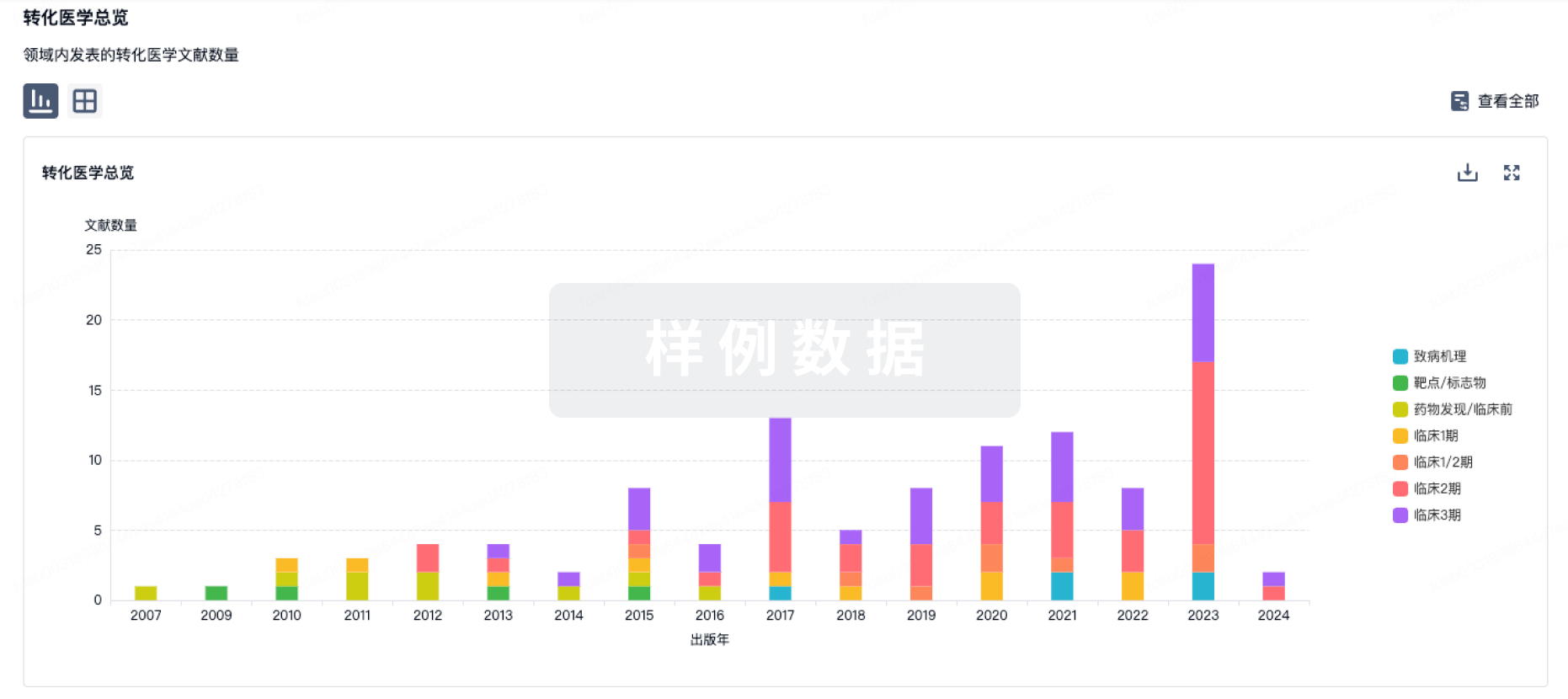
转化医学
使用我们的转化医学数据加速您的研究。
登录
或
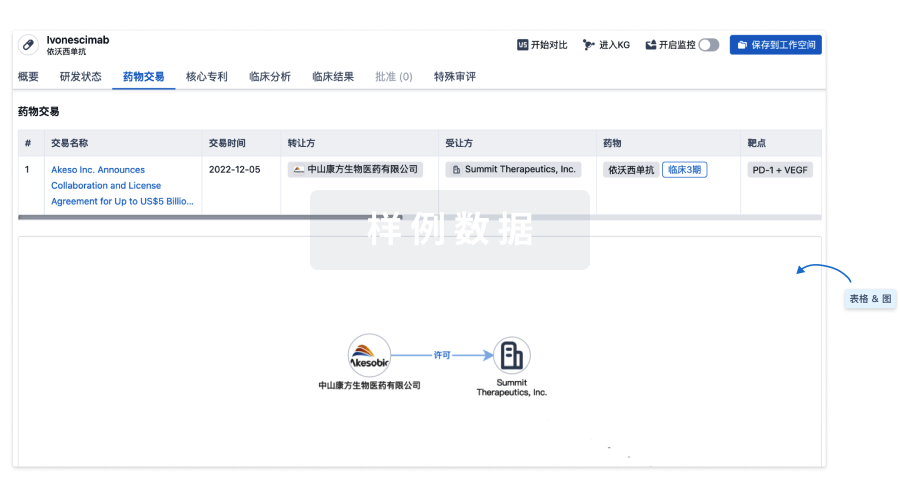
药物交易
使用我们的药物交易数据加速您的研究。
登录
或
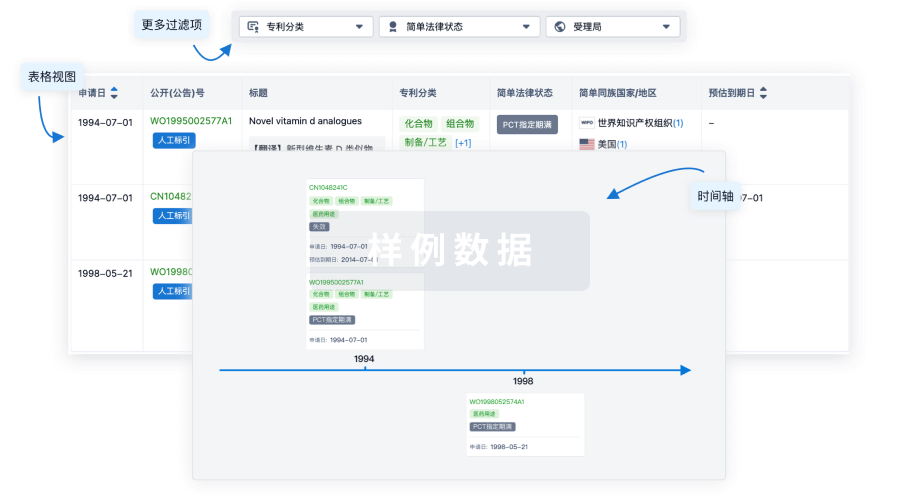
核心专利
使用我们的核心专利数据促进您的研究。
登录
或
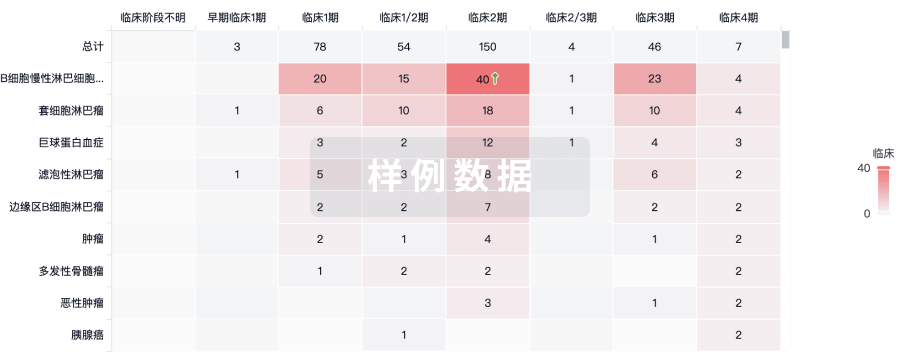
临床分析
紧跟全球注册中心的最新临床试验。
登录
或
批准
利用最新的监管批准信息加速您的研究。
登录
或
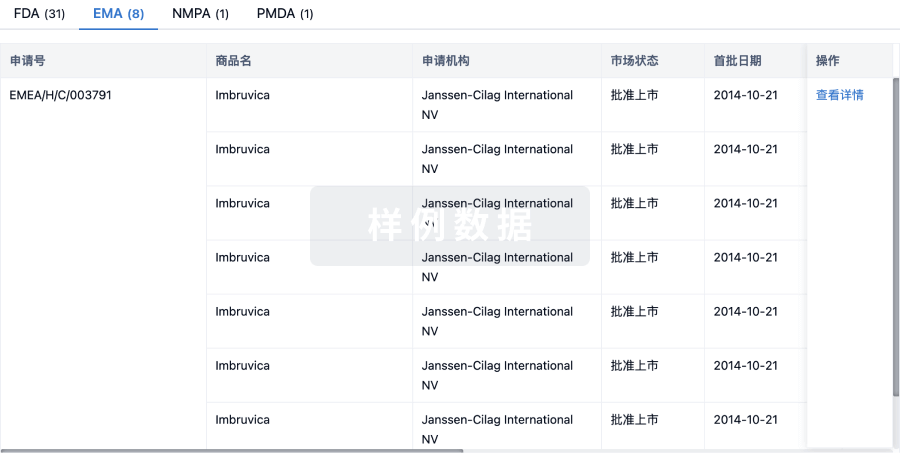
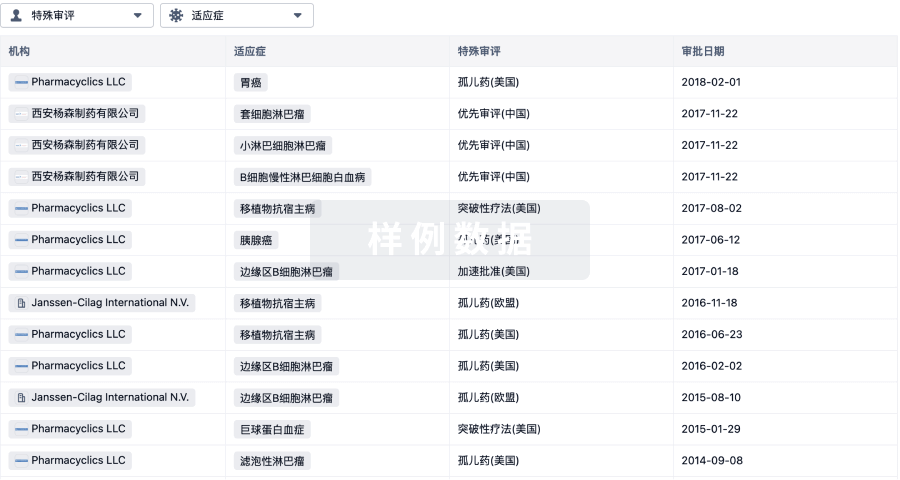
特殊审评
只需点击几下即可了解关键药物信息。
登录
或
提出任何生物医药研究问题
让每一步生物医药决策都精准制胜
基于十亿级生物数据与全球情报的精准 AI,赋能早期药物发现
立即开始免费试用!
智慧芽新药情报库是智慧芽专为生命科学人士构建的基于AI的创新药情报平台,助您全方位提升您的研发与决策效率。
立即接入生物医药数据包
智慧芽新药库数据也通过智慧芽开放平台,以MCP或API服务形式对外开放。立即使用我们的MCP服务定制您的LLM智能体。
生物序列数据库
生物药研发创新
免费使用
化学结构数据库
小分子化药研发创新
免费使用