预约演示
更新于:2025-12-27
Follicle Stimulating Hormone Follow-On Biologic(Anhui Anke Biotechnology)
更新于:2025-12-27
概要
基本信息
在研机构- |
非在研机构 |
权益机构- |
最高研发阶段无进展药物发现 |
首次获批日期- |
最高研发阶段(中国)无进展 |
特殊审评- |

结构/序列
Sequence Code 3246α

来源: *****
Sequence Code 3253β
来源: *****
关联
4
项与 Follicle Stimulating Hormone Follow-On Biologic(Anhui Anke Biotechnology) 相关的临床试验IRCT20230528058312N2
Investigating the effect of exosome injection extracted from seminal plasma, stem cells derived from Wharton's testosterone gel and FSH on the process of spermatogenesis in NOA individuals.
IRCT20150310021420N5
Effect of simultanious administration of FSH and hCG for triggering on oocyte quality and ART outcome in antagonist protocol

IRCT20190108042285N1
Comparision between administration of FSH plus HCG versus HCG alone for triggering ,in the results of ICSI

100 项与 Follicle Stimulating Hormone Follow-On Biologic(Anhui Anke Biotechnology) 相关的临床结果
登录后查看更多信息
100 项与 Follicle Stimulating Hormone Follow-On Biologic(Anhui Anke Biotechnology) 相关的转化医学
登录后查看更多信息
100 项与 Follicle Stimulating Hormone Follow-On Biologic(Anhui Anke Biotechnology) 相关的专利(医药)
登录后查看更多信息
5,088
项与 Follicle Stimulating Hormone Follow-On Biologic(Anhui Anke Biotechnology) 相关的文献(医药)2026-03-01Reproductive Biology
Inhibitory role of activin A during luteinization of follicular and lutein granulosa cells from small antral and preovulatory human follicles
Article
作者: Jensen, Lea Bejstrup ; Schönhage, Lisette ; Cadenas, Jesús ; Ringholm, Stine ; Højer, Laura Victoria ; Macklon, Kirsten Tryde ; Pedersen, Anette Tønnes ; Kristensen, Stine Gry ; Bøtkjær, Jane Alrø ; Adrados, Cristina Subiran ; Borgbo, Tanni
Luteinization is a vital process in female reproduction, where granulosa cells differentiate into progesterone-secreting luteal cells. While luteinizing hormone (LH) and human chorionic gonadotropin (hCG) are established promoters of luteinization, the regulatory role of activin A remains incompletely understood. This study aimed to investigate whether activin A can prevent or reverse luteinization in granulosa cells from small antral and preovulatory follicles using an in vitro model. Granulosa cells were collected from women undergoing either IVF treatment or ovarian tissue cryopreservation. Cells were cultured for 48 h with FSH, hCG, or activin A. Hormone secretion (progesterone and estradiol) and content of steroidogenic markers (CYP19A1, STAR, 17βHSD1, 3βHSD2, FSHR, and LHCGR) were analyzed via ELISA, RT-qPCR, and Western blot. RESULTS: demonstrated that activin A suppressed luteinization markers and progesterone production while promoting estrogen synthesis and maintaining granulosa cell features. Conversely, hCG increased luteinization marker expression and progesterone secretion, consistent with its known role in luteal transformation. Notably, granulosa cells from small antral follicles showed a distinct, stage-specific response to activin A compared to those from preovulatory follicles, indicating a temporal regulation of luteinization competence. These findings support a regulatory role for activin A in maintaining granulosa cell identity and delaying luteinization. Understanding the differential responsiveness of granulosa cells across follicular development stages may inform new therapeutic approaches for luteal phase deficiencies and fertility preservation strategies.
2026-02-01ENVIRONMENTAL RESEARCH
Hormonal changes in professional printers exposed to phthalates suggesting potential disturbances of the hypothalamic–pituitary–gonadal axis
Article
作者: Zufferey, Fanny ; Koch, Holger M ; Nita, Tiberiu M ; Rudaz, Serge ; Wrobel, Sonja A ; Hopf, Nancy B ; Wild, Pascal ; Odermatt, Alex ; Vernez, David ; Stenz, Ludwig
BACKGROUND:
Phthalate exposures might alter male reproductive health, but human evidence remains limited and inconsistent. Occupational settings often have consistently high exposures from known sources, providing a basis for developing risk reduction strategies and interventions.
OBJECTIVES:
Evaluate dose-response relationships between phthalate exposures in professional printers (urinary metabolites) and male reproductive hormones, which were examined twice in one working week for workweek value (mean) and change within-week (ratio) responses.
METHODS:
Occupational biomonitoring of 59 male printers was used to assess exposures to 18 phthalates by measuring 35 urinary phthalate metabolites. Blood samples collected on the first and last day of the workweek were analyzed for total testosterone, calculated free testosterone (cFT), bioavailable testosterone (BioT), measured free testosterone, sex hormone-binding globulin (SHBG), luteinizing hormone, follicle-stimulating hormone, prolactin, estradiol (E2), and inhibin B (INHB). Multiple linear covariate-adjusted regressions were used to evaluate the dose-response relationship.
RESULTS:
cFT hormonal workweek response was negatively associated with di-n-butyl phthalate (DnBP) metabolites while SHBG was positively associated with di-ethyl-hexyl phthalate (DEHP) metabolites. BioT and E2 withinweek responses were negatively associated with the DiBP metabolite mono-2-hydroxy-isobutyl phthalate (2OH-MiBP). Overall, ten low-molecular-weight phthalate metabolite concentrations were positively associated with INHB, while eight high-molecular-weight phthalates metabolite concentrations were negatively associated with FSH. Occupational exposure to these phthalates was elevated, as median concentrations of their metabolites were between 2- to 7-fold higher than general population levels.
CONCLUSIONS:
Occupational exposures to certain phthalates in professional printers were associated with hormonal patterns, indicative of antiandrogenic reproductive disturbance and potential alteration of the HPG-axis.
2026-01-01LIFE SCIENCES
Osteocytic FSH inhibition rescues bone mass and boosts fracture healing in ovariectomized mice
Article
作者: Wang, Chaoqi ; Chen, Bin ; Li, Xiaoli ; Zhou, Hongjie ; Wang, Dong ; Sun, Mingxin ; Li, Juan ; Li, Yan ; Liu, Zemin ; Cheng, Liben ; Li, Chao ; Zhang, Yonghong
AIMS:
Postmenopausal osteoporosis significantly increases fragility fracture risk. While menopausal estrogen decline coincides with rising follicle-stimulating hormone (FSH), the role of circulating FSH in bone loss remains unclear. This study investigates the direct function of FSH and FSH receptor (FSHR) in bone, focusing on osteocyte-mediated mechanisms.
MATERIALS AND METHODS:
To probe FSHR function, osteocyte-specific Fshr knockout mice (Dmp1-CreERT; Fshrfl/fl) were generated. Following ovariectomy, Fshr deletion was induced with tamoxifen. We performed RNA-sequencing on femoral cortical bone, validated by digital PCR and ELISA. In vitro assays assessed FSH's effect on PI3K/Akt signaling and osteogenic mineralization. Fracture healing and biomechanics were evaluated using a closed femoral fracture model and three-point bending.
KEY FINDINGS:
Osteocyte-specific Fshr knockout enhanced bone mineralization, resorption, and formation-resorption coupling, activating the PI3K/Akt pathway. Fshr deletion blocked FSH-mediated PI3K/Akt inhibition and restored osteogenic mineralization in vitro. Knockout mice showed accelerated callus maturation and improved biomechanical healing post-fracture.
SIGNIFICANCE:
We identify osteocytes as direct FSH target cells. Osteocyte Fshr deletion promotes bone turnover and accelerates fracture repair in ovariectomized mice by enhancing PI3K/Akt signaling. These findings reveal a new pathophysiological mechanism for postmenopausal osteoporosis and suggest a promising therapeutic strategy targeting FSHR.
14
项与 Follicle Stimulating Hormone Follow-On Biologic(Anhui Anke Biotechnology) 相关的新闻(医药)2025-12-10
·药时空
IPO临床3期申请上市
2025-12-10
IPO临床3期申请上市
2025-12-10
·今日头条
临床3期IPO申请上市
100 项与 Follicle Stimulating Hormone Follow-On Biologic(Anhui Anke Biotechnology) 相关的药物交易
登录后查看更多信息
研发状态
10 条进展最快的记录, 后查看更多信息
登录
| 适应症 | 最高研发状态 | 国家/地区 | 公司 | 日期 |
|---|---|---|---|---|
| 女性不孕症 | 药物发现 | 中国 | - |
登录后查看更多信息
临床结果
临床结果
适应症
分期
评价
查看全部结果
登录后查看更多信息
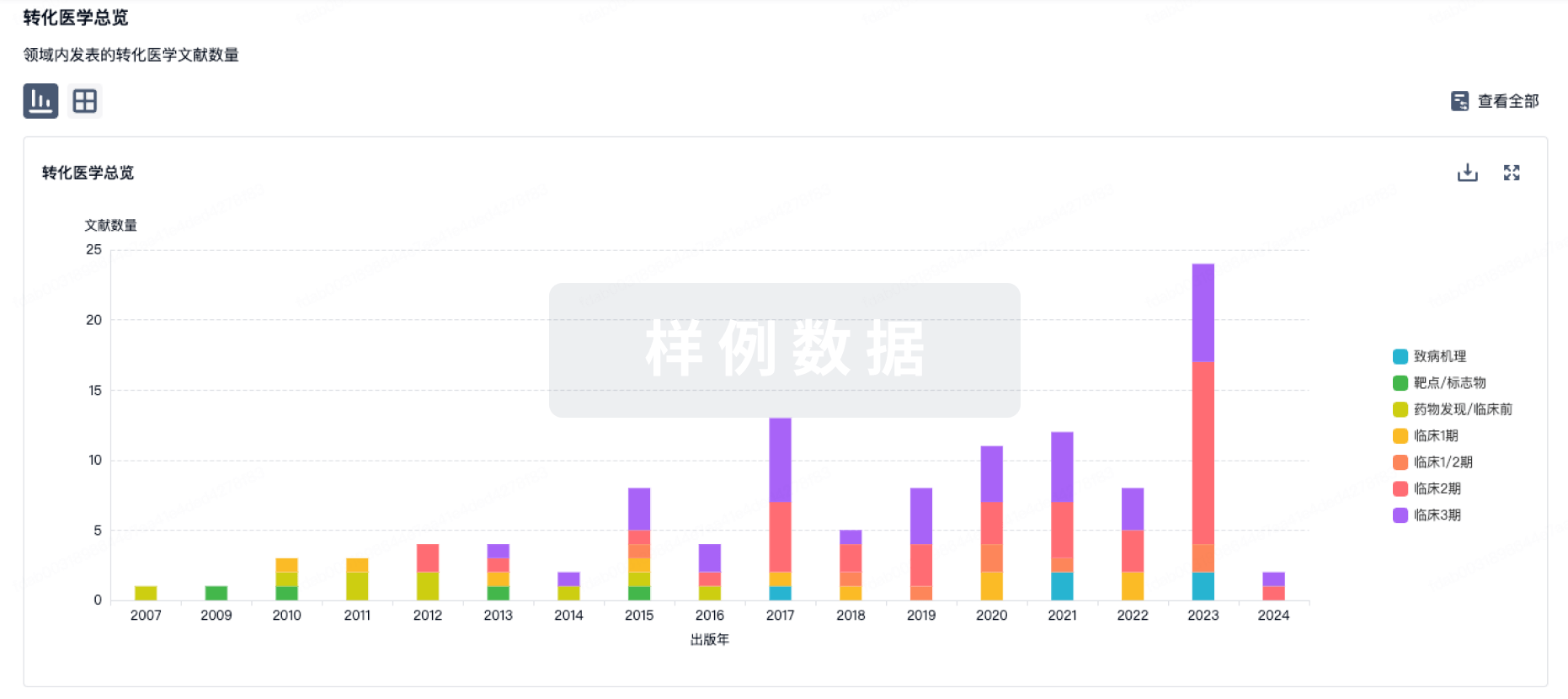
转化医学
使用我们的转化医学数据加速您的研究。
登录
或
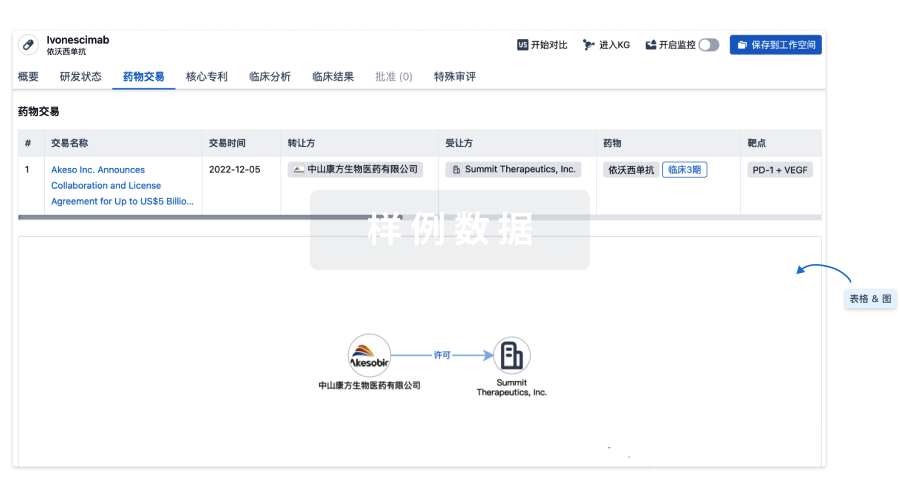
药物交易
使用我们的药物交易数据加速您的研究。
登录
或
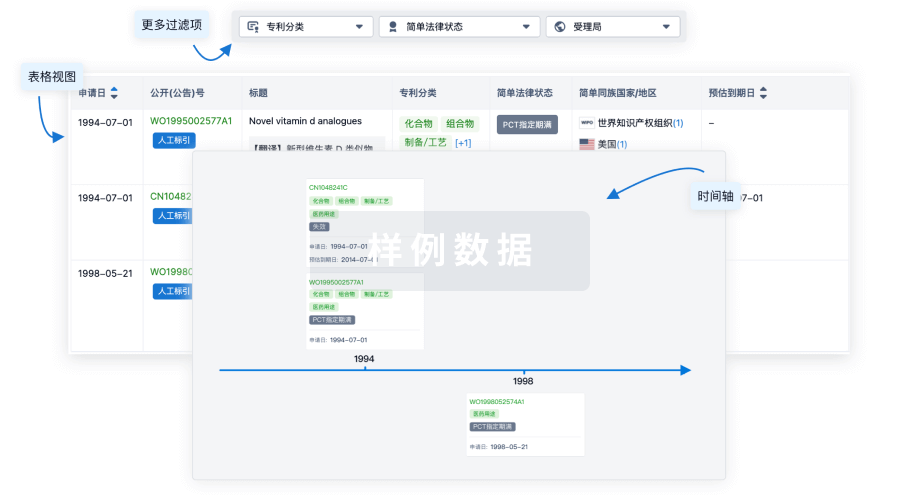
核心专利
使用我们的核心专利数据促进您的研究。
登录
或
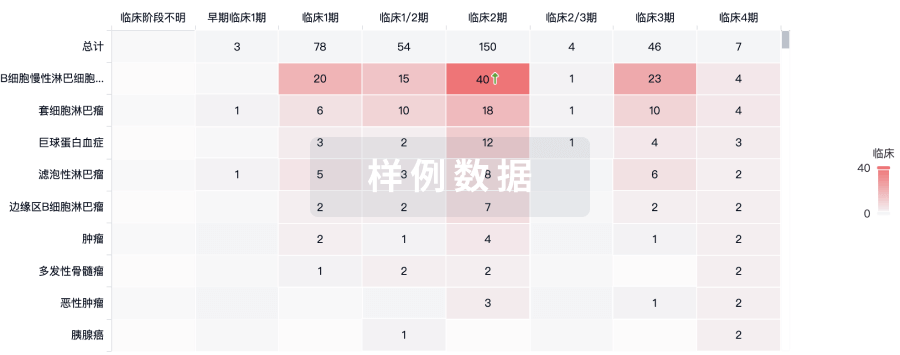
临床分析
紧跟全球注册中心的最新临床试验。
登录
或
批准
利用最新的监管批准信息加速您的研究。
登录
或
生物类似药
生物类似药在不同国家/地区的竞争态势。请注意临床1/2期并入临床2期,临床2/3期并入临床3期
登录
或
特殊审评
只需点击几下即可了解关键药物信息。
登录
或
生物医药百科问答
全新生物医药AI Agent 覆盖科研全链路,让突破性发现快人一步
立即开始免费试用!
智慧芽新药情报库是智慧芽专为生命科学人士构建的基于AI的创新药情报平台,助您全方位提升您的研发与决策效率。
立即开始数据试用!
智慧芽新药库数据也通过智慧芽数据服务平台,以API或者数据包形式对外开放,助您更加充分利用智慧芽新药情报信息。
生物序列数据库
生物药研发创新
免费使用
化学结构数据库
小分子化药研发创新
免费使用