预约演示
更新于:2026-04-11
JM-010
更新于:2026-04-11
概要
基本信息
在研机构- |
权益机构- |
最高研发阶段终止临床2期 |
首次获批日期- |
最高研发阶段(中国)- |
特殊审评- |


登录后查看时间轴
关联
4
项与 JM-010 相关的临床试验NCT05516875
Open-Label Extension Study of JM-010 in Parkinson's Disease Patients With Dyskinesia
NCT04377945
A Randomized, Double-Blind, Placebo-Controlled, Two-Part Study in Parkinson's Disease Patients With Dyskinesia to Assess the Efficacy and Safety/Tolerability of Fixed Dose Combinations of JM-010 and Its Individual Components
NCT03956979
A Randomized, Double-Blind, Placebo-Controlled, Parallel Group Study in Parkinson's Disease Patients With Moderate to Severe Dyskinesia to Assess the Efficacy and Safety/Tolerability of Two Dose Combinations of JM-010
100 项与 JM-010 相关的临床结果
登录后查看更多信息
100 项与 JM-010 相关的转化医学
登录后查看更多信息
100 项与 JM-010 相关的专利(医药)
登录后查看更多信息
5
项与 JM-010 相关的文献(医药)2026-04-01CURRENT OPINION IN NEUROBIOLOGY
The challenges of experimental pharmacology in identifying novel treatments for Parkinson's disease
Review
作者: Huot, Philippe ; Teil, Margaux
An important part of the field of experimental pharmacology encompasses the study of the effects of molecules in animals. In the case of Parkinson's disease (PD), animal models have played an invaluable role in refining our understanding of the disease, in characterizing the effect of new compounds on the illness, and in bringing new treatments to the clinic. Indeed, it is now hardly conceivable that a drug would be tested in humans if several parameters pertaining to safety, toxicology, efficacy, etc. had not previously been evaluated in animal models. Quite unfortunately, efficacy in experimental models of PD does not necessarily guarantee positive clinical outcomes. In this article, which primarily focusses on the past five years, we review drugs that entered clinical trials for the treatment of levodopa-induced dyskinesia, parkinsonism, disease modification, and had previously been assessed in animal models of PD. The drugs discussed are buspirone, JM-010, befiradol, mesdopetam, foliglurax, dipraglurant, tavapadon, prasinezumab, cinpanemab, nilotinib, minzasolmin, exenatide, NLY01, liraglutide, lixisenatide, and semaglutide. For each molecule, we examine how previous preclinical studies succeeded or failed in predicting efficacy in clinical trials and discuss possible ways to optimize animal-model design and selection to maximize the probability of translational success.
2025-09-03Neurodegenerative Disease Management
Recent and on-going trials for the treatment of levodopa-induced dyskinesia: a review of the clinical trial databases
Review
作者: Palayew, Michael ; Al-Kassmy, Jawad ; Huot, Philippe ; Kang, Woojin ; Alsalmi, Mohammed
L-3,4-dihydroxyphenylalanine (Levodopa)-induced dyskinesia remains a condition for which there are few therapeutic options available. Fortunately, the past 5 years have seen the completion of several clinical trials, some of which yielded positive and encouraging results. Here, we performed a review of the clinical trials that were completed or for which outcomes were disclosed within the past 5 years. Promising results were obtained in Phase II trials with the serotonin type 1A (5-HT1A) agonist befiradol, the dopamine D3 receptor antagonist mesdopetam and the phosphodiesterase inhibitor CPL500036. In contrast, the metabotropic glutamate 4 (mGlu4) receptor negative allosteric modulator foliglurax and JM-010 (a combination of the 5-HT1A partial agonist buspirone and the and the 5-HT type 1B and 1D [5-HT1B/1D] agonist zolmitriptan) did not meet their endpoints in Phase II studies. Lastly, robot-assisted Repetitive Transcranial Magnetic Stimulation (rTMS) of the pre-supplementary motor area may be a promising non-pharmacological approach to alleviate dyskinesia.
1988-03-01Journal of pharmaceutical sciences3区 · 医学
Liquid Chromatographic Procedure for the Quantitative Analysis of Carboplatin in Beagle Dog Plasma Ultrafiltrate
3区 · 医学
Article
作者: Farmen, Raymond H. ; Pittman, A. ; Faulkner, Harold C. III ; Duncan, Glenn F.
A specific and reproducible high-performance liquid chromatographic (HPLC) procedure was developed for the quantitative analysis of carboplatin (JM-8) in dog plasma ultrafiltrate. Plasma ultrafiltrate samples were generated using Amicon Centrifree micropartition systems or Amicon Centriflo cones, and injected onto a microBondapak NH2 column. The mobile phase consisted of acetonitrile:methanol:0.005 M sodium perchlorate, pH 2.4 (77-75:13-15:10, v/v/v); the flow rate was 1.5 mL/min. Detection was performed by monitoring UV absorbance of the column effluent at 229 nm. Carboplatin eluted between 9.5 and 11.0 min. The internal standard, JM-10, eluted between 11.0 and 13.0 min. The peak height ratio of carboplatin:internal standard versus carboplatin concentration was linear over a range of 0.2 to 20.0 micrograms/mL. The limit of quantitation was 0.2 microgram/mL. The intra-assay precision of this method, as measured by percent relative standard deviation (%RSD), was within 12% for the theoretical concentrations 0.5, 5.0, and 50.0 micrograms/mL. Accuracies were within 11%. The results of the validation procedures indicated that this procedure was accurate and specific.
5
项与 JM-010 相关的新闻(医药)100 项与 JM-010 相关的药物交易
登录后查看更多信息
研发状态
10 条进展最快的记录, 后查看更多信息
登录
| 适应症 | 最高研发状态 | 国家/地区 | 公司 | 日期 |
|---|---|---|---|---|
| 运动失调 | 临床2期 | 法国 | 2019-07-22 | |
| 运动失调 | 临床2期 | 法国 | 2019-07-22 | |
| 运动失调 | 临床2期 | 德国 | 2019-07-22 | |
| 运动失调 | 临床2期 | 德国 | 2019-07-22 | |
| 运动失调 | 临床2期 | 意大利 | 2019-07-22 | |
| 运动失调 | 临床2期 | 意大利 | 2019-07-22 | |
| 运动失调 | 临床2期 | 韩国 | 2019-07-22 | |
| 运动失调 | 临床2期 | 韩国 | 2019-07-22 | |
| 运动失调 | 临床2期 | 西班牙 | 2019-07-22 | |
| 运动失调 | 临床2期 | 西班牙 | 2019-07-22 |
登录后查看更多信息
临床结果
临床结果
适应症
分期
评价
查看全部结果
登录后查看更多信息
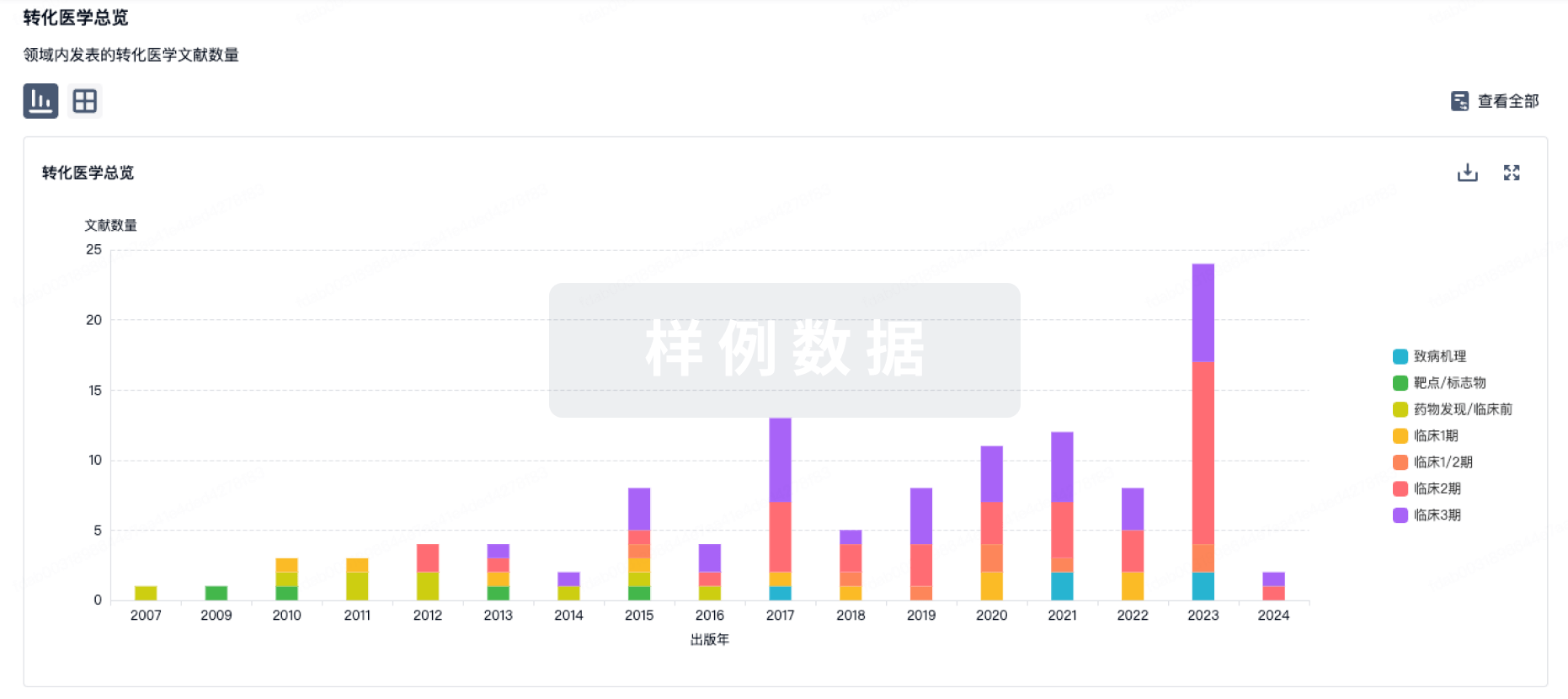
转化医学
使用我们的转化医学数据加速您的研究。
登录
或
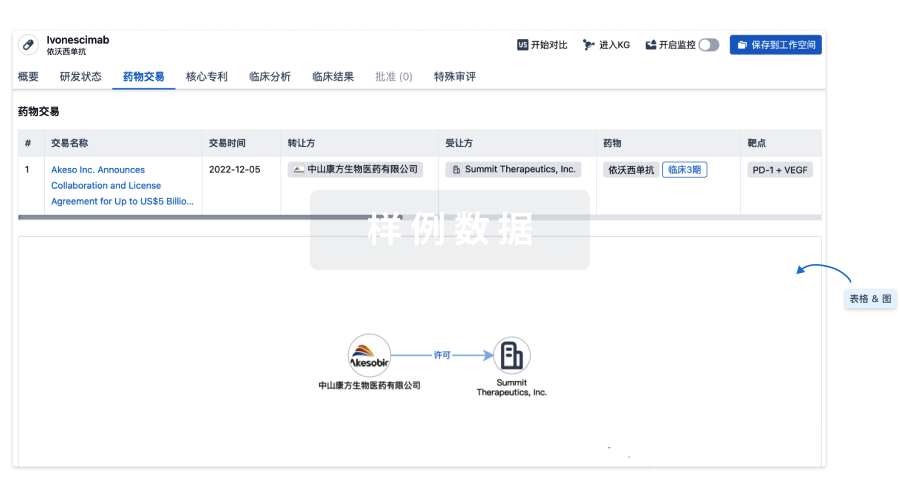
药物交易
使用我们的药物交易数据加速您的研究。
登录
或
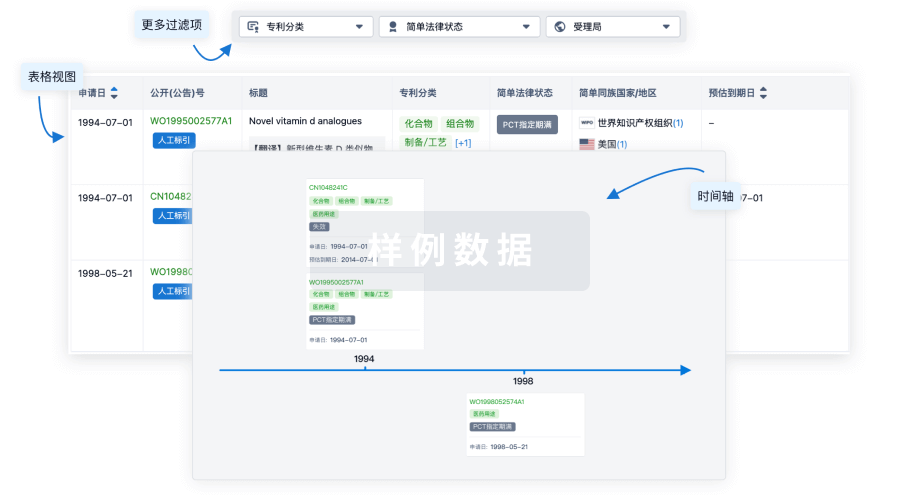
核心专利
使用我们的核心专利数据促进您的研究。
登录
或
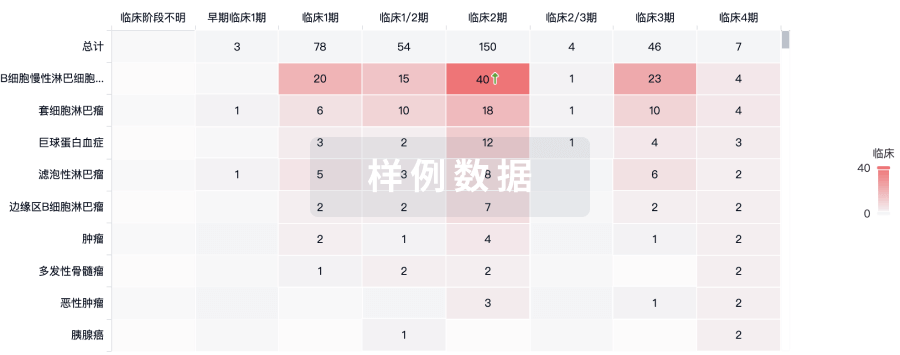
临床分析
紧跟全球注册中心的最新临床试验。
登录
或
批准
利用最新的监管批准信息加速您的研究。
登录
或
特殊审评
只需点击几下即可了解关键药物信息。
登录
或
生物医药百科问答
全新生物医药AI Agent 覆盖科研全链路,让突破性发现快人一步
立即开始免费试用!
智慧芽新药情报库是智慧芽专为生命科学人士构建的基于AI的创新药情报平台,助您全方位提升您的研发与决策效率。
立即开始数据试用!
智慧芽新药库数据也通过智慧芽数据服务平台,以API或者数据包形式对外开放,助您更加充分利用智慧芽新药情报信息。
生物序列数据库
生物药研发创新
免费使用
化学结构数据库
小分子化药研发创新
免费使用