预约演示
更新于:2026-07-04
Isoferulic acid
更新于:2026-07-04
概要
基本信息
药物类型 小分子化药 |
别名- |
作用方式 抑制剂 |
作用机制 自由基抑制剂 |
在研适应症 |
非在研适应症- |
非在研机构- |
权益机构- |
最高研发阶段临床前 |
首次获批日期- |
最高研发阶段(中国)临床前 |
特殊审评- |



关联
100 项与 Isoferulic acid 相关的临床结果
登录后查看更多信息
100 项与 Isoferulic acid 相关的转化医学
登录后查看更多信息
100 项与 Isoferulic acid 相关的专利(医药)
登录后查看更多信息
83
项与 Isoferulic acid 相关的文献(医药)2026-05-01·JOURNAL OF ETHNOPHARMACOLOGY
Zuoguiyin modulates M2 macrophage polarization to inhibit glycolysis in esophageal squamous cell carcinoma
Article
作者: Huang, Ruixue ; Huang, Ming ; Wu, Zhongbing ; Xing, Tiantian ; Guo, Jianxin ; Li, Jing ; Yuan, Jianfeng ; Chang, Liping ; Zhou, Lu ; Wang, Yu
ETHNOPHARMACOLOGICAL RELEVANCE:
Zuoguiyin (ZGY), a traditional Chinese medicine formula used to nourish Yin and replenish vital essence, possesses tonifying properties that are conceptually aligned with modern strategies aiming to modulate the immunosuppressive tumor microenvironment (TME). In esophageal squamous cell carcinoma (ESCC), M2 macrophages are pivotal components that drive tumor progression. Therefore, therapeutic strategies targeting M2 macrophages may offer a beneficial approach.
AIM OF THE STUDY:
This study aimed to explore whether ZGY suppresses ESCC by disrupting the pro-tumorigenic interactions between M2 macrophages and cancer cells, with a specific focus on the immunometabolic axis.
MATERIALS AND METHODS:
A co-culture system of ESCC cells and macrophages was employed to investigate cellular interactions. An in vivo ESCC mouse model induced by a 4-nitroquinoline-1-oxide (4-NQO) was employed for validation. Proteomic analysis, Seahorse metabolic analysis, flow cytometry, Western blotting, molecular docking, and molecular dynamics simulations were conducted to elucidate the underlying mechanisms and identify active components.
RESULTS:
IL-4 secreted by ESCC cells bound to the IL-4 receptor on macrophages, activating the JAK/STAT6 signaling pathway and driving M2 polarization. These M2 macrophages, in turn, enhanced glycolytic metabolism in ESCC cells. ZGY treatment did not directly affect the cancer cells but effectively inhibited M2 polarization by blocking JAK2/STAT6 phosphorylation. This led to a reversal of the M2-driven enhancement of tumor glycolysis and a reduction in tumor growth in vivo. Isoferulic acid and norharman, key bioactive components of ZGY, were identified as stable binders of JAK2.
CONCLUSIONS:
This study elucidates the mechanism through which IL-4/JAK2/STAT6-mediated M2 macrophages promote glycolysis in ESCC and demonstrates that ZGY disrupts this pathway by targeting JAK2 in macrophages. These findings provide a mechanistic foundation for developing ZGY as a promising tumor microenvironment-modifying therapy for ESCC.
2026-05-01·CHEMISTRY & BIODIVERSITY
Comprehensive Profiling of Acetylcholinesterase Inhibitors From
Cimicifuga foetida
Using Activity‐Oriented Offline Preparation Technology
Article
作者: Li, Sainan ; Liu, Xuanlin ; Liu, Qiang ; Zhang, Yuchi ; Zhou, Yang ; Shi, Dongfang
ABSTRACT:
Owing to the complexity and diversity of chemical constituents in natural food ingredients, functional food research has long faced two major technical challenges: the rapid and accurate screening of bioactive compounds, and their targeted preparation. This study aimed to establish an efficient strategy for screening and preparing acetylcholinesterase inhibitors (AChEIs) from
Cimicifuga foetida
(
C. foetida
) to improve the efficiency of fungal food preparation. First, the extraction process of
C. foetida
was optimized using the Non‐dominated Sorting Genetic Algorithm II (NSGA‐II) regression model. Next, the potential anti‐Alzheimer's effects of the extracted active compounds were evaluated by affinity‐ultrafiltration mass spectrometry (AUF‐MS), molecular docking, enzyme kinetics, and network pharmacology analyses.
Five compounds, namely cimifugin, cimifugoside, caffeic acid, ferulic acid, and isoferulic acid, exhibited strong binding affinity to the active site of AChEIs. These findings highlight the potential of
C. foetida
as a valuable source for the discovery and development of novel therapeutic agents from natural food resources.
2026-03-18·JOURNAL OF AGRICULTURAL AND FOOD CHEMISTRY
Plant-Derived Isoferulic Acid and RNAi Synergize to Overcome Detoxification Defenses in the Bird Cherry–Oat Aphid (
Rhopalosiphum padi
)
Article
作者: Xia, Linhai ; Wang, Ni ; Peng, Xiong ; Piñero, Jaime C. ; Tang, Hongcheng ; Yuan, Xiaoxiao ; Chen, Maohua ; Zhu, Zhenyin ; Hou, Wenhua
Sustainable management of insect pests is threatened by insecticide resistance, driving demand for effective, environmentally safe tools. The bird cherry-oat aphid (Rhopalosiphum padi), a major cereal pest, shows resistance to pyrethroids, neonicotinoids, and other insecticide classes. We identified isoferulic acid, a phenolic compound from Prunus padus, as a potent aphicide with lethal and sublethal impacts. Bioassays showed dose-dependent lethality (LC50 = 1.74 mg/L at 48 h), while sublethal exposure shortened adult longevity (17.7 to 10.2 d) and reduced fecundity (81 to 53 nymphs/female). Transcriptomic and enzymatic analyses revealed broad induction of detoxification pathways, with RpLipase consistently upregulated. RNAi-mediated knockdown of RpLipase enhanced susceptibility, lowering the LC50 to 0.85 mg/L and confirming its role in tolerance. Nontarget assays with the predator Harmonia axyridis revealed no acute toxicity. Collectively, isoferulic acid is a promising plant-derived insecticide, and silencing induced detoxification genes enhances its potency, providing a foundation for developing novel resistance-breaking strategies.
100 项与 Isoferulic acid 相关的药物交易
登录后查看更多信息
研发状态
10 条进展最快的记录, 后查看更多信息
登录
| 适应症 | 最高研发状态 | 国家/地区 | 公司 | 日期 |
|---|---|---|---|---|
| 帕金森病 | 临床前 | 中国 | 2025-10-01 | |
| 帕金森病 | 临床前 | 中国 | 2025-10-01 | |
| 帕金森病 | 临床前 | 中国 | 2025-10-01 |
登录后查看更多信息
临床结果
临床结果
适应症
分期
评价
查看全部结果
| 研究 | 分期 | 人群特征 | 评价人数 | 分组 | 结果 | 评价 | 发布日期 |
|---|
No Data | |||||||
登录后查看更多信息
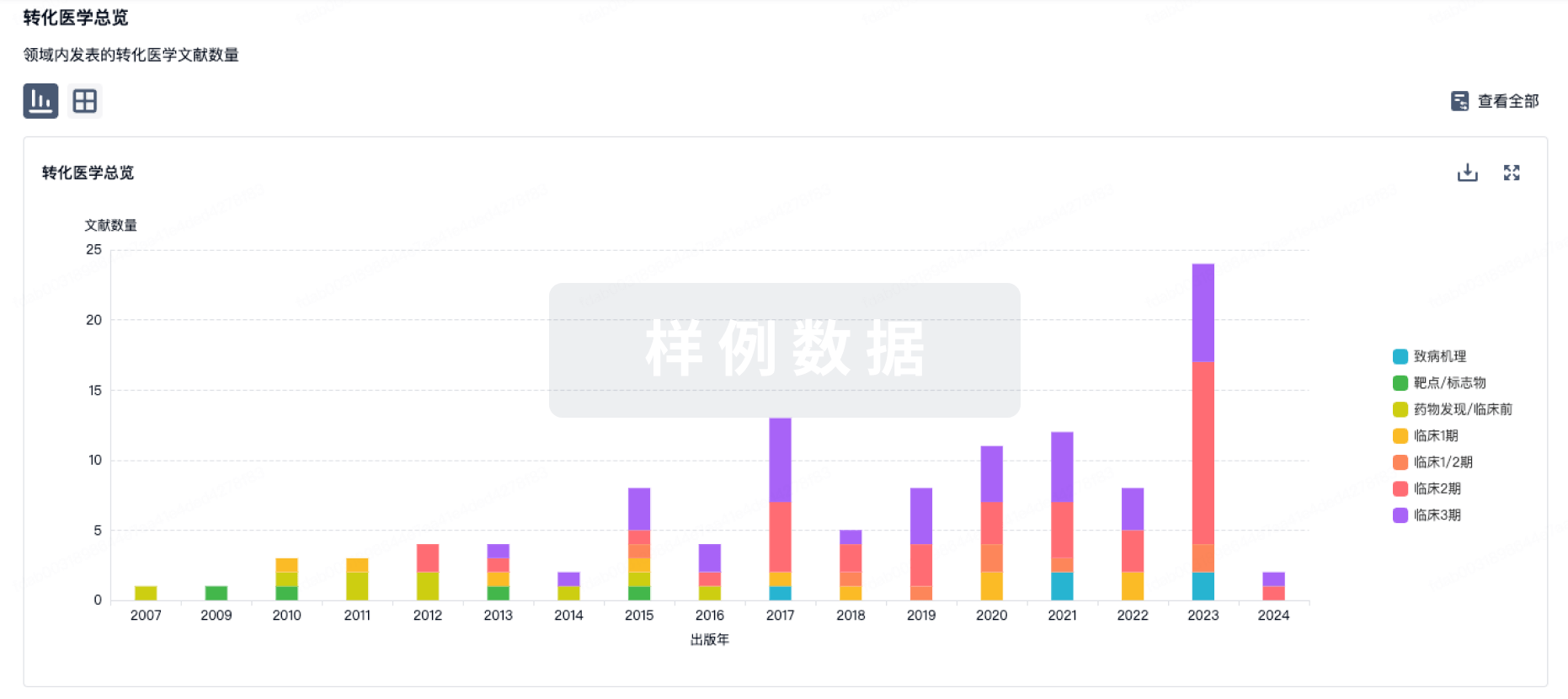
转化医学
使用我们的转化医学数据加速您的研究。
登录
或
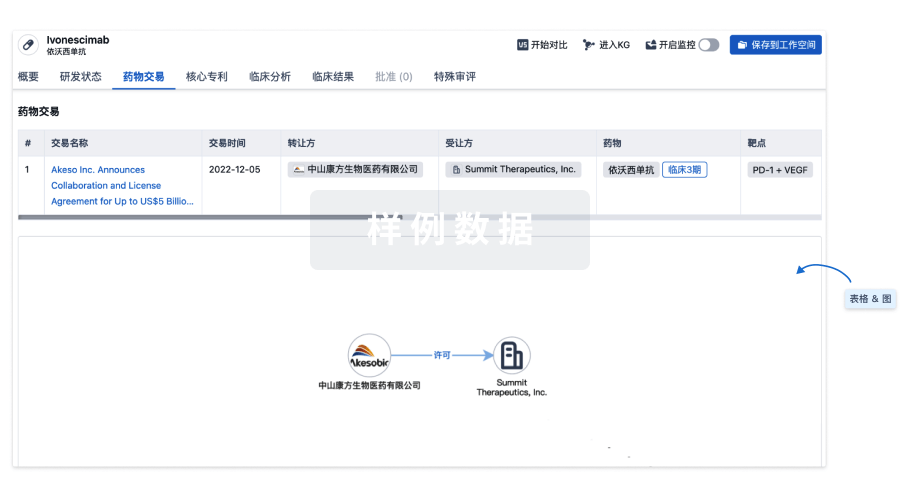
药物交易
使用我们的药物交易数据加速您的研究。
登录
或
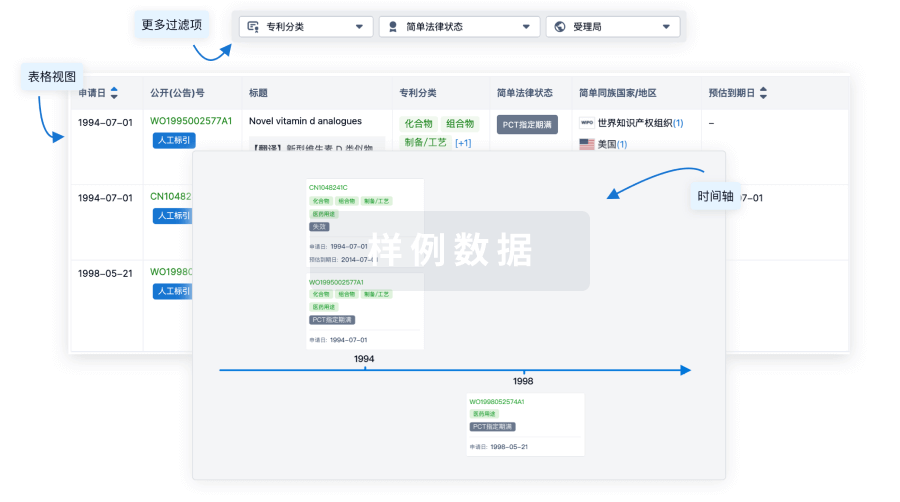
核心专利
使用我们的核心专利数据促进您的研究。
登录
或
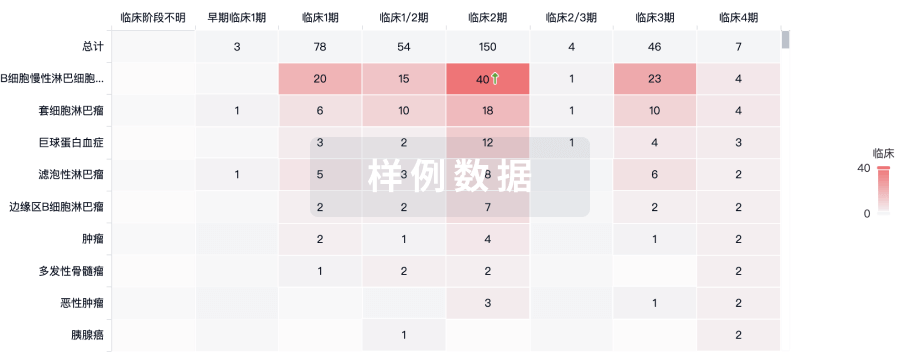
临床分析
紧跟全球注册中心的最新临床试验。
登录
或
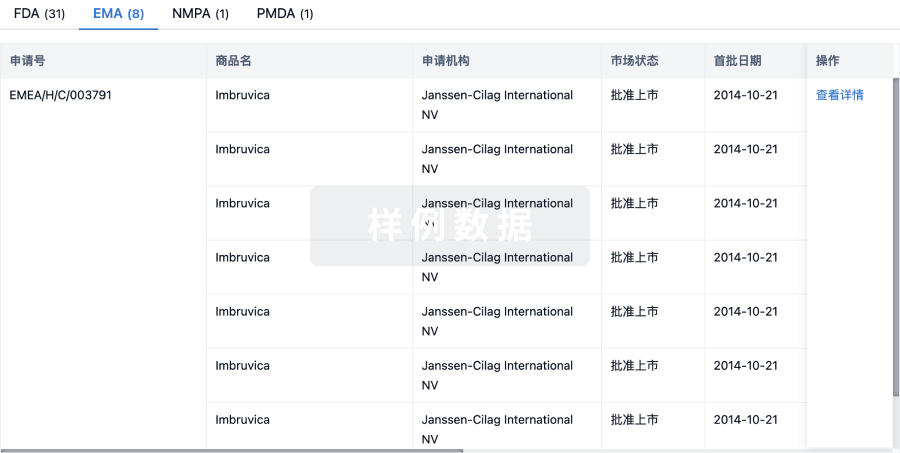
批准
利用最新的监管批准信息加速您的研究。
登录
或
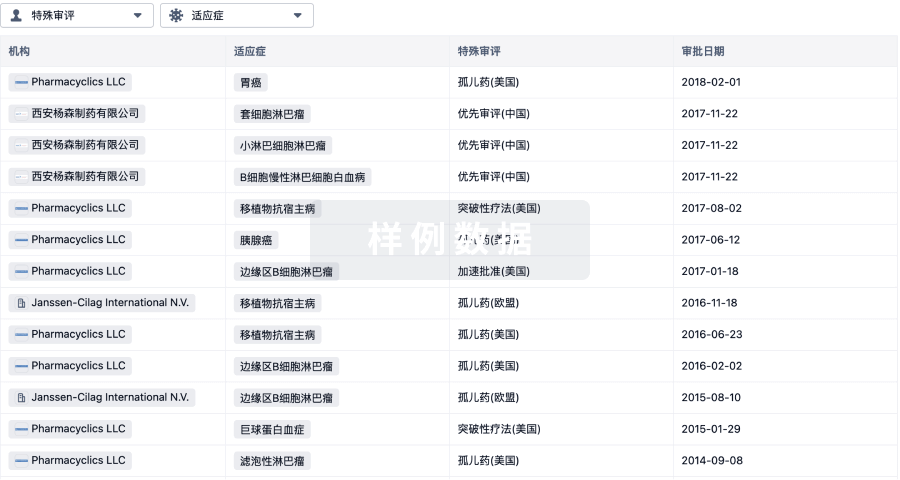
特殊审评
只需点击几下即可了解关键药物信息。
登录
或
芽仔
全新生物医药AI Agent 覆盖科研全链路,让突破性发现快人一步
立即开始免费试用!
智慧芽新药情报库是智慧芽专为生命科学人士构建的基于AI的创新药情报平台,助您全方位提升您的研发与决策效率。
立即开始数据试用!
智慧芽新药库数据也通过智慧芽数据服务平台,以API或者数据包形式对外开放,助您更加充分利用智慧芽新药情报信息。
生物序列数据库
生物药研发创新
免费使用
化学结构数据库
小分子化药研发创新
免费使用