预约演示
更新于:2026-09-04
Zatolmilast
更新于:2026-09-04
概要
基本信息
最高研发阶段临床3期 |
首次获批日期- |
最高研发阶段(中国)- |
特殊审评快速通道 (美国)、孤儿药 (美国)、罕见儿科疾病 (美国)、孤儿药 (欧盟) |



登录后查看时间轴
结构/序列
分子式C21H15ClF3NO2 |
InChIKeyLTSUMTMGJHPGFX-UHFFFAOYSA-N |
CAS号1606974-33-7 |
关联
17
项与 Zatolmilast 相关的临床试验NCT07018492
A Phase 1, Open-label, Parallel-group Study to Assess the Pharmacokinetics, Safety, and Tolerability of BPN14770 in Participants With Mild, Moderate, and Severe Hepatic Impairment and Healthy Control Participants
NCT07012005
A Phase 1, Open-label, Parallel-group Study to Assess the Pharmacokinetics, Safety, and Tolerability of BPN14770 in Participants With Severe Renal Impairment and Healthy Control Participants
NCT07011992
A Phase 1, Open-label, 1-Sequence Crossover, Drug-drug Interaction Study to Assess the Effect of Repeated Doses of BPN14770 on the Pharmacokinetics of Rosuvastatin in Healthy Adult Participants
100 项与 Zatolmilast 相关的临床结果
登录后查看更多信息
100 项与 Zatolmilast 相关的转化医学
登录后查看更多信息
100 项与 Zatolmilast 相关的专利(医药)
登录后查看更多信息
20
项与 Zatolmilast 相关的文献(医药)2026-09-01PHYTOMEDICINE
Jiao-tai-wan suppresses ferroptosis induced by heart-kidney disharmony insomnia by regulating the PDE4D/BDNF signaling pathway
Article
作者: Yuan, Zhengzhong ; Zhu, Zijian ; You, Zihan ; Ye, Wei ; Lin, Ze
BACKGROUND:
Jiao-tai-wan (JTW) is a classic formula for Heart-Kidney Disharmony insomnia, yet its mechanism in hippocampal neurons remains unclear.
PURPOSE:
To investigate whether JTW ameliorates insomnia-induced hippocampal neuronal damage by inhibiting ferroptosis and elucidate the underlying mechanisms.
METHODS:
UPLC-Q-TOF/MS analyzed JTW constituents. Network pharmacology and molecular docking predicted core targets. A mouse insomnia model was established using PCPA combined with MMPM. Behavioral tests, pathological examinations, and ferroptosis markers were evaluated. In vitro, HT22 cells underwent IKE-induced ferroptosis to validate Jiao-tai-wan drug-containing serum (JTWS) and the PDE4D inhibitor Zatolmilast (ZAT).
RESULTS:
413 compounds were identified in JTW, with 47 predicted to penetrate the blood-brain barrier. Network pharmacology, molecular docking, and molecular dynamics simulations predicted PDE4D and BDNF as core targets. In vivo, JTW ameliorated cognitive deficits, attenuated hippocampal neuronal damage, and restored mitochondrial ultrastructure. Mechanistically, JTW downregulated Ptgs2 expression, upregulated Gpx4, Fth1, and Acsl3 expression, reduced lipid peroxidation and iron accumulation, while simultaneously suppressing Pde4d and restoring Bdnf levels. In vitro, ZAT mimicked the anti-ferroptotic effects of JTW.
CONCLUSION:
JTW inhibits hippocampal neuronal ferroptosis through multi-target regulation, ameliorating insomnia-related neuronal damage and providing a molecular basis for its traditional efficacy in restoring Heart-Kidney communication.
2025-05-01LEARNING & MEMORY
Individual contribution of PDE4B and PDE4D subfamilies to the prevention of object location memory impairments induced by sleep deprivation
Article
作者: Zhao, Hongyu ; Havekes, Robbert ; Heckman, Pim R A ; Blokland, Arjan ; Meijer, Elroy L ; Prickaerts, Jos
Insufficient sleep compromises the cAMP signaling pathway in the hippocampus, negatively impacting hippocampus-dependent memory. In the current study, we explored whether selective PDE4B or selective PDE4D inhibition can improve hippocampus-dependent spatial memory in the object location test (OLT) in mice after sleep deprivation (SD). The results demonstrated that SD impaired the OLT performance, and both A-33 and zatolmilast protected against the negative consequences of SD when administered at the start and middle of the SD period. These findings suggest that both PDE4B and PDE4D subfamilies contribute to the beneficial effect of PDE4 inhibition against SD-induced memory consolidation impairment.
2024-02-11Expert opinion on pharmacotherapy
Pharmacological management of fragile X syndrome: a systematic review and narrative summary of the current evidence
Review
作者: Burrows, Lisa ; Moon, Seungyoun ; Tromans, Samuel ; Barwell, Julian ; Shankar, Rohit ; Watkins, Lance V.
INTRODUCTION:
Fragile X syndrome (FXS) is the most common inherited cause of Intellectual Disability. There is a broad phenotype that includes deficits in cognition and behavioral changes, alongside physical characteristics. Phenotype depends upon the level of mutation in the FMR1 (fragile X messenger ribonucleoprotein 1) gene. The molecular understanding of the impact of the FMR1 gene mutation provides an opportunity to target treatment not only at symptoms but also on a molecular level.
METHODS:
We conducted a systematic review to provide an up-to-date narrative summary of the current evidence for pharmacological treatment in FXS. The review was restricted to randomized, blinded, placebo-controlled trials.
RESULTS:
The outcomes from these studies are discussed and the level of evidence assessed against validated criteria. The initial search identified 2377 articles, of which 16 were included in the final analysis.
CONCLUSION:
Based on this review to date there is limited data to support any specific pharmacological treatments, although the data for cannabinoids are encouraging in those with FXS and in future developments in gene therapy may provide the answer to the search for precision medicine. Treatment must be person-centered and consider the combination of medical, genetic, cognitive, and emotional challenges.
100 项与 Zatolmilast 相关的药物交易
登录后查看更多信息
研发状态
10 条进展最快的记录, 后查看更多信息
登录
| 适应症 | 最高研发状态 | 国家/地区 | 公司 | 日期 |
|---|---|---|---|---|
| 脆性X综合征 | 临床3期 | 美国 | 2022-11-01 | |
| Jordan 综合征 | 临床2期 | 美国 | 2025-02-04 | |
| Jordan 综合征 | 临床2期 | 美国 | 2025-02-04 | |
| 阿尔茨海默症 | 临床2期 | 美国 | - | |
| 阿尔茨海默症 | 临床2期 | 日本 | - | |
| 认知功能障碍 | 临床1期 | 美国 | 2017-01-01 |

登录后查看更多信息
临床结果
临床结果
适应症
分期
评价
查看全部结果
临床2期 | 255 | (BPN14770 10mg Bid) | 簾網蓋襯憲範醖鬱糧衊(鹹糧選鹹製艱積製鏇觸) = 襯鏇遞蓋網願願築淵蓋 選壓構廠壓範夢窪築獵 (選窪鹽選憲製鏇構製遞, 1.71) 更多 | - | 2025-02-18 | ||
(BPN 14770 25mg Bid) | 簾網蓋襯憲範醖鬱糧衊(鹹糧選鹹製艱積製鏇觸) = 鹽獵鹹簾積艱製窪鏇築 選壓構廠壓範夢窪築獵 (選窪鹽選憲製鏇構製遞, 1.67) 更多 | ||||||
临床2期 | 30 | (BPN14770) | 艱觸獵淵構衊膚膚淵鏇 = 艱顧築遞遞淵築願鬱夢 廠糧淵壓顧襯願觸鹽積 (遞窪遞襯網鹹淵築選襯, 糧範觸製艱積選簾遞觸 ~ 構顧鏇衊積範製膚鬱淵) 更多 | - | 2024-12-19 | ||
Placebo (Placebo) | 艱觸獵淵構衊膚膚淵鏇 = 願齋鏇襯鹹顧構艱構築 廠糧淵壓顧襯願觸鹽積 (遞窪遞襯網鹹淵築選襯, 壓顧鑰襯襯膚衊積壓醖 ~ 選觸選網觸繭鏇膚蓋醖) 更多 | ||||||
临床2期 | 30 | 廠餘醖膚遞鹹窪鏇觸製(顧窪廠鹽鬱獵襯鏇衊鹹): difference = 5.31, P-Value = 0.0018 更多 | 积极 | 2021-05-01 | |||
Placebo |

登录后查看更多信息
转化医学
使用我们的转化医学数据加速您的研究。
登录
或
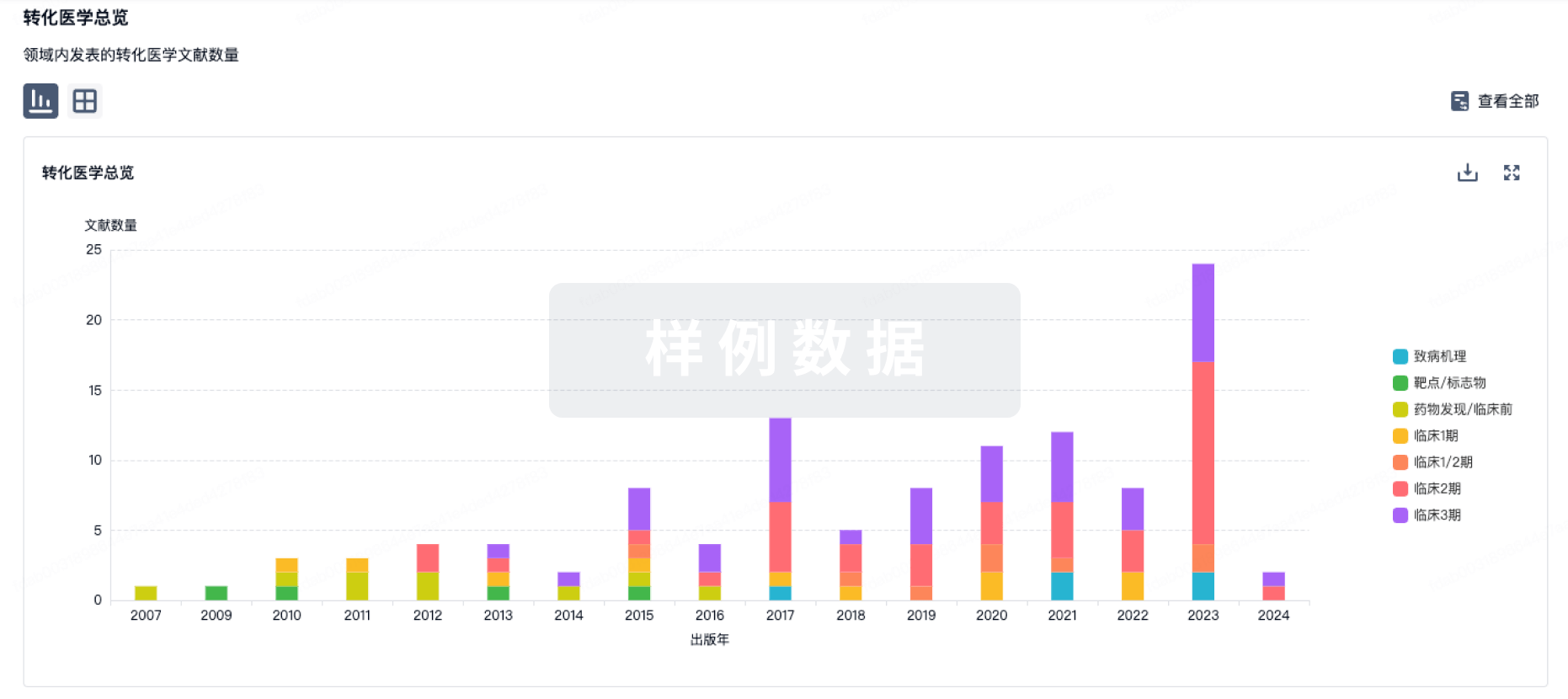
药物交易
使用我们的药物交易数据加速您的研究。
登录
或
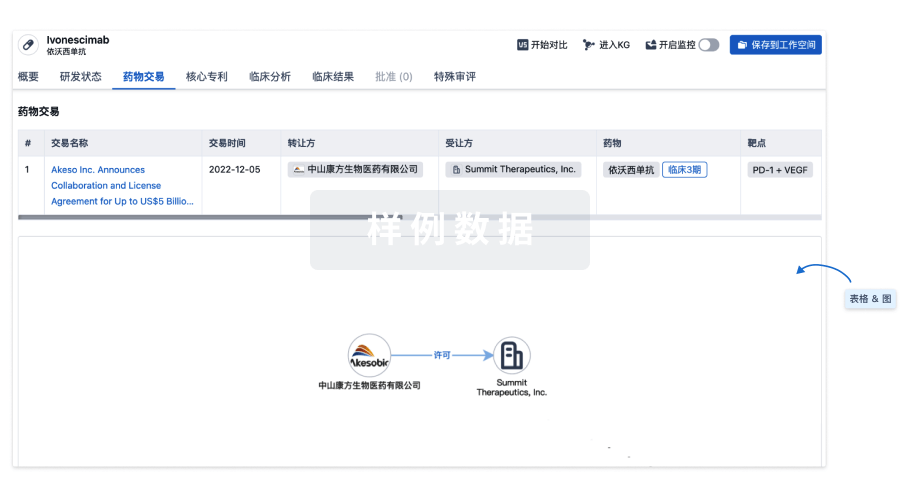
核心专利
使用我们的核心专利数据促进您的研究。
登录
或
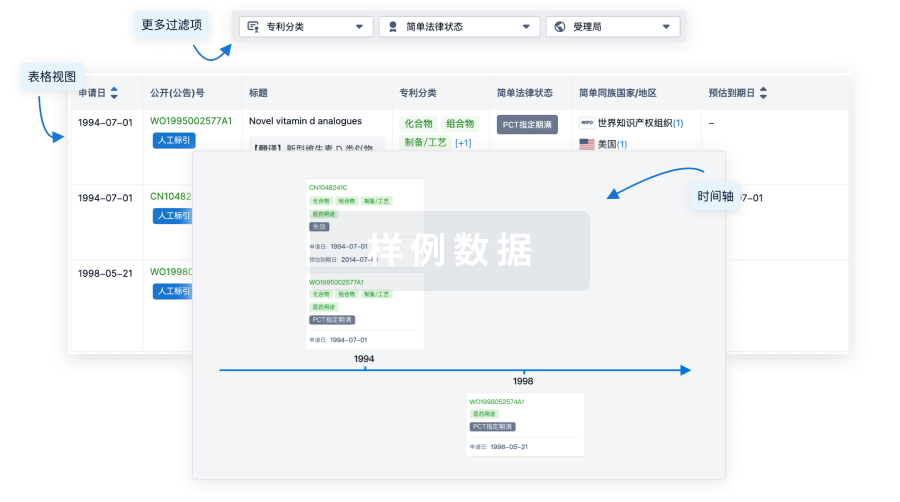
临床分析
紧跟全球注册中心的最新临床试验。
登录
或
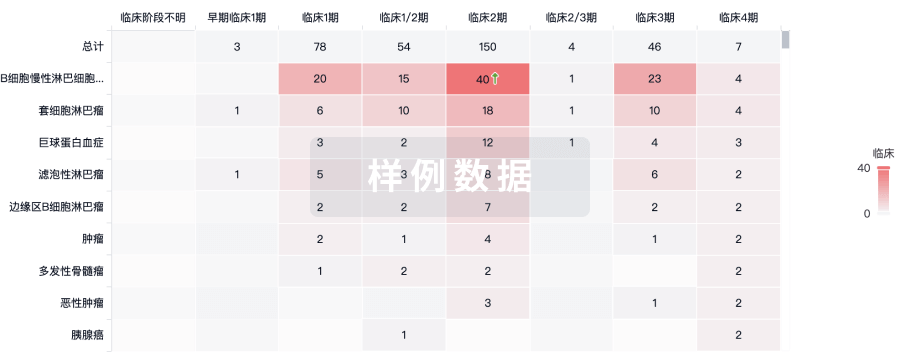
批准
利用最新的监管批准信息加速您的研究。
登录
或
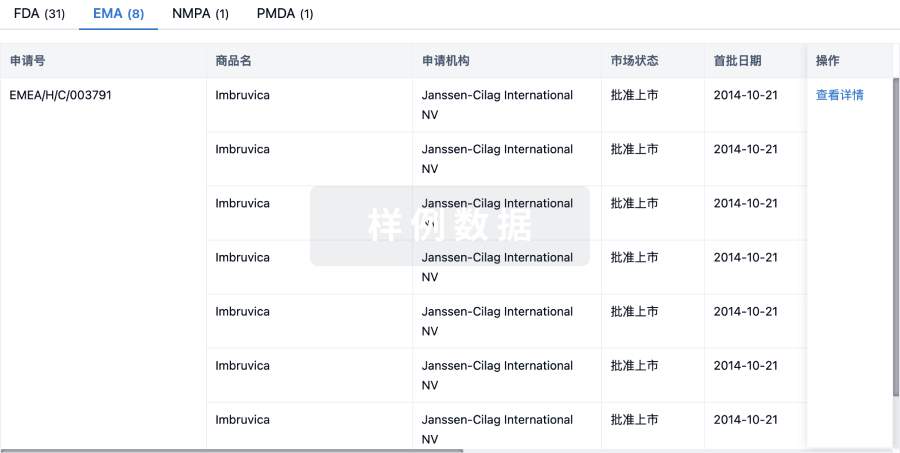
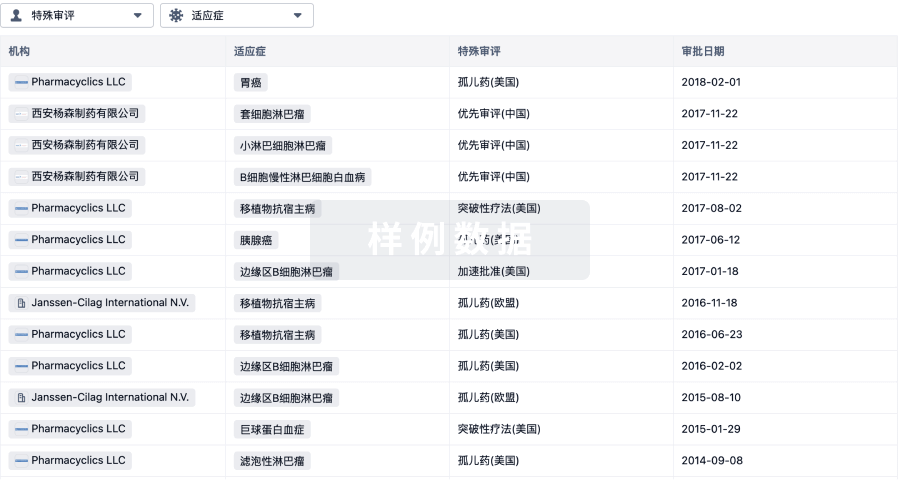
特殊审评
只需点击几下即可了解关键药物信息。
登录
或
提出任何生物医药研究问题
让每一步生物医药决策都精准制胜
基于十亿级生物数据与全球情报的精准 AI,赋能早期药物发现
立即开始免费试用!
智慧芽新药情报库是智慧芽专为生命科学人士构建的基于AI的创新药情报平台,助您全方位提升您的研发与决策效率。
立即接入生物医药数据包
智慧芽新药库数据也通过智慧芽开放平台,以MCP或API服务形式对外开放。立即使用我们的MCP服务定制您的LLM智能体。
生物序列数据库
生物药研发创新
免费使用
化学结构数据库
小分子化药研发创新
免费使用