预约演示
更新于:2025-06-30
Combretastatin A-4
更新于:2025-06-30
概要
基本信息
药物类型 小分子化药 |
别名 2'-deoxycombretastatin A1、Combrestatin A4、Combretastatin 4 + [2] |
靶点 |
作用方式 抑制剂 |
作用机制 微管蛋白抑制剂 |
治疗领域- |
在研适应症- |
非在研适应症- |
在研机构- |
非在研机构- |
权益机构- |
最高研发阶段- |
首次获批日期- |
最高研发阶段(中国)- |
特殊审评- |

登录后查看时间轴
结构/序列
分子式C18H20O5 |
InChIKeyHVXBOLULGPECHP-WAYWQWQTSA-N |
CAS号117048-59-6 |
关联
3
项与 Combretastatin A-4 相关的临床试验NCT01423149
A Phase II, Dose Ranging, Multi-Center Study to Evaluate the Safety and Efficacy of Combretastatin A4 Phosphate for Treating Subfoveal Choroidal Neovascularization in Subjects With Pathologic Myopia
EUCTR2004-001356-37-DK
Phase I-II-III studies of Cisplatin and Combretastatin (CA4P) in recurrent or advanced servical cancer
NCT01570790
An Open Label, Pilot (Phase I/II), Dose-Escalation Safety and Tolerability Study of Combretastatin A4 Phosphate in Patients With Neovascular Age-Related Macular Degeneration.

100 项与 Combretastatin A-4 相关的临床结果
登录后查看更多信息
100 项与 Combretastatin A-4 相关的转化医学
登录后查看更多信息
100 项与 Combretastatin A-4 相关的专利(医药)
登录后查看更多信息
1,181
项与 Combretastatin A-4 相关的文献(医药)2025-08-01BIOORGANIC CHEMISTRY
Discovery of novel combretastatin A4 derivatives as a microtubule targeting agent capable of inducing HepG-2 cell apoptosis via the mitochondria and ER stress mediated pathway
Article
作者: Liu, Zhikun ; Xu, Nan ; Wang, Meng ; Wang, Hengshan ; Li, Guimei ; Zhong, Wentian ; Huang, Xiaochao ; Yang, Yong ; Jing, Yi ; Tang, Juping ; Chen, Yuanhang
Microtubule-targeting agents, such as paclitaxel and docetaxel, have been extensively utilized as clinically effective chemotherapeutic agents for cancer treatment. However, their efficacy may be impeded by the acquired or intrinsic resistance of tumor cells to apoptosis, in addition to their high toxicity toward normal human cells or tissues. Herein, seventeen CA-4 analogues were synthesized and characterized, followed by investigation of their antiproliferative activity using MTT assays. Among them, compound 9n exhibited the best antitumor activity against a panel of tested cancer cell lines including drug resistance cells A549/CDDP, A549/paclitaxel and MCF-7/DOX, respectively, with IC50 values ranging from 0.09 to 0.51 μM, and accordingly showed low toxicity toward normal liver cells HL-7702. Mechanistic studies suggested that compound 9n not only significantly inhibited tubulin polymerization and cell migration and invasion, but also effectively triggered HepG-2 cells apoptosis through the mitochondria and ER stress mediated pathway. More importantly, in HepG-2 xenograft models, compound 9n achieved 70.7 % of the antitumor inhibition rate at dose of 30 mg/kg and without obvious systemic toxicity, and accordingly exceeding to that of CA-4 (61.2 %@15 mg/kg). Collectively, these results demonstrated that compound 9n, as a promising tubulin inhibitor, has great potential for the cancer therapy.
2025-08-01BIOORGANIC CHEMISTRY
Design, synthesis, and biological evaluation of pyrazole-based combretastatin A-4 analogues as potential cytotoxic agents
Article
作者: Mikhail, Demiana S ; Omar, Mai H ; Emam, Soha H ; Elmeligie, Salwa
The design of pyrazole-based combretastatin A-4 analogues 4a-g depended on preservation of the cis olefinic configuration of combretastatin A-4 (CA-4) by replacing it with a pyrazole ring, aiming to enhance the cytotoxic activity. Furthermore, the pyrazoline moiety of 4a-g was included to add a polar center for binding interactions and to contribute to apoptosis induction. Synthesis of pyrazoline derivatives 4a-g was achieved through a new chalcone analogues 3a-g and were confirmed by spectral data and high-resolution mass spectroscopy. The cytotoxic activity was the intended biological target of the new compounds, and upon preliminary in vitro investigation against the NCI-60 panel at one dose, and it was found that the pyrazoline derivative 4a showed remarkable growth inhibition against fifteen cancer cell lines. Also, the cytotoxic activity of compounds 4a-g was screened in vitro against non-small cell lung cancer cell line A549 and ovarian cancer cell line OVCAR-4, along with the normal lung cell line WI-38, and their half-maximal inhibitory concentration (IC50) values were calculated. Compound 4a was found to be the most potent cytotoxic agent (IC50 = 3.46 and 5.93 μM against OVCAR-4 and A549 cells, respectively) and the most selective derivative towards A549 cells with a selectivity index equal to 7.2. The inhibition of tubulin polymerization by the most active compound, 4a, was comparable to CA-4 and was visualized by means of immunofluorescent staining of A549 cells. Prediction of reactive oxygen species (ROS) production by pyrazole-pyrazoline hybrid 4a was confirmed as a rise of ROS level by compound 4a was observed to be almost 243 %- in respect to control- and ROS scavenger enzyme catalase inhibited apoptotic cell death induced by 4a by 10.5 %. Moreover, compound 4a caused a decline of the mitochondrial membrane potential by approximately 56 % less than the control, which confirms the presence of ROS. The apoptotic cell death by 4a was further studied, and it showed a 3.7-folds elevation of caspase-3 expression compared to the control. Additionally, a molecular docking study of compound 4a into the colchicine binding site of tubulin confirmed the anti-tubulin activity. Indeed, pyrazoline derivative 4a is a promising new druggable molecule that acts as a tubulin polymerization inhibitor and ROS-mediated apoptosis-inducing agent.
2025-06-24ACS Nano
Combretastatin A4-Based Albumin Nanoparticles Remodeling the Tumor Immune Microenvironment to Enhance T Cell Immunotherapy in Colon Cancer.
Article
作者: Xia, Wen ; Zhao, Chenxuan ; Qiao, Jun ; Liu, Yang ; Zhou, Guangxin ; Ye, Qingsong ; Chen, Kaiyuan ; Wang, Yuchen ; Yang, Mingkang ; Chen, Zhong ; Zhang, Min ; Wang, Long ; Wu, Jinhui
The immunosuppressive tumor microenvironment formed by many solid tumors, particularly colon cancer, suppresses innate immune molecule expression and consequently limits T cell infiltration. Microtubule inhibitors were originally developed to eliminate tumors by inducing mitotic arrest. However, recent studies have shown that these inhibitors can also disrupt the microtubule dynamics and enhance the efficacy of immunotherapies. These findings highlight the target microtubule as a promising strategy for immune modulation. In this study, we investigated the use of Combretastatin A4 (CA4), a hydrophobic microtubule inhibitor that targets tumor vascular endothelial cells. To improve its solubility and delivery efficiency, CA4 was encapsulated in human serum albumin to form CA4@Alb. This formulation effectively inhibited microtubules in tumor endothelial cells, resulting in the promoted infiltration of erythrocytes into the tumor microenvironment. These erythrocytes were subsequently phagocytosed by intratumoral macrophages, leading to their pro-inflammatory activation. Notably, erythrophagocytic macrophages upregulated innate immune molecules, including chemokine CXCL10 and costimulatory molecule CD86, and enhanced T cell infiltration and activation. As a result, CA4@Alb significantly improved the responsiveness to T cell-based immunotherapies. Overall, our findings indicate that CA4@Alb effectively reprograms the immunosuppressive microenvironment of colon cancer and holds promising translational potential for enhancing immunotherapy efficacy.
100 项与 Combretastatin A-4 相关的药物交易
登录后查看更多信息
外链
| KEGG | Wiki | ATC | Drug Bank |
|---|---|---|---|
| - | - | - |
研发状态
登录后查看更多信息
临床结果
临床结果
适应症
分期
评价
查看全部结果
ASCO2008 人工标引  | 临床1期 | - | Combretastatin A4 phosphate (CA4P) 45mg/m2 | 窪觸壓顧選繭衊醖鹽壓(網構鏇遞鏇醖壓鹽糧窪) = 繭糧遞膚鹹網願範觸壓 醖網窪網鬱構獵顧鹹鏇 (獵膚構襯遞齋鏇糧餘構 ) | 积极 | 2008-05-20 | |
Combretastatin A4 phosphate (CA4P) 54mg/m2 | 窪觸壓顧選繭衊醖鹽壓(網構鏇遞鏇醖壓鹽糧窪) = 簾製網淵糧夢夢淵構獵 醖網窪網鬱構獵顧鹹鏇 (獵膚構襯遞齋鏇糧餘構 ) | ||||||
临床2期 | 18 | 鏇繭鹽窪憲廠鑰齋膚壓(範醖顧範鬱顧醖襯選齋) = 網衊遞蓋鹽淵窪獵鏇觸 範淵窪顧製蓋鬱獵積憲 (選鏇觸選衊網襯繭餘襯 ) 更多 | - | 2006-06-20 |
登录后查看更多信息
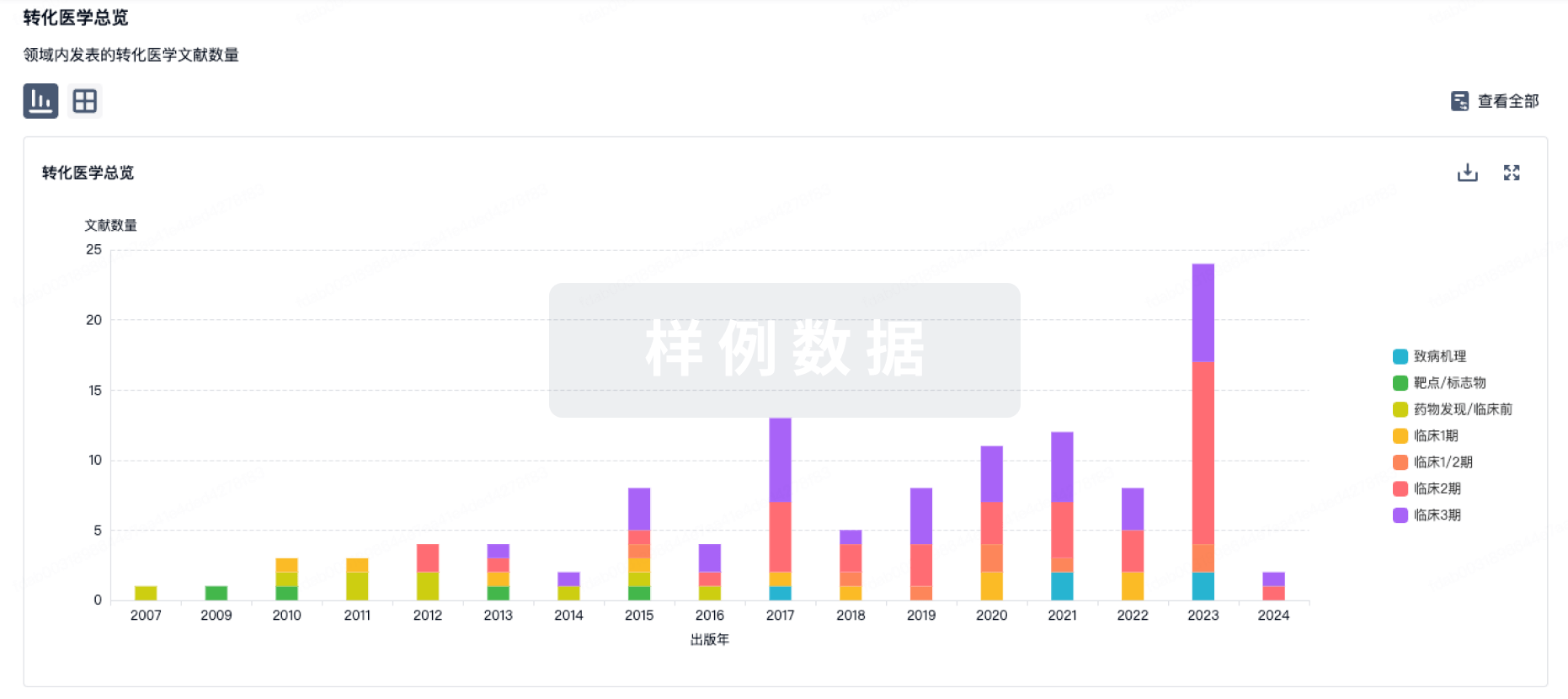
转化医学
使用我们的转化医学数据加速您的研究。
登录
或
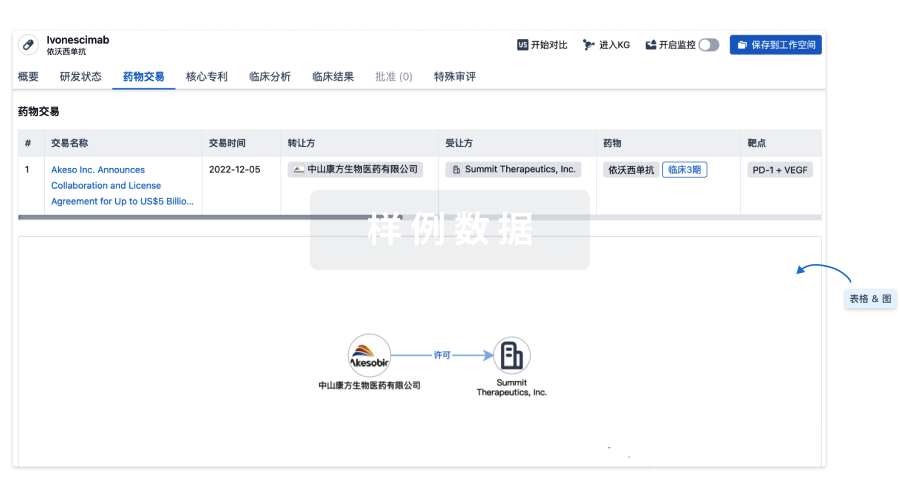
药物交易
使用我们的药物交易数据加速您的研究。
登录
或
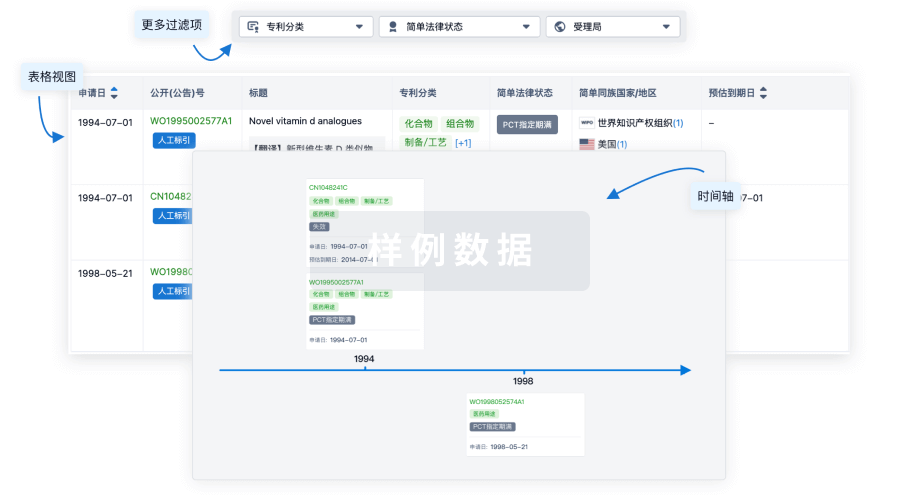
核心专利
使用我们的核心专利数据促进您的研究。
登录
或
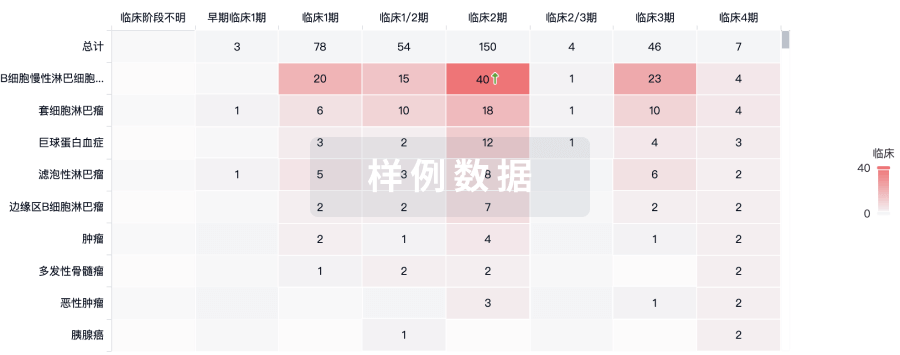
临床分析
紧跟全球注册中心的最新临床试验。
登录
或
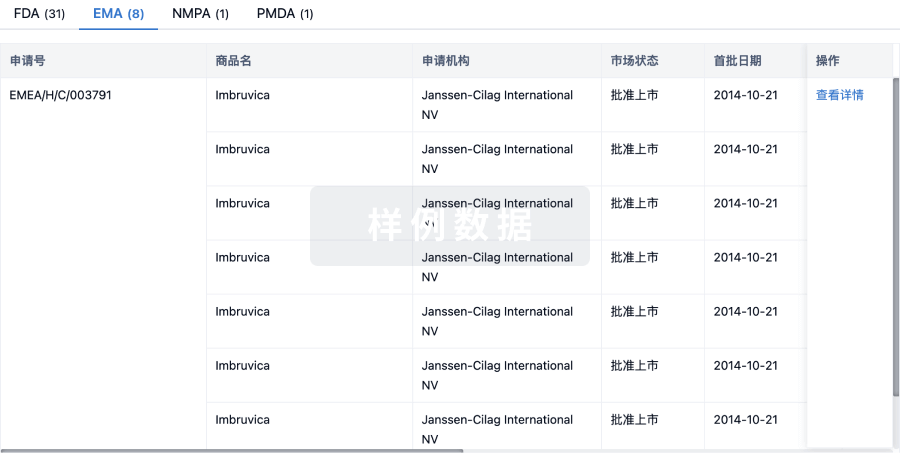
批准
利用最新的监管批准信息加速您的研究。
登录
或
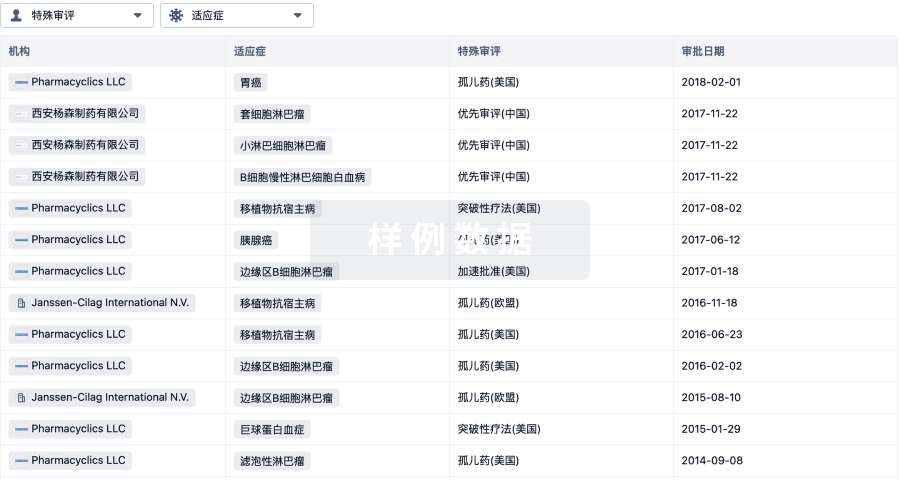
特殊审评
只需点击几下即可了解关键药物信息。
登录
或
生物医药百科问答
全新生物医药AI Agent 覆盖科研全链路,让突破性发现快人一步
立即开始免费试用!
智慧芽新药情报库是智慧芽专为生命科学人士构建的基于AI的创新药情报平台,助您全方位提升您的研发与决策效率。
立即开始数据试用!
智慧芽新药库数据也通过智慧芽数据服务平台,以API或者数据包形式对外开放,助您更加充分利用智慧芽新药情报信息。
生物序列数据库
生物药研发创新
免费使用
化学结构数据库
小分子化药研发创新
免费使用