2
项与 二价肠道病毒灭活疫苗(Vero细胞)(北京科兴) 相关的临床试验A Multicenter, Randomized, Double-blind, Controlled Phase III Clinical Trial on the Efficacy, Safety, and Immunogenicity of the Bivalent Enterovirus Inactivated Vaccine (Vero Cell) in Children Aged 6 to 71 Months.
This multicenter, randomized, double-blind, controlled Phase III clinical trial aims to evaluate the efficacy, safety, and immunogenicity of the bivalent enterovirus-inactivated vaccine (Vero cell) in healthy children aged 6 to 71 months.
The main questions it aims to answer are:
* The primary vaccine efficacy of the investigational vaccine against Hand, Foot, and Mouth Disease(HFMD) caused by CA16 infection compared to the control vaccine.
* The neutralizing antibody levels against EV71 in the trial group are non-inferior to those in the control group after two doses of vaccination.
Researchers will compare the bivalent enterovirus-inactivated vaccine (Vero cell) to the EV71-inactivated vaccine (Vero cell) to prevent HFMD and Herpangina(HA).
Participants will be randomly assigned to the trial group and the control group in a 1:1 ratio to receive two doses of the investigational vaccine or the control EV71 vaccine, with a one-month interval between doses.
/ Active, not recruiting临床1/2期 Inactivated Bivalent Enterovirus Vaccine Phase I/II Clinical Trial: Open-Label Observation in Healthy Adults and Children, and Randomized, Double-Blind, Controlled Clinical Trial in Children
The Phase I clinical trial is divided into two parts. The first part uses an open-label design, while the second part uses a randomized, double-blind, and controlled design. The goal of this clinical trial is to evaluate the tolerability and safety of a bivalent (EV71/CA16, Enterovirus 71/Coxsackievirus A16) inactivated enterovirus vaccine (Vero cell) developed by Sinovac. The vaccine will be administered to healthy adults, children aged 6 to 12 years, and children aged 6 to 71 months.
The Phase II clinical trial will also use a randomized, double-blind, and controlled design to evaluate the safety and immunogenicity of the same bivalent inactivated enterovirus vaccine (Vero cell) developed by Sinovac. This trial will involve healthy children aged 6 to 71 months.
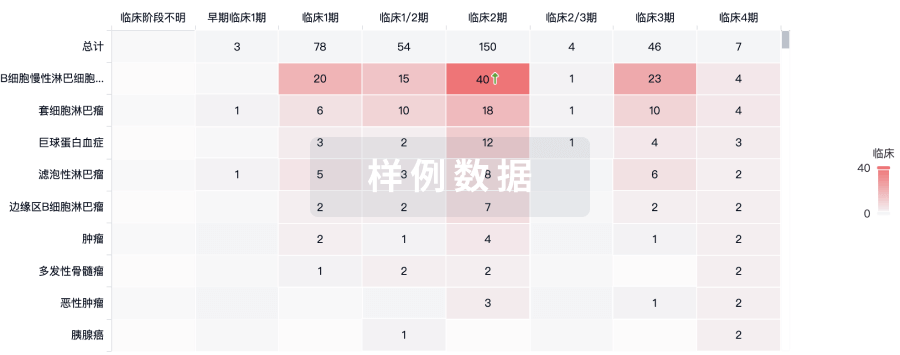
100 项与 二价肠道病毒灭活疫苗(Vero细胞)(北京科兴) 相关的临床结果
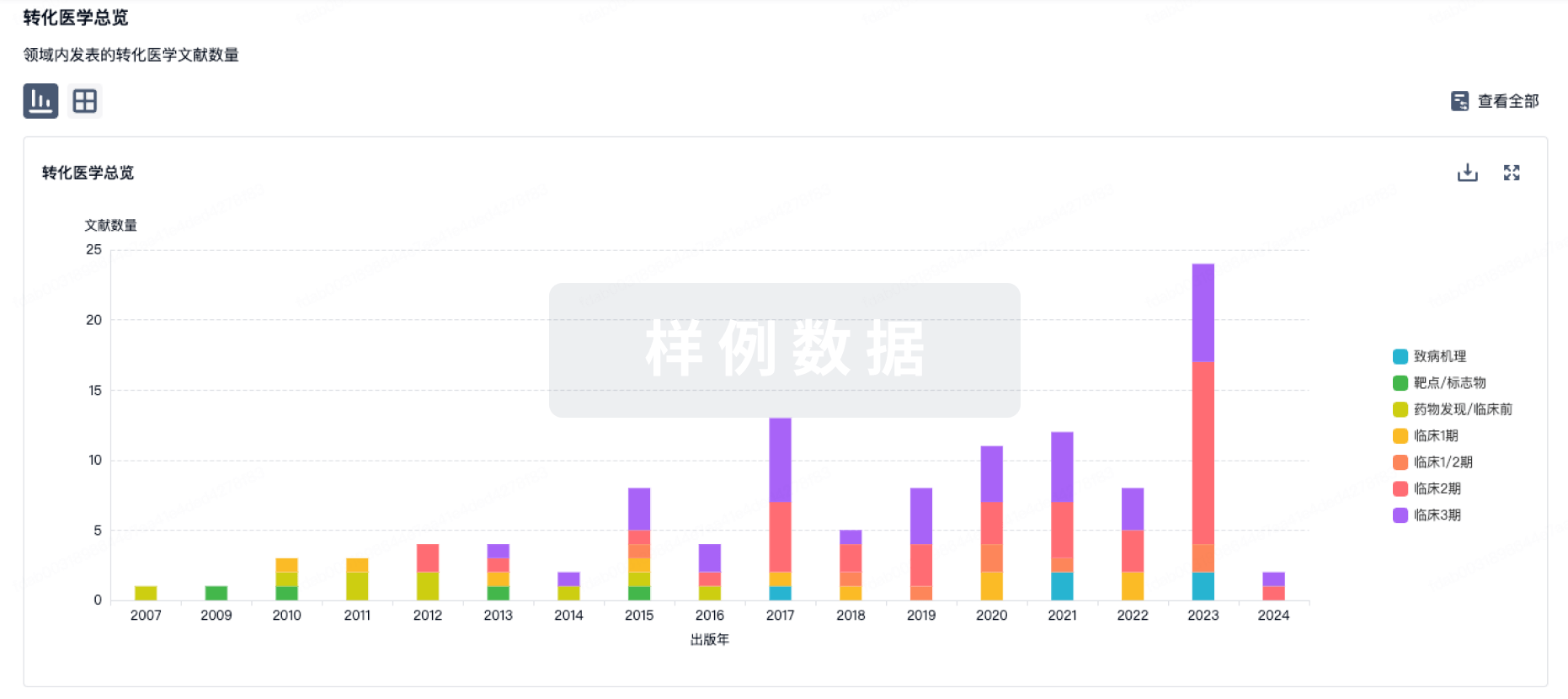
100 项与 二价肠道病毒灭活疫苗(Vero细胞)(北京科兴) 相关的转化医学
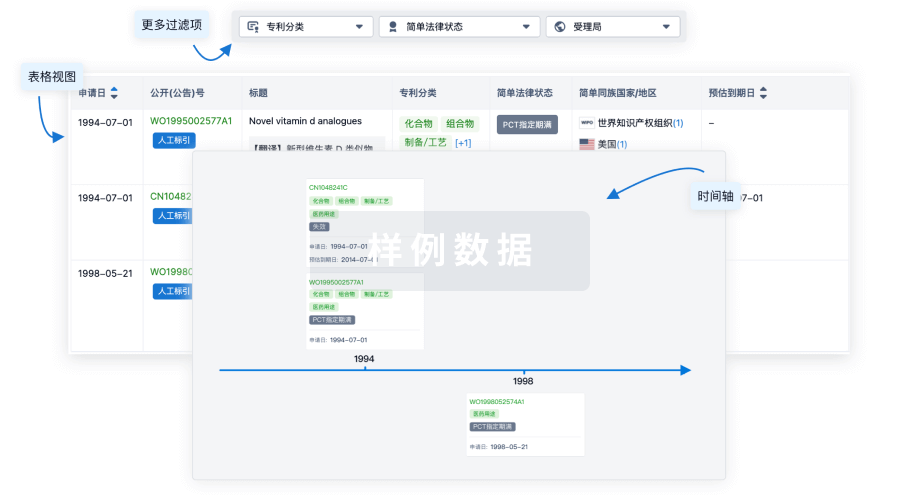
100 项与 二价肠道病毒灭活疫苗(Vero细胞)(北京科兴) 相关的专利(医药)
1
项与 二价肠道病毒灭活疫苗(Vero细胞)(北京科兴) 相关的新闻(医药)7月17日,SINOVAC科兴官微发消息称,近日国家药品监督管理局(NMPA)批准SINOVAC科兴旗下北京科兴生物制品有限公司研制的预防用生物制品1类新药——二价肠道病毒灭活疫苗(Vero细胞)的临床试验申请,该疫苗用于预防由肠道病毒71型(EV71)、柯萨奇病毒16型(CA16)两种病毒感染所致疾病。来源:CDE文中福利| 肠道病毒71型灭活疫苗申请上市技术审评报告40份国内人用疫苗申请上市技术审评报告领取方式:关注【药时空】公众号,进入公众号后台,回复关键字“疫苗技术审评资料”,以上资料免费送!PS:药时空还统计汇总了《297份国内治疗用生物制品申请上市技术审评报告》,如有兴趣可点击查看详情及领取方式,请持续关注本公众号~肠道病毒灭活疫苗也称手足口病疫苗。该病是儿童常见传染病,好发年龄为6月龄-5岁,在3岁内更为常见,传播方式主要有密切接触患者的粪便、疱疹液、鼻咽分泌物、唾液,以及通过与患者共同进食、接触患者的飞沫、接触患者的物品等。手足口病自2008年以来持续流行,每年有两个发病高峰,其中,4月-7月为春夏季高峰,10月-11月为秋季高峰,且前者流行强度高于后者。据公开数据显示,2009年-2019年,我国手足口病报告发病总体呈波动上升趋势,隔年高发(偶数年份高于奇数年份),每年报告的病例数基本在200万左右,但2020年至2022年发病水平明显降低,每年报告的病例数远低于200万。引发手足口病的肠道病毒有20多种(型),其中以肠道病毒71型(EV71)和柯萨奇病毒A16型(CoxA16)最为常见。目前,国内上市的肠道病毒疫苗仅是针对71型肠道病毒的单价疫苗,生产该类灭活疫苗的厂商共有三家,分别是中国医学科学院医学生物学研究所(人二倍体细胞)、北京科兴(VERO细胞)、武汉生物(VERO细胞)。此外,还有重庆博唯佰泰生物(重组肠道病毒71型疫苗,I期)、智飞绿竹(肠道病毒71型灭活疫苗,II期)等企业在进行相关临床研究。至于二价肠道病毒灭活疫苗,目前还未有上市产品。截至目前,据公开信息显示,除了科兴获批了EV71-CA16二价肠道病毒灭活疫苗外,同样获批临床的还有艾美疫苗。2022年10月底,艾美疫苗发布公告,旗下艾美康淮研发的EV71-CA16二价手足口病疫苗(人二倍体细胞)取得国家药品监督管理局批准的《药物临床试验批准通知书》,计划于2023年下半年启动I期临床试验。据了解,这是首个获得临床批件的二价肠道病毒灭活疫苗,也是全球首研的创新性疫苗。另外,据CDE官网显示,中国医学科学院医学生物学研究所也于今年6月14日,递交了肠道病毒71型-柯萨奇病毒A16型二价灭活疫苗(人二倍体细胞)的临床申请并已获受理。来源:CDE可见,肠道病毒疫苗领域的价次升级战正式拉开帷幕。目前只是开启了二次,预计后续可能会继续卷到四价——EV71 & CVA6 & CVA10 & CVA16。值得注意的是,手足口病主要在亚太地区广泛流行,所以该类疫苗也基本只用于国内以及其他主要东南亚圈国家。受限于此,像默沙东、GSK等国际疫苗大厂并不怎么关注该类疫苗,即基本没有国外的竞争对手。另外,据相关数据显示,目前我国的EV71疫苗接种率并不高。截至2021年底,全国平均累计接种率仅有32%(以2014年出生人口队列计算),还不足以形成群体免疫屏障。可见,该类疫苗在国内市场的渗透率还有一定的提升空间。
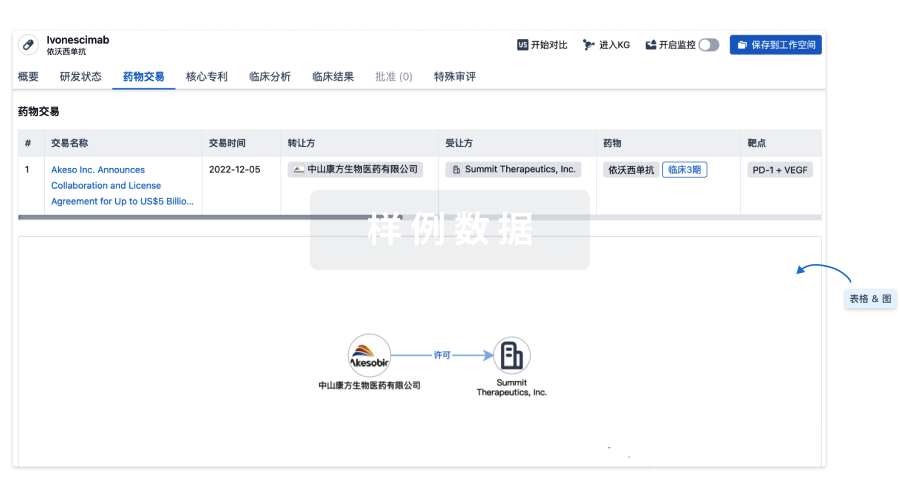
100 项与 二价肠道病毒灭活疫苗(Vero细胞)(北京科兴) 相关的药物交易