预约演示
更新于:2026-01-15
ChAdOx1-HPV
更新于:2026-01-15
概要
基本信息
在研机构- |
权益机构- |
最高研发阶段无进展临床1/2期 |
首次获批日期- |
最高研发阶段(中国)- |
特殊审评- |

登录后查看时间轴
关联
1
项与 ChAdOx1-HPV 相关的临床试验NCT04607850
A Phase 1b/2, Randomised, Placebo-controlled, Dose-ranging Study to Evaluate Safety, Tolerability and Immunogenicity of a Chimpanzee Adenovirus (ChAdOx1)-Vectored Multigenotype High Risk Human Papillomavirus (hrHPV) Vaccine and Modified Vaccinia Ankara (MVA)-Vectored Multigenotype hrHPV Vaccine in Women With Low-grade HPV-related Cervical Lesions
100 项与 ChAdOx1-HPV 相关的临床结果
登录后查看更多信息
100 项与 ChAdOx1-HPV 相关的转化医学
登录后查看更多信息
100 项与 ChAdOx1-HPV 相关的专利(医药)
登录后查看更多信息
1
项与 ChAdOx1-HPV 相关的文献(医药)CLINICAL INFECTIOUS DISEASES
A Phase 1b/2, Randomised, Placebo-controlled Study to Evaluate Safety, Tolerability, Efficacy, and Immunogenicity of VTP-200, a Chimpanzee Adenovirus and Modified Vaccinia Ankara-vectored Multigenotype High-Risk Human Papillomavirus Vaccine in Women with Low-grade Cervical Lesions
Article
作者: Cuschieri, Kate ; Vahula, Kadri-Liina ; Dewilde, Kobe ; Kennerley, Raisha ; Hellner, Karin ; Kiisla, Ülle ; Evans, Thomas ; Davis, Charlotte ; Dorrell, Lucy ; Tait, Dereck ; De Sutter, Philippe ; Anderson, Katie ; Downs, Matthew ; Sebastian, Sarah ; Kopycinski, Jakub ; Briggs, Paula ; Jones, Bethan ; Vardeu, Antonella ; Newton, Claire ; Wheeler, Vicky ; Russell, Michelle ; Simon, Philippe ; Hancock, Gemma
Abstract:
Background:
The clearance of high-risk oncogenic HPV (hrHPV) and related cervical lesions is associated with the development of a robust T cell response. Therapeutic vaccination that induces HPV antigen-specific T cells is a promising approach.
Method:
A two-vector dosing strategy using Chimpanzee Adenovirus Oxford 1 (ChAdOx1-HPV) and Modified Vaccinia virus Ankara (MVA-HPV), both encoding the same multiantigen HPV cassette was given on a 0/28-day schedule to participants with persistent cervical hrHPV and a history of low-grade cervical lesions. An open-label lead-in was followed by a randomized, blinded, placebo-controlled main phase. The primary endpoint was the safety of the different dose regimens; secondary endpoints included immunogenicity, and clearance of hrHPV and associated lesions at 12 months.Nine participants were enrolled in the lead-in and 99 were randomized 67:32 to five active dose arms or placebo, respectively.
Results:
The regimens were well-tolerated with no Grade 3-related treatment emergent adverse events or serious adverse reactions. All dosing regimens generated antigen-specific CD4+ and CD8+ T cell responses. There was no difference in hrHPV clearance between the pooled active groups and placebo (20/64 (31.3%) vs 10/30 (33.3%), p > 0.99), nor in lesion clearance. A trend toward higher hrHPV clearance (60%) was observed with the highest ChAdOx1-HPV doses. No association between the peripheral immune response and clearance was demonstrated.
Conclusion:
A heterologous, multi-antigenic HPV two-component immunotherapy regimen was well-tolerated and immunogenic but did not result in a statistically significant clearance of either hrHPV or the associated cervical lesions in women with persistent high-risk HPV infections.
1
项与 ChAdOx1-HPV 相关的新闻(医药)2024-10-12
疫苗临床研究
100 项与 ChAdOx1-HPV 相关的药物交易
登录后查看更多信息
研发状态
10 条进展最快的记录, 后查看更多信息
登录
| 适应症 | 最高研发状态 | 国家/地区 | 公司 | 日期 |
|---|---|---|---|---|
| 乳头状瘤病毒感染 | 临床2期 | 比利时 | 2021-03-16 | |
| 乳头状瘤病毒感染 | 临床2期 | 爱沙尼亚 | 2021-03-16 | |
| 乳头状瘤病毒感染 | 临床2期 | 英国 | 2021-03-16 | |
| 子宫颈发育不良 | 临床2期 | 比利时 | 2021-03-16 | |
| 子宫颈发育不良 | 临床2期 | 爱沙尼亚 | 2021-03-16 | |
| 子宫颈发育不良 | 临床2期 | 英国 | 2021-03-16 |
登录后查看更多信息
临床结果
临床结果
适应症
分期
评价
查看全部结果
登录后查看更多信息
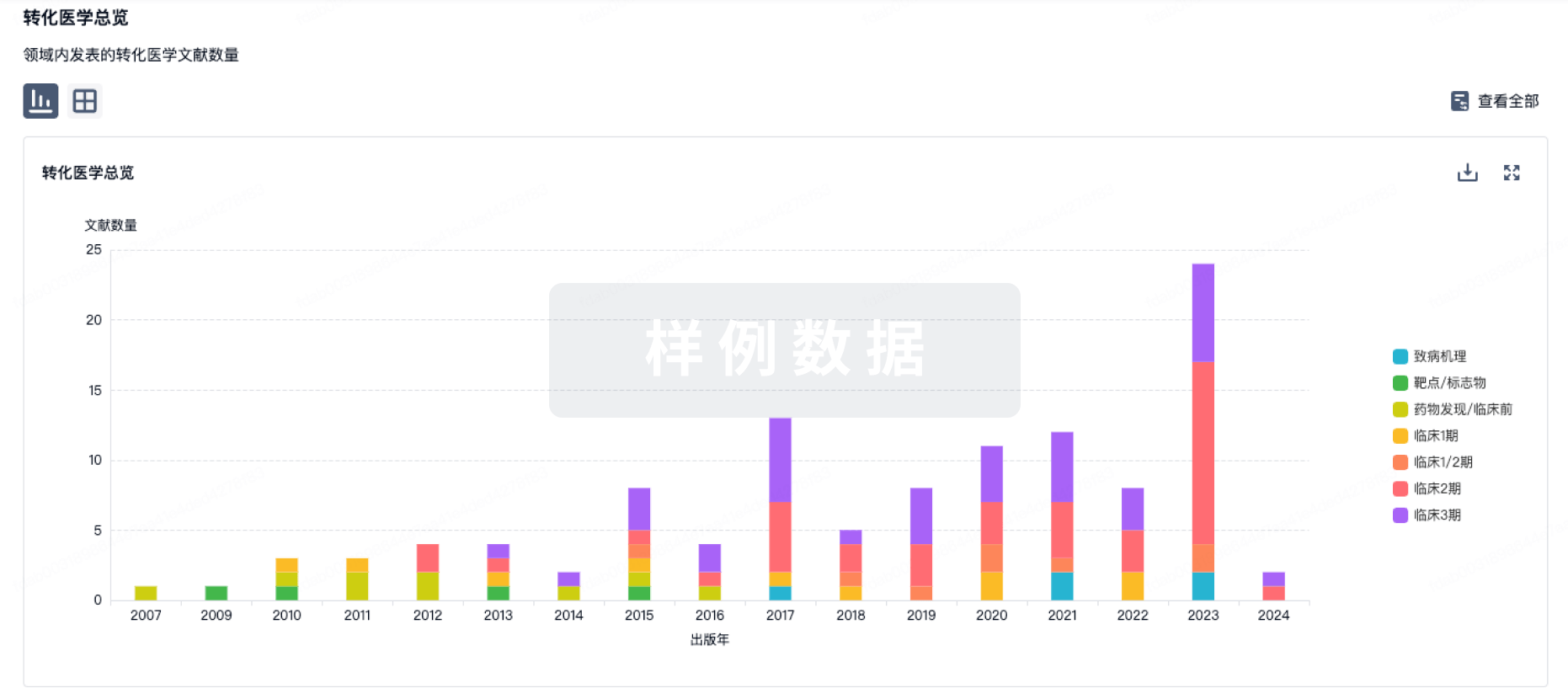
转化医学
使用我们的转化医学数据加速您的研究。
登录
或
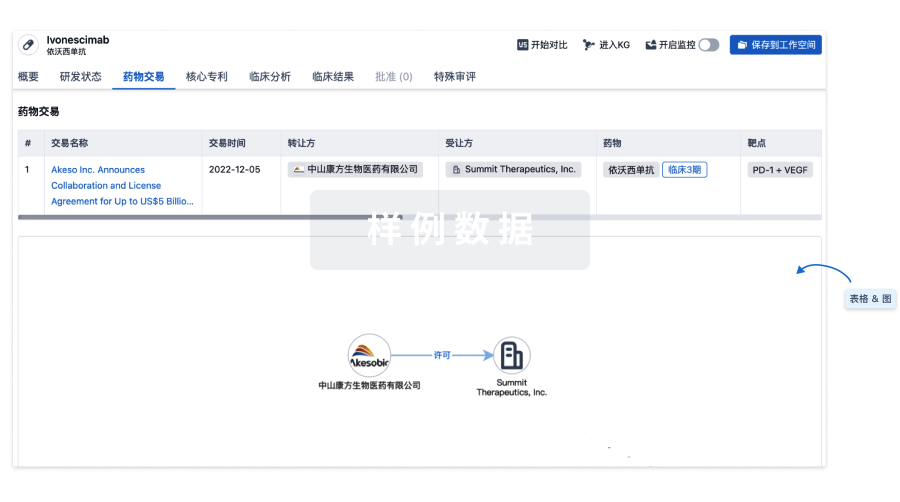
药物交易
使用我们的药物交易数据加速您的研究。
登录
或
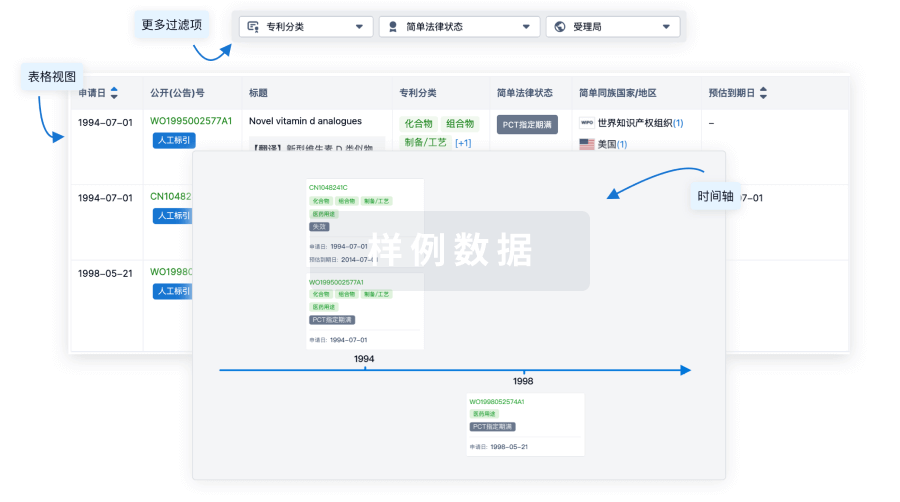
核心专利
使用我们的核心专利数据促进您的研究。
登录
或
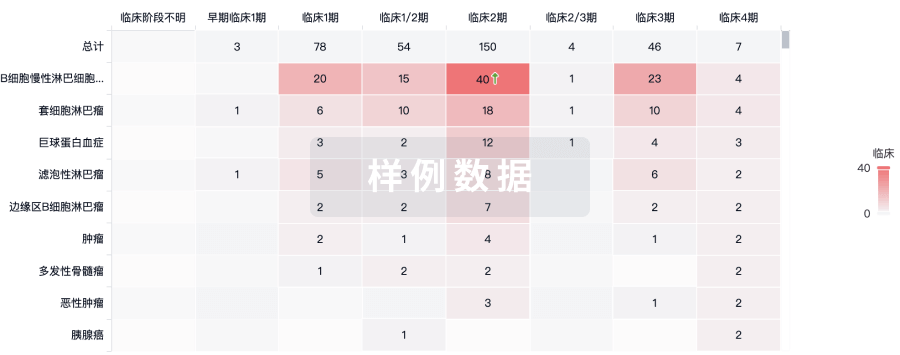
临床分析
紧跟全球注册中心的最新临床试验。
登录
或
批准
利用最新的监管批准信息加速您的研究。
登录
或
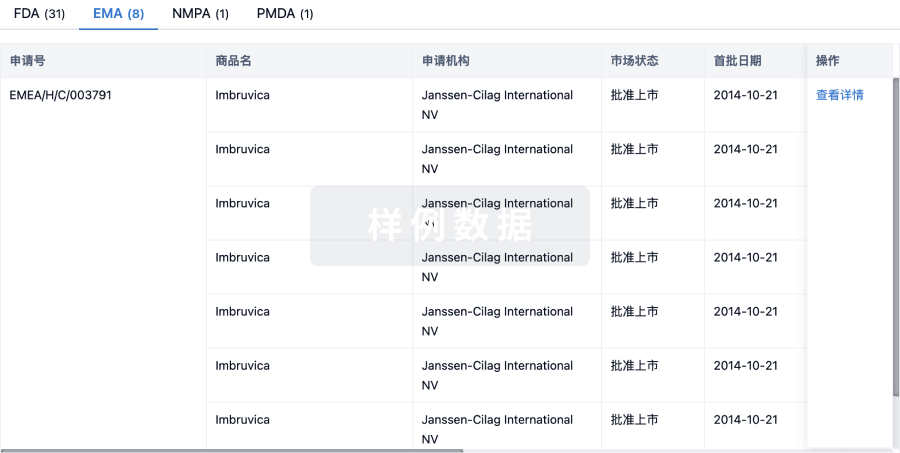
特殊审评
只需点击几下即可了解关键药物信息。
登录
或
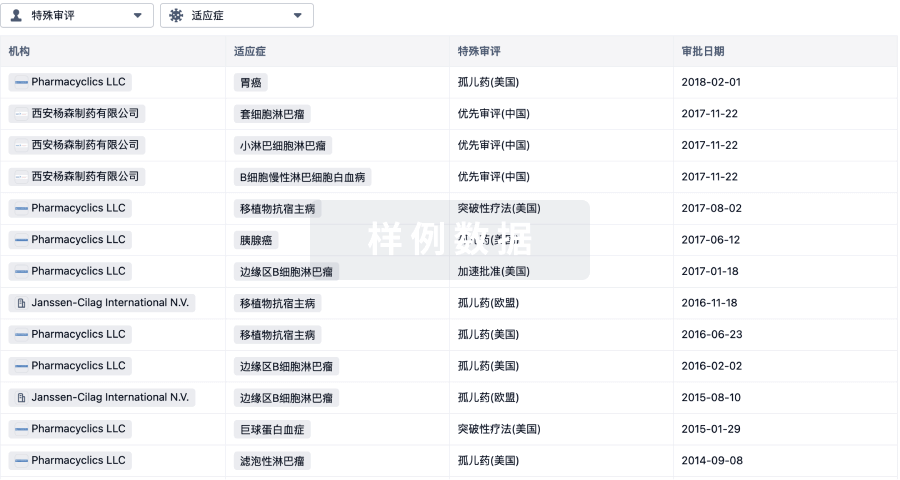
提出任何生物医药研究问题
让每一步生物医药决策都精准制胜
基于十亿级生物数据与全球情报的精准 AI,赋能早期药物发现
立即开始免费试用!
智慧芽新药情报库是智慧芽专为生命科学人士构建的基于AI的创新药情报平台,助您全方位提升您的研发与决策效率。
立即接入生物医药数据包
智慧芽新药库数据也通过智慧芽开放平台,以MCP或API服务形式对外开放。立即使用我们的MCP服务定制您的LLM智能体。
生物序列数据库
生物药研发创新
免费使用
化学结构数据库
小分子化药研发创新
免费使用