预约演示
更新于:2025-12-19
Liproxstatin-1
更新于:2025-12-19
概要
基本信息
药物类型 小分子化药 |
别名- |
作用方式 调节剂 |
作用机制 Bacterial outer membrane proteins调节剂(细菌外膜蛋白调节剂) |
非在研适应症- |
非在研机构- |
权益机构- |
最高研发阶段临床前 |
首次获批日期- |
最高研发阶段(中国)临床前 |
特殊审评- |


关联
100 项与 Liproxstatin-1 相关的临床结果
登录后查看更多信息
100 项与 Liproxstatin-1 相关的转化医学
登录后查看更多信息
100 项与 Liproxstatin-1 相关的专利(医药)
登录后查看更多信息
242
项与 Liproxstatin-1 相关的文献(医药)2026-02-01·FREE RADICAL BIOLOGY AND MEDICINE
BMAL1-mediated circadian–ferroptosis crosstalk drives neuronal vulnerability after TBI
Article
作者: Pang, Qiuyu ; Sun, Wei ; Shen, Yuxi ; Dai, Feiyu ; Gu, Zhiya ; Jia, Bowen ; Wang, Zufeng ; Shen, Donghong ; Xu, Yejia ; Du, Jiawen ; Zheng, Lexin ; Wang, Tao ; Li, Yuying ; Gao, Cheng ; Huang, Ruoyu ; Wang, Liyu ; Tao, Luyang
Traumatic brain injury (TBI) induces direct mechanical injury and secondary injury processes, among which ferroptosis, a regulated and iron-dependent form of cell death, has emerged as a key mechanism. Circadian clock disruption is also commonly described in TBI patients and is reported to exacerbate pathological outcomes of TBI. However, the crosstalk between circadian clock dysfunction and ferroptosis in TBI remains unclear. Using a mouse TBI model, disrupted expression of core circadian clock regulators BMAL1, CLOCK, and PER2 was observed, accompanied by iron accumulation, blood-brain barrier (BBB) leakage, and neuronal damage. Ferroptosis inhibitors, melatonin (MLT) and liproxstatin-1 (Lip-1), alleviated TBI-induced weight loss and neurological dysfunction. In contrast to MLT, Lip-1 failed to rescue body temperature rhythmicity, although both agents modulated the circadian clock at the molecular level. Mechanistically, the Bmal1 downregulation sensitized HT-22 neurons to RSL3-induced ferroptosis in vitro by exacerbating oxidative stress and iron overload. Collectively, these findings demonstrated an asymmetric crosstalk, in which circadian clock disruption promotes ferroptosis, and inhibition of ferroptosis feeds back to modulate clock gene expression without restoring behavioral rhythms. This circadian-ferroptosis axis may represent a novel and promising target for therapeutic intervention in post-TBI neuroprotection.
2026-01-01·Journal of Environmental Sciences
Ferroptosis involved in inhaled polystyrene microplastics leaded myocardial fibrosis through HIF-ROS-SLC7A11/GPX4 Pathway
Article
作者: Gao, Ai ; Liu, Ziyan ; Wang, Jingyu ; Zhang, Wei ; Huang, Danyang ; Kang, Huiwen ; Wang, Ziyan ; Jiang, Guangyu
The issue of microplastic (MPs) pollution has received increased attention in recent years. Studies have indicated that inhalation of microplastics may result in the cardiovascular harm. However, the specific mechanism remains to be elucidated. In this study, 5 µm polystyrene microplastics (PS-MPs) were employed to construct in vivo and in vitro exposure models to investigate the potential mechanisms of microplastic-induced cardiac fibrosis. In vivo model of respiratory exposure to MPs, echocardiography observed a decrease in systolic-diastolic function of the mouse heart, and myocardial tissue showed significant mitochondrial morphological abnormalities and myocardial fibrosis. In vitro models also revealed upregulation of fibrosis indicators in human cardiomyocytes AC16 cells. Transcriptome and RT-qPCR assay exposed that ferroptosis-related pathways were significantly gathered in the MPs group, with decreased expression of ferroptosis related genes SLC7A11 and GPX4. Liproxstatin-1 (Lip-1), a ferroptosis inhibitor, significantly ameliorated MPs-induced cardiomyocyte fibrosis and ferroptosis. We further demonstrated that inhibition of hypoxia-inducible factor α (HIF-α) and oxidative stress ameliorated PS-MPs-induced cardiomyocyte ferroptosis, and thus upregulation of the HIF pathway and oxidative stress may be the upstream mechanism of MPs-induced ferroptosis in myocardial fibrosis. Above all, our study demonstrated that MPs exposure resulted in cardiac fibrosis via the HIF-ROS-SLC7A11/GPX4 signaling pathway.
2025-12-01·JOURNAL OF TRACE ELEMENTS IN MEDICINE AND BIOLOGY
Ferroptosis-targeting compounds modulate cancer cell cytotoxicity and migration: Insights from in vitro and in silico analyses
Article
作者: Mali, Aniket ; Patil, Prajakta ; Kalishwaralal, Kalimuthu
OBJECTIVE:
Ferroptosis is an iron-dependent, non-apoptotic form of metabolic cell death driven by lipid peroxidation. While Glutathione Peroxidase 4 (GPX4) is the canonical ferroptosis suppressor, recent evidence highlights additional selenoproteins, including Thioredoxin Reductase 1 (TXNRD1) and Peroxiredoxin 6 (PRDX6), as critical modulators of ferroptotic sensitivity. We compared three mechanistically distinct ferroptosis inducers, RSL3 (a covalent GPX4 inhibitor), auranofin (a TXNRD1 inhibitor), and artesunate (ART; a pro-oxidant derivative of artemisinin), in MDA-MB231, A549 and HepG2 cell lines.
METHOD:
Cell viability (MTT) and wound-healing assays quantified cytotoxic and anti-migratory effects. Our inhibitor study using Ferrostatin-1(Ferro) and Liproxstatin-1(Lipo), in combination with ferroptosis inducers, confirmed the specificity of ferroptosis. Beyond GPX4, TXNRD1 and PRDX6 constitute a complementary selenium-dependent axis safeguarding cancer cells from ferroptosis. Dual targeting of GPX4 and TXNRD1, or disruption of PRDX6-mediated selenium trafficking, potentiates ferroptosis death and impedes metastatic traits.
RESULTS:
Using in silico methods, we confirmed the interaction between drug and protein molecules. Among the tested compounds, RSL3 and auranofin exhibited strong binding affinity towards all the targeted proteins, including GPX4, TXNRD1, and PRDX6, suggesting their potential as effective ferroptosis pathway inhibitors.
CONCLUSIONS:
These findings nominate multi-selenoproteins inhibition as a promising strategy to overcome ferroptosis resistance.
2
项与 Liproxstatin-1 相关的新闻(医药)2025-12-16
医道社:传承和发展民间中医
来源:海外网站 作者:医道社整理
版权归原作者所有,如有违规、侵权请联系我们删除!
👆关注不迷路,更多皮肤病前沿资讯
大家好,我是老汤,专注皮肤健康科普多年。今天咱们聊聊银屑病这个“老对手”。如果你是皮肤科医生,正为难治患者头疼;或者你是患者,生物制剂用了效果一般,总觉得哪里不对劲——这篇文章绝对值得你读完。
想象一下:皮肤上那些顽固的红斑银屑,像一场永不熄灭的“隐秘战争”。全球1.25亿人、中国超650万患者深受其扰(WHO 2023数据)。过去,我们总把锅甩给免疫系统:T细胞失控,IL-17、IL-23等因子乱轰,角质形成细胞疯狂增生,导致炎症循环。但最近,维也纳医科大学的一项重磅研究,像一记惊雷,砸醒了大家——银屑病不只是“免疫叛变”,更是一场皮肤细胞内的“代谢灾难”!核心元凶?FABP5蛋白驱动的铁死亡(Ferroptosis)。这不光是科学新闻,还可能为30-40%难治患者带来新希望。走起,我带你一步步拆解,结合真实数据和实验,聊聊这个认知革命。01 认知大翻转:从“免疫战场”到“代谢+免疫双重打击”
银屑病,长期被定义为免疫介导的慢性炎症性皮肤病。全球发病率1-3%,中国患者约650万(欧洲皮肤病学会数据)。传统观点简单粗暴:免疫系统出错,T细胞和树突细胞像失控军队,释放TNF-α、IL-23/Th17/IL-17轴因子,攻击皮肤,导致角质形成细胞过度增殖、屏障崩塌。临床表现?冬季加重、压力诱发、感染复燃,肥胖者风险更高(meta分析:BMI每增5kg,风险升30%)。
治疗也围着免疫转:局部类固醇(有效率60%,但易萎缩);UVB光疗(复发率50%);生物制剂如依那西普(TNF-α抑制剂)、司库单抗(IL-17抑制剂)、乌司奴单抗(IL-12/23抑制剂),PASI75改善率80%以上(Lancet 2022),甚至PASI90/100达70-80%。小分子如JAK抑制剂、PDE-4抑制剂也闪亮登场。但问题来了:为什么复发率70%(美国皮肤病学会数据)?为什么30-40%患者无效或耐药,年费用超10万还“半途而废”?为什么银屑病总和代谢综合征“抱团”——糖尿病风险升2倍、心血管事件升50-58%(JAMA Dermatology 2023;NEJM 2022)?
答案藏在2024-2025年维也纳医科大学Erwin F. Wagner教授团队的突破研究中(Mieczkowski K, et al. Fatty acid-binding protein 5 exacerbates psoriasis and psoriasis-like disease via ferroptosis. Cell Death & Differentiation, DOI: 10.1038/s41418-024-01330-4 或 2025版 DOI:10.1038/s41418-025-01630-4)。他们首次证明:银屑病核心不是单纯免疫失调,而是皮肤细胞脂质代谢紊乱引发的铁死亡连锁反应!FABP5水平飙升3-5倍,GPX4(守护酶)下降50-60%,直接点燃炎症风暴。这颠覆教科书:银屑病是“免疫+代谢”的复合战场,过去只治“表”(免疫),忽略“里”(代谢),难怪总复发。
研究第一作者卡米尔·米奇科夫斯基直言:“我们在患者和小鼠样本中看到FABP5升高与疾病严重度正相关,GPX4下降削弱防御。”这不是孤例,哈佛2023研究(Journal of Investigative Dermatology)证实FABP5上调激活PPARγ通路,增强脂质合成,表皮增厚;中国科学院2022论文(Nature Communications)量化铁死亡基因ACSL4上调2.5倍,Ferrostatin-1抑制鳞屑减60%。欧洲皮肤病学会2024指南也补刀:脂质异常双重作用,不仅局部炎症,还系系统并发症。02 机制深挖:FABP5如何点燃铁死亡的“火药桶”?
咱们直击分子层面。FABP5(脂肪酸结合蛋白5),正常是细胞“运输工”,搬运脂肪酸(如花生四烯酸)到膜上,维持屏障。在银屑病中,它变“间谍”:过度表达,促进多不饱和脂肪酸摄取,脂质过氧化物堆积。GPX4(谷胱甘肽过氧化物酶4)本是“刹车”,清除过氧化物,防铁死亡。但银屑病皮损中GPX4降60%,FABP5-GPX4失衡如纵火+灭火失败。
铁死亡啥玩意儿?不同于温柔凋亡或坏死,它是铁依赖的“爆炸式”死亡:铁离子(Fe²⁺)催化脂质过氧化,膜结构崩,释放DAMPs(损伤分子模式),招募免疫细胞,形成恶性循环。论文中,Imiquimod诱导小鼠模型:FABP5敲除,铁死亡标志4-HNE降70%,炎症评分(PASI-like)改善80%;人类活检125例患者,FABP5高表达组PASI高20%,GPX4低者复发升40%。
实验铁证:用FABP5抑制剂(如SB-FI-26)或铁死亡抑制剂(Ferrostatin-1、Liproxstatin-1)处理,小鼠皮损面积减70%、浸润降65%、表皮厚度正常。人类3D皮肤模型类似。2023《Nature Immunology》呼应:铁死亡在SLE、RA中关键;JACI 2023:FABP5在湿疹上调2倍;Arthritis & Rheumatology 2024:加剧关节破坏。
为什么震撼?它连起三条线索:
·解释共病:FABP5遍布脂肪、肝脏、血管,促胰岛素抵抗(2024 Journal of Investigative Dermatology:血清FABP5与HOMA-IR正相关,HDL负相关)。银屑病如“皮肤上的关节炎”(30%并发PsA),代谢风险升40%,心血管58%——FABP5是“桥梁”!
·难治原因:免疫药关阀门,但铁死亡“自爆”不停,制造新信号。生物制剂应答不足者,可能FABP5高。
·共享机制:与特应性皮炎重叠——脂质谱变(神经酰胺异常)、氧化应激。2021 JID:非病变区已有前变化。
过去迹象早有:银屑病皮肤脂质组成乱(游离脂肪酸谱异常);他汀类意外抗炎(调脂+抗氧化);维生素D/E/硒补充中度降PASI(缓冲过氧化)。03 临床冲击:为什么生物制剂“治标不治本”?新靶点闪亮登场
作为医生,你知道:现有疗法伟大,但局限大。生物制剂维持4-5年清除率高(Lancet 2022),却贵、耐药、复发。患者呢?抑郁率30%(JAMA Dermatology 2023),生活质量低。
FABP5发现直击痛点:Wagner教授说,“银屑病不止免疫错误,还源于脂质变异。FABP5成生物标志物,尤其无效30%患者。”动物数据:阻断FABP5,铁死亡减、鳞屑抑75%。跨病:糖尿病风险2倍,FABP5“共同罪魁”。
治疗革命:双靶点策略!免疫药(IL-17/23抑制)+代谢干预(FABP5抑制剂)。松冈和彦教授补充:“联合疗法,从代谢免疫双维干预。”益处:减铁死亡、炎症;改善脂质,降心风险。未来:皮肤活检测FABP5,高表达者优先Liproxstatin-1(II期,2026上市)。维生素D类似物协同,缓解90%。
个性化分型:不止轻中重、斑块/点滴型,加FABP5高/低表达、铁死亡风险型。预测:高FABP5预后差、对免疫药反应低;监测GPX4变化,评“深度缓解”。
挑战实打实:给药途经(局部 vs 系统)?渗透真皮?长期影响脂质?癌风险(FABP5双刃剑)?需RCT验证。维也纳团队与药企合作,2年内I期试验;扩展到湿疹、痤疮。
全球基金会呼吁:投脂质药,5年内效。2024指南:强调代谢双作用。04 立体机制图:免疫-代谢-铁死亡的恶性循环
收束观点,画张“银屑病立体图”:
·免疫层:遗传+环境→树突/Th17激活→IL-23/IL-17/TNF释放→细胞增殖炎症。
·代谢层:肥胖/高脂饮食→FABP5上调→脂肪酸重分配异常→过氧化易感,GPX4弱。
·铁死亡层:铁↑+GPX4↓+过氧化↑→细胞爆炸→DAMPs释放→免疫放大→正反馈。
FABP5切入“放大器”:从“免疫单一”到“三大领域交织”。银屑病非“皮肤诅咒”,而系统代谢免疫病。高糖高脂生活下,人体分子挣扎——这镜子照出时代痛点。05 行动指南:医生&患者,现在就动起来!
强烈观点:脂质革命不是科幻,是现实。忽略代谢,如治火不灭根。医生:升级求医,讨论新机制,推个性化(ClinicalTrials.gov FABP5招募)。患者:别被动!
1.监测代谢:定期血脂/BMI/血糖/血压。减重5-10%降症状20%,提升生物药效(地中海饮食:鱼油ω-3减FABP5 15%)。
2.生活干预:增蔬果多酚/Vit E/C,减ω-6/反式脂;避干燥,控压力。非辅助,是机制一线!
3.心理支持:抑郁30%,加入群分享。规范免疫疗+生活=持久控制。
4.未来关注:FABP5药试验,预测心风险,早他汀/血糖管。
银屑病面纱层层揭,每突破都为患者点灯。1.25亿人,期待“内外兼修”时代!
结语:从控制到治愈,我们离得近了。 作为医生/患者,保持信心,规范治疗+生活管理。你的故事?评论区聊聊,我一一回。关注老汤,更多前沿,下期见!
(本文基于维也纳2024-2025研究、PubMed真实数据,非医疗建议。咨询医师。参考:
·Mieczkowski K, et al. (2024/2025). Cell Death & Differentiation. DOIs: 10.1038/s41418-024-01330-4 / 10.1038/s41418-025-01630-4
·哈佛2023 JID;中科院2022 Nature Comm;欧洲指南2024;Lancet/JAMA/NEJM等2022-2023数据。图片:Nature授权。)
专利侵权免疫疗法
2025-10-30
引言(来源于DeepSeek)
铁死亡(Ferroptosis)是2012年正式命名的一种新型、铁依赖性的调节性细胞死亡方式,其核心特征是铁依赖的脂质过氧化物的致命性积累,导致细胞膜系统(尤其是质膜)的氧化性损伤。它与凋亡、坏死、自噬等传统细胞死亡方式在形态、生化和遗传学特征上均有显著区别。近年来,铁死亡因其在多种疾病中的关键作用而成为生物医学研究的绝对热点。以下是其当前的研究热点与未来趋势:
一、当前研究热点
1. 机制深度解析:
- 核心防御系统: 持续深入研究谷胱甘肽过氧化物酶4(GPX4)及其底物谷胱甘肽(GSH)的合成与转运(如SLC7A11/xCT系统)的作用、调控和失活机制。
- 补偿性防御通路: FSP1(铁死亡抑制蛋白1)-CoQ10(辅酶Q10)-NAD(P)H通路作为独立于GPX4-GSH的重要抑制系统,其具体机制、调控和与其他通路(如甲羟戊酸途径)的互作是焦点。
- 新抑制因子与通路: 不断发现新的铁死亡抑制因子(如GCH1/BH4通路、DHODH、硒蛋白等)及其作用机制,揭示铁死亡调控网络的复杂性。
- 脂质代谢的核心地位: 深入研究多不饱和脂肪酸(PUFA,特别是含花生四烯酸和肾上腺酸的磷脂)的合成(ACSL4、LPCAT3)、过氧化(LOXs、POR、CYPs等酶)以及抗氧化修复(如通过Gpx4)的精细调控。磷脂组成对铁死亡敏感性的决定性作用。
-铁代谢的精确调控: 铁摄取(转铁蛋白受体TFRC)、储存(铁蛋白Ferritin)、释放(铁自噬Ferritinophagy,核受体共激活因子4/NCOA4)、利用(铁硫簇合成)和输出(膜铁转运蛋白FPN/SLC40A1)各个环节如何影响铁池(LIP)稳态和铁死亡敏感性。
-细胞器作用: 线粒体(能量代谢、脂质过氧化场所)、溶酶体(铁释放)、内质网(脂质合成、应激)、高尔基体(脂质运输)、细胞核(基因调控)在铁死亡发生中的具体角色及相互通讯。
-氧化还原平衡: 除脂质过氧化外,其他活性氧(ROS)来源(如线粒体呼吸链)、抗氧化系统(如硫氧还蛋白系统)与铁死亡的交叉调控。
2. 疾病关联与治疗靶点:
- 肿瘤学:
肿瘤抑制与治疗抵抗: 研究铁死亡在抑制肿瘤发生、发展(尤其是一些特定癌种如弥漫性大B细胞淋巴瘤、肝细胞癌、肾细胞癌、胰腺癌等)中的作用,以及癌细胞如何通过上调防御通路(如SLC7A11、FSP1)获得对化疗、放疗、靶向治疗甚至免疫治疗的抵抗性。
诱导铁死亡治疗癌症: 开发直接或间接靶向GPX4、SLC7A11、FSP1、ACSL4等关键分子的化合物(如RSL3、erastin及其衍生物、IKE、FIN56、FSP1抑制剂等),并探索它们单独使用或与传统疗法(化疗、放疗)、靶向疗法、免疫检查点抑制剂(ICB)联用的策略。利用肿瘤细胞(如p53突变、KRAS突变)对铁死亡的敏感性进行精准治疗。
克服治疗抵抗: 通过诱导铁死亡来克服肿瘤对多种治疗方式(尤其是靶向治疗和免疫治疗)的原发性和获得性耐药。
- 神经退行性疾病:
疾病进展的关键推手: 明确铁死亡在阿尔茨海默病(AD)、帕金森病(PD)、亨廷顿病(HD)、肌萎缩侧索硬化症(ALS)、中风、脑外伤等神经损伤疾病中的贡献。研究神经元和胶质细胞中铁蓄积、脂质过氧化与神经退行性病变的因果关系。
神经保护策略: 开发高效、能穿透血脑屏障的铁死亡抑制剂(如Liproxstatin-1, Ferrostatin-1及其衍生物)作为潜在的治疗药物。
- 缺血再灌注损伤:
器官损伤的核心机制: 深入理解铁死亡在心肌梗死、脑卒中、急性肾损伤、肝移植/手术后再灌注损伤中的核心作用。
器官保护: 探索在器官移植、手术或溶栓前后应用铁死亡抑制剂保护心、脑、肾、肝等重要器官功能的潜力。
- 炎症与免疫疾病:
免疫细胞功能调控: 研究铁死亡如何影响T细胞、巨噬细胞、树突状细胞等的功能、存活和炎症因子释放,及其在自身免疫病(如类风湿关节炎、多发性硬化)、感染性疾病(如败血症)和抗肿瘤免疫中的作用。
炎症放大环路: 探索铁死亡释放的损伤相关分子模式(DAMPs)如何放大炎症反应,形成恶性循环。
3. 检测方法与工具开发:
- 特异性生物标志物: 寻找和验证更可靠、特异的铁死亡体内外标志物(如特定的氧化磷脂、代谢物、蛋白质修饰等),用于疾病诊断、疗效评估和机制研究。
- 高灵敏度成像技术: 开发用于在细胞和组织水平实时、原位可视化铁死亡过程(如脂质过氧化、铁离子动态)的新型荧光探针、化学遗传学工具和成像技术(如拉曼成像)。
- 体内检测: 改进无创或微创的体内铁死亡检测方法(如分子影像学)。
二、未来研究趋势
1. 机制研究的深化与整合:
- 细胞器互作网络: 更系统地研究不同细胞器在铁死亡中如何协同或拮抗作用,特别是线粒体-溶酶体、内质网-线粒体等互作。
- 代谢网络全景图: 整合铁代谢、脂质代谢(包括磷脂重塑)、氨基酸代谢(半胱氨酸、甲硫氨酸、谷氨酸等)、能量代谢、氧化还原代谢,绘制更全面的铁死亡代谢调控网络图。
- 表观遗传与转录调控: 深入探索转录因子(如NRF2、p53、ATF4)、非编码RNA(miRNA, lncRNA)、表观遗传修饰(DNA甲基化、组蛋白修饰)在调控铁死亡关键基因表达和细胞命运决定中的作用。
- 细胞类型与微环境特异性: 研究不同细胞类型(如不同肿瘤细胞、不同神经元亚型、不同免疫细胞)对铁死亡敏感性的差异及其内在机制,以及微环境(如缺氧、营养剥夺、细胞间相互作用)如何影响铁死亡。
2. 疾病应用与转化医学:
- 肿瘤精准治疗: 基于基因特征、代谢状态和微环境开发预测铁死亡敏感性的生物标志物,指导精准用药。设计更有效、选择性更高的铁死亡诱导剂(如肿瘤靶向递送系统)。探索铁死亡诱导与免疫治疗(特别是ICB)协同增效的最佳组合策略和机制。
- 神经保护药物开发: 优化铁死亡抑制剂的设计(提高效力、BBB穿透性、药代动力学),推进其在神经退行性疾病和脑损伤中的临床前和临床研究。探索早期干预策略。
- 器官保护策略: 在缺血性心脏病、中风、急性肾损伤、肝损伤及器官移植领域,加速铁死亡抑制剂向临床应用转化。
- 炎症性疾病的新靶点: 深入研究铁死亡在特定炎症和自身免疫病中的作用,评估调控铁死亡(抑制或特定条件下诱导)作为治疗策略的可行性。
3. 新型药物研发:
- 靶点多样化: 除了GPX4、SLC7A11、FSP1、ACSL4等核心靶点,开发针对新发现的关键调控分子(如LOXs、POR、铁代谢关键蛋白、新抑制因子)的激动剂或拮抗剂。
- 提高选择性与降低毒性: 设计具有更高组织/细胞选择性、更低全身毒性的化合物(如利用前药策略、抗体偶联药物、纳米载体靶向递送)。
- 克服耐药性: 研究癌细胞对铁死亡诱导剂产生耐药的机制,并开发应对策略(如联合用药靶向补偿通路)。
4. 技术创新:
- 高分辨率时空动态监测: 利用超高分辨率显微镜、单细胞/空间多组学技术,在单细胞甚至亚细胞器水平实时解析铁死亡的启动、执行过程及其异质性。
- 人工智能与系统生物学: 利用AI和机器学习分析大规模组学数据(基因组、转录组、蛋白组、代谢组、脂质组),预测铁死亡调控网络、识别新靶点、发现生物标志物、指导药物设计和患者分层。
5. 临床转化:
- 生物标志物验证: 在大型临床队列中验证候选铁死亡生物标志物与疾病诊断、分型、预后和治疗响应的关联。
- 临床试验推进: 推动有前景的铁死亡诱导剂(用于癌症)和抑制剂(用于神经保护、器官保护)进入临床试验阶段,并精心设计试验方案(如患者选择、联合用药、生物标志物指导)。
三、面临的挑战
- 机制复杂性: 调控网络高度复杂且存在冗余和补偿,单一靶向可能效果有限或易产生耐药。
- 细胞类型和微环境特异性: 不同生理病理背景下,铁死亡的调控和功能差异巨大,需精准理解。
- 药物递送与毒性: 高效诱导肿瘤铁死亡的同时避免损伤正常组织(尤其依赖GPX4的组织如肾小管、睾丸),以及铁死亡抑制剂的安全性和有效性仍需优化。
- 体内检测的困难: 在活体水平实时、特异、定量地监测铁死亡仍具挑战性。
- 临床转化壁垒: 从基础研究到临床应用的漫长过程,需要克服药物开发、临床试验设计、患者选择等多重障碍。
总结:铁死亡研究正处于爆发性增长和深刻变革期。未来研究将深度融合基础机制探索(向更深、更广、更整合的方向发展)与疾病转化应用(向更精准、更有效、更临床的方向推进)。重点在于解析复杂调控网络、开发特异性工具和药物、明确在不同疾病中的精确作用并推动临床转化。克服细胞类型/微环境特异性、药物选择性与毒性等挑战至关重要。铁死亡作为连接代谢、氧化还原、金属离子稳态和细胞死亡的关键节点,其研究成果不仅将深化对生命过程的理解,更将为多种重大疾病(尤其是癌症、神经退行性疾病、器官损伤)带来革命性的诊疗策略。跨学科合作(化学生物学、结构生物学、代谢组学、免疫学、临床医学等)将是推动该领域持续突破的关键。
四、顶尖学术研究机构
1. 哥伦比亚大学(美国)
- 核心团队:Brent Stockwell 实验室(铁死亡概念提出者)
- 研究方向:铁死亡化学诱导剂/抑制剂开发、肿瘤治疗应用
- 标志成果:Erastin 和 RSL3 的发现(*Cell, 2012*)
2. 亥姆霍兹慕尼黑中心(德国)
- 核心团队:Marcus Conrad 团队(GPX4 机制研究权威)
- 研究方向:硒蛋白通路、脂质过氧化调控
- 突破发现:GPX4 是铁死亡关键抑制因子(*Nature, 2014*)
3. MD安德森癌症中心(美国)
- 核心团队:Boyi Gan 实验室
- 研究方向:肿瘤铁死亡敏感性调控、免疫治疗联合策略
- 亮点成果:ACSL4 作为铁死亡生物标志物(*Nature, 2017*)
4. 哈佛大学/麻省理工学院Broad研究所(美国)
- 跨机构合作:Todd Golub 团队
- 技术特色:CRISPR 筛选平台发现铁死亡调控新基因
- 数据库贡献:DepMap 肿瘤细胞铁死亡敏感性图谱
五、新兴力量与区域中心
1. 中国
- 西湖大学:何川(表观遗传调控)、蔡尚(肿瘤微环境)
- 中科院上海生化所:胡荣贵(蛋白质降解与铁死亡)
- 厦门大学:林圣彩(AMPK信号通路调控)
- 标志成果:FSP1-CoQ10 独立通路发现(*Nature, 2019/2022*)
2. 欧洲
- 法兰克福大学(德国):José Pedro Friedmann Angeli(GPX4 调控网络)
- KU Leuven(比利时):Tom Vanden Berghe(炎症与铁死亡关联)
- 剑桥大学(英国):Kourosh Saeb-Parsy(器官移植中的铁死亡抑制)
3. 亚太
- 东京大学(日本):Hironori Nakagami(心血管疾病应用)
- 新加坡国立大学:Mitochondria-铁死亡交互机制
六、产业界布局
1. 制药巨头
- 诺华/施贵宝:GPX4抑制剂开发(如ML162衍生物)
- 武田制药:铁死亡诱导剂联合肿瘤免疫疗法
- Vertex Pharmaceuticals:针对肾纤维化的铁死亡抑制剂
2. 生物技术公司
- Kintor Pharmaceutical(中国开拓药业):GT0918(前列腺癌临床II期)
- Inzen Therapeutics(美国):靶向铁死亡的肿瘤疗法平台
七、核心资源平台
1. 数据库
- FerrDb(中国香港大学):首个铁死亡调控基因/疾病数据库
- Cell Death Discovery(Nature旗下):铁死亡专题数据集
2. 学术联盟
- IRONing(International Research On Necroptosis):拓展至铁死亡研究
- NIH铁死亡研究联盟(FIC):资助跨机构合作项目
大数据分析
检索数据库:Medline
检索工具:文献鸟/PubMed
检索时间:2025-06-26
检索词:Ferroptosis
1.论文概况
近年来,国际上已经发表了19401篇Medline收录的铁死亡研究相关文章,其中,2021年发文1746篇,2022年发文3177篇,2023年发文4429篇,2024年发文6366篇,2025年最新发文4073篇。对其收录的最新文章进行大数据分析,使用DeepSeek进一步了解铁死亡的研究热点与未来趋势。
2.铁死亡研究领域活跃的学术机构
中南大学发文147篇,南方医科大学发文130篇,复旦大学发文111篇,四川大学发文86篇,武汉大学发文84篇。
铁死亡研究领域发文活跃的医院: 武汉大学人民医院发文80篇,郑州大学第一附属医院 (76篇),华中科技大学同济医学院附属同济医院 (51篇), 华西医院 (51篇),江苏省人民医院 (38篇),湘雅医院 (51篇)。
3.铁死亡研究领域作者发文较多的期刊
从发文来看,发表铁死亡研究领域文章数量较多的期刊有Int Immunopharmacol (IF=4.8)、Free Radic Biol Med (IF=7.1)、Front Pharmacol (IF=4.4)、Int J Mol Sci (IF=4.9)、Redox Biol (IF=10.7) 等。
4. 铁死亡研究领域活跃的学者及其关系网
铁死亡领域活跃的专家:美国哥伦比亚大学的Gu, Wei;美国德州大学西南医学中心的Tang, Daolin;美国加州大学的Gan, Boyi;德国赫尔姆霍茨中心的Conrad, Marcus;美国加州大学的Olzmann, James A等在该研究领域较为活跃。还有更多优秀的研究者,限于篇幅,无法一一列出。
本数据分析的局限性:
A. 本报告为“文献鸟”分析工具基于PubMed数据库,仅以设定检索词的检索结果,在限定的时间和文献数量范围内得出,并由此进行的可视化报告。
B. “文献鸟”分析工具的大数据分析目的是展示该领域近期研究的概况,仅为学术交流用;无任何排名意义。
C. “文献鸟”分析工具的大数据分析中的关于活跃单位、作者等结果的统计排列,只统计第一作者的论文所在单位的论文数量;即,论文检索下载后,每篇论文只保留第一作者的单位,然后统计每个单位的论文数。当同一单位有不同拼写时,PubMed会按照两个不同单位处理。同理作者排列,只统计第一作者和最后一位作者署名发表的论文数。如果作者的名字有不同拼写时,会被PubMed检索平台会按照不同作者处理。
D. 本文结论完全出自“文献鸟”分析工具,因受检索词、检索数据库收录文献范围和检索时间的局限性,不代表本刊的观点,其中数据内容很可能存在不够精确,也请各位专家多多指正。
免疫疗法细胞疗法
100 项与 Liproxstatin-1 相关的药物交易
登录后查看更多信息
研发状态
10 条进展最快的记录, 后查看更多信息
登录
| 适应症 | 最高研发状态 | 国家/地区 | 公司 | 日期 |
|---|---|---|---|---|
| 急性肾损伤 | 临床前 | 中国 | 2024-01-31 | |
| 革兰氏阴性菌感染 | 临床前 | 加拿大 | 2021-05-11 |
登录后查看更多信息
临床结果
临床结果
适应症
分期
评价
查看全部结果
| 研究 | 分期 | 人群特征 | 评价人数 | 分组 | 结果 | 评价 | 发布日期 |
|---|
No Data | |||||||
登录后查看更多信息
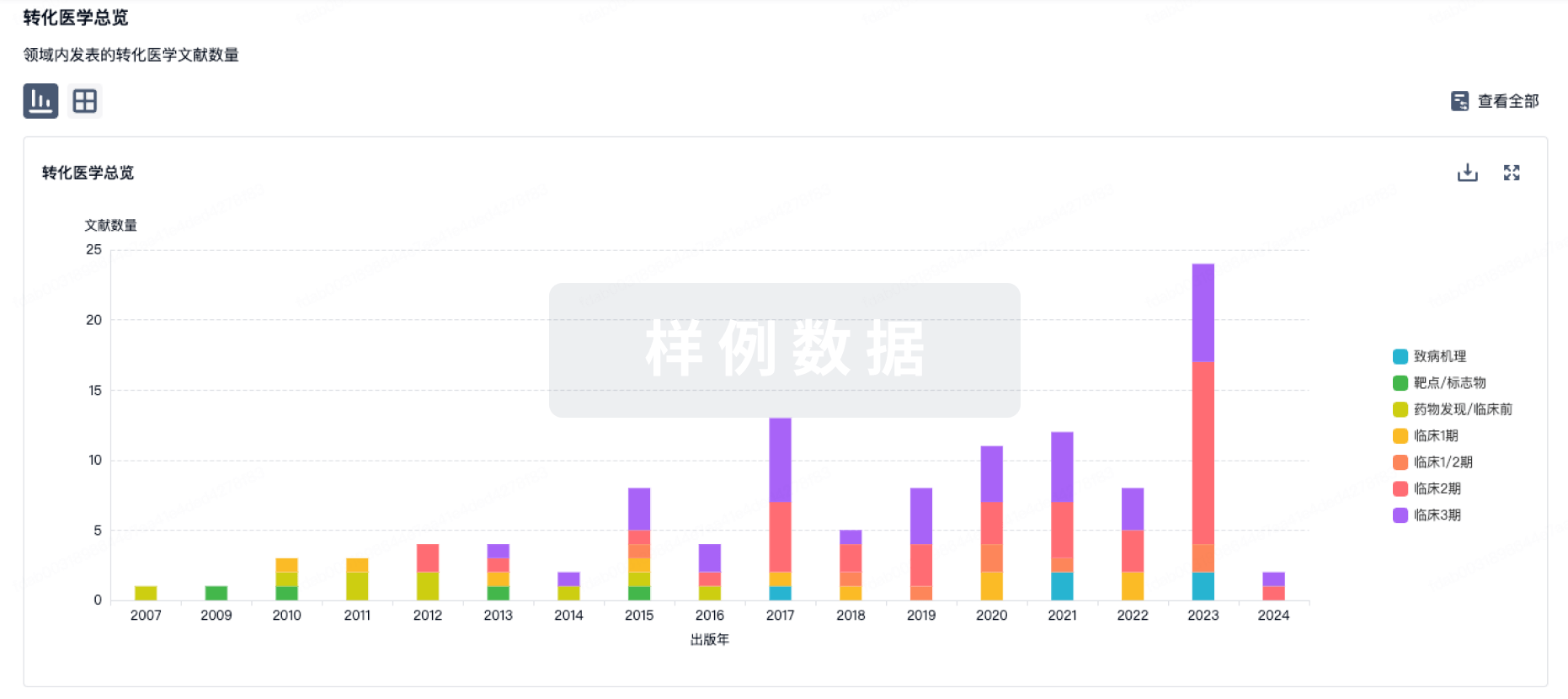
转化医学
使用我们的转化医学数据加速您的研究。
登录
或
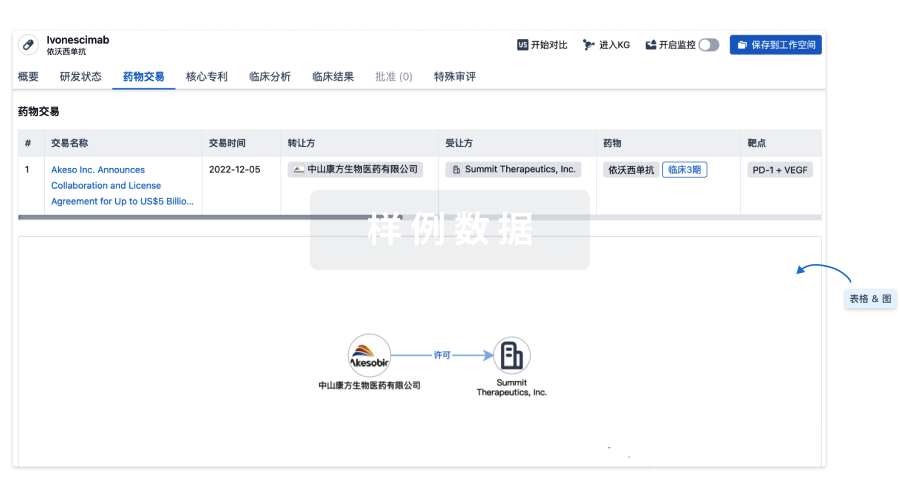
药物交易
使用我们的药物交易数据加速您的研究。
登录
或
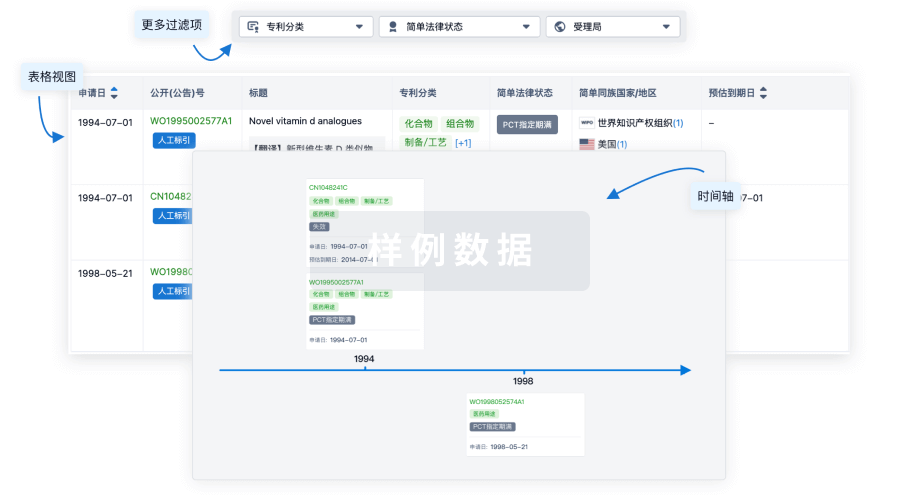
核心专利
使用我们的核心专利数据促进您的研究。
登录
或
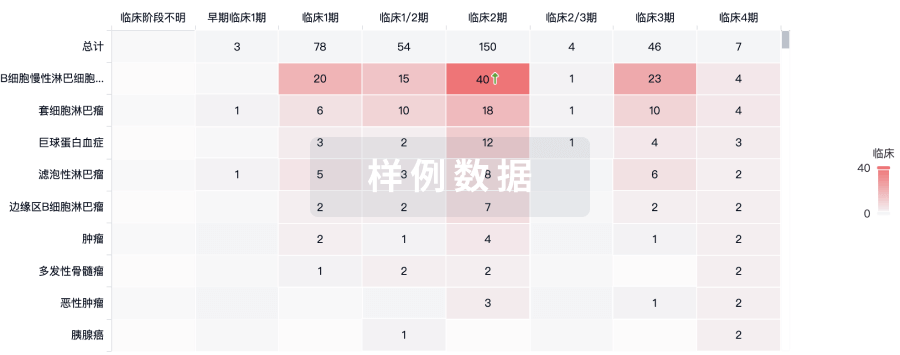
临床分析
紧跟全球注册中心的最新临床试验。
登录
或
批准
利用最新的监管批准信息加速您的研究。
登录
或
特殊审评
只需点击几下即可了解关键药物信息。
登录
或
生物医药百科问答
全新生物医药AI Agent 覆盖科研全链路,让突破性发现快人一步
立即开始免费试用!
智慧芽新药情报库是智慧芽专为生命科学人士构建的基于AI的创新药情报平台,助您全方位提升您的研发与决策效率。
立即开始数据试用!
智慧芽新药库数据也通过智慧芽数据服务平台,以API或者数据包形式对外开放,助您更加充分利用智慧芽新药情报信息。
生物序列数据库
生物药研发创新
免费使用
化学结构数据库
小分子化药研发创新
免费使用