预约演示
更新于:2026-09-12
UTAA06
更新于:2026-09-12
概要
基本信息
药物类型 γ-δT、通用型CAR-T |
别名 UTAA 06、UTAA06 |
靶点 |
作用方式 抑制剂 |
作用机制 CD276抑制剂(CD276抗原抑制剂) |
治疗领域 |
在研适应症 |
非在研适应症 |
原研机构 |
在研机构 |
非在研机构- |
权益机构- |
最高研发阶段临床前 |
首次获批日期- |
最高研发阶段(中国)临床前 |
特殊审评- |

登录后查看时间轴
关联
3
项与 UTAA06 相关的临床试验NCT06372236
Phase I Clinical Study of UTAA06 Injection in Treatment of Patients With Advanced Malignant Solid Tumors

NCT05722171
Clinical Study of UTAA06 Injection in the Treatment of Relapsed/Refractory Acute
NCT05731219
Clinical Study of UTAA06 Injection in the Treatment of Relapsed/Refractory Acute Myeloid Leukemia
100 项与 UTAA06 相关的临床结果
登录后查看更多信息
100 项与 UTAA06 相关的转化医学
登录后查看更多信息
100 项与 UTAA06 相关的专利(医药)
登录后查看更多信息
1
项与 UTAA06 相关的文献(医药)2026-05-15CLINICAL CANCER RESEARCH
Allogeneic B7-H3–Targeted CAR Vδ1T-cell Therapy in Advanced Solid Tumors: A Phase I Study
Article
作者: Peng, Zhi ; Zhang, Miao ; Meng, Huimin ; Liu, Chang ; Cheng, Siyuan ; Zhang, Panpan ; Li, Jian ; Qi, Changsong ; Yuan, Jiajia ; Liu, Dan ; Liu, Lian ; Wang, Min ; Lu, Zhihao ; Lu, Ming ; Jiang, Licui ; Yang, Lin ; Zhou, Jun ; Tao, Min ; Xu, Ting ; Li, Jiarui ; Shen, Lin ; Xue, Ran ; Wang, Zhenghang ; Gong, Jifang ; Wang, Yakun ; Wang, Tian ; Cao, Yanshuo ; Zhang, Xiaotian
Abstract:
Purpose::
The aim of the study was to evaluate the safety, pharmacokinetics, and preliminary clinical activity of UTAA06, an “off-the-shelf” allogeneic B7-H3–targeted chimeric antigen receptor (CAR) Vδ1T-cell therapy, in patients with pretreated, advanced B7-H3–positive solid tumors.
Patients and Methods::
In this first-in-human, phase I, dose-escalation study (NCT06372236), 10 patients with advanced solid tumors (including gastric, colorectal, hepatocellular, ovarian, and neuroendocrine cancers) were enrolled. Following lymphodepletion chemotherapy (cyclophosphamide and fludarabine), patients received UTAA06 infusion across three dose levels (5 × 10⁸, 8 × 10⁸, or 1 × 10⁹ cells). The primary endpoint was safety. Secondary endpoints included pharmacokinetics and antitumor efficacy.
Results::
UTAA06 demonstrated a manageable safety profile; no GVHD was observed, and cytokine release syndrome was limited to two transient grade 1 events. A single dose-limiting toxicity (grade 3 pneumonitis) was reported in one patient at the 5 × 10⁸ cell dose level. Although UTAA06 demonstrated signals of biological activity, including transient reductions in serum tumor markers in 50% of patients, no objective response by RECIST v1.1 criteria was observed. Further analysis identified that the limited CAR T-cell persistence was likely driven by subclinical host-versus-graft rejection.
Conclusions::
This study provides clinical proof of concept for allogeneic B7-H3–targeted CAR-Vδ1T cells as a safe platform with low risk of GVHD and demonstrable biological activity in solid tumors. However, clinical efficacy was constrained by limited cellular persistence caused by host immune rejection. Future strategies are required to enhance the durability and therapeutic potential of this allogeneic approach.
3
项与 UTAA06 相关的新闻(医药)2024-05-17
疫苗信使RNA细胞疗法免疫疗法
2024-05-17
2024-05-13
抗体药物偶联物细胞疗法免疫疗法临床1期临床申请
100 项与 UTAA06 相关的药物交易
登录后查看更多信息
研发状态
10 条进展最快的记录, 后查看更多信息
登录
| 适应症 | 最高研发状态 | 国家/地区 | 公司 | 日期 |
|---|---|---|---|---|
| 难治性急性髓细胞白血病 | 临床1期 | 中国 | 2022-09-26 | |
| 复发性急性髓细胞白血病 | 临床1期 | 中国 | 2022-09-26 | |
| 实体瘤 | 临床前 | 中国 | 2023-05-22 |
登录后查看更多信息
临床结果
临床结果
适应症
分期
评价
查看全部结果
登录后查看更多信息
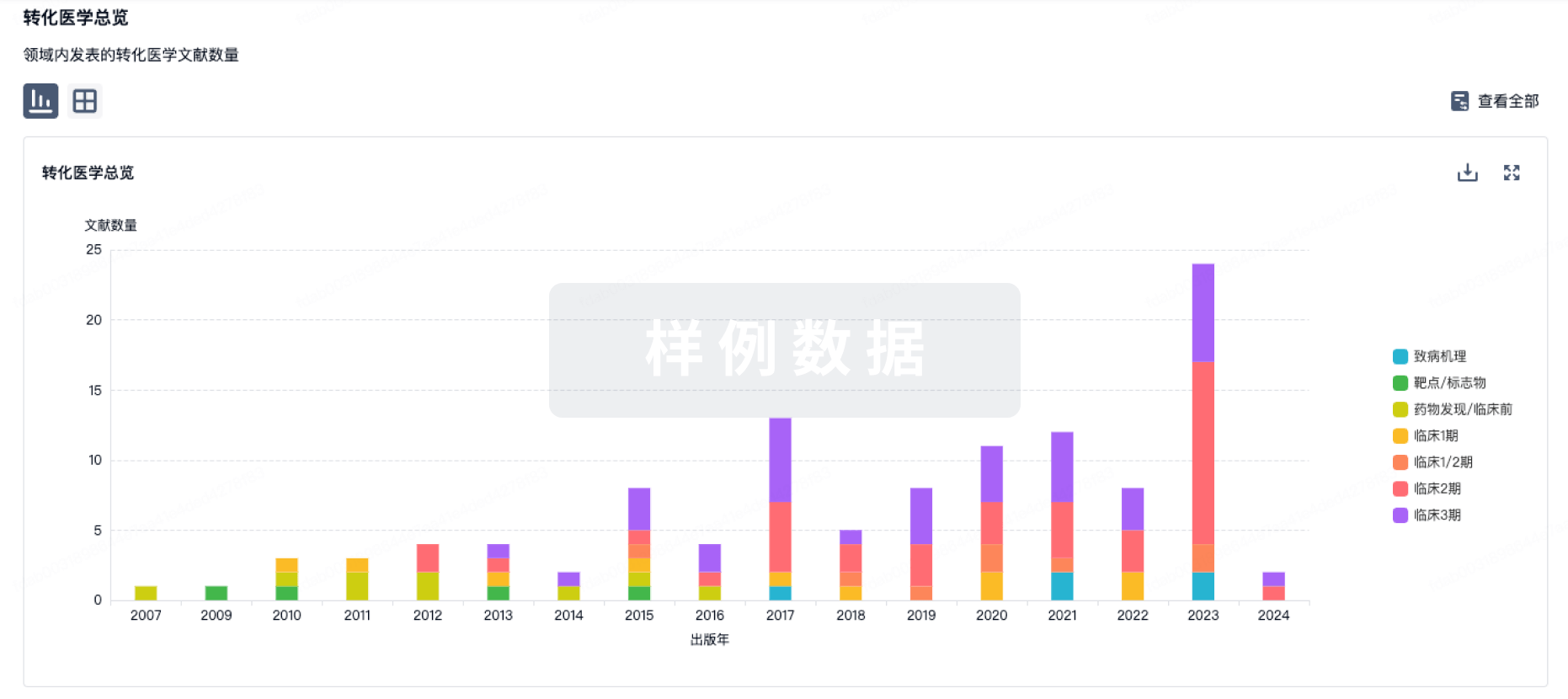
转化医学
使用我们的转化医学数据加速您的研究。
登录
或
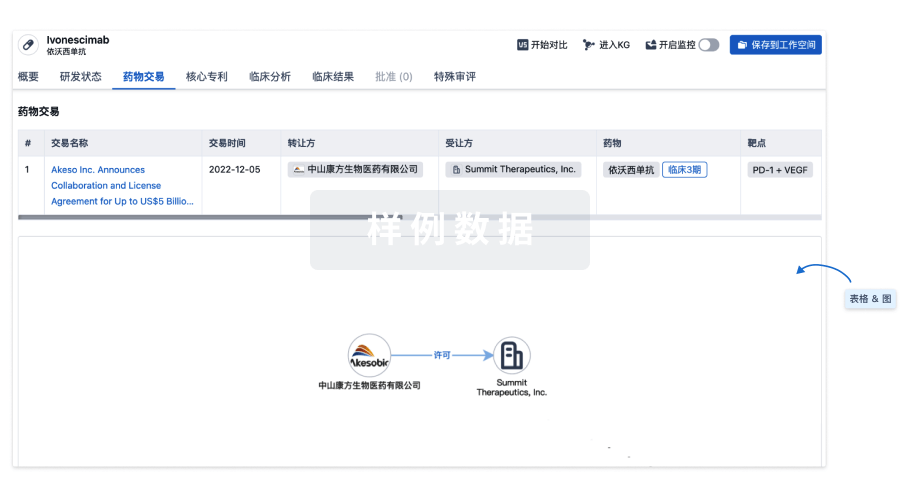
药物交易
使用我们的药物交易数据加速您的研究。
登录
或
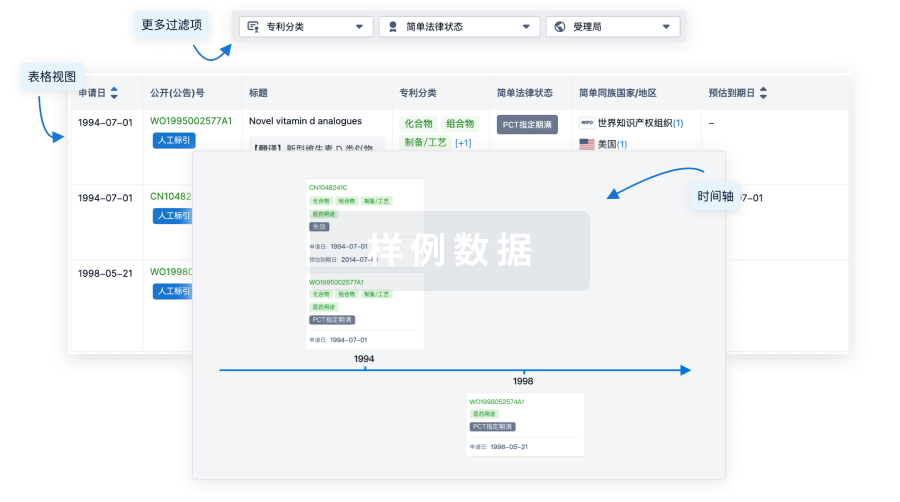
核心专利
使用我们的核心专利数据促进您的研究。
登录
或
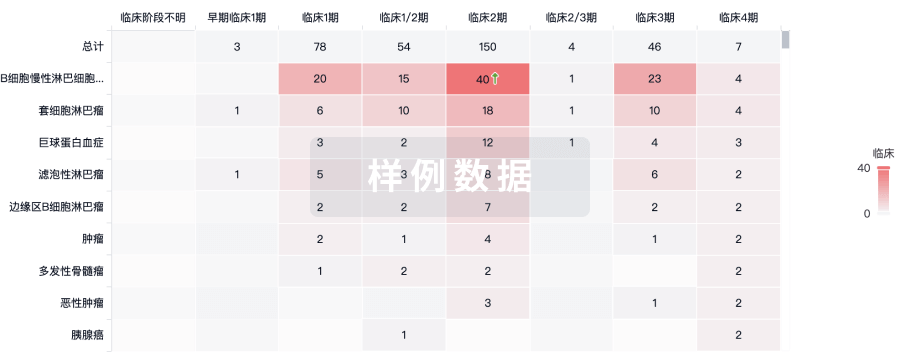
临床分析
紧跟全球注册中心的最新临床试验。
登录
或
批准
利用最新的监管批准信息加速您的研究。
登录
或
特殊审评
只需点击几下即可了解关键药物信息。
登录
或
提出任何生物医药研究问题
让每一步生物医药决策都精准制胜
基于十亿级生物数据与全球情报的精准 AI,赋能早期药物发现
立即开始免费试用!
智慧芽新药情报库是智慧芽专为生命科学人士构建的基于AI的创新药情报平台,助您全方位提升您的研发与决策效率。
立即接入生物医药数据包
智慧芽新药库数据也通过智慧芽开放平台,以MCP或API服务形式对外开放。立即使用我们的MCP服务定制您的LLM智能体。
生物序列数据库
生物药研发创新
免费使用
化学结构数据库
小分子化药研发创新
免费使用