预约演示
更新于:2026-09-19
Apigetrin
更新于:2026-09-19
概要
基本信息

关联
100 项与 Apigetrin 相关的临床结果
登录后查看更多信息
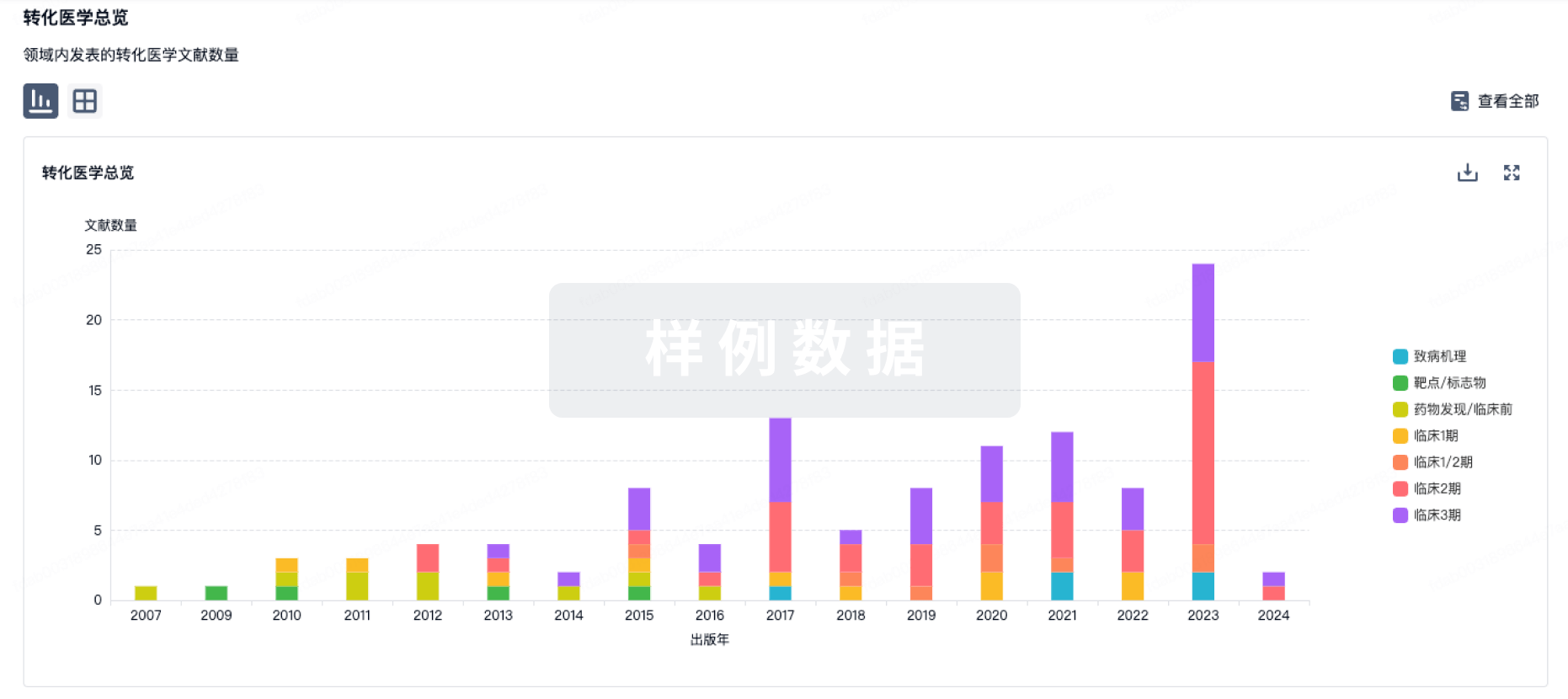
100 项与 Apigetrin 相关的转化医学
登录后查看更多信息
100 项与 Apigetrin 相关的专利(医药)
登录后查看更多信息
61
项与 Apigetrin 相关的文献(医药)2026-08-01·CHEMISTRY & BIODIVERSITY
GC‐Ms, UHPLC–MS/MS
n
Phytoconstituents Characterization and Physio‐pharmacological Investigation of
Silene colorata
subsp
. amphorina
(Pomel) Batt. From Northeastern Algeria
Article
作者: Akkal, Salah ; Pinto, Diana C. G. A. ; Allaoua, Zina ; Kahoul, Mohamed Amine ; Bensouici, Chawki ; Bensaad, Mohamed Sabri
ABSTRACT:
Natural remedies combined with bioinformatics accelerate the formulation of safer, targeted drugs. This study provides a comprehensive description of the phytochemical and pharmacological aspects of
Silene colorata
. Binding profiles of eight identified compounds were simulated against α‐amylase. GC‐MS analysis revealed 57 compounds, mainly fatty acids and esters (73.65%), while UHPLC–MS/MS identified 2′,4′‐dihydroxychalcone (20.72%), (
epi
)gallocatechin‐
C
‐hexoside (12.53%), apigetrin (10.10%), and hexahydroxyheptanoic acid (8.57%) as major components. The hydro‐alcoholic extract showed a strong antiradical effect (IC
50
= 7.57 ± 0.26 µg/mL by ABTS assay; A
0.50
= 48.93 ± 3.88 µg/mL by phenanthroline assay). Its sun protection factor (SPF) was also the highest (40.561 ± 0.87). The chloroform fraction showed notable activity against α‐amylase (IC
50
= 22.86 ± 3.19 µg/mL) and butyrylcholinesterase (IC
50
= 111.08 ± 4.72 µg/mL). The complex 3‐tetradecyn‐1‐ol and α‐amylase appeared more stable, but in an antagonistic manner (−4.8 kcal/mol). While this work reveals crucial findings, further in vivo studies are needed to confirm and expand on these results.
2025-08-01·JOURNAL OF PROTEOME RESEARCH
Untargeted Metabolomics and in Silico Screening of Sisymbrium officinale: Identification of Flavonoid Glycosides as Potential Anti-inflammatory Agents
Article
作者: Jordan Kahfi ; Rashed Manasra ; Devi Permatasari ; Dicki Rachman ; Mariusz Jaremko ; Abdul Hamid Emwas ; Susi Kusumaningrum ; Sami Makharza ; Siska Andrina Kusumastuti ; Mayriska Tri Wulansari ; Salim Sioud
Sisymbrium officinale (SO) is a traditional Mediterranean medicinal plant used to treat inflammatory diseases; however, its anti-inflammatory efficacy has not been thoroughly investigated by using metabolomics and in silico approaches. This study aimed to characterize the bioactive constituents of SO and identify potential anti-inflammatory agents. SO was extracted using various solvents: water, methanol, ethanol, acetone, and chloroform. Nuclear magnetic resonance (NMR) spectroscopy provided a rough quantification of various functional groups in SO. Principal component analysis (PCA) of mass spectrometry (MS)-annotated metabolites showed that methanol, ethanol, and acetone extracts formed distinct clusters, whereas water and chloroform were separate. Bioassays─including nitric oxide (NO) inhibition, 2,2'-azino-bis-3-ethylbenzothiazoline-6-sulfonic acid (ABTS), 2,2-diphenyl-1-picrylhydrazyl (DPPH), total phenolic content (TPC), and total flavonoid content (TFC)─confirmed that methanol, ethanol, and acetone extracts exhibited the most potent anti-inflammatory activity compared with those extracted using water and chloroform. Orthogonal partial least-squares (OPLS-DA) discriminant analysis chemometrics (variable importance in projection >1.0, p-value <0.05, and log2(FC) > 1.5) screened 15 SO bioactive candidates belonging to the flavonoid, flavonoid glycoside, cinnamic acid, and phospholipid classes. Further, in silico ADMET analysis and molecular docking of these metabolites with human inducible NO synthase (iNOS, PDB 3E7G), endothelial NOS (eNOS, PDB 6AV7), and neuronal NOS (nNOS, PDB 6CID) receptors identified two flavonoid glycosides─apigetrin and kaempferol 3-O-α-l-arabinopyranoside─as potential anti-inflammatory agents that may act via a competitive inhibition mechanism. These findings provide valuable insight into the therapeutic potential of SO and support further development of its bioactive compounds.
2025-04-01·CHEMISTRY & BIODIVERSITY
Boswellia serrata Powder Regimen Provides Significant Protection Against Renal Damage and Blood Imbalances in Diabetic Rats
Article
作者: Şevki Adem ; Amel Kherouf ; Amina Doghmane ; Ouassila Aouacheri ; Saad Saka ; Marwa Kherouf
ABSTRACT:
Diabetic kidney disease affects approximately one‐third of diabetes patients. Hyperglycemia and oxidative stress contribute to this condition. Boswellia serrata gum resin is known for its antioxidant properties and potential in managing diabetic complications, though its nephroprotective effects are not well documented. This research aimed to determine the phytochemical constituents of B. serrata using LC–MS analysis and explore its benefits in enhancing hematological markers and improving STZ‐induced renal dysfunction in rats. Diabetes was induced by a single dose of streptozotocin (60 mg/kg). A total of 40 male albino Wistar rats were divided into four groups: normal control, control with B. serrata (2% w/w), and two diabetic groups. One diabetic group served as a positive control, whereas the other received B. serrata powder (2% w/w). Results showed that the powder reduced blood sugar, decreased renal markers, increased albumin, total protein, and restored hematological parameters. It also enhanced β‐cell function and prevented kidney structural abnormalities. Additionally, B. serrata reduced oxidative stress by lowering malondialdehyde and increasing glutathione, glutathione‐S‐transferase, catalase, and glutathione peroxidase in renal tissues. LC–MS identified 37 phenolic compounds, with apigetrin being the most abundant. These findings suggest that B. serrata holds promise for managing diabetes‐related kidney injury.
100 项与 Apigetrin 相关的药物交易
登录后查看更多信息
研发状态
10 条进展最快的记录, 后查看更多信息
登录
| 适应症 | 最高研发状态 | 国家/地区 | 公司 | 日期 |
|---|---|---|---|---|
| 头颈部鳞状细胞癌 | 临床前 | 中国 | 2025-04-10 |
登录后查看更多信息
临床结果
临床结果
适应症
分期
评价
查看全部结果
| 研究 | 分期 | 人群特征 | 评价人数 | 分组 | 结果 | 评价 | 发布日期 |
|---|
No Data | |||||||
登录后查看更多信息
转化医学
使用我们的转化医学数据加速您的研究。
登录
或
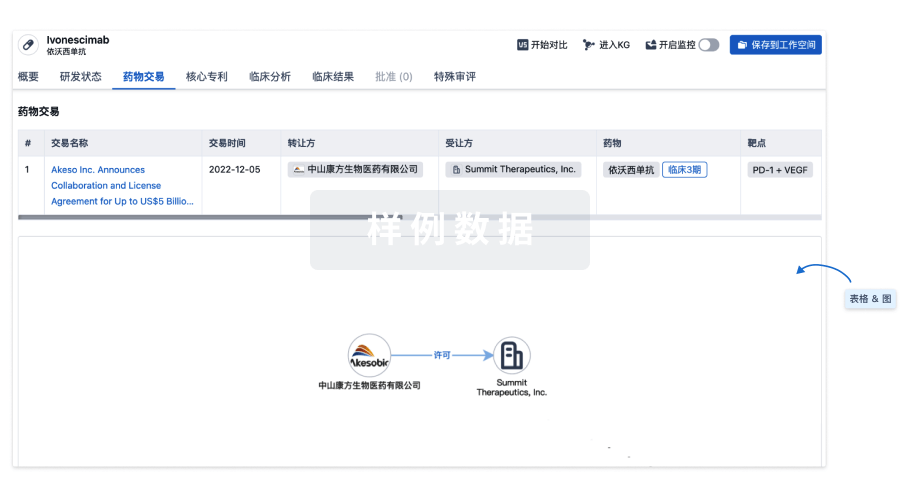
药物交易
使用我们的药物交易数据加速您的研究。
登录
或
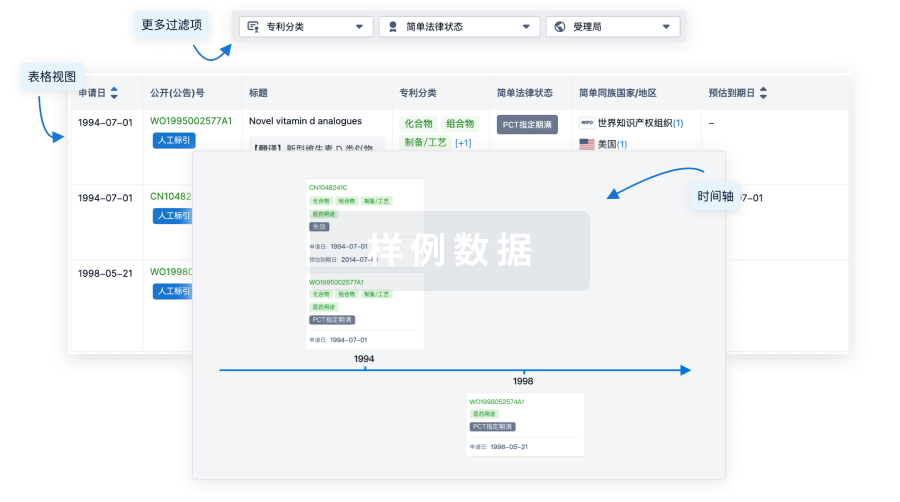
核心专利
使用我们的核心专利数据促进您的研究。
登录
或
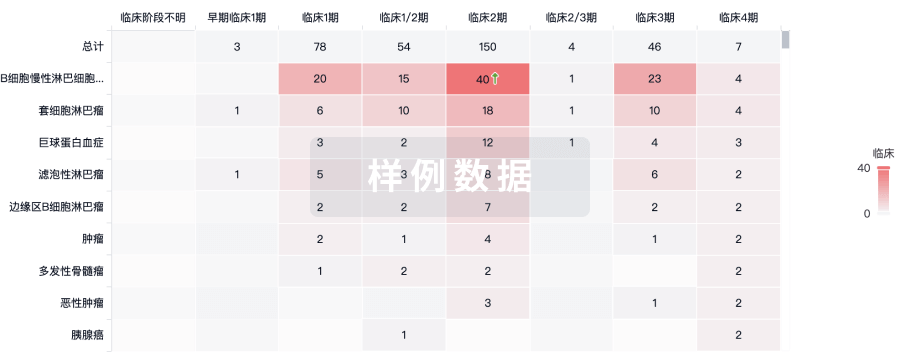
临床分析
紧跟全球注册中心的最新临床试验。
登录
或
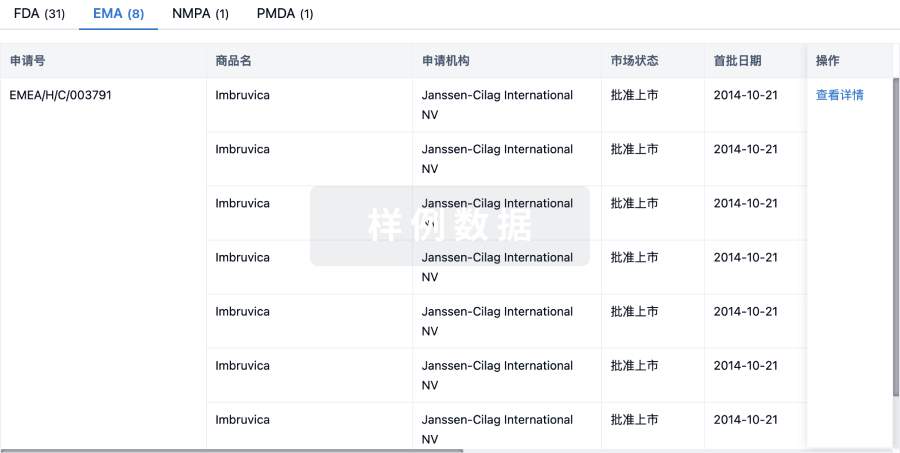
批准
利用最新的监管批准信息加速您的研究。
登录
或
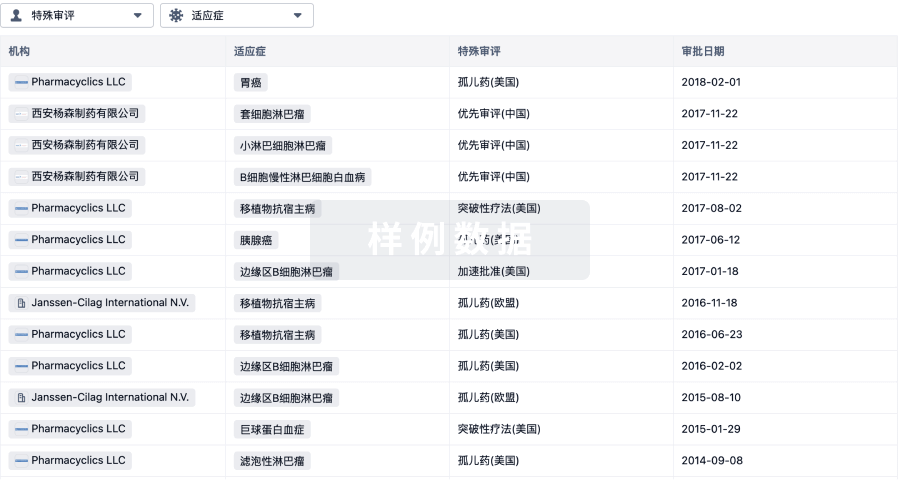
特殊审评
只需点击几下即可了解关键药物信息。
登录
或
提出任何生物医药研究问题
让每一步生物医药决策都精准制胜
基于十亿级生物数据与全球情报的精准 AI,赋能早期药物发现
立即开始免费试用!
智慧芽新药情报库是智慧芽专为生命科学人士构建的基于AI的创新药情报平台,助您全方位提升您的研发与决策效率。
立即接入生物医药数据包
智慧芽新药库数据也通过智慧芽开放平台,以MCP或API服务形式对外开放。立即使用我们的MCP服务定制您的LLM智能体。
生物序列数据库
生物药研发创新
免费使用
化学结构数据库
小分子化药研发创新
免费使用