预约演示
更新于:2026-08-26

Qilu Normal University
更新于:2026-08-26
概览
标签
肿瘤
小分子化药
疾病领域得分
一眼洞穿机构专注的疾病领域

技术平台
公司药物应用最多的技术
靶点
公司最常开发的靶点
关联
靶点 |
作用机制 |
在研机构 |
原研机构 |
在研适应症 |
非在研适应症 |
最高研发阶段 |
首次获批国家/地区 |
首次获批日期 |
CN118878536
专利挖掘靶点 |
作用机制 |
在研机构 |
原研机构 |
在研适应症 |
非在研适应症 |
最高研发阶段 |
首次获批国家/地区 |
首次获批日期 |
100 项与 齐鲁师范学院 相关的临床结果
登录后查看更多信息
登录后查看更多信息
2026-11-01JOURNAL OF COLLOID AND INTERFACE SCIENCE
Viable phosphomolybdic acid@polypyrrole via in-situ polymerization for high-performance lithium-ion storage
Article
作者: Bai, Xiaoyang ; Wang, Yanru ; Yuan, Xinyu ; Hao, Jingcheng ; An, Yanqi ; Tang, Peiqin ; Li, Yao ; Liu, Ting ; Zhang, Danhong
HYPOTHESIS:
In the global pursuit of advanced energy materials, achieving enhanced performance while maintaining cost-effectiveness remains a critical challenge.
EXPERIMENTS:
Herein, an economical composite of polypyrrole (PPy) coated phosphomolybdic acid (PMo12) is fabricated through in-situ polymerization using readily available raw materials and low-energy synthesis processes. The resulting well-defined nanosphere PMo12@PPy successfully preserves the structural integrity of both Keggin-type PMo12 and conductive PPy matrix while demonstrating multiple enhanced properties.
FINDINGS:
When employed as an anode active material for lithium-ion batteries (LIBs), the PMo12@PPy electrode delivers a high specific capacity and excellent long-term cycling stability. It maintains a capacity of 775 mA h g-1 at 0.1 A g-1 after 150 cycles, and retains 198 mA h g-1 at 5 A g-1 after 1200 cycles. The reconstruction of PMo12@PPy into fine nanoparticles during cycling, coupled with the synergistic contribution from the multi-electron redox of PMo12 and reversible pyridinic-N/pyrrolic-N conversion in PPy, markedly enhances its lithium storage capability. The practical viability of PMo12@PPy is validated in full cells, which deliver impressive long-term cycling durability and can effectively power LED devices. Featuring both cost efficiency and excellent lithium storage capability, the PMo12@PPy composite emerges as a highly competitive electrode material for advanced electrochemical energy storage.
2026-07-14LANGMUIR
Dual Channel of Time-Coded Fluorescence Materials Constructed by Europium-Dynamic Covalent Surfactant and Carbon Quantum Dots for Information Encryption
Article
作者: Sun, Zhihan ; Wang, Ling ; Li, Yawen ; Li, Chencan ; Mao, Yuhan
With the increasingly prominent role of information security in data confidentiality, a variety of information encryption strategies have emerged. Herein, a dual-channel information encryption strategy based on lanthanide ions and carbon quantum dots (CQDs) is proposed, which significantly enhances the security of information encryption. In this system, a luminescent lanthanide material is prepared through lanthanide ions and dynamic covalent bond surfactants. With further introduction of CQDs, the significant difference in excitation wavelengths between lanthanide ions and CQDs (365 nm for CQDs and 254 nm for Eu3+/Tb3+) enables the realization of excitation wavelength-channel information encryption. Owing to the chemical reaction and coordination effects at specific pH levels regulated by the hydrolysis time of d-(+)-gluconic acid δ-lactone (δ-GL), the fluorescence intensity exhibits time-dependent tunability, thus achieving the time-gated channel information encryption strategy. Decryption requires the simultaneous acquisition of wavelength and time keys, providing a novel strategy for the development of intelligent and high-security dynamic encryption materials.
2026-07-14CRITICAL REVIEWS IN FOOD SCIENCE AND NUTRITION
Research advances on whole grains benefit on metabolic syndrome via gut homeostasis regulation
Review
作者: Wang, Chuang ; Liang, Hanying ; Zhu, Hao ; Wang, Xinru ; Xiao, Jianbo ; Liu, Lianliang ; Wang, Yifang ; Yan, Ning ; Liu, Lingyi ; Sun, Hongzhao
Whole grains are abundant in polyphenols, phytosterols, dietary fiber β-glucan carotenoids, etc. They are highly bioavailable as intermediate metabolites processed by gut microbiota. These intermediate metabolites can enter the circulation from the gut, and then participate in the biochemical pathways that induce metabolic syndrome and improve the abnormal state of body. Metabolic syndrome is often accompanied by oxidative stress, carbonyl stress, inflammation and other abnormal states. Intermediate metabolites such as polyphenols can signal the brain. Then, under the control of the brain, it regulates the blood sugar level, blood lipid level, bile acid level, etc., and maintains the health. In this process, the brain-gut axis and liver-gut axis play a crucial part. In this review, the pathogenesis of type 2 diabetes (T2DM) mellitus, obesity, atherosclerosis and nonalcoholic liver syndrome and the role of brain-gut axis and liver-gut axis in the pathogenesis of metabolic syndrome were described in detail. The regulatory role of whole grains in these four metabolic syndromes was investigated. Dietary components have great potential for better utilization in the prevention and treatment of metabolic syndrome. The importance of a whole grain diet was explored and techniques for improving the bioavailability of functional components in whole grains were also investigated.

100 项与 齐鲁师范学院 相关的药物交易
登录后查看更多信息
100 项与 齐鲁师范学院 相关的转化医学
登录后查看更多信息
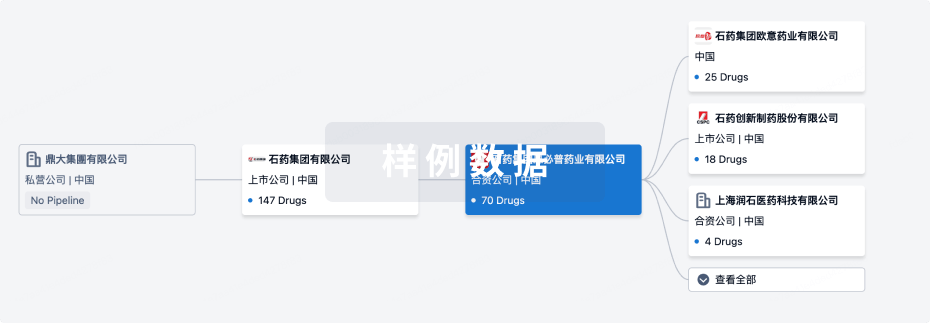
组织架构
使用我们的机构树数据加速您的研究。
登录
或
管线布局
2026年09月22日管线快照
管线布局中药物为当前组织机构及其子机构作为药物机构进行统计,早期临床1期并入临床1期,临床1/2期并入临床2期,临床2/3期并入临床3期
药物发现
1
1
临床前
登录后查看更多信息
当前项目
登录后查看更多信息
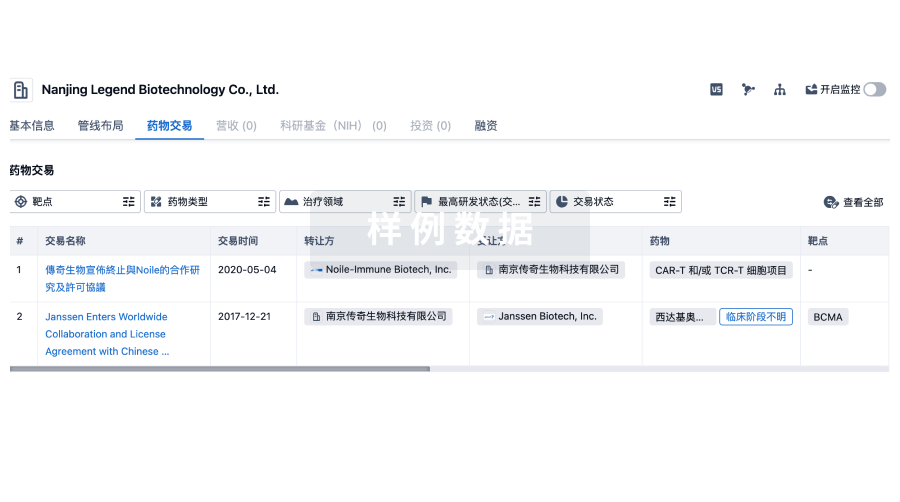
药物交易
使用我们的药物交易数据加速您的研究。
登录
或
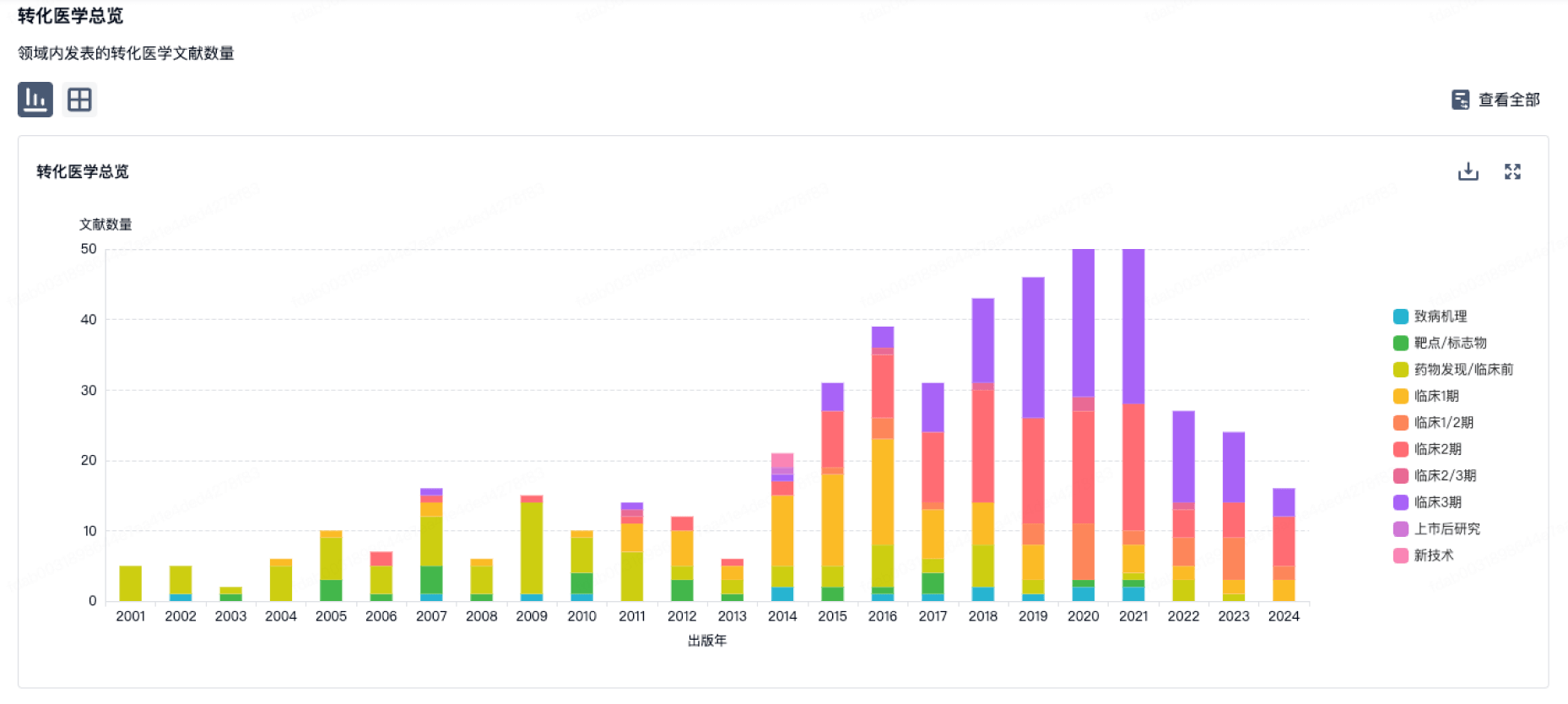
转化医学
使用我们的转化医学数据加速您的研究。
登录
或
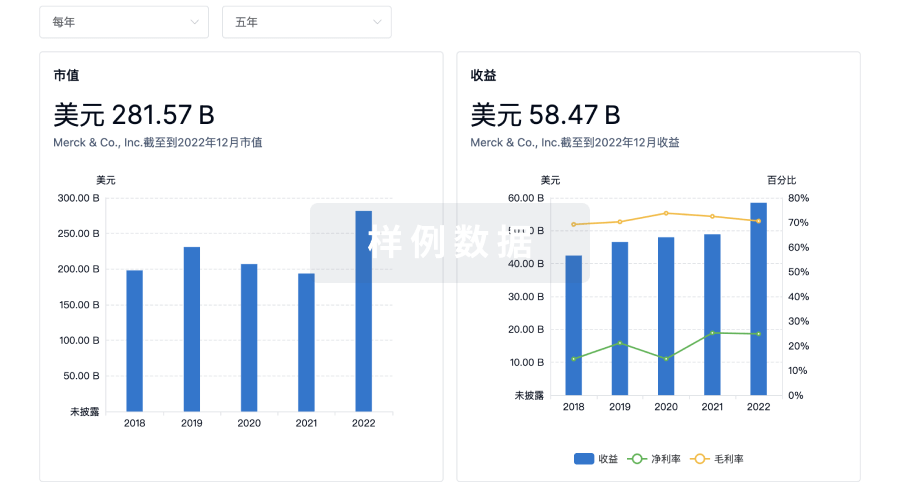
营收
使用 Synapse 探索超过 36 万个组织的财务状况。
登录
或
科研基金(NIH)
访问超过 200 万项资助和基金信息,以提升您的研究之旅。
登录
或
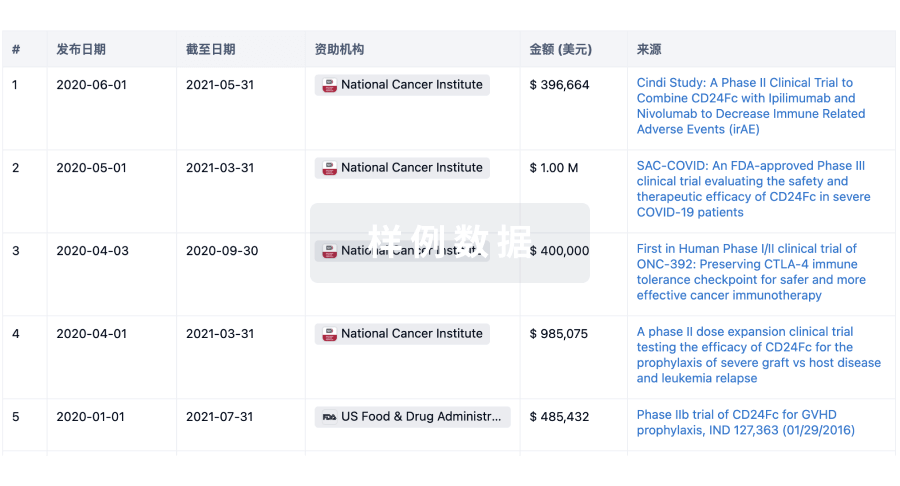
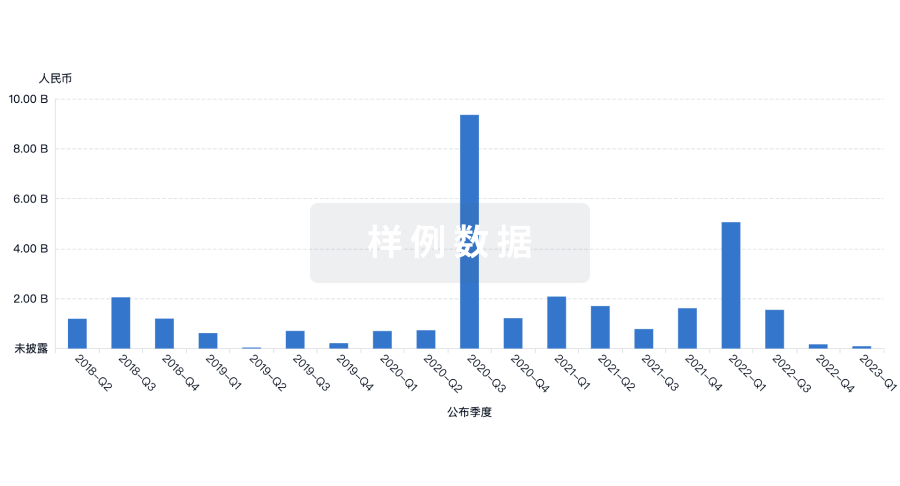
投资
深入了解从初创企业到成熟企业的最新公司投资动态。
登录
或
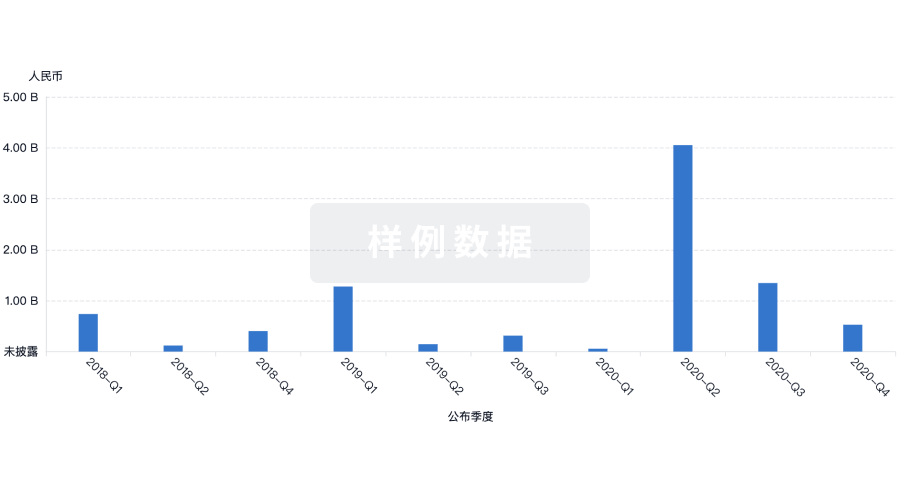
融资
发掘融资趋势以验证和推进您的投资机会。
登录
或
提出任何生物医药研究问题
让每一步生物医药决策都精准制胜
基于十亿级生物数据与全球情报的精准 AI,赋能早期药物发现
立即开始免费试用!
智慧芽新药情报库是智慧芽专为生命科学人士构建的基于AI的创新药情报平台,助您全方位提升您的研发与决策效率。
立即接入生物医药数据包
智慧芽新药库数据也通过智慧芽开放平台,以MCP或API服务形式对外开放。立即使用我们的MCP服务定制您的LLM智能体。
生物序列数据库
生物药研发创新
免费使用
化学结构数据库
小分子化药研发创新
免费使用