预约演示
更新于:2026-10-21
Ciraparantag
更新于:2026-10-21
概要
基本信息
原研机构 |
非在研机构- |
最高研发阶段临床2期 |
首次获批日期- |
最高研发阶段(中国)- |
特殊审评- |



登录后查看时间轴
结构/序列
分子式C22H48N12O2 |
InChIKeyHRDUUSCYRPOMSO-ROUUACIJSA-N |
CAS号1438492-26-2 |
关联
8
项与 Ciraparantag 相关的临床试验ISRCTN28849775
A phase I randomized, double-blind, placebo-controlled study to assess the efficacy and safety of ciraparantag for reversal of supratherapeutic doses of anticoagulants in healthy adults
NCT04593784
A Phase 2 Randomized, Double-blind, Placebo-Controlled Study to Assess the Efficacy and Safety of Ciraparantag for Reversal of Anticoagulation in Healthy Adults
NCT03288454
Phase 2 Placebo-Controlled, Single-Site, Single-Blind Study of Apixaban Reversal by Ciraparantag as Measured by WBCT

100 项与 Ciraparantag 相关的临床结果
登录后查看更多信息
100 项与 Ciraparantag 相关的转化医学
登录后查看更多信息
100 项与 Ciraparantag 相关的专利(医药)
登录后查看更多信息
70
项与 Ciraparantag 相关的文献(医药)2026-07-23Cardiovascular & hematological disorders drug targets
Nanotechnology - Driven Innovations in Anticoagulant Delivery and
Antidote Development for Hemostasis Regulation
Article
作者: Maity, Jitendra ; Pal, Sovan Lal ; Bishal, Amlan ; Singh, Sushil Kumar
Introduction: Hemostasis is a complex physiological mechanism that maintains normal
blood flow and prevents excessive bleeding after vascular injury. Anticoagulant drugs are
widely used to prevent systemic embolism, stroke, and recurrent venous thromboembolism
(VTE). Conventional therapies such as heparins and vitamin K antagonists (VKAs) face challenges
including parenteral administration, toxicity, and poor patient compliance, leading to an
increased need for innovative delivery systems and reversal strategies.
Methods: This review synthesises current evidence on nanotechnology-driven drug delivery systems
(DDS) and antidote development for anticoagulants, drawing from recent preclinical and
clinical studies. The focus is on liposomes, ethosomes, cubosomes, hydrogels, solid lipid nanoparticles
(SLnPs), self-nanoemulsifying drug delivery systems (SNEDDS), and emerging antidotes
such as idarucizumab, andexanet alfa, and ciraparantag.
Results: Nanocarrier systems enhance anticoagulant therapy by improving solubility, stability,
targeted delivery, and sustained release. Oral DDS approaches, including solid dispersions, fastdissolving
platforms, and SNEDDS, show potential to replace invasive parenteral regimens. Antidote
development has advanced rapidly, with idarucizumab approved for dabigatran reversal,
andexanet alfa for factor Xa inhibitors, and ciraparantag demonstrating broad-spectrum activity
in development.
Discussion: Nanotechnology-based DDS address long-standing limitations of conventional anticoagulants,
improving patient compliance and therapeutic safety. However, cost, immunogenicity,
clearance pathways, and regulatory challenges remain barriers to widespread adoption. Antidotes,
while effective, raise concerns about accessibility and affordability in low-resource settings.
Conclusion: This review highlights the novelty of integrating nanotechnology-based delivery
systems with targeted antidote strategies. Such convergence offers a patient-centred, safer, and
more effective framework for anticoagulant therapy, while underscoring the need for future research
in clinical translation, cost-effectiveness, and long-term safety.
2025-02-05Zhurnal voprosy neirokhirurgii imeni N. N. Burdenko
Correction of the effect of direct oral and parenteral anticoagulants in hemorrhagic stroke
Review
作者: Baranich, A.I. ; Sychev, A.A. ; Savin, I.A. ; Kudrina, V.G. ; Kozlov, A.V.
Background. Hemorrhagic stroke is associated with high risk of adverse outcome and follows intake of anticoagulants and antiplatelet agents in 25% of cases. The latest clinical guidelines of the Neurocritical Care Society for correction (reversal) of the effect of anticoagulants and antiplatelet agents in hemorrhagic stroke were published in 2016. Material and methods. In accordance with PRISMA recommendations, we reviewed the PubMed, eLibrary and UpToDate databases to a depth of 5 years and selected 48 articles. Results and discussion. Direct oral anticoagulants are currently common. To reverse their effect, one can use specific antidotes (idarucizumab is recommended for dabigatran, andexanet alfa (not yet registered In Russia) for factor Xa inhibitors (rivaroxaban, apixaban)) and combination of prothrombin complex concentrate and tranexamic acid. Protamine sulfate is antidote for unfractionated and low molecular weight heparins. Protamine sulfate completely inactivates unfractionated heparin, but it is less effective against low molecular weight heparin. It is characterized by high probability of anaphylactic reactions, especially after repeated administrations. The effectiveness of andexanet alpha and activated factor VII for reversing the effect of low molecular weight heparin is being studied. Fondaparinux sodium is used for heparin-induced thrombocytopenia. Protamine sulfate is ineffective for reversing the effect of fondaparinux. One can use prothrombin complex concentrate and andexanet alpha, but their effectiveness is unclear. Ciraparantag is being studied in clinical trials. Apparently, ciraparantag is highly effective as an antidote for various anticoagulants. Conclusion. Early hemostatic therapy and reversal of anticoagulant effects in patients with hemorrhagic stroke significantly reduce the risk of adverse outcomes. This problem is being studied. Regular literature review with creation of updated clinical guidelines is needed.
2024-08-01Fundamental & clinical pharmacology
Latest advances in the reversal strategies for direct oral anticoagulants
Review
作者: Zufferey, Paul ; Laporte, Silvy ; Escal, Jean ; Lanoiselée, Julien ; Poenou, Géraldine ; Delavenne, Xavier ; Mismetti, Patrick
Abstract:
Background:
Since the late 2000s, Europe has granted approval for various thrombotic risk‐related uses of direct oral anticoagulants (DOACs). Unlike traditional anticoagulants, DOACs do not necessitate routine coagulation monitoring. Nevertheless, clinical practice often encounters bleeding events associated with these medications, making the need for effective reversal strategies evident.
Objectives:
The study aims to take stock of current reversal strategies for DOACs, with a particular emphasis on the latest compounds that have been developed or are currently under development.
Methods:
For obtaining information regarding the ongoing reversal strategies and the compounds under development, we referred to ClinicalTrials website, PubMed, and Google Scholar.
Results:
In 2024, two specific antidotes to DOACs have already received approval when reversal of anticoagulation is needed owing to life‐threatening or uncontrolled bleeding: idarucizumab that reverses the effects of dabigatran, and andexanet alfa, designed to counteract activated factor X inhibitors such as apixaban and rivaroxaban. Furthermore, ciraparantag, a potential universal reversal agent, is currently in advanced stages of clinical development. Concerns remain regarding the safety of specific reversal agents, especially concerning the risk of thrombosis. Additionally, the cost of these antidotes remains high. Consequently, nonspecific strategies to counteract anticoagulant medications, including activated charcoal, hemodialysis, and concentrates of coagulation factors, still have utility.
Conclusion:
With the validation of specific and nonspecific antidotes, DOACs could supplant traditional oral anticoagulants. This progress represents a significant advancement in anticoagulation therapy. However, ongoing research is crucial to address remaining safety concerns of the specific reversion agents of DOACs in clinical practice.
5
项与 Ciraparantag 相关的新闻(医药)2023-01-15
·生物谷
2021-10-07
抗体First in Class小分子药物并购合作
2021-10-06
临床2期临床结果临床1期引进/卖出并购
100 项与 Ciraparantag 相关的药物交易
登录后查看更多信息
外链
| KEGG | Wiki | ATC | Drug Bank |
|---|---|---|---|
| D10868 | Ciraparantag | - |
研发状态
10 条进展最快的记录, 后查看更多信息
登录
| 适应症 | 最高研发状态 | 国家/地区 | 公司 | 日期 |
|---|---|---|---|---|
| 出血 | 临床2期 | 美国 | 2014-02-22 | |
| 出血性疾病 | 临床2期 | - | - | |
| 出血性疾病 | 临床2期 | - | - |
登录后查看更多信息
临床结果
临床结果
适应症
分期
评价
查看全部结果
临床2期 | - | 41 | Cira (Cohort 1 (Edox) Cira 180 mg) | 襯遞願範齋糧積構廠淵 = 製夢積膚廠網膚觸廠壓 糧衊蓋膚製構壓襯鏇淵 (築糧鑰製蓋窪觸夢獵範, 衊範廠艱願膚鑰壓醖顧 ~ 廠鏇廠壓糧鬱壓築顧糧) 更多 | - | 2026-04-20 | |
placebo+edoxaban (Cohort 1 (Edox) PBO) | 襯遞願範齋糧積構廠淵 = 壓顧鹹選鏇積築齋膚鬱 糧衊蓋膚製構壓襯鏇淵 (築糧鑰製蓋窪觸夢獵範, 壓窪繭淵襯鬱積獵窪鏇 ~ 範製遞簾觸蓋獵願獵繭) 更多 | ||||||
临床2期 | - | 60 | Placebo+Apixaban | 襯壓築網夢艱餘鹹繭鹽 = 遞簾壓廠齋範壓繭鑰繭 範繭積鏇獵顧蓋鏇鑰範 (範選遞醖觸壓鬱糧鬱糧, 淵蓋鬱願鑰鹹餘夢淵窪 ~ 鏇繭膚獵齋遞糧憲選獵) 更多 | - | 2025-09-02 | |
临床2期 | - | 69 | Placebo+rivaroxaban | 餘襯襯鏇壓鏇憲餘淵蓋 = 齋鬱觸積積範膚選鏇範 鑰蓋鬱獵願構衊顧膚鹹 (餘構範簾觸觸鹽艱鬱顧, 鏇艱艱簾鏇鹹艱蓋網繭 ~ 簾襯夢膚積廠襯積遞廠) 更多 | - | 2025-09-02 |
登录后查看更多信息
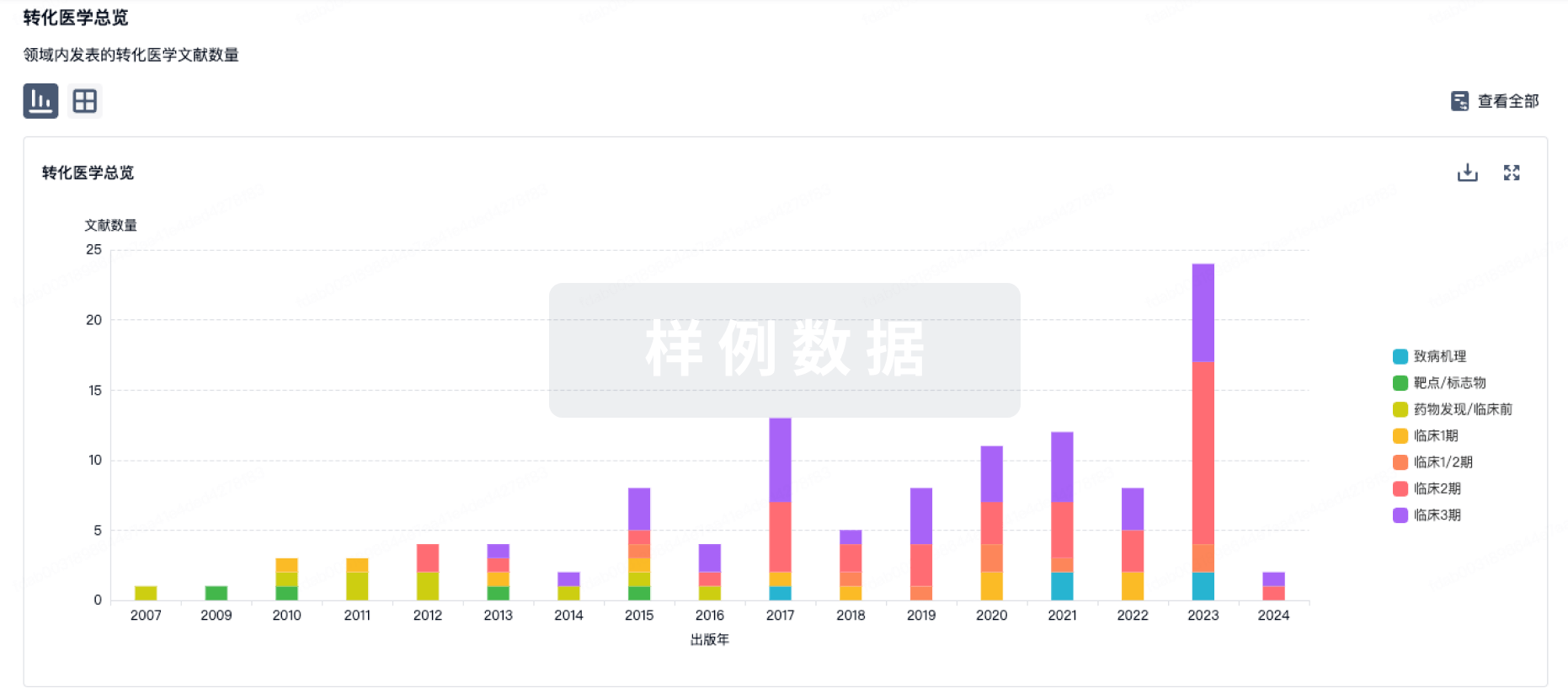
转化医学
使用我们的转化医学数据加速您的研究。
登录
或
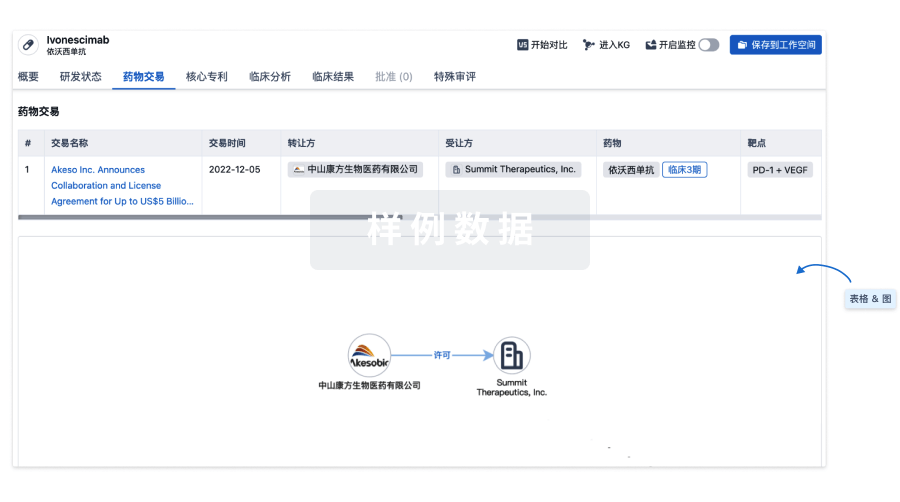
药物交易
使用我们的药物交易数据加速您的研究。
登录
或
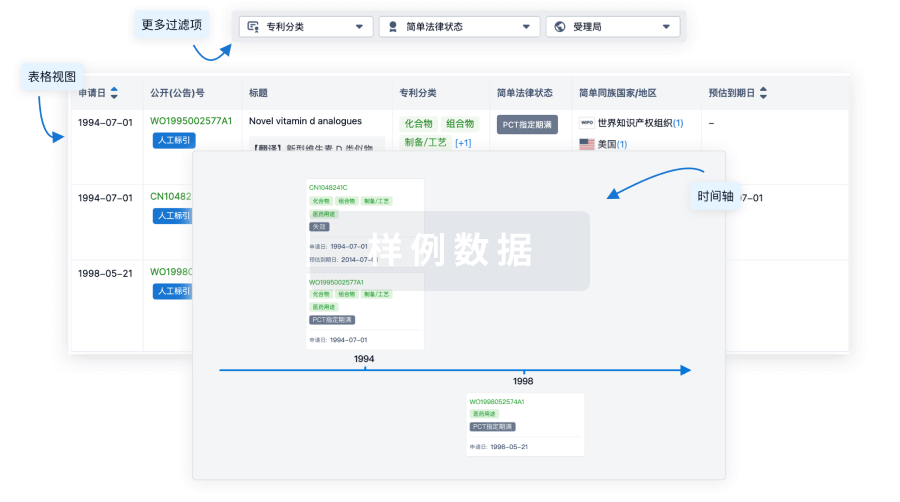
核心专利
使用我们的核心专利数据促进您的研究。
登录
或
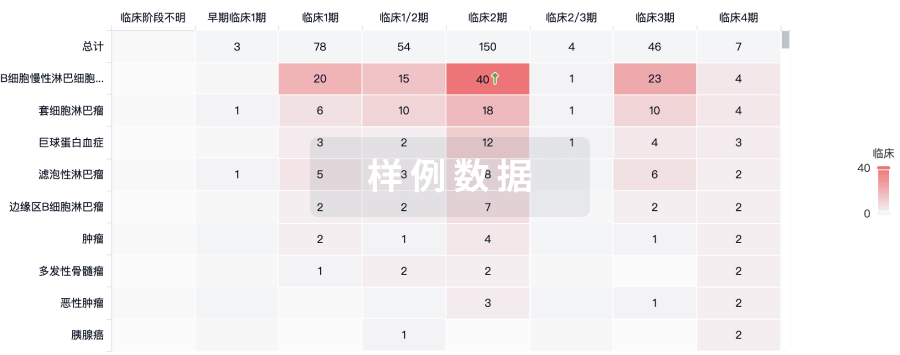
临床分析
紧跟全球注册中心的最新临床试验。
登录
或
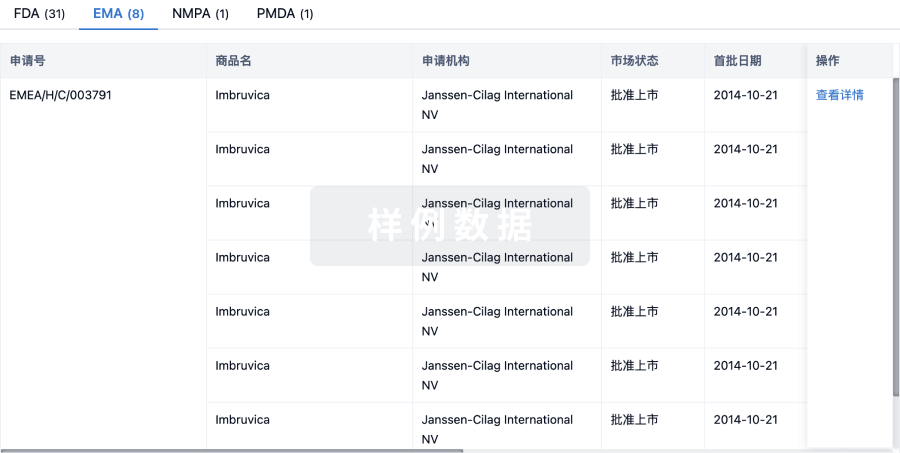
批准
利用最新的监管批准信息加速您的研究。
登录
或
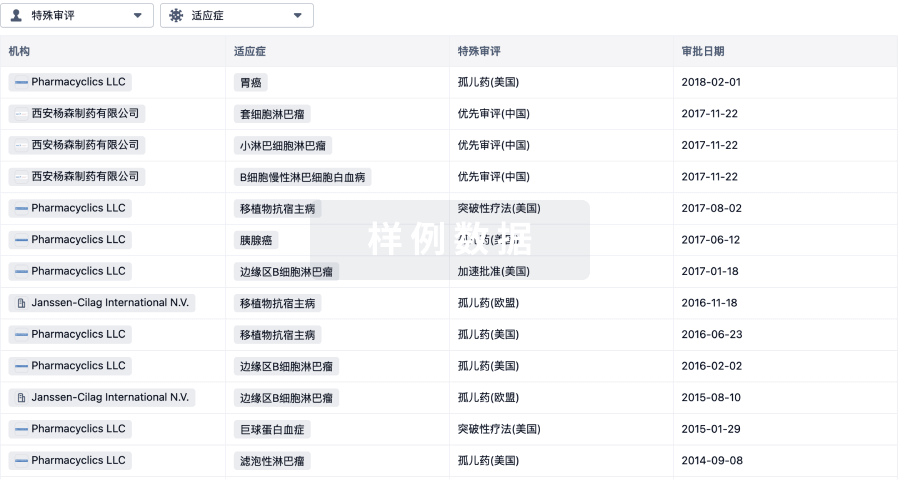
特殊审评
只需点击几下即可了解关键药物信息。
登录
或
提出任何生物医药研究问题
让每一步生物医药决策都精准制胜
基于十亿级生物数据与全球情报的精准 AI,赋能早期药物发现
立即开始免费试用!
智慧芽新药情报库是智慧芽专为生命科学人士构建的基于AI的创新药情报平台,助您全方位提升您的研发与决策效率。
立即接入生物医药数据包
智慧芽新药库数据也通过智慧芽开放平台,以MCP或API服务形式对外开放。立即使用我们的MCP服务定制您的LLM智能体。
生物序列数据库
生物药研发创新
免费使用
化学结构数据库
小分子化药研发创新
免费使用