预约演示
更新于:2026-07-24
BMN-333
更新于:2026-07-24
概要
基本信息
非在研机构- |
权益机构- |
最高研发阶段临床2/3期 |
首次获批日期- |
最高研发阶段(中国)- |
特殊审评- |
登录后查看时间轴
关联
1
项与 BMN-333 相关的临床试验NCT07441876
A Multicenter, Randomized, Operationally Seamless Phase 2/3 Study to Evaluate the Efficacy and Safety of BMN 333 Versus Vosoritide in Children With Achondroplasia
This is a multicenter, multinational, randomized, active-controlled, operationally seamless Phase 2/3 study of BMN 333 in treatment-naïve pediatric participants with achondroplasia (ACH). The study consists of a Phase 2 part and a Phase 3 part.
开始日期2026-04-20 |
100 项与 BMN-333 相关的临床结果
登录后查看更多信息
100 项与 BMN-333 相关的转化医学
登录后查看更多信息
100 项与 BMN-333 相关的专利(医药)
登录后查看更多信息
25
项与 BMN-333 相关的新闻(医药)2026-06-16
·动脉网
Data from an investigator-led study showed treatment with VOXZOGO resulted in sustained improvements in growth over three years in children with hypochondroplasia 一项由研究者主导的研究数据显示,使用VOXZOGO治疗可使软骨发育不全儿童在三年内实现持续的生长改善。New Phase 1 results also presented for investigational BMN 333 support potential weekly dosing in children with achondroplasia 还公布了 investigational BMN 333 的新一期临床试验结果,支持其在软骨发育不全儿童中潜在每周给药方案。SAN RAFAEL, Calif. 加利福尼亚州圣拉斐尔, ,June 16, 2026 2026年6月16日/PRNewswire/ -- BioMarin Pharmaceutical Inc. (Nasdaq: /美通社/ -- BioMarin Pharmaceutical Inc.(纳斯达克:BMRN BMRN) announced new data from studies of VOXZOGO )公布了VOXZOGO研究的新数据® ®(vosoritide) in children with hypochondroplasia and the investigational medicine BMN 333 in achondroplasia were presented atENDO 2026, the Endocrine Society Annual Meeting, in Chicago. 在芝加哥举行的2026年内分泌学会年会(ENDO 2026)上,公布了伏索利肽(vosoritide)治疗软骨发育不全儿童的研究结果,以及研究性药物BMN 333治疗软骨发育不良的研究结果。New data from a Phase 2, investigator-sponsored three-year extension study of VOXZOGO in 13 children with hypochondroplasia, led by Andrew Dauber, M.D. and investigators at Children's National Hospital, demonstrated sustained improvements in annualized growth velocity (AGV) and height standard deviation score (SDS), with a favorable safety profile. 由Andrew Dauber博士和美国国家儿童医院的 researchers 领导的一项针对13名软骨发育不全儿童的VOXZOGO二期研究者发起的三年扩展研究的新数据显示,年化生长速度(AGV)和身高标准差评分(SDS)持续改善,且安全性良好。Mean height SDS improved by 0.72 SD over three years of treatment, while mean AGV increased from 4.27 cm/year at baseline to 7.24 cm/year at year one (p<0.001) and remained above baseline through years two and three.. 平均身高标准差评分(SDS)在三年治疗期间改善了0.72个标准差,而平均年生长速度(AGV)从基线时的4.27厘米/年增加到第一年的7.24厘米/年(p<0.001),并在第二年和第三年持续高于基线水平。BioMarin recently announced positive topline results from CANOPY-HCH-3, its registration-enabling Phase 3 pivotal study evaluating VOXZOGO in children with hypochondroplasia. These results will be included in the supplemental New Drug Application submission to the U.S. Food and Drug Administration planned for the third quarter of 2026.. BioMarin 最近公布了 CANOPY-HCH-3 研究的积极顶线结果,这是一项支持注册的关键性 III 期研究,旨在评估 VOXZOGO 在软骨发育不全儿童中的疗效。这些结果将纳入计划于 2026 年第三季度向美国食品药品监督管理局提交的补充新药申请中。'Building on the excellent Phase 3 results we recently announced, these new longer-term data further reinforce the potential of VOXZOGO to meaningfully improve growth outcomes for children with hypochondroplasia,' said Greg Friberg, M.D., Executive Vice President and Chief Research & Development Officer at BioMarin. “基于我们最近宣布的卓越III期临床试验结果,这些新的长期数据进一步证实了VOXZOGO在显著改善软骨发育不全儿童生长结局方面的潜力。”BioMarin执行副总裁兼首席研发官Greg Friberg博士表示。'Importantly, we continue to observe sustained growth improvements over time and a favorable safety profile, adding to the growing body of evidence supporting VOXZOGO for this potential new indication.'. 重要的是,我们持续观察到随时间推移的持续性生长改善以及良好的安全性特征,这为支持VOXZOGO用于这一潜在新适应症的日益增多的证据体系增添了新的依据。New BMN 333 Phase 1 Data Support Advancement Into Late-Stage Development 新的BMN 333一期数据支持进入后期开发阶段Additional data being presented at ENDO 2026 highlight the potential of investigational BMN 333, BioMarin's long-acting C-type natriuretic peptide (CNP) for achondroplasia. In a Phase 1 single-ascending dose study in healthy adults, BMN 333 demonstrated sustained systemic exposure associated with prolonged pharmacodynamic target engagement, supporting a weekly dosing schedule. 在 ENDO 2026 会议上公布的额外数据突显了研究性药物 BMN 333(BioMarin 公司研发的用于软骨发育不全的长效 C 型利钠肽 [CNP])的潜力。在一项针对健康成年人的 I 期单次递增剂量研究中,BMN 333 表现出持续的全身暴露量,并与延长的药效学靶点结合相关,这支持每周一次的给药方案。The maximum examined dose of BMN 333 (500 μg/kg) increased exposure to free CNP by more than 13 times compared to another long-acting CNP agent, reflecting the potential of BMN 333 to become the new standard of care in achondroplasia. BMN 333 was well tolerated across all dose levels evaluated, with no dose-limiting toxicities or treatment-related serious adverse events.. BMN 333的最高检测剂量(500 μg/kg)使游离CNP的暴露量较另一种长效CNP制剂增加了13倍以上,这反映了BMN 333有望成为软骨发育不全治疗的新标准。在所有评估的剂量水平下,BMN 333均具有良好的耐受性,未出现剂量限制性毒性或与治疗相关的严重不良事件。In April, BioMarin began enrolling patients in the registration-enabling Phase 2/3 study of BMN 333. A data update from the dose-finding segment of this study is expected in 2027. 4月,BioMarin开始招募患者参加BMN 333的注册关键性2/3期研究。预计将于2027年公布该研究剂量探索部分的数据更新。Below are key presentations for achondroplasia and hypochondroplasia at ENDO, with all times listed in Central Daylight Time: 以下是内分泌学会(ENDO)会议上关于软骨发育不全和软骨发育不良的关键演讲,所有时间均按美国中部夏令时列出:Vosoritide Treatment in Children With Hypochondroplasia: Three-Year Results From a Phase 2 Extension Trial 伏索利肽治疗软骨发育不全儿童:一项2期扩展试验的三年结果Oral Presentation #ORF47-08 口头报告 #ORF47-08Monday, June 15, 3 – 3:15 p.m. 星期一,6月15日,下午3:00 – 3:15BMN BMN333 Achieves High Sustained Released Vosoritide Exposure With Favorable Safety: Phase 333 实现高持续释放的伏索利肽暴露量,且安全性良好:III期1 Results That Support Phase 1 支持阶段的结果2/3 Trials in Achondroplasia 2/3 软骨发育不全的临床试验Poster Presentation #SUN-212 海报展示 #SUN-212Sunday, June 14, 9 a.m. – 4 p.m. 6月14日,星期日,上午9点至下午4点About Achondroplasia 关于软骨发育不全Achondroplasia, the most common form of skeletal dysplasia leading to disproportionate short stature in humans, is characterized by slowing of endochondral ossification, which results in disproportionate short stature and disordered architecture in the long bones, spine, face and base of the skull. This condition is caused by a change in the . 软骨发育不全是人类中最常见的骨骼发育不良形式,导致不成比例的矮小身材,其特征是软骨内骨化减慢,从而导致长骨、脊柱、面部和颅底出现不成比例的矮小身材和结构紊乱。这种情况是由.的改变引起的。FGFR3 成纤维细胞生长因子受体3gene, a negative regulator of bone growth. 基因,一种骨生长的负调控因子。More than 80% of children with achondroplasia have parents of average stature and have the condition as the result of a spontaneous gene mutation. The worldwide incidence rate of achondroplasia is about one in 25,000 live births. VOXZOGO is being tested in children whose growth plates are still 'open,' typically those under 18 years of age. 超过80%的软骨发育不全患儿父母身高正常,其患病原因是自发性基因突变。全球范围内,软骨发育不全的发病率约为每25,000名活产婴儿中有1例。VOXZOGO正在骨骺仍“开放”的儿童中进行测试,通常为18岁以下儿童。Approximately 25% of people with achondroplasia fall into this category.. 大约25%的软骨发育不全患者属于这一类别。About Hypochondroplasia 关于软骨发育不全Hypochondroplasia is a rare, genetic skeletal dysplasia characterized by impaired bone growth, leading to disproportionate short stature and skeletal differences that can affect the long bones, spine and other parts of the skeleton and may impact physical functioning and overall quality of life. The condition presents with a broad and variable clinical spectrum and may include otolaryngologic (related to the ears, nose and throat) and neurological complications and is often diagnosed in toddlerhood or early school age based on clinical and radiological findings. 软骨发育不全是一种罕见的遗传性骨骼发育不良,其特征为骨骼生长受损,导致不成比例的矮小身材以及骨骼差异,可影响长骨、脊柱及其他骨骼部位,并可能影响身体功能和整体生活质量。该病临床表现广泛且多样,可能包括耳鼻喉科(与耳、鼻、喉相关)和神经系统并发症,通常根据临床和影像学检查结果在幼儿期或学龄早期确诊。BioMarin estimates that roughly 14,000 children with hypochondroplasia within the company's global footprint may be eligible for treatment with VOXZOGO.. BioMarin估计,在其全球业务覆盖范围内,约有14,000名患有软骨发育不全的儿童可能有资格接受VOXZOGO治疗。There are currently no medicines approved by the U.S. Food and Drug Administration or the European Medicines Agency for the treatment of hypochondroplasia. 目前,美国食品药品监督管理局和欧洲药品管理局尚未批准任何用于治疗软骨发育不全的药物。For more information about our clinical trials in hypochondroplasia, achondroplasia and other skeletal conditions, please visit 如需了解我们针对软骨发育不全、侏儒症及其他骨骼疾病的临床试验的更多信息,请访问clinicaltrials.biomarin.com clinicaltrials.biomarin.com. 。About VOXZOGO 关于 VOXZOGOIn children with achondroplasia, endochondral bone growth, an essential process by which bone tissue is created, is negatively regulated due to a gain of function mutation in 在患有软骨发育不全的儿童中,由于功能获得性突变,软骨内成骨(一种生成骨组织的关键过程)受到负向调控FGFR3 成纤维细胞生长因子受体3. VOXZOGO, a C-type natriuretic peptide (CNP) analog, acts as a positive regulator of the signaling pathway downstream of . VOXZOGO 是一种 C 型利钠肽(CNP)类似物,作为下游信号通路的正向调节剂发挥作用FGFR3 成纤维细胞生长因子受体3to promote endochondral bone growth. 以促进软骨内成骨。VOXZOGO is the only approved medicine to support the growth of children with achondroplasia starting from birth, with international consensus guidelines recommending initiation of VOXZOGO as early as possible. First approved in 2021, VOXZOGO has helped more than 5,000 infants and children in more than 50 countries. VOXZOGO是唯一获批用于支持软骨发育不全儿童自出生起生长的药物,国际共识指南建议尽早开始使用VOXZOGO。自2021年首次获批以来,VOXZOGO已帮助全球50多个国家的5000多名婴幼儿和儿童。Through our ongoing studies, BioMarin continues to evaluate VOXZOGO on key clinical endpoints relevant for achondroplasia patients, such as arm span, tibial bowing (leg bowing), body proportionality, spinal morphology (including spinal stenosis) and quality of life measures.. 通过我们正在进行的研究,BioMarin 继续在与软骨发育不全患者相关的关键临床终点上评估 VOXZOGO,例如臂展、胫骨弯曲(腿弯曲)、身体比例、脊柱形态(包括椎管狭窄)以及生活质量指标。VOXZOGO is approved in the U.S., Japan and Australia to increase linear growth in children of all ages with achondroplasia with open epiphyses, and VOXZOGO is indicated in the EU for the treatment of achondroplasia in children 4 months of age and older whose epiphyses are not closed, as confirmed by appropriate genetic testing. VOXZOGO 已在美国、日本和澳大利亚获批,用于增加骨骺未闭合的各年龄段软骨发育不全儿童的线性生长;在欧盟,VOXZOGO 的适应症为治疗经适当基因检测确认骨骺未闭合的 4 月龄及以上软骨发育不全儿童。In the U.S., this indication is approved under accelerated approval based on an improvement in annualized growth velocity. Continued approval may be contingent upon verification and description of clinical benefit in confirmatory trial(s). To fulfill this post-marketing requirement, BioMarin intends to use the ongoing open-label extension studies compared to available natural history.. 在美国,该适应症基于年化生长速度的改善而获得加速批准。持续批准可能取决于在确证性试验中对临床获益的验证和描述。为满足这一上市后要求,BioMarin 计划将正在进行的开放标签扩展研究与现有的自然病史数据进行比较。The use of VOXZOGO to treat hypochondroplasia has not yet been approved by any regulatory agency. VOXZOGO用于治疗软骨发育不全尚未获得任何监管机构的批准。Patient Support Accessing VOXZOGO 患者支持获取 VOXZOGOBioMarin's robust support services have ensured a seamless treatment experience, spearheaded by Clinical Coordinators, who have conducted hundreds of trainings for families with achondroplasia since approval. BioMarin provides resources to support families navigating achondroplasia, including a caregiver mentorship program that connects parents with other caregivers, and a U.S. BioMarin 强有力的支持服务确保了无缝的治疗体验,由临床协调员牵头,自获批以来已为软骨发育不全患者家庭开展了数百次培训。BioMarin 提供资源以支持应对软骨发育不全的家庭,包括一项照护者导师计划,将父母与其他照护者联系起来,并在美国doctor directory that helps families and healthcare professionals identify clinicians experienced in achondroplasia care.. 帮助家庭和医疗保健专业人员识别在软骨发育不全护理方面经验丰富的临床医生的医生目录。To reach a BioMarin RareConnections 联系 BioMarin RareConnections® ®Case Manager, please call, toll-free, 1-833-VOXZOGO (1-833-869-9646) or e-mail 案例管理员,请致电免费电话 1-833-VOXZOGO(1-833-869-9646)或发送电子邮件[emailprotected] [email protected]. For more information about VOXZOGO, please visit 有关VOXZOGO的更多信息,请访问www.voxzogo.com www.voxzogo.com. For additional information regarding this product, please contact BioMarin Medical Information at 。如需获取有关本产品的更多信息,请联系 BioMarin 医学信息部,联系方式如下:[emailprotected] [email protected]. 。VOXZOGO U.S. Important Safety Information VOXZOGO 美国重要安全信息What is VOXZOGO used for? VOXZOGO 的用途是什么?VOXZOGO is a prescription medicine used to increase linear growth in children with achondroplasia and open growth plates (epiphyses). VOXZOGO 是一种处方药,用于促进患有软骨发育不全且骨骺(生长板)未闭合儿童的线性生长。VOXZOGO is approved under accelerated approval based on an improvement in annualized growth velocity. Continued approval may be contingent upon verification and description of clinical benefit in confirmatory trials. VOXZOGO 基于年化生长速度的改善而获得加速批准。持续批准可能取决于在确证性试验中对临床获益的验证和描述。What is the most important safety information about VOXZOGO? 关于VOXZOGO最重要的安全信息是什么?VOXZOGO may cause serious side effects including a temporary decrease in blood pressure in some patients. To reduce the risk of a decrease in blood pressure and associated symptoms (dizziness, feeling tired, or nausea), patients should eat a meal and drink 8 to 10 ounces of fluid within 1 hour before receiving VOXZOGO.. VOXZOGO 可能导致严重的副作用,包括部分患者出现暂时性血压降低。为降低血压下降及相关症状(头晕、乏力或恶心)的风险,患者应在接受 VOXZOGO 治疗前 1 小时内进食并饮用 8 至 10 盎司的液体。What are the most common side effects of VOXZOGO? VOXZOGO 最常见的副作用有哪些?The most common side effects of VOXZOGO include injection site reactions (including redness, itching, swelling, bruising, rash, hives, and injection site pain), high levels of blood alkaline phosphatase shown in blood tests, vomiting, joint pain, decreased blood pressure, and stomachache. These are not all the possible side effects of VOXZOGO. VOXZOGO 最常见的副作用包括注射部位反应(包括发红、瘙痒、肿胀、瘀伤、皮疹、荨麻疹和注射部位疼痛)、血液检查显示碱性磷酸酶水平升高、呕吐、关节痛、血压降低和胃痛。这些并非 VOXZOGO 所有可能的副作用。Ask your healthcare provider for medical advice about side effects, and about any side effects that bother the patient or that do not go away.. 请咨询您的医疗保健提供者,获取关于副作用的医学建议,特别是那些困扰患者或持续不退的副作用。How is VOXZOGO taken? 如何使用 VOXZOGO?VOXZOGO is taken daily as an injection given under the skin, administered by a caregiver after a healthcare provider determines the caregiver is able to administer VOXZOGO. Do not try to inject VOXZOGO until you have been shown the right way by your healthcare provider. VOXZOGO is supplied with Instructions for Use that describe the steps for preparing, injecting, and disposing VOXZOGO. VOXZOGO 需每日皮下注射,由护理人员在医疗保健提供者确认其具备给药能力后 administered。在医疗保健提供者展示正确的注射方法之前,请勿尝试自行注射 VOXZOGO。VOXZOGO 随附《使用说明》,其中详细描述了准备、注射及处置 VOXZOGO 的步骤。Caregivers should review the Instructions for Use for guidance and any time they receive a refill of VOXZOGO in case any changes have been made.. 护理人员应查阅使用说明书以获取指导,并在每次收到VOXZOGO补充装时进行查阅,以防说明有任何变更。Inject VOXZOGO 1 time every day, at about the same time each day. If a dose of VOXZOGO is missed, it can be given within 12 hours from the missed dose. After 12 hours, skip the missed dose and administer the next daily dose as usual. 每天约在同一时间注射VOXZOGO一次。如果漏服一剂VOXZOGO,可在漏服后的12小时内补注。超过12小时后,跳过漏服的剂量,按常规注射下一日的剂量。The dose of VOXZOGO is based on body weight. Your healthcare provider will adjust the dose based on changes in weight following regular check-ups. VOXZOGO 的剂量基于体重。您的医疗保健提供者将根据定期复查期间体重的变化调整剂量。Your healthcare provider will monitor the patient's growth and tell you when to stop taking VOXZOGO if they determine the patient is no longer able to grow. Stop administering VOXZOGO if instructed by your healthcare provider. 您的医疗保健提供者将监测患者的生长情况,并在确定患者不再能够生长时告知您何时停止服用VOXZOGO。如果医疗保健提供者指示,请停止给药VOXZOGO。What should you tell the doctor before or during taking VOXZOGO? 在服用 VOXZOGO 之前或期间,您应该告知医生哪些信息?Tell your doctor about all of the patient's medical conditions including 请告知医生患者的所有健康状况,包括If the patient has heart disease (cardiac or vascular disease), or if the patient is on blood pressure medicine (anti-hypertensive medicine). 如果患者患有心脏病(心脏或血管疾病),或正在服用降压药(抗高血压药物)。If the patient has kidney problems or renal impairment. 如果患者有肾脏问题或肾功能损害。If the patient is pregnant or plans to become pregnant. It is not known if VOXZOGO will harm the unborn baby. 如果患者已怀孕或计划怀孕。目前尚不清楚VOXZOGO是否会对未出生的胎儿造成伤害。If the patient is breastfeeding or plans to breastfeed. It is not known if VOXZOGO passes into breast milk. 如果患者正在哺乳或计划哺乳。目前尚不清楚VOXZOGO是否会进入母乳。Tell your doctor about all of the medicines the patient takes, including prescription and over-the-counter medicines, vitamins, and herbal supplements. 请告知医生患者正在服用的所有药物,包括处方药、非处方药、维生素和草本补充剂。You may report side effects to BioMarin at 1-866-906-6100. You are encouraged to report negative side effects of prescription drugs to the FDA. Visit 您可以致电 1-866-906-6100 向 BioMarin 报告副作用。我们鼓励您向美国食品药品监督管理局(FDA)报告处方药的不良反应。请访问www.fda.gov/medwatch www.fda.gov/medwatch, ,or call 1-800-FDA-1088. 或拨打 1-800-FDA-1088。Please see additional safety information in the full 请参阅完整文档中的其他安全信息Prescribing Information 处方信息and 和Patient Information 患者信息. 。About BioMarin 关于BioMarinBioMarin is a leading, global rare disease biotechnology company focused on delivering medicines for people living with genetically defined conditions. Founded in 1997, theSan Rafael, California-based company has a proven track record of innovation, with nine commercial therapies and a strong clinical and preclinical pipeline. BioMarin 是一家领先的全球性罕见病生物技术公司,致力于为患有遗传性疾病的患者提供药物。该公司成立于 1997 年,总部位于加利福尼亚州圣拉斐尔,拥有经证实的创新记录,目前已推出九种商业化疗法,并拥有强大的临床和临床前研发管线。Using a distinctive approach to drug discovery and development, BioMarin seeks to unleash the full potential of genetic science by pursuing category-defining medicines that have a profound impact on patients. To learn more, please visit. BioMarin 采用独特的药物研发方法,致力于通过开发具有深远患者影响的开创性药物,充分释放遗传科学的潜力。欲了解更多信息,请访问。www.biomarin.com www.biomarin.com. 。Forward-Looking Statements 前瞻性陈述This press release contains forward-looking statements about the business prospects of BioMarin Pharmaceutical Inc. (BioMarin), including without limitation, statements about: the data to be presented at ENDO 2026, the Endocrine Society Annual Meeting, including oral and poster presentations; BioMarin's plans and expectations for the development of VOXZOGO for children with hypochondroplasia, including safety profile and potential benefits and plans to submit a supplemental New Drug Application to the U.S. 本新闻稿包含有关 BioMarin Pharmaceutical Inc.(BioMarin)业务前景的前瞻性陈述,包括但不限于以下内容的陈述:将在 ENDO 2026(内分泌学会年会)上展示的数据,包括口头报告和海报展示;BioMarin 针对软骨发育不全儿童开发 VOXZOGO 的计划与预期,包括安全性特征、潜在益处以及向美国提交补充新药申请的计划。Food and Drug Administration (FDA) during the third quarter of 2026; BioMarin's plans and expectations for the development of BMN 333 for children with achondroplasia, including plans to provide a data update from the dose finding segment of the registration-enabling Phase 2/3 study of BMN 333 in 2027; the safety profile and potential benefits of BMN 333, including the potential to become the new standard of care in achondroplasia; and BioMarin's estimate regarding total addressable patient population (TAPP) with respect to the conditions targeted by BioMarin's product candidates and commercial products, including hypochondroplasia. 美国食品药品监督管理局(FDA)在2026年第三季度;BioMarin公司针对BMN 333用于软骨发育不全儿童的开发计划和预期,包括计划在2027年提供来自BMN 333注册关键性II/III期研究剂量探索阶段的数据更新;BMN 333的安全性特征和潜在益处,包括其有可能成为软骨发育不全治疗的新标准护理方案;以及BioMarin公司对其产品候选药物和商业化产品所针对适应症(包括软骨发育不良)的总可及患者人群(TAPP)的估算。These forward-looking statements are predictions and involve risks and uncertainties such that actual results may differ materially from these statements. These risks and uncertainties include, among others, any potential adverse events observed in the continuing monitoring of the patients in the clinical trials; the content and timing of decisions by the FDA, the European Medicines Agency, the European Commission and other regulatory authorities; and those factors detailed in BioMarin's filings with the Securities and Exchange Commission (SEC), including, without limitation, the factors contained under the caption 'Risk Factors' in BioMar. 这些前瞻性陈述属于预测性质,涉及风险和不确定性,因此实际结果可能与这些陈述存在重大差异。这些风险和不确定性包括但不限于:在临床试验患者的持续监测中观察到的任何潜在不良事件;美国食品药品监督管理局(FDA)、欧洲药品管理局、欧盟委员会及其他监管机构所作决定的内容和时间;以及 BioMarin 向美国证券交易委员会(SEC)提交的文件中详述的那些因素,包括但不限于 BioMarin 文件中“风险因素”标题下所包含的因素。BioMarin 拜玛林® ®, BioMarin RareConnections BioMarin RareConnections® ®and VOXZOGO 以及 VOXZOGO® ®are registered trademarks of BioMarin Pharmaceutical Inc. 是 BioMarin Pharmaceutical Inc. 的注册商标。Contacts: 联系人:Investors 投资者Media 媒体TraciMcCarty 特蕾西·麦卡蒂Andrew Villani 安德鲁·维拉尼BioMarin Pharmaceutical Inc. BioMarin制药公司BioMarin Pharmaceutical Inc. BioMarin制药公司(415) 455-7558 (415) 455-7558(628) 269-7393 (628) 269-7393SOURCE BioMarin Pharmaceutical Inc. 来源:BioMarin Pharmaceutical Inc.21 二十一% 百分比more press release views with 更多新闻稿浏览量,借助Request a Demo 申请演示
2026-06-16
Data from an investigator-led study showed treatment with VOXZOGO resulted in sustained improvements in growth over three years in children with hypochondroplasia
New Phase 1 results also presented for investigational BMN 333 support potential weekly dosing in children with achondroplasia
SAN RAFAEL, Calif.
,
June 16, 2026
/PRNewswire/ -- BioMarin Pharmaceutical Inc. (Nasdaq: BMRN) announced new data from studies of VOXZOGO
®
(vosoritide) in children with hypochondroplasia and the investigational medicine BMN 333 in achondroplasia were presented at ENDO 2026, the Endocrine Society Annual Meeting, in Chicago.
New data from a Phase 2, investigator-sponsored three-year extension study of VOXZOGO in 13 children with hypochondroplasia, led by Andrew Dauber, M.D. and investigators at Children's National Hospital, demonstrated sustained improvements in annualized growth velocity (AGV) and height standard deviation score (SDS), with a favorable safety profile. Mean height SDS improved by 0.72 SD over three years of treatment, while mean AGV increased from 4.27 cm/year at baseline to 7.24 cm/year at year one (p<0.001) and remained above baseline through years two and three.
BioMarin recently announced positive topline results from CANOPY-HCH-3, its registration-enabling Phase 3 pivotal study evaluating VOXZOGO in children with hypochondroplasia. These results will be included in the supplemental New Drug Application submission to the U.S. Food and Drug Administration planned for the third quarter of 2026.
"Building on the excellent Phase 3 results we recently announced, these new longer-term data further reinforce the potential of VOXZOGO to meaningfully improve growth outcomes for children with hypochondroplasia," said Greg Friberg, M.D., Executive Vice President and Chief Research & Development Officer at BioMarin. "Importantly, we continue to observe sustained growth improvements over time and a favorable safety profile, adding to the growing body of evidence supporting VOXZOGO for this potential new indication."
New BMN 333 Phase 1 Data Support Advancement Into Late-Stage Development
Additional data being presented at ENDO 2026 highlight the potential of investigational BMN 333, BioMarin's long-acting C-type natriuretic peptide (CNP) for achondroplasia. In a Phase 1 single-ascending dose study in healthy adults, BMN 333 demonstrated sustained systemic exposure associated with prolonged pharmacodynamic target engagement, supporting a weekly dosing schedule. The maximum examined dose of BMN 333 (500 μg/kg) increased exposure to free CNP by more than 13 times compared to another long-acting CNP agent, reflecting the potential of BMN 333 to become the new standard of care in achondroplasia. BMN 333 was well tolerated across all dose levels evaluated, with no dose-limiting toxicities or treatment-related serious adverse events.
In April, BioMarin began enrolling patients in the registration-enabling Phase 2/3 study of BMN 333. A data update from the dose-finding segment of this study is expected in 2027.
Below are key presentations for achondroplasia and hypochondroplasia at ENDO, with all times listed in Central Daylight Time:
Vosoritide Treatment in Children With Hypochondroplasia: Three-Year Results From a Phase 2 Extension Trial
Oral Presentation #ORF47-08
Monday, June 15, 3 – 3:15 p.m.
BMN
333 Achieves High Sustained Released Vosoritide Exposure With Favorable Safety: Phase
1 Results That Support Phase
2/3 Trials in Achondroplasia
Poster Presentation #SUN-212
Sunday, June 14, 9 a.m. – 4 p.m.
About Achondroplasia
Achondroplasia, the most common form of skeletal dysplasia leading to disproportionate short stature in humans, is characterized by slowing of endochondral ossification, which results in disproportionate short stature and disordered architecture in the long bones, spine, face and base of the skull. This condition is caused by a change in the
FGFR3
gene, a negative regulator of bone growth.
More than 80% of children with achondroplasia have parents of average stature and have the condition as the result of a spontaneous gene mutation. The worldwide incidence rate of achondroplasia is about one in 25,000 live births. VOXZOGO is being tested in children whose growth plates are still "open," typically those under 18 years of age. Approximately 25% of people with achondroplasia fall into this category.
About Hypochondroplasia
Hypochondroplasia is a rare, genetic skeletal dysplasia characterized by impaired bone growth, leading to disproportionate short stature and skeletal differences that can affect the long bones, spine and other parts of the skeleton and may impact physical functioning and overall quality of life. The condition presents with a broad and variable clinical spectrum and may include otolaryngologic (related to the ears, nose and throat) and neurological complications and is often diagnosed in toddlerhood or early school age based on clinical and radiological findings. BioMarin estimates that roughly 14,000 children with hypochondroplasia within the company's global footprint may be eligible for treatment with VOXZOGO.
There are currently no medicines approved by the U.S. Food and Drug Administration or the European Medicines Agency for the treatment of hypochondroplasia.
For more information about our clinical trials in hypochondroplasia, achondroplasia and other skeletal conditions, please visit
clinicaltrials.biomarin.com
.
About VOXZOGO
In children with achondroplasia, endochondral bone growth, an essential process by which bone tissue is created, is negatively regulated due to a gain of function mutation in
FGFR3
. VOXZOGO, a C-type natriuretic peptide (CNP) analog, acts as a positive regulator of the signaling pathway downstream of
FGFR3
to promote endochondral bone growth.
VOXZOGO is the only approved medicine to support the growth of children with achondroplasia starting from birth, with international consensus guidelines recommending initiation of VOXZOGO as early as possible. First approved in 2021, VOXZOGO has helped more than 5,000 infants and children in more than 50 countries. Through our ongoing studies, BioMarin continues to evaluate VOXZOGO on key clinical endpoints relevant for achondroplasia patients, such as arm span, tibial bowing (leg bowing), body proportionality, spinal morphology (including spinal stenosis) and quality of life measures.
VOXZOGO is approved in the U.S., Japan and Australia to increase linear growth in children of all ages with achondroplasia with open epiphyses, and VOXZOGO is indicated in the EU for the treatment of achondroplasia in children 4 months of age and older whose epiphyses are not closed, as confirmed by appropriate genetic testing. In the U.S., this indication is approved under accelerated approval based on an improvement in annualized growth velocity. Continued approval may be contingent upon verification and description of clinical benefit in confirmatory trial(s). To fulfill this post-marketing requirement, BioMarin intends to use the ongoing open-label extension studies compared to available natural history.
The use of VOXZOGO to treat hypochondroplasia has not yet been approved by any regulatory agency.
Patient Support Accessing VOXZOGO
BioMarin's robust support services have ensured a seamless treatment experience, spearheaded by Clinical Coordinators, who have conducted hundreds of trainings for families with achondroplasia since approval. BioMarin provides resources to support families navigating achondroplasia, including a caregiver mentorship program that connects parents with other caregivers, and a U.S. doctor directory that helps families and healthcare professionals identify clinicians experienced in achondroplasia care.
To reach a BioMarin RareConnections
®
Case Manager, please call, toll-free, 1-833-VOXZOGO (1-833-869-9646) or e-mail
VOXZOGOSupport@biomarin-rareconnections.com
. For more information about VOXZOGO, please visit
. For additional information regarding this product, please contact BioMarin Medical Information at
medinfo@bmrn.com
.
VOXZOGO U.S. Important Safety Information
What is VOXZOGO used for?
VOXZOGO is a prescription medicine used to increase linear growth in children with achondroplasia and open growth plates (epiphyses).
VOXZOGO is approved under accelerated approval based on an improvement in annualized growth velocity. Continued approval may be contingent upon verification and description of clinical benefit in confirmatory trials.
What is the most important safety information about VOXZOGO?
VOXZOGO may cause serious side effects including a temporary decrease in blood pressure in some patients. To reduce the risk of a decrease in blood pressure and associated symptoms (dizziness, feeling tired, or nausea), patients should eat a meal and drink 8 to 10 ounces of fluid within 1 hour before receiving VOXZOGO.
What are the most common side effects of VOXZOGO?
The most common side effects of VOXZOGO include injection site reactions (including redness, itching, swelling, bruising, rash, hives, and injection site pain), high levels of blood alkaline phosphatase shown in blood tests, vomiting, joint pain, decreased blood pressure, and stomachache. These are not all the possible side effects of VOXZOGO. Ask your healthcare provider for medical advice about side effects, and about any side effects that bother the patient or that do not go away.
How is VOXZOGO taken?
VOXZOGO is taken daily as an injection given under the skin, administered by a caregiver after a healthcare provider determines the caregiver is able to administer VOXZOGO. Do not try to inject VOXZOGO until you have been shown the right way by your healthcare provider. VOXZOGO is supplied with Instructions for Use that describe the steps for preparing, injecting, and disposing VOXZOGO. Caregivers should review the Instructions for Use for guidance and any time they receive a refill of VOXZOGO in case any changes have been made.
Inject VOXZOGO 1 time every day, at about the same time each day. If a dose of VOXZOGO is missed, it can be given within 12 hours from the missed dose. After 12 hours, skip the missed dose and administer the next daily dose as usual.
The dose of VOXZOGO is based on body weight. Your healthcare provider will adjust the dose based on changes in weight following regular check-ups.
Your healthcare provider will monitor the patient's growth and tell you when to stop taking VOXZOGO if they determine the patient is no longer able to grow. Stop administering VOXZOGO if instructed by your healthcare provider.
What should you tell the doctor before or during taking VOXZOGO?
Tell your doctor about all of the patient's medical conditions including
If the patient has heart disease (cardiac or vascular disease), or if the patient is on blood pressure medicine (anti-hypertensive medicine).
If the patient has kidney problems or renal impairment.
If the patient is pregnant or plans to become pregnant. It is not known if VOXZOGO will harm the unborn baby.
If the patient is breastfeeding or plans to breastfeed. It is not known if VOXZOGO passes into breast milk.
Tell your doctor about all of the medicines the patient takes, including prescription and over-the-counter medicines, vitamins, and herbal supplements.
You may report side effects to BioMarin at 1-866-906-6100. You are encouraged to report negative side effects of prescription drugs to the FDA. Visit
,
or call 1-800-FDA-1088.
Please see additional safety information in the full
Prescribing Information
and
Patient Information
.
About BioMarin
BioMarin is a leading, global rare disease biotechnology company focused on delivering medicines for people living with genetically defined conditions. Founded in 1997, the San Rafael, California-based company has a proven track record of innovation, with nine commercial therapies and a strong clinical and preclinical pipeline. Using a distinctive approach to drug discovery and development, BioMarin seeks to unleash the full potential of genetic science by pursuing category-defining medicines that have a profound impact on patients. To learn more, please visit
.
Forward-Looking Statements
This press release contains forward-looking statements about the business prospects of BioMarin Pharmaceutical Inc. (BioMarin), including without limitation, statements about: the data to be presented at ENDO 2026, the Endocrine Society Annual Meeting, including oral and poster presentations; BioMarin's plans and expectations for the development of VOXZOGO for children with hypochondroplasia, including safety pro potential benefits and plans to submit a supplemental New Drug Application to the U.S. Food and Drug Administration (FDA) during the third quarter of 2026; BioMarin's plans and expectations for the development of BMN 333 for children with achondroplasia, including plans to provide a data update from the dose finding segment of the registration-enabling Phase 2/3 study of BMN 333 in 2027; the safety pro potential benefits of BMN 333, including the potential to become the new standard of care in achondroplasia; and BioMarin's estimate regarding total addressable patient population (TAPP) with respect to the conditions targeted by BioMarin's product candidates and commercial products, including hypochondroplasia. These forward-looking statements are predictions and involve risks and uncertainties such that actual results may differ materially from these statements. These risks and uncertainties include, among others, any potential adverse events observed in the continuing monitoring of the patients in the clinical trials; the content and timing of decisions by the FDA, the European Medicines Agency, the European Commission and other regulatory authorities; and those factors detailed in BioMarin's filings with the Securities and Exchange Commission (SEC), including, without limitation, the factors contained under the caption "Risk Factors" in BioMarin's Quarterly Report on Form 10-Q for the quarter ended March 31, 2026, as such factors may be updated by any subsequent filings with the SEC. Investors are urged not to place undue reliance on forward-looking statements, which speak only as of the date hereof. BioMarin is under no obligation, and expressly disclaims any obligation to update or alter any forward-looking statement, whether as a result of new information, future events or otherwise.
BioMarin
®
, BioMarin RareConnections
®
and VOXZOGO
®
are registered trademarks of BioMarin Pharmaceutical Inc.
Contacts:
Investors
Media
Traci McCarty
Andrew Villani
BioMarin Pharmaceutical Inc.
BioMarin Pharmaceutical Inc.
(415) 455-7558
(628) 269-7393
View original content to download multimedia:
SOURCE BioMarin Pharmaceutical Inc.
2026-05-04
First Quarter 2026 Total Revenues Increased Year-over-year to $766 million
Increased Full-year 2026 Total Revenues Guidance to between $3.825 billion and $3.925 billion, Representing Accelerated Growth Rate of 20% Y/Y at the Midpoint, and Reflecting the Addition of GALAFOLD® and POMBILITI® + OPFOLDA® to BioMarin's Portfolio
Conference Call and Webcast Scheduled Today at 4:30 p.m. ET
SAN RAFAEL, Calif., May 4, 2026 /PRNewswire/ -- BioMarin Pharmaceutical Inc. (NASDAQ: BMRN) today announced financial results for the first quarter ended March 31, 2026.
"With the acquisition of Amicus Therapeutics complete, the addition of GALAFOLD and POMBILITI + OPFOLDA to our commercial portfolio allows us to reach patients with Fabry and Pompe diseases and meaningfully strengthens and accelerates our near-to-mid-term growth rates," said Alexander Hardy, President and Chief Executive Officer of BioMarin. "We expect these high-growth assets to support our strongest financial performance yet in 2026. Next quarter, we look forward to updating you on the longer‑term outlook of the Amicus integration based on our plans to leverage our global scale to expand the potential of these transformative therapies. With a faster-growing commercial portfolio, together with two near-term Phase 3 data readouts and ongoing pipeline progress expected over the coming quarters, we are well-positioned to drive innovation, create shareholder value, and improve outcomes for patients worldwide."
2026 Business and Pipeline Highlights
Innovation
In February, U.S. FDA approved PALYNZIQ® for adolescents 12 years of age and older with phenylketonuria (PKU); EU approval for adolescents 12 years of age and older is expected in 2026.
In March, the company presented initial Phase 1/2 data for BMN 351 at the Muscular Dystrophy Association (MDA) Clinical & Scientific Congress demonstrating dose-dependent increases in dystrophin expression at Week 25 biopsy in both the 6 and 9 mg/kg dose cohorts. Clinical biomarkers, including decreases in creatine kinase, suggested improvements in overall muscle health beyond the Week 25 time point, and longer-term outcomes from both NSAA and 6MWT suggested a prevention of functional decline when compared to historical matched controls. The 12 mg/kg dose cohort continues to enroll, with a data update expected by year-end.
In April, the first patient was enrolled in the registration-enabling Phase 2/3 study of BMN 333, BioMarin's long-acting C-type natriuretic peptide (CNP) for achondroplasia. A data update from this study is expected in 2027.
In April, the company submitted its U.S. supplemental new drug application (sNDA) for full approval of VOXZOGO® for achondroplasia. The company expects to be notified of sNDA acceptance by Q3 2026.
In May, at the Pediatric Endocrine Society's (PES) annual meeting, BioMarin reported new data demonstrating the benefits of long-term treatment with VOXZOGO, including improvements in arm span, bone health, and quality of life. Data from ongoing long-term extension clinical trials showed that children who initiated VOXZOGO treatment after age 5 achieved mean height gains of +10.60cm after six years and +13.59cm (p<0.0001 for both) after eight years of treatment, as compared to natural history data.
In the second quarter, BioMarin expects to share BMN 401 Phase 3 topline data in children ages 1-to-12 year-old with ENPP1 deficiency. Regulatory submissions are anticipated in 2H'26 should the data be supportive, with a potential first-in-disease launch in 2027.
In the second quarter, the company expects to share Phase 3 topline data for VOXZOGO for hypochondroplasia. Regulatory submissions are anticipated in 2H'26 should the data be supportive, with a potential first-in-class launch in 2027. Enrollment is progressing in the Phase 2 study of VOXZOGO in children under 3 years old with hypochondroplasia.
Growth
Increased full-year 2026 Total Revenues guidance, accelerating anticipated growth rate to 20% Y/Y, as a result of the addition of GALAFOLD for Fabry disease and POMBILITI + OPFOLDA to BioMarin's commercial portfolio.
Enzyme Therapies revenue grew 6% Y/Y in the first quarter, driven by revenue growth for VIMIZIM®, NAGLAZYME®, and BRINEURA®. Continued underlying patient demand in Q1 for PALYNZIQ was driven by an increase in enrollments and new starts in the under-18-year age group following label expansion in February. PALYNZIQ revenue is expected to increase over time with continued patient demand and as new adult and adolescent patients titrate up to maintenance dosing. As a result, full-year 2026 PALYNZIQ revenue is expected to increase year-over-year.
The number of children being treated with VOXZOGO increased by more than 20% Y/Y in the first quarter. As expected, large VOXZOGO orders in fourth quarter of 2025 resulted in modest Y/Y growth of 3% in the first quarter of 2026.
Value Commitment
During the first quarter, the company secured financing of approximately $3.7 billion of non-convertible debt to support the Amicus acquisition, achieving favorable pricing across the capital structure.
BioMarin generated operating cash flows totaling $221 million in first quarter 2026. Total cash was approximately $2 billion as of the end of the quarter, and continued increasing operating cash flow is expected to support sustained investment in innovation and future growth.
First Quarter 2026 Financial Highlights
Total Revenues for the first quarter of 2026 were $766 million, an increase of $21 million compared to the same period in 2025, primarily driven by timing of large government orders outside the U.S. and increase in patient demand for Enzyme Therapies (ALDURAZYME®, BRINEURA, NAGLAZYME, PALYNZIQ and VIMIZIM) as well as new patients initiating VOXZOGO therapy across all regions. The increase was partially offset by lower ROCTAVIAN® revenue attributed to voluntary withdrawal of the product from the market announced in the first quarter of 2026.
GAAP Net Income for the first quarter of 2026 decreased to $106 million compared to $186 million for the same period in 2025. The decrease in GAAP Net Income was primarily attributed to the following:
higher Selling, General & Administrative (SG&A) spend primarily due to incremental administrative costs related to ongoing support of corporate initiatives and pre-close costs for Amicus acquisition, and higher sales and marketing spend on VOXZOGO, PALYNZIQ and VIMIZIM;
higher Cost of Sales primarily due to a $31 million charge associated with an unsuccessful process qualification campaign to expand NAGLAZYME manufacturing capabilities;
higher Research and Development spend to support BMN 401, a late-stage clinical program acquired in the third quarter of 2025;
partially offset by revenue growth as mentioned above.
Non-GAAP Income for the first quarter of 2026 decreased to $149 million compared to $221 million for the same period in 2025. The decrease in Non-GAAP Income was primarily due to the factors noted above.
GAAP Diluted Earnings per Share (EPS) and Non‑GAAP Diluted EPS for the first quarter of 2026 decreased compared to the same period in 2025, primarily reflecting the discrete items and higher operating expenses described above. The $31 million charge in Cost of Sales related to the NAGLAZYME campaign reduced EPS by approximately $0.12 year‑over‑year. In addition, pre‑close integration preparation costs recorded in SG&A and interest expense associated with the Amicus transaction reduced EPS by approximately $0.07.
Forward-Looking Non-GAAP Financial Information
BioMarin does not provide guidance for GAAP reported financial measures (other than revenue) or a reconciliation of forward-looking Non-GAAP financial measures to the most directly comparable GAAP reported financial measures because the company is unable to predict with reasonable certainty the financial impact of changes resulting from its strategic portfolio and business operating model reviews; potential future asset impairments; gains and losses on investments; and other unusual gains and losses without unreasonable effort. These items are uncertain, depend on various factors, and could have a material impact on GAAP reported results for the guidance period. As such, any reconciliations provided would imply a degree of precision that could be confusing or misleading to investors.
Updated 2026 Full-Year Financial Guidance (in millions, except EPS amounts)
Updated guidance reflects post-close contributions from Amicus beginning April 27, 2026.
As previously communicated, the acquisition of Amicus is expected to be slightly dilutive to full-year 2026 Non‑GAAP Diluted EPS; historical BioMarin Non-GAAP Diluted EPS guidance is unchanged.
The Amicus acquisition will be accounted for as a business combination, which will result in intangible amortization impacting GAAP results over future periods and excluded from Non‑GAAP results. BioMarin will continue to include interest expense related to the Amicus financing in both GAAP and Non‑GAAP financial results. Guidance is subject to change based on various factors including finalization of purchase accounting.
The company expects approximately two-thirds of 2026 Non-GAAP Diluted EPS to be recognized in the second half of 2026, primarily due to the anticipated timing of revenue (more than 55% of 2026 Total Revenues is expected in 2H). Non-GAAP Diluted EPS in Q2 is expected to be modestly higher than in Q1.
BioMarin will host a conference call and webcast to discuss first quarter 2026 financial results today, Monday, May 4, 2026, at 4:30 p.m. ET. This event can be accessed through this link or on the investor section of the BioMarin website at .
About BioMarin
BioMarin is a leading, global rare disease biotechnology company focused on delivering medicines for people living with genetically defined conditions. Founded in 1997, the San Rafael, California-based company has a proven track record of innovation, with a portfolio of commercial therapies and a strong clinical and preclinical pipeline. Using a distinctive approach to drug discovery and development, we seek to unleash the full potential of genetic science by pursuing category-defining medicines that have a profound impact on patients. To learn more, please visit .
Forward-Looking Statements
This press release and the associated conference call and webcast contain forward-looking statements about the business prospects of BioMarin Pharmaceutical Inc. (BioMarin), including, without limitation, statements about: future financial performance, including the expectations of Total Revenues, Non-GAAP Diluted EPS and operating cash flow for, in certain instances, the full-year 2026, second quarter and second half of 2026, and future periods, and the underlying drivers of those results, such as the expected demand and continued growth of BioMarin's Enzyme Therapies portfolio, including PALYNZIQ, and VOXZOGO, and the expected impact of the acquisition of Amicus Therapeutics, Inc. (Amicus); the anticipated benefits of the acquisition of Amicus, including the addition of GALAFOLD and POMBILITI + OPFOLDA to BioMarin's portfolio; BioMarin's plans for investment in innovation and future growth; the timing of orders for commercial products; plans and expectations regarding the development, commercialization and commercial prospects of BioMarin's product candidates and commercial products, including the prospects and timing of actions relating to clinical studies and trials and product approvals, such as study initiations, study advancements, data readouts, submissions, filings, approvals, and label expansions; the expected benefits and availability of BioMarin's commercial products and product candidates; and potential growth opportunities and trends, including the assumptions and expectations regarding total addressable patient population (TAPP) with respect to the conditions targeted by BioMarin's product candidates and commercial products.
These forward-looking statements are predictions and involve risks and uncertainties such that actual results may differ materially from these statements. These risks and uncertainties include, among others: BioMarin's success in the commercialization of its commercial products; BioMarin's ability to realize the anticipated benefits of any acquisitions; BioMarin's ability to accurately estimate future financial performance; impacts of macroeconomic and other external factors on BioMarin's operations, regulatory uncertainty, the impact of new or increased tariffs, other trade protection measures, and escalating trade tensions; geopolitical instability, wars and military conflicts; results and timing of current and planned preclinical studies and clinical trials and the release of data from those trials; BioMarin's ability to successfully manufacture its commercial products and product candidates; the content and timing of decisions by the U.S. Food and Drug Administration, the European Medicines Agency, the European Commission and other regulatory authorities concerning each of the described products and product candidates; the market for each of these products; BioMarin's ability to meet product demand; actual sales of BioMarin's commercial products; and those factors detailed in BioMarin's filings with the Securities and Exchange Commission, including, without limitation, the factors contained under the caption "Risk Factors" in BioMarin's Annual Report on Form 10-K for the year ended December 31, 2025, as such factors may be updated by any subsequent reports. Investors are urged not to place undue reliance on forward-looking statements, which speak only as of the date hereof. BioMarin is under no obligation, and expressly disclaims any obligation to update or alter any forward-looking statement, whether as a result of new information, future events or otherwise.
BioMarin®, VOXZOGO®, VIMIZIM®, NAGLAZYME®, PALYNZIQ®, BRINEURA®, KUVAN®, ROCTAVIAN®, GALAFOLD®, and POMBILITI® + OPFOLDA® are registered trademarks of BioMarin Pharmaceutical Inc., or its affiliates. ALDURAZYME® is a registered trademark of BioMarin/Genzyme LLC. All other brand names and service marks, trademarks and other trade names appearing in this release are the property of their respective owners.
Non-GAAP Information
The results presented in this press release include both GAAP information and Non-GAAP information. Non-GAAP Income is defined by the company as GAAP Net Income (Loss) excluding amortization of intangible assets, stock-based compensation expense and, in certain periods, certain other specified items, as detailed below when applicable. The company also includes a Non-GAAP adjustment for the estimated tax impact of the reconciling items. Non-GAAP R&D expenses and Non-GAAP SG&A expenses are defined by the company as GAAP R&D expenses and GAAP SG&A expenses, respectively, excluding stock-based compensation expense and, in certain periods, certain other specified items, as detailed below when applicable. Non-GAAP Operating Margin percentage is defined by the company as GAAP Income (Loss) from Operations, excluding amortization of intangible assets, stock-based compensation expense and, in certain periods, certain other specified items, divided by GAAP Total Revenues. Non-GAAP Diluted EPS is defined by the company as Non-GAAP Income divided by Non-GAAP Weighted-Average Diluted Shares Outstanding. Non-GAAP Weighted-Average Diluted Shares Outstanding is defined by the company as GAAP Weighted-Average Diluted Shares Outstanding, adjusted to include any common shares issuable under the company's equity plans or convertible debt in periods when they are dilutive under Non-GAAP.
BioMarin regularly uses both GAAP and Non-GAAP results and expectations internally to assess its financial operating performance and evaluate key business decisions related to its principal business activities: the discovery, development, manufacture, marketing and sale of innovative biologic therapies. BioMarin also uses Non-GAAP Income internally to understand, manage and evaluate its business and to make operating decisions, and compensation of executives is based in part on this measure. Because these Non-GAAP metrics are important internal measurements for BioMarin, the company believes that providing this information in conjunction with BioMarin's GAAP information enhances investors' and analysts' ability to meaningfully compare the company's results from period to period and to its forward-looking guidance, and to identify operating trends in the company's principal business.
Non-GAAP financial measures are not meant to be considered in isolation or as a substitute for, or superior to comparable GAAP measures and should be read in conjunction with the consolidated financial information prepared in accordance with GAAP. Investors should note that the Non-GAAP information is not prepared under any comprehensive set of accounting rules or principles and does not reflect all of the amounts associated with the company's results of operations as determined in accordance with GAAP. Investors should also note that these Non-GAAP financial measures have no standardized meaning prescribed by GAAP and, therefore, have limits in their usefulness to investors. In addition, from time to time in the future there may be other items that the company may exclude for purposes of its Non-GAAP financial measures; likewise, the company may in the future cease to exclude items that it has historically excluded for purposes of its Non-GAAP financial measures. Because of the non-standardized definitions, the Non-GAAP financial measure as used by BioMarin in this press release and the accompanying tables may be calculated differently from, and therefore may not be directly comparable to, similarly titled measures used by other companies.
The following tables present the reconciliation of GAAP reported to Non-GAAP adjusted financial information:
SOURCE BioMarin Pharmaceutical Inc.
21%
more press release views with
Request a Demo
临床结果上市批准并购临床3期临床2期
100 项与 BMN-333 相关的药物交易
登录后查看更多信息
研发状态
10 条进展最快的记录, 后查看更多信息
登录
| 适应症 | 最高研发状态 | 国家/地区 | 公司 | 日期 |
|---|---|---|---|---|
| 软骨发育不全 | 临床3期 | 美国 | 2026-04-20 | |
| 软骨发育不全 | 临床3期 | 日本 | 2026-04-20 | |
| 软骨发育不全 | 临床3期 | 澳大利亚 | 2026-04-20 | |
| 软骨发育不全 | 临床3期 | 加拿大 | 2026-04-20 | |
| 软骨发育不全 | 临床3期 | 意大利 | 2026-04-20 | |
| 软骨发育不全 | 临床3期 | 波兰 | 2026-04-20 | |
| 软骨发育不全 | 临床3期 | 罗马尼亚 | 2026-04-20 | |
| 软骨发育不全 | 临床3期 | 韩国 | 2026-04-20 | |
| 软骨发育不全 | 临床3期 | 英国 | 2026-04-20 | |
| 软骨发育不良 | 临床1期 | 美国 | - |
登录后查看更多信息
临床结果
临床结果
适应症
分期
评价
查看全部结果
| 研究 | 分期 | 人群特征 | 评价人数 | 分组 | 结果 | 评价 | 发布日期 |
|---|
No Data | |||||||
登录后查看更多信息
转化医学
使用我们的转化医学数据加速您的研究。
登录
或

药物交易
使用我们的药物交易数据加速您的研究。
登录
或

核心专利
使用我们的核心专利数据促进您的研究。
登录
或

临床分析
紧跟全球注册中心的最新临床试验。
登录
或

批准
利用最新的监管批准信息加速您的研究。
登录
或

生物类似药
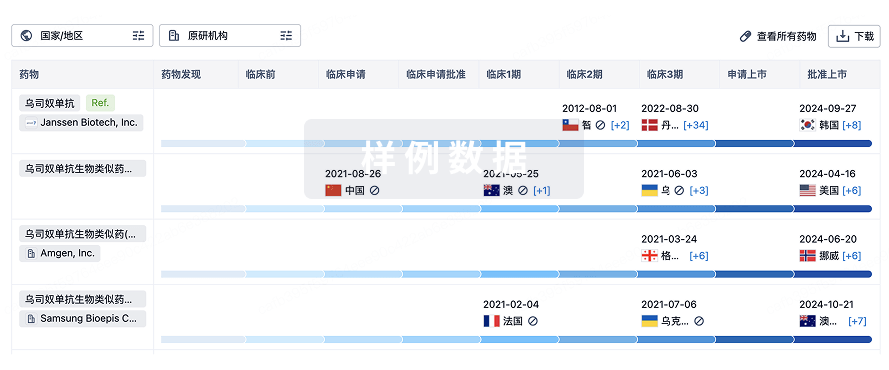
生物类似药在不同国家/地区的竞争态势。请注意临床1/2期并入临床2期,临床2/3期并入临床3期
登录
或
特殊审评
只需点击几下即可了解关键药物信息。
登录
或

提出任何生物医药研究问题
让每一步生物医药决策都精准制胜
基于十亿级生物数据与全球情报的精准 AI,赋能早期药物发现
立即开始免费试用!
智慧芽新药情报库是智慧芽专为生命科学人士构建的基于AI的创新药情报平台,助您全方位提升您的研发与决策效率。
立即接入生物医药数据包
智慧芽新药库数据也通过智慧芽开放平台,以MCP或API服务形式对外开放。立即使用我们的MCP服务定制您的LLM智能体。
生物序列数据库
生物药研发创新
免费使用
化学结构数据库
小分子化药研发创新
免费使用