预约演示
更新于:2026-08-08
TYK2 inhibitor(Qilu Pharmaceuticals)
TYK2抑制剂(齐鲁制药)
更新于:2026-08-08
概要
基本信息
原研机构 |
在研机构 |
非在研机构- |
权益机构- |
最高研发阶段临床前 |
首次获批日期- |
最高研发阶段(中国)临床前 |
特殊审评- |

关联
100 项与 TYK2抑制剂(齐鲁制药) 相关的临床结果
登录后查看更多信息
100 项与 TYK2抑制剂(齐鲁制药) 相关的转化医学
登录后查看更多信息
100 项与 TYK2抑制剂(齐鲁制药) 相关的专利(医药)
登录后查看更多信息
1
项与 TYK2抑制剂(齐鲁制药) 相关的文献(医药)Cell communication and signaling : CCS
A novel highly selective allosteric inhibitor of tyrosine kinase 2 (TYK2) can block inflammation- and autoimmune-related pathways
Article
作者: Qu, Shulan ; Zhu, Yidong ; Zhang, Wei ; Chen, Bo ; Chen, Celia X-J ; Xia, Fucan
Abstract:
Background:
As a member of the Janus kinase (JAK) family, which includes JAK1, JAK2 and JAK3, tyrosine kinase 2 (TYK2) plays an important role in signal transduction and immune system regulation. Moreover, it is also involved in the development of many types of inflammatory and autoimmune diseases, such as psoriasis and systemic lupus erythematosus (SLE). TYK2 is an attractive therapeutic target, and selective inhibition of TYK2 over other JAK family members is critical for the development of TYK2 small molecule inhibitors. However, targeting the catalytic region of the TYK2 ATP-binding site is a major challenge due to the high structural homology between the catalytic regions of the JAK family proteins.
Results:
In this study, we developed a novel small molecule inhibitor (QL-1200186) by targeting the pseudokinase regulatory domain (Janus homology 2, JH2) of the TYK2 protein. The binding sites of QL-1200186 were predicted and screened by molecular docking. The inhibitory effects on IFNα, IL-12 and IL-23 signaling were tested in cell lines, human peripheral blood cells and human whole blood. The pharmacokinetic (PK) and pharmacodynamic properties of QL-1200186 were verified in mice. QL-1200186 showed high affinity for TYK2 JH2 and had no apparent selectivity for the TYK2 and JAK homologous kinase domains; these effects were demonstrated using biochemical binding, signaling pathway transduction (JAK1/2/3) and off-target effect assays. More importantly, we revealed that QL-1200186 was functionally comparable and selectivity superior to two clinical-stage TYK2 inhibitors (BMS-986165 and NDI-034858) in vitro. In the PK studies, QL-1200186 exhibited excellent exposure, high bioavailability and low clearance rates in mice. Oral administration of QL-1200186 dose-dependently inhibited interferon-γ (IFNγ) production after interleukin-12 (IL-12) challenge and significantly ameliorated skin lesions in psoriatic mice.
Conclusion:
These findings suggest that QL-1200186 is a highly selective and potent inhibitor of TYK2. QL-1200186 could be an appealing clinical drug candidate for the treatment of psoriasis and other autoimmune diseases.
2,027
项与 TYK2抑制剂(齐鲁制药) 相关的新闻(医药)2026-08-07
银屑病
银屑病(Psoriasis)作为一种由免疫介导的慢性、复发性、系统性炎症疾病,其治疗理念在过去数年经历了深刻重塑。随着对IL-23/IL-17轴等核心致病通路的深入阐明,生物制剂与小分子靶向药物使部分患者实现PASI 90甚至PASI 100水平的深度皮损清除成为现实。
然而在临床实践中,慢病管理依然面临若干未被完全满足的问题:频繁注射带来的治疗依从性下降、出差或旅行途中冷链保存受到的限制、特殊及难治部位皮损的清除瓶颈,以及泛发性脓疱型银屑病(GPP)等危重分型的急性控制压力。
近年来,银屑病领域的新药研发与临床应用逐渐呈现出多维度的演进趋势。本文从给药体验、给药途径、机制以及治疗可及性四个方面,梳理当前银屑病靶向治疗的临床前沿与模式演变。
一、 给药体验优化
在银屑病等慢病管理中,给药频次直接影响患者的长期依从性。临床研究与真实世界数据表明,优化给药方案、延长维持期给药间隔,有助于降低因就诊繁琐或注射恐惧导致的擅自停药率。
近年来,针对长效化给药的探索主要体现在以下几个层面:
· 延长维持期给药间隔:以IL-23p19抑制剂为代表的新一代生物制剂如匹康奇拜单抗,通过较长半衰期设计与上游阻断特性,实现了更长的维持期给药间隔。研究显示,此类靶向药物在完成初始诱导治疗后,维持期给药间隔可达每8周至12周一次,有助于减少慢病管理的日常干预频次。
· IL-17A阻断剂的方案优化:部分国产如安沐奇塔单抗与进口IL-17A抑制剂也在临床研究和实践中探索更优化的维持方案(如双月给药),旨在高深度皮损清除与给药便利性之间寻求更好的平衡。
· 长效半衰期技术的研发展望:在更长远的前沿管线中,研究人员正尝试通过抗体工程化改造(如YTE修饰等延长半衰期技术),探索将给药间隔进一步延长的潜力。目前相关项目多处于早中期临床阶段,旨在为降低慢病维持期给药频率提供技术储备。
二、 给药途径探索
生物制剂虽然疗效确切,但皮下注射与冷链储存的客观看法,对于部分频繁出差、户外工作或对针头高度敏感的患者仍存在使用壁垒。口服靶向小分子及肽类药物的发展,为临床提供了多样化的治疗路径。
· 口服肽类药物的临床探索:Icotrokinra(JNJ-2113)作为一种口服IL-23受体拮抗肽,目前在多项III期临床研究中进行评估。在公开报道的临床数据中,其展现出积极的皮损改善趋势,为口服靶向调节IL-23通路提供了新的治疗路径,相关监管审查与后续研究仍在继续推进。
· TYK2抑制剂的适应症拓展:氘可来昔替尼(Deucravacitinib)作为选择性TYK2变构抑制剂,已在斑块型银屑病治疗中积累了临床经验。目前,针对银屑病关节炎(PsA)等系统受累适应症的临床拓展正在深化,为部分不愿接受注射治疗或需要口服方案的患者提供了新的治疗选择。
三、 作用机制演进
针对难治性部位皮损(如头皮、掌跖、甲银屑病)、传统单靶点应答不佳的病例,以及高危罕见分型,靶向治疗正朝着“多通路阻断”与“分型精准干预”两个方向演进。
1. 多靶点协同阻断与深度缓解
促炎细胞因子网络中存在复杂的协同效应。以IL-17A/F双靶点抑制剂比奇珠单抗(Bimekizumab)为例,研究表明,同时中和IL-17A与IL-17F两条炎症通路,可带来较高的完全皮损清除率(PASI 100),为追求高深度皮损缓解的患者提供了进一步的机制选择。需要注意的是,在使用IL-17通路抑制剂时,临床上对于黏膜念珠菌感染等潜在风险仍需结合患者具体情况进行评估与管理。
2. 泛发性脓疱型银屑病(GPP)的精准治疗
泛发性脓疱型银屑病(GPP)是一种以全身无菌性脓疱及系统症状为特征的危重分型。随着对IL-36通路的认知深化,以IL-36R单抗佩索利单抗(Spesolimab)为代表的精准治疗策略,已经改变了GPP急性发作期的治疗理念,推动了GPP从传统经验性抑制向靶向精准干预的转变。
3. 外用剂型与渗透技术优化
对于轻中度或局部难治皮损,外用制剂依然是基础方案。例如卡泊三醇倍他米松泡沫剂利用新型起泡溶剂体系,提升了药物在角质层和含毛发部位的渗透性与涂布体验,改善了传统软膏剂型易黏腻的问题。
四、 治疗可及性改善
过去,高昂的治疗费用是制约生物制剂在慢病长期管理中规范使用的主要因素之一。
近年来,随着多种国产1类创新靶向药物以及乌司奴单抗等生物类似药的研发推进与获批,临床用药的选择空间得到显著拓展:
· 本土创新与类似药梯队形成:多种本土研发的靶向药物与生物类似药陆续进入临床应用,丰富了不同靶点与剂型的选择。
· 医保动态调整降低门槛:配合国家医保目录的定期动态调整与多通道供给,生物制剂的整体治疗成本呈现下行趋势,有助于推动银屑病从“短期对症干预”向“长周期规范化管理”转变。
结语
银屑病的临床诊疗已由单纯的对症控制,转向强调皮损高深度清除、长期维持、生活质量改善以及个体化用药的综合慢病管理模式。
长效化给药方案的探索、口服靶向通路的突破、双靶点与精准靶向的演进,以及治疗可及性的提升,共同构成了当前银屑病诊疗的多元化格局。在临床实践中,药物选择的核心并非单纯追求最新机制,而是在疾病严重程度、累及部位、共病风险以及患者长期治疗意愿之间寻找最佳平衡。
参考文献:
[1]Mrowietz U, de Jong EM,et al. A consensus report on appropriate treatment optimization and transitioning in the management of moderate-to-severe plaque psoriasis. J Eur Acad Dermatol Venereol. 2014 Apr;28(4):438-53.
[2]Reich K, Warren RB, Lebwohl M, et al. Bimekizumab versus Secukinumab in Plaque Psoriasis. N Engl J Med. 2021 Jul 8;385(2):142-152.
本文为专业医学科普,仅供医疗专业人士及患者参考。具体用药、适应症选择及剂量调整均需严格遵从主治医生诊疗方案,切勿自行用药、换药或调整剂量。
往期回顾
【权威解读】2026 BSR狼疮指南发布:红斑狼疮的“基石药”羟氯喹,到底该怎么吃?
生物制剂 VS JAK抑制剂,风湿患者到底怎么选?EULAR更新带你一表梳理!
当心!5%~10% 的干燥综合征竟能恶变为淋巴瘤!干燥综合征有哪些危害?
骨关节炎治疗药物研究进展:常用20种药物大盘点
⭐星标“健客风湿医生”
🌟及时接收每天最新推文
2026-08-07
*仅供医学专业人士阅读参考
PsA管理需皮损关节并重,氘可来昔替尼提供安全有效新选择
2026年7月19日,2026全国银屑病关节炎皮肤与风湿免疫新进展大会在哈尔滨隆重举行。本次大会聚焦银屑病关节炎(PsA)的多学科规范化诊疗与长期慢病管理体系建设,汇集了皮肤与风湿免疫领域的前沿进展与临床实践经验,推动跨学科协作诊疗模式持续深化。值此大会之际,“医学界”特别邀请广州市皮肤病医院张锡宝教授,结合其丰富的临床实践,就PsA长期管理的多维目标、靶向策略的优化路径及TYK2抑制剂的临床应用等热点话题进行精彩分享。
长期管理目标:跨学科合作,皮损控制与关节保护并重
张锡宝教授指出,银屑病患者中相当比例伴有PsA,临床表现形式多样,既可累及皮肤,也可侵犯指(趾)关节、外周关节乃至脊柱[1],因此PsA的长期管理必须确立多维目标。在治疗皮损的同时必须关注关节变化,若不及时干预,长期发展可能造成不可逆的关节损伤,严重影响患者的生活与工作能力。张锡宝教授强调,治疗的核心在于及时控制疾病进展,尽可能在滑膜炎、附着点炎阶段阻断病程,避免骨侵蚀与新骨形成等结构性损害。
达标治疗理念[2]在银屑病领域已得到广泛认可,但张锡宝教授坦言皮肤科对关节维度的达标关注仍有提升空间。他建议,对于同时存在皮损与关节症状的PsA患者,应当由皮肤科与风湿科专家协作,联合制定个体化方案进行治疗,基本目标是在3至6个月内达到50%至75%的改善,最终使患者的皮肤和关节病变都能够得到良好控制,全面提升PsA的整体临床疗效,这一观点与《银屑病关节炎中西医结合诊疗指南》[2]倡导的跨学科管理理念高度一致。
张锡宝教授还特别强调了PsA长期管理中一个容易被忽视的维度——功能锻炼。例如指关节,是PsA高频受累部位[3],其病变虽不像大关节受累直接影响整体活动度,却直接关乎手部精细功能。临床中不少患者出于美观顾虑,将手部藏起、保持握拳状态,在关节炎基础上长期制动,最终导致关节功能严重受损。张锡宝教授指出,药物控制炎症是治疗的基础,而坚持对小关节进行被动活动的功能锻炼,是保障关节长期功能的关键。
靶向治疗策略优化:从精准靶点到长期安全
随着研究对PsA生理病理机制认知的深化,靶向治疗已成为重要手段。张锡宝教授系统梳理了PsA靶向治疗的进展,为临床用药提供了参考方向。
早期阶段开展治疗时,临床通常选用传统抗风湿药、非甾体抗炎药(NSAIDs)或传统合成疾病修饰抗风湿药(csDMARDs)进行干预。这类药物虽可取得一定程度的临床效果,改善患者的部分相关症状,但其干预方向宽泛,对疾病特异性靶点的作用精准度存在明显不足,整体效果有限[2]。
随着TNF-α抑制剂、IL-12/23抑制剂、IL-17抑制剂等生物制剂相继问世,PsA治疗已迈入精准靶向时代。这类药物靶向免疫系统中参与免疫失调及疾病发病机制的特定细胞因子,减少不良反应,疗效较传统药物已有明显提升[4],但仍存在注射给药、需冷链保存、免疫原性导致疗效衰减等局限,在一定程度上影响了患者的长期治疗依从性。
在此基础上,新型口服靶向药物的问世进一步丰富了治疗选择。张锡宝教授详细解析了氘可来昔替尼的机制特点:该药通过变构抑制与氘代修饰双重创新设计,特异性结合TYK2的调节结构域(JH2),仅作用于TYK2,对JAK1、JAK2、JAK3均无影响,因此避免了传统JAK抑制剂对造血、代谢等生理功能的干扰,无黑框警告,在治疗过程中整体安全性较高[5]。
张锡宝教授进一步指出,近年来提出的“免疫介导的炎症性疾病(IMID)”概念揭示了多种疾病在免疫通路层面的共通性[6]。在此框架下,氘可来昔替尼能够对皮肤、关节滑膜等不同组织的免疫学通路产生有效抑制,其潜在适应症可能不仅限于银屑病与PsA,还包括炎症性肠病、系统性红斑狼疮等疾病,这一方向值得持续关注与探索。
在临床应用层面,张锡宝教授结合真实病例分享了治疗经验:一位指间关节明显肿胀的PsA患者,在接受氘可来昔替尼治疗约三个月后,肿胀与皮损均得到良好控制;继续用药两三个月后疗效显著,患者整体满意度较高。张锡宝教授指出,在银屑病长期治疗中,部分使用生物制剂的患者可能因继发性或原发性失效而疗效减退[7],此时转换为口服靶向药物是临床中值得考虑的合理选择。
早期干预锁定最佳窗口:循证数据与临床经验双重支撑
氘可来昔替尼在PsA治疗中的核心策略是“早期使用”。张锡宝教授强调,在滑膜炎、附着点炎等,尚未发生明显骨损伤阶段启用效果最佳。该药覆盖了与银屑病相关的一系列免疫通路,包括IL-23/17、I型干扰素等[8],这些靶点在滑膜和附着点高表达,早期用药能更高效地阻断炎症信号,防止疾病向结构性损伤进展。
张锡宝教授结合个人临床经验特别提示,临床医生关注特殊部位皮损的预警价值。临床中不少PsA患者体表皮损并不显著,但肚脐、耳蜗等隐蔽部位存在皮损,同时伴有明显指间关节炎。头皮、指甲、掌跖及肚脐、耳蜗等特殊部位皮损,可能提示更高的PsA发生风险[9],建议对此类患者及早评估与干预,在症状早期即有效控制,防止疾病进展。
在相应临床试验中,氘可来昔替尼对于PsA的疗效已获得充分的循证支持。POETYK PsA-1研究显示,16周ACR20应答率为54.2%,52周提升并维持至63.1%。POETYK PsA-2研究中,中国亚组24周ACR20、PASI 75应答率均达66.7%,同步改善了皮损与关节症状。
在疾病综合控制方面,最小疾病活动度(MDA)是PsA的重要治疗目标,代表疾病活动处于较低水平状态。中国亚组数据显示,治疗24周MDA应答率41%,52周升至59%,氘可来昔替尼实现了多维度控制疾病活动,使皮肤关节双获益[10-12]。张锡宝教授表示,氘可来昔替尼已在临床研究和实践中证实了其有效性与安全性。他相信,随着更多患者用药经验的积累以及长期随访数据的完善,该药在PsA治疗中的应用将更加精准和高效。
总结
PsA的长期管理是一项系统工程,需要尽早评估、及时干预,同时兼顾皮损控制与关节保护。临床上需警惕肚脐、耳蜗等特殊部位皮损,这类隐匿表现常是PsA的重要预警信号。氘可来昔替尼凭借精准的TYK2靶向作用机制与良好的安全性,为PsA的早期干预与长期管理提供了有效的口服治疗方案,可实现皮肤到关节的全面获益,最终改善患者的长期预后与生活质量。
专家简介
张锡宝 教授
•广州市皮肤病医院首席专家
•广州医科大学皮肤病研究所所长
•教授,主任医师,博士研究生导师
•国务院政府特殊津贴专家,全国优秀科技工作者,广州市优秀专家
•中国医师协会常务委员
•中国麻风防治协会副会长
•广东省医师协会副会长
•广州市医师协会会长
•国际皮肤病协会会员(IAD),欧洲皮肤病协会会员(JEADV)
•亚洲银屑病学会(APC)理事,全球银屑病监测(GPA)中国委员会副主委
•主持20余项国家及省级科研基金课题。国内外发表论文300余篇,SCI收录80余篇。主编及参编专著15部;任《中华皮肤科杂志》等多种专业杂志编委,《皮肤性病诊疗学杂志》副主编。
参考文献:
[1]吕妍昕,云洁,柏晓迪,等.生物制剂和小分子药物对生物学初治银屑病关节炎患者的有效性和安全性的网状Meta分析[J].药物评价研究,2025,48(5):1308-1322.
[2]上海市中医药国际标准化研究院,上海中医药大学附属光华医院,何东仪,等.银屑病关节炎中西医结合诊疗指南[J].上海医药,2026,47(5):1-19+90.
[3]戚春燕,佘昕妍,蔡丽婷,等.中重度斑块型银屑病甲损害特征及严重程度相关性分析[J].中国麻风皮肤病杂志,2025,41(6):400-405.
[4]李慧杰,刘崇远,杨青.银屑病关节炎治疗进展[J].中国麻风皮肤病杂志,2026,42(7):542-548.
[5]袁立燕,余晓玲,王晓华,等.酪氨酸激酶2抑制剂治疗斑块状银屑病的作用机制和临床研究进展[J].中华皮肤科杂志,2025,58(11):1095-1098.
[6]中华预防医学会风湿免疫病预防专委会,中华医学会皮肤性病学分会,中华医学会消化病学分会炎症性肠病学组.免疫介导炎症性疾病多学科管理专家共识(2026版)[J].中华医学杂志,2026,106(6):537-551.
[7]戴敏,蒋裕雄,史玉玲.2023年至2024年银屑病诊治进展[J].诊断学理论与实践,2025,24(6):593-604.
[8]王钰元,宁博彪,宋坪.桂枝芍药知母汤治疗银屑病关节炎初探[J].皮肤科学通报,2026,43(3):269-274.
[9]张姝敏,苏茵.关于银屑病关节炎早期识别的思考[J].中国实用内科杂志,2025,45(9):742-747.
[10]van der Heijde D et al. (2025). Efficacy and Safety of Deucravacitinib up to Week 52: A Multicenter, Randomized, Double-Blind, Placebo-Controlled, Phase 3 Study in Patients With Active Psoriatic Arthritis Who Are Naive to Biologic Disease-Modifying Antirheumatic Drugs. presented at the American College of Rheumatology (ACR) Convergence 2025, Chicago, IL, 24-29 October 2025. Presentation number LB20.
[11]Mease P, et al. (2025). Efficacy and safety of deucravacitinib up to week 52 from POETYK PsA-2: a multicenter, randomized, double-blind, placebo-controlled, phase 3 study in patients with psoriatic arthritis. Annals of the Rheumatic Diseases, EULAR 2025, Barcelona, 11-14 June. OPOO9S. doi:10.1136/annrheumdis-2025-eular.1689.
[12] Zeng, X. et al. (2025). Efficacy and safety of Deucravacitinib in active psoriatic arthritis: POETYK PsA-2 phase 3 study subgroup analysis in patients from China. presented at APLAR2025.Presentation number: SO6.
此文仅用于向医疗卫生专业人士提供科学信息,不代表平台立场
点击「阅读原文」学习更多临床技能
2026-08-07
8月6日,Biogen宣布完成对RayThera的收购,RayThera是一家专注于发现和开发免疫学小分子疗法的私人生物技术公司。此次收购加强了Biogen不断增长的免疫学产品组合,增加了多种资产,这些资产有可能治疗一系列适应症的免疫介导疾病。主导项目于2026年7月进入1期临床开发。此次收购是6月17日宣布的,用时不到2个月完成交割。(10亿美元!Biogen收购RayThera;新锐!1.1亿美元A轮融资,华人联合创立开发小分子自免新药)
Biogen执行副总裁兼开发主管Priya Singhal医学博士表示:“随着我们继续加强和多样化我们的长期增长渠道,我们对这些免疫学资产的潜力感到兴奋。随着领先项目进入1期临床,此次收购突显了我们在寻找外部机会方面对开放式创新模式的强有力执行,并反映了我们对免疫学作为战略增长领域的持续投资。”
根据申请专利RayThera管线靶点涉及到小分子TNFa抑制剂、CCR4抑制剂和STAT6抑制剂。
在交割时支付2.25亿美元的预付现金,以及在实现未来临床和监管里程碑时支付的额外潜在金额,共计7.75亿美元。2025年1.1亿美元A轮融资,2026年以2.25亿美元预付款卖身,一年时间回报可观。RayThera投资者是Foresite Capital、OrbiMed、齐济投资。
Biogen将此次收购视为资产收购,因为所收购的价值主要与牵头项目有关,并将在完成此次收购后,在Biogen简明合并损益表中记录所收购的过程中研发的预付款、预付款和里程碑费用。根据此次收购的条款,Biogen将领导未来的开发、制造和全球商业化工作。
收购不包括某些临床前资产,这些资产将在预期的收购完成之前从RayThera剥离出来,成立一家新成立的独立公司。董庆博士是否还领导新的公司再创业,我们拭目以待。
XinThera(吉利德收购XinThera,华人联合创立融资8000万美元)
In May 2023, we closed an agreement to acquire XinThera, Inc. (“XinThera”), a privately held biotechnology company focused on small molecule drugs to treat cancer and immunologic diseases, for approximately $200 million in cash consideration, net of cash acquired. As a result, XinThera became our wholly-owned subsidiary.
We accounted for the transaction as an asset acquisition and recorded a $170 million charge to Acquired in-process research and development expenses on our Consolidated Statements of Income in 2023. The remaining purchase price relates to various other assets acquired and liabilities assumed. Under the agreement, the former shareholders of XinThera are eligible to receive performance-based development and regulatory milestone payments of up to approximately $760 million, with $50 million of that having been paid and charged primarily to Acquired in-process research and development expenses in 2023.
2023年5月,Gilead以约2亿美元的现金对价(扣除收购的现金)完成了收购XinThera的协议,该公司是一家私营生物技术公司,专注于治疗癌症和免疫疾病的小分子药物。因此,XinThera成为Gilead的全资子公司。
Gilead将该交易视为资产收购,并在2023年的合并损益表中记录了1.7亿美元的收购过程中研发费用。剩余的购买价格与收购的各种其他资产和承担的负债有关。根据协议,XinThera的前股东有资格获得高达约7.6亿美元的基于绩效的开发和监管里程碑付款,其中5000万美元已于2023年支付并主要计入收购过程中的研发费用。
XinThera成立于2021年,主要聚焦市场巨大但靶点难成药的肿瘤和自身免疫疾病领域。2021年2月完成3000万美元种子融资,后在2021年8月完成5000万美元B轮融资,融资总额8000万美元。投资者包括OrbiMed、Foresite Capital和齐济投资。XinThera2年时间融资8000万美元,2亿美元预付款被收购,回报也不错。
通过此次收购,吉利德获得了针对肿瘤学PARP1抑制剂和炎症性疾病MK2的小分子抑制剂组合的权利。3年过去了,目前PARP1抑制剂GS-0201仍然在1期临床,执行力堪忧。MK2抑制剂仍然未见申报临床。
董庆博士和洪真博士从FronThera(2015-2021,TYK2抑制剂)到XinThera(2021-2023,PARP1抑制剂)再到RayThera(2024-2026),创造了华人小分子创新药连续成功案例,下一个估计不久将出现。
关注下方公众号,带你看世界!
100 项与 TYK2抑制剂(齐鲁制药) 相关的药物交易
登录后查看更多信息
研发状态
10 条进展最快的记录, 后查看更多信息
登录
| 适应症 | 最高研发状态 | 国家/地区 | 公司 | 日期 |
|---|---|---|---|---|
| 自身免疫性疾病 | 临床前 | 中国 | 2023-10-16 | |
| 炎症 | 临床前 | 中国 | 2023-10-16 |
登录后查看更多信息
临床结果
临床结果
适应症
分期
评价
查看全部结果
| 研究 | 分期 | 人群特征 | 评价人数 | 分组 | 结果 | 评价 | 发布日期 |
|---|
No Data | |||||||
登录后查看更多信息
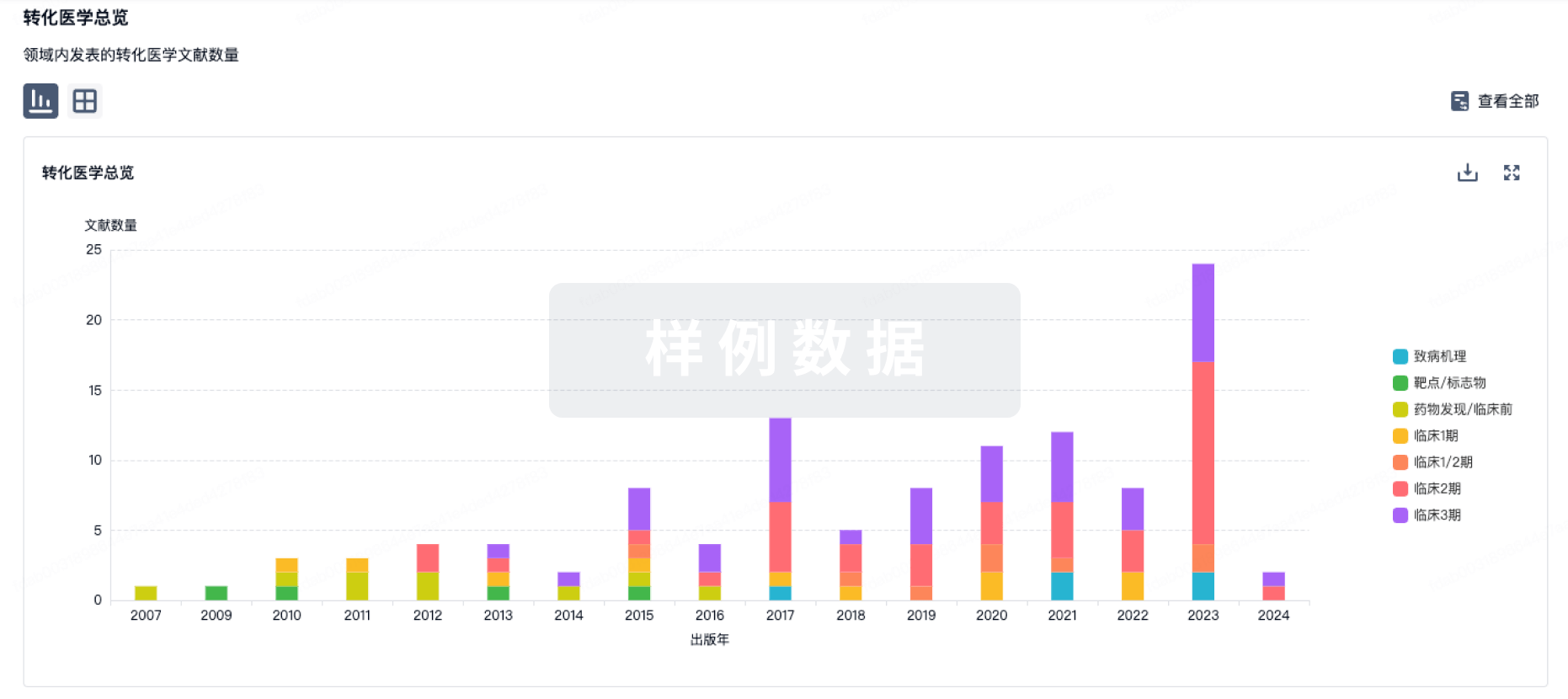
转化医学
使用我们的转化医学数据加速您的研究。
登录
或
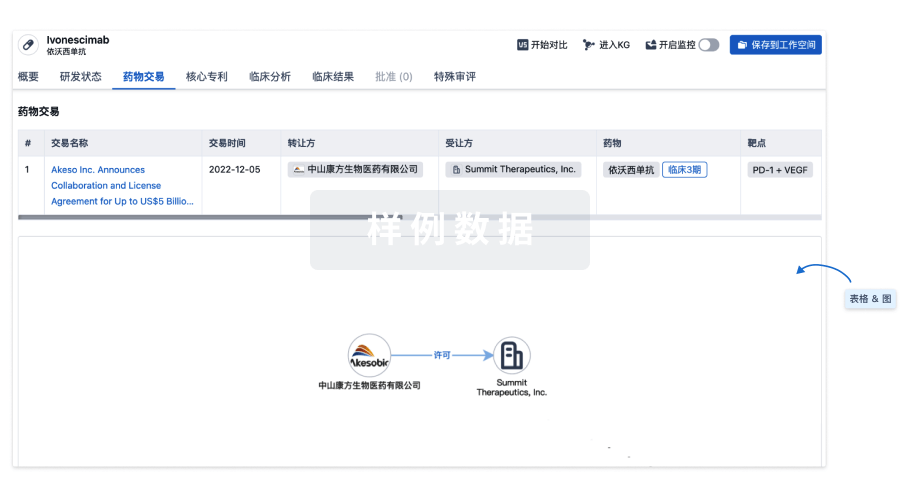
药物交易
使用我们的药物交易数据加速您的研究。
登录
或
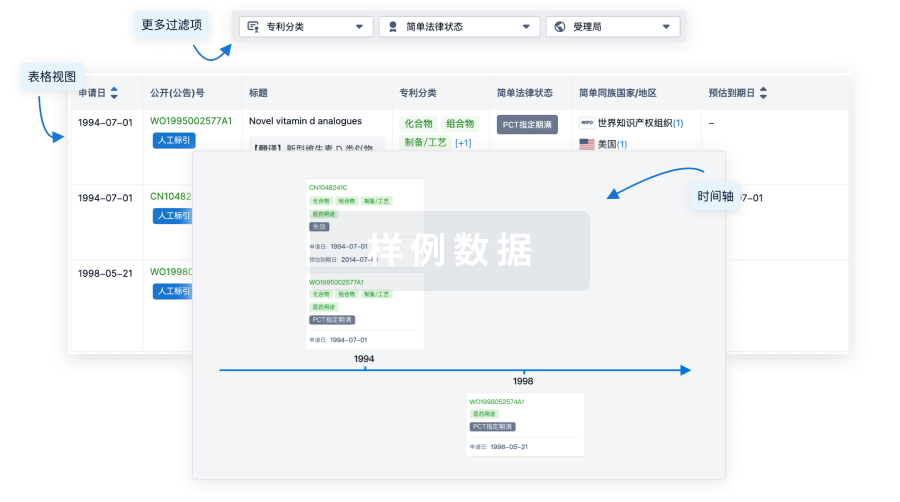
核心专利
使用我们的核心专利数据促进您的研究。
登录
或
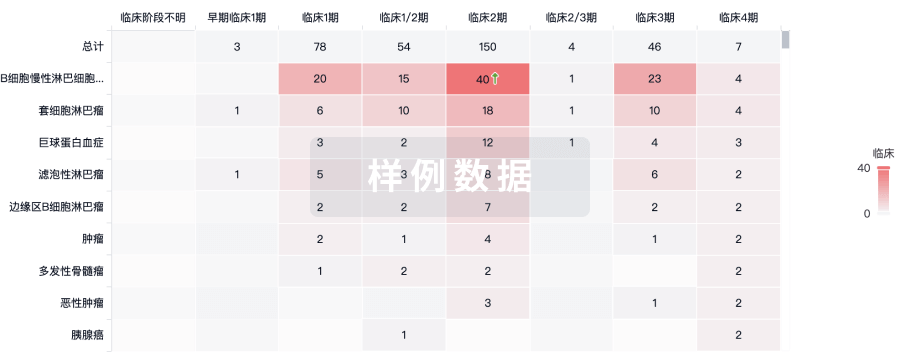
临床分析
紧跟全球注册中心的最新临床试验。
登录
或
批准
利用最新的监管批准信息加速您的研究。
登录
或
特殊审评
只需点击几下即可了解关键药物信息。
登录
或
提出任何生物医药研究问题
让每一步生物医药决策都精准制胜
基于十亿级生物数据与全球情报的精准 AI,赋能早期药物发现
立即开始免费试用!
智慧芽新药情报库是智慧芽专为生命科学人士构建的基于AI的创新药情报平台,助您全方位提升您的研发与决策效率。
立即接入生物医药数据包
智慧芽新药库数据也通过智慧芽开放平台,以MCP或API服务形式对外开放。立即使用我们的MCP服务定制您的LLM智能体。
生物序列数据库
生物药研发创新
免费使用
化学结构数据库
小分子化药研发创新
免费使用