预约演示
更新于:2026-05-08

Qilu Pharmaceutical Group Co. Ltd.
更新于:2026-05-08
概览
标签
肿瘤
消化系统疾病
皮肤和肌肉骨骼疾病
小分子化药
生物类似药
单克隆抗体
疾病领域得分
一眼洞穿机构专注的疾病领域

技术平台
公司药物应用最多的技术
靶点
公司最常开发的靶点
关联
靶点 |
作用机制 |
在研机构 |
原研机构 |
在研适应症 |
非在研适应症 |
最高研发阶段 |
首次获批国家/地区 |
首次获批日期 |

靶点 |
作用机制 |
在研机构 |
原研机构 |
在研适应症 |
非在研适应症 |
最高研发阶段 |
首次获批国家/地区 |
首次获批日期 |

靶点 |
作用机制 |
在研机构 |
原研机构 |
在研适应症 |
非在研适应症 |
最高研发阶段 |
首次获批国家/地区 |
首次获批日期 |

NCT07511647
A Multicenter, Randomized, Double-Blind, Parallel, Active-Controlled Phase 3 Clinical Study to Compare the Efficacy and Safety of QL2106 Injection to Tremfya® in Patients With Moderate to Severe Plaque Psoriasis
NCT07550465
A Randomized, Double-blind, Placebo-controlled, Multicenter Phase II Clinical Study to Evaluate the Efficacy and Safety of QLS1410 Tablets in the Treatment of Patients With Primary Aldosteronism.
NCT07560449
A Multicenter, Open-Label Phase II Study to Evaluate QLS4131 Combination Therapy in the Treatment of Malignant Plasma Cell Neoplasms
100 项与 齐鲁制药集团有限公司 相关的临床结果
登录后查看更多信息
登录后查看更多信息
2026-05-01JOURNAL OF PHOTOCHEMISTRY AND PHOTOBIOLOGY B-BIOLOGY
Targeting TNF-SDH axis in macrophages reverses abnormal succinate metabolism and M1 polarization to alleviate UVB-induced skin damage
Article
作者: Chen, Xu ; Sun, Xue ; Li, Min ; Gu, Heng ; Lian, Ni ; Zhang, Ran ; Chen, Sihan ; Chen, Yujie ; Guo, Yiming
Ultraviolet B (UVB) radiation is a major environmental factor causing skin damage, yet the actual role of macrophages in UVB-induced inflammatory remains incompletely understood. This study aimed to investigate the function and metabolic regulation of macrophages in UVB-induced skin injury. Clinical specimens from sun-exposed and non-sun-exposed human skin, murine models of acute and chronic UVB-induced damage, ex vivo skin co-culture system, and in vitro keratinocyte-macrophage co-culture systems were employed in our study. We found that depletion of macrophages by clodronate liposome significantly alleviated UVB-induced mouse skin damage. Further analysis revealed that UVB radiation promoted M1 polarization and induced metabolic dysregulation of macrophages. Pharmacological inhibition of TNF signaling using R7050 suppressed M1 polarization and ameliorated skin damage, while also rescuing UVB-induced metabolic alterations in macrophages. Importantly, restoration of succinate dehydrogenase (SDH) in macrophages reversed M1 polarization. These results demonstrated that macrophages contributed to UVB-induced skin injury via metabolic alterations and M1 polarization, processes orchestrated by the TNF-SDH axis. Targeting this pathway may represent a promising therapeutic strategy for UVB-induced skin pathologies.
2026-01-01INTERNATIONAL JOURNAL OF PHARMACEUTICS
Intelligent monitoring and control of tablet coating processes based on near-infrared spectroscopy
Article
作者: Zheng, Xiaoqing ; Li, Jia ; Wang, Lu ; Liang, Lei ; Peng, Cheng ; Zang, Hengchang
Tablet coating is a critical process in solid dosage form manufacturing, in which coating thickness, as a critical quality attribute, directly influences the tablet's appearance, stability, and release behavior. Conventional offline detection methods are unable to achieve real-time monitoring and control, thereby restricting product uniformity and manufacturing automation. To overcome these limitations, this study developed an in-line monitoring and dynamic control system for tablet coating thickness using near-infrared spectroscopy (NIRS). A Box-Behnken experimental design was employed to investigate the effects of spray pressure, inlet air temperature, and spray gun distance on film thickness. The results revealed significant negative correlations between inlet air temperature and spray gun distance with coating thickness. The optimal conditions were determined to be a spray pressure of 0.8 bar, an inlet air temperature of 44 °C, and a spray gun distance of 15 cm. In-line coating experiments were performed under these optimized conditions. NIR spectra were collected, and a partial least squares (PLS) regression model was established, achieving excellent predictive performance on the test set (R2 = 0.9078, RMSEP = 9.8133 μm, RPD = 2.3211), thus enabling high-precision, real-time prediction of coating thickness. By integrating a proportional-integral-derivative (PID) control strategy, process parameters were automatically adjusted based on NIRS predictions, enabling dynamic feedback and closed-loop control of film thickness. This study confirms the advantages of NIRS for real-time, non-destructive monitoring in tablet coating and highlights the potential of combining spectral modeling with feedback control for intelligent pharmaceutical manufacturing and quality traceability within the process analytical technology (PAT) and quality by design (QbD) frameworks.
2026-01-01VETERINARY MICROBIOLOGY
Exploring the molecular basis of serotyping and antibiotic resistance differences in Riemerella anatipestifer based on pan-genomics and machine learning
Article
作者: Liu, Yanling ; Chen, Jiawen ; Song, Xiaofei ; Duan, Xiaoxiao ; Fu, Laiyu ; Zhao, Yongda ; Li, Yan ; Zhang, Di ; Guo, Lili
Riemerella anatipestifer (R. anatipestifer) is a major pathogen in poultry worldwide, with multidrug resistance (MDR) and diverse serotypes complicating disease control. This study systematically investigated the molecular basis of serotyping and MDR characteristics in 92 R. anatipestifer strains isolated from 13 provinces in China between 2008 and 2023 by integrating pan-genome analysis with machine learning approaches. In this study, serotypes 2 (29.4 %), 7 (25.0 %), and 1 (21.7 %) were predominant. All isolates exhibited MDR and strains of serotypes 2 and 7 had significantly higher MICs for tigecycline, doxycycline, polymyxin B, and florfenicol than serotype 1 (P < 0.05). Eleven resistance genes were identified, and some (e.g., floR, tetX) displayed serotype-specific distribution patterns. Phylogenetic analysis indicated close relatedness between serotypes 2 and 7, while serotype 1 strains were genetically diverse. The accessory genome was enriched in mobile elements and O-antigen-related genes, and multiple serotype-specific marker genes (e.g., pgIA, wbpI) were identified, revealing the molecular basis of serotype classification. Additionally, insertion sequences (IS1595) flanking CPS gene clusters implied that horizontal gene transfer and recombination events may play pivotal roles in serotype variation. This study provides the first integrative framework combining pan-genomics and machine learning to elucidate the genomic basis of serotype diversity and antimicrobial resistance in R. anatipestifer, offering new insights into its adaptive evolution and informing precision vaccine and diagnostic development.
2026-05-08
2026-05-08
·摩熵医药
100 项与 齐鲁制药集团有限公司 相关的药物交易
登录后查看更多信息
100 项与 齐鲁制药集团有限公司 相关的转化医学
登录后查看更多信息
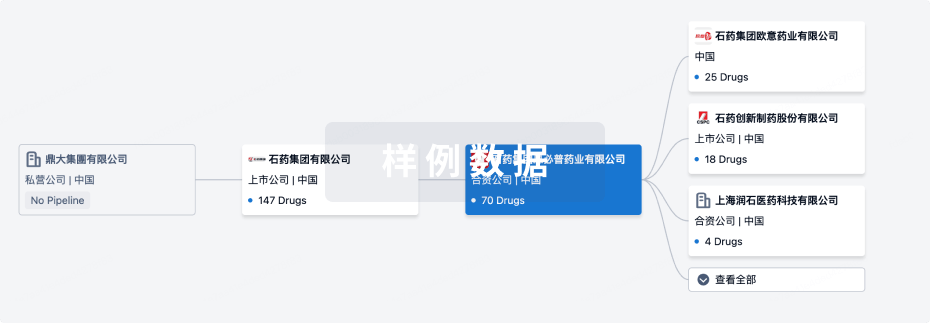
组织架构
使用我们的机构树数据加速您的研究。
登录
或
管线布局
2026年10月11日管线快照
管线布局中药物为当前组织机构及其子机构作为药物机构进行统计,早期临床1期并入临床1期,临床1/2期并入临床2期,临床2/3期并入临床3期
药物发现
25
42
临床前
临床申请
4
10
临床申请批准
临床1期
29
16
临床2期
临床3期
23
2
申请上市
批准上市
27
23
其他
登录后查看更多信息
当前项目
登录后查看更多信息
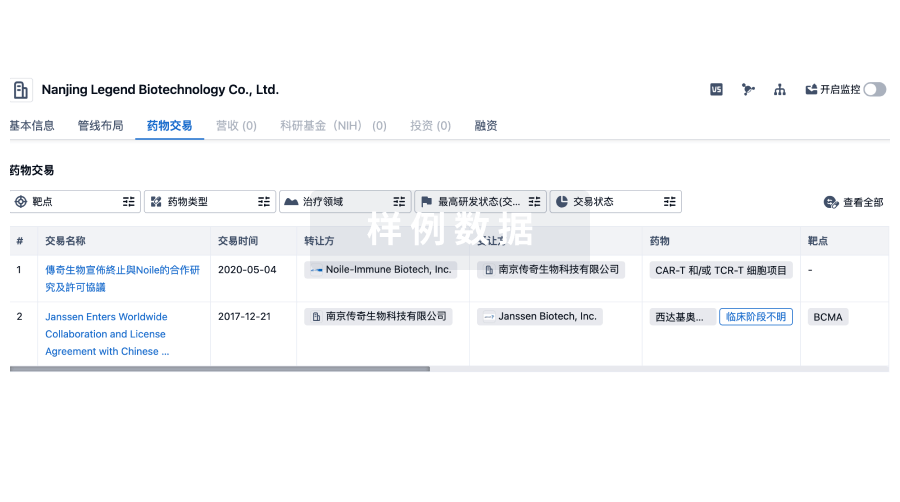
药物交易
使用我们的药物交易数据加速您的研究。
登录
或
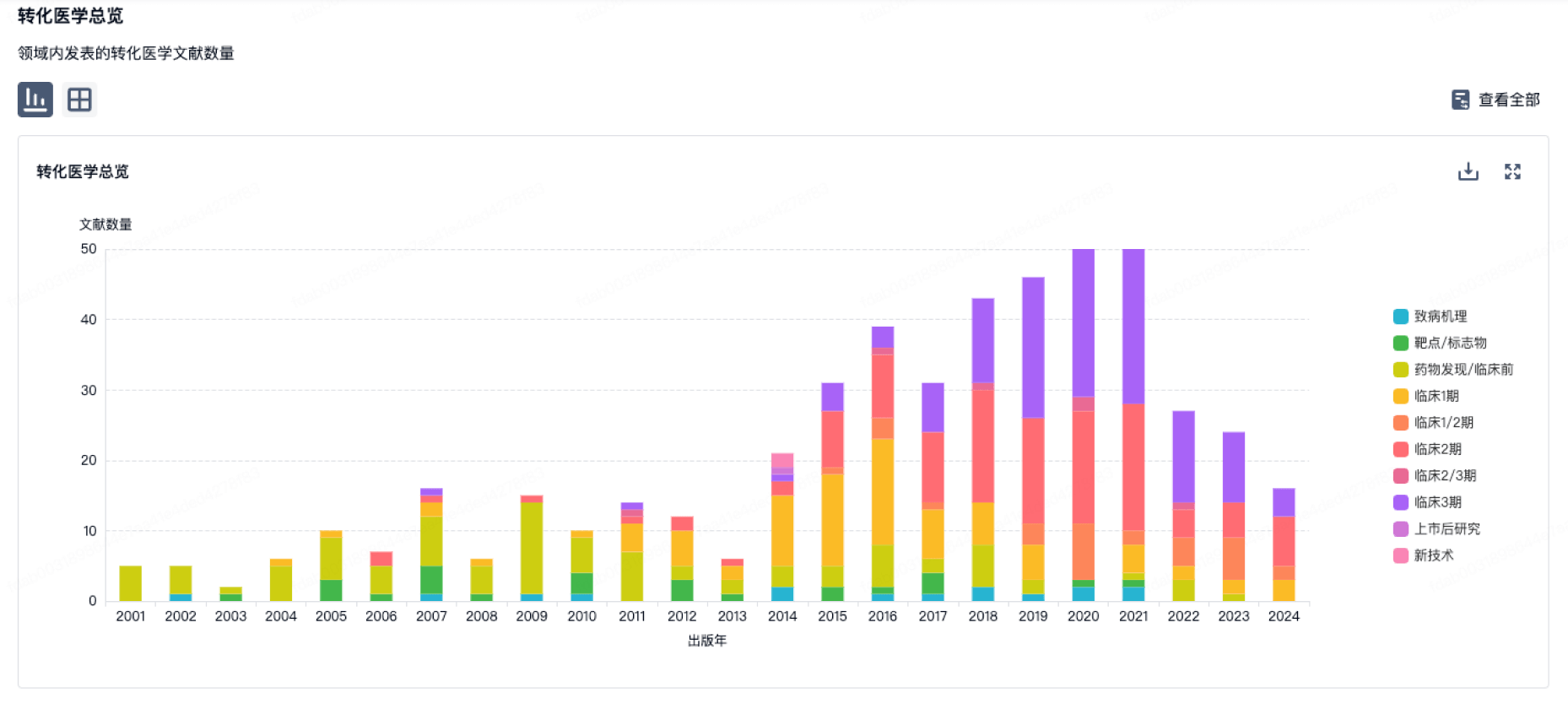
转化医学
使用我们的转化医学数据加速您的研究。
登录
或
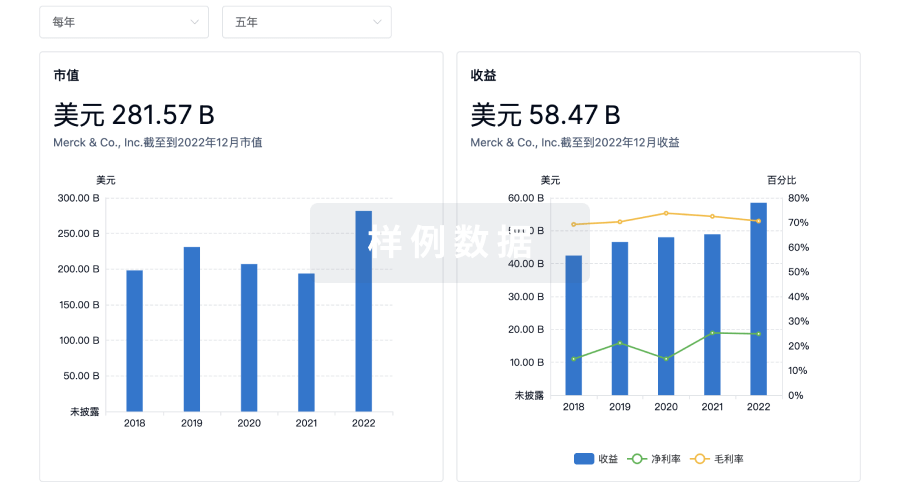
营收
使用 Synapse 探索超过 36 万个组织的财务状况。
登录
或
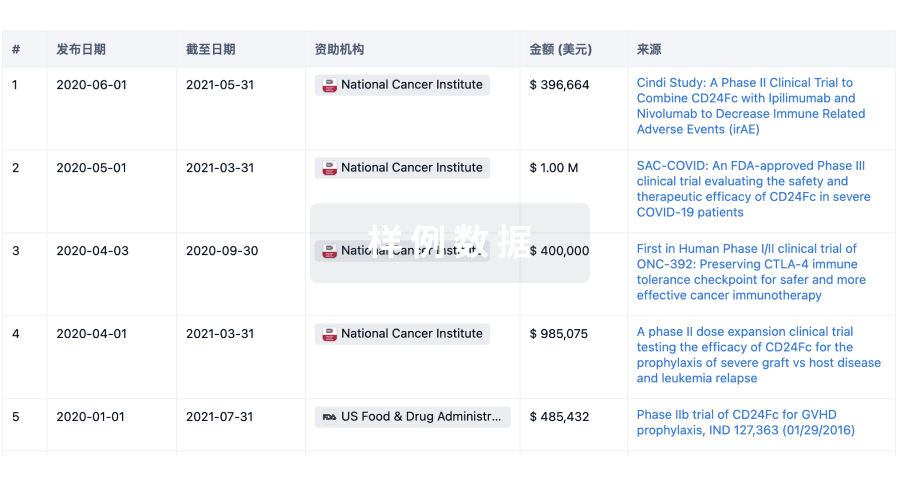
科研基金(NIH)
访问超过 200 万项资助和基金信息,以提升您的研究之旅。
登录
或
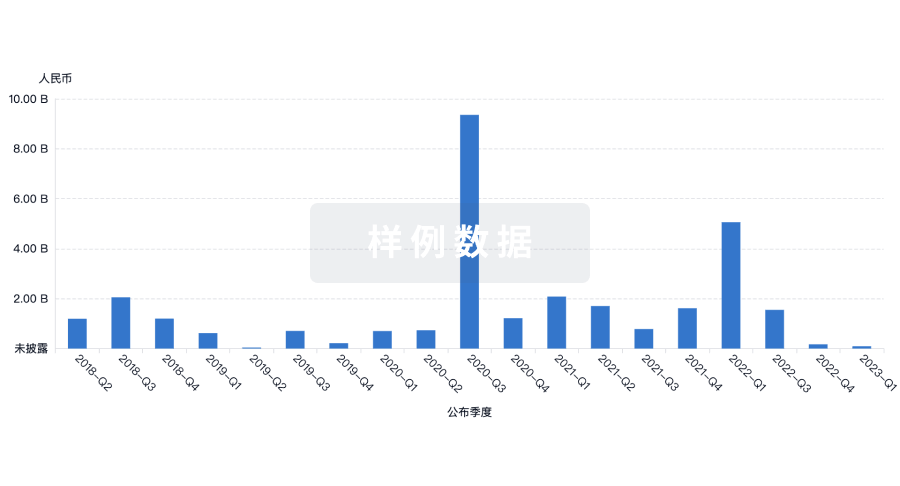
投资
深入了解从初创企业到成熟企业的最新公司投资动态。
登录
或
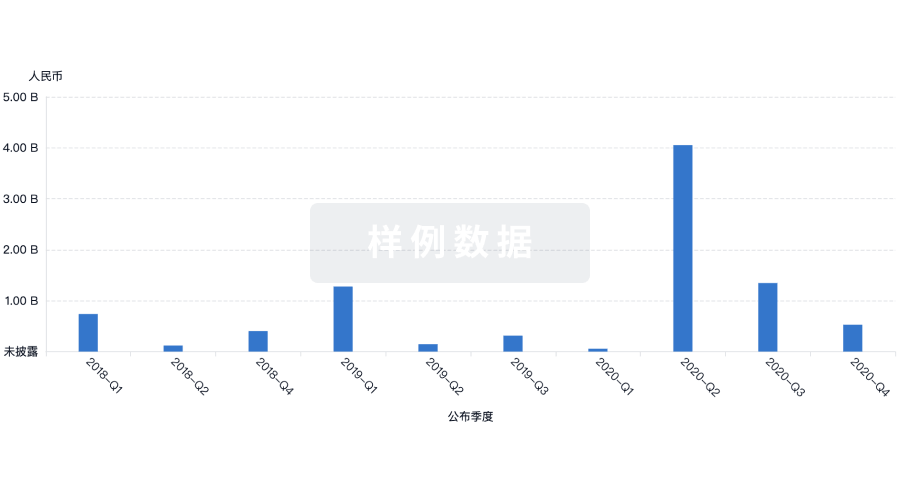
融资
发掘融资趋势以验证和推进您的投资机会。
登录
或
提出任何生物医药研究问题
让每一步生物医药决策都精准制胜
基于十亿级生物数据与全球情报的精准 AI,赋能早期药物发现
立即开始免费试用!
智慧芽新药情报库是智慧芽专为生命科学人士构建的基于AI的创新药情报平台,助您全方位提升您的研发与决策效率。
立即接入生物医药数据包
智慧芽新药库数据也通过智慧芽开放平台,以MCP或API服务形式对外开放。立即使用我们的MCP服务定制您的LLM智能体。
生物序列数据库
生物药研发创新
免费使用
化学结构数据库
小分子化药研发创新
免费使用