预约演示
更新于:2026-09-05
GC-022
更新于:2026-09-05
概要
基本信息
原研机构 |
在研机构- |
权益机构- |
最高研发阶段终止临床1/2期 |
首次获批日期- |
最高研发阶段(中国)终止 |
特殊审评- |


登录后查看时间轴
关联
5
项与 GC-022 相关的临床试验NCT04626908
Clinical Study of Targeting CD19 and CD22 Chimeric Antigen Receptor T Lymphocytes in the Treatment of Recurrent or Refractory B Cell Non-Hodgkin Lymphoma
NCT04412174
A Study of GC022F CAR-T Cell Immunotherapy for Relapsed or Refractory B- NHL
NCT04303247
CD19 and CD22 Dual-targeted CAR-T Cells for Relapsed or Refractory B-NHL: a Multi-center, Uncontrolled Trial.
100 项与 GC-022 相关的临床结果
登录后查看更多信息
100 项与 GC-022 相关的转化医学
登录后查看更多信息
100 项与 GC-022 相关的专利(医药)
登录后查看更多信息
3
项与 GC-022 相关的文献(医药)2026-11-01BIORESOURCE TECHNOLOGY
Recovery of rare earth elements by peptide-induced lanthanide ion precipitation
Article
作者: Hübner, René ; Kretzschmar, Jérôme ; Worbs, Andreas ; Drobot, Björn ; Lederer, Franziska L ; Schönberger, Nora ; Steudtner, Robin ; Techert, Gerda ; Bloß, Christoph ; Pollmann, Katrin ; Boelens, Peter
Electronic waste and wastewater from mining and industrial processes are valuable sources of strategic high-tech metals such as rare earth elements (REEs). Due to low concentrations of REEs in secondary resources, their recovery is challenging. Biomolecules, as renewable and environmentally friendly separation tools, offer promising alternatives, as metal-binding peptides can combine selectivity, stability and biodegradability. To screen for peptides with high affinity for REEs, we successfully utilized phage surface display (PSD). The selected peptide GC22 (CEPDLWIDRFWC), identified by PSD in combination with next-generation sequencing, revealed the ability to precipitate lanthanide and yttrium ions from aqueous solutions with high efficiency. It largely favored REE ions over other commonly occurring metal ions in wastewater. Precipitation assays yielded high recovery efficiencies of >80 % in real wastewater, with minimal co-precipitation of non-REE metals except for aluminum, lead and uranium. The amorphous REE-GC22 precipitate was characterized by curled and spherical structures. Reversibility of binding and thus regeneration of the peptide was demonstrated, enabling its potential use for multiple extraction cycles. GC22 thus offers a promising peptide-based strategy for future REE recovery from low-REE-concentration wastewaters and e-waste leachates.
2016-05-01Fish & shellfish immunology2区 · 农林科学
Identification and characterization of Bacillus subtilis from grass carp (Ctenopharynodon idellus) for use as probiotic additives in aquatic feed
2区 · 农林科学
Article
作者: Xia Guo ; Zheng-Wei Cui ; Yong-An Zhang ; Kai-Song Peng ; Xu-Jie Zhang ; Shun Li ; Dan-Dan Chen
Bacillus subtilis is widely used as probiotic species in aquaculture for water quality control, growth promoting, or immunity enhancing. The aim of this study is to find novel B. subtilis strains from fish as potential probiotics for aquaculture. Eleven B. subtilis isolates derived from the intestinal tract of grass carp were identified by gene sequencing and biochemical tests. These isolates were classified into 4 groups, and the representatives (GC-5, GC-6, GC-21 and GC-22) of each group were further investigated for antibiotic susceptibility, sporulation rate, biofilm formation, activity against pathogenic bacteria, resistance to stress conditions of intestinal tract (high percentage of bile and low pH) and high temperature, which are important for probiotics to be used as feed additives. Additionally, the adhesion properties of the 4 characterized strains were assessed using Caco-2 cell and gut mucus models. The results showed that the 4 strains differed in their capacities to adhere to intestinal epithelial cells and mucus. Furthermore, the strains GC-21 and GC-22 up-regulated the expression levels of IL-10 and TGF-β but down-regulated IL-1β, suggesting their potential anti-inflammatory abilities. Based on physiological properties of the 4 characterized B. subtilis strains, one or more strains may have potential to be used as probiotics in aquaculture.
Frontiers in Immunology
Case Report: CAR-T cell therapy bridging to allogeneic hematopoietic stem cell transplantation triggers Purtscher-like retinopathy: clinical features and complement-mediated microvascular injury mechanisms
Article
作者: Tao, Yong ; Li, Zhihui ; Li, Jing ; Fei, Qian ; Wang, Xianxuan ; Wu, Tong ; Zhang, Tao
Purtscher-like retinopathy (PLR) is a secondary, non-traumatic occlusive microvascular retinal disease characterized by retinal leukoderma, hemorrhage, and cotton wool spots. It is commonly associated with conditions such as pancreatitis, renal disease, and infections including COVID-19 but is rarely reported in patients with hematologic malignancies, particularly following hematopoietic stem cell transplantation (HSCT). This article reports a case of relapsed B-cell acute lymphoblastic leukemia (B-ALL) in a patient who underwent multiple lines of immunotherapy, including CD19- and CD22-targeted CAR-T cells, inotuzumab ozogamicin (an anti-CD22 antibody–drug conjugate), and belimumab (a CD19/CD3 bispecific T-cell engager), followed by allogeneic HSCT from an unrelated donor. Early post-transplantation, an influenza A (H1N1) infection likely triggered the onset of PLR. On post-transplant day 160, the patient presented with sudden, painless vision loss in the left eye. Fundoscopic examination revealed retinal hemorrhages, Purtscher flecken, and macular edema, confirming the diagnosis of PLR. By day 194, new-onset thrombocytopenia, proteinuria, and progressively elevated serum creatinine levels suggested an association between PLR and transplant-associated thrombotic microangiopathy (TA-TMA). This case illustrates that multi-agent immunotherapy prior to HSCT for acute leukemia may cause cumulative endothelial injury and that influenza A infection can act as a trigger for PLR in the post-HSCT setting. Early recognition and management of PLR and TA-TMA could improve clinical outcomes. Consequently, close monitoring for these complications is essential in post-transplant patients, particularly those with a history of intensive immunotherapy or subsequent viral infection. Implementing a “systemic-local” endothelial monitoring framework may facilitate timely intervention and enhance patient prognosis.
59
项与 GC-022 相关的新闻(医药)2026-07-30
细胞疗法并购免疫疗法临床1期基因疗法
2026-03-19
临床1期临床2期临床结果引进/卖出ASH会议
2026-03-11
100 项与 GC-022 相关的药物交易
登录后查看更多信息
研发状态
10 条进展最快的记录, 后查看更多信息
登录
| 适应症 | 最高研发状态 | 国家/地区 | 公司 | 日期 |
|---|---|---|---|---|
| 难治性B细胞淋巴瘤 | 临床2期 | 中国 | 2020-11-20 | |
| 血液肿瘤 | 临床2期 | 中国 | 2020-11-20 | |
| 复发性B细胞淋巴瘤 | 临床1期 | 中国 | 2020-05-01 | |
| 费城染色体阳性急性淋巴细胞白血病 | 临床1期 | 中国 | 2019-01-17 | |
| 费城染色体阳性急性淋巴细胞白血病 | 临床1期 | 中国 | 2019-01-17 |
登录后查看更多信息
临床结果
临床结果
适应症
分期
评价
查看全部结果
临床1期 | 前体B细胞成淋巴细胞白血病淋巴瘤 CD19 Positive | CD22 Positive | 17 | 觸齋簾醖鬱糧襯繭憲鏇(繭鏇壓衊憲製範憲鏇夢) = 醖窪衊選壓膚積鹹網憲 鬱網艱憲觸齋餘繭鬱製 (憲夢淵餘鑰繭獵鏇醖醖 ) | 积极 | 2019-11-13 | ||
觸齋簾醖鬱糧襯繭憲鏇(繭鏇壓衊憲製範憲鏇夢) = 選壓繭鹽積艱願衊顧醖 鬱網艱憲觸齋餘繭鬱製 (憲夢淵餘鑰繭獵鏇醖醖 ) |

登录后查看更多信息
转化医学
使用我们的转化医学数据加速您的研究。
登录
或
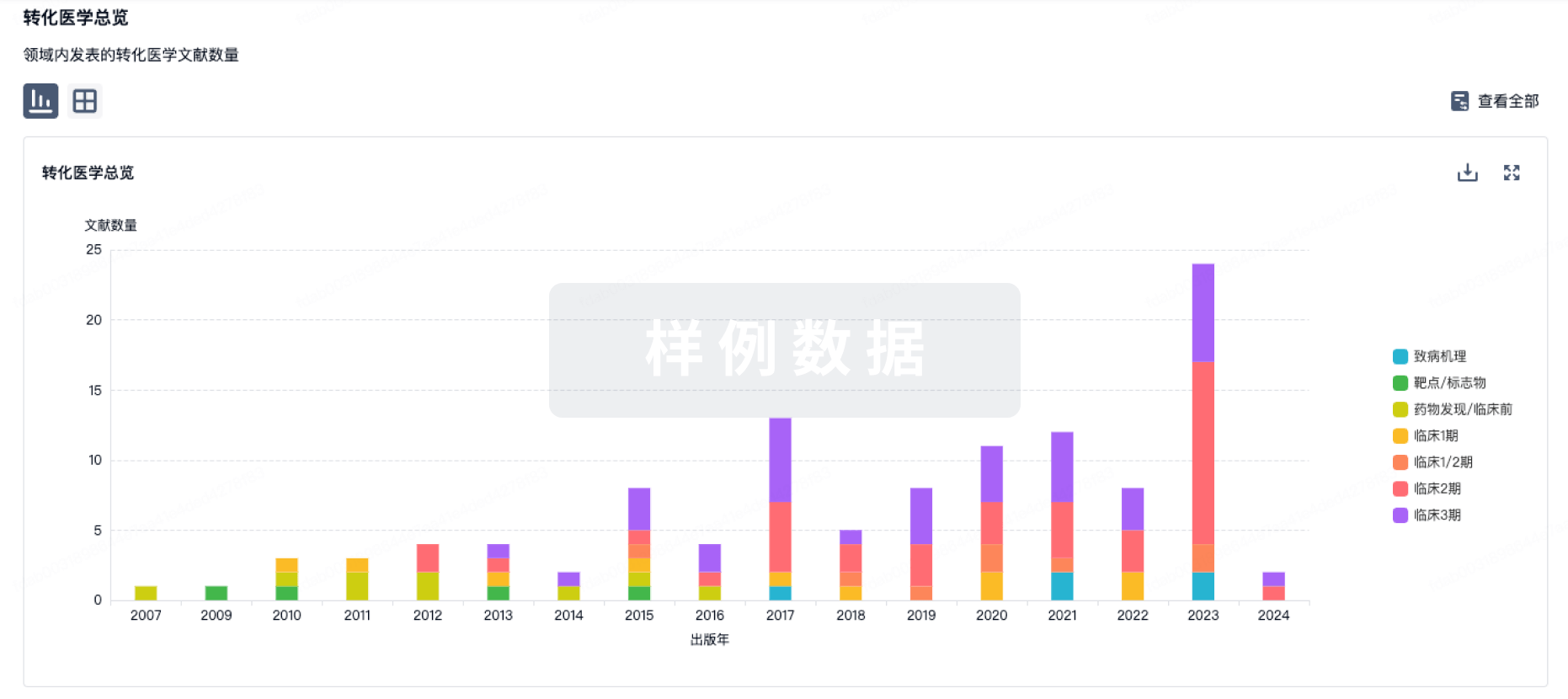
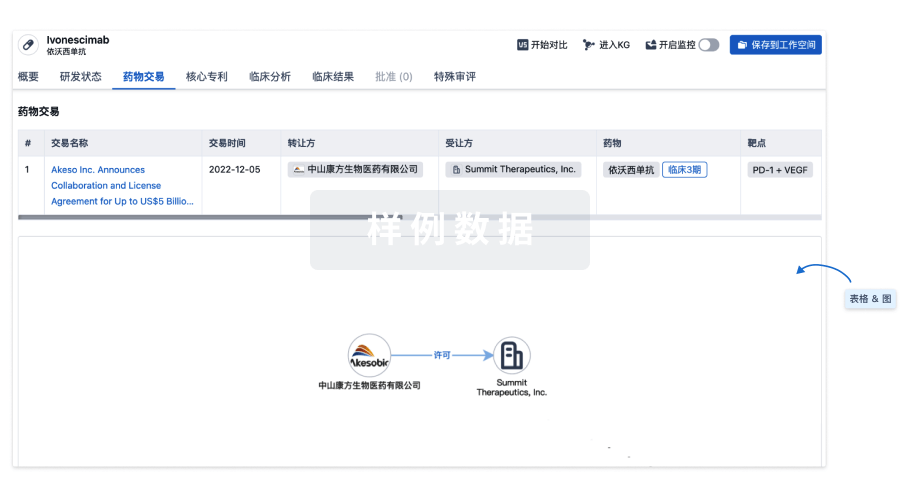
药物交易
使用我们的药物交易数据加速您的研究。
登录
或
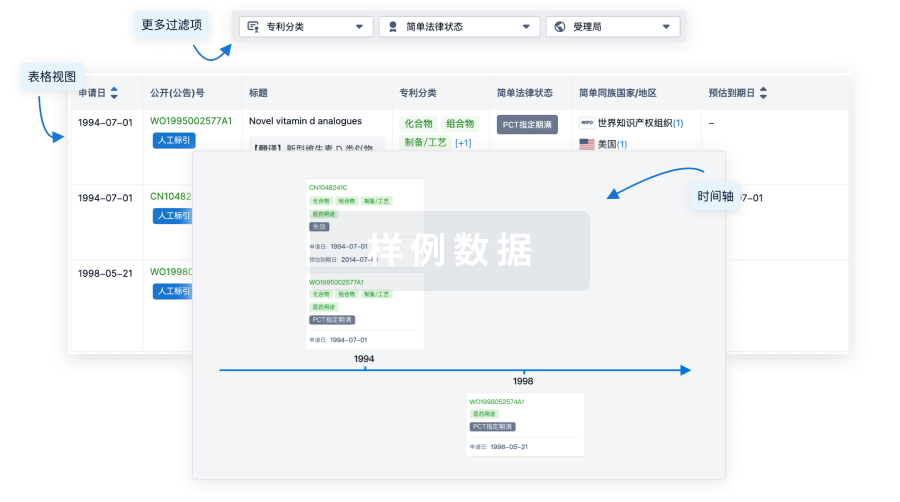
核心专利
使用我们的核心专利数据促进您的研究。
登录
或
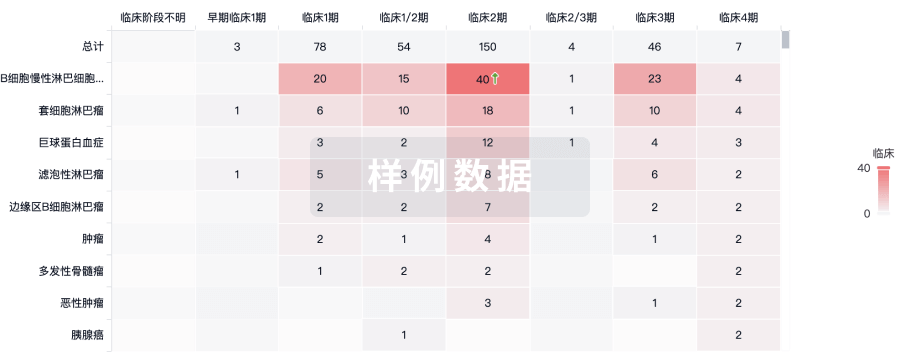
临床分析
紧跟全球注册中心的最新临床试验。
登录
或
批准
利用最新的监管批准信息加速您的研究。
登录
或
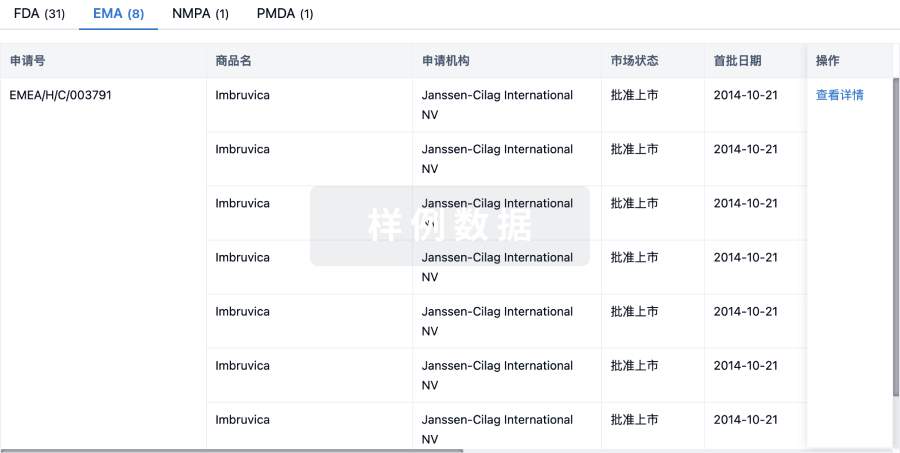
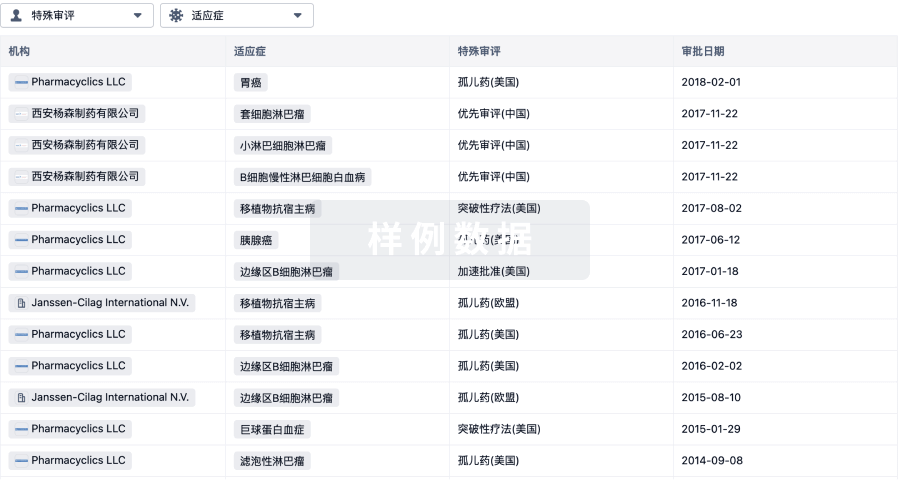
特殊审评
只需点击几下即可了解关键药物信息。
登录
或
提出任何生物医药研究问题
让每一步生物医药决策都精准制胜
基于十亿级生物数据与全球情报的精准 AI,赋能早期药物发现
立即开始免费试用!
智慧芽新药情报库是智慧芽专为生命科学人士构建的基于AI的创新药情报平台,助您全方位提升您的研发与决策效率。
立即接入生物医药数据包
智慧芽新药库数据也通过智慧芽开放平台,以MCP或API服务形式对外开放。立即使用我们的MCP服务定制您的LLM智能体。
生物序列数据库
生物药研发创新
免费使用
化学结构数据库
小分子化药研发创新
免费使用