预约演示
更新于:2026-10-23
Chlordiazepoxide
氯氮卓
更新于:2026-10-23
概要
基本信息
权益机构- |
最高研发阶段批准上市 |
首次获批日期 美国 (1960-02-24), |
最高研发阶段(中国)批准上市 |
特殊审评- |




登录后查看时间轴
结构/序列
分子式C16H14ClN3O |
InChIKeyANTSCNMPPGJYLG-UHFFFAOYSA-N |
CAS号58-25-3 |
关联
13
项与 氯氮卓 相关的临床试验IRCT20210519051345N83
In vivo fasted-state bioequivalence study of Chlordiazepoxide 10 mg tablet manufactured by Aani Darman Co. compared with innovator product
开始日期2025-08-16 |
申办/合作机构- |
CTRI/2025/06/089415
Prospective, multi-center, open-label study to evaluate the effectiveness and safety of chlordiazepoxide in mild to moderate Alcohol withdrawal syndrome patients using CIWA-Ar scale in Deaddiction centers
开始日期2025-07-10 |
申办/合作机构 |
IRCT20220211053992N45
In vivo fasted-state bioequivalence study of Chlordiazepoxide 10 mg Tablets manufactured by Mehrdarou Pharmaceutical Co. compared to innovator product
开始日期2024-11-20 |

100 项与 氯氮卓 相关的临床结果
登录后查看更多信息
100 项与 氯氮卓 相关的转化医学
登录后查看更多信息
100 项与 氯氮卓 相关的专利(医药)
登录后查看更多信息
4,432
项与 氯氮卓 相关的文献(医药)2026-09-02·CLINICAL TOXICOLOGY
Response to: comment on “A prospective pharmacokinetic study of chlordiazepoxide in patients admitted to an intensive care unit or a high dependency unit after treatment of alcohol withdrawal symptoms”
Article
作者: Andersen, Charlotte Uggerhøj ; Petersen, Tonny Studsgaard ; Dalhoff, Kim ; Meyhoff, Christian S. ; Reiter, Nanna
2026-09-01·NEUROBIOLOGY OF LEARNING AND MEMORY
An occasion for reflection: Pavlovian modulation of conditioned responding by interoceptive drug stimuli
Review
作者: Murray, Jennifer E ; Barrett, Scott T ; Bevins, Rick A
Nearly 100 years ago, Ivan Pavlov's research into learning processes provided a framework for understanding how the brain makes behaviorally impactful associations between events. His seminal findings on excitatory and inhibitory conditioning established the scientific and conceptual foundation for the later discovery of Pavlovian occasion setting. That is, a higher-order association that modulates whether or not a conditioned stimulus will evoke a conditioned response-feature positive and feature negative occasion setters, respectively. While much of this research has used exteroceptive stimuli (tone, lights), interoceptive stimuli (intoxication, hunger) can also acquire occasion setting functions. Research using the drug discriminated goal-tracking (DDGT) task demonstrates that interoceptive drug stimuli serve reliably as occasion setters. A wide range of drug stimuli across pharmacological classes function as occasion setters (e.g., nicotine, chlordiazepoxide, morphine) in the DDGT task. Moreover, interoceptive drug occasion setters exhibit similar characteristics as exteroceptive occasion setters. These include resistance to simple extinction procedures, generalization across stimulus (drug) class with shared function as an occasion setters, and a drug feature-negative occasion setter acquiring conditioned inhibitory effects. We explore future avenues of inquiry utilizing the DDGT task to expand our understanding of occasion setting. We highlight methodological strengths that recommend the DDGT task for probing the neuropharmacological and neuroanatomical mechanisms of drug occasion setters. Pavlov recognized the importance of interoception, and the role conditioning processes play in health and well-being. We invite readers to consider how their research intersects with the topic of interoceptive conditioning. By working together, we can build our understanding of basic interoceptive Pavlovian conditioning processes and realize the solutions this knowledge holds to societal issues.
2026-09-01·Journal of Addiction Medicine
Benzodiazepine Tapering: A Marathon, Not a Sprint
Article
作者: Olsen, Yngvild ; Brunner, Emily ; Ogbonna, Chinyere ; Boyle, Maureen P.
Clinicians have prescribed benzodiazepines for a range of symptoms and conditions since the Food and Drug Administration approved chlordiazepoxide in 1960. Between 1969 and 1982, the benzodiazepine diazepam was the most prescribed medication in the United States. Since then, recognition of benzodiazepine’s risks—such as falls, psychomotor and cognitive impairment, withdrawal, benzodiazepine use disorder (BzUD), and suicidality—and limited data on long-term safety and efficacy have created challenges for clinicians and patients, including when and how to safely taper these medications. In 2025, 10 professional societies, including the American Society of Addiction Medicine (ASAM), released the Joint Clinical Practice Guideline on Benzodiazepine Tapering. This commentary explores implications for addiction treatment.
20
项与 氯氮卓 相关的新闻(医药)2026-09-26
一文速通焚诀,读懂57种获批药的等排进化
一两个原子的变化,可能延缓代谢、重排氢键、改变溶解度,也可能引入新的风险。本文按原文顺序完整解析,并将每张图放回对应案例,便于把结构变化与作者给出的数据和机制解释对照阅读。
发表日期:2026年7月10日
DOI:10.1021/acs.jmedchem.5c03492
先看全篇:这不是一张“基团替换成功率排行榜”
这篇 Perspective 汇集了57种 FDA 批准药物和18种临床候选物,重点不是证明哪一种生物电子等排体普遍更优,而是回看药物发现团队如何针对具体瓶颈提出结构假设,再用活性、结构、代谢、药代和临床结果检验。文章按替换类型分为六大部分,覆盖从 H→D、H→F 等小改动,到环系、杂环和骨架重排。
读案例时要把证据分层:二维结构图回答“改了哪里”;共晶图支持“可能怎样结合”;体外、体内和药代数据说明性质是否改变;临床开发结果才告诉我们候选药物是否真正走得更远。一个替换可能同时改变多个性质,成功药物往往来自多轮组合优化。下文按原文案例顺序展开,并结合正文解读结构改造、关键相互作用及活性、药代与临床证据;117张结构图、共晶图和设计路线图均予保留。背景
自1951年提出以来,生物电子等排已成为药物设计与开发的核心策略,使化学家能够通过理性调整分子结构,优化生物学和理化性质。本文回顾了57种FDA批准药物和18种后期临床候选药物,展示研究者如何利用生物电子等排替换解决先导化合物优化中的可开发性难题。这些结构改造改善了效力、选择性、溶解度和代谢稳定性,也帮助控制亲脂性、血浆蛋白结合及反应性代谢物形成。案例共同呈现了生物电子等排作为分子精细调节工具的持久价值,以及它应对现代药物化学多重挑战的能力。1. 引言
“等排体”(isostere)的概念由 Langmuir 于1919年提出:具有相同电子数的分子,例如 N 与 CO,可能呈现相近的物理性质。Friedman 于1951年将这一思想扩展为“生物电子等排体”(bioisostere),指结构相似并能产生相近生物活性的一组原子或分子。它们可分为经典类型(如一价、二价或三价原子/基团的替换)和非经典类型(如环状与非环状官能团的互换)。在药物发现中,生物电子等排替换是指更换先导化合物中的官能团、片段或骨架,同时尽量保留其生物活性并引入有利性质。
这类设计能够改善活性和药物样性质,包括溶解度、渗透性、代谢稳定性及药物相互作用;也可用于移除苯胺、酚或硝基等潜在毒性结构,降低不良反应风险。结构替换还可能带来新的化学型,拓展药物发现可探索的化学空间。
有些已上市药物来自相对直接的替换,例如 emtricitabine 和 regorafenib 中的 H→F、brigatinib 中的砜→二甲基膦氧,以及 lamivudine 中的 CH₂→S。但真实优化往往不止一步。以甲状腺激素受体 β(THR-β)激动剂 resmetirom 为例,早期化合物中的富电子酚被缺电子哒嗪酮替代后,选择性提高,却损失约10倍效力;研究者随后又以氰基氮尿嘧啶替代羧酸侧链,恢复活性。tepotinib 则由高通量筛选命中物出发,同时更换了代谢不稳定的噻二嗪酮核心和氨基甲酸酯片段。它们说明,等排替换常与其他结构调整配合使用,目的是解决实际开发障碍,而不是机械地套用“基团替换表”。
全文导航框架
引言:生物电子等排体的概念、用途与药物发现中的设计逻辑(方案1)。
H、卤素、羟基与硝基替换:从氘代、氟化到含氮/含硫基团替换,观察代谢、结合和安全性如何随结构变化(图1–21;方案2–5)。
酰胺、酯与羧酸替换:通过关键原子、官能团或环系调整,改善效力、稳定性、溶解度和药代性质(图22–36;方案6–15)。
砜与磺酰胺替换:讨论亚砜亚胺、膦氧、杂环等替换如何影响溶解度、选择性与靶点相互作用(图37–43;方案16–20)。
苯环替换:以杂芳环、吡啶酮及饱和环为例,分析极性、构象和代谢风险的变化(图44–51;方案21–29)。
芳香杂环替换:涵盖关键原子替换、环氮位置异构,以及用分子内作用构建的伪杂环(图52–61;方案30–41)。
饱和环替换:比较不同环系和大环改造对构象、结合、通透性及代谢稳定性的影响(图62–68;方案42–48)。
结论与展望:总结等排设计的经验边界,以及结构生物学、计算方法和 AI/机器学习的辅助作用(图69)。2. H、卤素、羟基与硝基的生物电子等排替换2.1 H→D:Deutetrabenazine(氘代丁苯那嗪)
近年来,进入临床评估的氘代药物不断增加。与氢代母体相比,氘代通常不会显著改变分子的物理性质和药理活性,却可能通过动力学氘同位素效应(DIE)改变代谢。该效应常以 kH/kD 表示,即 C—H 与 C—D 键断裂的反应速率常数之比,通常约为1–7。因此,H→D 可用于探索改善肝微粒体稳定性、改变 CYP 抑制特征(包括时间依赖性抑制,TDI)或调整代谢位点。DIE 的实际影响并不总能预测,必须制备氘代类似物并在临床前实验中测量。
Deutetrabenazine(2)于2017年获批,用于治疗亨廷顿病相关舞蹈症,是首个获 FDA 批准的氘代药物。它与前代药物 tetrabenazine(1)的区别,是将两个甲氧基中的氢换成氘,形成三氘甲氧基。此改造减慢了 CYP450 对这两个甲氧基的代谢,使半衰期从 tetrabenazine 的4.8小时延长至8.6小时,并让系统暴露更稳定。多数患者因此可每日一次给药,而 tetrabenazine 通常每日两次;日剂量也由37.5 mg降至18 mg,耐受性有所改善。(图1)
2.2 H→D:Deuruxolitinib
Ruxolitinib(3)是口服 JAK1/2 抑制剂,用于骨髓纤维化。它在2022年的年销售额峰值达到41亿美元,但人体半衰期约3小时,部分原因是环戊基被代谢为多种羟基化产物。烷烃羟基化通常经由氢原子提取启动,CYP450 等酶可催化这一过程。研究者在环戊基上引入8个氘原子得到 deuruxolitinib(4),半衰期略增至约4小时。该药于2024年获批,作为成人中重度斑秃的一线口服治疗。(图2)
2.3 H→D:Deucravacitinib
TYK2 的假激酶结构域 JH2 是区别于其他 JAK 家族成员的调控区域。靶向 JH2 可避开高度相似的活性激酶结构域 JH1,因此有望提高选择性并改善安全性。Deucravacitinib(5)是一种口服、高选择性 TYK2 假激酶抑制剂,于2022年获批用于成人中重度斑块状银屑病。研究者在 C3 位羧酰胺上引入 N-(三氘甲基),以减慢该位点代谢并提高整体代谢稳定性。此改造减少了主要酰胺代谢物5a的形成;5a虽保留活性,却对激酶的选择性较差,可能带来脱靶副作用。多种临床前动物的血浆中,5a浓度接近检测下限(<2 nM)。在人类中,Deucravacitinib 主要经 CYP1A2 对三唑环进行 N-去甲基化,生成仍具有相近药理活性的5b;不利的伯酰胺代谢物5a几乎不形成。(图3)
2.4 H→D:Deutivacaftor
Ivacaftor(6)是 CFTR(囊性纤维化跨膜电导调节因子)增效剂,可单药用于携带特定 CFTR 突变的患者,也可与 CFTR 校正剂 lumacaftor 联用。Ivacaftor 在人体中的半衰期为11小时;由于 CYP3A4 会氧化其叔丁基上的甲基,它通常每日两次给药,并产生主要代谢物6a和6b。为抑制这一氧化途径,研究者对相应甲基进行氘代,开发出半衰期约16小时的 deutivacaftor(7),目标是每日一次给药。deutivacaftor、vanzacaftor 与 tezacaftor 组成的三联疗法 Alyftrek 于2024年获批用于囊性纤维化。(图4)
2.5 H→F:Tezacaftor 与 Lumacaftor
许多药物会发生 CYP450 介导的 C—H 键氧化,生成容易被清除的代谢物。由于 C—H 键相对较弱,以更强的 C—F 键替换可望减慢或阻断这一路径。虽然 H 与 F 的电负性差异很大,但两者尺寸相近,因此在合适位置以 F 替换 H,有时能保留药理活性,同时改变代谢、溶解度或靶点相互作用。氟化效果并非总可预测,仍需逐个类似物实测。
CFTR 校正剂 tezacaftor(8)和 lumacaftor(9)均于2019年获批用于囊性纤维化患者。未取代的苯并二氧杂环戊烯(10a)虽有良好化学稳定性,却存在代谢活化风险:CYP450 氧化可生成卡宾,卡宾与 CYP 血红素铁结合,形成稳定的代谢中间体复合物(10b),可能干扰其他 CYP 底物药物的清除;该复合物解离后释放的儿茶酚(10c)还可进一步氧化为反应性邻醌(10d),与蛋白质或 DNA 等生物分子反应。研究者在 tezacaftor 和 lumacaftor 中引入两个 F,形成 2,2-二氟苯并二氧杂环戊烯,在保留活性的同时抑制卡宾形成。(图5;代谢路径见方案2)
2.6 H→F:PF-06650833
IRAK4 抑制剂 PF-06650833(11)曾作为炎症性疾病候选药物开发。先导物11a在外周血单核细胞(PBMC)实验中的效力不足,意味着预测人体剂量偏高。研究者在内酰胺羰基的 α 位引入 F,获得11;其酶学和 PBMC 效力均提高(图6)。共晶结构显示该 F 处于近似假轴向的位置,强吸电子效应提高内酰胺 NH 的酸性,使其成为更强的氢键供体,可与 IRAK4 的 Ala315、Asn316 主链羰基相互作用(图7)。内酰胺氮的 ¹⁵N NMR 信号向低场移动3.2 ppm,也与氮原子电子密度降低相符。氟化可能削弱羰基作为氢键受体与 Ser328、Lys213(水介导)的相互作用;该系列中氢键供体能力增强带来的收益占了上风。PF-06650833 已完成类风湿关节炎和化脓性汗腺炎的 II 期研究,但在后者未显示优于安慰剂的结果,后续开发前景不确定。
2.7 H→F:Regorafenib
Sorafenib(12)是早期获批的抗血管生成药物;regorafenib(13)在2012年获批,两者主要差别是在中央苯环、脲基 NH 邻位多了一个 F。该 F 使 regorafenib 对 VEGFR2 的生化效力提高约20倍(图8)。Sorafenib 与 VEGFR2 的共晶显示,脲基两个 NH 与 Glu885 的羧酸侧链形成氢键(图9)。虽然尚无 regorafenib 与 VEGFR2 的共晶,作者推测吸电子 F 可提高邻近脲基 NH 的酸性、加强氢键;它也可能与另一个 NH 形成分子内氢键,从而遮蔽一个氢键供体、改善膜通透性和细胞效力。regorafenib 在 sorafenib 治疗后进展的肝细胞癌患者中改善了总生存期。其口服剂量为每日一次160 mg,而 sorafenib 为每日两次、每次400 mg;但剂量较低并不等于耐受性必然更好,两药的不良反应谱也不同。
2.8 H→F:Alpelisib
Alpelisib(14)是选择性 PI3Kα 抑制剂,于2019年获批与雌激素受体拮抗剂 fulvestrant 联用,治疗内分泌治疗后进展的 HR 阳性、HER2 阴性、PIK3CA 突变晚期或转移性乳腺癌。结合模型提示,14a 上一个小疏水口袋可容纳略大于叔丁基的取代基。C—F 键约1.35 Å,长于 C—H 键约1.09 Å,CF₃ 因而比甲基占据更大空间;研究者将一个甲基替换为 CF₃,获得 alpelisib(14),兼顾效力与选择性。共晶结构印证了结合假设,并显示 CF₃ 中一个 F 可与 Lys802 侧链胺形成额外氢键(图10、11)。此外,噻唑与相邻仲酰胺的顺式构象受 O—S(n→π*)硫属键稳定,使噻唑 N 与酰胺 NH 能与铰链区 Val851 形成双齿氢键。CF₃ 还阻断了叔丁基氧化,降低大鼠体内清除率并改善药代性质。
2.9 H→F:Bictegravir
水溶性差常导致临床前和临床阶段口服生物利用度偏低或个体差异较大。常见策略包括以 N 替换芳环上的 C,或引入碱性胺、酸性基团等增溶片段;F 替换则可能以较小结构改动改善溶解度。第二代 HIV-1 整合酶链转移抑制剂 bictegravir(15)于2018年获批。先导物15a的6位氟化得到15b,使溶解度从 pH 1/7 条件下的34/53 μg/mL提高至87/85 μg/mL,同时改善其对 G140S/Q148R 整合酶突变体的效力(倍数变化更小)。随后将缩醛碳上的手性中心翻转,得到 bictegravir(15);其体外耐药谱和药代性质更好,溶解度也略有改善。(图12)
2.10 F→Cl:Asciminib
Asciminib(16)是一种首创的 ABL1 肉豆蔻酰口袋 III 型抑制剂,于2021年获批用于既往接受 I 型或 II 型酪氨酸激酶抑制剂后进展的费城染色体阳性慢性髓性白血病。它由前体16a中的 OCF₃ 改为罕见的 OCF₂Cl 基团而来。分子建模显示,该结合口袋可以容纳略大的基团;此替换使效力提高约2倍,同时保留药代性质和溶解度。共晶结构显示,Asciminib 深入 ABL1 的变构肉豆蔻酸结合口袋,其氯原子与 Leu448 主链羰基氧形成近线性的卤键(C—Cl···O 角约178.3°,Cl···O 距离约3.3 Å;图13、14)。尽管计算 logP 预计 OCF₃→OCF₂Cl 会提高亲脂性,实验 logP 却相同。氯甲基醚通常可能具有反应性,但该二氟氯甲基醚未形成相应反应性中间体;两个吸电子 F 不利于阳离子物种生成。
2.11 氯→乙炔基:Erlotinib
Gefitinib(17)和 erlotinib(18)是 FDA 最早批准的两种表皮生长因子受体(EGFR)抑制剂,用于治疗晚期或转移性非小细胞肺癌(NSCLC)。两者的主要结构差异是:17 中的 3-氯-4-氟苯基,在 18 中被乙炔基苯基取代(图15)。17 上邻位氟原子的吸电子效应增大了相邻氯原子 σ-空穴的正电势,使氯与 EGFR L858R 活性位点内 Leu788 主链酰胺羰基形成卤键。对于 18,弱酸性的炔氢则向非活性 EGFR 中 Leu764 的主链羰基氧提供氢键;该残基对应于 EGFR L858R 中的 Leu788,因此乙炔基在此处发挥卤素生物电子等排体的作用。两种相互作用均可从各自的 EGFR 共晶结构中观察到(图16)。尽管 erlotinib 在 NSCLC 细胞中的体外活性谱与 gefitinib 大体相似,其每日口服剂量为150 mg,低于 gefitinib 的250 mg。60
2.12 羟基→氨基:JAB-21822
Sotorasib(19)是首个获批的 RAS GTP 酶共价抑制剂,于2021年获批用于治疗携带 KRAS G12C 突变的局部晚期或转移性 NSCLC 成人患者。后续抑制剂 JAB-21822(20)已在中国完成针对该适应证的 II 期临床试验。20 的设计可视为从19出发,经历六种生物电子等排转化:C3 位 N/C、C6 位 F/Cl、OH/NH₂,以及三处 H/F 替换(方案3)。为降低19的高亲脂性,研究者以带有3-氰基的萘啶酮替换吡啶并嘧啶酮核心,意在置换子口袋中的高能水分子。由此得到类似物20a:哌嗪环上的甲基被去除,clogP 降低1.2,而抑制效力仅下降约2倍。随后,团队尝试移除或替换酚羟基,以减少不稳定的葡萄糖醛酸化并改善渗透性;但该羟基与 KRAS G12C 的 Asp69 侧链羧酸形成氢键,对结合亲和力至关重要(图17,左)。以苯胺替换酚羟基得到20b,生化效力得以保留,但细胞效力略降。萘啶酮核心 C6 位的 F/Cl 调整(20c)又使细胞效力提高约10倍。最后,对苯胺环进行四氟取代,得到高效且口服生物利用度良好的20。
19和20与 GDP 结合态 KRAS G12C 的共晶结构显示,酚环与四氟苯胺占据同一亲脂性子口袋(图17)。19的羟基与 Asp69 形成直接氢键;20的氨基则没有与水分子或 Asp69 形成特定氢键,说明这一相互作用对20结合 KRAS G12C 并非必需。引入四个氟原子,是为了模拟酚羟基的氢键性质、封闭潜在代谢软点并提高溶解度。尽管苯胺仍可能存在反应性代谢物风险,JAB-21822 展示了四氟苯胺作为酚羟基生物电子等排体的可行性。20正在研究与西妥昔单抗联用治疗结直肠癌。
2.13 硝基→氯:Amlodipine
硝基兼具强吸电子性、高极性和较大的偶极矩。它可通过“π-空穴相互作用”与蛋白质作用:硝基带正电的氮原子与蛋白质原子上的孤对电子发生较弱的静电作用,例如蛋白主链羰基氧,或半胱氨酸、甲硫氨酸侧链的硫原子。硝基也能参与较复杂的 π 相互作用,并显著改变所连接芳环的电子密度。不过,硝基在体内可能被还原为亚硝基和羟胺中间体,继而与生物分子反应,产生毒性或诱变风险。因此,药物设计中常希望以合适的生物电子等排体替换硝基。
Nifedipine(21)是第一代二氢吡啶类 L 型钙通道阻滞剂,用于治疗心绞痛和高血压。它会经 CYP3A4 介导芳构化,形成无活性的吡啶代谢物21a,因而作用时间较短。以氯替换硝基,并引入 2-氨基乙氧基侧链,得到 amlodipine(22)(图18)。22 的口服生物利用度为64%–90%,半衰期约34小时,而 nifedipine 约为2小时。该案例说明,引入碱性或极性基团可以降低代谢和内在清除率,并增加分布容积。amlodipine 每日给药一次(nifedipine 为每日四次),兼具良好安全性和疗效,已成为最常用的降压药之一。其全球年销售额于2006年达到峰值49亿美元;2023年仿制药销售额为18.7亿美元。
30多年后,nifedipine 与 amlodipine 和哺乳动物电压门控钙通道 CaV1.1 的共晶结构揭示了这类药物调节通道的分子基础。除乙醇胺侧链外,22与21以近乎相同的姿势结合周围残基(图19)。22的乙醇胺基团伸入通道中央腔,末端伯胺向 Ser1011 主链酰胺氧提供氢键。
2.14 硝基→氰基:Bicalutamide、Enzalutamide 与 Apalutamide
Flutamide(23)和 nilutamide(24)是用于治疗前列腺癌的第一代非甾体抗雄激素药物。与其他含硝基芳香环的药物相似,两者可能导致特异质性肝毒性,23尤为突出。研究者制备氰基类似物23a,在转染 TGFR 的小鼠肝细胞中检验硝基是否参与毒性。23的细胞毒性略强于23a(LD₅₀分别为75和150 μM),而23a的抗雄激素活性与23相当。这支持以吸电子性较弱、代谢稳定性更高的氰基替代硝基。此后开发出的第二代药物包括 bicalutamide(25)、enzalutamide(26)和 apalutamide(27)(图20)。
Apalutamide(27)可概念性地视为由26经两项结构变化得到:苯环换成吡啶环,并将偕二甲基延展为环丁基。尽管两者结构差异不大,27在临床试验中的皮疹发生率更高,可能与药物诱导的免疫介导超敏反应有关。研究显示,27中的氰基同时受到吡啶环和强吸电子 CF₃ 的活化,可与谷胱甘肽等硫醇亲核试剂反应,经中间体27b、27c形成噻唑啉产物27d(方案4)。此类非特异性蛋白共价结合可能触发不良免疫反应。因此,27中的2-氰基吡啶可能充当亲电反应基团,与蛋白质半胱氨酸反应,导致患者皮疹发生率上升。
2.15 硝基→三氟甲基磺酰基,再换回硝基:Venetoclax
Venetoclax(28)是高效且高度选择性的 B 细胞淋巴瘤 2(BCL-2)抑制剂。它于2019年首次获批,用于治疗成人慢性淋巴细胞白血病或小淋巴细胞淋巴瘤。其发现过程展示了硝基与三氟甲基磺酰基之间往返替换的设计经验,后文继续介绍。ABT-737(28a)是 BCL-2 家族抗凋亡蛋白的强效抑制剂,但水溶性低、口服生物利用度差,妨碍了进一步开发。优化过程中,研究者部分氢化其远端联苯片段,提高 sp³ 碳比例(Fsp³);并以吗啉替换二甲氨基,降低碱性氮的碱性。随后用生物电子等排的 CF₃SO₂ 基团替换硝基,得到 ABT-263(28b),其口服吸收和药代性质改善,同时维持相近的靶点抑制谱。28b在 I/II 期临床试验中显示出一定获益,但最终因剂量限制性血小板减少症而终止开发;这一不良反应归因于其强效抑制血小板生存必需蛋白 BCL-XL。
为尽量减少对 BCL-XL 的抑制,研究者继续开展结构指导优化,最终得到保留原始硝基的 venetoclax(28)。它属于超越五规则(bRo5)化合物,分子量为867;2024年销售额达26亿美元。这个案例说明,成功药物有时需要偏离传统药物设计经验。在28b和28与 BCL-2 的共晶结构中,硝基和三氟甲基磺酰基均与邻近苯胺 N–H 形成分子内氢键,并结合于同一 P4 口袋(图21);28的硝基苯环还与 Tyr202 形成面对面的 π–π 堆积。
3. 酰胺、酯与羧酸的生物电子等排替换3.1 关键原子替换
酰胺广泛存在于上市药物中,原因包括可与靶蛋白形成氢键且易于合成。羰基氧通常是氢键受体,N–H 是氢键供体;替换酰胺可改变构象、电子分布和极性,进而影响溶解度、药代、效力与选择性。
Dabrafenib(29)是选择性 BRAF^V600E 抑制剂,2013年获批用于由该突变驱动的不可切除或转移性黑色素瘤,可单用或与 MEK 抑制剂联用。早期先导物29a含苯甲酰胺,酶抑制活性良好,但细胞 pERK 实验中的效力一般。苯磺酰胺类似物29b的酶活性降低超过10倍,细胞抑制效力却显著改善;以噻唑替换咪唑并吡啶得到29c后,酶和细胞活性均进一步提高。29c的酰胺类似物也缺乏细胞效力,支持磺酰胺替换对该系列的价值。由于29c亲脂性高(clogP=6.7)、分子量较大(587),研究者将 N-甲基四氢异喹啉片段缩减为氨基嘧啶,并继续优化三个芳环上的取代基,最终得到 dabrafenib(方案6)。
Dabrafenib以“DFG-in”构象结合激酶腺嘌呤口袋。磺酰胺与 DFG 基序中的 Asp594、Phe595形成两个氢键:磺酰胺 NH(pKa约7)在生理条件下电离后与 Asp594 主链 NH 相互作用;一个磺酰胺氧则与 Phe595 主链 NH 成键(图22)。这一磺酰胺是 BRAF^V600E 抑制剂设计中的关键结构单元。
Imatinib(30)于2001年获批,是首个靶向癌症治疗药物,作用靶点为导致慢性髓性白血病(CML)细胞失控增殖的 BCR–ABL 酪氨酸激酶。尽管 imatinib 能有效控制 CML,耐药仍会随时间出现。第二代抑制剂 nilotinib(31)旨在克服 imatinib 耐药并减少脱靶效应,2021年销售额达到21亿美元。
Nilotinib依据30与 ABL 结合的共晶结构进行设计。结构显示,酰胺与螺旋 C 中 Glu286 的侧链羧酸和 Asp381 主链 NH 形成两个关键氢键。反向酰胺31a保留了这些相互作用,同时改变 D 环取代基相对于溶剂暴露 N-甲基哌嗪环的朝向,使其有机会形成额外结合。随后优化 D 环取代基得到31;与30相比,31对野生型及耐药 BCR–ABL 癌细胞系效力更强(方案7)。共晶结构确认,30和31中的酰胺/反向酰胺均与 Glu286、Asp381形成相同氢键,但 D 环取代基指向不同(图23)。
Ritonavir(32)和 lopinavir(33)是早期 FDA 批准的 HIV-1 蛋白酶抑制剂。Ritonavir不再常用,因其治疗剂量较高,且需与其他药物联用;lopinavir则通常与 ritonavir 合用。两者均含有具有三个手性中心的二肽等排体,合成复杂、成本较高。研究者将其中一个酰胺改为酰肼,得到更易制备的羟乙基肼等排体 atazanavir(34)。该改造保留了关键的酰胺 N–H 与 GlyB49 羰基间氢键,并降低了手性中心数目。Atazanavir于2003年获批;HIV-1蛋白酶与33、34的共晶结构显示,两种基团构象近似,均与 GlyB49 羰基形成关键氢键(图25)。
Donepezil(35)于1996年获批,用于治疗中重度阿尔茨海默病相关痴呆。它可逆抑制脑内乙酰胆碱酯酶(AChE),阻止乙酰胆碱这一记忆和学习相关神经递质被分解。设计从无环酰胺35a的构象限制开始,以环状酮替换酰胺(方案8)。酮35b保留中等 AChE 抑制活性;将其环化为茚满酮35d后活性略增,而异吲哚啉酮35c抑制效力更好。35d在体内的作用时间又长于35c。继续引入两种取代基后,得到作用半衰期约70小时、可每日给药一次的 donepezil。
Donepezil具有少见的酮官能团,理论上可先还原再氧化;但尚无证据证明体内会生成还原产物35e。药物为外消旋体,R-对映体对人 AChE 的亲和力高约2.2倍。R-35与重组人 AChE 的共晶结构显示,茚满酮环与 Trp286发生 π–π 堆积;该残基还通过两个结合水分子,在两个甲氧基与外周阴离子位点之间形成氢键网络(图26)。
Ixabepilone(36)是天然产物 epothilone B(36a)的半合成类似物。Epothilone B可稳定微管网络、阻止癌细胞分裂,但自身临床开发受阻:其半衰期约20分钟,并形成无活性的开环代谢物。人血浆酯酶活性虽低于小鼠,含多种 CYP450 酶的人肝微粒体仍可代谢内酯。将内酯换成内酰胺,得到代谢稳定性改善且保持微管蛋白聚合活性的36。Ixabepilone于2007年获批,用于治疗对化疗不再响应的侵袭性转移性或局部晚期乳腺癌。36a与36以近乎相同姿势结合 β-微管蛋白,酯或酰胺羰基均与 Thr274 主链 NH 形成氢键(图27、28)。
先导物37a是强效血管紧张素 II 1 型受体(AT₁R)拮抗剂。以 N-(4,5-二甲基异噁唑-3-基)苯磺酰胺替换羧酸,并以乙氧基甲基替换中间苯环,得到 sparsentan(37),可同时阻断 AT₁R 和内皮素 A(ET_A)受体。杂芳基磺酰胺在此充当有效羧酸生物电子等排体。Sparsentan于2023年获批治疗局灶节段性肾小球硬化症(图29)。
3.2 经典杂环的生物电子等排替换
Dasatinib(38)是用于治疗慢性髓性白血病和费城染色体阳性急性淋巴细胞白血病的激酶抑制剂。研究从早期 LCK 抑制剂38a开始:分子对接提示,2-氨基 NH 与 ATP 结合位点铰链区的噻唑 N 形成一对氢键,而环丙基酰胺羰基没有直接氢键。为提高效力,团队以多种受限 N–H 杂环替换羰基并保留铰链结合,得到有效 LCK 抑制剂嘧啶类似物38b。引入4-羟乙基哌嗪侧链改善其溶解度,随后继续优化得到 dasatinib(方案9、10)。
38与 ABL 的共晶结构中,氨基噻唑与 Met318形成两个氢键,嘧啶环占据疏水口袋,C5 嘧啶次甲基与 Met318 羰基氧形成杂芳基 C–H···O=C 相互作用(图30)。这些作用要求嘧啶 N 与噻唑 S 呈顺式排列,由 N–S 非共价硫属键稳定;另一个 O–S 硫属键则使酰胺氧朝向噻唑硫。邻位取代基的位阻使酰胺与二取代苯环近乎垂直,避免两个取代基共轭。
Trospium(40)是外周毒蕈碱受体拮抗剂,因血脑屏障渗透性差而主要作用于外周。Xanomeline(39)开发为中枢作用的毒蕈碱受体激动剂,但临床开发受胃肠道等外周毒蕈碱受体激活的不良反应影响。将 xanomeline 与 trospium 固定剂量联用,可在发挥中枢作用的同时减轻外周不良反应。该组合疗法 Cobenfy 于2024年获批治疗精神分裂症,是数十年来首个用于该病的新药物。
3.3 羰基片段→环状生物电子等排体
Tepotinib(41)是选择性间充质–上皮转化因子(c-MET)酪氨酸激酶抑制剂,2020年获批用于治疗由 MET 外显子14跳跃改变驱动的转移性 NSCLC。该药由高通量筛选命中物41a经多轮生物电子等排替换优化而来,相关设计过程见后续方案。Tepotinib系列由高通量筛选命中物41a逐步优化而来。将水解后可能生成苯胺的片段换成嘧啶环,得到41c,生化效力提高超过20倍;这一替换还消除了氢键供体,有利于膜通透性和药代性质。嘧啶 N 作为氢键受体与 c-MET 铰链区 Met1160 主链 NH 作用,类似于先导物氨基甲酸酯羰基氧的结合方式。共晶结构也显示,嘧啶 N 邻位的 C–H 与 Tyr1159 芳香侧链存在相互作用(图31)。继续优化效力和药代性质后得到 tepotinib(方案11)。
降钙素基因相关肽(CGRP)是一种神经肽。偏头痛发作时,三叉神经可释放 CGRP,其后续信号在偏头痛病理过程中发挥重要作用。CGRP 拮抗剂阻断中枢和外周神经系统相关区域的受体结合,被认为能够抑制引发偏头痛的疼痛信号。
Telcagepant(42a)是第一代 CGRP 受体拮抗剂,曾进入偏头痛预防和急性治疗的临床试验。尽管 II 期疗效显著,但部分患者出现血清转氨酶明显升高,项目终止;该化合物还存在水溶性和药代性质不足的问题。为提高效力、溶解度并扩大安全窗,研究者以稠合杂环替换己内酰胺核心。稠合三唑类似物42b在结合和细胞功能实验中效力相当,水溶性提高5倍,但因膜通透性不足,口服吸收及药代性质没有改善。继续将三唑换成稠合咪唑得到42c,保持效力的同时显著提高大鼠膜通透性和口服生物利用度。另一条路线将脲改为氨基甲酸酯,再引入吡啶作为酰胺替代物,得到亚纳摩尔级拮抗剂42d。最后在环庚烷核心引入伯胺以提高水溶性,得到 rimegepant(42);该口服药于2020年获批用于成人偏头痛急性治疗(方案12)。
Lenacapavir(43)是首个 HIV-1 衣壳蛋白(CA)抑制剂,2022年获批用于多重耐药 HIV-1 感染。其长效注射剂每年仅需注射两次;每年一次、约5 g的预防性注射剂仍在开发。用于暴露前预防(PrEP)时,该小分子在女性中显示出近乎完全的 HIV-1 感染保护作用。口服片剂主要用于治疗启动期或补充漏用的长效注射剂。Lenacapavir 分子量达968,含10个氟原子,均为获批小分子药物中的纪录值之一。
其前体 PF-3450074(43a)是通过表型筛选发现的二肽先导物,用于研究 HIV-1 衣壳抑制在病毒复制中的作用。平行合成和逐轮优化得到43b(EC₅₀=48 nM)。43a与43b的共晶结构显示,二者的仲酰胺 NH 和叔酰胺羰基氧与 Asn57 侧链伯酰胺形成两条关键氢键(图32,左侧为43a)。将叔酰胺环化为吡啶后,吡啶 N 作为氢键受体与 Asn57 NH 相互作用,保留了原有羰基氧的结合方式。该设计得到活性中等的吡啶类似物43c;经过后续多轮优化后,形成强效衣壳抑制剂 lenacapavir。共晶结构证实,吡啶杂环 N 与 Asn57 形成氢键(图32,右)。
Lenacapavir的结构启发了另一类 HIV-1 CA 抑制剂。候选物44a以7-溴喹唑啉-4-酮替换43a中的叔酰胺,形成刚性双环非经典酰胺替代物。溴取代基还提供后期多样化的合成把手,可用于调整结合相互作用和药代性质。该路线得到长效开发候选物 GSK878(44b),但其分子量较高(918)。44b与 HIV-1 CA 的共晶结构显示,喹唑啉-4-酮分别与 Asn57 侧链酰胺 NH 和 Thr107 侧链羟基形成氢键,支持其高效力(图34)。不过,犬毒理研究出现肝损伤相关发现,44b临床开发因此停止。
以三氟甲基吡啶替换44b的2,6-二甲基吗啉,得到 VH-280(44c),并于2023年完成 I 期评价。另一方案将喹唑啉酮换为吡啶并嘧啶酮核心,并以三氟丙氧基替换2,6-二甲基吗啉,得到 VH-499(44);该候选物用于长效 HIV 治疗,处于 I 期和 IIa 期研究(图33)。
3.4 酰胺→三唑:Alprazolam
1957年,Leo Sternbach偶然发现首个苯二氮䓬类镇静药 chlordiazepoxide(45),由此推动了更强中枢神经系统药物的开发。随后出现 diazepam(46),用于短期治疗焦虑和癫痫;1969至1982年间,它曾是美国处方量最高的药物,1978年销量超过23亿片。Diazepam主要通过正变构调节脑内 GABA_A 氯离子通道发挥作用。在人体内,CYP450将其代谢为三个半衰期均超过24小时的活性代谢物,其中去甲基代谢物46a为主要循环活性代谢物,半衰期50–120小时。Diazepam自身半衰期约48小时,持续作用可能增加长期滥用或成瘾风险。
以稠合1,3,4-三唑替换 N-甲基酰胺,得到 alprazolam(47),效力高而作用时间较短(半衰期约12小时;方案14)。CYP3A4可将其代谢为4-羟基和α-羟基代谢物47a、47b,二者半衰期与母体相近;但其血浆浓度较低、效力较弱,对 alprazolam 药理作用的贡献可能有限。
3.5 酰胺→咪唑:Midazolam
为缩短 diazepam 的作用时间,研究者以咪唑替换 N-甲基酰胺,得到短效催眠镇静药 midazolam(48)。咪唑的碱性使其能够形成水溶性盐,适用于注射给药;咪唑上的甲基则成为易被氧化的代谢软点,快速转化为无活性代谢物48a。Midazolam起效快、作用时间短,与其他苯二氮䓬类药物有所区别(方案15)。
3.6 羧酸→四唑:Losartan
Losartan(49)是首个非肽类选择性血管紧张素 II 1 型受体(AT₁R)拮抗剂,1994年上市治疗高血压。早期先导物49b为联苯羧酸,静脉注射可降低肾性高血压大鼠血压,但口服后效力大幅下降。为提高效力和口服生物利用度,研究者考察多种羧酸生物电子等排体,发现四唑49的结合亲和力提高约10倍,口服药效也更好(图35)。
将羧酸替换为四唑,还提高了膜通透性,使人体口服生物利用度达到33%。约14%的给药剂量在肝脏代谢为活性代谢物49a,其终末半衰期为6–9小时;母体49作为竞争性 AT₁R 阻断剂,终末半衰期仅1.5–2.5小时,药效较短。综合来看,losartan主要以前药方式发挥作用。
Losartan发现时尚无 AT₁R 结构数据。四唑带来的效力提升被认为与互变异构有关:四唑的酸性 NH 或去质子化负电荷可比羧酸更远离芳环。N-(苯磺酰基)苯甲酰胺49c与羧酸49b的结合亲和力相当,符合二者相近的拓扑几何。反向酰基磺酰胺49d效力更高,可能因为较长的 C–S 键将酸性基团推离联苯骨架,且负电荷可离域至末端苯甲酰胺氧原子,从而进一步远离核心(图35)。
尽管多种降压药通过拮抗 AT₁R发挥作用,受体配体结合的结构基础直到2015年才逐渐明晰。当时研究者以串行飞秒晶体学获得人 AT₁R 与选择性拮抗剂 ZD7155、olmesartan(50)的复合物结构。50的胍基 Arg167 与受体胞外环2 N端形成广泛盐桥和氢键网络,连接其带负电的四唑。将49对接至 AT₁R结构的模拟也显示,Arg167可能与其四唑形成类似盐桥。与羧酸49b相比,四唑49结合亲和力更高,部分原因可能是2H-四唑距 Arg167 胍基约近1.5 Å,利于更强静电和氢键作用(图36)。
4. 砜与磺酰胺的生物电子等排替换
砜具有强吸电子性、较大偶极矩,并能参与双重氢键作用,有助于靶点结合和药理活性。但较高极性也可能限制膜通透性和口服生物利用度。药物化学家因此探索能保留砜的有利性质、同时减轻其局限的生物电子等排体,以优化溶解度、选择性和效力。4.1 砜→亚砜亚胺:AZD6738
AZ20(51a)是有潜力治疗多种癌症的 ATR 激酶抑制剂,但水溶性差,并存在 CYP3A4 时间依赖性抑制(TDI)。研究者认为,TDI可能源于吲哚环氧化后形成反应性代谢物,因此寻找吲哚等排体并制备7-氮杂吲哚51b;后续优化见下文。AZ20(51a)是 ATR 激酶抑制剂,具有抗癌潜力,但水溶性差,并可引发 CYP3A4 时间依赖性抑制(TDI)。研究者认为,吲哚环可能经氧化形成反应性代谢物,因此尝试以7-氮杂吲哚替换。51b降低了 CYP3A4 TDI,却没有改善溶解度,亲脂性也与51a相近。
亚砜亚胺被进一步作为砜的生物电子等排体考察。它不同于亚胺,在化学和构型上较稳定;S=NH既可供氢也可受氢,氮原子弱碱性(pKa约2.7)可与强酸成盐。额外氮原子带来的极性和氢键能力常有助于提高水溶性,但四面体硫原子上的手性中心也增加了合成复杂度。最终将51b的砜替换为亚砜亚胺,得到 AZD6738(51):ATR抑制效力保留,溶解度提高82倍。结构显示,亚砜亚胺朝向 ATR ATP 结合位点的溶剂区。logD降低还伴随人和小鼠血浆游离分数显著提高。51目前处于实体瘤单药 II 期及 NSCLC 联合治疗 III 期研究(方案16)。
4.2 砜→亚砜亚胺:VIP152
CDK9 抑制剂 VIP152(52)的发现进一步展示了亚砜亚胺作为砜替代物的用途。早期先导 BAY-958(52a)对 CDK9效力强(IC₅₀=11 nM),且激酶选择性高,但水溶性有限、渗透性差、外排率高,口服生物利用度不佳。等效力的砜类似物52b仍不易溶。将砜改为亚砜亚胺得到 BAY 1143572(52c),CDK9效力提高2倍、对 CDK2 的选择性提高100倍。效力提升可能来自亚砜亚胺 NH 与酶 Glu107 主链羰基形成的额外氢键;水溶性和外排也明显改善,口服生物利用度随之提高。尽管 I 期药代性质良好,52c因剂量限制性中性粒细胞减少而停止开发。研究者认为,每日口服造成对 CDK9 调控的 MCL-1 长期抑制,可能损害循环中性粒细胞,因此改为间歇静脉给药。
带亚砜亚胺的 BAY-332(52d)并以氟嘧啶替换三嗪后,效力和选择性进一步提高,但预测人体剂量下水溶性仍不足以支持静脉制剂。继续以吡啶替换氟苯基、以氟吡啶替换氟嘧啶,得到 VIP152(52)(方案17)。其效力提高约10倍、选择性高且水溶性足以制成静脉制剂。每周一次静脉给药已在晚期血液肿瘤和实体瘤患者中显示安全性与临床获益;目前正开展弥漫大 B 细胞淋巴瘤 II 期研究。
4.3 砜→磺酰亚胺酰胺:DFV890
NLRP3 炎症小体是炎症反应的重要介质,抑制 NLRP3 被视为治疗多种炎症性疾病的潜在策略。早期临床候选物 CRID3(53a)具有较强细胞效力、良好选择性,并在小鼠皮肤和肺部炎症模型中有效,但需每日1.2 g高剂量,且出现肝毒性迹象。潜在结构风险包括中心磺酰脲和呋喃:前者可能在体内分解形成反应性异氰酸酯,后者可氧化并开环生成含羰基反应性中间体。
研究者以磺酰亚胺酰胺替代磺酰脲。相较于53a,(R)-构型53b效力明显高于(S)-构型53c;呋喃也可换为噻唑等五元杂芳环。将该替换用于 DFV890(53),效力较磺酰脲类似物53d提高超过100倍,且(R)-异构体优于(S)-异构体。53具良好跨物种口服生物利用度,预测人体剂量显著降低至45 mg、每日一次。该候选物目前处于 II 期研究,涉及家族性寒冷自身炎症综合征、髓系疾病、膝骨关节炎和冠心病(方案18)。
4.4 砜→膦氧化物:Brigatinib
Brigatinib(54)是第二代间变性淋巴瘤激酶(ALK)抑制剂,2017年获批作为转移性 ALK 阳性 NSCLC 一线治疗,也是首个上市的含膦氧化物药物。相较先导 TAE684(54a),54以二甲基膦氧(DMPO)替换异丙基砜。54a可经富电子1,4-二氨基苯环氧化,形成反应性代谢物54b、54c;54未显示这一风险(方案19),不过远端 DMPO 如何抑制该过程尚不清楚。DMPO还降低亲脂性、总极性表面积和血浆蛋白结合,并显著提高水溶性。
ALK共晶结构显示,54a的砜与54的膦氧均可与相邻苯胺 NH 形成六元分子内氢键,但 P=O 使54形成更刚性、较平坦的 U 形活性构象。与54a相比,54的 DMPO 苯胺远离 P 环,造成与 ALK 不同的结合相互作用(图37)。效力总体相近,而选择性和理化性质差别明显:54的 logD(pH 7.0)从4.2降至3.0,总极性表面积从101降至84 Ų,水溶解度从15升至337 μg/mL,反应性代谢物由“显著”降为“不显著”。
4.5 砜→膦氧化物:SY-5609
为进一步利用 DMPO 的性质,研究者以其替换先导物55a中的二甲基砜,以改善 CDK7 选择性及药代性质,得到 SY-5609(55)(图38)。该药是高效、选择性强且口服生物利用度良好的 CDK7 抑制剂,已进入胰腺癌 I/II 期临床试验。
由于当时没有 CDK7 晶体结构,团队先获得55b(55a去氰基类似物)与 CDK2 的共晶,以分析结合方式(图39,左)。砜与邻近吲哚 NH形成六元分子内氢键;一个砜氧直接结合催化 Lys33,另一砜氧经水分子桥接 Gln131 和 P 环中的 Glu12 主链羰基。随后,SY-5609与构象由非活性转向活性的 CDK7 W132R 突变体共晶显示,DMPO与吲哚 NH形成分子内氢键,并通过两个甲基的疏水作用稳定 P 环;催化 Asp155分别与吲哚 NH、DMPO 氧形成氢键。图40汇总了砜和 DMPO 与各靶点的关键相互作用。
4.6 砜→双四氢呋喃:Darunavir
Sulfolane先导物56a是 HIV-1 蛋白酶抑制剂,其 P2 配体占据蛋白酶活性位点的 S2 亚位点。研究者认为,靠近烷氧基的砜氧可作为氢键受体,与 Asp30′酰胺 NH 相互作用。为保留此作用并新增一个氢键受体以结合 Asp29′,团队以双四氢呋喃(bis-THF)环替换 sulfolane。双环缩醛氧的空间取向恰好能分别与 Asp29′、Asp30′主链酰胺形成氢键;继续优化 P2′磺酰胺芳基,得到高效 HIV-1 蛋白酶抑制剂 darunavir(56),药代和安全性良好(图41、42)。双 THF 与 S2 残基形成紧密范德华接触,并带来皮摩尔级抑制效力及对多重耐药 HIV-1 毒株的广谱活性。与之相比,56a的 sulfolane 几何结构不能同时形成两条氢键,且与疏水口袋接触不理想。
缩醛常被认为化学稳定性不足,但双 THF 环表现出良好稳定性;暂时开环后可因高有效摩尔浓度、熵因素及低应变环系而迅速重新闭环。Darunavir于2006年获批治疗 HIV-1 感染和 AIDS,主要经 CYP3A4 羟基化代谢异丁基和苯胺片段;双 THF 环本身未见明显代谢。与 ritonavir 联用可显著抑制 CYP3A4,降低 darunavir 代谢清除并提高系统暴露。
4.7 磺酰胺→酰胺:Daridorexant
Daridorexant(57)是双重食欲素受体拮抗剂,FDA于2022年批准其治疗失眠。其先导 ACT-462206(57a)在临床试验中呈现剂量依赖的镇静作用和良好耐受性,但可能因理化性质不佳而终止开发。研究者先以苯并咪唑替换苯胺,得到57b,溶解度提高但效力略降;再将磺酰胺换为酰胺,使其对 OX₁、OX₂ 的效力显著提升。经过后续优化,得到苯并咪唑基吡咯烷酰胺型 daridorexant(方案20),其效力和溶解度均优于57a。
57a与 OX₁ 的共晶显示,一个磺酰氧与 Asn318 侧链成氢键;57中的酰胺氧模拟了这一作用(图43)。
5. 苯环的生物电子等排替换
苯环常见于上市药物和生物活性分子,但也可能显著拉高研究分子的 clogP、降低饱和碳比例(Fsp³)和多参数优化(MPO)评分。富电子苯环还容易发生氧化代谢。化学家因此尝试以杂芳环调节极性,或以饱和环提高 Fsp³,从而提升效力、选择性、溶解度和代谢稳定性,降低亲脂性和血浆蛋白结合。尽管高 Fsp³ 替换受到广泛关注,近期分析显示这类苯环替换尚未体现在获批药物中。
5.1 关键原子替换
Clozapine(58)是用于治疗常规抗精神病药控制不佳的精神分裂症患者的非典型抗精神病药,主要作用于多巴胺和血清素受体。其重要风险是粒细胞缺乏症,即白细胞计数暂时下降、感染风险增加,因此需要定期血液监测;其他不良反应还包括流涎、镇静和癫痫,常用治疗剂量也较高(300–900 mg/日)。为改善效力并降低安全性负担,研究者制备多种稠合杂芳环苯二氮䓬类似物,最终得到 olanzapine(59)。
Olanzapine对多种多巴胺和血清素受体亚型具有较高亲和力,偏好5-HT₂A/5-HT₂C受体而非 D₂ 受体(图44)。其精神分裂症临床剂量为5–25 mg/日,无需常规血液监测,相比 clozapine 更便于使用。它也可能导致体重增加,尤其治疗初期;自1996年上市后,年销售额于2010年达到约50亿美元。结构优化中,噻吩环充当苯环等排体,带来优于 clozapine 的性质。噻吩可能代谢活化形成反应性代谢物,但 olanzapine似乎不易发生此类代谢,可能因为三取代噻吩封闭了反应位点。
Enzalutamide(26)于2012年获批,是首个用于转移性去势抵抗性前列腺癌、可在化疗前后使用的第二代抗雄激素药物;apalutamide(27)于六年后获批,用于非转移性去势抵抗性前列腺癌。两者通过阻断睾酮等雄激素抑制前列腺癌细胞生长。两种药共享核心结构,但27以吡啶替换苯环、以环丁基替换偕二甲基。Enzalutamide可穿过血脑屏障并抑制 GABA_A 受体,增加癫痫风险;小鼠研究中 apalutamide 的脑摄取约低4倍,可能与吡啶降低 clogP、增加总极性表面积有关。临床上26稳态脑浓度较高,伴随中枢神经系统事件;27的癫痫相关副作用较少,但两者均存在潜在风险,有癫痫病史或其他易感因素者不建议使用。Apalutamide的皮疹发生率也高于 enzalutamide,可能与其氰基同时受到吡啶环和邻位 CF₃活化有关。两药由 UCLA 的 Michael Jung 团队发现,分别由 Pfizer 和 Johnson & Johnson 开发;2022年销售额分别约58亿和18亿美元(图45)。
抗雄激素药 JNJ-63576253(60)正在临床研究,用于治疗对第二代雄激素受体(AR)靶向疗法无应答或治疗期间进展的前列腺癌。先导物60a对野生型 AR、F877突变体及其他临床相关突变体均有活性,但因犬特异性肝毒性无法推进。后续代谢研究发现,60a可形成酚代谢物60b,再氧化成反应性邻醌;60b在犬肝微粒体中会形成谷胱甘肽(GSH)加合物。为阻止反应性代谢物生成,研究者将苯氧环上的一个 CH 换成 N,得到60c。其去甲基哌啶代谢物 JNJ-63576253(60)具有良好性质,且未见犬肝毒性或其他主要安全问题;其吡啶代谢物60d也不形成 GSH 加合物。这支持以吡啶替换苯环可阻断导致肝毒性的生物活化途径(方案21)。
Palbociclib(61)是首创的 CDK4/6选择性抑制剂,可阻断细胞周期由 G₁期进入 S期,使肿瘤细胞停留在 G₁期。早期高通量筛选命中物61a仅中等程度抑制 CDK4,却强烈抑制 CDK2,无法用于检验 CDK4抑制是否足以抑制肿瘤生长。经2-氨基苯环的构效关系优化,2-氨基吡啶类似物61b对 CDK4的选择性达到 CDK2的35倍。进一步优化得到 palbociclib(61),2015年获批用于绝经后晚期乳腺癌(方案22)。后续一代类似物 abemaciclib(62)与 CDK6的共晶结构显示,吡啶氮通过结合水与铰链区 His100相互作用。所分析的442种激酶中仅8种含 His100;CDK家族中只有 CDK4和 CDK6具有这一残基,解释了氨基吡啶抑制剂的选择性(图46)。
吡啶酮是含氮和羰基的六元平面杂环。未取代氮的羟基吡啶与吡啶酮可互变异构,生理条件下通常以酮式占优;N-取代吡啶酮可作氢键受体,未取代者可兼作供体和受体。其平面性和内酰胺氢键能力使之可替代酰胺、苯环、苯酚或吡啶;内酰胺也让吡啶酮比这些基团更极性,有时有助于增溶(图47)。
Doravirine(63)是第三代非核苷类 HIV逆转录酶抑制剂,2018年获批治疗 HIV-1。早期先导物63a对多种临床相关耐药突变体有抗病毒活性;其吡唑并吡啶片段与 Lys103主链 NH和羰基形成两条关键氢键,优化中保留了这组作用(图48)。加入亚甲基连接体后得到63b,末端双环核心仍可对齐,但其与中心苯环趋于垂直(扭转角约81°);63a的醚连接体使二者更趋平面(约150°)。63b虽有酶抑制活性,却缺乏稳定细胞抗病毒效果,大鼠药代性质也较差。以更极性的吡啶酮替换中心苯环后,63c的大鼠口服生物利用度达57%,但溶解度低、结晶性高。继续将双环 azaindazole 换成单环三唑酮,并以 CF₃替换吡啶酮 C4位 Cl,最终得到 doravirine(63)。吡啶酮保持了中心环近乎正交的构象和 Lys103双氢键,药物具有良好溶解度和人体口服生物利用度,可每日一次给药(方案23、图48)。
Olutasidenib(64)是突变型 IDH1抑制剂,2022年获批治疗携带易感 IDH1突变的急性髓系白血病。它从先导物64a优化而来(方案24)。共晶结构启发团队以吡啶酮替换右侧苯环:64a的苯胺 NH与 Ile128形成一条氢键,吡啶酮则可与 Ile128形成供体/受体双重作用;氰基与 Leu120主链的氢键保留(图49)。64b效力提高约3倍、亲脂性降低、CNS MPO评分提高,可能更有利于进入脑肿瘤。引入(S)-α-甲基得到64后,效力再提高约2倍,溶解度提高100倍,可能源于平面性及分子间堆积被削弱。共晶结构验证吡啶酮羰基与 Ile128主链 NH的新增氢键,同时保留先导物原有相互作用。
三碘甲状腺原氨酸(T₃,65a)调节肝脏代谢,促进脂肪酸氧化并将脂质输出至血液。作为药物使用时,甲状腺受体(THR)亚型选择性不足会引发明显副作用,尤其心功能异常。因此研究者寻找 THR-β选择性类似物治疗代谢功能障碍相关脂肪性肝炎(MASH)。早期类似物保留苯酚环,因安全窗低和临床肝酶升高而受限。T₃的富电子苯酚与 THR-β His435形成关键供氢键,但也是潜在代谢和安全性风险(图50,左)。
以电子缺陷哒嗪酮替换苯酚得到65c,选择性提高10倍但效力下降100倍。随后以受筛选命中物65e启发的弱酸性 azauracil替换侧链 CH₂CO₂H,再以氰基取代 azauracil上的取代基,提高酸性及选择性,得到 resmetirom(65)。它于2024年获批治疗成人中重度肝纤维化 MASH,是首创疗法。微核遗传毒性实验中65为阴性,而65a、65b及数种早期哒嗪酮类似物均为阳性。继续以多种极性基团替换氰基,得到强效、选择性 THR-β激动剂 ALG-055009(66),正在开展 MASH II期研究。
65a与66的共晶结构显示,疏水头基相对中心苯环呈近乎正交取向,大体积卤素有助于维持这种构象并将头基定位至 His435。65a的苯酚以氢键供体作用,65的哒嗪酮主要以酮式受体作用,可能分别识别 His435咪唑环的不同互变异构形式。65a的亲水尾伸入精氨酸围成的极性口袋:其氨基酸片段经水与 Gly332作用,羧酸与 Arg282形成两条氢键;66的 amino-azauracil与受体形成六条氢键。Azauracil作为羧酸等排体与 Arg作用,连接的伯胺还与 Ala279形成氢键,可能进一步解释66效力提升(方案25、图50)。
另一条甲状腺模拟物路线以膦酸替换化合物67a的羧酸,得到 MB07344(67b);其磷酸酯前药 MB07811(VK2809,67)可完整吸收,再由 CYP3A4在肝脏代谢释放活性膦酸。代谢过程中也形成芳基乙烯酮并与谷胱甘肽结合。VK2809在近期针对活检确诊纤维化 MASH 的 IIb期试验中达到主要和次要终点(方案26)。
5.2 苯环→饱和环
喹唑啉先导物68a是强效、亚型选择性的 PI3Kδ抑制剂,可在体内剂量依赖地抑制 PI3Kδ;但它在水中逐渐形成低溶解度的结晶三水合物,限制吸收。将喹唑啉核心改为部分饱和的四氢吡啶并嘧啶双环,得到68b,降低亲脂性,溶解度为0.21 μM;对照68c低于1 μM。相关项目曾将苯甲酰哌嗪连接体缩减为醚连接吡咯烷,以提高膜通透性。受此启发,将68c精简为68d后效力约降2倍,但膜通透性更好。随后将吡啶环上的 CF₃引入类似物68e以提高效力,并经 O/NH 替换得到 leniolisib(68)(方案27)。Leniolisib于2023年获批,是首个用于活化 PI3Kδ综合征(APDS)的治疗药物;APDS是一种由 PI3Kδ功能获得突变或 PIK3R1功能缺失突变导致的罕见原发性免疫缺陷。
Hedgehog通路抑制剂 glasdegib(69)于2018年获批,与低剂量 cytarabine 联用,治疗新诊断的老年 AML 患者或不能耐受强化化疗者。先导物69a效力强,但代谢稳定性差、水溶解度低(0.1 μg/mL),且亲脂性高(clogD=4.48,pH 6.5),导致不同物种血浆蛋白结合高、游离比例低于1%。研究者以 N-甲基哌啶替换中心苯环,得到69b,取代基方向得以保留;效力降低约9倍,但 clogD降低3.4个单位、Fsp³上升,犬口服生物利用度达33%,药代性质可接受。继续合成酰胺和脲类似物以优化效力及药代,得到 glasdegib。其跨物种口服生物利用度为33%、68%和55%(大鼠、犬、人),血浆游离分数为10%–14%。该案例表明,通过降低亲脂性、提高 Fsp³,多个芳环构成的高亲脂分子也能转化为更具药物样性质的化合物(方案28)。
苯基丙烯酰胺70a是 KRAS G12C共价抑制剂,但化学反应性缺乏选择性,在谷胱甘肽(GSH)孵育实验中的半衰期仅84分钟。为降低丙烯酰胺反应性并调整连接体方向,研究者测试多个富含 sp³碳的苯胺替代物,发现螺氮杂环丁烷片段70b最合适:GSH结合半衰期延长至241分钟,同时保留中等抑制活性。固定该螺环连接的反应基团并开展构效关系优化后,得到 JDQ443(70),其 G12C抑制活性和 GSH稳定性更均衡(方案29)。70a和70与 KRAS G12C的共晶结构显示,两种连接体均能有效定位丙烯酰胺:苯胺端 C至N距离约4.2 Å,螺氮杂环丁烷长度约3.9 Å(图51)。JDQ443曾进入局部晚期或转移性 G12C突变 NSCLC II期研究,2024年5月因可选疗法增加而停止开发。
JDQ443(70)的 II 期研究于2024年5月因治疗选择增加而停止。其共晶结构显示,先导物70a中的苯胺及候选物70中的螺氮杂环丁烷,均能有效定位丙烯酰胺反应基团(图51)。6. 芳香杂环的生物电子等排替换6.1 关键原子替换
5位未取代噻唑71a可在 C4–C5双键环氧化,继而水解为二醇71c,再开环形成硫代酰胺71d;后者可能共价修饰细胞大分子并引发毒性(方案30)。以1,2,4-噻二唑替代噻唑可规避这一生物活化风险。神经激肽3受体(NK3R)拮抗剂 fezolinetant(73)于2023年获批治疗绝经相关中重度潮热。将73a的2-甲基-1,3-噻唑换为3-甲基-1,2,4-噻二唑,得到73b,拮抗活性显著提高,但未通过 hERG安全阈值。由于 hERG风险常与亲脂性高及芳环多有关,团队将末端噻吩缩减为一个 F,得到73;效力比73b低约10倍,但 NK3选择性、拮抗效力和口服疗效较均衡。其他噻二唑或噁二唑异构体效力明显较低(方案31)。
Irbesartan(74)源自对 losartan(49)的结构优化。研究者推测,49的氯原子占据受体疏水口袋;缩短羟甲基为羟基后得到74a,其羟基咪唑/二氢咪唑酮互变异构形式均可能与受体成氢键。然而,5位单取代的二氢咪唑酮不稳定,相关化合物可在室温分解为复杂混合物,包括酰胺75a和二聚体75b、75c(方案33)。引入5,5-二取代提高稳定性,最终得到 irbesartan(74),其 AT₁R结合亲和力较49提高10倍、解离更慢;环戊基可能带来更强疏水作用。Irbesartan凭借疗效和安全性成为常用降压药(方案32)。
第二代 ALK抑制剂 alectinib(76)于2015年获批治疗 ALK阳性转移性 NSCLC。先导物76a的3-乙氧基换成氯后效力提高2倍;考虑富电子苯并呋喃可能形成反应性代谢物,团队以吲哚替换。苯并[b]咔唑76c效力提高17倍,吲哚 NH还能与乙二醇形成氢键。3-氰基类似物76d比3-氯类似物再强5倍,氰基可能经水分子与 Glu1167侧链作用(图52)。后续优化得到 alectinib,具有良好疗效和安全性;2023年全球销售额达16.5亿美元(方案34)。
Risdiplam(77)调节 SMN2基因剪接,增加运动神经元存活所需的功能性 SMN蛋白,于2020年获批治疗2个月及以上脊髓性肌萎缩症。先导异香豆素77a在水溶液和人血浆中不稳定,Ames试验阳性且有光毒性风险;以吡啶并嘧啶酮替换后,类似物77b在 pH 1–12及人血浆中稳定,光毒性降低、Ames试验阴性。进一步优化的 RG7800(77c)虽为首个进入临床的小分子 SMN2剪接调节剂,却因食蟹猴长期毒性研究发现不可逆视网膜改变而暂停。后续以咪唑并哒嗪替换吡唑并吡嗪,并以低碱性的螺环丙基哌嗪替换 N-甲基哌啶,得到 risdiplam。治疗剂量下未见眼科毒性,无需眼科监测(方案35)。
6.2 环氮位置异构
移动平面杂环上的氮原子通常不会显著改变分子大小和形状,却可能改变极性、pKa、偶极矩、极化率、氢键能力和亲脂性,进而影响活性与成药性。
PDE5抑制剂 sildenafil(78)于1998年获批治疗勃起功能障碍;其近缘药物 vardenafil(79)于五年后上市。以咪唑并三嗪酮替换78的吡唑并嘧啶酮得到79a,再优化 N-乙基哌嗪得到79。79效力约为78的10倍,因此治疗剂量较低(10 mg vs 50 mg);半衰期略长,但临床疗效和不良反应无显著差异。两者与 PDE5的共晶结合姿势相似,杂环氮都经水分子与 Tyr612羟基形成氢键(图53、54)。
先导80a是口服生物利用度良好的 TYK2 JH2抑制剂,以咪唑并哒嗪-8-胺通过两条氢键结合 Val690。共晶结构显示4位 N不参与结合,因而允许移动环氮。尽管筛选命中物80c效力中等,该构效信息启发团队以吡唑并嘧啶替换80a核心,得到强效、选择性的 TAK-279(80),目前处于银屑病及银屑病关节炎 II期研究。两种环系在共晶中叠合良好,均与 Val690形成双齿氢键(方案36、图55)。
先导81a是强效 ATP竞争性 TYK2抑制剂,但对 JAK1选择性差(JAK1/TYK2 IC₅₀比值0.3)。对接显示它与 Val981形成两条铰链氢键,而吡啶 N不直接参与结合,因此调整 N位置可能保留效力。将3H-咪唑并[4,5-b]吡啶换成1H-咪唑并[4,5-c]吡啶后,81b的 TYK2效力提高约7倍,JAK1选择性也改善(比值6.4)。量子力学计算提示,环氮重排会微调氰基、乙基和氟取代苯环的伸展方向,使其更靠近富甘氨酸环,可能影响 JAK亚型选择性。继续进行苯环→吡啶、N→O和羰基→哒嗪等替换,得到 GLPG3667(81),正在开展皮肌炎及系统性红斑狼疮 II期研究(方案37)。
Trametinib(82)选择性抑制 MEK1/2,于2013年获批单药、2014年获批与 dabrafenib 联用治疗 BRAF V600E突变转移性黑色素瘤。它阻断 RAS–RAF–MEK–ERK通路;该联用方案2021年全球销售额峰值为17.7亿美元。优化中将吡啶并[2,3-d]嘧啶核心重排为吡啶并[4,3-d]嘧啶(方案38)。先导82a在弱碱条件下不稳定,会开环并重闭环形成位置异构体82b;后者稳定但无活性。重新引入8-甲基后恢复活性,说明稳定异构骨架可作为有效等排体。共晶结构显示,82的吡啶酮靠近 MEK1活化片段 N端,并与 Ser212主链形成关键氢键(图56)。
6.3 伪杂环
伪环不是共价闭环,而是借助分子内氢键或硫属键限制构象,模拟杂环。它可替换先导物中的完整环系,拓展化学空间并调节效力、选择性和理化性质;合成往往也更直接。
第一代 BTK抑制剂 ibrutinib(83)显著改变 CLL治疗,但脱靶抑制 EGFR可致心血管毒性和皮疹;其清除率高、口服生物利用度低(空腹4%、进食8%),标准剂量为420 mg每日一次。第二代 zanubrutinib(84)以带分子内氢键的单环5-氨基吡唑-4-羧酰胺替换83的双环铰链结合基团(方案39)。优化减少氢键供体并调整共价反应基团连接体后,得到84;其口服生物利用度约15%,仍属中等,但可每日160 mg给药。非共价抑制剂 pirtobrutinib(85)保留该羧酰胺伪环,不依赖与 Cys481共价结合,对共价抑制剂耐药肿瘤仍有效,2023年获批用于复发或难治套细胞淋巴瘤。共晶显示,84和85的羧酰胺通过伪六元环构象与 Glu475、Met477相互作用;85还以分子内氢键遮蔽一个供体,可能提升膜通透性(图57)。
Futibatinib(86)是首个获批的 FGFR1–4选择性共价抑制剂,2022年获批治疗胆管癌;其氨基吡唑并嘧啶铰链结合基团与靶点形成两条氢键(图58)。以单环氨基吡唑-4-羧酰胺替换,得到广谱抑制剂 ICP-192(87)和 KIN-3248(88),用于带 FGFR2/3改变的晚期肿瘤。87在中美开展 I/II期研究;88的 I期试验在确定 II期剂量前提前终止。88与 FGFR3共晶显示,其羧酰胺呈伪环构象,结合姿势类似86的氨基嘧啶基团(图59)。
Infigratinib(89)是广谱 FGFR抑制剂,2021年获批治疗既往治疗后不可切除的局部晚期或转移性胆管癌。先导 PD166285(89a)虽可强效抑制多种酪氨酸激酶,但其双环核心已广见于相关专利。为进入新化学空间,团队拆开双环,在单环上引入脲基,使其与嘧啶 N形成分子内氢键,模拟平面环构象;嘧啶 N和苯胺 NH还与 FGFR1铰链区 Ala564形成双齿氢键。最终优化包括在二氯苯上加3,5-二甲氧基以填充疏水选择性口袋,以及用 N-乙基哌嗪改善药代。共晶结构显示,脲 NH与嘧啶 N形成伪双环,邻位氯将苯环锁定为近乎垂直构象(方案40、图60)。
PARP抑制剂阻断单链 DNA断裂修复,使损伤在复制时累积为双链断裂;BRCA突变等同源重组修复缺陷癌细胞无法修复,最终死亡。多数抑制剂模拟天然底物 NAD⁺。烟酰胺(90a)本身是弱抑制剂,但酰胺可与 PARP的 Gly863和 Ser904形成三条关键氢键,为小分子结合 PARP1/2提供药效团(方案41)。提高效力的一种思路是将羧酰胺限制在活性构象:可将酰胺环化为内酰胺(如 rucaparib 90b),也可通过分子内氢键形成伪七元环(如 niraparib 90)。类似物90c细胞效力相近,但三个氢键供体降低膜通透性,体内抗肿瘤活性较弱;以吲唑替换苯并咪唑、并将侧链胺环化为哌啶后,得到 niraparib(90),2017年获批用于……
90与 PARP1的共晶结构证实,酰胺基与吲唑环形成分子内 N–H···N 氢键,稳定伪环构象。Niraparib于2017年获批用于卵巢癌和前列腺癌(图61)。7. 饱和环的生物电子等排替换7.1 环己烷→双环[3.1.0]己烷:Lenacapavir
在 lenacapavir(43)的研发过程中,研究者发现吲哚91a具有中等 HIV-1衣壳抑制活性,却会明显抑制人体 CYP450酶(机制性抑制率70%),提示可能产生反应性代谢物并共价失活 CYP,带来毒性和药物相互作用风险。推测 CYP3A4会先在类苄位氧化91a,生成醇91b;其自发消除形成烯酰胺91c,再与 CYP共价结合。
以四氢吲唑91d替换吲哚可将机制性抑制降至不足1%,却牺牲代谢稳定性。去掉环己基后形成三氟甲基吡唑,代谢稳定性恢复,但抗病毒活性消失。为封闭四氢吲唑环上的四个亚甲基中的三个,团队比较两种双环[3.1.0]异构体;[3,4]稠合环91e效力和代谢稳定性优于[4,5]异构体。继续引入偕二氟以保护剩余亚甲基,得到(3S,4R)-91,清除率很低。尽管活性有限,该先导物成为 lenacapavir的前身(方案42)。
共晶结构揭示,吲哚与四氢吲唑在衣壳口袋内的结合方式不同:吲哚平面与 Arg173胍基形成 π堆积、与 Lys70 ε-氨基形成阳离子–π作用,并通过吲哚 NH与 Gln63成氢键。四氢吲唑则翻转结合,保留吡唑与 Lys70的阳离子–π及与 Arg173的 π堆积;饱和环扭曲出平面、呈半椅式,伸入吲哚未占据的疏水子口袋。最终 lenacapavir中的偕二氟双环[3.1.0]己烷与该口袋几何互补,同时保留吡唑–Lys70相互作用,因此在这一结合构象中,它是构象受限的环己烷等排体,而非简单复刻苯环的空间取向(图62)。
7.2 哌啶→吗啉:Aprepitant
Aprepitant(92)是 NK1拮抗剂,2006年获批预防化疗相关急性和延迟性恶心、呕吐。它独特的吗啉缩醛片段来自哌啶型先导物92a;后者效力较好,但口服生物利用度不佳,对 L型钙通道也有一定亲和力,可能造成心血管风险。研究者先在哌啶 N上经亚甲基连接吸电子杂环,得到92b;再在哌啶环中引入氧,形成吗啉缩醛92c。缩醛的诱导效应显著降低氮碱性:92c在含水甲醇中的 pKa低于3,对照哌啶为5.3,因此几乎不结合 L型钙通道。吗啉缩醛在模拟胃酸中仍高度稳定,并使豚鼠体内抑制 P物质诱导血浆渗出的口服效力提高4倍。
92c的两个主要代谢软点是苄醚断裂和哌啶环2-苯基羟基化。分别通过苄基α-甲基化及苯环对位氟化封闭后,得到 aprepitant(方案43)。后续 NK1R共晶显示,吗啉环呈椅式构象,使醚氧和三唑酮 N4共同与 Gln165侧链形成双氢键(图63)。吗啉缩醛自此成为常用设计片段。
7.3 哌啶→四氢吡喃:PF-07220060
PF-07220060(93)是选择性 CDK4抑制剂,正开展转移性乳腺癌 III期研究。优化从嘧啶环单点 F→Cl替换开始,提高了相对 GSK3β的选择性。随后团队处理苯并咪唑甲基快速代谢:换成羟甲基显著提高代谢稳定性,却降低 CDK6选择性和膜通透性;在羟基α位加偕二甲基成为叔醇93d,恢复 CDK6选择性并提高效力,可能是因为其在 CDK6中的结合受阻。最后将磺酰胺基哌啶换成四氢吡喃,得到93。极性磺酰胺被去除后,总极性表面积下降21%,膜通透性提高5倍。尽管生化效力下降8倍,细胞效力仅下降2.6倍,可能反映通透性改善。哌啶→四氢吡喃替换有助于平衡效力、选择性和理化性质(方案44)。
CDK4(使用 CDK6突变体作为替代)的共晶结构显示,93a和93高度叠合;两者的磺酰胺哌啶与四氢吡喃占据同一口袋并呈相似椅式构象。93a的一个砜氧直接与 Asp104侧链羧酸氢键作用;93的环氧则通过水分子与 Asp104主链 NH和侧链羧酸构成网络。两种配体的环上羟基都与 His100成氢键;CDK2对应位置为苯丙氨酸,这与其选择性相符(图64)。
7.4 碳大环→醚大环:Repotrectinib
Larotrectinib(94)是早期组织无关型 TRK抑制剂之一,但 NTRK融合阳性转移瘤可通过 TRK溶剂前沿突变(如 TRKA G595R、TRKC G623R)耐药。理解耐药机制后开发出两种大环 TRK抑制剂:LOXO-195(95)和 repotrectinib(96)。二者在三个方面不同:连接吡唑并嘧啶5位与芳基的桥分别为吡咯烷和仲胺;连接3-酰胺基吡唑并嘧啶与芳环的桥分别为亚甲基和醚;末端为氟吡啶基和氟苯基(图65)。Repotrectinib对溶剂前沿突变的 Ba/F3细胞效力高于95,还能抑制 ROS1 G2032R等难治突变。96于2023年首次获批治疗局部晚期或转移性 ROS1阳性 NSCLC;95在 II期试验后因未公开原因终止开发。
96与 TRKA G595R的共晶显示,它精准锚定 ATP结合口袋,不与溶剂暴露区发生位阻;95的对接模型预测姿势相近,但其甲基可能与 Arg595冲突,降低结合效率和对溶剂前沿突变的抑制活性(图66)。
7.5 哌嗪酮→三嗪酮:Baloxavir
口服前药 baloxavir marboxil(97)在体内释放活性母体 baloxavir(97d),2018年获批作为单剂量长效流感治疗药,也是多年后首个新的流感治疗机制。Baloxavir抑制病毒帽依赖性核酸内切酶,阻断病毒 mRNA合成起始。其设计中,以三嗪酮替换稠合吡啶酮的哌嗪酮,相当于 C→N替换,可提高蛋白结合、降低清除并去除一个手性中心。哌嗪酮先导97a大鼠静脉清除率高,主要源于血浆游离比例高而非首过代谢;三嗪酮97b游离比例由18%降至3.8%,静脉清除率由25降至11 mL/min/kg,同时不损害抗病毒活性和代谢稳定性。97b抗病毒活性中等(细胞病变效应 EC₅₀=81 nM),再将两苯环连接形成二氢二苯并噻庚因97c以限制构象,后续优化得到97d及改善口服吸收的前药97(方案45)。
7.6 四氢呋喃→氧硫杂环戊烷:Lamivudine 与 Emtricitabine
Zalcitabine(DDC,98)于20世纪80年代末获批,是最早用于 HIV-1治疗的逆转录酶抑制剂之一,但受毒性和单药治疗时耐药快速出现限制。将核糖3′碳换成硫,并采用非天然 L-(−)构型,得到3′-硫代核苷 lamivudine(3TC,99)(方案46)。与天然 D-(+)异构体99a相比,二者在 HIV细胞实验中抗病毒效力相近,这与核苷类似物通常偏好天然 D构型的经验不同。99对人线粒体 DNA聚合酶抑制较弱,安全窗更大;其 O,S-缩醛具有化学和代谢稳定性,人体口服生物利用度86%,半衰期13–19小时。Lamivudine于1995年获批治疗 HIV-1。
在99上引入5-氟,得到 emtricitabine(FTC,100),抗病毒活性和耐受性与 lamivudine相当。L-(−)异构体100的效力比相应天然 D-(+)异构体100a高约100倍,且两者均无明显细胞毒性。Emtricitabine于2003年在美国获批治疗 HIV-1感染(方案46)。
7.7 吗啉→硫代吗啉二氧化物:Filgotinib
Filgotinib(101)是 JAK抑制剂,2020年在日本和欧盟获批治疗类风湿关节炎。它源自高通量筛选命中物101a,后者水溶性低、代谢稳定性差。先将甲氧基替换为极性且弱碱性的吗啉甲基,得到101b;再用砜替换吗啉氧,得到 filgotinib(101)(方案47)。这一变化有双重影响:胺碱性降低(估计 ΔpKa约−3.1)有利于通透性,但砜增加极性,可能反向限制通透性。整体 Caco-2表观通透系数为3.5×10⁻⁶ cm/s。与吗啉类似物101b相比,filgotinib效力更强、JAK1亚型选择性更高;大鼠口服生物利用度约45%,小鼠接近100%。
JAK2共晶显示,101末端硫代吗啉二氧化物贴合富甘氨酸环,但不形成氢键(图67)。效力提升可能来自砜基与附近 Ser862、Lys882和 Asp994侧链之间的极性相互作用。
7.8 硫代吗啉→吗啉酮:Rivaroxaban
Xa因子(FXa)抑制剂 rivaroxaban(102)于2011年获批治疗或预防深静脉血栓,源于效力中等的噁唑烷酮102a。噻吩 C5位引入氯得到102b,氯与 FXa S1口袋侧壁 Tyr228形成卤键–π作用,效力提高约200倍(图68左)。围绕硫代吗啉优化后,吗啉类似物102c效力提高3倍,吗啉酮102d进一步增强效力;最终去氟化得到 rivaroxaban,对 FXa 的 IC₅₀低于1 nM。共晶显示,吗啉酮羰基并不直接与蛋白结合,而是使环更趋平面、与芳环近乎垂直,稳定活性构象。Apixaban(103)的共晶也显示哌啶酮与苯环近乎垂直(图68右),因此在该结构环境中,吗啉酮也可视为哌啶酮的等排体。
FXa共晶还显示,噻吩硫与酰胺氧的硫属键稳定特定 syn 构象,使氯原子准确指向 Tyr228并形成关键卤键–π作用。尽管苯环可视作噻吩的等排体,在此系列中改成氯苯会破坏几何关系,削弱关键相互作用并显著降低抑制效力。8. 结论与展望
本文案例凸显生物电子等排设计在先导物优化中的价值:它能帮助研究者同时处理效力、选择性、安全性和成药性等多重挑战。口服小分子 GLP-1受体(GLP-1R)激动剂是近期例子。2026年4月,非肽类、每日一次口服 GLP-1R激动剂 orforglipron(104)获 FDA批准,成为该领域的重要里程碑。与临床阶段候选物 GSBR-12990(105)和 ECC5004(106)比较,可见两种设计主题:104和106涉及吲唑相关等排替换,105采用伪环;此外,104、105的吲哚骨架与106的吡咯并吡啶骨架之间存在环氮位置调整(图69)。截至原文撰写时,105和106处于 II期开发,性质特征与 orforglipron有所不同。
最合适的等排体往往仍靠经验和迭代筛选,因为其效果取决于具体分子识别环境、理化性质平衡和可开发性。结构生物学尤其 X射线晶体学、冷冻电镜的发展,使研究者更有把握根据局部蛋白环境设计相容替换。计算工具也可基于预测的成药性与 ADME性质,更系统地优先筛选候选等排体。匹配分子对分析、基于相似性的片段替换及数据驱动结构–性质建模,使设计不再局限于个体经验和历史先例。
机器学习和人工智能正逐步进入等排设计流程,特别是通过主动学习将新实验数据反馈至下一轮分子设计。模型提出的假设可以针对特定靶点和化学系列逐轮修正,并随新的构效关系和 ADME证据演进。最有价值的做法,是将这些工具嵌入成熟药物化学流程,与结构指导设计、匹配分子对分析、前瞻性 ADME评估及传统 SAR实验协同。随着数据集扩大、决策与实验反馈联系更加紧密,AI/ML有望拓展可探索化学空间,提高识别等排替换的效率和可信度,加快候选物从命中物走向临床。成功设计仍离不开实验约束和化学推理(图69)。
总结
这篇文章回顾了57种获批药物和18种临床候选物中的生物电子等排设计案例,讲述药物研发者如何通过替换原子、官能团或环系,解决效力、选择性、溶解度、代谢稳定性等具体难题。结构改造并非简单的“换个基团”,而是在活性、药代与安全性之间不断权衡、用数据验证的过程。
2026-09-17
(编注:此为第二部分,第一部分详见:《自闭症的神话:一种被误解的流行病如何摧毁我们的孩子》核心内容整理(一),5月27日还发布过一期视频,详见:自闭症的神话:解读戈德堡方法)
(……接上)
🔺支持病毒可能性的强实验室标志物:
· NK细胞低(低于4-5%),伴或不伴HHV6滴度升高。
· α干扰素升高(对于任何免疫学家或传染病专家来说,这应该是潜在病毒激活的标志物)。
· HHV6滴度升高(40或以上Elisa,“旧”滴度为1:320/可能为1:160)或上述任何其他病毒筛查的IgM呈阳性。从理论上讲,这只能测试能够“重新激活”的病毒家族之一(HHV6、HHV7、HHV8,甚至现在正在检测到9和10)。(新数据可能显示病毒再激活,背后是假性升高的EBV和CMV。)
· 低QIgM。
· 应怀疑QIgM高或低是否是免疫系统应激的标志物——低似乎更典型地表明可能存在病毒。
· 虽然没有证明任何事情,但几年前,QIgM升高意味着你在成年人中寻找白血病、淋巴瘤等。
· 精细或粗大运动异常或光敏性病史。
· 几年前,光敏性意味着病毒感染和/或脑部炎症,除非另有证明。这些儿童(和成人)中的许多人都会有这种非常严重的抱怨,并且被忽略了。
· 伴随癫痫发作或脑电图异常的病史。
· 如前所述,基于几十年来缺乏相关的癫痫发作在讨论自闭症时,当这种情况发生时,人们应该非常怀疑可能的病毒刺激,易激惹的病灶。
· 回归史。
🔺关键原则:
· 健康的免疫系统是我们抵御病毒、逆转录病毒和其他多种潜在病原体或机会性生物的最佳防御措施。
· 使我们的免疫系统恢复健康、正常的功能将是许多相互关联的自身免疫、复杂神经免疫和复杂病毒性疾病的关键。
· 目前,戈德堡博士用Goldberg方法™所做的是用组合步骤进行攻击,目的是既减轻压力又消除攻击身体和大脑的压力。
· 现在一致的目标是减轻免疫系统的压力,试图让免疫系统有机会变得更健康,拥有可以更积极地帮助将免疫系统调整到更健康状态的药物将是一个主要优势。
· 自从戈德堡博士接触到有关新型真正“免疫调节剂”的信息以来,他的目标一直是创建一个焦点,努力使这些疾病迅速发展,并可能用于许多其他具有“自身免疫”或“神经免疫”成分的疾病。
· 与过去的所有努力不同,关键不是调节或推动免疫系统朝一个方向或另一个方向发展,而是以一种非常独特的方式(让人联想到自然和母亲的怀孕),以帮助恢复免疫系统的健康平衡。
· 现在,疱疹病毒家族(包括巨细胞病毒、EBV、EB病毒和HZV-水痘)是一个迷人的病毒家族。
· 在医学院,当我们学习单纯疱疹(唇疱疹、阴道溃疡)时,我们了解到如果这些病毒进入大脑,你就会病得很重,或者昏迷——你可能会在短时间内死亡。
· 疱疹病毒是我们称之为基于DNA的病毒之一。大多数病毒就是我们所说的RNA病毒。它们生存并利用我们细胞的细胞质进行复制和生存。
· 疱疹病毒使用并生活在DNA,即我们细胞的细胞核(尤其是脑组织,还有心脏、肝脏和肾脏组织)。这使这些病毒处于完全不同的类别。从理论上讲,这些病毒是已知会影响我们的基因和染色体,并可能导致突变。
· 随着早期病毒治疗开始针对这些疱疹病毒,在这些患有这些疾病的儿童和成人中发生的似乎是一种更慢性的疱疹相关感染,更符合我们对我们现在称为“高阶疱疹病毒”家族的了解——HHV6、HHV7和HHV8,以及新发现的9和10。
· 问题是这些是更复杂的病毒。他们去大脑,但试图过着低级的生活。把这看作是隐身,或者生活在雷达之下。他们想靠大脑生存,但又不想让宿主感到不安,以至于免疫系统试图杀死它们或杀死宿主。
· 单纯疱疹是一种效率非常低的病毒;你杀死了宿主,你杀死了自己,病毒。这些高阶病毒更聪明:让我们让宿主活着,让我们自己(病毒)活着。
· 戈德堡博士从未接触过任何医学研究表明,生活在他大脑中的病毒,特别是在颞叶内,对他或任何人都有好处。
· 随着对成人慢性疲劳综合征的研究成果的出现,人们必须接受这样一个事实,即我们可能正在研究某种类型的CMV或Epstein-Barr变体/突变(而不仅仅是过去的概念,即Epstein-Barr滴度升高和CMV滴度升高不是真实的,或者只是免疫系统的错误激活)。
· 关键是所有这些病毒都属于疱疹病毒家族,从落后的意义上讲,这可能是偶然的,因为它们的行为方式,单纯疱疹的行为方式,刺激了药物的研究和开发,试图减缓或阻止这些病毒。
· 虽然最初的抗病毒药物具有潜在危险或效果不佳,但现在有一系列药物,如果监测和剂量正确,一般来说,在治疗中被认为是非常安全的。这是可以解释的,因为这些病原体的作用机制是疱疹病毒使用的,而我们的人体不使用。
· 与此同时,肯定有更强、可能更有效的抗病毒药物,但它们确实存在一些风险,戈德堡博士认为这在儿童中是不合理的。然而,新的、对照的、适当的试验可能有理由在未来进行研究。
· 目前,做事非常谨慎,戈德堡博士觉得选择有限:Acyclovir(Zovirax)、Valtrex或Famvir。
· 与错误信息相反,这些药物对肝脏没有毒性,但您必须适当地观察并监测肾功能(这很容易通过常规化学检查来完成,包括BUN和肌酐)。
· 如前所述,当人们观察疱疹病毒的作用时,它们不仅会进入大脑和中枢神经系统(CNS),尤其是颞叶,而且我们现在知道它们也会进入心脏和肝脏,现在有证据表明在肾移植中通过。
· 在进行密切的肝脏和肾脏监测时,戈德堡博士积累了丰富的临床经验,当这些孩子的肝功能轻度或非常中度升高时,这不是因为他可能正在使用的药物,而是因为背景病毒。
· 事实上,根据他的经验,即使是感冒病毒也会引起压力,当孩子正常生病时,这会导致肝功能轻度升高,这当然不足为奇。
· 当真正的毒性或主要病毒感染(即肝炎相关病毒)发生时,肝功能通常会变得相当高,明显高于许多这些儿童的常见水平。
· 在仔细跟踪肝脏和肾脏功能以记录和监测他将使用或开出的任何药物的安全性的同时,有趣的是,根据他的经验,这些儿童中的许多人会出现“低度”肝脏升高(经常注意到但在过去的测试中被忽略),这反映了HHV-6或其他一些疱疹相关病毒直接对肝脏造成压力的可能性的标志。
· 很明显,通过抑制和试图阻止病毒,人们不是使用药物来造成更多的压力,而是从肝脏(也是大脑,可能是心脏)消除压力。
· 在“自闭症”的幌子下,作为医生,“系统”基本上观察到了大脑的这种基本上缓慢的慢性恶化,而且通常是患者的身体状况。它应该被承认,被认为是NIDS,一种医学流行病,医生应该不会让这种情况继续发生。
· 在早期,优秀的研究人员质疑抗病毒治疗是否有效以及是否做,戈德堡博士会让孩子开始服用抗病毒药物,然后看着它们变得更明亮、更敏锐、联系得更好,然后随着最初的成功停止抗病毒药物,经常看到许多孩子开始倒退。
· 虽然戈德堡博士今天永远不会以这种方式断奶抗病毒药物(他不想允许任何无意中重新激活的后备措施),但这在当时确实有助于说服优秀的研究人员,无论那里有什么,无论他正在治疗什么,都必须与疱疹有关!
🔺最近的研究:
· 在慢性疲劳综合征患者的血细胞中检测传染性逆转录病毒XMRV(《科学》[纽约,N.Y.] 2009年10月23日;326[5952]:585-9. Epub 2009年10月8日),显示了患有慢性疲劳综合症的成人中的逆转录病毒问题,以及这些被标记为“自闭症”的儿童的潜在发现只会加剧病毒激活、免疫反应性以及我们从HIV研究中学到的“神经免疫炎症”问题。
· 讨论已经开始:还有多少其他逆转录病毒可能与这种疾病或其他复杂的免疫疾病有关。这强调了理解和认识这些儿童(以及成人)的疾病过程的紧迫性,并迅速尝试开发更有针对性的治疗方法来提供帮助。
· 虽然可以肯定地说,大多数有上述症状的儿童都会表现出神经免疫功能障碍,但并不是每个孩子都会有活跃的病毒。
· 当孩子有精细或粗大运动问题、行为和技能倒退、癫痫发作或脑电图异常时,出现病毒(尤其是疱疹相关病毒)的可能性极高。
· 在治疗这些慢性病毒时,很明显与医学院的教学一致,即不能指望抗菌剂、抗病毒药物完成全部工作;一个人必须有免疫系统的帮助。
· 如果您在正确的治疗水平上使用抗病毒药物,并且不控制免疫反应性和对系统的持续压力,那么身体能够控制病毒的机会非常低。
· 你可能会放慢速度,你可能会抑制病毒,但你最终不会赢得这场战斗;在身体能够控制之前,您将无法摆脱抗病毒药物。
· 这一原则与医学院的教学是一致的,举例说明,在一个叫做肺炎球菌(现在是一种非常耐药的细菌感染)的生物体对青霉素非常敏感的时代,笑话是你可以呼吸青霉素,生物体就会死亡;然而,即便如此,黑人儿童仍然有患严重败血症并发症的风险,尤其是髋部和骨骼。发生这种情况是因为由于遗传问题,孩子的免疫系统没有正确处理该生物体。同样的原则多次适用于传染病问题,尤其适用于这些儿童。
· 如果你要使用药物,你还必须努力让免疫系统提供帮助,成为盟友,成为控制、恢复平衡和健康之战的一部分。
· 需要强调的是,抗病毒药物的使用和选择是基于所讨论的安全性和有效性的组合。
· 如果有人在医院里,感染了巨细胞病毒、HHV-6或其他严重的疱疹病毒,人们会求助于更新、更强、可能毒性更大的抗病毒药物。
· 在这些儿童(和成人)中,人们没有处理压倒性的急性感染;相反,它具有更缓慢、更阴险和更慢性的性质。目前的关键是使用安全的抗病毒药物来尝试抑制病毒,让患者自身的免疫系统有更好的机会获得控制。
· 基于这些步骤,我们开始实施所谓的Goldberg方法™,以避免许多人犯的错误。
· 与良好的传染病原则不一致,许多医生建议父母并说他们知道如何治疗这种疾病,他们会开始和停止抗病毒药物和/或抗真菌药物,而不使用血液检查来准确监测他们在做什么,事实上他们是否成功了他们的目标。
· 当需要抗病毒药物时,您需要对患者进行监测,以确保最终您得到抑制的滴度升高(当它们作为标志物存在时),恢复低白细胞(这些慢性病毒感染的常见问题)以及恢复NK细胞功能。
· 要做到这一点,需要结合努力帮助免疫系统变得更健康,清理饮食,并使用抗病毒药物。
· 根据戈德堡博士多年的经验,他可以达到一个点,病毒可能并且使用抗病毒药物是无活性的,但如果他撤回抗病毒药物,免疫系统还不够强大,无法接管全部工作。
· 在早期,当滴度和免疫系统似乎更好时,他会停止抗病毒药物。不幸的是,这些孩子中的许多人会回到他们的“迷雾”中,并有病毒重新激活的证据。因此,他不再这样做了。
· 相反,当滴度下降并且免疫系统和孩子看起来很健康时,他会停止使用抗病毒药物,仔细监测这样做是否再次激活问题的迹象。如果一切保持良好,那么有些孩子肯定可以摆脱抗病毒药物。
· 实际上,这不是一个短期的治疗过程,但就像细菌一样,由于多次无效的滥用抗病毒药物,这些病毒的抵抗力越来越强。这些短期疗程可能经常“激起”这些缓慢的病毒,与根本不治疗相比,它们可能同样有害,甚至可能更有害。
· 当你试图帮助身体和大脑变得健康时,关键是大自然,我们自己的内在防御系统,免疫系统。
· 健康时,免疫系统是可以处理病毒甚至逆转录病毒的组成部分(理论上,我们体内都有一些,但我们控制它们,当我们的免疫系统健康时,它们保持休眠或不活跃)。
· 具有讽刺意味的是,这种能力很大程度上与我们的NK细胞系统有关,该系统可以保护儿童和成人免受癌症和其他严重疾病的侵害。
· 这位医生认为,在过去几十年中,儿童和成人癌症的大幅增加,通常是在年轻人中,可能与NIDS的相同概念有关,越来越多的“神经典型”儿童和成人在免疫压力下四处走动。
· 事实证明,NK(自然杀伤)细胞正受到XMRV逆转录病毒(很可能是其他尚未确定的病毒)的直接攻击。
· 我们了解得越多,就越明显地发现,也许真正阻止“癌症流行”的唯一方法,显着降低我们的医疗系统和家庭的成本和压力,就是回到逻辑和常识。让我们开始看看儿童和成人如何再次拥有更健康的免疫系统。
· 值得庆幸的是,戈德堡博士的儿科培训主要集中在预防医学上。多年来,他经常告诉父母,治疗的目标不是 saving 一个患有严重并发症的孩子在重症监护室;相反,真正的目标根本不让孩子住院。
🔺抗病毒药物剂量:
· 伐昔洛韦Valtrex: 1 gm tid(适用于70公斤或以上的成人);根据儿童体重的比例。即250 mg tid为35磅,500 mg tid为70磅,等等。
· 泛昔洛韦Famvir: 500 mg tid(成人70公斤或以上);比例基于儿童的体重。即125 mg bid为35磅,250 mg bid为70磅,等等。
· 阿昔洛韦Zovirax/Acyclovir: 20 mg/kg/剂量qid—5次/天(更好)
🔺抗真菌药:
· 在临床上解决真菌在任何疾病状态的病理生理学中可能的作用一直是一个非常困难的立场,更不用说在这些儿童中看到的自闭症功能障碍/NIDS症状。
· 在临床上,人们目前通过低NK细胞活性、升高的病毒滴度(作为应激免疫系统的标志物)和应激系统的其他标志物(较新的标志物应该使这一理由更容易)来寻求医学或实验室支持。
· 有时在临床上可能会看到鹅口疮、不明原因的皮炎或持续的疲劳。
· 在治疗上,如果存在真菌过度生长(在这种情况下,我们假设胃肠道系统受压,酵母菌或真菌过度生长的倾向,而不是全身感染的可能性),这可以通过死亡或杀灭反应来支持。
· 这是否代表医学上的Jarisch-Herxheimer(“Herxheimer反应”)或酵母/真菌裂解释放的潜在毒素(醛)还有待商榷。
· 有一段时间比较疲劳,比较疲倦,通常比较“宽敞”;然后通常在十到十四天内,患者应该在临床上做得更好(更敏锐、更明亮、更健康)。
· 如果死亡或死亡持续时间更长,则必须怀疑存在问题或可能需要更换抗真菌药。
· 如果可能存在耐药性,我们必须通过医疗决定评估是否正在改善,孩子是否需要一些额外的帮助或支持,或者最好继续更换抗真菌药。
· 持续的负面反应的另一个问题(通常不同于直接死亡/死亡)可能是由于药物配方通常与该患者与直接药物本身不一致。这是任何使用的药物的潜在问题,尤其是仿制药。通过制造纯化合物,避免使用红色染料或液体,可以最大限度地减少这些影响。(使用液体时,尽量保持葡萄或橙子的调味料。)
· 虽然白色念珠菌可以说是最重要的真菌病原体,但它也是一种共生生物,几乎从出生起就存在于所有人体内。它处于理想的位置,可以立即利用宿主的任何弱点或虚弱,并且可能在该品种中几乎没有平等。
· 在讨论不同疾病状态中的作用多年,但如果将其视为机会主义的过度生长,而不是通常与之相关的许多症状或疾病的主要原因,那么其中许多问题会更加清晰。
· 临床上,有大量推论证据表明,皮肤黏膜和系统性念珠菌病通常与细胞介导的免疫反应的缺陷或弱点有关。
· 它们可能反映了这种背景下的特定缺陷,例如在慢性阴道或慢性皮肤黏膜念珠菌病中。
· (应该注意的是,虽然人们可能会预期这些状态下的神经认知功能障碍,但它不是讨论的主要焦点。值得注意的是,这些状态并不能解释或诱导中枢神经系统功能障碍的“自闭症”状态,这似乎有助于否定许多代谢理论,即在这些类型的患者中异常高的异常真菌代谢产物会诱发“自闭症”——再次支持酵母菌作为许多疾病的主要病原体,据称与酵母菌有关!)
· 由于缺乏精确和可重复的分离株鉴定方法,白色念珠菌的流行病学研究受到阻碍。
· 无论念珠菌的最终作用和发病机制如何,似乎毫无疑问,它可以在许多病理条件下发挥作用。
· 如前所述,酵母肯定是任何免疫功能障碍/失调状态下的潜在病原体。酵母菌可能被视为由于广泛免疫功能障碍状态而导致的继发性现象(通常在测试时表现为迟发性超敏反应改变)。
· 在临床上,理论上,胃肠道中的酵母过度生长会干扰营养吸收,改变氨基酸和蛋白质代谢,从而改变多种身体功能,这并非不可想象。
· 戈德堡博士相信这是合乎逻辑的,如果你处于免疫失调状态,你可能容易在胃肠道过度生长。念珠菌很可能在所谓的“肠漏”现象中发挥作用。
· 一些医生认为酵母释放了一种毒素(一种醛衍生物),并被人体吸收,影响神经系统。
· 许多医生犯了一个错误,即只给予药物来控制酵母菌几周甚至一个月,然后停止。如果患者从正常或健康的免疫系统开始,这将是一个非常合乎逻辑的步骤。
· 但是,在问题的主要部分是免疫系统功能障碍的持续问题的前提下工作,试图帮助它恢复到健康状态,直到它在那里,而不提供某种形式的有用支持在临床上是愚蠢的。
· 事实上,人们可以争辩说,断断续续的治疗可能比一些持续的维持治疗更容易引起耐药性。(同样,有了更好的真实标记,我们应该能够适当地研究这一点。)
· 如果通过治疗,孩子变得完全“正常”,并且他们的免疫系统健康,则可以撤回所有治疗,并且孩子应该继续保持健康。
· 归根结底,关键是身体自身的能力,能够适当地控制一个它一开始就不想在那里的生物体。当我们健康时,我们应该这样做,但当免疫系统受到压力或损害时,身体可能会出现问题。
· 目前,血液、粪便或尿液检测酵母菌或真菌几乎没有益处。在信誉良好的实验室中,当这些测试中的任何一个呈阳性时,它们都可能很重要,但仅仅因为它们是阴性的并不意味着没有问题。
· (注意:有些孩子会患有继发于寄生虫的嗜酸性粒细胞增多症。如果需要,应该毫不犹豫地将粪便送到信誉良好的实验室进行手术和生产。)
· 所有药物治疗均基于监测临床和实验室参数,并根据指示调整药物或剂量。
🔺应用:
· 使用多种抗生素的多发性耳部和鼻窦感染史。
· 鹅口疮或“可疑”皮炎以及低NK细胞的标志物显着增加了儿童或成人真菌或酵母菌过度生长的可能性。
· 酵母菌或真菌过度生长的想法将受到怀疑,直到更好的标记物有助于准确识别,但有趣的是(特别是在儿童中)症状似乎与酵母副产物(即发酵、醉酒)有关。
· 如果人们认为改变的迟发性超敏反应是应激免疫系统的一个组成部分,NK细胞功能低下,那么酵母菌作为超级感染的想法就变得合乎逻辑了,就像我们现在认识到它在许多其他免疫相关疾病中的潜在作用一样。
· 了解免疫系统,即压力的概念,为理性讨论抗真菌药在其中一些儿童中的潜在作用打开了大门。
· 与戈德堡博士共事过的高级研究人员,如果他说这些孩子是因为酵母菌或念珠菌而变成现在的样子,他们再也不会和他说话了。如果他暗示酵母菌或细菌在他们的血液中是松散的,那将是愚蠢的。如果是这样的话,像这样的成人或儿童不仅会在重症监护室,而且很可能已经死了。
· 相反,他小心翼翼地从我们与患有这种疾病的成年人一起工作中了解到的方向而来,他们经常患有所谓的改变的迟发性超敏反应,然后人们可以尝试理性,合乎逻辑。
· 作为医生,我们被教导说,当迟发性超敏反应不能正常工作时,这是我们免疫系统中应该控制和控制酵母菌和真菌的部分——所以当从这个方向接近时,有理由谈论在更受控的试验中应用抗真菌剂。
· 重要的是要了解,如果患有这种疾病的儿童或成人中可能存在酵母菌或真菌成分,那是因为免疫系统处于压力状态,而不是因为它是原发性感染。
· 鉴于父母和成年人的大量错误信息,戈德堡博士将再次强调,如果这些孩子(或成人)的血液中有酵母菌和真菌的证据,他们将在医院病危,而不是带着这个错误的标签“自闭症”四处走动。
· 正如上面关于抗病毒药物的讨论,如果存在真正的问题,使用抗真菌药的真正指征,则必须监测其使用(特别是肝功能)并进行充分治疗。
· 与传染病教学一致,如果一个人想要成功,就必须实现真正的缓解,而不是随意选择抗真菌药物,增加使它们无效的机会,再次产生更多的耐药性。
· 再次强调,当酵母菌或念珠菌存在时,它是次要的,而不是主要的病原体,我们在医学上称之为机会性感染/病原体。
· 如果抗真菌药有效,应该会导致所谓的“死亡”,这将持续十到十四天。儿童或成人应使用Advil、Motrin或Tylenol来缓解症状。
· 如果孩子正在好转,人们可能会让死亡再持续一段时间。如果持续存在,则可能是化学问题(与该药剂有关)或耐药性;无论哪种方式,您都必须改用另一种药物。
· 从理论上讲,孩子的身体越健康,对强效抗真菌药的需求就越少。与其以不同的时间间隔开始或停止,不如根据需要每6到12个月轮换一次抗真菌药。
· CBC和化学面板是强制性的,每一到两个月一次。
· 念珠菌没有完美的测试。在判断抗真菌药物的使用时,病史与任何当前的测试一样重要。
· 使用抗真菌药物的试验(目前,直到我们有新的标记物可用)可能仍然是疗效的最佳测试。
· 重要的是,父母在死亡期间进行检查,以确保发生的事情确实是死亡,而不是对药物的反应。死亡通常持续大约七到十四天,在那之后,孩子的变化可能相当剧烈。
· 如果死亡没有在14到17天内结束,这通常是改变抗真菌药物选择的原因。(这可能是对药物的耐药性问题,或者只是对该药物的化学反应,特别是如果它是仿制药。)
· 如果治疗成功,眼神交流通常会得到改善。孩子们似乎更专注,不那么“迷雾”。父母会报告说,不适当的噪音、磨牙、咬人、打人、过度和攻击性行为的频率会降低。孩子们不再因为傻傻和不恰当地笑而表现得几乎醉了。
🔺抗真菌药治疗样本:
· 酮康唑Nizoral: 4-5 mg/kg hs—最大200 mg;一般最多六到八个月后更换;可能通过“轻度肾上腺皮质轴”产生额外的“免疫”作用——最近的文献似乎支持对“神经免疫”轴的一些直接影响。
· 氟康唑/大扶康Diflucan: 4-5 mg/kg hs—最大200 mg;可以长期使用(根据其他适应症的研究);限制为1年(轮换前)。(编注:安全性更高)
· 特比萘芬Lamisil: 250 mg(首选用于维护转换而不是初始);~1/4片30-50磅;~1/3片剂,50-70磅;~1/2片70-95磅;~3/4片95-120磅;120磅以上的完整片剂。
🔺抗生素的潜在作用(有限):
· 随着自闭症作为一种疾病的认识,一种压力大、受损但未破裂的免疫系统,如前所述,为念珠菌等机会性生物的想法打开了大门,也许还有继发性慢性细菌问题,例如我们现在所说的小儿PANDAS的一部分。
· 这是承认在体内以某种方式存在慢性链球菌感染可能引发强迫症(强迫症)行为(Swedo, 1998; Perlmutter, 1998; Swedo, 1997; Swedo, 2001)。
· 戈德堡博士通常使用红霉素,而不是长期使用青霉素(不太可能对胃肠道健康)。
· 虽然有时胃肠道有问题——胃(尤其是药丸形式,尤其是在成人中),但他多年前就了解到,虽然不再被认为是首选的主要药物,但它们不仅仍然有效(几十年前几乎没有耐药性,现在有一些),但与更强的抗生素不同,它们被称为抑菌剂(它们基本上使生物体瘫痪,身体必须完成杀死它)而不是杀菌(直接杀死生物体)。
· 因为身体不急于杀死“好人”,所以多年前就认识到(特别是对于患有CFS/CFIDS的成年人),红细胞和红霉素(如果耐受)最不可能破坏正常菌群。
· 首先在儿童和青少年中使用CFS/CFIDS和混合和安静的ADHD,许多患者会出现所谓的“红新月”(口腔-咽部开口炎症),并且许多患者颈部腺体增大。
· 特别是当颈前腺体(颈部前部的腺体)增大时,引起感染的怀疑。由于这种感染是低度的,通常是慢性的,因此人们不会期望常规的喉咙培养会显示出太多。
· 如果没有对照的大学研究,就不适合对那里的物质进行直接培养(必须广泛寻找可能真正存在的东西)进行“针刺活检”,从而可以选择忽略病人的这些发现,或者“妥协”并使用相对无攻击性、非关键的药物(红细胞/红霉素)来尝试抑制或根除感染。
· 多年来,这不仅非常成功(留下了一个持续存在的问题,即这应该像这些儿童的许多其他发现一样,应该被调查、质疑,而不仅仅是被忽视或“注销”),而且这是戈德堡博士反复观察到的(很难称孩子为“安慰剂”),服用红霉素/红霉素药物,儿童或青少年会去上学,功能成功,但停用红霉素/红霉素(名称相似,相同基本药物的不同形式:一种老式抗生素)会再次卧床不起或严重疲劳。
· 根据戈德堡博士的经验,如果儿科专业在诊断和治疗这些疾病方面发挥积极作用,而不是采取观望态度,许多父母永远不会转向其他答案。他希望现在是儿科医生重新成为“特殊需要”儿童的主要医生的时候了,而不是旁观者。
· 值得注意的是,如果有人问戈德堡博士他在治疗什么,他可以回答说他不确定,但它是有帮助的,而且他没有造成可能的伤害。
· 例如,如果他主张使用像万古霉素这样的药物,而没有确凿的传染病证据,那将是不负责任的。冒着对医院在危及生命的情况下使用的最后一种主要抗生素产生耐药性的风险,将是疏忽大意的药物。
· 他再次强调,虽然像红霉素这样的药物可能会受到质疑,但他从来没有,除非有直接指征,否则他不会使用更强的选择。
· 事实证明,有了红霉素影响“神经免疫”系统的信息,人们又回到了关于红霉素是否神经免疫系统药物是治疗细菌感染,还是仅仅帮助神经免疫系统;现在,他的回答仍然是“我不在乎,只要它有帮助。”
· 让孩子的大脑和身体与一种他们自己无法战胜的疾病作斗争,不用潜在的安全药剂、安全的药物清洁剂来支持他们,这对戈德堡博士来说不是一个选择。
🔺SSRIs和有限的其他神经药物:
· 在饮食消除(总是)、抗病毒使用(通常)和抗真菌使用(经常)之后,戈德堡博士将开始考虑使用SSRI。
· 什么是SSRI?SSRI代表5-羟色胺选择性再摄取抑制剂。
· 那是什么意思?在戈德堡博士成长的过程中,我们的父母经常求助于处方药,然后转向氯氮卓Librium和地西泮Valium等药物作为抗抑郁药。
· 他可以说,根据NeuroSPECT的经验,给这些孩子或他们的大脑服用Librium或Valium没有任何好处。虽然它们在治疗上占有一席之地,但它们不会使成人或儿童的大脑更健康。它们基本上通过镇静与情绪有关的区域(例如大脑中的抑郁)来起作用。
· 目标是最大限度地提高孩子的认知发展。因此,作为一名儿科医生,他的最后一个目标是尝试镇静或控制孩子。
· 他永远不会选择使用SSRIs或推荐SSRIs作为抗抑郁药。
· 与镇静大脑的老式抗抑郁药不同,SSRIs本质上只做一项工作:它们阻止自然产生的血清素的再摄取,并使其停留更长时间。
· 在这种情况下,偶然的是,颞叶主要是血清素介导的。
· 由于这个过程的关键是神经免疫介导的功能关闭,血液流向颞叶的关键区域,如果戈德堡博士能采取并阻止自然产生的血清素的再摄取(尽管它们不是为此目的而发明的),那么他就可以尽可能接近地滴定大脑的那个区域,以获得人们应该在治疗上寻找的东西:
· 首先,早上醒来的孩子或成人休息,就好像他们睡得很好,有一个健康的IV期快速眼动睡眠周期
· 其次,一个看起来很明亮的孩子(或成人)感到警觉,就像人们所期望的任何其他健康的孩子一样。
· 在儿科,我们被教导告诉父母不要比较孩子,但在这种情况下,你的孩子确实应该像任何其他健康的孩子一样,对他或她的脸有明亮的表情。他们可能在发展上仍然落后(需要时间才能赶上),但从长远来看,他们必须在身体上取得成功。
· 为了长期安全,戈德堡博士一直使用所谓的简单SSRIs。到目前为止,这意味着百忧解、帕罗西汀Paxil、Zoloft或西酞普兰Celexa。他避免也不相信所谓的复杂SSRIs。
· 监测孩子的敏锐度和警觉性非常重要,他一直在写,并确保在临床上你不会真正引起任何负面的副作用。
· 虽然SSRIs可以诱发各种反应(这就是为什么在控制其他变量的情况下小心、缓慢地引入它们的原因),但它们在物理上非常安全。
· 在负面副作用中,人们正在寻找“zoniness”、易怒、亢进或任何经过时间调整后对更健康、功能更好的大脑/孩子不利的反应。
· 你不是要求SSRI来控制病毒、控制饮食或控制免疫系统;相反,它被要求做一项非常重要的工作,这有助于改善一个可悲地工作不足的领域的功能,几年到很多年都没有得到充分利用。
· 虽然父母们一直鼓励对SSRIs保持警惕,而且戈德堡博士自己也不同意它们的常规使用方式,但人身安全通常不是问题。
· 使用SSRIs,虽然有可能让患者“失望”,但引用的风险包括可能的自杀意念,这是一个精神问题(药物如何与某人达成一致,它可能正在推动大脑中的哪些“按钮”),但并不反映对大脑的身体伤害,真正的身体毒性。
· 很明显,大多数副作用和大多数问题都来自这些药物,是他们如何同意(或不同意)任何给定的个体患者。
· 即使在少数怀疑真正的SSRI身体阴性的报告中,证据也有待商榷,并且可能无法从所谓的患者选择和控制其他变量的背景噪音中整理出来(Einarson, 2010; Tuccori, 2010; Ellfolk, 2010)。
· 不幸的是,当列出副作用时,FDA并没有单独分类,包括阿司匹林在内的许多药物看起来很不错。
· 作为一名儿科医生,戈德堡博士多年来一直使用SSRIs,在我们分析更复杂的免疫和生物标志物,或者遗传标记物之前,没有简单的方法来选择什么是最适合儿童或成人的SSRI。
· 因为目标是治疗颞叶内的身体功能障碍,所以如果SSRI不同意患者的意见,他并没有放弃看SSRI;他只需要调整并做出正确的选择。
· 相反,在治疗“抑郁症”时,许多精神科医生可能会尝试SSRI,但当该药物不起作用时,他们会转向另一类抗抑郁药,许多人不希望以任何方式评估选择和剂量问题。
· 根据戈德堡博士的经验,SSRI的选择会根据大脑的发育状态而改变,而不是根据孩子的年龄而改变,尽管一般来说,虽然身体安全,但年幼的孩子可能会倾向于对百忧解更加亢奋。
· 基于功能决策,他总是希望让孩子在早上醒来时精神焕发,拥有健康的快速眼动睡眠周期,并且每次变化的调整都必须逐渐导致孩子更敏锐、更聪明。
· 结合Goldberg方法的其他部分,最终目标是生一个聪明的孩子,眼睛里有健康的光芒,相当于任何年龄相仿的“健康”孩子。
· 关于SSRIs的使用以及这里介绍的整个治疗方法,这是一个非常重要的概念。
· 在他早期的实习中,在一个非常繁忙的新生儿托儿所工作了几个月后,当他学会了做筛查检查时,实际上他可以看着一个婴儿,知道这个孩子是健康还是生病。婴儿的眼睛里闪闪发光,从理论上讲,一个健康的孩子应该拥有什么。
· 多年来,SSRI的选择可能会发生变化。这不会基于行为控制的想法,但他的强烈经验是,随着大脑的成熟和变得更健康,SSRI的最佳选择可能会改变。
· 非常可悲的是,当你看到“自闭症”药物的试验时,大多数试验都是基于对行为的控制,对攻击性的控制,对“自闭症”症状的控制。
· 即使抗惊厥药——本质上通过降低神经兴奋性从而“迟钝”大脑起作用——似乎对其中一些儿童有初步的积极影响,但使中枢神经系统迟钝却不能从长远来看对任何孩子都是有效的。
· 由于最终我们都需要我们的大脑以最佳状态工作,因此任何降低功能,减慢大脑兴奋性的药物都只能是长期的负面因素。
· 可悲的是,即使对于患有癫痫的神经典型儿童,抗惊厥药最终也会使智商降低至少5-10%(或更多)。
· 只有SSRIs(在“自闭症”儿童的试验中)被证明可以改善认知和儿童的智商,并且理论上不会带来长期的身体风险(如果使用得当和明智)。
· 当戈德堡博士处理慢性疲劳综合症时,引起他注意的是,他听说一些成年人接受了百忧解(一种新的抗抑郁药物)的治疗。这些成年人早上醒来休息。这意味着正在发生相当大的功能正常化。
· 事实证明,当颞叶灌注不足时,它们主要是血清素介导的。虽然这不是问题的全部答案,但它是上一代抗抑郁药所没有的工具。
· 在与成人和儿童打交道时,戈德堡博士学到的是,如果你能让他们在醒来时得到休息,他们的大脑98%都在它应该在的地方。
🔺使用SSRI的原因:
· 在结合饮食消除和适当的症状过敏控制后,抗病毒(如果有指征)和/或抗真菌(如果有指征)。
· 如果孩子没有完全明亮和警觉,如果有任何残余空间、带状或认知进展缓慢,请考虑添加SSRI。
· 如果存在或仍在NeuroSPECT上出现灌注不足(尤其是颞叶区域)。
· 没有绝对的指导方针或理论可以说明哪种SSRI最适合任何给定的孩子。始终等到孩子在饮食、抗病毒药物和(如果有指征)抗真菌药物稳定后才开始(极少数例外)。
· SSRIs将通过增加颞叶区域的功能来增加流向颞叶的血流量。
· 随着大脑的变化和成熟,它们必须进行调整(这在临床上是一个迷人的点)。
· 目的/目标是消除雾气和分区并改善睡眠周期。
· 如果发生亢进症,并且在4到6天内没有消退,请更换SSRI。
· 当人们回顾“自闭症”的药物试验时,可悲的是,重点是平静行为,控制消极情绪,而不是提高认知,学习能力等。
· 可悲的是,利用NeuroSPECT可以理解,许多用于“平静”大脑和儿童的药物可能会进一步关闭我们需要改进的领域的功能/流量。
· 对于这些孩子使用的每一种药物或药物,应该询问的是它是否会导致孩子的眼睛更明亮,处理得更好,功能更快。
· 从理论上讲,你是否在帮助创造一个可能更健康的大脑和孩子?是否存在与处方相关的负面因素?从理论上讲,在治疗孩子时,任何负面因素都是不可接受的。
· 通常很难区分什么是行为问题,什么是医疗问题。如果你得到一个变化,一个孩子更适应和更好地处理,反过来,这个孩子给父母或老师/治疗师一个“糟糕”的时间,这需要从行为上处理,而不是在医学上处理。
· 调整的时间,身体上的任何变化(即饮食,疾病,过敏),都必须考虑在内,以便从行为或其他因素中找出药物效果。
· 戈德堡博士在这些孩子身上看到,他们的大脑工作得越好,他们最初表现得就越像一个两三岁的孩子,从来没有把“缰绳”放在他们身上。如果这是在大脑工作得更好的背景下,那不是负面的。
· 人们必须能够区分身体更健康、更聪明的孩子何时表现出来,以及药物变化何时影响孩子的身体或表现出消极的情绪或态度。
· 它仍然是一个复杂的过程,就像判断亢奋、焦虑、紧张以及所有这些部分同时进行。
· 戈德堡博士认为这些孩子非常焦虑,他认为他们非常沮丧,他认为他们往往会表现得很出色。他认为他们很多时候都很痛苦(如果与年龄较大的孩子或患有类似疾病的成年人交谈,他们的大脑会伤害他们,他们的身体会伤害他们——这是他压倒性的经验,他们并非不受疼痛的影响,他们只是在大部分时间里处于恒定的疼痛水平)。
· 通常,药物越能使任何事情平静下来,它就越有可能关闭您想要改善的区域。
· 因此,你需要看看的是,一个人在每次药物调整或改变时真正关心的是,他或她的眼睛更明亮,处理得更好,功能更快,身体更健康,还是有负面的?
· 对于这些儿童或成人来说,一个主要的观点是醒来时神清气爽的简单概念,作为大脑处于更健康状态的标志。
· 戈德堡博士的经验是,很多次让一个孩子做得更好,处理得更好,但像其他孩子一样,他们会有糟糕的一天,他们会表现出来。
· 如果决定是基于“我们想要一个孩子控制和冷静”(可悲的是,今天仍然是许多治疗师的“目标”),你永远不会让大脑正常工作。
· 然而,如果一个人改变了药物,而你得到了一个亢奋的孩子,一个易怒的孩子,一个持续的消极因素,我们不希望这种改变,必须重新评估选择。人们必须重新考虑选择是什么。
· 但是,如果你得到一个变化,孩子,他或她更适应,处理得更好,开始像一个“年轻”的孩子一样发挥作用,然后引起问题(当他或她以前做不到的时候),那么这需要在行为上处理(在心理上处理孩子,在发育上,适当的年龄),而不是“自闭症/PDD”,而不是医学问题。
· 一个关键点仍然是始终解释一个孩子在社会心理上、发育上的位置,然后在行为上、父母上将那个孩子当作那个孩子来对待(因为他们在发育上——而不是他们目前的实际年龄),而不是对“自闭症/PDD——迟钝”的误解。
· 如果一个孩子表现得很聪明,表现得很出色,那么你就不想强化这一点,你不会不把他们当作婴儿来对待,并“重定向”或“重新聚焦”他们;相反,你希望授权父母以更正常的方式行事。
· 当一个孩子表现良好时,他们应该得到积极的强化(对任何孩子都很重要)。但是,如果孩子行为不端,暂停(或对于年龄较大的孩子来说,撤销一项或多项特权)对父母和孩子来说可能是更正常的管教。
· 可悲的是,任何一门学科的部分原则是,这个孩子付出了什么代价,而不是他们得到了什么。孩子们足够聪明,可以评估(就像我们一样)他们失去了什么(与他们获得了什么)。
· 任何“行为主义者”向接受适当对待的孩子的父母提供建议时,都必须了解完全不同的区别(同样,孩子在社会心理上,发展上在哪里)。
· 这又是儿童从疾病中恢复与行为或发育障碍的问题,理论上并没有真正改变。
· 作为一名医生,你需要不断地梳理和区分:是因为他表现得像一个“典型”的孩子而有消极行为,还是因为你在医学上把他甩掉了而有消极行为?
🔺SSRIs—神经药物样本处理(始终从低剂量开始,每隔两到三周进行一次,或更长时间以达到最佳剂量):
· 舍曲林Zoloft: 剂量变化大;5-10 mg/岁儿童
· 帕罗西汀Paxil: 儿童年龄约为1 mg/岁;成人不要超过40毫克
· 西酞普兰Celexa: 一般似乎在2mg/岁左右;成人不要超过40毫克
· Prozac氟西汀/百优解: 约1 mg/岁;成人不要超过40毫克
· (Wellbutrin, Strattera, EffexorXR或Tenex,具体情况如下)
(编注:这四个药物在书中是作为SSRI(选择性5-羟色胺再摄取抑制剂)之外的辅助或替代选择,作用机制各不相同:
🧠 Wellbutrin(安非他酮)
作用机制:双重抑制去甲肾上腺素和多巴胺的再摄取,没有明显的5-羟色胺能作用。
用途:主要用于抑郁症。因其无5-羟色胺作用,性功能障碍、体重增加、嗜睡等常见抗抑郁药副作用较少。在书中用于帮助平衡额叶过度灌注(血流量增加)的情况。
🎯 Strattera(托莫西汀)
作用机制:选择性去甲肾上腺素转运体抑制剂,是第一个获批的非兴奋剂类ADHD药物。
用途:治疗儿童、青少年及成人注意缺陷/多动障碍(ADHD)。无滥用潜力,书中用于平衡额叶过度灌注。
🧬 EffexorXR(文拉法辛)
作用机制:5-羟色胺-去甲肾上腺素再摄取抑制剂(SNRI),同时抑制5-羟色胺和去甲肾上腺素的再摄取,低剂量时以5-羟色胺为主,高剂量时去甲肾上腺素作用增强。
用途:治疗抑郁症(包括伴焦虑的抑郁症)及广泛性焦虑障碍。书中提及作为特定情况下的选择。
⚖️ Tenex(胍法辛)
作用机制:选择性α2A肾上腺素受体激动剂,在突触后水平起作用,增强前额叶皮层信号传递,改善工作记忆和注意力。最初是降压药,现获批缓释剂型用于ADHD治疗。
用途:书中用于处理基底神经节和脑干过度灌注(血流量增加)的情况,帮助改善功能而非镇静。
关键区别:这四个药物都不是SSRI。SSRI(舍曲林、氟西汀等)主要作用于5-羟色胺系统,而这四个药物的作用靶点涉及去甲肾上腺素、多巴胺或α2肾上腺素受体,因此适用于SSRI效果不佳或不适合的特定情况。)
🔺丙种球蛋白疗法:
· 所谓的丙种球蛋白疗法(IgG产品)的想法已经存在了几十年。
· 起初,关于静脉注射形式(IVGG)有重大的风险警告,但值得庆幸的是,这在今天已经成为一个非常小(但仍然真实)的因素。
· 另一方面,IM(肌肉注射)的使用虽然被认为更安全(酸化和加工的额外步骤),但对严重疾病并不有效(如果有的话)。
· 回顾过去,“伽马球蛋白注射”在前往欧洲或国外时增强免疫系统的“轶事”成功,这是由许多临床医生完成的,从未在研究中真正证明是有效的。
· 与任何治疗应用一样,很多时候,在没有绝对的指导方针或标记的情况下,我们持怀疑态度,而不是好奇。
· 关于丙种球蛋白功效的争论,关于儿童糖和过度焦虑的持续斗争,以及许多其他类似的斗争,都是早期学习课程的一部分——可能有效的东西,并且肯定被轶事接受为有用或真实,可能不容易或容易在正式的对照研究中得到证明。
· 这些都是临床经验教训,为戈德堡博士确立了对这一原则的接受,即可能存在治疗可能很重要的亚群,但在观察整个/整个人群时没有得到验证。
· 特别是在研究这些和其他复杂的免疫疾病时,了解、分类正确的亚群对于定义成功的疗法至关重要。
· 很明显,在与患有这种疾病的患者合作多年后,有些人会受益匪浅(不仅仅是那些IgG水平绝对低的患者),但这不会成为这种疾病的答案。
· 反过来,除非有绝对指示,否则他期待帮助,但不是治愈或解决,他从来不想使用IVGG(即使谢天谢地风险已经小得多)。
· 由于IVGG是一种混合血浆产品(与IMGG一样),即使经过改进的筛选和病毒中和程序,IVIG产品具有传播病毒(特别是逆转录病毒)和其他生物制剂的一些风险。
· 有据可查的是,婴幼儿出生后最初几个月和几年的经历对神经连接的形成、大脑发育中的“轨道”的形成有重大影响。随着时间的流逝,我们的大脑会发展。
· 当这个过程中断时,例如本书中讨论的神经免疫关闭,不仅帮助大脑的正确区域(打开,恢复功能)很重要,而且我们必须帮助重建学习,早期错过的发育点。
· 随着大脑功能的正常发展,越是以自然的方式完成,帮助孩子不仅要学习,还要体验或概括一些东西,这是回过头来“填补漏洞”的关键。
· 我们认为这是理所当然的,但这些学习经历为孩子继续学习、理解领域等奠定了基础。
· 回到基础研究,随着人们普遍接受“经验塑造了大脑的发育结构”,并且知道人体,包括大脑,是由细胞组成的,从最初这些细胞可能在某种程度上组织起来,但它们远未达到功能水平,这是合乎逻辑的。
· 随着孩子长大成人,有效运作所需的相互联系和“轨道”水平。我们不能指望重建或重新发展这些联系的想法是自闭症诊断和治疗的持续错误。
· 事实上,现在已知大脑会发育到成年期,这是一些乐观情绪的关键原因,即使在年龄较大的儿童中也是如此。
· 大脑生理学的研究证实,脑细胞是为建立联系而设计的。细胞相互发出信号;这些电脉冲沿着细胞传播,然后通过特殊的化学物质(如血清素)完成细胞到细胞。正是这些轨道的反复激活和使用,最终导致了一个“成熟”的受过教育的大脑。
· 是的,家庭作业是有原因的。它有助于开发这些大脑轨迹。
· 我们必须开始把这些孩子看作是潜在的健康、有生产力的青少年和成年人。这意味着我们必须努力帮助他们拥有一个健康的潜在可恢复的大脑,而不是来自一个假设,即大脑以某种方式神秘地预先受损,不能指望以正常方式运作。
· 戈德堡博士想知道如果我们的大脑部分被关闭,我们中有多少人会成功。想想目前有多少“混合”或“安静”的多动症儿童作为“太空学员”上学。
· 他为老师被要求尝试教育这些孩子感到非常抱歉。缺乏对他们病情的医学起源和严重程度的认识可能是我们社会被视为“愚蠢”的一个因素。
· 也许电子游戏、育儿、教学和饮食的共同想法是因素,但如果它们根本不是主要因素呢?难怪父母或孩子的情况似乎并没有好转。
· 在进行治疗时,如果您要以任何可控的方式来判断药物/疗法正在做什么,您一次只能更改患者的一个变量。
· 正如戈德堡博士多次向父母表达的那样,如果他不一步一步地走,他就不会有普遍的乐观,不会有对高度成功的字面期望。这些孩子似乎忘记了这个原则。
· 尽管他了解这种疾病,并且对大脑的实际功能障碍有生理学洞察力(NeuroSPECT),但如果他不一步一步地走,他就没有机会了解孩子的许多变量。
· 这些原则似乎不适用于大多数治疗师推荐药物或建议父母关于这些孩子。如果不遵循这种方法,可以肯定地说,任何治疗师都会发现,从潜在的“正常”儿童的行为和其他多个变量中,不可能从身体变化或对大脑的积极影响中分辨出什么。
· 当一个三四岁的孩子,或者一个七八岁的孩子开始表现出“可怕的两岁”时,一个人必须能够批判性地理清可怕的两个良好的行为变化,可能是正常的发育点,来自功能失调或不良的。
· 作为一名儿科医生,作为一个人,作为一个父母,与背景或培训相反,在与这些孩子一起工作的最初几个月里,很明显他们是孩子。
· 一个所谓的错误连接,受损的大脑怎么可能不接收到那个孩子在实际年龄上可能的位置,但在发育上,对于许多孩子来说,他们会回到18个月,两岁的水平,他们实际上已经关闭了(不是出生时发育或基因错误连接被某种神秘的过程)。
· 当然,有些孩子在功能或能力上更高,但如果不能以正常方式实现,很可能在他们的教育或发展中出现重大漏洞。
· 作为一名儿科医生,戈德堡博士意识到要根据父母和孩子的发育情况(低点)而不是按时间顺序来制定父母和孩子的教育和行为目标。
· 正如我们所有人一样,当我们大脑的所有部分都在平衡地工作时,我们会做得更好,而不是不活跃,而不是过度活跃。
· 使用NeuroSPECT,血液标志物和生理功能有助于指导治疗的选择或改变。根据他多年的经验,在没有任何客观标志物尝试的情况下开始或停止治疗/疗法是一个非常大的错误。
· 他的孩子可能临床上做得很好,但NeuroSPECT仍然可以表明他仍然没有恢复颞叶的全部功能。
· 我们需要提高对这些孩子的期望,并了解这是一种严重的疾病,而不是发育障碍或内在的遗传缺陷。
· 在“自闭症”、“多动症”或其他“LD”的幌子下,通常看起来足够好,如果人们开始认为他们从一个正常或高于正常的孩子开始,那么实际上还不够好。
· 如果一个人明白我们并没有真正关注神秘的有缺陷的孩子(在某种程度上,直到今天,这些标签中的任何客观标记,症状组都没有记录或验证),那么人们必须开始认真看待我们作为儿科医生给父母的建议。
· 儿科医生和医学界必须加紧帮助孩子的父母更好地理解他们、养育他们并积极应对他们的疾病。
· 他们必须现实地有一个真正的目标,即帮助他们成为更有生产力的儿童、年轻人,最终成为独立、有生产力的人(而不是永远依赖社会福利)。
· 与自闭症合作,尤其是重度自闭症,令人大开眼界。
· 戈德堡博士经常试图向父母解释,如果你把这些孩子当成孩子,就会改变整个治疗方法;在现实中,我们都应该回到基本的儿科培训中来,作为一种对任何生病的孩子都有效的方法,而不是发育迟缓或以某种神秘的方式受损。
· 一旦你克服了药物选择,避免药物或补充剂或治疗方法(即螯合剂、HBOT等)的限制,这些都可能伤害潜在的正常儿童或大脑,下一步就变成了每个人都应该关注的,那就是你如何帮助教育,重新发展一个孩子。
· 戈德堡博士记得他早期的一个病人,一个不会说话的孩子,但可以在电脑上打出所有东西,显然是一个非常聪明的孩子。事实上,他最终在纽约上四年级,在正常班级上课和工作,但一言不发。有一天,他在课堂上表现得特别不端,给老师和学校带来了非常困难的时期。由于戈德堡博士过几天就要去看他看病了,他请母亲让他解释为什么会这样。他永远不会忘记他的笔记,这是一次重要的学习经历。从本质上讲,他写道,他厌倦了被认为是愚蠢的,厌倦了人们认为他是愚蠢的。他想有机会了解更多。有多少行为主义者会根据这样的孩子来理解或给出建议?如果只有其他人能理解这个孩子的感受,那么一定有很多其他人有这种感觉。他的妈妈和戈德堡博士能够向他解释,我们理解他,如果我们要给他一个机会进入更好的班级,他必须行为良好,他不能咄咄逼人,他不能表现出来(即使对自己感到沮丧)。从那天起,我们能够让孩子进入更好的班级,他成为了一名优秀的学生,尽管语言进步非常困难,但最终还是能够进入普通班级。
· 提到上面那个在纽约,将近十二岁就不能说话的孩子,搬到华盛顿后,不再被归类为“自闭症”标签,在接受治疗师的服务后,他开始能够说话,他们“不会接受拒绝的答案!”
· 有趣的是,这些孩子中的许多人经常有热或冷不耐受。对于许多自身免疫性疾病患者来说,耐热是一个典型的问题——患有狼疮的女性经常在炎热或潮湿的日子里突然发作。在这种情况下,狼疮症状往往被严重夸大。
· 戈德堡博士有一整群孩子表现出完全的不耐热,有些是轻微的,有些是严重的。
· 随着孩子的大脑和身体变得更清晰、更强壮、更健康,并且有可能恢复精细和粗大运动区域,是时候解决影响口腔运动和言语的失用症问题了。
· 他见过许多孩子从笨拙、抗拒参与体育运动(即使大脑更清晰)、抗拒写作(精细运动问题)到作为运动队成员、家庭中的个人(能够与父亲、兄弟或姐妹一起打球)等等。
· 当孩子的大脑和身体让他们失望,但没有破碎,没有真正有缺陷(以某种神秘的方式)时,我们允许多少孩子受苦?
· 根据戈德堡博士的经验,看到许多以前从未说话的年龄较大的儿童和青少年说话。这是通过药物治疗、Goldberg方法和言语病理学家的出色康复工作的结合来实现的,他们了解口腔运动失用症,并愿意认识到这些儿童功能障碍的医学性质。
· 在自闭症的幌子下,不指望能够帮助孩子恢复语言技能,这不仅对这些孩子造成了严重的伤害,而且在现实中,如果你真的把他们当成孩子,你可能会开始理性地争辩说我们在虐待这些孩子。
· 与戈德堡博士交谈过的“专家”中,即使是远程交谈,似乎也很少有人理解这些可能高于平均水平到非常聪明的孩子的挫败感是多么真实。
· 事实上,了解这些孩子中的许多人(可能是大多数)一开始就具有高于平均水平的潜力,有时甚至是出色的潜力,开始改变人们应该如何看待,解释我们所说的“白痴专家”。
· 这个概念是指一个人在某种程度上被期望在功能和能力的重要领域发育迟缓或低于平均水平,因为他们患有“自闭症”,而在其他人身上看起来很聪明(偶然,一个谜)。
· 在现实中,我们需要开始了解那些优秀或高于平均水平的领域是否是那个孩子的真正能力。
· 高功能或“阿斯伯格症”及其持续的功能障碍并不是一个真正可接受的终点。但是这些孩子并没有弄清楚如何使低洼地区健康,如何真正抚养和恢复这些功能。
· 治疗的方向、预期目标和需求必须改变。如果一个人认识到他们正在与一个可能正常或高于正常的孩子一起工作,那么人们永远不会认为重复的教育方式是适当的,甚至是心理健康的。
· 如果我们把自己想象成孩子,当老师要求我们在黑板上写下我们的名字或其他东西十到二十次时,这不是为了教育我们,而是为了惩罚我们!
· 如果一个孩子是善良和合作的,他们就不应该受到惩罚。平心而论,如果一个孩子完全是区域性的,完全间隔开来,那么良性的、改良的ABA类型的方法可能是合理的(总比没有好),但如果一个孩子正在变亮,他或她的大脑开始工作,治疗目标和方法必须随着孩子而改变。
· 戈德堡博士仍然坚信,如果我们开始以正确的方式看待这些孩子——作为疾病患者——许多有能力的儿科发展专家、优秀的儿童精神科医生和训练有素的治疗师将知道如何帮助这些孩子,远远超过目前使用或提出的想法。
· 在言语方面,让孩子康复的理想更加强烈。他很早就知道,在第一阶段或第二阶段发展之前,试图教孩子,让他们说出可能是第三阶段或第四阶段的技能,这是一个错误。
· 这在生理学上是有道理的,正如我们作为医生和治疗师被教导的那样,当大脑学习发育/功能步骤时,通常更难撤消它,更难纠正它。
· 为了达到流畅性,获得正常功能的机会,必须始终自下而上地工作。这适用于言语和儿童发展的所有领域。
· 如果我们回到现实,回到这些孩子是生病的孩子的事实,那么言语治疗师几乎会自动回到他们的基础训练中。
· 作为儿科医生和言语病理学家,我们在学校接受过培训,当任何孩子在生命早期出现延迟、多发性耳部感染、任何严重疾病或功能障碍改变他们的正常发育、语言发展时,您需要从最早的技能重新开始。
· 你没有介入,只是试图从那个孩子那里得到话;相反,你必须回去帮助他们重新发展早期技能。
· 言语专业人士被教导从六个月的技能开始,然后是八个月、十个月、一年的技能,逐步提高发展阶梯。
· 没有完整的背景,有多少“神经典型”的孩子能正确说话?一个被贴上“自闭症”标签的孩子,当我们不以我们对一个潜在正常孩子的任何努力和期望来接近他们时,他们怎么有机会?
· 与一位以康复为导向的优秀语言病理学家一起工作(将您的孩子视为中风患者而不是自闭症儿童),戈德堡博士很高兴看到十岁、十二岁、十四岁的孩子开始说话,而他们以前不会说话。
· 可悲的是,他一直对那些变得非常聪明和警觉的孩子感到沮丧,他们往往没有得到适当的治疗工具,无法以应有的方式恢复语言。
· 他的第一批患者之一是来自费城相当富裕的父母的孩子。在两年的时间里,我们记录了他颞叶恢复正常功能;在临床上,他看起来像一个聪明而机敏的孩子,然而,尽管他与“费城最好的言语治疗师”一起工作,他却一句话也说不出来。
· 开始了解和理解这一点后,戈德堡博士告诉他们他需要一位了解康复的言语病理学家。由于非常有动力,这些父母找到了一位“康复语言病理学家”。
· 康复病理学家对孩子进行了第一次评估,告诉父母,“你的孩子不能说话,他甚至不能伸出舌头!”这个孩子已经看了两年的“顶级人物”从未接近过这个孩子,因为他们会遇到任何有延迟的“神经典型”孩子。
· 专注于使用治疗来获得一个聪明、警觉、健康的孩子,许多更新和后续讨论都回到了戈德堡博士的训练方式,这是他作为普通儿科医生所习惯的。
· 你如何帮助父母在行为上与孩子打交道,最重要的是,你如何尝试在发育上优化一个健康的孩子?这个背景原来是一个帮助戈德堡博士照顾这些孩子的最重要的主要领域。
· 如前所述,您必须具备根据孩子的发育情况评估孩子的专业知识,这反过来又应该指导他们的行为、教育和发展需求。
· 如果是一个七岁的孩子,在发育上只有两岁,你必须在两岁时养育、管教、表扬、教育和与这个孩子一起工作,而不是七岁的实际年龄。
· 如果是一个十五岁的孩子,而他是一个五七岁的孩子,你必须适当地对待那个孩子。
· 正如戈德堡博士所发现的,通过对背景挫折和困难的微小调整和理解,你养育一个孩子就像你养育一个正常的两岁、五岁或七岁的孩子一样。
· 这些孩子经常被重新定向和重新聚焦,而不是为在他们年龄范围内发挥作用的孩子提供适当的后果或行为矫正。
· 没有一个正常的孩子在没有爱和纪律的情况下长大。对待这些孩子就像他们无法理解矫正一样,往往会使他们在行为和教育上变得更糟。
· 许多这些更高的期望——将孩子养育为一个可能正常的孩子的权利——的成功取决于一个孩子是否聪明、警觉、能够处理。
· 因此,戈德堡博士将部分限定,在你也看过治疗的医学方面之前,你不能期待这些结果,但如果你一直在寻找药物治疗,并且孩子更聪明,功能更好,那么作为父母,作为儿科医生,你必须适当地思考和回应。
· 尝试与孩子一起工作可能更明智,即使他或她仍然很顽强,假设他们很聪明,而不是让坏习惯养成(这样就更难改掉了)。
· 作为一名儿科医生,你可能会告诉一个六个月大、一岁的孩子的父母,甚至当一个十八个月大的孩子伸手去拿桌子上的东西,去做或做一些事情时,你本质上可能会重新引导他们,重新关注他们。
· 但是在两岁、两岁半的时候,如果孩子对父母的警告和指导没有反应,他们就不听父母的话,那么大多数父母就会开始制定某种类型的暂停,某种类型的后果。
· 戈德堡博士非常悲哀地意识到,我们把这些孩子中的许多人变成了灾难行为上的某种后果,不是因为他们必须如此,而是因为我们没有像对待正常孩子那样管教或帮助他们。
· 很难指望一个正常的孩子长大后没有爱和纪律的混合。所有的爱通常都不是好的,所有的纪律通常都不是好的。
· 所以再说一次,如果你认为这些孩子可能是受损的、迟钝的,不幸的是,你可能会想到重新定向,重新关注他们,只使用积极的强化。
· 但是,如果你认为他们是一个生病但可能正常或高于正常的孩子,如前所述,行为和教育建议和目标就会发生巨大变化。
· 此外,戈德堡博士必须强调,从多个方面来看,在医学上清除孩子,帮助他们能够感觉更好,这一点至关重要,包括这样一个事实,即被认为是行为表演或自残的事情有多少实际上是因为这些孩子很痛苦,他们很痛苦(头痛,身体疼痛),而不仅仅是因为他们选择困难或行为不端。
· 帮助缓解这种不适,帮助清理大脑,帮助孩子开始理解,然后你可以以更积极、更健康、更正常的方法和模式与孩子一起工作。
· 戈德堡博士被告知,这些孩子中有多少人似乎对疼痛无动于衷。他的经验恰恰相反。帮助他们在生理上恢复正常功能,他们像其他孩子一样感到疼痛。然而,当持续疼痛、持续不适时,有时还有什么呢?
· 多年来,戈德堡博士对许多父母说过,如果专家们真的了解这些孩子发生了什么,如果他们认为这些孩子不是“自闭症”,我们就会称之为虐待儿童。
· 虽然我们更文明,PC,使用“特殊需求”一词,但含义仍然是预期的迟钝水平,而不是正常或明显高于正常智商。
· 如前所述,多年来,NeuroSPECT对戈德堡博士帮助很大,首先是开始定义和理解这种功能障碍,然后能够指导他进行持续的临床管理和治疗。
· 虽然随着时间的推移,临床决策变得显而易见,而不是假设或受过教育的想法,NeuroSPECT就像一个路线图,显示大脑中哪些有效或无效。
· 在上述初始步骤之后,通常启动SSRI(颞叶中的相互作用直接影响额叶和大脑的其他区域),然后戈德堡博士将尝试关注大脑中残留的异常情况。
· 如果孩子情况良好,但仍存在颞叶灌注不足,这将是重新评估每个治疗步骤的原因,如果有指征,可能会改变SSRI的选择。
· 如果存在所谓的额叶过度灌注(血流量增加),在控制饮食、消除补充剂和任何其他可能刺激胃肠道或刺激大脑或两者兼而有之的产品后,他会考虑使用安非他酮Wellbutrin或托莫西汀(择思达)Strattera等药物。
· 两者似乎都会影响去甲肾上腺素-多巴胺能系统,可能有助于调节这些区域,如果明智地使用,用于恢复生理功能,从长远来看似乎是非常安全的。
· 事实证明,一种名为胍法辛Tenex的老式药物在患有这种功能障碍的儿童,青少年和年轻人中占有重要地位。
· 虽然它最初被归类为降压药,但作为一名儿科医生,戈德堡博士被介绍给它,作为儿童的药物,但对兴奋剂药物来说太小了(他从不相信,而且建设性的应用非常有限)。
· 现在,虽然它可以用于治疗年幼儿童的过度灌注(在某些儿童中具有某种程度的生理性超额叶),但它在解决基底神经节、更深的脑干过度灌注方面具有极强的建设性作用。
· 事实证明,伊斯梅尔·梅纳博士能够验证这种过度灌注是由于炎症引起的。因此,戈德堡博士开始将补偿视为平衡大脑的另一个积极步骤。
· 如果NeuroSPECT上存在过度灌注,他将使用胍法辛Tenex,绝不会对儿童或成人进行镇静,而是帮助改善功能、整体清晰度和警觉性。
· 一位特殊教育老师,在戈德堡博士十几岁时就开始患有多动症和疲劳,在最近的一次扫描中,他有一些基底神经节过度灌注(大脑更深处的血流量增加)。她开始了低剂量的胍法辛Tenex,虽然之前没有抱怨,但在随访中,她评论说她可以安定下来,更容易入睡,她的大脑可以进入状态并更容易地完成任务。
· 为什么我们不应用新技术,使用新的能力来做出更有根据的、有针对性的判断,以诊断儿童的学习功能障碍,并应用任何神经药物。
· 医生允许医源性发生多大的伤害,不以更具建设性的方式使用更新的成像、新工具?
· 令人高兴的是,NeuroSPECT帮助指导了戈德堡博士的治疗决策,同时继续推动获得药物,理论上可以结束儿童和成人的治疗。
· 戈德堡博士反对任何不以人们可以合理化为对患者或其大脑健康的方式起作用的神经药物。大多数以嗜神经方式起作用的药物永远不会达到这一标准。
· 可悲的是,在越来越频繁地给予儿童(和成人)的众多药物中,有所谓的兴奋剂药物。起点是利他林和老式的安非他明,但大多数较新的安非他明只是它们的变体。
· 可悲的是,父母没有被告知这些基于兴奋剂的药物中的任何一种就像给孩子服用可卡因一样。现在文献中有许多研究支持利他林就像可卡因一样,只是更强。
· 戈德堡博士还没有看到一项研究说或暗示可卡因的大脑更健康。
· 虽然有时,由于这些孩子的大脑已经承受了普遍的压力,他被鼓励对非常低的剂量持开放态度;他仍然非常担心,在正常剂量下,特别是当与混合或安静的ADHD儿童一起使用时,特别是在颞叶没有SSRI支持的情况下,一个人很有可能在大脑的关键认知区域功能下降。
· 可悲的是,如前所述,这种滥用现在可能是导致正在进行的关于我们学龄儿童“愚蠢”的讨论的一个关键原因。
· 在与儿童(或成人)一起工作时,必须首先提醒人们,像任何人、任何生物有机体一样,这些孩子有多种变量,可能会影响他们的情绪、行为、态度、他们的表现。
· 不了解这些可能是正常的孩子,他们不舒服,感觉不好,错过了做正确事情来帮助孩子(或成人)的直接战斗的一部分。
· 当一个孩子因为感觉不舒服、感到疼痛而表现出来时,这是一种完全不同的策略或反应,而对立行为或试图抵制一个现在更聪明的孩子的学习,理论上确实感觉好多了,但只是不想合作。
· 就像我们任何人一样,这些孩子更容易接受学习,更有效率,当他们的大脑运作时,而不是雾蒙蒙的或区域性的,而不是经常不舒服的。
· 戈德堡博士会礼貌地挑战本书的任何读者,如果他们在学校(教育或发展)中处于持续的迷雾或区域,经常处于痛苦中,他们会如何表现。
· 在任何其他领域,交叉比考虑自闭症/PDD儿童的空间、区域性、脑雾、患有新的、现在大多数混合或安静的ADHD的孩子、现在大多数成年人标记为ADHD以及青少年或成人更生动的慢性疲劳综合症/CFIDS。
· 如前所述,首先通过患有“复杂神经免疫、复杂病毒性疾病”早期的成年人和青少年的眼睛来理解这一点,帮助戈德堡博士作为一名儿科医生和一个人理解这些经常不会说话的孩子。
· 年龄较大的儿童和成人经常将他们的头痛描述为“大脑感觉像是同时向两万个方向移动”。他们有一个完整的综合征,纤维肌痛(基本上是这种疾病,在成年人中,身体功能障碍多于“精神”功能障碍),描述了多个触发点、压痛和疼痛区域。
· 如前所述,大多数与这些孩子打交道的治疗师和医生都没有想到这一点,对疾病的真正本质没有更多的了解,而不是疾病预防控制中心的专家,他们首先创造了“雅皮士流感”这个名字,以在以前高功能的成年人中写下和标记这种心身疾病。
· 戈德堡博士经常在想,如果我们以开放的心态接近那些成年人,如果我们明白某些东西在生理上是错误的,并对其进行研究,试图客观地弄清楚到底是什么,我们是否可以在灾难变得更大之前从医学上结束这场灾难。
· 精神病学的影响首先谴责了成年人,现在有这么多孩子,在他们和我们社会的关键时刻被误诊和误解。
· 如果没有真正的认识,以及研究和真正答案的紧迫性,健康、教育和福利成本只会继续失控,直到系统崩溃!
· 结合关于这种疾病的所有错误,未能认识到患者的认知潜力以及他们所处的疼痛、功能障碍和不适程度,我们正在折磨这些孩子和他们的家人。
· 几年前,戈德堡博士开始意识到这个“系统”已经变得多么彻底的扭曲和破碎,他开始非常谨慎地对父母说,“上帝保佑”,但他们最好与患有癌症的孩子打交道,而不是与“自闭症”打交道。
· 几年前,他遇到一位父亲,他有一个患有自闭症的孩子,另一个患有癌症的孩子,他公开告诉其他父母,与患有癌症的孩子打交道比与患有自闭症的孩子打交道更容易。
· 戈德堡博士真诚地希望,如果危机回到医学界,它首先属于医学界,我们将改变这一点,并为儿童及其家庭处理它,就像癌症一样,就像结核病一样,就像其他传染病一样,在这种情况下,慢性病要严重得多。
· 我们错误地相信一种神秘的发育障碍,我们没有以他们应有的紧迫感来对待这些孩子和他们的问题。这值得为脊髓灰质炎、麻疹、癌症和任何其他严重的儿童疾病做出任何努力。
· 我们必须创造一个儿科、医疗和社会世界,帮助支持这些儿童及其家庭,并认识到,正如科学所支持的那样,如果它没有被预先损坏,大脑具有巨大的恢复和再发育潜力。
· 如上所述,如果我们明白我们不是天生就有成熟的身体或大脑,而是必须使用和发展它们,那么对如何帮助孩子重新发展的理解已经为你们所有人所了解——我们只需要认识到并处理真正的问题。
---
第八章:错误和误导(Mistakes and Misdirections)
🔺汞(Mercury):
· 多年来,在试图解释儿童和成人自闭症和其他认知功能障碍爆发的神秘原因时,已经犯了许多错误,并继续犯。
· 对戈德堡博士来说,任何不基于逻辑或科学的想法都没有机会提供答案。
· 然而,在首先说服成年人为什么他们现在由于重金属、毒素、多种不同的环境或其他代谢论点而患有CFS/CFIDS或成人ADHD之后,同样的逻辑、同样的疗法正在被卖给这些疯狂的父母和他们可悲的功能失调但生病的孩子。
· 就像发生在成年人身上的事情一样,除非他们解决主要原因,功能障碍的主要原因,否则很多努力似乎可以在短时间内帮助孩子,但它们不会继续提供帮助,甚至从长远来看可能是安全的,这得到了越来越多的长期失败的支持。
· 接受这些限制和这些问题是错误的一部分,认为这些疾病在某种程度上是发育性的,否则就无济于事。
· 例如,我们在医学院被教导说铅和其他重金属对大脑不利。关键是,作为儿科医生,我们从未被教导过重金属和自闭症之间存在任何联系。
· 弥补或想象“无法检测”的重金属水平,特别是当这些重金属不会引起“自闭症”症状时,不能也永远不会解释这种日益增长的患病儿童流行病。
· 汞中毒的特征性运动表现为共济失调、构音障碍和痉挛。在自闭症中,唯一常见的运动表现是重复行为(刻板印象),例如拍打、盘旋或摇摆。
· 作为这种功能障碍的一部分,患有精细和有时粗大运动问题的儿童,以及肌张力低下的儿童急剧增加。
· 对戈德堡博士来说,这些都与自闭症的旧观念不相容,而且在多篇同行评议的医学文献文章中也没有任何内容支持这种由汞或其他重金属引起的运动变化。
· 如果孩子确实出现共济失调和/或构音障碍,以及自闭症行为,那么仔细的医学评估,寻找替代或额外的因素,是合理的。
· 虽然汞中毒的特征性感觉发现是高度特异性的双侧视野收缩,但这不仅没有在谱系儿童中报道,而且自闭症的感觉防御性更可能与大脑本身的感觉处理改变有关,而不是金属中毒更常见的周围神经受累。
· 慢性汞中毒儿童可能出现的其他体征,如高血压、皮疹和血小板减少症,在自闭症中很少见。
· 当汞中毒发生在产前或婴儿早期时,头部往往较小,小头畸形很常见。小头畸形在ASD中并不常见,并且有文献出版物支持自闭症儿童的一般大头畸形(较大的大脑)或大脑特定部位的扩大。
· 值得注意的是,在典型的神经毒素暴露中,这种趋势再次变小。
· 尽管存在上述明显差异,尽管经过十五年多的研究,尽管在同行评审文献中没有发表的论文支持或报告汞的异常身体负担,或头发、尿液或血液中的汞过量,但有多少父母被要求为他们的孩子做螯合剂,以清除他们体内的有毒(通常无法测量)毒素/金属?
· 父母没有被告知这些孩子没有真正的汞或金属毒性的迹象,并且他们无法通过任何标准化的、公认的实验室测试技术检测到水平。
· 父母也没有被告知这样一个事实,即在多项儿科研究中,在多项儿科讲座中,我们被教导要关注螯合剂本身的潜在危害。(注:FDA最近关于螯合剂危害的报告强烈支持)。
· 最近发现DMSA(一种常见的螯合剂)对小鼠和大鼠的大脑有毒,戈德堡博士现在或将来为孩子开的任何处方药都不会有这种程度的毒性。
· 当戈德堡博士从医学院毕业时,你被教导会用铅水平15到20来螯合一个孩子。现在,目前的教学是考虑60或70的螯合,并在70或80以上考虑螯合。
· 为什么这个建议发生了变化?不是因为铅是好的或毒性较小的,而是因为在对照研究中,任何倡导自闭症儿童螯合的团体都尚未完成,美国儿科学会发现,在铅中毒的情况下,除了在较高水平上,螯合的儿童往往比没有螯合的儿童做得更差。
· 当人们了解这些儿童的新陈代谢情况(继发于免疫系统、低NK细胞、线粒体功能异常——不是内在缺陷)时,人们就可以理解儿童似乎受到螯合剂帮助的轶事报告的数量。
· 到现在为止,缺乏长期的收益或变化应该会让更多的父母产生怀疑,而任何已发表的报告都完全没有支持螯合剂,这证实了长期伤害的可能性,可能大大超过了任何真正的收益或成功的机会。
· 考虑到DMSA(以及可能的其他螯合剂)的已知毒性和螯合剂本身的负面潜力,当应用于假定的自闭症儿童时,有多少儿童在没有记录或可验证的情况下受到伤害?
· 对于本书的读者和许多其他致力于保护儿童和帮助父母的组织或社团来说,这应该是可怕的。
· 我们什么时候进入了一个社会,在这个社会中,疯狂、绝望的父母被允许走上错误和可能有害的道路来治疗他们的孩子,而真正的医学世界,戈德堡博士接受训练并尊重的儿科世界,却袖手旁观,部分是无辜的,现在至少部分是不可原谅的。
· 可悲的是,在谈到误导性信息时,虽然父母们提出了多种论点,即几乎无法检测到的汞如何以某种方式对他们的孩子造成这种影响,但在现实生活中,在现实世界中,有研究着眼于日本和伊拉克的受污染海鲜(以及来自世界上多个国家的卫生部门的报告,特别是那些食用大量鱼类的国家)显示了汞毒性的影响,没有人表现出与自闭症或自闭症症状的关联。
· 事实上,在尸检报告中,神经元显着减少,神经胶质细胞增加,巨噬细胞,额叶短,皮质层不清晰。这些发现不仅不是自闭症儿童的特征,而且事实上,小脑颗粒细胞层萎缩的发现与自闭症儿童大脑的新旧报告直接矛盾,显示浦肯野细胞的丢失,而不是保留这些细胞。
· 现在是时候停止追逐不可能的故事和想法,并集中精力,呼吁真正的科学,逻辑,或者正如许多人现在所看到的那样,这将继续沿着它的道路前进,使一些人受益,但摧毁许多人。
· 在可信的同行评审期刊上进行的多项研究跟踪了伊拉克、巴基斯坦、危地马拉和加纳因受污染食品导致的高剂量急性或慢性汞中毒的受害者。同样,没有人报告幸存者有自闭症的表现。相比之下,这些幸存者中的许多人都有临床症状,例如持续性共济失调和构音障碍,这在自闭症中很少见。
· 在自闭症患者的尸检中,没有发现明显的大脑皮质神经元丢失或钙质萎缩的报告。通常,自闭症前脑异常地表现出小而紧密的神经元和增加的细胞堆积密度。边缘系统的某些部分与该回路发育的减少一致。(注意:发育的减少与血流和功能的神经免疫关闭是一致的,而不是天生就有神秘的缺陷。)
· 如前所述,自闭症神经病理学的另一个一致发现是小脑中浦肯野细胞的减少,主要是在后下半球。
· 颗粒细胞的受累很少被报道,而相比之下,如前所述,暴露于汞的大脑对小脑颗粒细胞层显示出显着且持续的损伤,而浦肯野细胞相对保留。
· 最后,也被所有强烈主张汞(或重金属)作为自闭症原因的人所忽视,在我们的历史上,在二十世纪上半叶,汞是药物的常见成分。使用这些含汞化合物与幼儿(通常为8个月至2岁)的疾病有关,反映了畏光、厌食、皮疹和手脚呈亮粉红色的典型症状。这被称为“粉红病”或肢端痛。幸存者没有被描述为有提示自闭症的行为障碍。
· 汞中毒问题在日本可追溯到很多年前,包括1950年代水俣市和1960年代新泻市的甲基汞中毒事件。大量产前暴露导致低出生体重、小头畸形、严重发育迟缓、脑瘫、耳聋、失明和癫痫发作。受影响的成年人出现言语障碍、视野收缩、共济失调、感觉障碍和震颤。在这些有毒事件爆发期间,自闭症在日本儿童中的发病率是否更高?日文的英文报道并不表明日本临床医生是这么认为的!
· 总结: 虽然汞中毒和自闭症都会影响中枢神经系统,但临床和神经病理学证明,这两种疾病的大脑和受影响的脑细胞类型的特定受累部位是不同的。总体而言,历史上汞病的临床情况并不模仿自闭症的临床情况。
· 同样值得注意的是,大多数声称自闭症儿童体内有汞或重金属的想法也是同样首先提出的,以解释患有CFS/CFIDS奇怪疾病的成年人。在这些“提出的”疾病模型(MS、CFS/CFIDS、纤维肌痛)中,如母体汞暴露(例如,疫苗接种、妊娠期含硫柳汞注射或补牙)在文献中被反复排除,认为与因果关系或原因无关。
🔺疫苗(Vaccines):
· 非常可悲的是,导致缺乏对真正的医疗危机的关注的另一个原因是未能将真正的医疗世界和制药业带到最前沿(是的,您的孩子需要他们作为盟友)。
· 除了归咎于金属之外,硫柳汞与疫苗的联系也是一个很好的例子,对于长期反对疫苗的医生和临床医生来说,现在还有一大批绝望的父母愿意倾听并不幸地相信。
· 当人们看到免疫系统的综合压力的概念时,特别是在生病的、不完全健康的孩子中可能接种多种疫苗的压力,疫苗可能是导致该自身免疫点的压力组合之一的可能性是非常真实的。
· 时间关系有时可能使它们看起来是可能的“触发因素”,但它们不是这种疾病/流行病的原因。在这一点上,父母的愤怒和沮丧的误导只会减缓这些孩子的真正进步。
· 由于戈德堡博士接受过儿科医生的培训,在免疫学和传染病方面具有良好的背景,因此他非常了解麻疹、腮腺炎、水痘、脊髓灰质炎等儿童疾病。
· 事实是,真正的疾病,自然疾病,无论是轻度还是重度,都与自闭症的因果关系或病例无关(胎儿暴露于母体风疹除外)。
· 这得到了以下事实的支持:在这些疾病的儿童流行几十年中,自闭症的发病率非常罕见(1-2/10,000),以至于直到1970年代,戈德堡博士和其他儿科医生仍然被告知,如果我们在儿科实践的一生中看到一个“自闭症”儿童,这将是一个太多了。
· 毋庸置疑,现在许多诊所有六到十二名这样的患者,这条规则早已不复存在。
· 现在想要把注意力集中在疫苗上并把这种变化归咎于疫苗,这从来都不是,也永远不会是好的科学推理或逻辑。
· 到现在为止,误导这么多没有医学教育或背景的无辜家庭(和他们的孩子)来理解所提出的想法的许多谬误应该是犯罪行为。
· 在医学院第一年的基础科学早期,我们花了大量时间学习如何剖析医学(或其他)文章。
· 作为医生,我们花了多年的医学培训,试图学习如何从科幻小说中理清逻辑,从现实中分辨出可能性。要求父母在没有医学背景的情况下这样做是应受谴责的。
· 戈德堡博士想再次强调,有大量数据支持缺乏因果关系。
· 了解疫苗接种作为潜在“触发因素”的作用并帮助消除它们作为任何儿童免疫应激源的潜在作用非常重要。
· 作为一名儿科医生,戈德堡博士遵循的政策是支持为每个孩子(包括许多高危家庭)接种必要、重要的疫苗,而接种疫苗却从未导致任何持久的问题。
· 与他的医学院培训、儿科实习和住院医师经验一致,他从未在托儿所(孩子早年最危险的时期)接种疫苗,他不会一次接种六到八种疫苗(但如果孩子完全康复,那可能没关系),而且他从不给生病的孩子接种疫苗。
· 根据他的经验,如果他向一位母亲解释她的孩子生病了,并要求她在身体健康时请他或她回来,那么他实践中的母亲很可能会这样做(或者我们可能会在下一次考试时进行激烈的讨论)。
· 因为有些父母不会回来,因为有些父母可能不可靠,给这么多生病的孩子接种这么多疫苗是一个好政策吗?
· 这些都是应该从免疫应激的角度进一步研究、研究和理解的问题,而不仅仅是在“疫苗伤害”概念下看待的经典思想。
· 本书中提出的NIDS思想并不是在捍卫或研究疫苗在导致或创造“自闭症”方面的作用。情况绝不会如此;是时候继续前进了。
· 有些人认为自闭症从未被描述为汞引起的疾病,仅仅是因为这种疾病必须由以前从未研究过的汞给药方式引起。
· 事实上,汞(Hg)——它的症状、检测方法、负面影响等——已经研究了很多年。过去文献中不支持疫苗中的汞与自闭症之间的联系(美国儿科学会等联合声明)。
· 1999年,家庭医生、儿科医生、联邦卫生官员和疫苗制造商表示,由于汞的任何潜在风险都令人担忧,并且从疫苗中消除硫柳汞形式的汞暴露是可行的,因此应尽快从疫苗中去除硫柳汞。然而,仍然没有令人信服的证据表明疫苗中硫柳汞含量低会造成危害。
· 该理论没有考虑到从未接种过任何疫苗或接触过“重金属”的儿童。
· 注意: 如果疫苗是联系在一起的,在硫柳汞的减少和疫苗“暴露”的减少(未接种疫苗的儿童人数)之间,加利福尼亚州(更不用说美国其他地区和世界)会有所减少(而不是目前的增加)。学院认可的认可实验室(大学级儿童医院)没有发现高金属含量。
🔺螯合疗法(Chelation Therapy):
· 怀疑论者一直批评在旨在证明螯合有效性的研究中缺乏足够的控制。
· 美国医学协会(AMA)和联邦药物管理局(FDA)对这种疗法的批评者声称,没有良好的科学证据支持倡导者的奢侈主张。
· 该疗法的捍卫者声称,该医疗机构已经进行了半个世纪的欺骗和阴谋,以抑制螯合剂,因为担心它会削减药物治疗和手术的利润。
· 大多数人类螯合剂是一种含有硫醇的蛋白质,也称为巯基,意思是硫和氢化合物。众所周知,磺胺类药物对不耐受的人是致命的。(“自闭症”患者被认为有硫磺问题。)
· 大多数药物版本是合成分子,由人类创造的分子,而不是在人类中自然发现的分子。身体可能无法代谢这些化合物,导致过敏反应、自身免疫反应、汞重新分布和其他功能障碍。
· 底线是你的身体排出螯合剂和积累的汞的能力。如果你的肝脏和肾脏不能推出螯合剂,你就有问题了。如果你的身体不能排泄螯合剂,它将需要代谢物质,将其分解成其组成部分。这将其分解成其组成部分,螯合剂收集的汞将再次迅速地以大剂量分散到您的体内。如此快速的重新分配会放大您的汞毒性问题。
· 中枢神经系统毒性(螯合): Haley博士已经证明,EDTA可以导致汞的释放,其形式对大脑的毒性是其一百倍。脑微管蛋白可能发生严重损伤,导致阿尔茨海默氏症样痴呆。
🔺毛发分析(Hair Analysis):
· AMA于1984年通过并于1994年重申的现行毛发分析政策是,“AMA反对将毛发的化学分析作为药物治疗需求的决定因素,并支持向美国公众和适当的政府机构通报这种未经证实的做法及其潜在的医疗保健欺诈。”(头发分析:医疗滥用的可能性。保单编号H 175.995, Sub. Res. 67, I-84; CLRPD Rep. 3-I-94重申)。
· 1999年,加州卫生部的研究人员找到了九个实验室,并向其中六个实验室发送了相同的样本。报告的矿物含量、所称的调查结果的重要性以及报告中提出的建议各不相同。研究人员得出结论,该程序仍然不可靠,并建议政府机构采取积极行动保护消费者(头发分析:医疗滥用的可能性。保单编号H-175.995, Sub. Res. 67, I-84; CLRPD Rep. 3-I-94重申)。
· 即使头发矿物质含量可以100%准确测量,也没有区别,因为结果对测量身体的营养状况没有用。
· 如果您遇到其他声称的从业者,请跑向最近的出口!
🔺DMSA:
· DMSA被批准用于治疗铅中毒,它还可以去除必需的矿物质,如钙和铁。因此,DMSA对发育中的儿童有潜在的严重副作用。
· 从长远来看,由美国国家心理健康研究所(NIMH)资助的一项试验被叫停,因为2006年10月发表在《环境健康展望》上的一项在线研究检查了DMSA对啮齿动物的影响,显示了DMSA的直接神经毒性。
· 由于对啮齿动物的研究表明,测试对象(120名4至10岁的自闭症儿童)存在潜在危险,因此拟议的“实验”被取消(见下文原因),同时认识到它从一开始就不应该被提出。
· 正在做很多研究,建议反驳错误的想法,错误的概念,而不是像应该的那样,专注于寻找答案。这样一来,提出和正在实施的“多重误导”不仅是良性的,而且已经减缓了对父母和他们的孩子进行建设性的、正确的关注。
· 在实验中,在接受三周的口服DMSA螯合治疗后,研究人员惊讶的是,没有铅中毒的动物在接受DMSA螯合治疗后表现出“持久的情绪和认知问题”。研究人员不知道其中的原因。然而,他们推测DMSA可能导致无铅中毒的大鼠失去必需的营养矿物质,因为没有铅与药物结合。
· 还有另外两种俗称EDTA的螯合化合物:EDTA二钠和EDTA钙二钠;前者可能很危险,因为它会去除血液中的钙。
· 鉴于儿科学会承认的反对螯合的风险和危险的立场,即使是已知毒素(如铅)的迹象,任何父母都不应允许孩子在没有大学或儿童医疗中心记录需求的情况下接受螯合。
· 在最近与一位女士和她的丈夫的谈话中,据说是“知情的”,戈德堡博士被告知现在有“三十七种自闭症”。不是四十,不是二十五,而是三十七。这是他能相信的最不合逻辑、最荒谬的理由。
· 我们没有三十七种(或任何其他数字)形式的自闭症。我们可能有一种Kanner博士描述的形式,然后是一种“复杂的免疫,复杂的病毒”疾病的多种变体(二十种、四十种、三十七种或更多),人们现在可以称之为NIDS,并用良好的科学和医学推理来合乎逻辑地解释,而不是通过“自闭症的神话”。
· 虽然作为医生,我们被教导将疾病视为轻度、中度或重度,但自闭症和相关精神疾病并没有被这样定义或思考。
🔺常识怎么了?
· 不一定按自闭症社区中常见的治疗方法顺序列出:
· 嘌呤代谢
· 苯酚代谢
· ABA
· 抗惊厥药—脑电图
· 类固醇
· 超级维生素
· LDN(低剂量纳曲酮)
· 分泌素
· 酶
· 益生菌
· 特殊饮食
· 螯合疗法
· 高压氧治疗
· 干细胞疗法
· 电休克治疗
· 宗教干预
· 教育干预
· 感觉统合
· 维生素B6和镁
· 维生素A—鱼肝油
· 必需脂肪酸
· 无酪蛋白饮食
· 无麸质饮食
· 认知/行为疗法
· DMG
· 褪黑素
· 同种疗法
· 听觉统合训练
· 利他林(或其他兴奋剂药物)
· Risperdal或Abilify
· Seroquel
· Pepcid
· Buspar
· 静脉注射免疫球蛋白
· Inderal
· 游戏疗法
· 视觉治疗
· 声音疗法
· 神经反馈
· 除了来自“天然”药物的直接毒性外,戈德堡博士还了解到一种被广泛推荐用于帮助睡眠的药物,褪黑激素,实际上可能比处方安眠药更糟糕(他不推荐),因为褪黑激素有可能在男孩中与多种激素一起发挥作用(有些在女孩中)。这意味着经常使用是不安全的,如果使用,应该像安眠药一样对待,也许每周使用一到两次,永远不要定期使用。
· 如前所述,这些药物不仅通常不具有特异性,而且由于大多数药物在药物上不干净,因此造成伤害的可能性大于帮助的可能性(即使理论上是好的产品)。
· 如前所述,许多“天然”药剂具有相当大的毒性,尤其是对于儿童,任何大剂量的药物都是不安全的。
· 弥补赤字(如果真实的话)可能是合适的,但过度这样做通常会导致伤害。
· 同样,关键是首先要认识到孩子生病了,但生病意味着医学界、儿科医生和其他儿科专家可以而且必须考虑使用药物来帮助儿童(或成人)赢得他们一直在输掉的医疗战,而不是使用可能导致伤害的药物。
· 如果我们认识到一个孩子一开始就没有神秘地“受损”,那么很有可能损害正常大脑发育的药物(即抗精神病药物)就会变得不可接受。
· 戈德堡博士怎么强调都不为过,支持性、适当地使用药物从未导致目前对一直服用补充剂、螯合剂、HBOT等的儿童的NeuroSPECT的潜在有害影响。
· 多年来他一直在说,你可能会做一百件或更多的事情,这些事情似乎可以帮助这些孩子,而不是他们的身体在新陈代谢上的功能失调,但除非你正在做一些你可以以健康的方式维持的事情,一个健康的方式为那个孩子,否则很少看到最初的收益继续下去。随着时间的推移,很可能会造成伤害。
· 如果我们提高期望,认识到这是一种疾病,并把这些孩子带回儿科,那么期望就会提高,父母就有权利期望我们真的“不会造成伤害”。
· 戈德堡博士仍然在与一位第一次从英国过来的病人一起工作,他不是婴儿,而是十八岁。他高中毕业后,基本上在三年级或四年级左右工作。但是因为他在英国长大,虽然学术界没有帮助或支持,但这是一个所谓“DAN协议”或“生物医学”不被普遍接受的时代,所以这位母亲从未服用过大剂量的维生素或补充剂、螯合剂、HBOT等。母亲确实试图观察他的饮食,但这基本上是她所做的一切。对他来说,这个孩子在十八岁时对治疗的反应比他在美国看到的孩子更容易,不幸的是,他们接受了大量的补充剂、螯合剂、高压氧和其他相关的“治疗”。NeuroSPECT扫描证实了这一点,不仅功能障碍的区域没有得到纠正,而且区域也没有得到纠正,以前在扫描中一直正常,现在受到过度刺激或更频繁地受到过度刺激,这已通过NeuroSPECT扫描得到证实。
· 最近,戈德堡博士开始向父母保证他们的孩子不会真的患有“自闭症”,就像今天使用的术语一样。
· 如前所述,最近,该国受影响儿童的人数通常被引用为1:110或1:91。主要理论仍然集中在一种神秘的遗传/发育障碍上,但现在可以肯定地说,在书面医学史上,至少可以追溯到中世纪,没有任何发育/遗传疾病的记录接近1%。
· 当父母问到底是什么影响了1%或更多的人口时,戈德堡博士的回答是,大规模的流感流行,腺鼠疫,性病,也许是。关键是,任何影响1%人口的事情都将是严重的疾病或医学疾病。
· 当一个母亲被赋予权力并相信她的孩子有可能健康时,她可以开始像往常一样,对一个善良的孩子、一个行为不端的孩子、一个快乐的孩子、一个感觉不好的孩子做出更恰当的反应。
· 戈德堡博士提醒母亲们,虽然她们年轻时没有计划过这一切,但与许多父母不同,她们将能够回顾过去,知道他们有机会真正帮助他们的孩子过上富有成效并最终健康的生活——任何父母(或医生)还能要求什么?
· 让战斗更轻松、更简单是件好事,但无论哪种方式,他们都有权为自己选择一场困难但可以获胜的战斗而感到自豪。因为不接受许多受过教育的声音,说他们必须接受并且必须屈服于“现实”。因为在绝望中没有寻求可能有害的途径。
· 具有讽刺意味的是,加州大学洛杉矶分校医学院的儿科第一课是“倾听母亲的声音”。
· 在试图照顾这些孩子的过程中,这种情绪动荡和功能障碍多久会造成家庭冲突?家庭最终分崩离析的频率有多高,即使不是不可能,也很难尝试统一护理?
· 同样,关键在于母亲和父亲如何被要求看待他们的孩子。生活在一个多位专家的世界里是很难的,这些专家支持如果这种情况发生在你的孩子身上,你可以尽力而为,但你不太可能有一个正常的父母身份或一个正常的孩子。
· 我们欠父母一个真相,知道是的,这是不好的,是的,这可能非常困难,但作为父母,他们可以与孩子有机会获胜的疾病作斗争。
· 母亲和父亲在听到孩子第一次说“我爱你”或第一次穿上鞋子后欣喜若狂。为什么父母没有权利知道他们有权期望他们的孩子这样做?特别是当没有客观证据显示或证实对孩子的大脑造成永久性损伤时!
· 对这种疾病的真正本质的理解无疑有助于将许多家庭团结在一起——值得庆幸的是,即使这是一个迟来的认识,也可以帮助分居的父母共同照顾他们的孩子。
· 就像患有自己的孩子一样,需要适当的饮食控制。就像患有癌症、慢性病毒性疾病或自身免疫性疾病的儿童一样,需要支持性药物治疗并持续维持治疗。
· 就像任何其他疾病一样,戈德堡博士认为不参与、支持孩子的医疗护理应该成为疏忽,无论父母在一起还是分开。
· 与患有任何其他严重疾病的儿童一样,治疗和诊断的标准化对于确保儿童在家庭与家庭之间的预期一致性至关重要。
---
第九章:过敏原和饮食的作用(The Role of Allergens and Diet)
🔺饮食消除的历史:
· 很久以前,戈德堡博士将饮食消除作为他儿科实践的一部分。特别是,他经常告诫不要使用乳制品。
· 虽然常识和优秀的临床医生都知道乳制品(世界上第一大过敏原)可能导致或增加充血,但这并未得到“证实”,并且与当时的传统智慧背道而驰。
· 幸运的是,他在LAC-USC接受的培训包括一位坚信消除食物的过敏症专家的教诲。但他确实有父母离开了诊所,因为其他医生告诉他们乳制品没有问题,他们觉得他被误导了。
· 弗兰克·奥斯基(Frank Oski)博士也对他产生了很大的影响,他是一位领先的儿科血液学家,后来成为约翰霍普金斯医院的儿科主任。他正在讲授乳制品会导致儿童缺铁,从而影响他们的生长发育。
· 今天,医学文献中有大量关于乳制品和牛奶蛋白危害的信息。但是,我们仍然没有技术来了解对牛奶或乳制品的所有可能形式的过敏反应。
· 戈德堡博士对现代医学的幻灭源于这样一种观念,即如果它无法测量,它一定是精神问题或不是真实的——而不是承认我们没有测量问题的工具。
· 他通常从血液测试开始,以确定可能引发免疫系统反应的过敏/敏感性。
· 大多数患有自闭症/NIDS(及其所有标签)的儿童对乳制品、全谷物、坚果、热带水果和浆果有常规敏感性。
· 虽然经常在测试中得到证实,但这些是任何免疫系统反应过度的儿童或成人的常见过敏原。我们处理当地的环境因素(过敏原,如花粉、草、污染)。
· 正如在预防中所指出的,戈德堡博士仍然强烈支持明智地使用吸入器来阻断反应和控制炎症。
· 这些孩子经常会对大量食物过敏,不一定是因为他们对所有被测试的东西过敏,而是因为他们的免疫系统如此功能失调,过度活跃,以至于他们几乎对所有东西都有反应。
· 这种反应可能以哮喘、皮疹或荨麻疹的形式发生,也可能不发生。
· 现在很清楚,所有负面食物,许多非药物级补充剂中的杂质,有时甚至是仿制药中的不同填充剂,都可能导致或加剧这种免疫介导的,大脑中血流的异常“关闭”,从而影响大脑的语言和社交技能区域以及中枢神经系统功能。
· 在强调消极关闭的同时(想想孩子的警觉性、分感的上升和下降——通常是每天,有时是每小时),如前所述,现在在小儿癫痫文献中已经知道并得到了充分研究,免疫激活可以直接导致更大的癫痫发作倾向(免疫系统攻击,因此激活,大脑中的病灶)。
· 通过让患者饮食不含乳制品、巧克力和全麦,人们可以看到功能立即得到改善,这可能是由于免疫系统压力减轻,减少了大脑的炎症。
· 同样,这样做的推测原因是通过消除触发因素来提供帮助,从而减轻对免疫系统的压力。
· 这与GF/CF的错误想法无关(去除乳制品和麸质,然后添加“其他”全谷物产品,并具有自己的负面成分),而是与现在公认的事实有关,即虽然“牛蛋白”是世界第一大过敏原,但小麦和其他谷物是第二大过敏原。
· 如果去掉乳制品、牛奶巧克力和全麦,多达98%的可能过敏都会得到缓解。
· 然而,虽然通常是一个非常有帮助的开始,并且随着时间的推移至关重要,但戈德堡博士不相信你可以仅通过饮食来纠正这种情况。
· 如果这是可能的,那么父母(和医生)现在已经听说了多年来多次“难以置信”的成功。信誉良好的机构将进行临床试验以调查成功。
· 由于营养疗法没有导致治愈,甚至没有发表认知功能显著改善的报告,因此对这些孩子进行极端节食是不合逻辑的,实际上可能是有害的。
· 然而,有时这些孩子只吃有限数量的食物,从而使自己处于极端节食状态。戈德堡博士不认为有很多正常的孩子会在这些孩子自己采取的一些饮食中保持健康。
· 由于这些孩子经常被吸毒者所吸引,甚至渴望消极的东西,这通常是一个有用的线索,可以告诉父母要避免什么(即使一个孩子似乎经历了戒断,从长远来看,这对那个孩子来说会好得多)。
· 对于大多数孩子来说,所需要的只是消除饮食中会导致免疫系统反应的“主要罪犯”。没有必要消除所有的小麦(但随着时间的推移,限制谷物碳水化合物变得越来越重要/关键)。
· 一些医生和顺势疗法者建议消除所有麸质和小麦。
· 戈德堡博士在这一点上强烈地感觉到,当这些孩子接受无麸质/小麦饮食时,他们中的许多人表现出初步(但不是长期)改善的原因是他们不再吃全麦或乳制品!
· 通常,真正需要的只是从饮食中消除全麦和其他全谷物(由于过敏潜力),而不是GF/CF的全部极端(但他确实有几个孩子似乎受益于极其有限的饮食,即使他们没有乳糜泻)。
· 许多父母评论说,在最初的食物/饮食阶段之后,他们的孩子变得更容易管理,更容易讲道理。有些到了极致,开始说话,以前没有说话。
· 人们不应该低估或忽视免疫系统的潜在反应性,以及各种食物、蛋白质、肽或其他敏感性(虽然这些领域需要更好的临床标志物和标准,但在“证明”之前,这是一个不能忽视的领域,但必须用逻辑和理性来对待)。
· 如果父母注意到节食消除的良好效果,则应努力支持家庭寻找其他“合乎逻辑”的排除。除非有非常显着的跳跃,否则“极端”通常是没有必要或合理的(尤其是在儿童中)。
· 戈德堡博士在临床上的经验是,当孩子开始做得更好时,更容易判断是什么让他或她失望。您需要期待普遍的持续上升(或医疗代理的一致性);如果存在变异性,试着想想他/她在下降之前必须吃什么。做了什么不同的事情?必须与父母保持密切的“关注”,以找出变量和问题。写日记很有用,特别是跟踪“关闭”时间,当没有立即、明显的答案时。
· 戈德堡博士从未停止惊讶于有多少父母会说“我的孩子对牛奶过敏”,但孩子们仍然在吃奶酪或其他乳制品。
· 事实是,您不会看到对加工产品的反应像对更健康、更天然的产品那样糟糕。这是整个论点的一部分,当你进入营养学领域时,关于加工一些东西,你如何改变蛋白质结构。
· 因此,一个可能在牛奶上发疯的孩子在加工奶酪上可能并不奇怪。但是,如果产品是负面的,在这种类型的反应系统中,任何暴露都是不好的。
· 当你改变蛋白质结构时,你经常改变它的过敏性特征,这个概念在戈德堡博士的儿科实践中很早就得到了说明。
· 一个孩子可以在十二个月内吃配方奶粉,但当改用牛奶、引入乳制品时,人们会观察到腹泻或充血、慢性闷热的开始、其他过敏迹象(复发性耳部感染、鼻窦炎等)。
· 孩子可能会对牛奶产生反应,但似乎可以忍受奶酪。
· “宽容”或轮换哲学的问题在于,如果你了解反应性免疫系统,任何进一步激发它的东西都无济于事。
· 当你看到红耳朵或其他一些“可以忍受”的反应时,孩子可能不会过分,但你仍然在发射那个身体和它背后的免疫系统。所以非常严格真的是值得的。
· 许多父母,尤其是早期的父母,没有意识到这是一个多么重要的因素。
· 偶尔,很少,尤其是一个在食物屏幕上没有真正高的食物或他们特别想要的食物的孩子,戈德堡博士会说去作弊(非常犹豫,非常谨慎,几乎从来没有在这个时候)。
· 如果一个孩子做得很好,他们收到一些“非法”或被禁止的东西,那就很容易了。如果你把它们扔掉,很快就会变得很明显。如果你不是,(并且没有证据表明血液检查中嗜酸性粒细胞增多增加),偶尔作弊可能是可以的。
· 糖类食品比乳制品或其他此类反应性食品更好,因为它比乳制品的作用更快地离开身体,并且不会激活免疫系统。
· 乳制品可以使免疫系统瘫痪七到十天或更长时间,因此,如果您的孩子每周作弊一次,这可能是因此,如果您的孩子每周作弊一次,则严重阻碍了进步。
· 治疗中的一个关键常见问题是,当一个人处理鼻后滴漏或其他环境过敏的正常问题时,与感冒或过敏变成鼻窦感染时分开。
· 通常,“鼻后滴漏”的理想情况是孩子在早上(醒来时)有一点鼻涕或充血,可能是一两次轻微的咳嗽,但随后在一天的其余时间里通常很清楚,也许到晚上会再次变得有点充血。
· 如果这种充血持续了一天的大部分时间,持续几天以上,那么孩子很有可能从过敏转变为至少是低度鼻窦感染,或耳朵里的早期积液。
· 同样,如果孩子有外部过敏暴露或食物过敏(不好),他们有时可能会变得充血,但同样,应该是一个断断续续的情况,除非持续暴露,饮食选择的持续错误导致慢性鼻窦或耳部疾病的出现。
· 从“只是”过敏到感冒,再到鼻窦感染,在临床上识别和理解是很重要的,因为任何时候这些孩子生病了,任何时候他们合法地感觉不舒服,他们都不会做得很好。
· 消除压力,帮助儿童(或成人)变得更健康的一个关键作用是尽可能预防疾病,然后治疗和帮助孩子明智地处理感染,而不是让重大压力使他们退缩或进一步削弱他们。
· 在预防方面,特别是在过敏方面,幸运的是,戈德堡博士被教导要思考如何让孩子(或成人)保持清醒,避免反复出现并发症,而不仅仅是治疗复发性并发症和感染。
· 早在抗组胺药或减充血剂被普遍使用之前,医生就被留下来诊断和治疗每一种耳部感染。
· 通过在戈德堡博士的实践中采取预防措施并积极治疗充血和轻度液体,他很少有孩子患有需要更重的抗生素的严重感染,也从未有过孩子因更严重的并发症而入院。在他多年的实践中,很少有孩子需要耳管。
· 预防是通过消除免疫系统的压力来保持儿童健康的关键。如前所述,饮食始终是一个关键的起点。
· 但是,如果患者生活在一个被花粉包围的区域(也许除了戈德堡博士居住的洛杉矶的一部分)或整天在对霉菌和其他污染物开放的教室环境中度过,那么使用“预防性”吸入器就成为一个非常安全和明智的举动。
· 色甘酸钠Nasalcrom或氮卓斯汀Astellin用于鼻子和鼻腔,Intal或奈多罗米钠Tilade用于胸部。这些是预防炎症、反应和感染的关键工具,虽然它们不能治疗感染,但它们可能有助于防止持续的压力以帮助恢复。
· 预防延续到所谓的“夜间”12小时或24小时抗组胺药的常规使用。目标是使用一种不会引起任何临床副作用的缓释抗组胺药(孩子不会醒来时感到疲倦或亢进),但可以帮助孩子开始新的一天。
· 这种预防的想法可以通过避免喉咙慢性(夜间)炎症的简单步骤来说明,以防止喉咙粘膜发炎时常见的抵抗力降低。
· 我们所说的完整粘膜是帮助儿童(或成人)抵抗他们在学校或其他地方可能接触到的许多传染性病原体的关键。
· 通过保持完整的粘膜,这是防止许多呼吸道、喉咙和耳部病原体进入的第一道屏障,尽管他们有“过敏”倾向,但孩子将有更好的机会保持健康。
· 使用有效的夜间抗组胺药和明智地选择吸入器通常可以消除白天对其他抗组胺药或全身性药物的需求。
· 对于许多孩子来说,当他们表面上看起来做得很好,但他们还没有完全“正常化”的免疫系统时,它可能会变得非常具有欺骗性。
· 戈德堡博士所说的“好”,是指调整、认知连接、警觉、自己处理、学习更快、做你期望大脑做的步骤。
· 他经常接到家长们的恐慌电话:孩子从墙上掉下来,行为很奇怪。通常(特别是当最近没有药物变化时)孩子会生病,或者他们那天吃了草莓、樱桃、奶制品或其他东西(严重甩掉了它们)。
🔺饮食的注意事项:
· 如前所述,这些儿童中的许多人对许多化学物质和食物过敏(从激活的免疫系统、免疫敏感性以及并不总是真正的过敏的角度来理解)。
· 主要的罪魁祸首似乎是牛奶、小麦(以及潜在的其他全谷物)和水杨酸盐(在注意到的多种化学敏感性中)。
· 有时,这些反应可能会变成荨麻疹或哮喘,但在大多数这些儿童中,这种效果是一种激活,触发一个试图平静下来的系统。
· 这通常会导致自闭症样或消极行为的恶化,身体上更偏激或更易怒的孩子。
· 有趣的是,这些孩子的家族史经常显示湿疹、偏头痛(尤其是母亲)、花粉症和哮喘。
· 这些孩子可能经常渴望对他们造成伤害的东西(反映了大脑对药物上瘾的消极想法,而不是大脑或身体渴望它真正需要的东西)。
· 他们不仅对食物这样做,而且对他们摄入、嘴巴吮吸或咀嚼的非食物(例如金属、塑料、香水、肥皂、塑料、污垢等)也是如此。
· 通常,这些孩子在“改变”时变得挑食,只吃几种不同的食物,既渴望一些又避免一些。一些自闭症儿童开始吃非食物,明显不节制。
· 鼓励孩子多吃蛋白质很重要。这将有助于自然平衡他们自己的氨基酸,这反过来又是帮助他们的身体变得更健康的一部分。所有这些孩子都需要蛋白质。
· 还有必要限制淀粉。应提供健康的早餐、午餐和晚餐。
🔺人们应该:
· 避免所有乳制品、巧克力、全麦和全谷物,同时限制糖分。这并不意味着要用在健康食品商店很容易买到的同样过敏的谷物来代替它们。
· 所有乳制品是指将牛奶或牛蛋白列为“主要”成分的任何产品。这包括奶酪、酸奶、带有奶酪的薯条(Doritos、Cheetos等)。
· 这个逻辑也符合戈德堡博士医学训练的基本原则。
· 牛蛋白是世界头号过敏原。认识到,在具有反应性、敏感免疫系统的人中,就像病毒,尤其是流感病毒一样,可以触发任何个体的免疫系统,反应性个体的牛蛋白暴露也是如此。
· 无论是病毒还是牛蛋白,免疫系统都会犯错,攻击胰腺;在某些情况下,一个人可能会在余生中患上糖尿病。这发生在戈德堡博士的妻子身上。
· 在这次讨论中,对许多人所说的关于他给出的饮食建议的“最令人困惑”的内容进行了解释。
· 我们从小就认为全谷物对我们有益,并且有一个食物金字塔,说我们需要六份谷物。
· 作为一名医生,戈德堡博士的经验仍然是生物学驱动我们,我们主要是作为食肉动物进化的(是的,我们可以吃其他东西,但我们的肌肉和大脑是建立在氨基酸的基础上的。仅靠植物来源来维持儿童的生长是极其困难的),因此WHO决定我们每天需要六份谷物。
· 如果我们生活在二百或两千年前,也许全谷物比“加工”更好的论点会成立,是有道理的,但在这种情况下,任何反应性(全谷物的主要特征)对身体的伤害远远大于好处。
· 也许我们需要回到1950年代或1960年代的建议——肉、蔬菜和一些水果,一点点碳水化合物。
· 在那个建议中,把它想象成你的祖父母没有吃它,也许你也不应该吃它。你吃了多少不含添加剂和化学物质的产品?我们需要回到吃食物,而不是化学物质。
· 不幸的是,全谷物是世界第二大过敏原;这给许多孩子造成了一个可怕的错误。
· 最初,这些孩子可能患有乳糜泻的错误概念,产生了无麸质/无酪蛋白饮食建议的理想。
· 如前所述,虽然有些孩子最初可能会在去除乳制品和麸质后有所改善,但当一个人拿走乳制品和麸质但用其他全谷物代替时,戈德堡博士看到许多孩子带着更敏感的免疫系统进来,GF/CF创造了更多的反应性食物屏幕。
· 虽然有悖常理,但在多年被指责为边缘庸医考虑消除饮食之后,一所大学——基于医学博士和博士给了戈德堡博士一位病人的母亲更多理由关注有机肉类。
· 虽然“有机”(不含杀虫剂等)可能是种植可接受的水果或蔬菜的健康方式,但这位研究人员(和他的同事)看到了有机肉类的巨大问题。
· 许多奶牛不是“有机”的草饲或自然饲喂,而是喂食全谷物,这些谷物通过肉传给摄入它的孩子们。这完全“混淆”了天然有机的概念(尤其是在肉类方面)。
· 有些牧场主会争辩说,这一切都回到了生理学上——奶牛本来就不应该吃玉米(显然它确实会以其他方式改变它们的肉)。
· 就目前而言,草饲、自然饲喂,无论是否贴上有机标签,都可能是最安全的一步。如果奶牛只是喂草(像几年前一样),也许一些牛奶和肉类的敏感性将不存在。
· 最初,这整个问题对戈德堡博士来说是不合逻辑的,因为加工、烹饪和加热的概念改变了许多蛋白质。
· 许多年前,他治疗过一个非常敏感的孩子,他的过敏细胞,嗜酸性粒细胞,在喂奶小牛肉时会上升!
· 因此,与热处理改变这一点的想法相反,很明显,这些孩子(也许是我们大多数人)使用放养、草饲、自然喂养的肉类要好得多,而不仅仅是信任或购买“有机”。
· 造成这种情况的原因是生理上的——如果你开始认识到正确的问题,你就可以开始正确地思考。
· 在无麸质/无酪蛋白的理想下,您正在去除麸质,但经常使用其他谷物、其他全谷物作为替代品。不幸的是,这些对这些儿童的替代谷物与麸质一样具有反应性,甚至更具有反应性。
· 事实上,几年前,一位和戈德堡博士在一起一段时间的病人总体上做得很好,但有持续的过敏问题,在母亲退出诊所一段时间后又回来了。她是一个聪明的妈妈,没有做任何愚蠢的事情或被认为对她的孩子有危险,但确实尝试了无麸质/无酪蛋白。
· 这个孩子在实践中的IgE非常高,IgE为700(注:在1980年代中后期,戈德堡博士送了一个十几岁的孩子去加州大学洛杉矶分校,IgE为700,以前从未见过这么高的数字——现在这个数字和更高的数字已经成为常规),这个孩子回来时采用无麸质/无酪蛋白饮食,IgE大于2200!
· 由于谷物被认为是过敏的,因此限制这些儿童的碳水化合物是一个明智的主意。
· 具有讽刺意味的是,这些孩子中的许多人被碳水化合物所吸引,导致了一场交叉讨论,即这些孩子,也许像吸毒者一样,想要食用对大脑和身体有害的东西。
· 如前所述,母亲几乎总是公平的假设,如果孩子渴望某事,喜欢某事,请怀疑。
· 虽然大量的碳水化合物并不理想,但这些孩子食用从简单马铃薯中提取的碳水化合物更安全。例如,如果孩子足够大,薯片可能比任何无麸质/无酪蛋白椒盐脆饼更安全。
· 也许这些孩子唯一真正需要面包的应该是午餐时间的三明治。在这种情况下,很多时候,加工良好、价格低廉的白面包比任何含有其他全麦替代品的GFCF面包的过敏性更低。
· 在极少数情况下,孩子确实对白面包有反应,然后非常仔细地寻找不会引发过敏的选择。
· 这些儿童的胃肠道反应性极强。戈德堡博士总是会先去掉红樱桃、草莓、西瓜和大多数浆果。
· 有趣的是,最初是Feingold博士在多年前提议去除多动儿童的糖和红色。当时,戈德堡博士当然同意去除多动症儿童的糖分,但多年来很明显,他对红色染料的想法也可能是正确的。他甚至会添加自然红色。
· “红色”似乎是可以引发许多这些孩子和忧郁症(去除蓝莓的原因)的东西。
· 许多医生会质疑或继续反对任何我们无法完全验证的东西。如果问题无法衡量,我们就不会对问题的可能性持开放态度,而是假设它不是真实的,而不是无法解释的可能性。
· 有趣的是,几年前,有一则新闻是关于一个女人对草莓严重过敏的;事实上,如果她吃了一颗普通的草莓,她就会死。然而,她能够吃到合成的白草莓。
· 作为一名医生,戈德堡博士只能梦想如果我们研究了我们不了解的东西,我们不知道的东西,她今天就能吃到合成的白草莓;而不是重做我们已经验证过或认为很有可能成功、预测结果的事情。
· 对于这些孩子(除了极少数例外,小心),去除坚果是非常明智的。具有讽刺意味的是,坚果和柑橘在食物过敏中排名第三和第四,当我们被告知潜在的食物敏感性,潜在的反应性食物组时。
· 一般来说,这些孩子会对坚果做出反应。
· 在许多饮食错误中,有一种想法是你拿走了乳制品,但应该用坚果酱牛奶代替。这几乎和给孩子喂奶制品一样大。不幸的是,任何天然坚果奶都可能具有很强的反应性。
· 只有非常谨慎和小心,戈德堡博士才能让孩子吃加工过的奶油花生酱作为午餐三明治的一部分。
· 首先,我们必须认识到,我们必须能够在午餐时给孩子们一些东西,而旧的备用“花生酱和果冻”三明治可能必须谨慎地成为其中的一部分。
· 虽然孩子们经常会像小麦一样吃松脆或天然的“有益健康”的坚果酱,但制作加工后的奶油花生酱的过程有助于减少对花生敏感的儿童的过敏潜力。
· 由于这些儿童的敏感程度,因此需要持续花时间来隔离和控制变量。
· 一位母亲在观察她的孩子时注意到,一个品牌的加工奶油黄油似乎很好,而在另一个品牌上,孩子会迅速变得亢进。不同之处在于“坏”品牌里有糖蜜。
· 这再次引发了讨论,即任何杂质都是潜在的问题。蜂蜜通常对这些孩子不利(包括任何孩子在12至18个月以下的肉毒杆菌中毒风险)的原因是它不是一种干净的产品。
· 因此,一般来说,坚果含有可以喂养这些疱疹病毒的精氨酸,因此应避免食用。还有一个原因,也许与所讨论的敏感性问题有关。坚果会变得“腐臭”,它们会产生微量毒素,这些毒素可能会影响免疫敏感性之外的毒素。
· 根据食物屏幕,戈德堡博士确实找到了一些根据食物屏幕,应将儿童从柑橘中移除。除了坚果,柑橘也是食物过敏的常见来源。
· 他总是建议孩子远离红色和热带食物(不是该地区的本地食物)。
· 从那时起,这将取决于患者的食物筛查中可能具有重要意义的其他内容,但当然没有测试是完美的。
· 无论是进行基于IgE的较新的基于血液的RAST测试,基于IgE的老式皮肤测试,还是较新的IgG4筛查,都没有测试是完美的,任何父母都不应该被告知,因为孩子在测试中呈阴性,这意味着食物是可以的。
· 举个例子,作为医生,我们多年来一直知道IgE检测充满了问题,如果一个孩子在基于IgE的检测中呈阳性,他们很可能是过敏的,但如果一个孩子是阴性的,他们仍然可能过敏。
· 使用IgG4食品筛选,许多产品可能会出现反应性,过度反应性,反映免疫系统的整体激活。因此,人们必须仔细观察和解释有逻辑的模式。
· 没有一个孩子可能对所有被测试的东西过敏,但有时可能会过度反应,以至于所有东西似乎都有我们所说的明显的“向右移动”。
· 虽然不是绝对的,但当后续测试显示免疫反应性冷却时,许多过去的罪犯现在变得没有反应,这是一个好兆头,免疫系统变得更健康,压力更小。这为孩子的免疫系统真正在做什么创造了一幅非常好的画面。
· 但是,不要剥夺你的孩子。几乎任何产品都可以使用替代品。孩子们似乎真的很喜欢用“假牛奶”代替大多数健康食品商店和越来越多的市场提供的牛奶,这取决于你住在哪里。
· 更容易找到的是豆浆,有时是山羊奶。但请记住,乳制品和大豆过敏之间大约有25%的交叉,而且越自然,大豆(甚至山羊奶)越“有机”,敏感/反应的机会就越高。
· 对牛奶进行巴氏杀菌是一个明智的主意。大多数超市都有摩卡混合非乳制牛奶替代品,以及摩卡混合冰淇淋。
· 假奶酪也很容易买到。TofuRella有切达干酪、马苏里拉奶酪和墨西哥胡椒,适合勇敢的人。这些融化并合理和墨西哥胡椒勇敢的假披萨或假烤奶酪三明治。还有许多其他品牌的大豆奶酪——确保其中没有添加牛奶蛋白。山羊奶酪通常是一个不错的选择(而且味道还不错)。
· 巧克力是罪魁祸首,因为大多数巧克力都是“牛奶巧克力”。偶尔用可可粉或非乳制黑巧克力制成的零食通常是可行的。
· 对于任何“新”食物,请始终注意反应。如果您的孩子有反应,则该产品不适合他们。
· 早餐通常应包括一些“加工”(意味着不是全麦)谷物,例如大米Krispies或不加糖的玉米片,配上一种假牛奶。
· 有些孩子对麦片中的防腐剂有问题,尤其是BHT。如果这是你的孩子,那么不含防腐剂的麦片,如膨化白米饭或米饭方块有时会起作用(要小心,始终避免使用糙米制成的产品)。
· 任何谷物的关键问题是它的加工程度或“清洁度”(甚至是白米)。
· 同样,这些孩子中的许多人也对红色、黄色和蓝色食用色素有问题。如果您的孩子在麦片或假糖果中食用这些糖果,请注意他们,并观察他们的反应。
· 只要您的孩子对NutraSweet或Splenda没有反应,“减肥”苏打水就是一个很好的奖励。苏打风味矿泉水是一个不错的选择,不添加甜味剂。
· 现在,大多数无糖糖果都可以用糖精、Splenda或NutraSweet增甜。山梨糖醇也是一种泻药,所以要注意稀便。
· 一般来说,限制糖分。美国人平均每年消耗超过120磅的糖。例如,一个汉堡包有三茶匙糖;普通的非饮食12盎司苏打水含有9茶匙糖(普通可乐、7-Up、雪碧等)。
· 食品标签上需要注意的其他糖名称:红糖、玉米糖浆、右旋糖、果糖、“天然”果汁、半乳糖、葡萄糖、Jam、果冻、乳糖、麦芽糖、枫糖浆。
· 将果汁倒掉,从一半水/一半果汁开始,然后减少到四分之一的果汁,其余的水。要有创意。
· 如果您的孩子喜欢这些果汁盒,请在孩子睡着时将它们倒出,重新装满稀释的果汁,并在上面贴上一条透明胶带。你会侥幸逃脱的。
· 孩子们喜欢装在运动瓶中的新款Crystal Light饮料。购买一次,然后用您可以在家混合的Crystal Light重新装满瓶子。或者使用您刚刚添加到一瓶水中的单个包装部分。
· 午餐是吃剩菜和额外蛋白质的好时机。蛋白质提供必要的氨基酸,氨基酸是身体的组成部分。没有补充剂能像真实的东西一样好。
· 午餐是一顿很难做到健康的饭菜。只要中间有一些蛋白质,三明治就可以了。面包是争议开始的地方。
· 只要你的孩子对麸质不太敏感,或者对所谓的麦醇溶性抗体有显著的滴度,“加工过的”白面包通常是可以的。
· 小麦这个词是可以的,只要“整体”这个词不在它前面(但这可能会非常令人困惑)。
· 原因是,许多人对全谷物过敏/反应,但对加工产品没有那么严重。加工,改变蛋白质结构,谷物等,去除了大部分过敏特性。
· 出于这个原因,通常商店最便宜的白面包是一个不错的选择,因为当它成本较低时,它不太可能含有黄油和其他过敏成分。
· 虽然这听起来对营养来说可能很可怕,但虽然这听起来很可怕,但营养的想法不是让孩子吃一条面包,而是用它来偷偷摄入蛋白质(作为三明治的一部分)。
· 要小心——许多白面包都宣传全谷物;这些不是用来喂养孩子的。除了过敏原,全谷物更难消化,会增加肠道炎症。
· 戈德堡博士不是在争论营养,而是一种简单的方法(面包),让孩子吃蛋白质,在学校吃三明治作为午餐(而不是在其他餐食中)。
· 晚餐可以是任何肉、鸡肉、鱼(如果可以忍受的话),加上一些蔬菜和一点淀粉(最好是少量土豆,偶尔是白米饭,非常白的加工意大利面)。
· 试着记住身体在几个步骤内将淀粉转化为糖,所以这是限制消费的另一个原因。
· 我们知道您的孩子一开始可能很固执,只吃盘子里的淀粉。关键是不要和他们争论——如果他们不想吃剩下的食物,就不要强迫他们。但不要让他们吃垃圾食品/更多的淀粉/糖,也不要“放牧”。
· 当他们想要更多的食物时,展示他们没有吃完的东西,或者只是说“等到下一顿饭”(任何一种方法都可以)。
· 信不信由你,他们的饮食模式会改变。很多时候,父母会屈服,害怕孩子“会饿死”。
· 关键是要明白,大脑经常渴望对它有害的东西(比如药物),最终你是在帮助你的孩子控制这些渴望。
· 作为一名儿科医生,戈德堡博士可以肯定地说:“在这个国家,如果提供食物,没有关于儿童饿死的报道。”
· 记住,你不能让孩子吃东西(或去洗手间),但如果你让它,“自然”会为你工作。
· 让孩子更健康,明智地使用铁(如有需要)有助于刺激,带来更自然的食欲(这使得修改或改变事物变得更容易)。
· 如果您的供水有任何毒素问题或可能的问题,请在家中安装一个好的滤水器。
🔺我的孩子可以吃什么?
· 所有肉类(避免牛奶喂养的小牛肉,全谷物喂养的有机牛肉)
· 各种鱼(不预先裹面包屑)
· 海鲜,如白鱼、鲑鱼、虾/虾
· 小心,有时会增加贝类的过敏问题
· 家禽,如鸡肉、康沃尔母鸡、火鸡
· 鸡蛋(除非孩子有湿疹)
· 芹菜
· 黄瓜
· 莳萝、罗勒、迷迭香、百里香、牛至等。
· 茴香
· 莴苣、长叶莴苣、菊苣、菊苣等。
· 橄榄
· 萝卜
· 红/青椒(甜椒)
· 洋蓟心
· 芦笋
· 茄子(茄子)
· 鳄梨(谨慎使用,可能会有问题)
· 竹笋
· 豆芽
· 甜菜
· 西兰花
· 甘蓝
· 白菜
· 花椰菜
· 块根芹
· 甜菜
· 绿豆/法国豆
· Kale
· 大头菜
· 韭菜
· 骨髓
· Okra
· 南瓜(小心,有时是个问题)
· 大黄
· 葱(葱)
· 菠菜
· 夏季南瓜
· 萝卜
· 荸荠
水果:
· 苹果
· 杏子
· 香蕉
· 哈密瓜(小心——有时可能是一个问题)
· 梨
· 葡萄
· 桃子
· 李子
· 橙子(如果不是柑橘的问题)
· 果汁——数量有限。浇水以降低天然糖含量(不是水果宾治或红色着色素)
---
第十章:帮助度过一天的提示(取决于行 为年龄)(Tips to Help Get Through the Day (Depending on Behavioral Age))
行为:
· 像正常的孩子一样对待,根据年龄进行调整发育。
· 最初超时。然后随着年龄的增长,孩子在一天中失去了一些东西(孩子真正喜欢的东西)。
· 有助于在学校制定行为图表。从老师那里得到微笑(总体上还好或好)或皱眉(糟糕的一天、攻击性行为等)。
· 如果孩子带着微笑回家,那就太好了。如果皱眉,孩子会在一天的剩余时间里失去一些重要的东西(即所有电子产品)。第二天重新开始。
· (注意:没有每天的贿赂,但就像对任何孩子一样,如果一两个星期的微笑,就会为他们做一些他们喜欢的额外事情。)
饮食:
· 提供您认为健康的膳食和少许淀粉。如果孩子吃了淀粉然后走开了,那也没关系。没有讨论。
· 但是,当孩子饿了一小时后回来时,装傻装潢,把剩下的食物端上来。
· 吃不好时,不要让孩子在两餐之间吃零食或喝果汁。无论他们从哪里获得,他们每天都需要X卡路里。
教育:
· 如果在特殊需要班级,试着在常规班级中为“正常”榜样留出一些时间。
· 学习在学术上使用计算机。在电脑上和孩子一起工作十五到二十分钟,然后孩子可以有三十到四十分钟的时间做他们喜欢的事情。
· 计算机(和适合年龄的程序)可以成为有序、合乎逻辑地复习发展步骤的绝佳工具,但最好是将其整合到帮助孩子概括(计算机上教授的任何内容等)、填补和理解他们错过的差距的步骤中。
言语:
· 需要言语病理学家,他可以重新发展被遗漏的技能,并且也熟悉口腔失用症。想想一个需要康复的压力/受伤的大脑(如中风患者的大脑)。
睡眠:
· 如果孩子难以入睡或入睡,请与孩子交谈并解释当外面天黑时,他们需要躺在床上,让他们的大脑休息。
· 即使你睡不着,你也需要躺在那里休息。
· 如果孩子从他或她的房间里出来,你需要一个控制点;即:门外锁,没有夜灯等。如果孩子留在房间里,那么夜灯将被允许保持打开状态,等等。
· 目标是让孩子即使睡不着也能躺在床上休息(通常会入睡)。
兄弟姐妹:
· 试着帮助兄弟姐妹了解他们的兄弟姐妹生病了,他们可以成为帮助他们康复的一部分。兄弟姐妹可以成为最好的治疗师。
---
2026-09-06
·药事动态
【注意】本文内容均来自于网络37批次药品不合格、肌苷注射剂说明书大改、12个注册证注销——MAH们,今天必须看完这5条!
🚨 37批次药品不合格,武汉诺安丙酸氟替卡松乳膏4批次pH值不符合规定!
为什么你要关心:如果你是MAH或生产企业,这批通告直接关系到你的产品是否会被抽检、是否面临召回和处罚。
国家药监局今日发布2026年第30号通告,37批次药品不符合规定。其中武汉诺安药业的丙酸氟替卡松乳膏4批次(批号20250905-20250907)pH值检查不合格,涉及经营单位和生产单位两个环节。这意味着该品种的生产工艺或质量控制存在系统性问题,不是偶然个案。
如果你是丙酸氟替卡松乳膏或其他外用制剂的持有人,你必须立即自查同品种其他批次的pH值稳定性,重点检查处方中缓冲体系是否足够。同时,马上核对你的产品是否在本次通告名单中,如有涉及,立即启动召回程序并主动向省局报告。
📎 完整名单见文末表格
📋 肌苷注射剂说明书大改,持有人90天内必须完成备案!
为什么你要关心:如果你是肌苷注射剂的上市许可持有人,这次修订直接改变你的说明书内容和备案时限。
国家药监局2026年第87号公告要求对所有肌苷注射剂说明书进行统一修订,基于药品不良反应评估结果。所有持有人必须按照《药品注册管理办法》规定,在90天内完成说明书修订和备案。
如果你是肌苷注射剂持有人,建议尽快对照公告附件中的修订模板,更新说明书中的不良反应、禁忌、注意事项等项内容。注意不要遗漏任何一项修订要求,备案完成后还要及时通知临床使用单位。
⏰ 备案时限:90天内
🚨 陈夏六君子丸等12个药品注册证书被注销,涉及人血白蛋白!
为什么你要关心:如果你的品种在注销名单中,你必须立即停止生产销售,否则就是违法。
国家药监局2026年第88号公告注销陈夏六君子丸等12个药品注册证书。名单中包括广东宏兴集团的陈夏六君子丸和广西莱士生物的3个规格人血白蛋白注射剂,均为依申请注销。
如果你是上述品种的持有人,你必须立即停止生产,并检查库存和流通环节产品,按规定处理。注意不要继续销售已注销品种,否则将面临按假药论处的风险。如果你正计划主动注销某个品种,可以参考这次的操作流程。
📎 完整名单见文末表格
📋 已上市中药变更规格指导原则征求意见,涉及变更规格的中药企业必须看!
为什么你要关心:如果你的中药品种正在或计划变更规格,这份指导原则直接决定你的研究路径和申报策略。
CDE今日公开征求《已上市中药变更规格研究技术指导原则(征求意见稿)》意见。该文件明确了中药变更规格的药学研究、药理毒理研究和临床研究要求,特别是对变更前后质量对比、生物等效性等关键问题给出技术标准。
如果你是中药MAH,建议尽快组织注册和质量团队研读征求意见稿,评估现有变更规格品种是否符合新要求。如有异议,抓紧在截止日期前通过CDE官网提交反馈意见。
⏰ 征求意见截止:请查看CDE官网具体日期
📋 多联疫苗临床试验指导原则问答文件征求意见,疫苗研发企业重点关注!
为什么你要关心:如果你是疫苗研发企业,涉及多联疫苗临床试验设计,这份问答文件直接影响你的临床方案和审评沟通。
CDE同步征求《〈多联疫苗临床试验技术指导原则〉问答文件(征求意见稿)》意见。该问答针对多联疫苗临床试验中的免疫原性评价、临床终点选择、对照设置等实操问题给出进一步解释。
如果你是疫苗研发企业,建议尽快对照问答文件检查在研品种的临床试验方案是否存在偏差。特别是涉及联合疫苗组分的选择、免疫非劣效界值设定等关键问题,建议尽快组织医学和注册团队讨论。
⏰ 征求意见截止:请查看CDE官网具体日期其他动态
[CDE] 关于将MRO-001HS胶囊纳入“关爱计划-延伸”试点项目的公示 https://www.cde.org.cn/main/news/viewInfoCommon/3efc47502efbabbd6d4231e145718966
[CDE] 关于将ANY-108注射液纳入“关爱计划-延伸”试点项目的公示 https://www.cde.org.cn/main/news/viewInfoCommon/87f5d7dab6f557deb124af93fac48a9f
[CDE] 关于将SZJ0107片纳入“关爱计划-延伸”试点项目的通知 https://www.cde.org.cn/main/news/viewInfoCommon/074dea77e97b316fc1c783cc0091937b
[CDE] 关于将GH56胶囊纳入《儿童抗肿瘤药物研发鼓励试点计划(星光计划)》试点项目的公示 https://www.cde.org.cn/main/news/viewInfoCommon/9983d299d8178d5ef071ceb4dd33e276
[CDE] 关于将AC-101片纳入“关爱计划-延伸”试点项目的公示 https://www.cde.org.cn/main/news/viewInfoCommon/d64cfcda0322937fe1a42cfda833195b
[中检院] 重组蛋白制品质控及临床转化要点培训班通知 https://www.nifdc.org.cn/xxgk/ggtzh/pxtzh/202609041021252190779.html
[海南省药监局] 第十二批国家集采中选药品上市许可持有人风险会商会 http://amr.hainan.gov.cn/himpa/ywdt/gzdt/202609/t20260904_4140945.html
[湖北省药监局] 国家药监局药审中心来鄂调研细胞与基因治疗药物研发工作 https://mpa.hubei.gov.cn/bmdt/dtyw/202609/t20260904_6008052.shtml
[山西省药监局] 注销太原市怡康中正药房有限公司等5家企业《互联网药品信息服务资格证书》 http://yjj.shanxi.gov.cn/xxfb/gsgg/202609/t20260904_10214328.shtml
[福建省药监局] 注销厦门文灶药店连锁有限公司《药品经营许可证》 https://yjj.scjgj.fujian.gov.cn/zwgk/gstg/xzxkgg/202609/t20260904_7209387.htm
📎 附件1:37批次不符合规定药品名单(部分)
药品名称
标示MAH
标示生产企业
批号
规格
不符合规定项目
丙酸氟替卡松乳膏
武汉诺安药业有限公司
武汉诺安药业有限公司
20250905
0.05%(15g:7.5mg)
[检查](pH值)
丙酸氟替卡松乳膏
武汉诺安药业有限公司
武汉诺安药业有限公司
20250906
0.05%(15g:7.5mg)
[检查](pH值)
丙酸氟替卡松乳膏
武汉诺安药业有限公司
武汉诺安药业有限公司
20250907
0.05%(15g:7.5mg)
[检查](pH值)
丙酸氟替卡松乳膏
武汉诺安药业有限公司
武汉诺安药业有限公司
20250907
0.05%(15g:7.5mg)
[检查](pH值)
📎 附件2:注销药品注册证书目录(部分)
序号
药品名称
批准文号
剂型
规格
MAH
注销情形
1
陈夏六君子丸
国药准字Z44022870
丸剂(小蜜丸)
—
广东宏兴集团股份有限公司宏兴制药厂
依申请注销
2
人血白蛋白
国药准字S10960075
注射剂
20%×50ml/瓶 10g/瓶
广西莱士生物制药有限公司
依申请注销
3
人血白蛋白
国药准字S10960076
注射剂
20%×10ml/瓶 2g/瓶
广西莱士生物制药有限公司
依申请注销
4
人血白蛋白
国药准字S10960077
注射剂
20%×25ml/瓶 5g/瓶
广西莱士生物制药有限公司
依申请注销📎 附件名单(完整)📎 国家药监局关于37批次不符合规定药品的通告(2026年第30号)
国家药品监督管理局2026年第30号通告附件1.docx
药品 名称
标示药品上市许可持有人
标示生产 企业
批号
规格
抽样 环节
检品来源
检验依据
检验 结论
不符合规定 项目
检验机构
丙酸氟替卡松乳膏
武汉诺安药业有限公司
武汉诺安药业有限公司
20250905
0.05%(15g:7.5mg)
经营单位
上药控股宁波医药股份有限公司
国家药品监督管理局药品注册标准YBH09502023
不符合规定
[检查](pH值)
厦门市食品药品质量检验研究院
丙酸氟替卡松乳膏
武汉诺安药业有限公司
武汉诺安药业有限公司
20250906
0.05%(15g:7.5mg)
经营单位
金华英特药业有限公司
国家药品监督管理局药品注册标准YBH09502023
不符合规定
[检查](pH值)
厦门市食品药品质量检验研究院
丙酸氟替卡松乳膏
武汉诺安药业有限公司
武汉诺安药业有限公司
20250907
0.05%(15g:7.5mg)
经营单位
广州市济帆药业有限公司
国家药品监督管理局药品注册标准YBH09502023
不符合规定
[检查](pH值)
厦门市食品药品质量检验研究院
丙酸氟替卡松乳膏
武汉诺安药业有限公司
武汉诺安药业有限公司
20250907
0.05%(15g:7.5mg)
生产单位
武汉诺安药业有限公司
国家药品监督管理局药品注册标准YBH09502023
不符合规定
[检查](pH值)
厦门市食品药品质量检验研究院
丙酸氟替卡松乳膏
武汉诺安药业有限公司
武汉诺安药业有限公司
20251001
0.05%(15g:7.5mg)
经营单位
赤峰市金泰医药有限责任公司
国家药品监督管理局药品注册标准YBH09502023
不符合规定
[检查](pH值)
厦门市食品药品质量检验研究院
妥布霉素地塞米松滴眼液
珍视明(江西)药业股份有限公司
珍视明(江西)药业股份有限公司
250508
5ml:妥布霉素15mg和地塞米松5mg
经营单位
江西省雯华药业有限公司
《中华人民共和国药典》2020年版二部及四部
不符合规定
[性状]
北京市药品检验研究院
妥布霉素地塞米松滴眼液
珍视明(江西)药业股份有限公司
珍视明(江西)药业股份有限公司
250907
5ml:妥布霉素15mg和地塞米松5mg
经营单位
江苏赛邦药业有限公司
《中华人民共和国药典》2020年版二部
不符合规定
[检查](粒度)
北京市药品检验研究院
妥布霉素地塞米松滴眼液
珍视明(江西)药业股份有限公司
珍视明(江西)药业股份有限公司
250910
5ml:妥布霉素15mg和地塞米松5mg 生产单位
经营单位
包头市天芮医药有限责任公司
《中华人民共和国药典》2020年版二部及四部
不符合规定
[性状]
北京市药品检验研究院
妥布霉素地塞米松滴眼液
珍视明(江西)药业股份有限公司
珍视明(江西)药业股份有限公司
250916
5ml:妥布霉素15mg和地塞米松5mg 生产单位
经营单位
湖北亿昊药业有限公司
《中华人民共和国药典》2020年版二部及四部
不符合规定
[性状]
北京市药品检验研究院
妥布霉素地塞米松滴眼液
珍视明(江西)药业股份有限公司
珍视明(江西)药业股份有限公司
250917
5ml:妥布霉素15mg和地塞米松5mg 生产单位
经营单位
成都西部医药经营有限公司
《中华人民共和国药典》2020年版二部及四部
不符合规定
[性状]
北京市药品检验研究院
妥布霉素地塞米松滴眼液
珍视明(江西)药业股份有限公司
珍视明(江西)药业股份有限公司
251001
5ml:妥布霉素15mg和地塞米松5mg 生产单位
经营单位
重庆和平药房连锁有限责任公司医药保健品分公司
《中华人民共和国药典》2025年版二部及四部
不符合规定
[性状],[检查](粒度)
北京市药品检验研究院
妥布霉素地塞米松滴眼液
珍视明(江西)药业股份有限公司
珍视明(江西)药业股份有限公司
251001
5ml:妥布霉素15mg和地塞米松5mg 生产单位
经营单位
克拉玛依康宁健康药房有限公司十六分店
《中华人民共和国药典》2025年版二部及四部
不符合规定
[性状]
北京市药品检验研究院
妥布霉素地塞米松滴眼液
珍视明(江西)药业股份有限公司
珍视明(江西)药业股份有限公司
251002
5ml:妥布霉素15mg和地塞米松5mg 生产单位
经营单位
辽宁九丰药业有限公司
《中华人民共和国药典》2025年版二部及四部
不符合规定
[性状]
北京市药品检验研究院
妥布霉素地塞米松滴眼液
珍视明(江西)药业股份有限公司
珍视明(江西)药业股份有限公司
251002
5ml:妥布霉素15mg和地塞米松5mg 生产单位
经营单位
丰沃达医药科技(江苏)有限公司
《中华人民共和国药典》2025年版二部及四部
不符合规定
[性状],[检查](粒度)
北京市药品检验研究院
妥布霉素地塞米松滴眼液
珍视明(江西)药业股份有限公司
珍视明(江西)药业股份有限公司
251101
5ml:妥布霉素15mg和地塞米松5mg 生产单位
经营单位
华润湖北医药有限公司
《中华人民共和国药典》2025年版二部及四部
不符合规定
[性状]
北京市药品检验研究院
妥布霉素地塞米松滴眼液
珍视明(江西)药业股份有限公司
珍视明(江西)药业股份有限公司
260104
5ml:妥布霉素15mg和地塞米松5mg 生产单位
生产单位
珍视明(江西)药业股份有限公司
《中华人民共和国药典》2025年版二部及四部
不符合规定
[性状],[检查](粒度)
北京市药品检验研究院
妥布霉素地塞米松滴眼液
珍视明(江西)药业股份有限公司
珍视明(江西)药业股份有限公司
260105
5ml:妥布霉素15mg和地塞米松5mg 生产单位
生产单位
珍视明(江西)药业股份有限公司
《中华人民共和国药典》2025年版二部及四部
不符合规定
[性状]
北京市药品检验研究院
妥布霉素地塞米松滴眼液
成都青山利康药业股份有限公司
成都青山利康药业股份有限公司
J2508003
5ml: 妥布霉素15mg与地塞米松5mg
经营单位
西藏圣云医药科技有限责任公司
《中华人民共和国药典》2020年版二部
不符合规定
[检查](无菌)
北京市药品检验研究院
妥布霉素地塞米松滴眼液
成都青山利康药业股份有限公司
成都青山利康药业股份有限公司
J2509017
5ml: 妥布霉素15mg与地塞米松5mg
经营单位
佛山市南海医药有限公司
《中华人民共和国药典》2020年版二部
不符合规定
[检查](粒度)
北京市药品检验研究院
妥布霉素地塞米松滴眼液
成都青山利康药业股份有限公司
成都青山利康药业股份有限公司
J2509023
5ml: 妥布霉素15mg与地塞米松5mg
经营单位
湖南海瑞医药有限公司
《中华人民共和国药典》2020年版二部
不符合规定
[检查](粒度)
北京市药品检验研究院
妥布霉素地塞米松滴眼液
成都青山利康药业股份有限公司
成都青山利康药业股份有限公司
J2509026
5ml: 妥布霉素15mg与地塞米松5mg
经营单位
广东一片天医药集团有限公司
《中华人民共和国药典》2020年版二部
不符合规定
[检查](粒度)
北京市药品检验研究院
妥布霉素地塞米松滴眼液
成都青山利康药业股份有限公司
成都青山利康药业股份有限公司
J2509027
5ml: 妥布霉素15mg与地塞米松5mg
经营单位
西藏九州通医药有限公司
《中华人民共和国药典》2020年版二部
不符合规定
[检查](粒度)
北京市药品检验研究院
妥布霉素地塞米松滴眼液
成都青山利康药业股份有限公司
成都青山利康药业股份有限公司
J2509028
5ml: 妥布霉素15mg与地塞米松5mg
经营单位
赣州友邦大药房零售连锁有限公司
《中华人民共和国药典》2020年版二部
不符合规定
[检查](粒度)
北京市药品检验研究院
妥布霉素地塞米松滴眼液
成都青山利康药业股份有限公司
成都青山利康药业股份有限公司
J2509034
5ml: 妥布霉素15mg与地塞米松5mg
经营单位
包头市祥羽医药批发有限责任公司
《中华人民共和国药典》2020年版二部
不符合规定
[检查](粒度)
北京市药品检验研究院
妥布霉素地塞米松滴眼液
成都青山利康药业股份有限公司
成都青山利康药业股份有限公司
J2509034
5ml: 妥布霉素15mg与地塞米松5mg
经营单位
山东长信医药有限公司
《中华人民共和国药典》2020年版二部
不符合规定
[检查](粒度)
北京市药品检验研究院
妥布霉素地塞米松滴眼液
成都青山利康药业股份有限公司
成都青山利康药业股份有限公司
J2510005
5ml: 妥布霉素15mg与地塞米松5mg
经营单位
吉林省君健药业有限公司
《中华人民共和国药典》2025年版二部
不符合规定
[检查](粒度)
北京市药品检验研究院
妥布霉素地塞米松滴眼液
成都青山利康药业股份有限公司
成都青山利康药业股份有限公司
J2510014
5ml: 妥布霉素15mg与地塞米松5mg
经营单位
广西英特康药业有限公司
《中华人民共和国药典》2025年版二部
不符合规定
[检查](粒度)
北京市药品检验研究院
妥布霉素地塞米松滴眼液
成都青山利康药业股份有限公司
成都青山利康药业股份有限公司
J2510021
5ml: 妥布霉素15mg与地塞米松5mg
经营单位
安徽华源医药集团股份有限公司
《中华人民共和国药典》2025年版二部
不符合规定
[检查](粒度)
北京市药品检验研究院
妥布霉素地塞米松滴眼液
成都青山利康药业股份有限公司
成都青山利康药业股份有限公司
J2511019
5ml: 妥布霉素15mg与地塞米松5mg
经营单位
大翔(中山)医药有限公司
《中华人民共和国药典》2025年版二部
不符合规定
[检查](粒度)
北京市药品检验研究院
妥布霉素地塞米松滴眼液
成都青山利康药业股份有限公司
成都青山利康药业股份有限公司
J2511024
5ml: 妥布霉素15mg与地塞米松5mg
经营单位
河北龙嘉医药贸易有限公司
《中华人民共和国药典》2025年版二部
不符合规定
[检查](粒度)
北京市药品检验研究院
妥布霉素地塞米松滴眼液
成都青山利康药业股份有限公司
成都青山利康药业股份有限公司
J2601001
5ml: 妥布霉素15mg与地塞米松5mg
经营单位
贵州斯瑞医药有限责任公司
《中华人民共和国药典》2025年版二部
不符合规定
[检查](粒度)
北京市药品检验研究院
盐酸胺碘酮注射液
山东北大高科华泰制药有限公司
山东北大高科华泰制药有限公司
251204103
3ml:150mg
使用单位
河北医科大学第四医院
《中华人民共和国药典》2025年版二部及国家药品监督管理局标准YBH14662020
不符合规定
[检查](有关物质(中国药典2025年版二部))、[检查](碘化物)、[检查](有关物质(一))、[检查](有关物质(二))、[含量测定]
福建省食品药品质量检验研究院
款冬花
/
安徽汉盛药业有限公司
241118
/
使用单位
华中科技大学同济医学院附属协和医院
《中华人民共和国药典》2020年版一部及四部
不符合规定
[检查](杂质),[含量测定]
浙江省食品药品检验研究院
款冬花
/
成都市祺隆中药饮片有限公司
240801
/
经营单位
上海同祺智慧大药房连锁有限公司
《中华人民共和国药典》2020年版一部及四部
不符合规定
[检查](杂质),[含量测定]
浙江省食品药品检验研究院
款冬花
/
四川皓博药业有限公司
220501
/
使用单位
阿克陶县人民医院
《中华人民共和国药典》2020年版一部及四部
不符合规定
[检查](杂质)
浙江省食品药品检验研究院
远志
/
安国市信隆药业有限公司
10725100103
/
经营单位
内蒙古金灵医药有限公司
《中华人民共和国药典》2025年版一部及四部
不符合规定
[检查](黄曲霉毒素)
上海市药品检验研究院
远志
/
河北仁心药业有限公司
13625012
/
经营单位
内蒙古德百川医药有限责任公司
《中华人民共和国药典》2025年版一部及四部
不符合规定
[检查](黄曲霉毒素)
上海市药品检验研究院
远志
/
哈尔滨义方药业有限公司
240801
/
经营单位
延边炜业医药有限公司
《中华人民共和国药典》2020年版第一增补本及四部
不符合规定
[性状],[检查](黄曲霉毒素)
上海市药品检验研究院
远志
/
安徽贵皖药业有限责任公司
240601
/
使用单位
四平市第四人民医院
《中华人民共和国药典》2020年版第一增补本及四部
不符合规定
[检查](黄曲霉毒素),[含量测定]
上海市药品检验研究院
远志
/
山东一方制药有限公司
YP06-2504236-02
/
使用单位
临沂市中医医院
《中华人民共和国药典》2020年版第一增补本及四部
不符合规定
[检查](黄曲霉毒素)
上海市药品检验研究院
远志
/
四川金可药业有限责任公司
251001
/
经营单位
重庆药牛医药有限公司
《中华人民共和国药典》2025年版一部及四部
不符合规定
[检查](黄曲霉毒素)
上海市药品检验研究院📎 国家药监局关于37批次不符合规定药品的通告(2026年第30号)
国家药品监督管理局2026年第30号通告附件2.docx
附件2 不符合规定项目小知识 一、pH值系指氢离子浓度指数,作为酸碱程度的衡量指标。 二、性状项下常记载外观、臭、味、溶解度以及物理常数等,在一定程度上反映药品的质量特性。 三、粒度系指颗粒的大小,药品中对有粒度要求的制剂产品如颗粒剂、混悬型滴眼液等会进行该项目的设定。 四、无菌检查法系用于检查药典要求无菌的药品、原料、辅料等是否无菌的一种方法。 五、有关物质是指药品中的有机杂质,是反映药品纯度的指标,主要来源为制备过程中带入的杂质和药品在贮存或运输中发生降解产生的杂质。 六、碘化物检查可以评估含碘药物的质量状况。 七、含量测定系指用规定的试验方法测定原料及制剂中有效成分的含量,一般可采用化学、仪器或生物测定方法。 八、杂质检查可反映中药饮片中掺入或混入杂质的情况。 九、黄曲霉毒素可以由黄曲霉菌等真菌产生。中药在贮存、制备、运输过程中若保存不当,可能因受潮霉变而产生黄曲霉毒素。📎 国家药监局关于修订肌苷注射剂说明书的公告(2026年第87号)
国家药品监督管理局2026年第87号公告附件.docx
附件 肌苷注射剂说明书修订要求 注:本次修订包括肌苷注射液、注射用肌苷、肌苷氯化钠注射液、肌苷葡萄糖注射液、肌苷注射液(静注)、肌苷注射液(肌注)。 一、【不良反应】项下应包括: 上市后监测到肌苷注射制剂以下药品不良反应/事件(这些不良反应/事件来自于无法确定样本量的自发报告,难以准确估计其发生频率): 全身性疾病及给药部位各种反应:畏寒、寒战、发热、高热、胸闷、胸痛、乏力、疼痛、不适、肿胀、水肿、注射部位疼痛。 胃肠系统疾病:恶心、呕吐、腹痛、腹胀、腹泻、腹部不适、口干。 皮肤及皮下组织类疾病:皮疹(荨麻疹、斑丘疹、丘疹)、瘙痒、红斑、皮肤发红、皮肤变色、多汗。 血管与淋巴管类疾病:潮红、苍白、发绀、静脉炎、血压升高、血压下降。 各类神经系统疾病:头晕、头痛、震颤、麻木。 心脏器官疾病:心悸、心动过速、心律失常。 呼吸系统、胸及纵隔疾病:呼吸急促、呼吸困难、窒息感、咳嗽、哮喘。 免疫系统疾病:超敏反应、类过敏反应、过敏性休克。 各类损伤、中毒及操作并发症:输液相关反应。 精神病类:抽搐、烦躁不安、精神障碍。 各种肌肉骨骼及结缔组织疾病:背痛、肌痛。 二、【禁忌】项下应包括: 对本品过敏者禁用。 三、【注意事项】项下应包括: (一)本品静脉滴注有引起心脏骤停和过敏性休克死亡的报道,建议应用时缓慢滴注并严密观察生命指征变化及过敏反应。 (二)上市后监测到本制剂可导致过敏反应,包括过敏性休克的严重病例报告,用药前应仔细询问患者用药史和过敏史,用药过程中注意观察,一旦出现皮疹、瘙痒、呼吸困难、血压下降等症状和体征,应当立即停药并及时治疗。 (三)使用前应详细检查,如有下列情况之一者,切勿使用:①药液混浊或变色。②瓶身或瓶口有细微破裂。③有棉絮状菌丝团。④封口松动。 四、【药物相互作用】项下应包括: 本品禁与下列注射液配伍:乳清酸、氯霉素,双嘧达莫、盐酸山梗菜碱、硫酸阿托品、氢溴酸东莨菪碱、盐酸氯丙嗪、盐酸异丙嗪、马来酸麦角新碱、盐酸普鲁卡因、硫喷妥钠、苯妥英钠、氯氮卓、盐酸去甲肾上腺素、盐酸丁卡因、利血平、硝普钠、降压嗪、呋噻米、利尿酸钠、促皮质素、维生素B12、盐酸苯海拉明、马来酸氯苯那敏、细胞色素C、盐酸万古霉素、盐酸四环素、二盐酸奎宁、盐酸阿糖胞苷、硫酸长春新碱以及所有菌苗和疫苗。盐酸多巴胺、止血敏和维生素C注射液应先稀释后再与本品混合。 (注:如原批准说明书的安全性内容较本修订要求内容更全面或更严格的,应保留原批准内容。说明书其他内容如与上述修订要求不一致的,应当一并进行修订。)📎 国家药监局关于注销陈夏六君子丸等12个药品注册证书的公告(2026年第88号)
国家药品监督管理局2026年第88号公告附件.docx
序号
药品通用名称
批准文号
剂型
规格
药品上市许可持有人
注销情形
1
陈夏六君子丸
国药准字Z44022870
丸剂 (小蜜丸)
广东宏兴集团股份有限公司宏兴制药厂
依申请注销
2
人血白蛋白
国药准字S10960075
注射剂
20%×50ml/瓶 10g/瓶
广西莱士生物制药有限公司
依申请注销
3
人血白蛋白
国药准字S10960076
注射剂
20%×10ml/瓶 2g/瓶
广西莱士生物制药有限公司
依申请注销
4
人血白蛋白
国药准字S10960077
注射剂
20%×25ml/瓶 5g/瓶
广西莱士生物制药有限公司
依申请注销
5
冻干人用狂犬病疫苗(Vero细胞)
国药准字S20083040
注射剂
复溶后每瓶1.0ml。每1次人用剂量为1.0ml,狂犬病疫苗效价不低于2.5IU。
广州白云山生物制品股份有限公司
依申请注销
6
人免疫球蛋白
国药准字S20013055
注射剂
300mg/瓶(10%,3ml)
广西莱士生物制药有限公司
依申请注销
7
人免疫球蛋白
国药准字S20013056
注射剂
150mg/瓶(10%,1.5ml)
广西莱士生物制药有限公司
依申请注销
8
卡谷氨酸分散片
国药准字HJ20230085
片剂
200mg
Recordati Rare Diseases
依申请注销
9
注射用双羟萘酸帕瑞肽微球
国药准字HJ20250048
注射剂
20mg(按C₅₈H₆₆N₁₀O₉计)
Recordati Rare Diseases
依申请注销
10
注射用双羟萘酸帕瑞肽微球
国药准字HJ20250049
注射剂
40mg(按C₅₈H₆₆N₁₀O₉计)
Recordati Rare Diseases
依申请注销
11
注射用双羟萘酸帕瑞肽微球
国药准字HJ20250050
注射剂
60mg(按C₅₈H₆₆N₁₀O₉计)
Recordati Rare Diseases
依申请注销
12
氢溴酸他泽司他片
国药准字HJ20250031
片剂
200mg(按C₃₄H₄₄N₄O₄计)
Epizyme, Inc.
依申请注销
申请上市
100 项与 氯氮卓 相关的药物交易
登录后查看更多信息
研发状态
10 条最早获批的记录, 后查看更多信息
登录
| 适应症 | 国家/地区 | 公司 | 日期 |
|---|---|---|---|
| 癫痫 | 中国 | 1981-01-01 | |
| 入睡和睡眠障碍 | 中国 | 1981-01-01 | |
| 情绪障碍 | 日本 | 1961-06-01 | |
| 肌肉痉挛 | 日本 | 1961-03-14 | |
| 抑郁症 | 日本 | 1961-02-28 | |
| 神经症性障碍 | 日本 | 1961-02-28 | |
| 焦虑症 | 美国 | 1960-02-24 |
登录后查看更多信息
临床结果
临床结果
适应症
分期
评价
查看全部结果
| 研究 | 分期 | 人群特征 | 评价人数 | 分组 | 结果 | 评价 | 发布日期 |
|---|
No Data | |||||||
登录后查看更多信息
转化医学
使用我们的转化医学数据加速您的研究。
登录
或
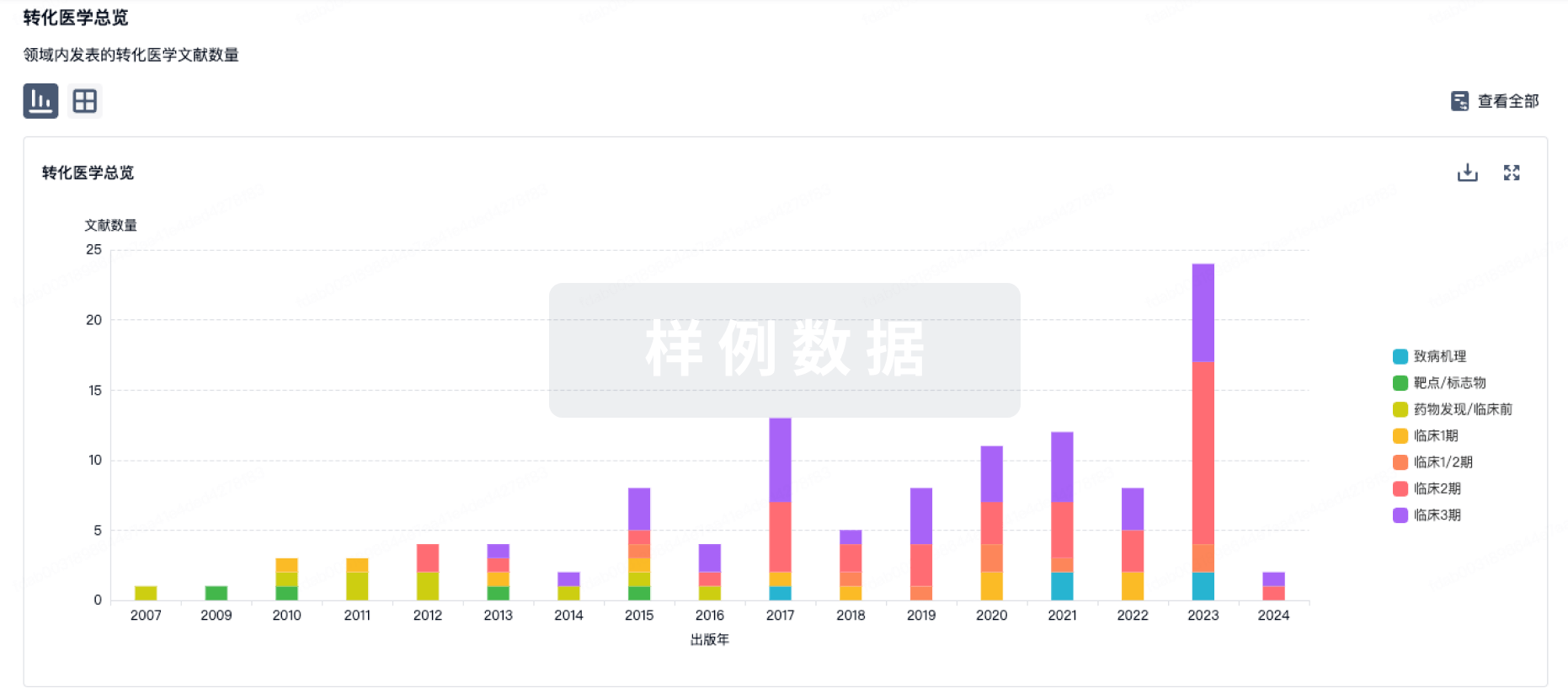
药物交易
使用我们的药物交易数据加速您的研究。
登录
或
核心专利
使用我们的核心专利数据促进您的研究。
登录
或
临床分析
紧跟全球注册中心的最新临床试验。
登录
或
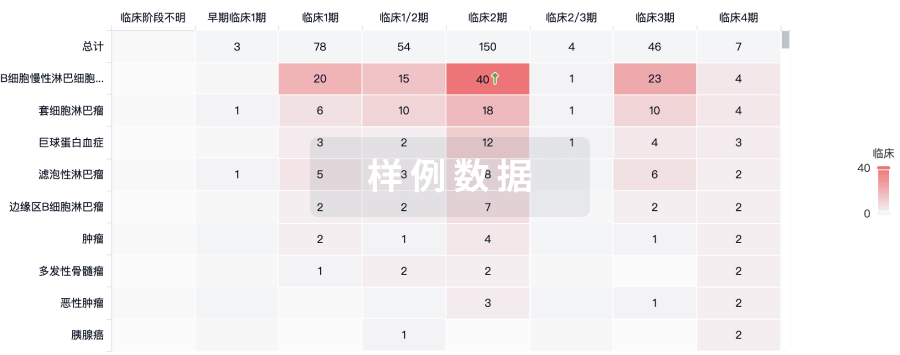
批准
利用最新的监管批准信息加速您的研究。
登录
或
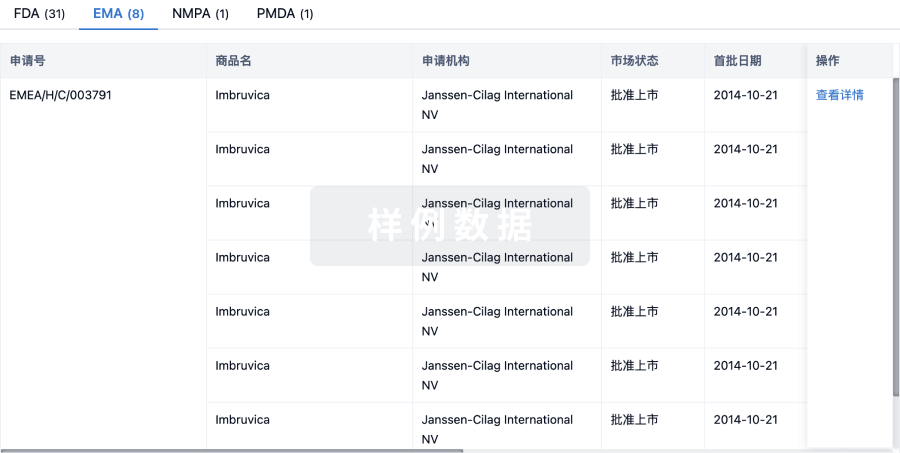
特殊审评
只需点击几下即可了解关键药物信息。
登录
或
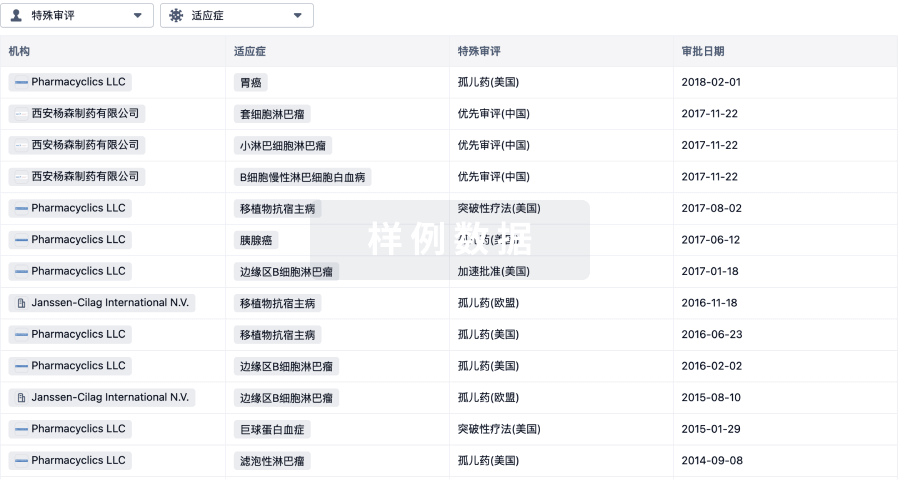
提出任何生物医药研究问题
让每一步生物医药决策都精准制胜
基于十亿级生物数据与全球情报的精准 AI,赋能早期药物发现
立即开始免费试用!
智慧芽新药情报库是智慧芽专为生命科学人士构建的基于AI的创新药情报平台,助您全方位提升您的研发与决策效率。
立即接入生物医药数据包
智慧芽新药库数据也通过智慧芽开放平台,以MCP或API服务形式对外开放。立即使用我们的MCP服务定制您的LLM智能体。
生物序列数据库
生物药研发创新
免费使用
化学结构数据库
小分子化药研发创新
免费使用