预约演示
更新于:2025-12-23
NG-Nitro-L-Arginine Methyl Ester
L-精氨酸甲酯
更新于:2025-12-23
概要
基本信息
非在研机构- |
权益机构- |
最高研发阶段临床前 |
首次获批日期- |
最高研发阶段(中国)- |
特殊审评- |


结构/序列
分子式C7H15N5O4 |
InChIKeyKCWZGJVSDFYRIX-YFKPBYRVSA-N |
CAS号50903-99-6 |
关联
100 项与 L-精氨酸甲酯 相关的临床结果
登录后查看更多信息
100 项与 L-精氨酸甲酯 相关的转化医学
登录后查看更多信息
100 项与 L-精氨酸甲酯 相关的专利(医药)
登录后查看更多信息
12,114
项与 L-精氨酸甲酯 相关的文献(医药)2026-12-01·MOLECULAR BIOLOGY REPORTS
The role of nitric oxide and connexin 43 in the cardioprotective effects of apigenin against doxorubicin-induced cardiotoxicity in male rats
Article
作者: Dehpour, Ahmad Reza ; Azizi, Yaser ; Goudarzi, Mina ; Safaei, Atlasi ; Fallah, Masoud ; Sheibani, Mohammad
BACKGROUND:
Doxorubicin (DOX) is one of the most widespread antibiotics used in the treatment of malignancies. Cardiotoxicity is the main side effect of DOX. Although the protective effects of apigenin have been shown, its mechanisms are still unknown. This study aimed to assess the role of nitric oxide (NO) in the protective effects of apigenin, particularly by altering the expression of connexin 43 (CX43) in the heart tissue.
METHODS AND RESULTS:
In this study, 60 male Wistar rats were divided into six equal groups: control (normal), DOX (2 mg/kg every 48 h for 12 days i.p.), apigenin (Api, 50 mg/kg oral administration), DOX + Api, DOX + L-NAME (Nitro-L-arginine methyl ester) (30 mg/kg i.p.), and DOX + Api + L-NAME. Our study assessed alterations in the heart weight and body weight, markers of cardiac function via echocardiography Ejection Fraction (%EF), Fractional Shortening (%FS), Left Ventricular Internal Diameter in Systole (LVIDs), and Left Ventricular Internal Diameter in Diastole (LVIDd), cardiac oxidative stress factors Superoxide Dismutase (SOD), Reduced Glutathione (GSH), Malondialdehyde (MDA), Catalase (CAT), cardiac injury markers Lactate Dehydrogenase (LDH), Creatine Kinase-MB (CK-MB), and Cardiac Troponin I (cTn-I), cardiac fibrosis, and CX43 expression (immunohistochemistry). Apigenin improved cardiac tissue damage and functional parameters such as left ventricular EF. Furthermore, treatment with apigenin, but not DOX, caused a significant reduction in the percentage of cardiac fibrosis and oxidative stress activity. Apigenin can also elevate the cardiac CX43 expression in the DOX + Api compared to the DOX group. NOS inhibition by L-NAME attenuates the protective effects of apigenin in DOX-induced cardiotoxicity COCCLUSION: Apigenin could exert its cardioprotective effects through an NO-dependent mechanism and elevation of CX43 expression.
2026-02-01·TISSUE & CELL
Ameliorative effects of hesperidin against iohexol-induced acute kidney injury: Modulating the levels of NF-κB/TNF-α/IL-1β, JAK2/STAT3, and Wnt3a/Dvl-2 signaling pathways
Article
作者: Şimşek, Hasan ; Caglayan, Cuneyt ; Akaras, Nurhan ; Kandemir, Fatih Mehmet ; Mutlu, Hüseyin ; Kandemir, Özge ; Mutlu, Fatih
Iohexol is a non-ionic contrast agent widely used in diagnostic imaging and angiographic procedures; however, its administration carries the risk of contrast-induced nephropathy. This study was conducted to investigate the ameliorative effects of hesperidin use against iohexol-induced acute kidney injury (AKI) in rats. Male wistar albino rats were randomly assigned into five groups: i) control, ii) hesperidin (100 mg/kg/day orally), iii) iohexol (3 g/kg, i.p), iv) iohexol (3 g/kg) and hesperidin (100 mg/kg) and v) iohexol (3 g/kg) and hesperidin (200 mg/kg). The induction of AKI was performed by dehydration and the administration of contrast media (iohexol) and inhibitors of prostaglandin (indomethacin) and nitric oxide synthesis (L-NAME: N-nitro L-arginine methyl ester). Hesperidin was administered for two weeks before the induction of AKI. Results showed that iohexol induced significant histopathological kidney damage and increased serum urea and creatinine levels. Molecular analyses revealed that iohexol suppressed AQP1 and AQP2 expression, while upregulating KIM-1 and inflammatory markers such as MAPK14, JAK2/STAT3, TRAF6/ACT1/IL-17A, and NFκB/TNF-α/IL-1β at the gene expression level. Furthermore, iohexol decreased the measured activity of antioxidant enzymes (SOD, CAT and GPx) and the GSH content, and significantly increased MDA levels. Additionally, iohexol promoted apoptosis mediated by Caspase-3, Bax, and Bcl-2, and suppressed gene expression of Wnt3a/Dvl-2 and Cyclin D1, which are involved in cell cycle regulation and development. This is the first study to link hesperidin with modulation of Wnt3a/Dvl-2 signaling in iohexol-induced AKI. Hesperidin treatment significantly modulated these parameters, demonstrating a nephroprotective effect. Thus, it was supported that hesperidin could be a potential nephroprotective agent.
2026-02-01·EXPERIMENTAL NEUROLOGY
Modulation of the mediodorsal thalamic nitric oxide system ameliorated amnesia and medial prefrontal abnormal network activity in a streptozotocin-induced rat model of Alzheimer's disease
Article
作者: A. Dehaqani, Mohammad-Reza ; A Dehaqani, Mohammad-Reza ; Karimani, Farnaz ; Rezayof, Ameneh ; Delphi, Ladan ; Ghahfarokhi, Mohammad Rabiei ; Yousefi, Ali
Alzheimer's disease (AD) is a progressive neurodegenerative disorder characterized by amnesia and neuronal network dysfunction. Given that the mediodorsal thalamus (MD) is connected to the medial prefrontal cortex (mPFC), and nitric oxide (NO) signaling is crucial for synaptic plasticity in memory formation, the present study aimed to investigate the role of the MD nitric oxide system in a streptozotocin (STZ)-induced Alzheimer's rat model. Also, the mPFC electrophysiological activity with the local field potential (LFP) was assessed following memory formation under STZ and/or NO agents to evaluate the mPFC interictal epileptiform discharges (IEDs) rate. The results showed that the microinjection of STZ (3 mg/kg/10 μl, 2 times) into the lateral ventricle (LV-STZ) impaired memory formation. Acute intra-MD microinjection of a precursor of nitric oxide, L-Arginine (1.5-6 μg/rat), improved the LV-STZ-induced amnesia. Sub-chronic intra-MD microinjection of an NO system inhibitor, L-NAME (0.5 and 1 μg/rat, 5 times) from the 5th to 13th days after the LV-STZ microinjection, a critical period for producing the neurotoxic effects of STZ on the brain, improved STZ-induced amnesia. Interestingly, the LV-STZ microinjection increased the IEDs in the mPFC, reflecting heightened neuronal hyperexcitability. The manipulation of the MD-NO system was associated with a decrease in the mPFC-IEDs rate, suggesting a negative correlation between the IEDs rate and memory formation. Taken together, these findings highlight the critical role of the MD-NO system in STZ-induced amnesia. Moreover, the dual effects of the MD-NO system manipulation, depending on the context and timing, may counteract STZ-induced amnesia by modulating the mPFC neural activity.
100 项与 L-精氨酸甲酯 相关的药物交易
登录后查看更多信息
研发状态
10 条进展最快的记录, 后查看更多信息
登录
| 适应症 | 最高研发状态 | 国家/地区 | 公司 | 日期 |
|---|---|---|---|---|
| 高血压 | 临床前 | 斯洛伐克 | 2010-06-01 | |
| 镇痛 | 临床前 | 巴西 | 2000-11-08 |
登录后查看更多信息
临床结果
临床结果
适应症
分期
评价
查看全部结果
| 研究 | 分期 | 人群特征 | 评价人数 | 分组 | 结果 | 评价 | 发布日期 |
|---|
No Data | |||||||
登录后查看更多信息
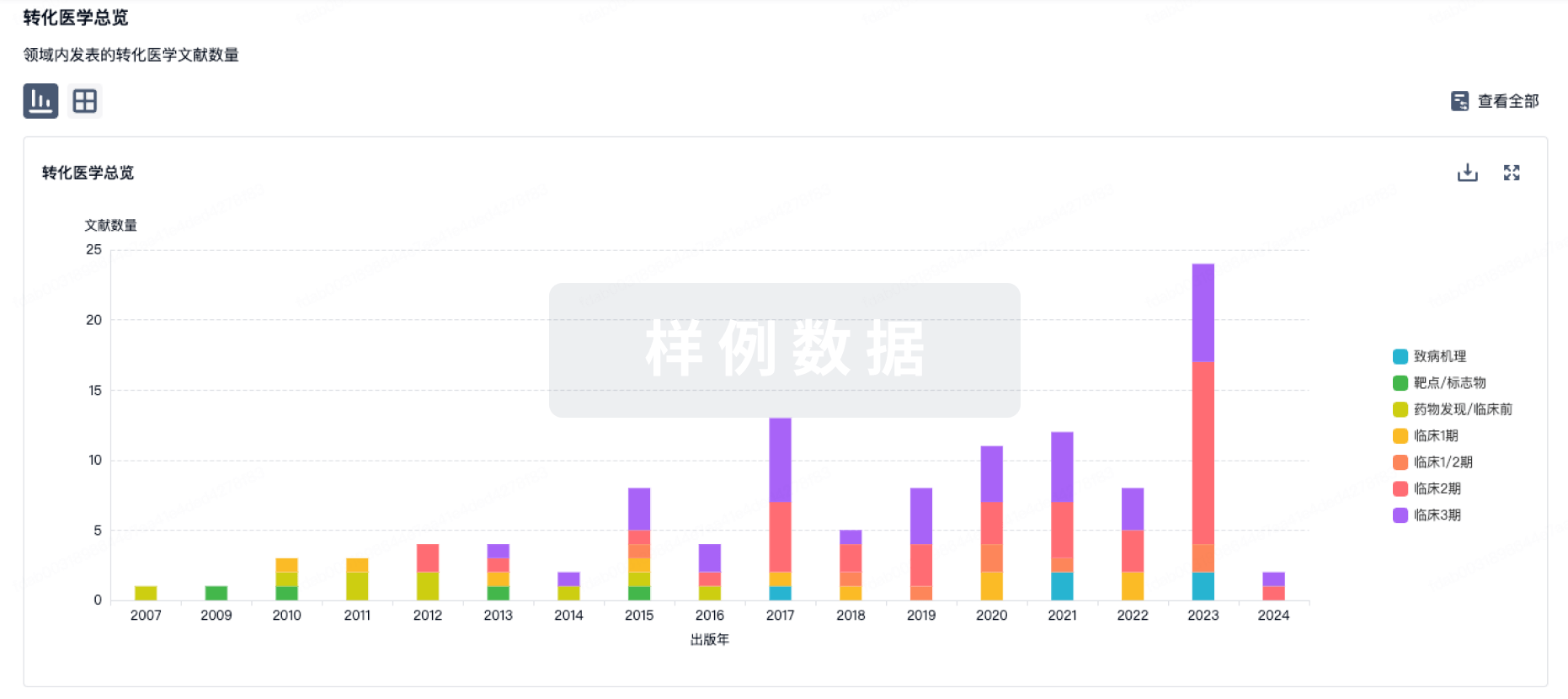
转化医学
使用我们的转化医学数据加速您的研究。
登录
或
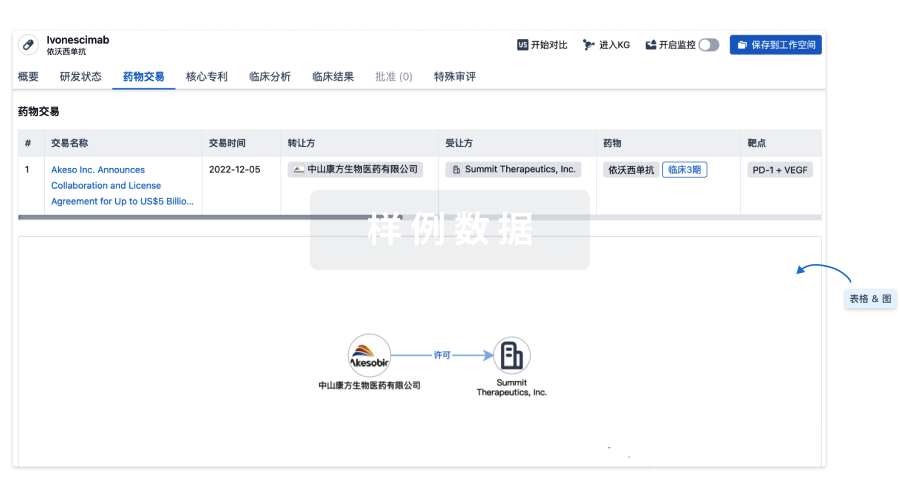
药物交易
使用我们的药物交易数据加速您的研究。
登录
或
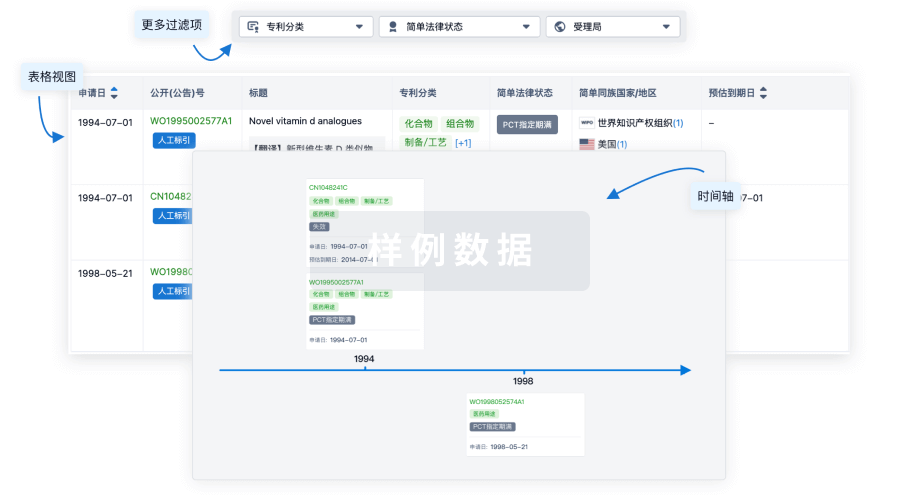
核心专利
使用我们的核心专利数据促进您的研究。
登录
或
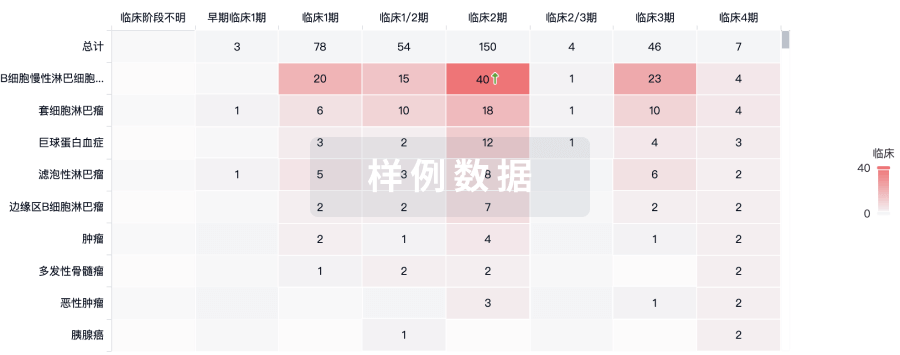
临床分析
紧跟全球注册中心的最新临床试验。
登录
或
批准
利用最新的监管批准信息加速您的研究。
登录
或
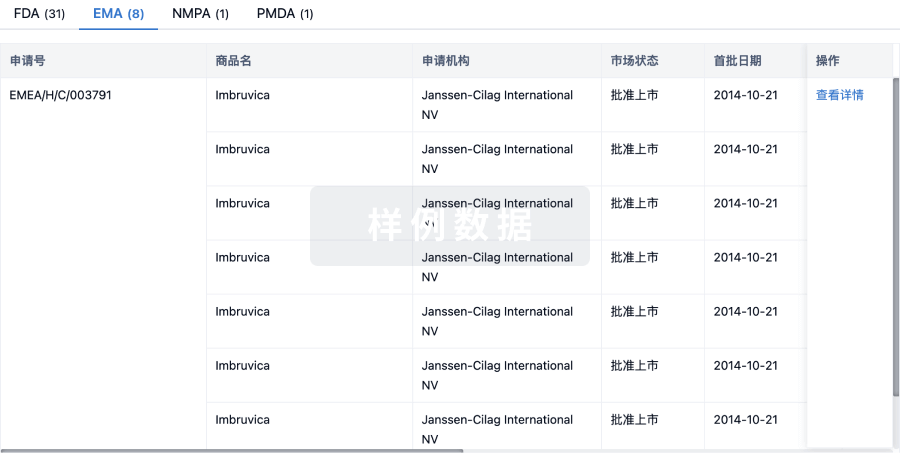
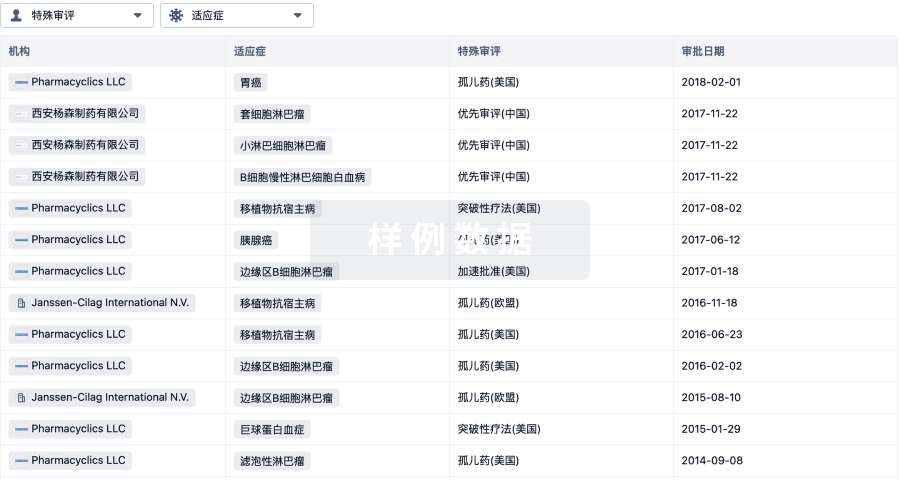
特殊审评
只需点击几下即可了解关键药物信息。
登录
或
生物医药百科问答
全新生物医药AI Agent 覆盖科研全链路,让突破性发现快人一步
立即开始免费试用!
智慧芽新药情报库是智慧芽专为生命科学人士构建的基于AI的创新药情报平台,助您全方位提升您的研发与决策效率。
立即开始数据试用!
智慧芽新药库数据也通过智慧芽数据服务平台,以API或者数据包形式对外开放,助您更加充分利用智慧芽新药情报信息。
生物序列数据库
生物药研发创新
免费使用
化学结构数据库
小分子化药研发创新
免费使用