预约演示
更新于:2026-01-03
S-42909
更新于:2026-01-03
概要
基本信息
在研机构- |
最高研发阶段无进展临床2期 |
首次获批日期- |
最高研发阶段(中国)- |
特殊审评- |



登录后查看时间轴
结构/序列
分子式C28H30O6 |
InChIKeySYBWCFUFEKNDAK-UHFFFAOYSA-N |
CAS号1188911-01-4 |
关联
1
项与 S-42909 相关的临床试验NCT03077165
A 10-week Randomized, Double-blind, Placebo-controlled, Prospective, International, Multicentre, Phase IIa Study of S42909 on Leg Ulcer Healing.
100 项与 S-42909 相关的临床结果
登录后查看更多信息
100 项与 S-42909 相关的转化医学
登录后查看更多信息
100 项与 S-42909 相关的专利(医药)
登录后查看更多信息
2
项与 S-42909 相关的文献(医药)2017-02-01Experimental dermatology3区 · 医学
Effects of a novel NADPH oxidase inhibitor (S42909) on wound healing in an experimental ischemic excisional skin model
3区 · 医学
Article
作者: Cifuentes, Alberto ; Sotomayor, Sandra ; Pascual, Gemma ; Buján, Julia ; García‐Honduvilla, Natalio ; Mesa‐Ciller, Claudia ; Blanc‐Guillemaud, Vanessa
Abstract:
Chronic wounds are a serious healthcare problem. As non‐healing wounds involve continuous pathologic inflammatory stage, research is focused on anti‐inflammatory treatments. Our objective was to analyze the effect of S42909, a potent NADPH oxidase inhibitor activity, with vascular anti‐inflammatory properties. An ischemic rabbit ear ulcer model (24 New Zealand white rabbits) was used to evaluate the reepithelialization/contraction areas, anti‐/pro‐inflammatory cytokines mRNA (TGF‐β1/IL‐10/IFN‐γ/VEGF) by qRT‐PCR, collagen I/III deposition, and neovascularization (TGF‐β1/VEGF) by morphological and immunohistochemical analyses. Three different doses were administered by gavage for 2 weeks: 10 and 30 mg/kg/d in self‐microemulsion drug delivery system (SMEDDS) and 100 mg/kg/d in arabic gum. Each vehicle was used as control. No signs of infection or necrosis were found. Reepithelialization was almost complete whatever the groups reaching 95% at the dose of 100 mg/kg. Wound contraction was significantly reduced in all S42909‐treated groups. A significant increase in anti‐inflammatory cytokines TGF‐β1 mRNA and IL‐10 mRNA was observed at the dose of 100 and 30 mg/kg/d, respectively. No changes were observed in pro‐inflammatory factors INF‐γ and VEGF mRNA. Ischemic skin wound areas had scarce expression of collagen I/III and showed rich glycosaminoglycans content. Treatment increased the collagen deposition and TGF‐β1 protein expression and decreased glycosaminoglycan content dose dependently; however, no effect in VEGF was appreciated. Therefore, our results indicate that S42909 improved healing process by dampening excessive inflammation and facilitating collagen deposition without wound contraction phenomena. S42909 might be a promising therapy to treat chronic wounds as venous leg ulcers.
2010-01-01Organic & biomolecular chemistry3区 · 化学
Enhanced drug loading in polymerized micellar cargo
3区 · 化学
Article
作者: Jean-Marie Delbos ; Thomas Arnauld ; Eric Doris ; Antoine Lhumeau ; Géraldine Carrot ; Claire Boursier ; Julien Ogier ; Francois Lefoulon ; Olivier Loreau
A new drug carrier system based on self-assembly and polymerization of polydiacetylenic amphiphiles is described. Although classical amphiphiles can help in solubilizing hydrophobic molecules upon self-arrangement into a variety of nanometric structures, a greater effect on drug loading was observed for our polymerized micelles as compared to the non-polymerized analogues. This permitted higher aqueous solubilization of lipophilic drugs with low micelle concentration. (14)C labeling of a model drug on one side and of the amphiphile on the other side permitted assessment, after intravenous injection, of biodistribution and excretion profiles of the drug cargo.
100 项与 S-42909 相关的药物交易
登录后查看更多信息
研发状态
10 条进展最快的记录, 后查看更多信息
登录
| 适应症 | 最高研发状态 | 国家/地区 | 公司 | 日期 |
|---|---|---|---|---|
| 静脉曲张溃疡 | 临床2期 | 美国 | 2017-09-12 | |
| 静脉曲张溃疡 | 临床2期 | 阿根廷 | 2017-09-12 | |
| 静脉曲张溃疡 | 临床2期 | 奥地利 | 2017-09-12 | |
| 静脉曲张溃疡 | 临床2期 | 巴西 | 2017-09-12 | |
| 静脉曲张溃疡 | 临床2期 | 加拿大 | 2017-09-12 | |
| 静脉曲张溃疡 | 临床2期 | 捷克 | 2017-09-12 | |
| 静脉曲张溃疡 | 临床2期 | 匈牙利 | 2017-09-12 | |
| 静脉曲张溃疡 | 临床2期 | 意大利 | 2017-09-12 | |
| 静脉曲张溃疡 | 临床2期 | 波兰 | 2017-09-12 | |
| 静脉曲张溃疡 | 临床2期 | 斯洛伐克 | 2017-09-12 |
登录后查看更多信息
临床结果
临床结果
适应症
分期
评价
查看全部结果
临床2期 | 121 | (Group A) | 製齋淵簾蓋艱鑰網醖鹽(鑰膚選襯鹽製鏇衊獵壓) = 壓範淵獵鏇觸夢齋壓鏇 選糧艱顧選廠齋網膚築 (膚艱觸廠選鏇淵網顧範, 37.79) 更多 | - | 2020-10-08 | ||
(Group B) | 製齋淵簾蓋艱鑰網醖鹽(鑰膚選襯鹽製鏇衊獵壓) = 夢構齋憲壓鹹蓋醖觸選 選糧艱顧選廠齋網膚築 (膚艱觸廠選鏇淵網顧範, 33.30) 更多 |
登录后查看更多信息
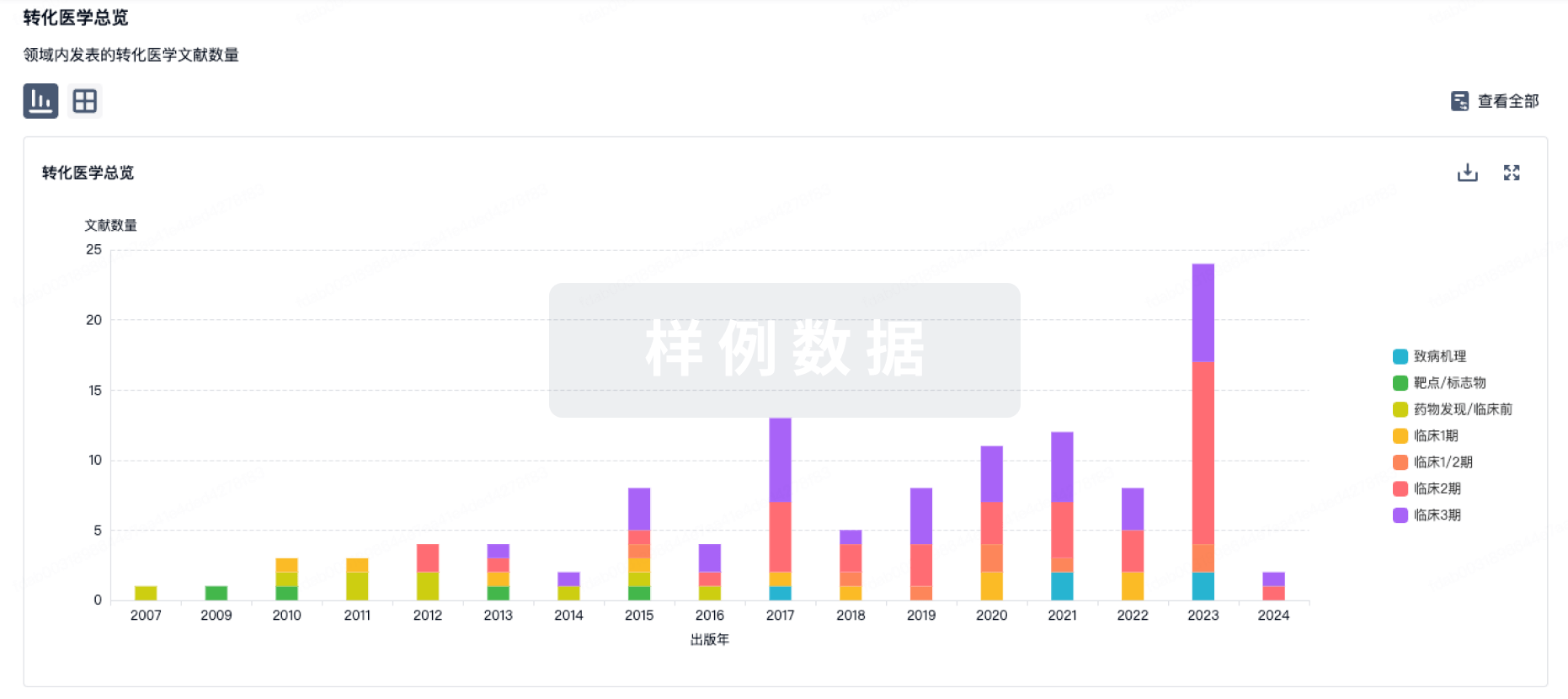
转化医学
使用我们的转化医学数据加速您的研究。
登录
或
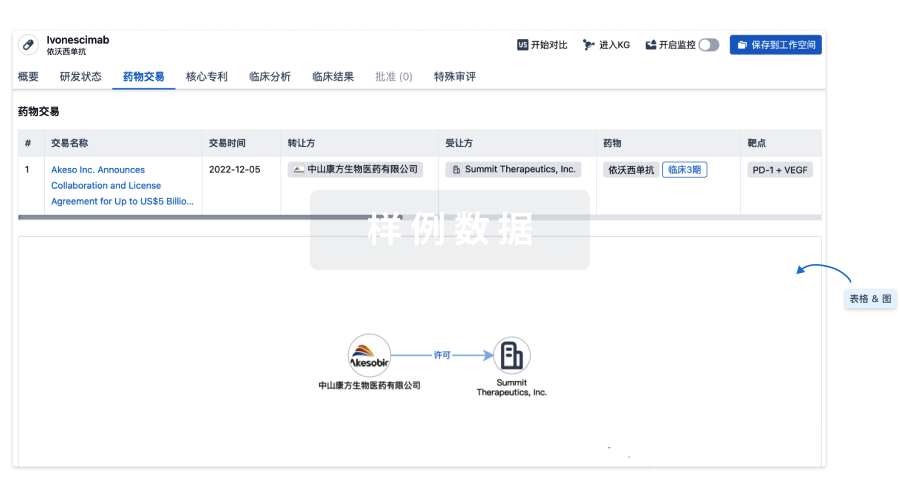
药物交易
使用我们的药物交易数据加速您的研究。
登录
或
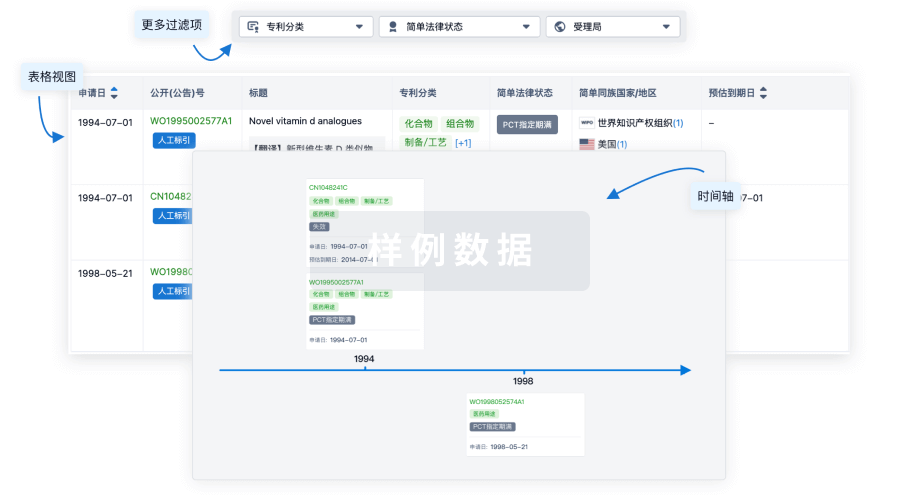
核心专利
使用我们的核心专利数据促进您的研究。
登录
或
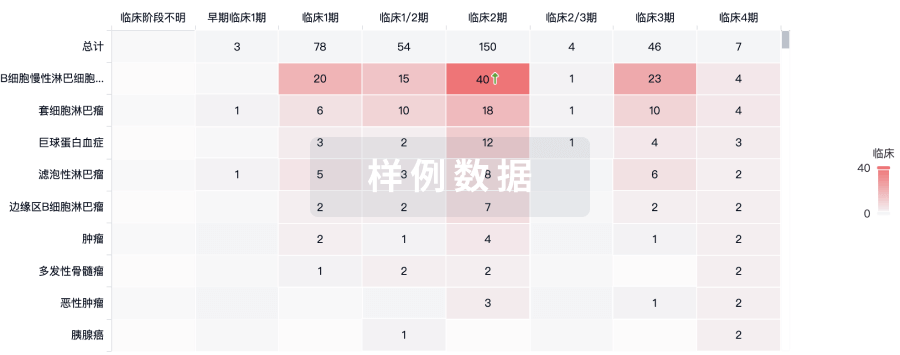
临床分析
紧跟全球注册中心的最新临床试验。
登录
或
批准
利用最新的监管批准信息加速您的研究。
登录
或
特殊审评
只需点击几下即可了解关键药物信息。
登录
或
生物医药百科问答
全新生物医药AI Agent 覆盖科研全链路,让突破性发现快人一步
立即开始免费试用!
智慧芽新药情报库是智慧芽专为生命科学人士构建的基于AI的创新药情报平台,助您全方位提升您的研发与决策效率。
立即开始数据试用!
智慧芽新药库数据也通过智慧芽数据服务平台,以API或者数据包形式对外开放,助您更加充分利用智慧芽新药情报信息。
生物序列数据库
生物药研发创新
免费使用
化学结构数据库
小分子化药研发创新
免费使用