预约演示
更新于:2026-03-10

Les Laboratoires Servier SAS
更新于:2026-03-10
概览
标签
肿瘤
心血管疾病
神经系统疾病
小分子化药
单克隆抗体
脂质体药物
疾病领域得分
一眼洞穿机构专注的疾病领域

技术平台
公司药物应用最多的技术
靶点
公司最常开发的靶点
关联
靶点 |
作用机制 |
在研机构 |
原研机构 |
在研适应症 |
非在研适应症 |
最高研发阶段 |
首次获批国家/地区 |
首次获批日期 |

靶点 |
作用机制 |
在研机构 |
原研机构 |
在研适应症 |
非在研适应症 |
最高研发阶段 |
首次获批国家/地区 |
首次获批日期 |


靶点 |
作用机制 |
在研机构 |
原研机构 |
在研适应症 |
非在研适应症 |
最高研发阶段 |
首次获批国家/地区 |
首次获批日期 |
NCT07433192
Multicenter Observational Study POLUS: Description of the Effectiveness and Tolerability of Luseogliflozin in Patients With Type 2 Diabetes in Real-world Clinical Practice.
NCT07286292
A Phase 2, Single Arm, Open-label Study to Assess the Safety, Tolerability, Pharmacokinetics and Pharmacodynamics of Vorasidenib in Pediatric Participants Aged 12 to < 18 Years Old With Grade 2 Astrocytoma or Oligodendroglioma With an IDH1 or IDH2 Mutation
NCT07250633
A Phase 1, Open-Label, Non-randomized, Single Dose, Safety, Tolerability, and Pharmacokinetic Study of Vorasidenib Administered to Participants With Severe Hepatic Impairment and Matched-Participants With Normal Hepatic Function
100 项与 Les Laboratoires Servier SAS 相关的临床结果
登录后查看更多信息
登录后查看更多信息
2026-02-01Blood neoplasia
Single-cell proteogenomic analysis of clonal evolution in PDX models of AML treated with IDH inhibitors
Article
作者: Aboualizadeh, Farzaneh ; Liu, Alex C H ; Wang, Vivian ; Ketela, Troy ; Abow, Amina ; Chan, Steven M ; Dai, David L ; Marchione, Dylan M ; Maher, Abdula ; Basi, Gurbaksh ; Hosseini, Mohsen ; Cathelin, Severine ; Arruda, Andrea ; Manikoth Ayyathan, Dhanoop ; Grignano, Eric ; Li, Lance ; Minden, Mark D ; Tron, Adriana E ; Yang, Yitong ; Nicolay, Brandon
Clonal heterogeneity in acute myeloid leukemia (AML) can drive drug resistance because different clones may respond variably to treatments. Studying the evolution of these clones under the influence of therapeutic selective pressures is important for designing strategies to overcome drug resistance. Here, we used single-cell proteogenomic analysis to monitor the clonal evolution and differentiation of isocitrate dehydrogenase (IDH)-mutated AML in patient-derived xenografts (PDX) treated with IDH inhibitors alone or in combination with other antileukemic therapies. Furthermore, we generated mixed PDX models by coengrafting ≥2 leukemic samples into the same animal and used single-cell DNA sequencing to deconvolute their clonal composition. Using these models, we tracked clonal evolution under selective pressure from IDH inhibitors and combination therapies, identifying an association between WT1 mutations and ivosidenib (IDH1 inhibitor) monotherapy resistance, as well as an antagonism between ivosidenib and enasidenib (IDH2 inhibitor) when tested in IDH1-mutated cells. Our findings demonstrate how single-cell proteogenomic analysis of PDX models can illuminate drug resistance mechanisms and inform therapeutic strategies.
2026-01-01JOURNAL OF CHROMATOGRAPHY A
Automated R workflow for Batman peak fitting using unified equation and stochastic modeling
Article
作者: Horváth, Simon ; Tóth, Eliza ; Felinger, Attila ; Mirzahosseini, Arash ; Dombi, Gergely ; Trapp, Oliver ; Sepsey, Annamária ; Tóth, Gergő ; Németh, Gábor ; Mhammad, Ali
Many drugs are chiral, and their enantiomers often display distinct pharmacological activities. Accurate determination of enantiomerization kinetics during chromatographic separations is therefore of critical importance. Batman peaks (plateau regions arising between partially resolved enantiomer peaks) carry valuable information about on-column interconversion dynamics. We developed an automated R framework that integrates both the unified equation and a stochastic model to extract kinetic and thermodynamic constants from chromatographic data. The workflow applies robust optimization algorithms to enhance flexibility, accelerate fitting, and improve accuracy relative to manual approaches. Quetiapine chromatograms were analyzed over a wide range of flow rates (0.1mL/minto3.0mL/min) and temperatures (10°C to 40°C). Both the unified equation and the stochastic model produced consistent rate constants, which were in good agreement with values obtained from optical rotation experiments. Notably, the stochastic model remained applicable even under extreme conditions where peaks coalesced. Linearized Eyring-Polányi analysis afforded the determination of thermodynamic parameters. The presented workflow provides a robust, flexible, and customizable platform for determining enantiomerization kinetics from Batman peaks. By combining the unified equation with stochastic modeling, it delivers reliable results across diverse chromatographic conditions. This framework is readily adaptable for routine analysis of dynamic enantiomerization in pharmaceutical and analytical chemistry applications.
2026-01-01Therapeutic Advances in Medical Oncology
Clinical outcomes of treatments for patients with refractory metastatic colorectal cancer: a systematic literature review and network meta-analysis
Article
作者: Akers, Katherine G. ; Taieb, Julien ; Frederickson, Andrew M. ; Hauch, Ole ; Yahiaoui, Sana ; Zaanan, Aziz ; Choucair, Elias ; Yao, Weiyu
Background::
For metastatic colorectal cancer (mCRC) patients whose disease is refractory to standard therapies, treatment with regorafenib, fruquintinib, or trifluridine/tipiracil (FTD/TPI; also known as TAS-102) with or without bevacizumab is recommended. Recent clinical trial evidence indicates that FTD/TPI + bevacizumab has superior efficacy to FTD/TPI for these patients, although its relative efficacy compared with other treatment regimens requires further evidence.
Objectives::
A systematic literature review (SLR) and network meta-analysis (NMA) were performed to evaluate the relative efficacy of treatments for patients with refractory mCRC.
Design::
SLR and NMA.
Data sources and methods::
Databases were searched for clinical trials evaluating treatments for refractory mCRC patients. NMA using random- and fixed-effects models was performed to estimate the relative treatment effects of FTD/TPI + bevacizumab compared with other treatment regimens on overall survival (OS) and progression-free survival (PFS).
Results::
Twenty-eight randomized controlled trials evaluating treatment regimens in patients with refractory mCRC were identified. Of these, 16 trials connected in a network with FTD/TPI + bevacizumab. NMA including these trials using random-effects models showed that the efficacy of FTD/TPI + bevacizumab was statistically favorable relative to that of other treatment regimens including placebo/best supportive care (hazard ratio (95% credible interval); OS: 0.41 (0.28, 0.58), PFS: 0.21 (0.14, 0.31)), FTD/TPI monotherapy (OS: 0.59 (0.43, 0.79), PFS: 0.46 (0.34, 0.64)), cetuximab (OS: 0.47 (0.29, 0.73), PFS: 0.32 (0.20, 0.53)), cetuximab + irinotecan (PFS: 0.43 (0.19, 0.98), panitumumab (OS: 0.46 (0.28, 0.72), PFS: 0.35 (0.22, 0.59)), regorafenib (OS: 0.60 (0.38, 0.95), PFS: 0.49 (0.31, 0.84)), and fruquintinib (OS: 0.62 (0.39, 0.94)).
Conclusion::
NMA results suggest that FTD/TPI + bevacizumab confers clinically relevant improvements in OS and PFS compared with other treatment regimens for refractory mCRC patients, supporting the use of this combination therapy in the third-line treatment setting.
2026-03-09
2026-03-09
·药菓
引进/卖出并购临床3期
100 项与 Les Laboratoires Servier SAS 相关的药物交易
登录后查看更多信息
100 项与 Les Laboratoires Servier SAS 相关的转化医学
登录后查看更多信息
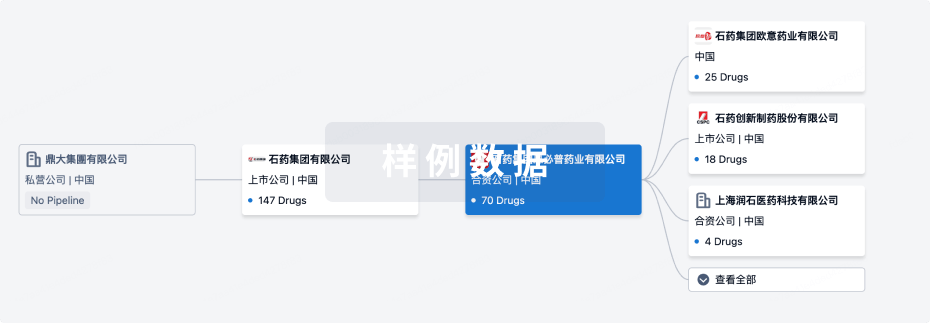
组织架构
使用我们的机构树数据加速您的研究。
登录
或
管线布局
2026年10月13日管线快照
管线布局中药物为当前组织机构及其子机构作为药物机构进行统计,早期临床1期并入临床1期,临床1/2期并入临床2期,临床2/3期并入临床3期
药物发现
15
26
临床前
临床申请批准
1
6
临床1期
临床2期
18
4
临床3期
申请上市
1
27
批准上市
其他
217
登录后查看更多信息
当前项目
登录后查看更多信息
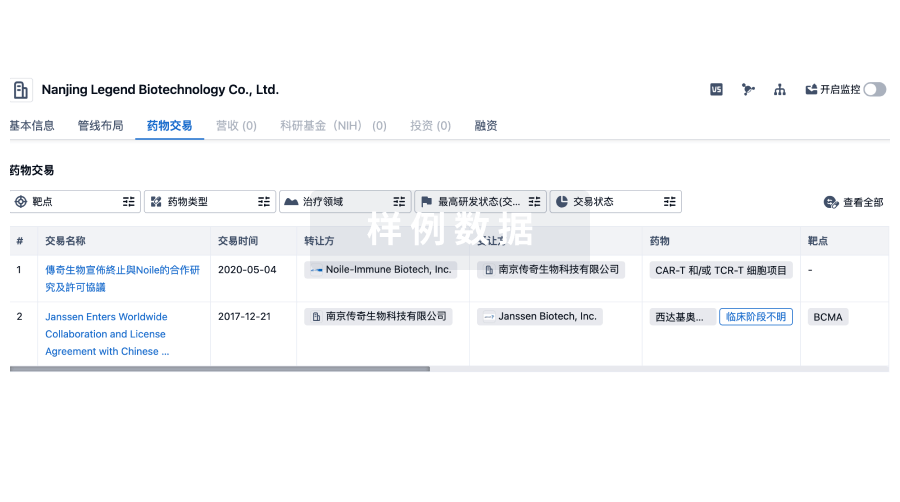
药物交易
使用我们的药物交易数据加速您的研究。
登录
或
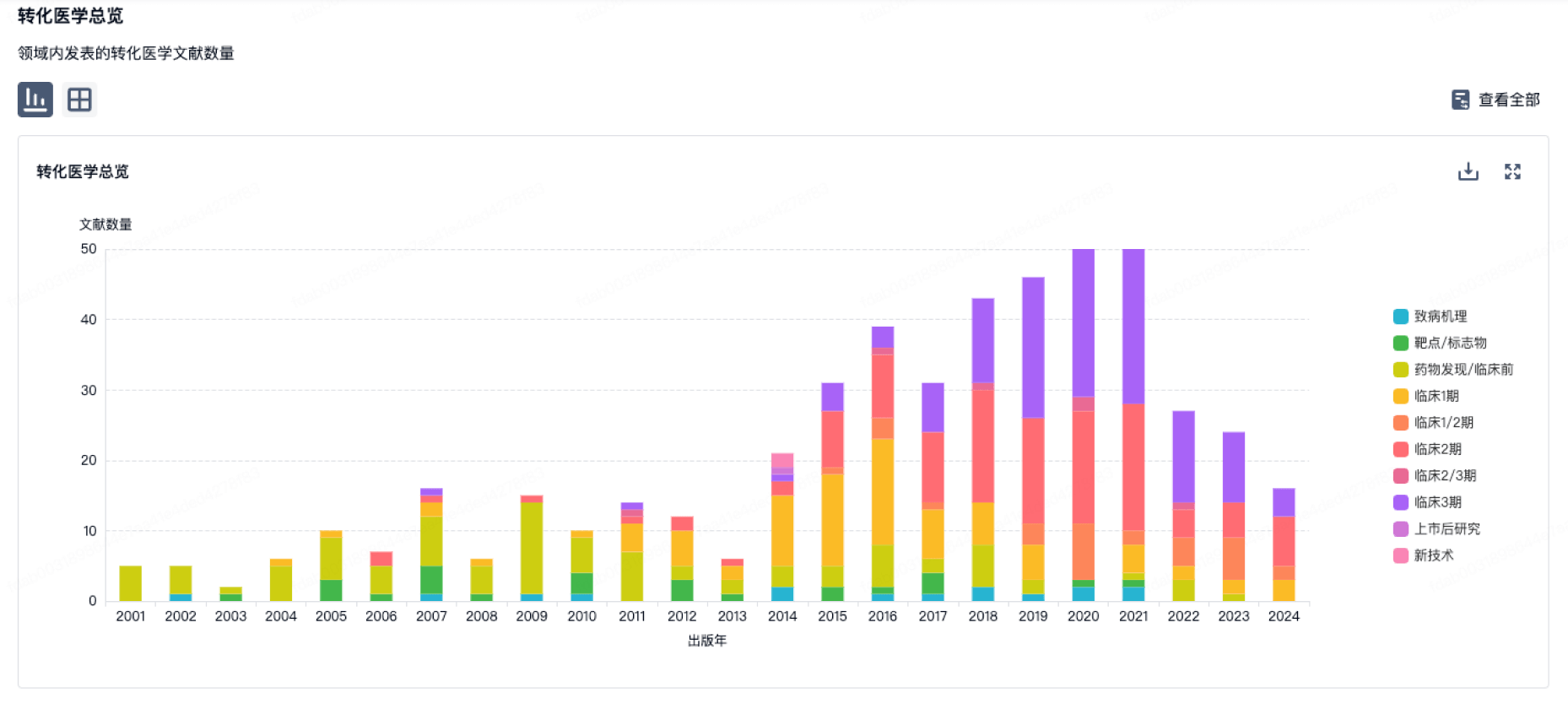
转化医学
使用我们的转化医学数据加速您的研究。
登录
或
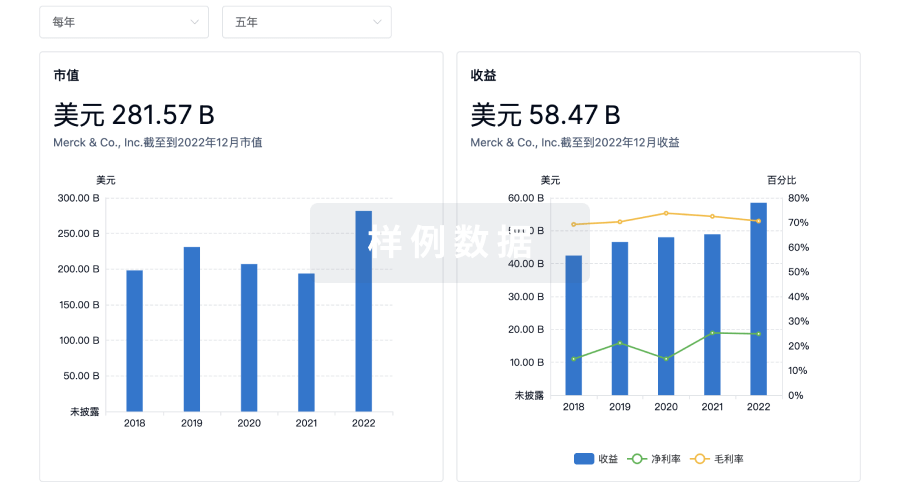
营收
使用 Synapse 探索超过 36 万个组织的财务状况。
登录
或
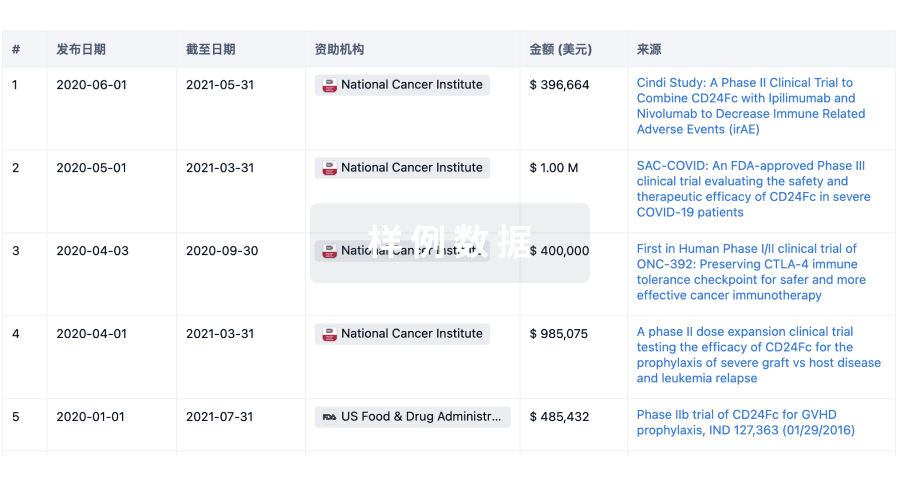
科研基金(NIH)
访问超过 200 万项资助和基金信息,以提升您的研究之旅。
登录
或
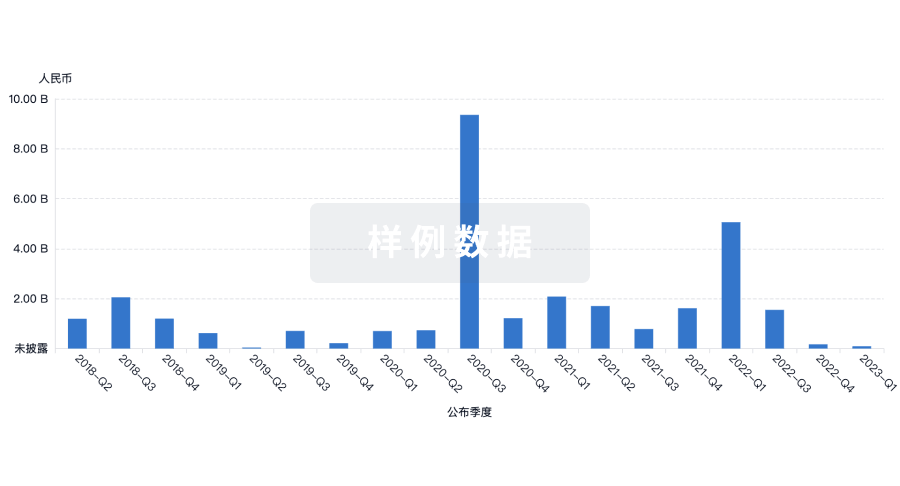
投资
深入了解从初创企业到成熟企业的最新公司投资动态。
登录
或
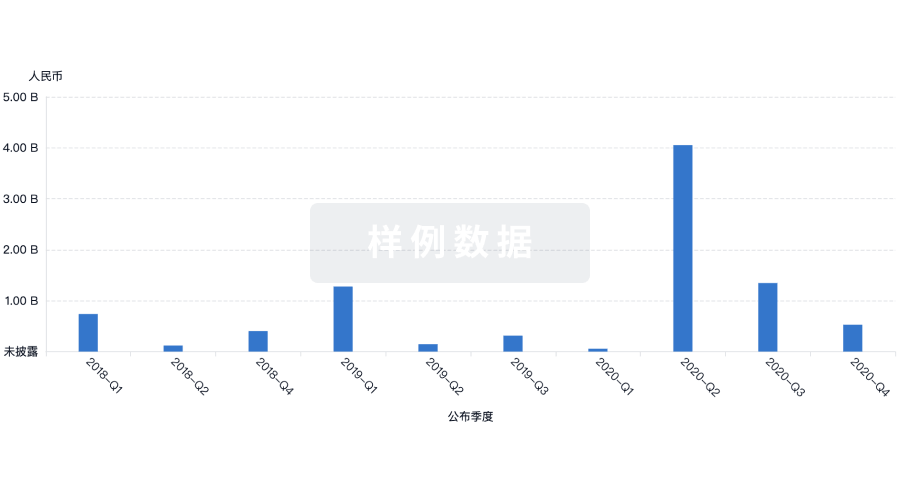
融资
发掘融资趋势以验证和推进您的投资机会。
登录
或
提出任何生物医药研究问题
让每一步生物医药决策都精准制胜
基于十亿级生物数据与全球情报的精准 AI,赋能早期药物发现
立即开始免费试用!
智慧芽新药情报库是智慧芽专为生命科学人士构建的基于AI的创新药情报平台,助您全方位提升您的研发与决策效率。
立即接入生物医药数据包
智慧芽新药库数据也通过智慧芽开放平台,以MCP或API服务形式对外开放。立即使用我们的MCP服务定制您的LLM智能体。
生物序列数据库
生物药研发创新
免费使用
化学结构数据库
小分子化药研发创新
免费使用