预约演示
更新于:2026-01-31
B03
更新于:2026-01-31
概要
基本信息
非在研机构- |
权益机构- |
最高研发阶段临床前 |
首次获批日期- |
最高研发阶段(中国)临床前 |
特殊审评- |



关联
100 项与 B03 相关的临床结果
登录后查看更多信息
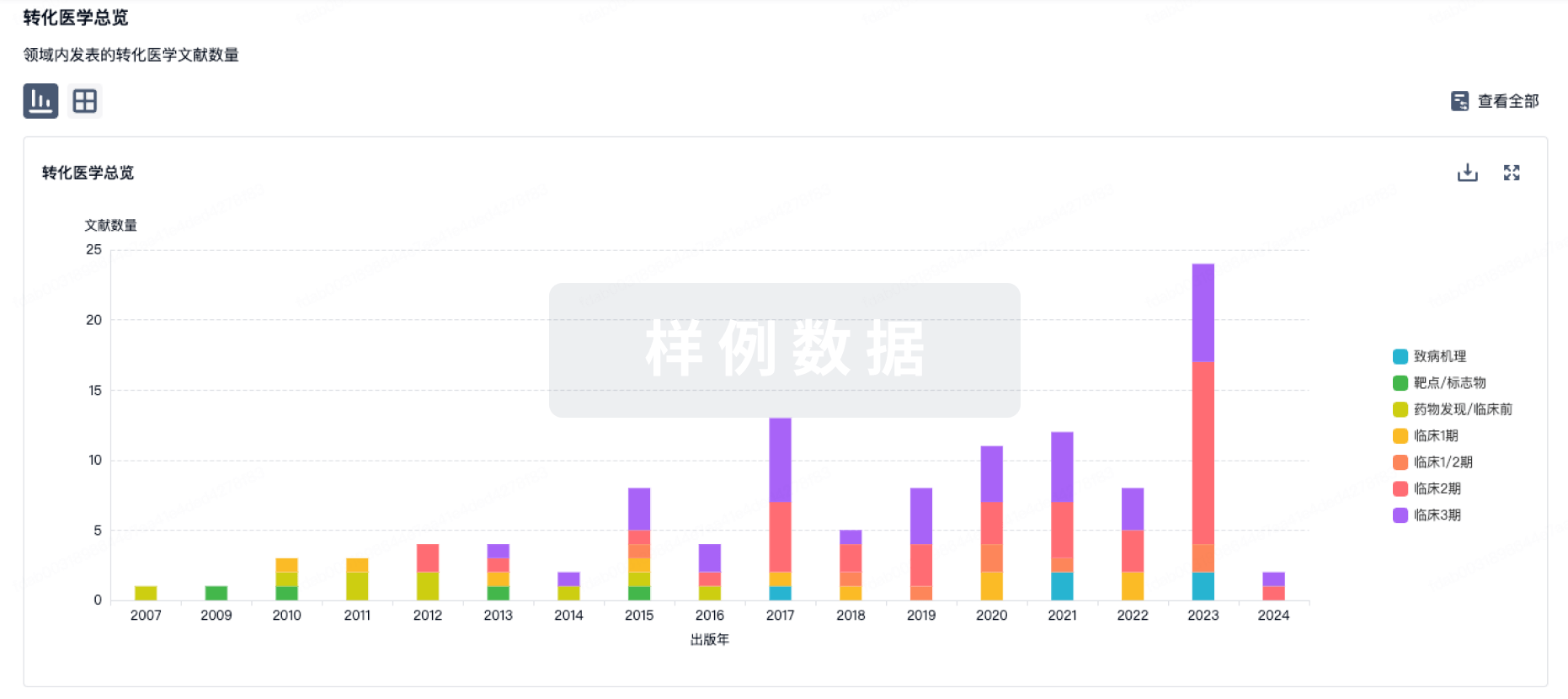
100 项与 B03 相关的转化医学
登录后查看更多信息
100 项与 B03 相关的专利(医药)
登录后查看更多信息
3
项与 B03 相关的文献(医药)2025-12-23·ACS Omega
Designing Potent HIV-1 Protease Inhibitors Using Machine Learning and QSAR Approaches
Article
作者: Dwi Putra, Ismail ; Rungrotmongkol, Thanyada ; Chuntakaruk, Hathaichanok ; Maitarad, Phornphimon ; Wolschann, Peter ; Ali, Saba ; Hannongbua, Supot
Acquired Immune Deficiency Syndrome (AIDS), caused by Human Immunodeficiency Virus type-1 (HIV-1), remains a global health crisis. Despite advances in antiretroviral therapy, drug resistance, particularly to protease inhibitors, persists as a significant challenge. Darunavir, a second-generation protease inhibitor, has reduced efficacy against resistant HIV-1 variants, underscoring the development of new inhibitors. This study combines machine learning (ML) and quantitative structure-activity relationship (QSAR) models to design potent HIV-1 protease inhibitors using phenol-based and polyphenol-based P2 ligands. QSAR models, including genetic function approximation (GFA), multiple linear regression (MLR), random forest (RF), gradient boosting regressor (GBR), and Extreme Gradient Boosting (XGBoost), were developed to analyze molecular descriptors. GBR exhibited the highest accuracy (R 2 = 0.911 and 0.994) with GFA and PI-selected descriptors, respectively. SHAP analysis highlighted key contributions to pIC50 predictions, including electronic charge at C53, low dipole moments, and shortened bond length (C53-O54). Five potent inhibitors (B01-B05) were predicted, outperforming HIV-1 protease inhibitors. Furthermore, molecular docking suggested that B03 and B05 exhibit strong binding interactions with wild-type and variants, particularly through hydrophobic and hydrogen bonding interactions, with key residues including D25, G27, D29, D30, D25', and D30'. This integrated QSAR-ML and structure-based analysis offers promising candidates for addressing drug resistance.
2024-12-01·BIOORGANIC & MEDICINAL CHEMISTRY
Exploration of novel 20S proteasome activators featuring anthraquinone structures and their application in hypoxic cardiomyocyte protection
Article
作者: Xu, Linhao ; Li, Linjie ; Zhang, Chong ; Zhong, Yigang ; Gao, Lixin ; Zeng, Linghui ; Cao, Yu ; Che, Jinxin ; Li, Jia ; Zhou, Yubo ; Xu, Yizhou ; Zhang, Jiankang ; Shen, Liteng ; Shao, Jiaan ; Han, Yubing ; Xi, Jianjun ; Yu, Qian ; Zhu, Huajian ; Dong, Xiaowu
Under hypoxic conditions, the accumulation of misfolded proteins primarily relies on the autonomous activity of 20S proteasome for degradation. The buildup of toxic proteins in cardiomyocyte contribute to various cardiovascular diseases. Therefore, enhancing the 20S proteasome degradation capacity and restoring protein homeostasis in myocardial cells with small molecule activators represent a promising therapeutic strategy for the treatment of ischemic cardiomyopathy. In this study, the lead compound 8016-8398 was identified through virtual screening, and subsequent structure optimization resulted in a series of highly potent 20S proteasome activators. Intracellular protein degradation assessment revealed that these compounds possessed abilities to alleviate endoplasmic reticulum stress, as demonstrated by the luciferase reporter system. Additionally, selected compound B-03 significantly enhanced the survival rate of hypoxic-damaged cardiomyocytes. Mechanistic investigations verified B-03 rescued hypoxic damaged cardiomyocyte through apoptosis inhibition and proliferation promotion.
2021-02-01·European journal of medicinal chemistry1区 · 医学
Discovery of selective CDK9 degraders with enhancing antiproliferative activity through PROTAC conversion
1区 · 医学
Article
作者: Bian, Jinlei ; Ding, Hong ; Huang, Huidan ; Yu, Bin ; Ren, Jie ; Wang, Min ; Li, Yuanqing ; Qiu, Xiaqiu ; Li, Zhiyu ; Wang, Jubo
Cyclin-dependent kinase 9 (CDK9) is an increasingly important potential cancer treatment target. Nowadays, developing selective CDK9 inhibitors has been extremely challenging as its ATP-binding sites are similar with other CDKs. Here, we report that the CDK9 inhibitor BAY-1143572 is converted into a series of proteolysis targeting chimeras (PROTACs) which leads to several compounds inducing the degradation of CDK9 in acute myeloid leukemia cells at a low nanomolar concentration. In addition, the most potent PROTAC molecule B03 could inhibit cell growth more effectively than warhead alone, with little inhibition of other kinases. This enhanced antiproliferative activity is mediated by a slight increase in kinase inhibitory activity and an increase in the level of apoptosis induction. Moreover, B03 could induce the degradation of CDK9 in vivo. Our work provides evidence that B03 represents a lead for further development and that CDK9 degradation is a potential valuable therapeutic strategy in acute myeloid leukemia.
3
项与 B03 相关的新闻(医药)2025-05-09
中文摘要目的 优化表达抗人IL-17A/F单克隆抗体(单抗)的中国仓鼠卵巢(Chinese hamster ovary,CHO)细胞的培养基,筛选获得高表达且质量可比抗体的国产培养基。方法 用1株表达抗IL-17A/F单抗的CHO细胞,首先筛选出较优的基础培养基和补料培养基组合,并对该组合进行进一步补料策略优化和2 L生物反应器筛选,再经反应器工艺确认比较抗体表达量和产品质量。结果 基础培养基BM-01、补料培养基FM-01和FM-02组合为重组CHO细胞表达抗IL-17A/F单抗最优的培养基组合;其中补料培养基FM-01补料策略为培养第3/6/8/10/12天(3%~7%),补料培养基FM-01∶FM-02的补加体积比例为10∶1。在2 L生物反应器中最终抗体表达量超过6.5 g/L,为原工艺的2倍以上,且产品质量一致性好。结论 使用基础培养基BM-01、补料培养基FM-01和FM-02组合,实现了抗IL-17A/F单抗在CHO细胞中的高表达且质量可比,为国产培养基用于规模化生产抗IL-17A/F单抗奠定了基础。正文IL-17是促炎因子细胞家族,共有6个已知成员:IL-17A、IL-17B、IL-17C、IL-17D、IL-17E(也称IL-25)和IL-17F。IL-17家族细胞因子结构相似,对靶细胞产生相似的作用,其中IL-17A的致炎性最强,被研究最多。IL-17A与IL-17F具有55%的结构同源性和重叠的生物学功能,可以IL-17A/A和IL-17F/F同源二聚体的形式存在,也可以IL-17A/F异源二聚体的形式存在,并通过相同的IL-17RA/RC受体复合物介导信号传递,从而促进炎症反应。有研究表明,在免疫介导的炎症疾病,例如银屑病、银屑病关节炎、强直性脊柱炎和哮喘中,IL-17A和IL-17F功能失调。目前全球已有IL-17靶向药物被批准用于治疗银屑病和强直性脊柱炎,其中首个治疗中重度银屑病的IL-17A/F双重抑制剂bimekizumab已在日本和美国获批上市。Ⅲ期临床试验结果显示,bimekizumab治疗的皮肤清除效果优于现有疗法,安全性良好,治疗效果显著。单克隆抗体(单抗)药物因靶向性高、特异性强而受到广泛关注。每年大约有40种新型单抗进入临床试验,其中大部分使用中国仓鼠卵巢(Chinese hamster ovary,CHO)细胞生产。目前,重组抗体的表达水平和产量是制约抗体药物发展的主要瓶颈之一。珠海市丽珠单抗生物技术有限公司已构建并筛选出1株稳定表达抗人IL-17A/F抗体的重组单克隆CHO细胞。为提高抗体产量,本研究拟对该细胞株进行培养基筛选,期望筛选出高产的细胞培养基组合,为后续优化细胞培养工艺奠定基础,并为后续降低产业化生产成本提供科学依据和指导。1材料与方法1.1细胞株本研究所用细胞株为珠海市丽珠单抗生物技术有限公司提供的表达抗人IL-17A/F抗体的重组CHO细胞。1.2培养基本研究选取16种商业化培养基组合,补料体积为初始体积的3%~7%,具体信息如表1所示。1.3主要仪器Vi-Cell XR细胞计数仪购自美国Beckman coulter life sciences公司,Rapidpiont 500血气分析仪购自德国Siemens公司,ISF1-XC细胞培养摇床购自瑞士Kuhner公司,Ez-control生物反应器购自荷兰Applikon公司,1260高效液相色谱仪购自美国Agilent公司,Infinite F200 pro多功能酶标仪购自瑞士Tecan公司。1.4细胞培养1.4.1 细胞复苏、扩增和培养 从液氮罐取出冻存的细胞,经水浴后转移至含有10 mL基础培养基的离心管中,经300×g离心5 min后弃去上清液。用含25 μmol/L蛋氨酸亚氨基代砜的Dynamis培养基重悬细胞,将细胞悬液转移至125 mL摇瓶中,置于36.5 ℃、5% CO2培养箱并于125 r/min转速培养。对种子细胞进行扩增,细胞扩增足量后接种培养。1.4.2 摇瓶培养基筛选 根据表1的培养基组合,以(0.3~1.0)×106 mL-1的密度接种于含不同培养基的250 mL摇瓶中,培养体积70 mL。摇床培养参数为36.5 ℃、5% CO2和125 r/min。细胞培养接近平台期时,培养温度调至33 ℃。每天取样检测活细胞密度、细胞存活率和葡萄糖浓度;按表1的补料策略进行补料操作,补料体积按照摇瓶的初始培养体积进行计算。培养期间葡萄糖浓度控制不低于5.6 mmol/L。1.4.3 摇瓶补料策略研究 基于1.4.2筛选的结果,选择适合细胞生长的培养基组合进行补料策略筛选实验,研究方案见表2。补料体积按照摇瓶的初始培养体积计算,补充3%~7%。细胞培养接近平台期时,培养温度调至33 ℃。培养期间葡萄糖浓度控制不低于5.6 mmol/L。1.4.4 2 L反应器培养基筛选和工艺确认 种子细胞按照(0.3~1.0)×106 mL-1的初始接种密度接种至反应器。工艺参数按照实验设计进行设定,pH通过级联碳酸钠溶液和CO2进行关联调节,pH控制在6.80~7.20。细胞培养接近平台期时,培养温度调至33 ℃。每天取样检测活细胞密度、细胞存活率和葡萄糖浓度,补料策略如表3所示,补料体积按照反应器的初始培养体积进行计算。培养期间葡萄糖浓度控制不低于5.6 mmol/L。根据培养产生的泡沫情况,适量添加消泡剂。根据结果选择新工艺为BR03进行工艺确认,与原工艺进行各项参数比较。1.5抗人IL-17A/F抗体纯化培养上清液中的抗体采用Protein A亲和层析柱进行纯化。使用pH7.2的三羟甲基氨基甲烷〔tris(hydroxymethyl)aminomethane,Tris〕-盐酸缓冲液平衡层析柱,取约20 mL经离心过滤的样品上样,然后用pH7.2的Tris-盐酸缓冲液冲洗层析柱,最后用pH3.6的Tris-醋酸缓冲液洗脱抗体,并用1 mol/L缓冲液将收集的抗体洗脱液pH值调至5.5左右。1.6分析方法1.6.1 蛋白浓度检测 采用Protein A-高效液相色谱法检测培养上清液中抗体的浓度。使用Applied Biosystems POROS Protein A(2.1 mm×30 mm)色谱柱,在流动相A(1×PBS,pH7.0)条件下,培养上清液经9 000×g、5 min离心后,取上清液20 μL注入高效液相色谱仪,柱温20 ℃,将抗体特异性结合到色谱柱上,用流动相B(51 mmol/L甘氨酸,150 mmol/L NaCl,pH2.5)进行洗脱,通过280 nm紫外光检验吸收强度计算上清液中抗体的浓度。1.6.2 抗人IL-17A/F抗体纯度检测 层析样品采用凝胶排阻色谱法进行检测。使用TOSOH TSK gel G3000SWXL(7.8 mm×300 mm,5 μm)色谱柱,以pH6.5的0.1 mol/L Na2HPO4+0.2 mol/L NaCl为流动相,柱温25 ℃,检测波长280 nm,将供试品稀释至约1 mg/mL,经离心取上清液20 μL注入高效液相色谱仪,按面积归一化法计算。1.6.3 抗人IL-17A/F抗体糖型分析 层析样品采用超高效液相色谱法进行检测。使用PNGase F酶将糖链从糖蛋白上酶切下来,加入乙醇沉淀蛋白,回收纯化糖链,真空离心浓缩,得到糖链粉末,加入2-AB衍生试剂对糖基进行衍生,进行色谱分析,选用Acquity UPLC BEH Amide(2.1 mm×100 mm,1.7 µm)色谱柱,以pH4.5的100 mmol/L甲酸铵和纯乙腈作为流动相,流速0.4 mL/min,梯度洗脱50 min,经荧光检测器激发波长330 nm、发射波长420 nm的信号,得到各糖型的分布及相对含量。1.6.4 抗人IL-17A/F抗体电荷异质性检测 层析样品采用弱阳离子交换色谱法进行检测。采用ProPac WCX-10(4 mm×250 mm,0.3 µm)色谱柱,以pH6.2的20 mmol/L 吗啉乙磺酸+20 mmol/L NaCl为流动相A、pH6.2的20 mmol/L 吗啉乙磺酸+200 mmol/L NaCl为流动相B,流速1.0 mL/min,柱温25 ℃,检测波长280 nm,将供试品稀释至约1 mg/mL,取20 μL注入高效液相色谱仪,按峰面积归一化法计算主峰、酸性峰及碱性峰百分含量。由于碱性羧肽酶B可以识别并结合到抗体C末端的赖氨酸残基上,通过催化水解抗体C末端的赖氨酸残基,因此,可以通过对比羧肽酶B酶切前后抗体的碱性峰含量来确定抗体中赖氨酸变体的含量。1.6.5 抗人IL-17A/F抗体报告基因活性检测 层析样品采用萤光素酶报告基因法检测。将HeLa(Nlucp/NF-κB-RE)重组细胞浓度调至3×105 mL-1,按100 μL/孔加入96孔全白细胞培养板,于37 ℃、5% CO2培养箱培养16~24 h。用含IL-17A/F的阳性对照液梯度稀释分析标准品和供试品至首孔浓度600 μg/mL后,按3.5倍梯度稀释,共11个浓度梯度,每个浓度3个复孔。以50 μL/孔加至细胞板中,于37 ℃、5% CO2培养箱孵育4~6 h。以50 μL/孔加入显色液,室温避光反应5~30 min。用酶标仪化学发光模式读板,测定发光强度,使用软件计算供试品相对结合活性。分析标准品同法操作。与分析标准品相比相对活性应为60%~140%。1.6.6 抗人IL-17A/F抗体结合活性检测 层析样品采用ELISA检测。将供试品稀释至首孔500 ng/mL,1.9倍梯度稀释,共12个梯度,以100 μL/孔加至已包被500 ng/mL重组人IL-17A的96孔酶标板,共孵育2 h±30 min,洗涤后加辣根过氧化物酶标记的羊抗人IgG酶标二抗100 μL/孔,孵育1 h±10 min,显色(33±3) min,终止反应后用酶标仪在450 nm/620 nm双波长处测定光密度值,使用软件计算供试品相对结合活性。分析标准品同法操作。与分析标准品相比相对活性应为70%~130%。除包被蛋白为500 ng/mL重组人IL-17F外,抗人IL-17F抗体采用相同方法进行结合活性检测。1.7统计学方法利用SPSS 18.0统计软件对实验数据进行统计分析,检验方差齐性后用独立样本t检验进行组间比较,以P<0.05为差异有统计学意义。2结果2.1摇瓶培养基筛选以表达重组抗人IL-17A/F抗体的CHO细胞为实验对象,以最高活细胞密度、细胞存活率、蛋白表达量、纯度、N-糖型和弱阳离子交换为考察指标,综合筛选出可支持重组CHO细胞生长良好的培养基,进行以下阶段补料的优化实验。使用16种培养基组合进行14 d批次培养,细胞性能参数如图1所示,部分组合细胞由于生长状态差,因此提前结束培养。B02和B08实验组细胞生长表现优于原工艺(图1A);大部分组合细胞存活率维持较好,与原工艺相近(图1B);不同的培养基组合抗体表达量存在差异,B02、B08、B10、B12、B13和B15的蛋白表达量比原工艺高,其中B02组合蛋白表达量较原工艺提高约70%,达到5.6 g/L(图1C)。将蛋白表达量较优的组合(B02、B08、B10、B12、B13和B15)细胞培养液经纯化制备得到的亲和层析样品进行纯度、N-糖型和电荷异质性等质量检测,检测结果如表4—6所示,单体含量与原工艺无明显差异;Man5含量和碱性峰含量均比原工艺高;电荷异质体主峰含量和岩藻糖含量较原工艺低。以上结果表明,B02、B08、B10、B12、B13和B15实验组的工艺性能优于原工艺,而N-糖型和电荷异质性质量属性与原工艺有差异。2.2摇瓶补料策略研究基于摇瓶培养基筛选的实验结果,以B02、B08、B10、B12和B15实验组的培养基组合进行补料策略研究,包括原工艺共进行11组摇瓶实验,由于B12和B13实验组培养基组合为同一厂家生产,因此只选择B12实验组进行补料策略研究。细胞性能参数如图2所示,FB01-1和FB01-2活细胞密度峰值和细胞生长趋势均优于原工艺(图2A);各实验组细胞存活率均维持在90%以上,与原工艺相近(图2B);各实验组的蛋白表达量均高于原工艺,其中FB01-1的蛋白表达量最高,约为原工艺的2倍,达8.4 g/L(图2C)。各实验组间,FB01-1、FB02-1、FB03-1、FB04-1的蛋白表达量高于FB01-2、FB02-2、FB03-2、FB04-2组,表明FB01、FB02、FB03和FB04组在培养第3天(D3)/6/8/10/12补料(3%~7%)更有利于CHO细胞表达IL-17A/F,而FB05-1的蛋白表达量比FB05-2低,表明FB05组在D3/5/7/9/11补料(3%~7%)更有利于蛋白表达。检测细胞培养液亲和层析纯化样品的纯度、N-糖型和电荷异质性,结果如表7—9所示,各实验组的单体含量均在99%以上,与原工艺相近;各实验组N-糖型中Man5含量均比原工艺高,岩藻糖含量均比原工艺低;各实验组电荷异质性酶切前主峰含量和酸性峰含量比原工艺低,酶切后各实验组的主峰含量与酶切前比升高,而碱性峰含量有所降低,说明重组蛋白C末端Lys被不完全去除。2.32 L反应器培养基筛选基于补料策略研究结果,选择FB01-1、FB03-1、FB04-1实验组培养工艺在反应器上进行培养基筛选及补料策略实验。细胞性能参数如图3所示,BR02和BR03组的活细胞密度峰值均高于原工艺,而BR01组与原工艺基本一致(图3A);各实验组细胞存活率均在95%以上,与原工艺相近(图3B);各实验组的蛋白表达量均高于原工艺,其中BR02和BR03分别为6.3和5.7 g/L,即原工艺的3.0和2.7倍(图3C)。检测细胞培养液亲和层析纯化样品的纯度、N-糖型和电荷异质性,结果如表10—12所示,实验组的单体含量均在99%以上,与原工艺相似;各实验组Man5含量比原工艺高,岩藻糖含量比原工艺低,其中BR01和BR03组岩藻糖含量相当;BR03电荷异质性酶切前后主峰含量与原工艺相当,酶切后各实验组酸性峰含量升高,而碱性峰含量降低,说明重组蛋白C末端Lys被不完全去除。综合上述结果,BR03实验组在质量方面更接近原工艺且蛋白表达量更高。2.4反应器工艺确认基于反应器培养基筛选结果选择B03培养工艺进行工艺确认,结果如图4所示,新工艺活细胞密度峰值比原工艺约高1倍(图4A),细胞存活率趋势优于原工艺(图4B),蛋白表达量从3.2 g/L提高至6.6 g/L(图4C),差异有统计学意义(t=50.81,P<0.001)。细胞培养液经纯化后得到的亲和层析样品进行纯度、N-糖型和电荷异质性检测,原工艺和新工艺单体含量均达99%以上(图4D),差异无统计学意义(t=2.14,P=0.099);N-糖型中岩藻糖含量比原工艺低(图4E),且差异有统计学意义(t=9.92,P<0.001);新工艺电荷异质性主峰含量与原工艺相似,酸性峰(t=8.47,P=0.001)和碱性峰(t=3.58,P=0.020)含量差异均有统计学意义(图4F)。由于N-糖型和电荷异质性与原工艺存在差异,因此进一步检测重组细胞活性和IL-17A/F结合活性,结果显示,新工艺重组细胞活性相对比活和IL-17A/F结合活性均与原工艺标准品相当(表13)。综上,新工艺产品N-糖型和电荷异质性与原工艺的部分差异并不影响抗体的生物学活性。3讨论CHO细胞是1种广泛应用于生物制药领域的细胞系,其培养基的质量和性能对细胞培养和产物表达至关重要。虽然目前我国的大部分CHO细胞培养基市场被国外品牌占据,但随着我国生物医药产业的快速发展,以及在疫情和国际大环境的影响下,培养基的国产化替代已经成为趋势。培养基的国产化替代不仅可以降低生物制药企业的生产成本,还可以提高培养基的质量和稳定性,从而提高生物药的生产效率和质量。此外,培养基的国产化替代也有助于提高中国生物制药行业的竞争力和创新能力,促进行业健康发展。在重组蛋白生产中,细胞培养基的开发和优化通常被视为提高细胞密度和蛋白产量、减少副产物以及提高产品质量的有用策略(细胞密度和抗体滴度通常是培养基研究的主要报告结果)。目前,哺乳动物细胞生产单抗主要在大型生物反应器中通过分批补料的工艺方式进行,以达到最大的活细胞密度和最高蛋白产量。抗体产量直接影响药物未来商业化生产的制造成本,为了提高抗体产量,本实验在重组表达抗人IL-17A/F单抗的CHO细胞基础上,对商业化基础培养基和补料培养基进行筛选和优化,综合评估并筛选出可使抗人IL-17A/F抗体产量更高的商业化培养基组合。本研究通过培养基筛选等实验综合考察抗体表达和产品质量属性发现,新的细胞培养工艺虽不影响抗体的纯度,但糖型和电荷异质性存在部分差异,糖型的种类和含量可能影响抗体的有效性、安全性和稳定性。由于IL-17A/F为分泌型细胞因子,自然状态下无膜上表达IL-17A/F的靶细胞存在,因此难以介导抗体依赖的细胞介导的细胞毒和补体依赖的细胞毒效应。新工艺糖型中岩藻糖含量略有差异,不会对Fc功能活性造成影响,推测对产品有效性和安全性影响风险小。电荷异质性的分布发生变化虽可能会对抗体的稳定性和活性造成影响,新工艺的酸性峰比例较原工艺偏高,碱性峰比例较原工艺偏低,但体外的生物学活性测定显示,新工艺的生物学活性与原工艺标准品相当,表明新工艺的糖型和电荷异质性差异不影响抗体的活性。本研究未对抗体稳定性进行评估,以后可进一步优化工艺。IL-17作为银屑病、银屑病关节炎和强直性脊柱炎治疗的靶点,抗人IL-17A/F单抗能够阻断其与IL-17受体A及C的结合,从而抑制其下游促炎细胞因子以及效应细胞的表达,是具有广阔前景的抑制免疫性疾病发展的药物。本研究筛选出了可使细胞高度表达抗人IL-17A/F抗体的国产培养基组合,为后续细胞培养工艺优化和放大生产奠定了基础,降低了抗IL-17A/F单抗细胞培养工艺产业化的成本。作者吕美影1 蒋俊凯1 黄平周1 张航烨1 王迎港1 梁育松1 潘旭耀1 邓钦培2 冯春艳2 许方岩1 胡振湘31珠海市丽珠单抗生物技术有限公司工艺开发部,珠海 519045;2珠海市丽珠单抗生物技术有限公司分析技术部,珠海 519045;3珠海市丽珠单抗生物技术有限公司,珠海 519045通信作者:胡振湘Email:huzhenxiang@livzon.cn引用本文:吕美影, 蒋俊凯, 黄平周, 等. CHO细胞表达重组抗人IL-17A/F单克隆抗体的培养基优化和质量评价 [J]. 国际生物制品学杂志, 2025, 48(2): 82-90. DOI: 10.3760/cma.j.cn311962-20240704-00045识别微信二维码,添加生物制品圈小编,符合条件者即可加入生物制品微信群!请注明:姓名+研究方向!版权声明本公众号所有转载文章系出于传递更多信息之目的,且明确注明来源和作者,不希望被转载的媒体或个人可与我们联系(cbplib@163.com),我们将立即进行删除处理。所有文章仅代表作者观不本站。
临床3期上市批准
2024-07-09
·米内网
扫下方二维码报名
免费
报名中
邀
请
辞
在这个全球医疗健康行业日新月异的时代,创新与合作成为了推动医药领域跨越发展的双引擎。随着药品上市许可持有人制度的深入实施,不仅加速了新药的研发进程,也极大地促进了国内外医药资源的优化配置与协同创新。
2022、2023年,由浙江省药品MAH转化平台主办的两届国际MAH合作与创新高峰论坛盛况空前,上百位行业顶级专家,包括毕井泉局长、陈时飞局长、孔繁圃主任、孙咸泽理事长等等莅临大会做主题报告,现场多达3000名参会嘉宾,为整个行业带来一场饕餮盛宴。
2024年7月25-26日,第三届MAH合作与创新大会暨浙江省医药产业博览会将在杭州钱塘区再续辉煌。本次大会旨在搭建一个高规格、国际化、多元化的交流平台, 汇聚全球医药行业的精英、学者、政策制定者及投资者,围绕MAH制度的最新实践、 医药产业的创新发展趋势、国际合作的新机遇与挑战等核心议题展开深入探讨。
往届规模 /PREVIOUS SCALE
前两届MAH大会平均每届参会人员达1500人+
汇集行业专家近100人,参与企业1000+家
超过60家媒体全程报道,影响行业人群(从业者)400万
▼往届国际MAH合作与创新高峰论坛回顾
#1
大会信息
CONVENTION INFORMATION
会议时间 | 7月25-26日(周四、周五)
会议地点 | 杭州市钱塘区大江东温德姆酒店(杭州市钱塘区大江东产业集聚区义蓬街义隆路288号)
指导单位 | 中国医药企业管理协会、中国医药物资协会、中华全国工商业联合会医药业商会、杭州市经济和信息化局、杭州钱塘新区管理委员会
主办单位 | 浙江省药学会、浙江省医药行业协会、浙江省药品MAH转化平台
承办单位 | 杭州市钱塘区药品上市许可持有人研究院、浙江省药学会MAH服务与协作专委会
协办单位 | 长三角数字驱动创新生物医药产业链联盟、药闻天下、杭州医药港管理办公室、药交天下、允咨医药培训中心
战略合作媒体 | 赛柏蓝、E药经理人、药闻天下
媒体支持 | 米内网、北京商报、科技日报、人民日报、制药在线、中国医药报、21世纪经济报道、浙江日报、财联社、CCMTV、贝壳学社、中国报道等(排名不分先后)
扫描下方二维码报名
#2
大会议程
CONVENTION AGENDA
#3
大会主题
CONVENTION THEME
主席:孔繁圃 清华大学医学院首席研究员,国家药品监督管理局药品审评中心原主任
主持人:邵元昌 浙江省药学会理事长
主题报告主持人:娄小娥 浙江药科职业大学校长、浙江省药学会副理事长
9:00—9:30
大会开幕式
9:30—10:30
1. 营造鼓励生物医药创新的生态环境
重磅嘉宾
10:30—10:45
茶歇
10:45—11:25
2. 主题待定
孔繁圃 清华大学医学院首席研究员、国家药品监督管理局药品审评中心原主任
11:25—12:05
3. 我国未来生物医药产业发展的思考
院士报告
主持人:邵蓉 中国药科大学药品监管科学研究院执行院长
13:00—13:50
抗肿瘤药物附条件批准的科学考量
陈晓媛 清华大学医学院教授、北京清华长庚医院临床机构办公室主任、国家药品监督管理局药品审评中心原临床审评专家
13:50—14:30
浙江省药品监督管理局专家
14:30—15:10
B证企业高质量发展,监管的要点和难点
上海市药品监督管理局专家
15:10—15:20
茶歇
15:20—16:00
MAH制度江苏监管实践与思考
江苏省药品监督管理局专家
16:00—16:40
委托生产监管发展与思考
安徽省药品监督管理局专家
16:40—17:20
圆桌讨论:科学监管助推生物医药新质生产力发展
主持人:
邵蓉 中国药科大学药品监管科学研究院执行院长
嘉宾:
何如意 荣昌生物首席医学官,国投招商医药健康首席科学家、中国药品评审中心前首席科学家
浙江省药品监督管理局专家
上海市药品监督管理局专家
江苏省药品监督管理局专家
安徽省药品监督管理局专家
主办:浙江省海外高层次人才联谊会生物医药分会
协办单位:海邦投资
主持人:舒特俊 海邦投资高级投资总监
拟邀请100个融资项目展览+50家资本机构
13:00—14:00
主题报告:
1. 2024全球生物医药医疗行业资本市场发展趋势与机遇前瞻
茹涛 华泰联合证券执行总经理、生命科学组联席负责人
14:00—15:00
2. 行业巨变下的医药投资新逻辑
蔡大庆 夏尔巴投资创始人、管理合伙人
15:00—15:15
茶歇
15:15—16:15
圆桌讨论1:穿越周期,未来3年中国的生物医药投融资方向与趋势几何?
主持人:
黄利 海邦投资合伙人
嘉宾:
黄潇 云锋基金董事总经理
陈文 涌铧投资合伙人
茹涛 华泰联合生命科学组联席主管
蔡大庆 夏尔巴投资创始人、管理合伙人
张亮 约印医疗基金创始合伙人
16:15—17:15
圆桌讨论2:创新药出海与商业合作,新趋势与策略
主持人:
张普文 汉鼎医药CEO、原中肽新药总经理
嘉宾:
夏明德 英诺湖董事长/CEO
盛晓霞 领业医药创始人/总经理
潘海 先为达生物创始人/CEO
李安虎 葆元生物医药科技(杭州)有限公司企业负责人兼首席科学家
周思翔 思诺金医药商务拓展副总裁
主办单位:康恩贝、和泽远志
主持人:谷满仓教授 浙江中医药大学药学院副院长
13:00—13:30
1.真实世界证据支持临床评价
王雯教授 四川大学华西医院
13:30—14:00
2.中药卓越监管体系下中药保护对中药企业发展的促进作用
周亚伟教授 全国医药技术市场协会会长
14:00—14:30
3. 创新驱动中药高质量发展的体会与思考
王志安 浙江省药学会秘书长
14:30—15:00
4.数智赋能中医药研究
洪燕龙教授 上海中医药大学
15:00—15:15
茶歇
15:15—15:45
5.中药临床价值的战略突围实践
李磊 中国中药协会中西医结合药物研究发展工作委员会副主任
15:45—16:15
6.重新认识临床数据对药品生命周期管理的关键作用
万马 江苏认识智能科技有限公司 认识康复CEO
16:15—16:45
7.基于高效煎制和质量数据全程溯源的智慧共享中药房建设
张贻超 浙江厚达智能科技股份有限公司产品总监
16:45—17:30
圆桌论坛:中药院内制剂的开发与转化路径
嘉宾:
杨苏蓓教授 浙江省中医药大健康联合体秘书长
王雯教授 四川大学华西医院
洪燕龙教授 上海中医药大学
周亚伟教授 全国医药技术市场协会会长
李磊 中国中药协会中西医结合药物研究发展工作委员会副主任
万马 江苏认识智能科技有限公司 认识康复CEO
陈鸿翔 和泽远志董事长
主席:丁列明 浙江省医药行业协会会长、贝达药业董事长
主持人:武滨 中国医药企业管理协会专家委员会委员、中国医药物资协会高级顾问、中国医药商业协会原常务副会长
9:00—9:30
1.全球视野下,中国生物医药创新的确定性和挑战
丁列明 浙江省医药行业协会会长、贝达药业董事长
9:30—10:00
2. 国际多中心临床开发与创新药出海策略
张丹 俄罗斯工程院外籍院士,江苏谱新生物医药有限公司联合创始人/联席董事长
10:00—10:30
3.主题待定
来茂德 德国科学院院士、中国药科大学原校长
10:30—10:45
茶歇
10:45—11:15
4.新周期下国内仿制药行业发展与产业链创新
倪晟 浙江省医药行业协会副会长、和泽医药董事长
11:15—12:10
圆桌讨论:对话生物医药发展新周期
主持人:
武滨 中国医药企业管理协会专家委员会委员、中国医药物资协会高级顾问、中国医药商业协会原常务副会长
嘉宾:
丁列明 浙江省医药行业协会会长、贝达药业董事长
胡季强 康恩贝集团有限公司董事长
曹晓春 泰格医药联合创始人、执行董事、总裁
何春 普洛药业总经理
主办单位:泰格医药
13:00—13:30
1. 主题待定
泰格医药
13:30—14:00
2.集采下半场仿制药剩下的选项机会与产品线调整策略
王立峰 北京沣瑞医药科技有限公司总经理
14:00—14:30
3.改良型新药的申报、审批状况分析及立项布局策略考量
杨劲 中国药科大学教授
14:30—15:00
4. 从临床优势谈复杂注射剂的开发
何仲贵 沈阳药科大学教授
15:00—15:15
茶歇
15:15—15:35
路演
15:35—16:05
主题待定
沈曦 和泽医药立项储备中心总经理
16:05—16:30
6.经典名方指导原则新政解读及案例研究分享
黄能听 盈科瑞中药事业部总经理
16:30—17:30
圆桌论坛:CRO企业如何打破内卷,实现高质量发展?
主持人:
程增江 同写意董事长
嘉宾:
倪晟 和泽医药董事长
丁劲松 晶易医药董事长
利虔 阳光诺和董事长
焦培想 南京华威总经理欧阳冬生 都正生物董事长、总经理
主持人:盛晓霞 领业医药创始人/总经理
9:00—9:30
1.委托生产:MAH制度下药品委托生产现状与管理对策
唐民皓 上海市食品药品安全研究会会长,上海市药监局原副局长
9:30—9:55
2.技术转移:MAH制度下受托产品技术转移的要点及技术难点分析
毕瑞凤 著名GMP专家,赛诺菲原质量授权人
9:55—10:20
3.药品研发中相容性研究技术要点和趋势分析
常红 微谱生物医药研发及实验室服务、相容性研究技术专家
10:20—10:45
4.质量保证:MAH制度下CDMO企业的生产质量保证
张胜 药明生物副总裁
10:45—11:10
5.连续反应技术在原料药及中间体智能制造中的应用
郭金海 天津凯莱英医药科技发展有限公司副总经理
11:10—11:20
主题报告
正帆和泰
11:20—11:50
6.口服固体制剂连续制造技术
苗启义 山东新马制药装备有限公司工艺设备总监
11:50—12:15
7.高难度杂质问题解决平台及小规格无菌原料药CDMO
冯胜昔 广州艾奇西医药科技有限公司董事长
主办单位:麦池书院
上午:
主持人:史录文教授 北京大学医药管理国际研究中心
9:00—9:30
1. 我国医疗保障制度的发展演进与未来展望
段政明 国家医保局基金监管司原副司长
9:30—10:00
2. 药品上市后综合评价与国家基药准入
史录文 北京大学医药管理国际研究中心主任、研究员
10:00—10:15
茶歇
10:15—10:45
3. 临床路径与DRP/DIP双轮驱动路径与实践
林丽开 武汉大学中南医院/武汉大学医院管理研究所常务副所长
10:45—11:15
4. 从资本市场看中国医药新趋势
金祖成 浙江康恩贝制药股份有限公司副总裁、董事会秘书
11:15—12:15
圆桌论坛:医保政策及价格治理
主持人:黄诚 荣太传播董事长
嘉宾:
段政明 国家医保局基金监管司原副司长
史录文 北京大学医药管理国际研究中心主任、研究员
林丽开 武汉大学中南医院/武汉大学医院管理研究所常务副所长
下午:
主持人:陈一进 麦池书院理事长、和泽医药MAH事业部总经理
13:00—13:30
1.B证公司立项思路与未来发展
专家待定
13:30—14:00
2.医药零售行业的境遇与发展趋势
徐郁平 中国医药物资协会监事长
14:00—14:30
3.医药营销管理的数字化建设与迭代
王孝顺 上海正也科技总经理
14:30—15:00
4.后集采时代企业产品立项选择
张廷杰 风云药谈创始人
15:00—15:15
茶歇
15:15—15:30
路演
15:30—16:00
5.浅谈医药电商,从客户到用户
谢宏伟 知原药业总经理
16:00—16:30
6.处方药全渠道的营销与价值链管理
王晓飞 深圳星银医药零售市场总经理
16:30—16:50
7.药交天下MAH全产业链信息交互与资源配置平台介绍
周宇 药交天下平台负责人
16:50—17:50
圆桌讨论:高度竞争环境下的仿制药出路在哪里?
嘉宾:
徐郁平 中国医药物资协会监事长
张廷杰 风云药谈创始人
谢宏伟 知原药业总经理
许金灿 药闻康策创始人
主办单位:四星玻璃
主持人:鲍康德 浙江理工大学教授
13:00—13:30
1. 四星玻璃医药产业链国产化智能制造基地项目
张岩 河北沧润制药有限公司总经理
13:30—14:00
2. 国际医药形势及原料药选药浅谈
孙登学 华海药业国际销售中心总经办主任
14:00—14:30
3. 高活性原料药与药物递送剂的研究与开发
薛吉军博士 原兰州大学教授、甘肃皓天董事长
14:30—15:00
4. 二维液相色谱-高分辨质谱及其在原料药杂质谱研究中的应用
王建 和泽医药(分析)首席科学家
15:00—15:15
茶歇
15:15—15:30
路演
15:30—16:10
5. 主题待定
施国强博士 江苏诺泰副总、澳赛诺副总裁
16:10—16:50
6. 辅料供应链里的问题和挑战
张高博 湖北葛店人福药用辅料有限责任公司市场总监
16:50—17:30
7.通过一致性评价产品生产过程质量和疗效持续一致问题探讨
肖文森 江苏西典药用辅料有限公司董事长
展商一览
展位号
企业
B01
产业园
B02
广州锐嘉工业股份有限公司
B03
深圳晶泰科技有限公司
B04
艾奇西
B05
盈科瑞
B06
科思致药
B07
美药星
B08
华益药业
B09
国标医药
B10
鼎泰
B11
广州海博特
B12
皓天
B13
科伦药业
B14
四星玻璃
B15
上海微谱检测科技集团股份有限公司
B16
莎普爱思
B17
华威医药
B18
杭州诺丁
B19
上海众林机电设备有限公司
B21
美药星(南京)制药有限公司
B23
石家庄凯瑞德医药科技发展有限公司
B24
山东齐都
B25
济南辰宇环保科技有限公司
B26
药智网
B27
斯坦德科创医药科技(青岛)有限公司
B28
则正
B29
珀金埃尔默企业管理(上海)有限公司
B30
依利特(苏州)分析仪器有限公司
B31
和泽
B32
南京科默
B33
腾宇新材料
B35
重庆莱美
B36
海南海灵
A01
河北中材检测
A10
融智飞天
A11
领业医药
A12
福建基诺厚普生物科技有限公司
A13
和康药业
A14
京新药业
A15
普利
A16
浙江厚达智能科技股份有限公司
A17
正帆合泰
A18
贝达梦工厂
A19
美诺华
A20
上海锐锝科学仪器有限公司
A29
普洛药业
A30
昂利康
A31
万邦德
A32
福瑞喜药业
A33
澳亚
A34
浙江仙琚制药股份有限公司
A36
众成
A39
连云港众维生物
上下滑动查看更多
长按识别二维码
免费参会
展位/协办等商务合作请联系
陈老师:18767102132
媒体合作请联系
何老师:18368633695
宦老师:13092630170
长按识别二维码
免费参会
投稿及报料请发邮件到872470254@qq.com稿件要求详询米内微信首页菜单栏商务及内容合作可联系QQ:412539092
【分享、点赞、在看】点一点不失联哦
抗体药物偶联物专利到期
2023-11-09
迄今为止,针对暴露前预防(PrEP)和暴露后预防(PEP)的抗逆转录病毒联合治疗(cART)有效地减少了艾滋病死亡和HIV-1传播。然而,尽管具有有效的cART,但由于HIV-1潜伏的持续存在,自20世纪80年代发现艾滋病及其病原体HIV-1以来,针对HIV-1感染的完整或无底物的病毒学控制依旧是一个巨大的挑战。此外,HIV-1遗传多样性促进了抵抗cART药物的突变逃逸变异体的形成,导致临床上病毒控制的失败,大量的病毒变异体也阻碍了艾滋病疫苗的开发。确定新的疫苗接种策略,包括诱导广谱中和抗体和强大的交叉反应性T细胞反应,将有效对抗HIV/艾滋病大流行。本研究将基于PD-1的DNA疫苗策略应用于恒河猴上,结果显示成功抑制HIV病毒,若深入临床研究,将有希望开拓在人群达到功能性治愈的创新疗法。数十种HIV-1候选疫苗目前正在进行临床前测试和试验。一些临床试验因其对人类的预防效果不佳而不得不停止。本文描述了一种基于程序性死亡-1(PD-1)的DNA疫苗策略的疫苗技术,即由DNA质粒载体编码,将表达目标抗原的重组抗原融合到可溶性PD-1结构域中。小鼠研究已经证明了重组PD-1融合抗原的树突状细胞靶向能力,基于PD-1的DNA疫苗对病毒感染和肿瘤发生的免疫原性和保护能力,并且能激发强大的多功能效应-记忆CD8+T细胞反应,优于传统疫苗设计。一项恒河猴研究评估了基于PD-1的抗猿人免疫缺陷病毒(SHIV)DNA疫苗的潜力。用编码恒河可溶PD-1融合SIV Gag-p27抗原(即pRhPD1-p27)的DNA疫苗接种恒河猴,通过强大的多功能疫苗诱导的效应记忆CD8+T反应,对致病性SHIVSF162P3CN感染进行持续的病毒血症控制。在这项研究中,作者对先前报道的pRhPD1-p27疫苗接种/SHIVSF162P3CN感染恒河猴在感染后6年的病毒血症水平和T细胞免疫反应进行了随访调查。在没有cART的情况下,4只感染SHIVSF162P3CN并接种pRhPD1-p27疫苗的恒河猴中,2只长时间出现无法检测到的病毒血症在关于pRhPD1-p27 DNA疫苗中,对三组中国恒河猴进行了研究:A组(A01-A04)的4只恒河猴每隔6-13周肌内电穿孔间隙4次pRhPD1-p27疫苗;B组(B01-B03)的3只恒河猴肌肉注射pRhPD1-p27疫苗4次,每隔6周一次;未接种组9只为对照组。恒河猴静脉注射5000 TCID50 CCR5-tropic,2级致病性SHIVSF162P3CN。随着时间的推移进行病毒学和免疫学分析。图1 恒河猴感染SHIV并接种pRhPD1-p27疫苗的血浆病毒血症抑制情况(之前发表的结果以灰色突出显示)(A)实验设计。(B-D)A组、B组和未接种疫苗组恒河猴在病毒感染后的血浆病毒载量。(E)接种pRhPD1-p27疫苗(A组、B组)和未接种疫苗的恒河猴在SHIVSF162P3CN感染后的长期生存分析。A组恒河猴在感染后17周接种抗CD8β消耗抗体,并在感染后103周再次接种pRhPD1-p27疫苗。直到实验结束时,A组的4只恒河猴在病毒感染后保持了长达2年的持续病毒血症抑制(图1B)。在最初的研究中,B组恒河猴在病毒感染后的20周观察期结束时未检测到病毒血症(图1C)。相比之下,在同一时期,大多数未接种疫苗的恒河猴的每毫升血浆病毒载量始终>104copies RNA病毒,67%未接种疫苗的恒河猴由于临床状况不佳,出现体重明显减轻/持续腹泻现象,因此执行安乐死。对病毒感染后的恒河猴进行长达6年的连续观察,由于2只未接种疫苗的恒河猴被用于其他研究,从后续观察中移除。7只未接种疫苗的恒河猴中,只有1只在20周感染期间存活下来。随着时间的推移,这只恒河猴表现出低水平的病毒血症,在感染60周后无法存活(图1D)。在接种疫苗的B组中,所有恒河猴感染病毒后至少存活了49周(图1C)。由于临床状况恶化,B03、B02和B01恒河猴分别在感染后第49、77和121周时被安乐死。恒河猴B02、B03在安乐死时未检测到血浆病毒载量,推测临床病情恶化可能不是由SHIVSF162P3CN感染引起的。同样,在100周感染时采集的恒河猴B01血浆样本中未检测到病毒载量。在接种疫苗的A组中,由于身体健康状况不佳,A01、A03恒河猴在146和194周感染时被安乐死。A01在CD8+T细胞耗竭后和死亡前出现病毒复发,而A03在死亡前没有检测到病毒血症,不幸的是死于其他原因(图1B)。然而,A02、A04恒河猴至今仍存活,在没有任何cART的情况下,这两只恒河猴在病毒感染后的327周内血浆病毒载量均未检测出(图1B),同时CD4+T细胞和CD4+/CD8+比值在291至327周感染期之间呈上升趋势(图3C-D)。总的来说,与未接种疫苗的对照组相比,pRhPD1-p27疫苗组具有显著的生存优势。这些结果表明,在没有cART的情况下,基于PD-1的pRhPD1-p27 DNA疫苗通过抑制SHIVSF162P3CN病毒复制提高生存率。在病毒感染后6年,2只感染SHIVSF162P3CN并接种pRhPD1-p27疫苗的恒河猴体内存在多功能效应记忆抗原特异性T细胞图2 在恒河猴感染SHIV并接种pRhPD1-p27疫苗后,存在持续的功能性p27特异性效应记忆T细胞反应(A)A组恒河猴在感染122周时的T细胞反应。(B)A组和未接种疫苗/未感染的健康恒河猴的T细胞反应。(C-D)CD4+T细胞(C)和CD8+T细胞(D)在体外单独使用培养基(图上部分)或p27肽池(图下部分)刺激后产生各种细胞因子。(E-F)p27肽池刺激后CD4+T细胞(E)和CD8+T细胞(F)产生IFN-γ、TNF-α和IL-2细胞因子不同组合的频率。(G)p27特异性CD4+(图上部分)和CD8+(图下部分)T细胞的表面表型。(H-I)在CD4+T细胞(H)和CD8+T细胞(I)群体中,总体细胞和产生IFN-γ的细胞的效应记忆T细胞的频率。研究表明,pRhPD1-p27疫苗诱导的CD8+T细胞反应是抑制SHIV复制所必需的步骤。通过IFN-γ ELISpot试验测定A组恒河猴感染122周的Gag-p27和Nef特异性T细胞情况(图2A)。除A01没有出现病毒特异性T细胞反应外,其他3只均检测到了Gag-p27和Nef特异性T细胞反应(图2A)。因此推断出病毒复发与抗病毒T细胞反应的消失有关。进一步测定A02、A04恒河猴在327周感染时的抗原特异性T细胞反应,与A04相比,A02中检测到的Gag-p27和Nef特异性T细胞的频率相对较高,而在未接种疫苗/未感染的健康恒河猴中几乎没有发现SHIV特异性T细胞应答(图2B)。值得注意的是,pRhPD1-p27疫苗中没有编码Nef抗原,因此,恒河猴A02、A04中诱导针对Nef的T细胞应答代表了对SHIVSF162P3CN感染的新生免疫应答。为了更清晰地了解恒河猴A02、A04体内的T细胞免疫应答,用细胞内细胞因子染色法(ICS)测定了IFN-γ、TNF-α和IL-2的表达。产生IFN-γ和TNF-α的双功能T细胞形成了大多数Gag-p27特异性CD8+和CD4+T细胞(图2C-F)。此外,在体外Gag-p27刺激后,仍有超过70%产生IFN-γ的CD8+或CD4+T细胞具有效应记忆T细胞表型(CD95hiCCR7loCD28hi/lo)(图2G-I)。综上所述,上述结果表明长期且多功能的效应记忆的抗原特异性T细胞在A02、A04两只存活的恒河猴体内存在。pRhPD1-p27免疫恒河猴在控制病毒血症和疫苗诱导的长期T细胞应答方面具有优势图3 在感染SHIV后接种pRhPD1-p27疫苗的恒河猴与在SHIV感染后1天接受双特异性中和抗体BiIA治疗的恒河猴病毒学和细胞免疫学比较。(A-B)接受pRhPD1-p27疫苗的A02、A04和C05、C06的血浆病毒载量(A)和原病毒载量(B)的比较。(C-D)恒河猴A02、A04和C05、C06 CD4+细胞占CD3+T细胞的百分比(C)和CD4+/CD8+ T细胞的比值(D)。(E-F)恒河猴诱导Gag -p27特异性(E) CD4+和CD8+T(F)细胞反应的多功能分析。(G-H)在恒河猴中诱导的Gag-p27特异性(G) CD4+和CD8+T(H)细胞的表型表明。由于感染SHIV并且未接种疫苗的对照组中没有存活恒河猴,因此,将上述两只恒河猴A02、A04与在感染后第1天接受双特异性中和抗体BiIA-SG治疗的两名恒河猴C05、C06作对比,C05、C06恒河猴在相同剂量的5000 TCID50 SHIVSF162P3CN感染后,存活了284周以上。在最近的采样时间点,A02、A04、C05和C06皆没有检测到血浆病毒载量(图3A)。就原病毒载量而言,A02的原病毒载量最低,为每1×10⁶个单核细胞中0.05 copies,其他3只恒河猴的前病毒载量保持在每1×10⁶单核细胞中0.25-0.81copies(图3B)。在最后的测量时间点,发现RhPD1-p27免疫恒河猴的CD4+T细胞改善和CD4+/CD8+T细胞比率比BiIA处理的恒河猴具有更好的趋势(图3C-D)。总体而言,与高效并广泛使用的中和抗体实验性治疗结果相比,pRhPD1-p27疫苗接种显示出类似甚至更好的病毒控制。恒河猴对病毒抗原的T细胞免疫原性结果表明,A02、A04显示出比C05、C06更高频率的p27特异性效应记忆CD4+和CD8+T细胞反应(图3E-F)。A02具有针对Gag-p27和Nef的多功能CD4+和CD8+T细胞的比例最高。与Gag-p27相比,A02中发现了相似水平的功能性Nef特异性效应记忆T细胞应答(图3E-F)。结果表明,A02、A04组在CD4+和CD8+T细胞亚群中的效应记忆Gag-p27特异性T细胞比例均高于C05、C06组(图3G-H)。因此,与BiIA-SG治疗相比,pRhPD1-p27疫苗接种呈现出更好的长期T细胞应答的趋势,有助于抑制病毒。图4 感染SHIV并接种pRhPD1-p27疫苗的恒河猴Gag-p27抗原的T细胞表位定位分析Gag特异性T细胞反应的广度与抑制HIV-1病毒血症有关。先前研究发现,pRhPD1-p27诱导的T细胞在免疫恒河猴中针对病毒Gag-p27衣壳抗原的不同区域。根据ELISpot和ICS的联合分析,A02、A04在感染327周发现了3个最小的T细胞表位,小于免疫阶段检测表位,并且在两只恒河猴中都发现了匹配的T细胞表位。这些结果表明,以PD-1为基础的DNA疫苗诱导的T细胞应答在病毒感染后6年仍有反应。在这项后续研究中,证明了基于PD-1的pRhPD1-p27 DNA疫苗在恒河猴中具有长期的病毒抑制作用,恒河猴在SHIVSF162P3CN感染后存活期超过6年。基于PD-1的DNA疫苗接种在没有抗病毒药物或中和抗体治疗的情况下,通过激发强大的多功能效应记忆抗原特异性T细胞反应,在恒河猴中实现了无cART的病毒抑制。即使在接种疫苗后6年,恒河猴A02、A04依旧具有效应记忆表型的抗原特异性T细胞。此外,从疫苗接种阶段鉴定出的几个T细胞表位在SHIV感染后很长时间内仍保持免疫原性。与BiIA-SG抗体治疗的恒河猴C05、C06相比,A02、A04恒河猴的抗病毒T细胞免疫水平有更高的趋势。此外,恒河猴A02、A04在Gag-p27刺激后,超过70%的应答CD8+T细胞至少产生两种细胞因子,而来自恒河猴C05、C06的应答CD8+T细胞分别有0%和60%能够表达至少两种细胞因子,结果表明恒河猴A02、A04有更好的T细胞功能的趋势。基于PD-1的DNA疫苗的有利作用也表现在SHIV感染后抗Nef T细胞反应的重新产生和长期维持上,表明接种疫苗的恒河猴在病毒感染后保留了反应性T细胞。消除病毒感染的抗原、产生持久T细胞反应已被评估为治疗性HIV疫苗的主要策略。最近一项关于HIVACAT T细胞免疫原(HTI)疫苗方案的1期试验表明,在抗逆转录病毒治疗中断(ATI)期间,抗原特异性T细胞应答诱导疫苗接种的时间延长,并且在ATI结束时病毒血症水平较低,这结果证明基于PD-1的治疗性T细胞疫苗有利于HIV-1的临床开发。此项研究的一个局限性是接受基于PD-1的DNA疫苗的恒河猴数量较少。然而,对恒河猴的长期随访表明,使用基于PD-1的DNA疫苗有可能诱导病毒特异性T细胞反应,从而实现对HIV的无cART病毒抑制。在A组的4只感染SHIV并接种pRhPD1-p27疫苗的恒河猴中,A02、A04两只猴子继续存活,病毒载量未检测到。相比之下,A01、A03恒河猴需要安乐死。由于该事件发生在COVID-19大流行的封锁期间,因此无法进行病毒载量检查和尸体解剖。通过A组、B组结果推断pRhPD1-p27疫苗接种方案的差异可能影响长期临床结果。此外,A组的动物已接受抗CD8β抗体治疗以消耗CD8+T细胞,并在约2年后再次接种pRhPD1-p27疫苗。感染后2年的加强疫苗接种增强了抗Gag-p27 CD8+T细胞反应。这种加强疫苗接种旨在评估慢性阶段疫苗接种的结果,原则上可能会延长恒河猴的病毒血症,这一发现有助于指导治疗性疫苗剂量策略的设计。功能性治愈是当前艾滋病领域重大难题,目前全世界有限的几个细胞疗法成功的都是个案。本研究若能在人体中得到重现,将开拓一个有可能在人群达到功能性治愈的创新疗法。为了支持人类临床应用,已经开发了一种基于PD-1的DNA疫苗,编码PD-1连接的二价马赛克HIV-1 Gag抗原,即ICVAX。通过结合基于PD-1的DNA疫苗技术和该疫苗中使用的马赛克抗原设计策略,已经证明在临床前恒河猴研究中可以引起强烈的、广泛反应的、多功能的抗原-Gag T细胞反应。ICVAX疫苗目前正在进行1期临床试验,以评估这种新型治疗性疫苗平台对HIV患者的安全性和免疫原性。这项研究提供了进一步的证据,表明基于PD-1的DNA疫苗接种是一种可行策略,可以通过产生持久的病毒特异性T细胞反应来开发潜在的治疗性艾滋病疫苗,从而达到无cART的病毒学控制状态。文献来源:A follow-up study: 6-year cART-free virologic control of rhesus macaques after PD-1-based DNA vaccination against pathogenic SHIVSF162P3CN challenge医克生物是一家总部位于香港科学园的生物科技集团。该公司专注于由香港大学艾滋病研究所研发并授予专利之PD-1增强型DNA疫苗和抗-Δ42-PD1的癌症、炎症和传染病的疫苗和免疫疗法阻断抗体技术平台;其部分产品已经进入临床研究阶段。欲了解更多关于医克生物的信息,请浏览 http://www.immunocure.hk识别微信二维码,添加生物制品圈小编,符合条件者即可加入生物制品微信群!请注明:姓名+研究方向!版权声明本公众号所有转载文章系出于传递更多信息之目的,且明确注明来源和作者,不希望被转载的媒体或个人可与我们联系(cbplib@163.com),我们将立即进行删除处理。所有文章仅代表作者观点,不代表本站立场。
疫苗免疫疗法细胞疗法临床研究基因疗法
100 项与 B03 相关的药物交易
登录后查看更多信息
研发状态
10 条进展最快的记录, 后查看更多信息
登录
| 适应症 | 最高研发状态 | 国家/地区 | 公司 | 日期 |
|---|---|---|---|---|
| 急性髓性白血病 | 临床前 | 中国 | - | |
| 急性髓性白血病 | 临床前 | 中国 | - | |
| 急性髓性白血病 | 临床前 | 中国 | - |
登录后查看更多信息
临床结果
临床结果
适应症
分期
评价
查看全部结果
| 研究 | 分期 | 人群特征 | 评价人数 | 分组 | 结果 | 评价 | 发布日期 |
|---|
No Data | |||||||
登录后查看更多信息
转化医学
使用我们的转化医学数据加速您的研究。
登录
或
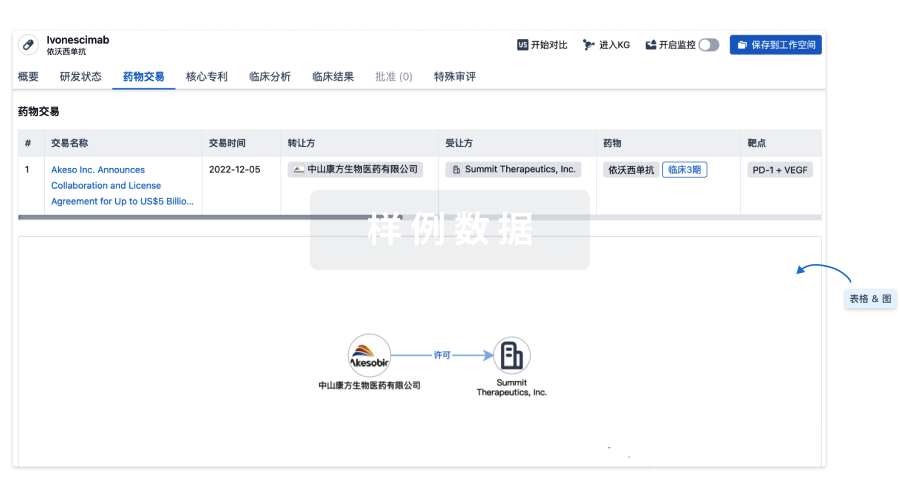
药物交易
使用我们的药物交易数据加速您的研究。
登录
或
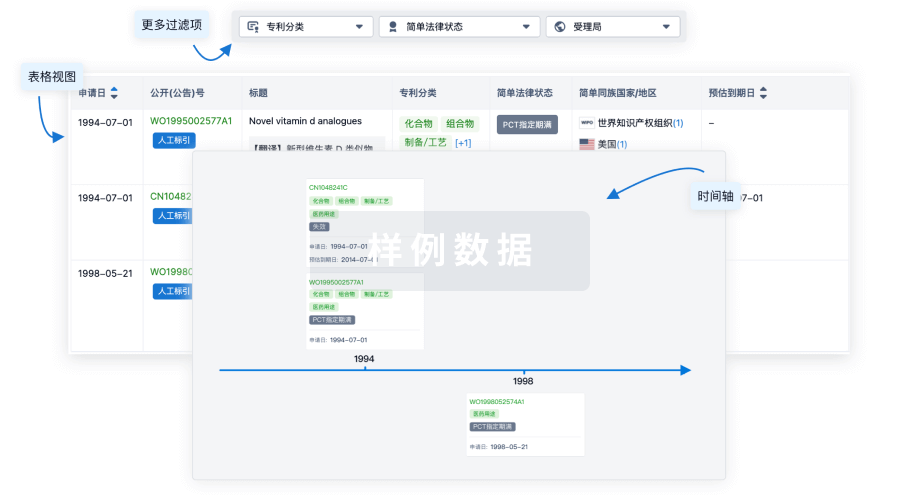
核心专利
使用我们的核心专利数据促进您的研究。
登录
或
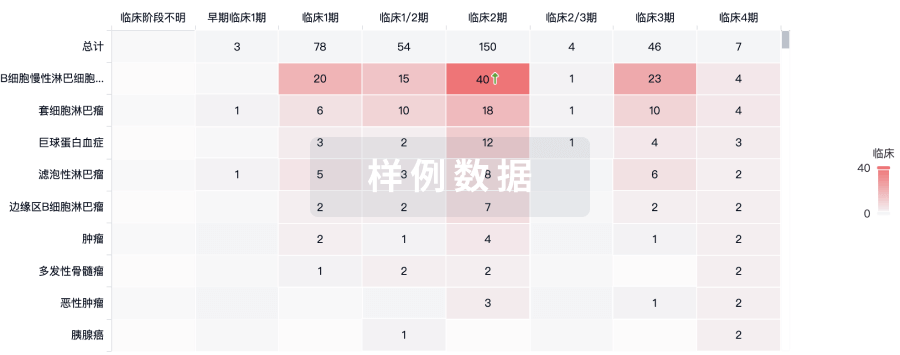
临床分析
紧跟全球注册中心的最新临床试验。
登录
或
批准
利用最新的监管批准信息加速您的研究。
登录
或
特殊审评
只需点击几下即可了解关键药物信息。
登录
或
生物医药百科问答
全新生物医药AI Agent 覆盖科研全链路,让突破性发现快人一步
立即开始免费试用!
智慧芽新药情报库是智慧芽专为生命科学人士构建的基于AI的创新药情报平台,助您全方位提升您的研发与决策效率。
立即开始数据试用!
智慧芽新药库数据也通过智慧芽数据服务平台,以API或者数据包形式对外开放,助您更加充分利用智慧芽新药情报信息。
生物序列数据库
生物药研发创新
免费使用
化学结构数据库
小分子化药研发创新
免费使用