预约演示
更新于:2026-09-12
Penfluridol
五氟利多
更新于:2026-09-12
概要
基本信息
原研机构 |
在研机构 |
非在研机构- |
权益机构- |
最高研发阶段批准上市 |
首次获批日期- |
最高研发阶段(中国)批准上市 |
特殊审评- |

登录后查看时间轴
结构/序列
分子式C28H27ClF5NO |
InChIKeyMDLAAYDRRZXJIF-UHFFFAOYSA-N |
CAS号26864-56-2 |
关联
2
项与 五氟利多 相关的临床试验NCT07206563
Penfluridol for Relapsed/Refractory Small Cell Lung Carcinoma and Small Cell Cervical Cancer: An Open-Label, Multicenter, Single-Arm Ib/II Trial
EUCTR2014-003834-21-NL
Effectiveness of penfluridol (oral long acting neuroleptic) as compared to second generation oral neuroleptics in psychotic disorder patients: an open label randomized controlled trial.

100 项与 五氟利多 相关的临床结果
登录后查看更多信息
100 项与 五氟利多 相关的转化医学
登录后查看更多信息
100 项与 五氟利多 相关的专利(医药)
登录后查看更多信息
408
项与 五氟利多 相关的文献(医药)2026-08-01EXPERIMENTAL CELL RESEARCH
Septins regulate kinase-inhibitor induced micron-scale vacuolation
Article
作者: Dhamija, Sonam ; Menon, Manoj B ; Sharma, Himanshi ; Ansari, Farmaanullah ; Sharma, Khushboo ; Roy, Anita ; Insan, Janki
Several kinase inhibitors including pyridinyl imidazole class p38 MAPK inhibitors and specific PIKFYVE inhibitors have been shown to induce endosomal swelling and micron-scale vacuolation, by inhibiting a PIKFYVE-dependent pathway. We performed a screen to identify small molecule modulators of micron-scale vacuolation and identified septin inhibitor Forchlorfenuron (FCF) as an inhibitor of vacuolation. FCF inhibited vacuolation induced by SB202190, PIKFYVE inhibitors and VE-821. shRNA-mediated depletion of SEPT9 suppressed kinase inhibitor-induced vacuolation, while SEPT7 knockdown did not affect vacuolation. Similar results were obtained when experiments were performed using penfluridol as another modulator of septin cytoskeleton. The kinase-inhibitor induced vesicles, identified as swollen RAB7+ late endosomes colocalized with CD63 and FCF treatment led to the loss of these RAB7-labelled micron-scale vacuoles. FCF not only abrogates vacuole formation but also suppresses resolution of vacuoles upon SB202190 withdrawal. However, septin filaments do not colocalize with the vacuoles. Unlike bafilomycin, which inhibits vacuolation with parallel blockade of autophagic proteolysis, FCF mediated suppression of vacuoles doesn't involve accumulation of autophagy markers. The role of septins in micron scale vacuolation may be linked to their role in endosome maturation and septins may contribute towards the cell-type specificity of micron-scale vacuolation.
2026-05-01FOOD RESEARCH INTERNATIONAL
Moringa oleifera Lam. seed protein fibrils: Self-assembly and functional properties
Article
作者: Xiao, Fangjie ; Zhao, Qiang ; Zhang, Wenjie ; Wang, Songyu ; Ouyang, Kefan ; Zhang, Jie ; Huang, Zhiyuan ; Yan, Zihang ; Chen, Ziqi
This study aimed to identify the optimal preparation conditions for Moringa oleifera Lam. seed protein fibrils (MSPF) and comprehensively evaluate their structural characteristics and functional properties. MSPF were prepared under varied parameters, with fibrillization kinetics tracked via thioflavin (Th T) fluorescence (showing a typical 'S'-shaped curve) and structure characterized by transmission electron microscopy (TEM), Fourier transform infrared spectroscopy (FTIR), and UV-Vis spectroscopy. Optimal conditions were 4% (w/v) protein concentration, pH 1.5, and heating at 90 °C for 12 h, producing typical amyloid fibrils-short rod-like aggregates at 6 h and mature fibrillar structures at 12 h-with significantly increased β-sheet content. MSPF exhibited enhanced emulsifying activity (31.94 m2/g) and stability (95.45%), foaming capacity (93.67%), and ABTS+ free radical scavenging (63.15%), providing a solid theoretical basis for their application as sustainable functional ingredients in food processing.
2025-12-12JOURNAL OF BIOMOLECULAR STRUCTURE & DYNAMICS
Identification of high-affinity inhibitors for epoxide hydrolase 2 from repurposed drugs in Parkinson’s disease therapeutics
Article
作者: Asimul Islam ; Dharmendra Kumar Yadav ; Moyad Shahwan ; Sohaib Naseem Khan ; Anas Shamsi ; Mohd Shahnawaz Khan ; Nojood Altwaijry
Parkinson's disease (PD) is a prevalent neurodegenerative disorder characterized by the loss of dopaminergic neurons in the substantia nigra that leads to bradykinesia and rest tremors. While the molecular mechanisms underlying PD are not fully understood, rising evidence shows neuroinflammation as a key factor in dopaminergic neuron damage. The soluble epoxide hydrolase (sEH) has appeared as a key player in neuroinflammation associated with PD which represents itself as a promising drug target. Here, we employed a structure-based virtual screening methodology using repurposed drugs from the DrugBank database to identify high-affinity potential inhibitors of sEH. Results showed that two hit molecules, Fluspirilene and Penfluridol, demonstrated appreciable docking potential and specificity toward the sEH active site. These molecules exhibited favorable pharmacological properties and formed critical interactions with residues essential for sEH activity. Further, all-atom molecular dynamics (MD) simulations followed by principal component analysis and free energy landscape were carried out which provide deeper insights into the conformational stability and interaction mechanisms of sEH in complex with Fluspirilene and Penfluridol. The simulation results indicated that the interaction of sEH with Fluspirilene and Penfluridol contributed to the stabilization of its structure throughout the MD trajectories of 500 ns. These findings collectively suggest that Fluspirilene and Penfluridol hold potential as repurposed leads for the development of sEH inhibitors, which offer therapeutic implications for combating PD and other associated conditions.
100 项与 五氟利多 相关的药物交易
登录后查看更多信息
研发状态
10 条最早获批的记录, 后查看更多信息
登录
| 适应症 | 国家/地区 | 公司 | 日期 |
|---|---|---|---|
| 精神分裂症 | 中国 | - |
登录后查看更多信息
临床结果
临床结果
适应症
分期
评价
查看全部结果
登录后查看更多信息
转化医学
使用我们的转化医学数据加速您的研究。
登录
或
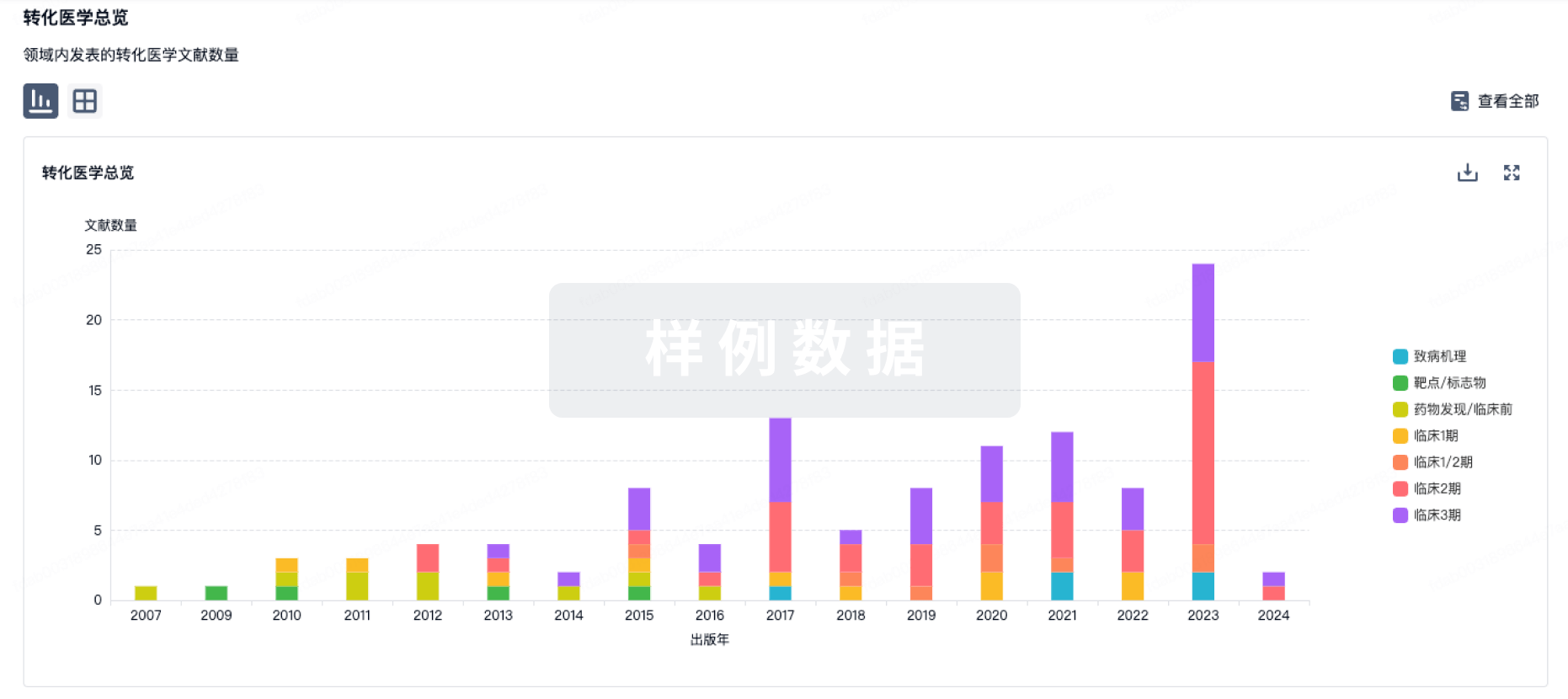
药物交易
使用我们的药物交易数据加速您的研究。
登录
或
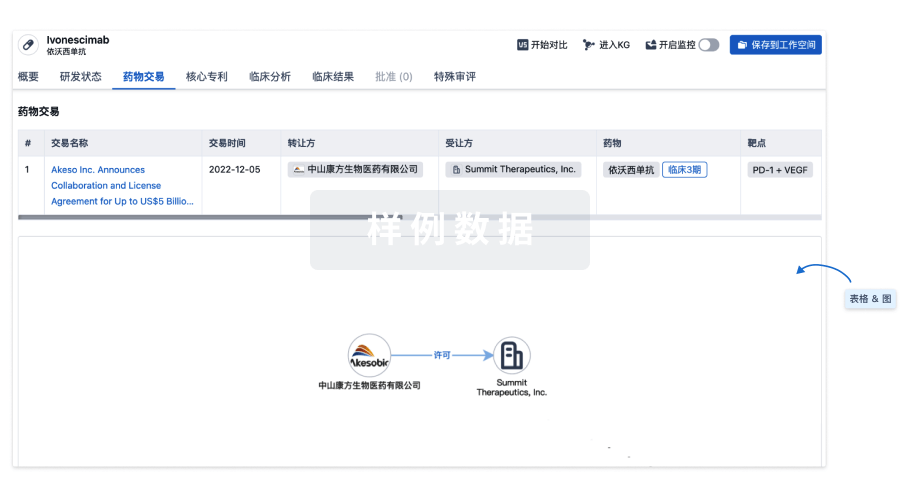
核心专利
使用我们的核心专利数据促进您的研究。
登录
或
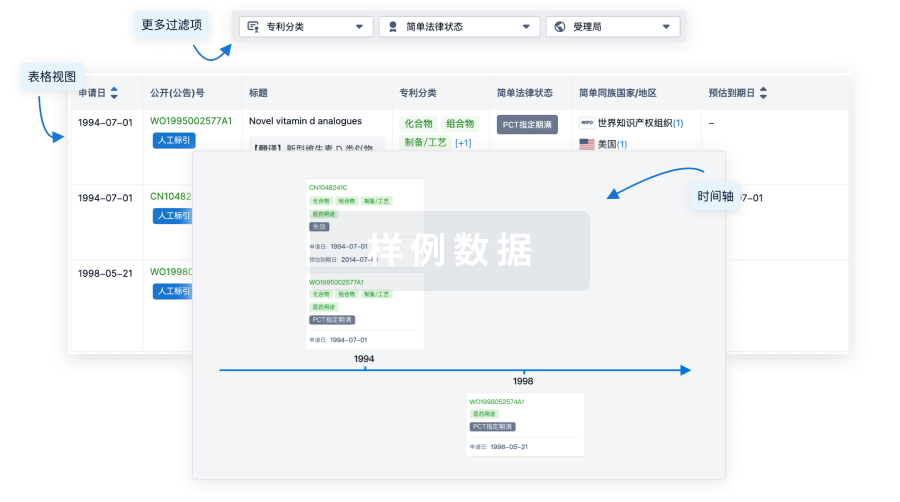
临床分析
紧跟全球注册中心的最新临床试验。
登录
或
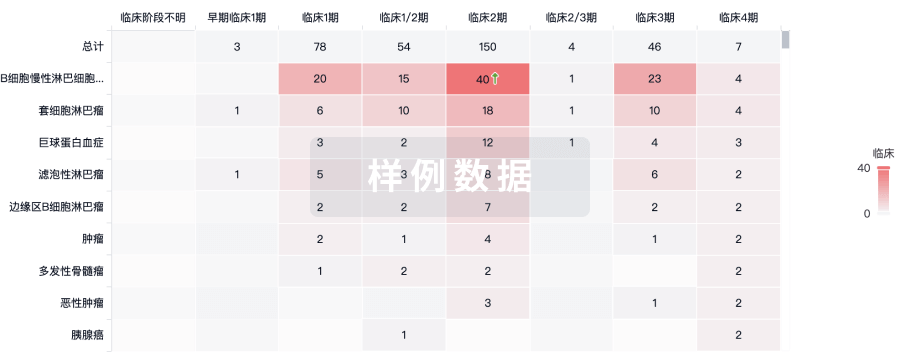
批准
利用最新的监管批准信息加速您的研究。
登录
或
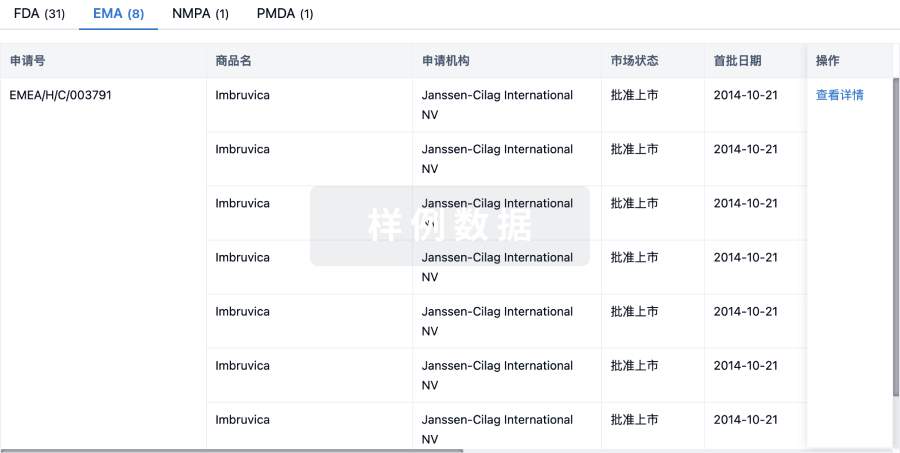
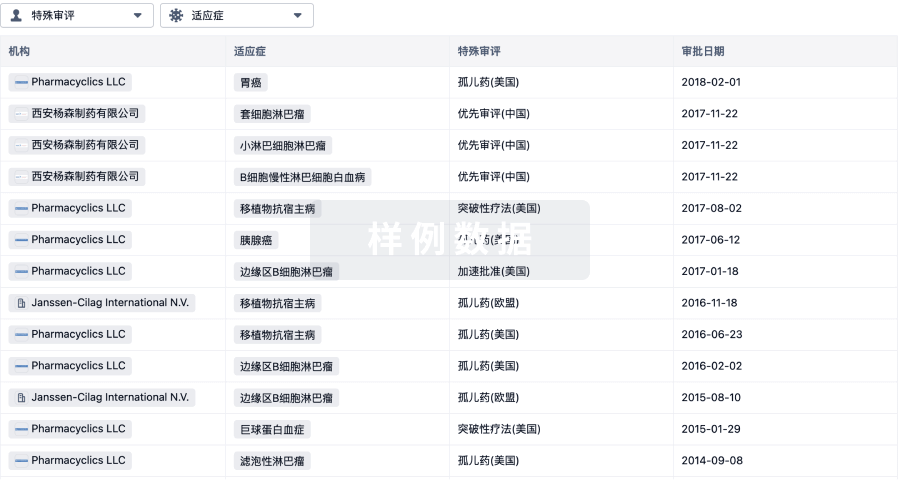
特殊审评
只需点击几下即可了解关键药物信息。
登录
或
提出任何生物医药研究问题
让每一步生物医药决策都精准制胜
基于十亿级生物数据与全球情报的精准 AI,赋能早期药物发现
立即开始免费试用!
智慧芽新药情报库是智慧芽专为生命科学人士构建的基于AI的创新药情报平台,助您全方位提升您的研发与决策效率。
立即接入生物医药数据包
智慧芽新药库数据也通过智慧芽开放平台,以MCP或API服务形式对外开放。立即使用我们的MCP服务定制您的LLM智能体。
生物序列数据库
生物药研发创新
免费使用
化学结构数据库
小分子化药研发创新
免费使用