预约演示
更新于:2026-10-19
Propoxyphene Napsylate
萘磺酸丙氧芬
更新于:2026-10-19
概要
基本信息
药物类型 小分子化药 |
别名 Dextropropoxyphene Napsilate、Propoxyphene napsylate (USAN)、Propoxyphene Napsylate Monohydrate + [1] |
作用方式 激动剂、拮抗剂 |
作用机制 δ opioid receptor激动剂(δ-阿片受体激动剂)、κ opioid receptor拮抗剂(κ-阿片受体拮抗剂)、μ opioid receptor激动剂(μ-阿片受体激动剂) |
在研适应症- |
非在研适应症 |
原研机构 |
在研机构- |
最高研发阶段撤市 |
首次获批日期 美国 (1971-09-09), |
最高研发阶段(中国)- |
特殊审评- |


登录后查看时间轴
结构/序列
分子式C32H39NO6S |
InChIKeyGBKONKCASNNUQD-VGHSCWAPSA-N |
CAS号26570-10-5 |
关联
2
项与 萘磺酸丙氧芬 相关的临床试验CTRI/2011/10/002056
A Multicentric, open label, non - comparative, prospective evaluation of misuse potential (if any), of Proxyvon (Combination of â?? Propoxyphene Napsylate and Acetaminophen) in Indian patients with mild to moderate pain.

NCT01133873
A Randomized, Multiple-Dose, Double-Blind, Placebo-Controlled Study of Sequential Ascending Dose Levels to Assess the Safety, Tolerability and Electrocardiographic Effects of Propoxyphene Napsylate Capsules (and Its Metabolite Norpropoxyphene) When Administered Orally to Healthy Adult Subjects
100 项与 萘磺酸丙氧芬 相关的临床结果
登录后查看更多信息
100 项与 萘磺酸丙氧芬 相关的转化医学
登录后查看更多信息
100 项与 萘磺酸丙氧芬 相关的专利(医药)
登录后查看更多信息
1,424
项与 萘磺酸丙氧芬 相关的文献(医药)2026-06-01Drug Metabolism and Bioanalysis
The Pharmacokinetic and Pharmacodynamic Drug-drug Interaction Potential of Cannabidiol
Review
作者: Aimar, Jorge Alejandro ; Keller, Guillermo Alberto
Abstract::
Although Cannabidiol (CBD) has recently been approved for use in some neurological
diseases, the pharmacology of CBD is not fully understood. Experimental reports suggest CBD inhibits
a large number of enzymes, generating the possibility of multiple interactions. The aim is to
describe the main known interactions, evidence, and actual risk in clinical practice. Existing indexed
publications and product monographs were reviewed. The authors cataloged and classified the information
based on the severity of the interaction, type (Pharmacokinetic vs. Pharmacodynamic), and
level of evidence.
1,289 drug-drug interactions were identified (634 pharmacokinetic and 655 pharmacodynamic interactions).
There were a total of 19 major interactions (colchicine, levomethadyl acetate, Mipomersen,
propoxyphene, brexanolone, buprenorphine, esketamine, fezolinetant, ketamine, leflunomide,
levoketoconazole, lomitapide, morphine, pexidartinib, pralsetinib, relugolix, sodium oxybate, teriflunomide,
venetoclax), 393 moderate interactions, 49 minor interactions, and 828 of unknown significance.
Drugs that should be avoided in the presence of cannabidiol, those that should be monitored,
and those interactions that, while frequently mentioned, do not present sufficient evidence to
recommend therapeutic changes are identified. The information highlights the need for caution.
While many interactions have been postulated, only a small group warrants consideration in clinical
practice. For the remaining drugs, special caution is needed. The long history of human use of the
cannabis plant is often confused with the limited timeframe for scientific study of its isolated derivatives.
The available information allows us to identify drugs with potential Drug-Drug Interactions of
varying severity. This information can be used to improve treatment safety.
2025-06-01FOOD CHEMISTRY
High-throughput screening of new psychoactive substances and related compounds in food by UHPLC-Q/Orbitrap
Article
作者: Huang, Xia ; Wan, Yuping ; Shi, Peiyu ; Wu, Wenlin ; Xiao, Quanwei ; Liu, Shiyao ; Guo, Tianrong ; Xia, Bing ; Chen, Xiaoqi ; Zhou, Yan ; Zhang, Min
Currently, there is concern about food products to which new psychoactive substances (NPS) have been added illegally. However, rapid, high-sensitivity, and high-throughput screening methods for such harmful substances have not been reported yet. In this study, a high-throughput non-targeted screening strategy was developed based on UHPLC-Q/Orbitrap. First, optimized pretreatment methods for typical high-risk matrices were established. Second, an accurate, efficient, and scalable high resolution mass spectrometry database containing 206 NPS and related compounds was constructed. The fragmentation pathways of three different types of fentanyl-related compounds were then systematically investigated to enhance compound identification. Additionally, a non-targeted screening strategy was developed using warning ions derived from 24 fentanyl-related compounds, streamlining the identification of NPS. This strategy was applied to 100 food samples with possible illegal additives and demonstrated its effectiveness. In summary, this study provides robust technical support for regulatory authorities in combating the illegal addition of food products.
2025-04-01Journal of Perinatology
Using umbilical cord tissue to identify prenatal ethanol exposure and co-exposure to other commonly misused substances
Article
作者: Toma, Sarah ; Gidron, Dominique ; Coy, Donna ; Brown, Guida ; Jones, Joseph ; Patel, Niranjan ; Hariharan, Shanthi ; Jones, Mary ; Racines, Amy
Abstract:
Objective:
Substance misuse during pregnancy can result in a variety of poor pregnancy outcomes. Objective data reporting the prevalence of neonates born with ethanol metabolites (evidence of prenatal ethanol exposure) in their fluids or tissues are limited.
Study design:
A secondary analysis of umbilical cord tissue specimens received for routine toxicological analysis was conducted. Prevalences of ethyl glucuronide (EtG), a long-term direct ethanol biomarker, were determined using a new laboratory tool, LDTD-MSMS. Additionally, other commonly misused substances were determined using routine procedures.
Results:
Of 12,995 specimens, 238 (1.8%) specimens contained EtG. Concentrations of EtG ranged from 5 ng/g to 6679 ng/g (median 47 ng/mg; IQR: 16 ng/g, 203 ng/g). Of those 238 EtG-positive specimens, nearly 58% (N = 138) contained additional substances or metabolites.
Conclusion:
Self-report of substance use during pregnancy is under-reported. We have demonstrated co-exposure of substances with ethanol is higher than previous reports.
100 项与 萘磺酸丙氧芬 相关的药物交易
登录后查看更多信息
研发状态
10 条最早获批的记录, 后查看更多信息
登录
| 适应症 | 国家/地区 | 公司 | 日期 |
|---|---|---|---|
| 疼痛 | 美国 | 1971-09-09 | |
| 疼痛 | 美国 | 1971-09-09 |
登录后查看更多信息
临床结果
临床结果
适应症
分期
评价
查看全部结果
登录后查看更多信息
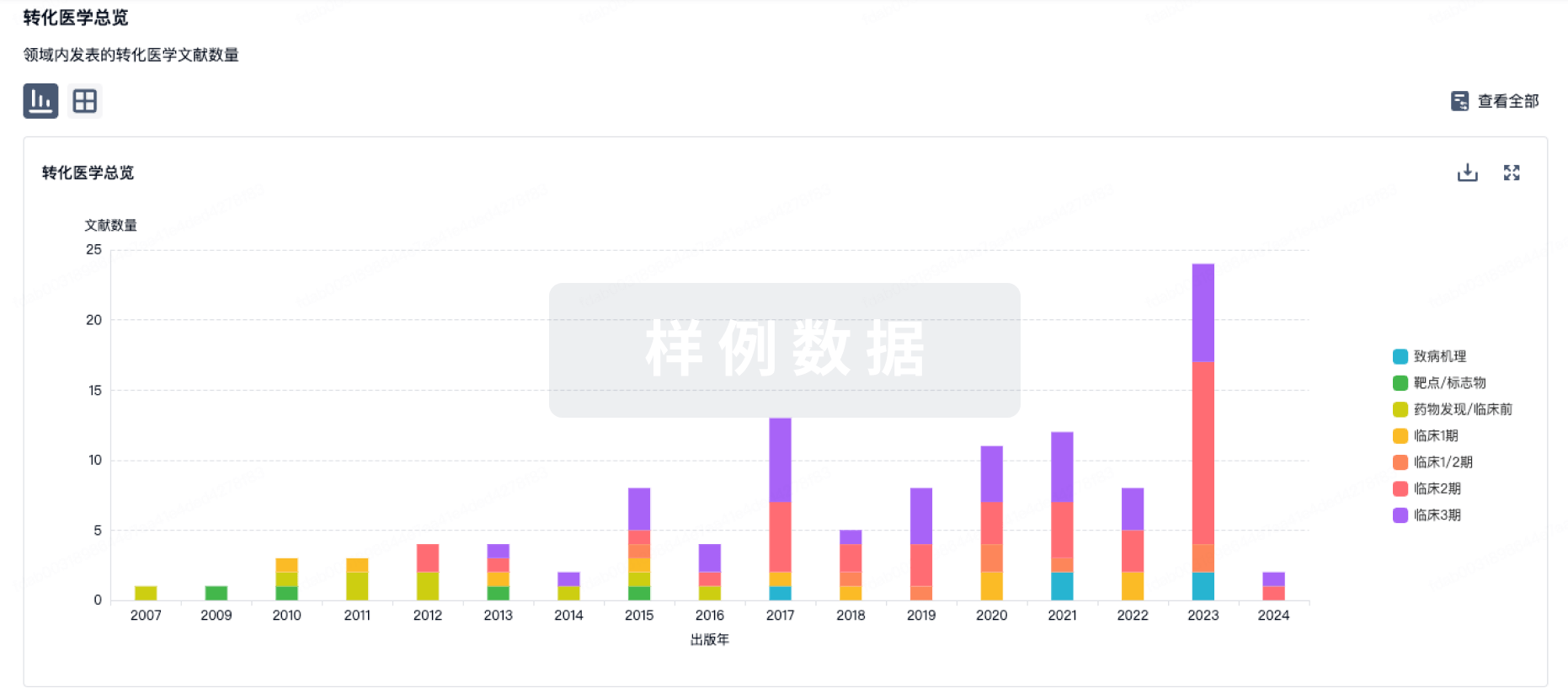
转化医学
使用我们的转化医学数据加速您的研究。
登录
或
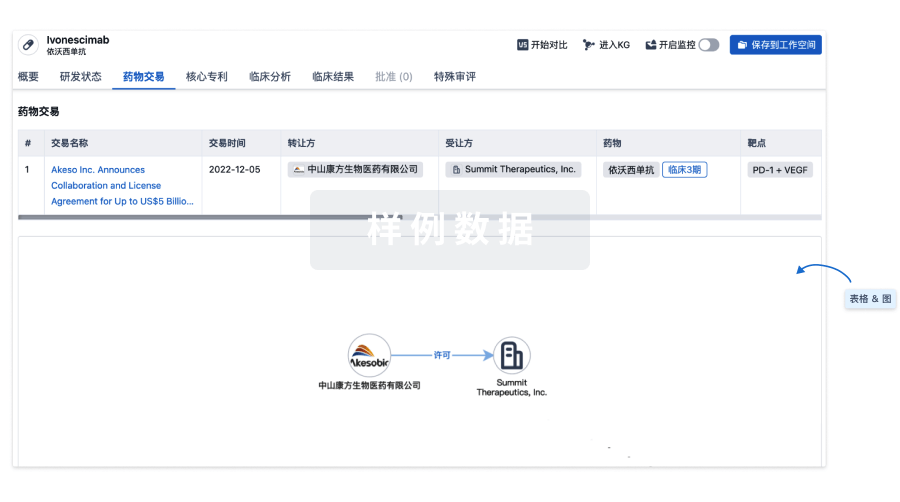
药物交易
使用我们的药物交易数据加速您的研究。
登录
或
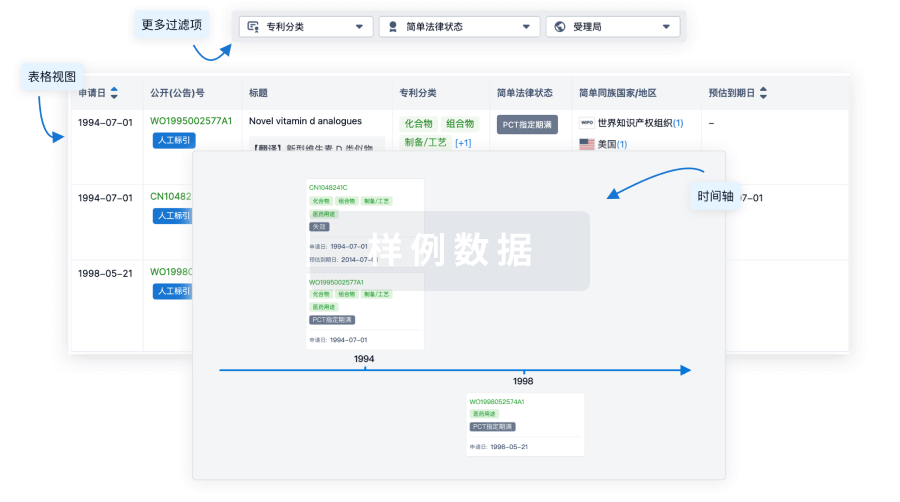
核心专利
使用我们的核心专利数据促进您的研究。
登录
或
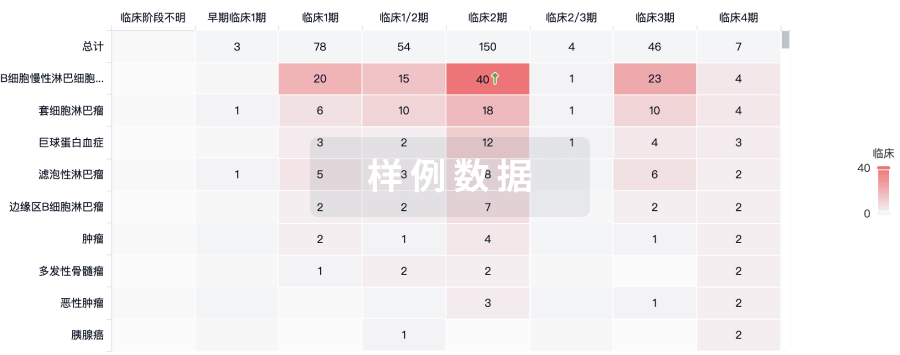
临床分析
紧跟全球注册中心的最新临床试验。
登录
或
批准
利用最新的监管批准信息加速您的研究。
登录
或
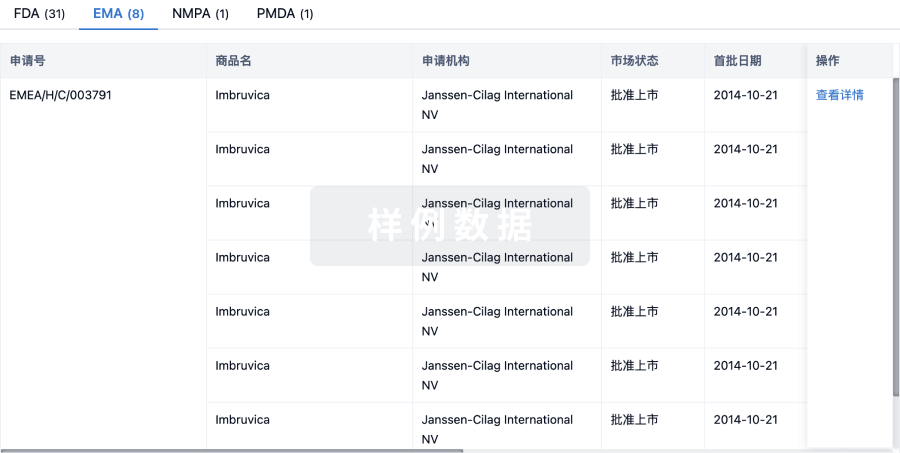
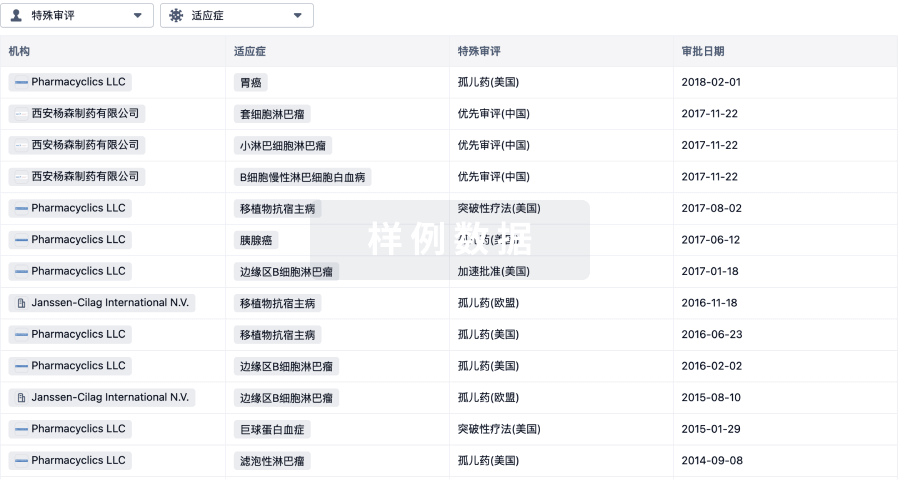
特殊审评
只需点击几下即可了解关键药物信息。
登录
或
提出任何生物医药研究问题
让每一步生物医药决策都精准制胜
基于十亿级生物数据与全球情报的精准 AI,赋能早期药物发现
立即开始免费试用!
智慧芽新药情报库是智慧芽专为生命科学人士构建的基于AI的创新药情报平台,助您全方位提升您的研发与决策效率。
立即接入生物医药数据包
智慧芽新药库数据也通过智慧芽开放平台,以MCP或API服务形式对外开放。立即使用我们的MCP服务定制您的LLM智能体。
生物序列数据库
生物药研发创新
免费使用
化学结构数据库
小分子化药研发创新
免费使用