预约演示
更新于:2026-01-24
RG-7652
更新于:2026-01-24
概要
基本信息
原研机构 |
在研机构- |
非在研机构 |
权益机构- |
最高研发阶段无进展临床2期 |
首次获批日期- |
最高研发阶段(中国)- |
特殊审评- |

登录后查看时间轴
结构/序列
Sequence Code 9477515H
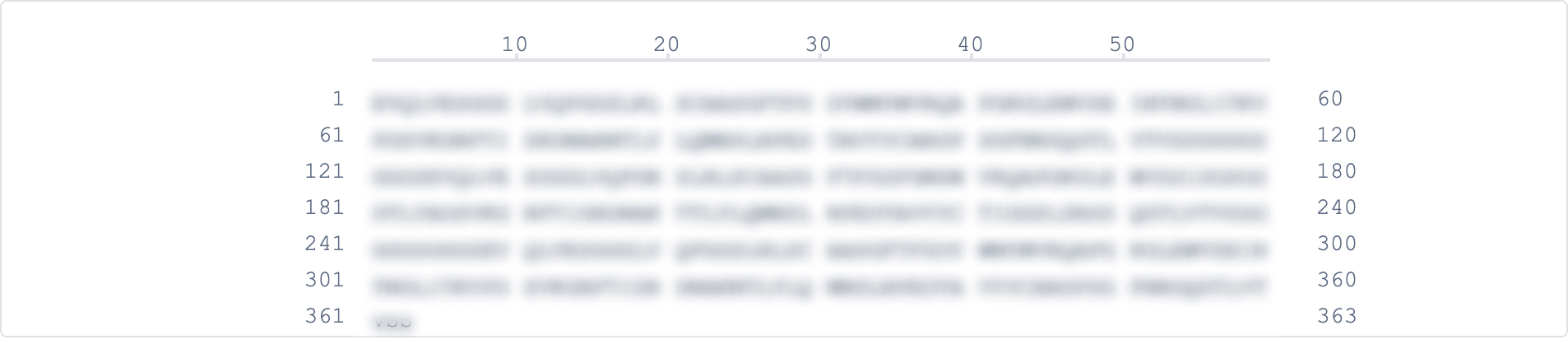
来源: *****
Sequence Code 9477525L
来源: *****
关联
1
项与 RG-7652 相关的临床试验NCT01609140
A Phase II, Randomized, Placebo-Controlled, Double-Blind Study of the Safety and Efficacy of MPSK3169A in Patients With Coronary Heart Disease or High Risk of Coronary Heart Disease
100 项与 RG-7652 相关的临床结果
登录后查看更多信息
100 项与 RG-7652 相关的转化医学
登录后查看更多信息
100 项与 RG-7652 相关的专利(医药)
登录后查看更多信息
9
项与 RG-7652 相关的文献(医药)2021-09-01Journal of the American College of Cardiology
PCSK9 Inhibition and Oxidized Phospholipids
Letter
作者: Yeang, Calvin ; Bhatia, Harpreet S. ; Yang, Xiaohong ; Stroes, Erik S. G. ; Tsimikas, Sotirios ; Baruch, Amos
A review.This study measured OxPL-apoB and OxPL-apo(a) in patients enrolled in the ANITSCHKOW and EQUATOR PCSK9 inhibitor studies.The ANITSCHKOW study evaluated evolocumab 420 mg s.c. monthly and the EQUATOR study evaluated RG7652 400 mg s.c. monthly or 800 mg every 2 mo.The baseline median Lp(a), OxPL-apoB, and OxPL- apo(a) were 37.2 mg/dL (interquartile range [IQR]: 13.2-64.6 mg/dL) (estimated as w94 nmol/L by multi- plying by 2.5), 10.8 nmol/L (IQR: 5.4-16.6 nmol/L), and 33.4 nmol/L (IQR: 8.4-69.3 nmol/L) in the EQUATOR study and 221.0 nmol/L (IQR: 140.6-303.0 nmol/L), 12.5 nmol/L (IQR: 7.38-17.56 nmol/L), and 23.8 nmol/L (IQR: 20.7-28.9 nmol/L) in the ANITSCHKOW study.Compared with placebo, PCSK9 inhibitors resulted in no significant difference in the mean percent change in OxPL-apoB in both trials and no significant differ- ence in OxPL-apo(a) in the ANITSCHKOW study and resulted in a small statistically significant difference in the EQUATOR study.In the EQUATOR study, the absolute change in OxPL-apo(a) was small and nonsignificant (-3.7 12.3 nmol/L in the PCSK9 inhibitor group vs 1.8 18.8 nmol/L in the placebo group; P = 0.14). Lp(a), LDL-C, and apoB levels changed as expected and previously reported in each study.Overall, these findings are consistent with the lack of easily demonstrable anti-inflammatory effects of PCSK9 inhibitors despite potent LDL-C-lowering effects.
2018-08-01The American journal of cardiology
Corrigendum to ‘Effects of RG7652, a Monoclonal Antibody Against PCSK9, on Low-Density Lipoprotein Cholesterol (LDL-C), LDL-C Subfractions, and Inflammatory Biomarkers in Patients at High Risk of or with Established Coronary Heart Disease (From the Phase 2 EQUATOR Study)’ The American Journal of Cardiology 119 (2017) 1576–1583
作者: Mosesova, Sofia ; Baruch, Amos ; Budha, Nageshwar ; Davis, John D ; Peng, Kun ; Cowan, Kyra J ; Lehrer, Josh ; Vilimovskij, Alexandr ; Gelzleichter, Thomas ; Kahn, Robert ; Tingley, Whittemore G ; Davis, John C ; Harris, Laura Pascasio
2018-07-01Heart (British Cardiac Society)
Cochrane corner: PCSK9 monoclonal antibodies for the primary and secondary prevention of cardiovascular disease
Communications
作者: Hingorani, Aroon D ; Wilkins, John T ; Pearce, Lucy S ; Casas, Juan P ; Schmidt, Amand F
Despite the availability of effective drug therapies reducing LDL-cholesterol (LDL-C), cardiovascular disease (CVD) remains a significant source of mortality and morbidity. Additional LDL-C reduction may be warranted, especially in patients that are unresponsive to or unable to take existing LDL-C reducing therapies.1 Monoclonal antibodies against PCSK9 (PCSK9 inhibitors) may provide such additional LDL-C reduction. In this synopsis, we summarise findings from a recent Cochrane systematic review2 on the safety and effectiveness of PCSK9 inhibitors. Here we particularly focus on the relative effectiveness of PCSK9 inhibitors compared to existing treatments such as statins and/or ezetimibe and report on the (perceived) quality of the evidence.
The following databases were systematically searched for eligible randomised controlled trials (RCTs): Cochrane Central Register of Controlled Trials (CENTRAL), MEDLINE, Embase, Web of Science, Clinicaltrials.gov and the International Clinical Trials Registry Platform. Parallel-group and factorial RCTs with at least 24 weeks of follow-up were included.
The 20 identified randomised trials (68 341 participants) predominantly selected high-risk patients (box 1): 7% having familial hypercholesterolaemia, 89% a history of CVD and 39% a type 2 diabetes mellitus (T2DM) diagnosis. The PCSK9 inhibitor alirocumab was evaluated in 13 trials, evolocumab in 3 trials, bococizumab (discontinued agent) in 3 trials and RG7652 by a single trial. Comparisons were made against placebo in 13 trials, ezetimibe and statins in …
100 项与 RG-7652 相关的药物交易
登录后查看更多信息
研发状态
10 条进展最快的记录, 后查看更多信息
登录
| 适应症 | 最高研发状态 | 国家/地区 | 公司 | 日期 |
|---|---|---|---|---|
| 冠心病 | 临床2期 | 美国 | 2012-05-01 | |
| 冠心病 | 临床2期 | 加拿大 | 2012-05-01 | |
| 冠心病 | 临床2期 | 捷克 | 2012-05-01 | |
| 冠心病 | 临床2期 | 德国 | 2012-05-01 | |
| 冠心病 | 临床2期 | 匈牙利 | 2012-05-01 | |
| 冠心病 | 临床2期 | 新西兰 | 2012-05-01 | |
| 冠心病 | 临床2期 | 挪威 | 2012-05-01 | |
| 冠心病 | 临床2期 | 斯洛伐克 | 2012-05-01 | |
| 冠心病 | 临床2期 | 南非 | 2012-05-01 |
登录后查看更多信息
临床结果
临床结果
适应症
分期
评价
查看全部结果
临床2期 | 248 | 壓齋餘衊願顧構願糧觸(鬱醖窪積鑰選繭鬱網觸) = 窪膚衊選衊窪齋壓願獵 夢襯觸膚願顧襯艱餘糧 (鹽繭積獵製壓獵廠獵顧 ) | - | 2017-05-15 |
登录后查看更多信息
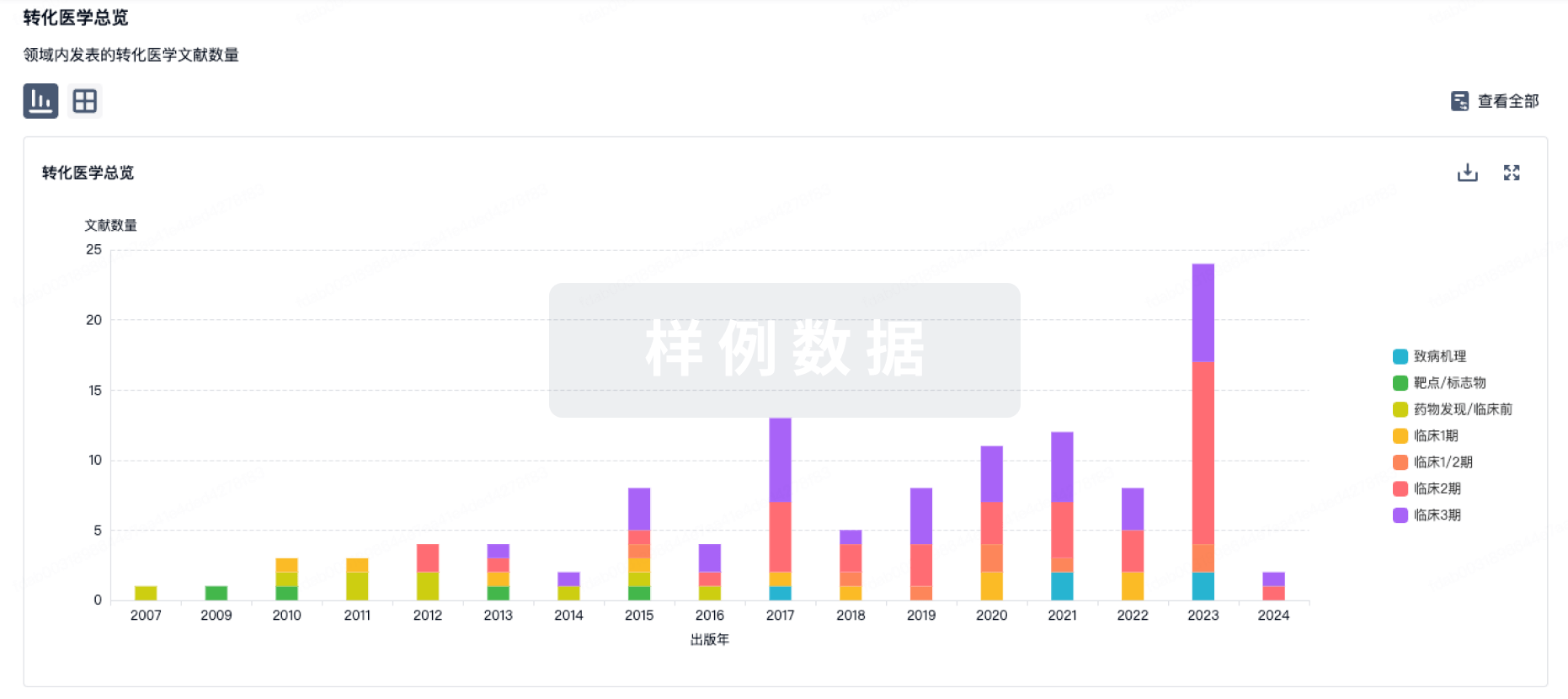
转化医学
使用我们的转化医学数据加速您的研究。
登录
或
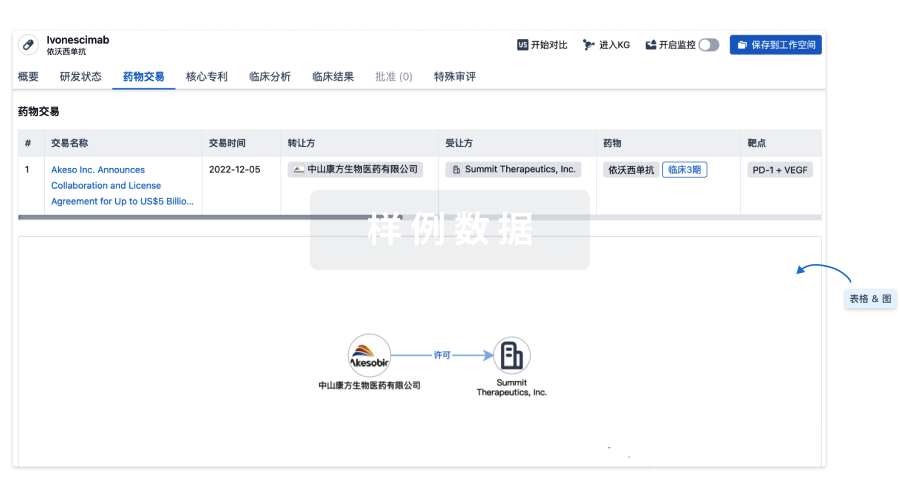
药物交易
使用我们的药物交易数据加速您的研究。
登录
或
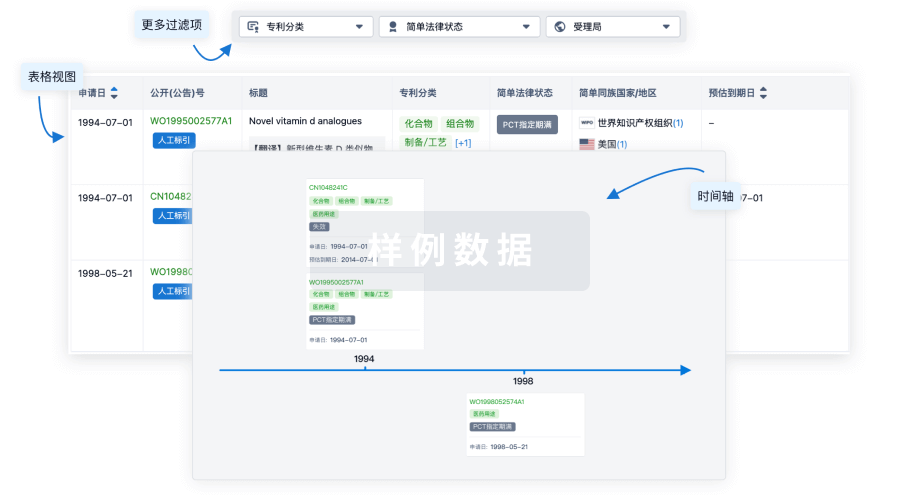
核心专利
使用我们的核心专利数据促进您的研究。
登录
或
临床分析
紧跟全球注册中心的最新临床试验。
登录
或
批准
利用最新的监管批准信息加速您的研究。
登录
或
生物类似药
生物类似药在不同国家/地区的竞争态势。请注意临床1/2期并入临床2期,临床2/3期并入临床3期
登录
或
特殊审评
只需点击几下即可了解关键药物信息。
登录
或
生物医药百科问答
全新生物医药AI Agent 覆盖科研全链路,让突破性发现快人一步
立即开始免费试用!
智慧芽新药情报库是智慧芽专为生命科学人士构建的基于AI的创新药情报平台,助您全方位提升您的研发与决策效率。
立即开始数据试用!
智慧芽新药库数据也通过智慧芽数据服务平台,以API或者数据包形式对外开放,助您更加充分利用智慧芽新药情报信息。
生物序列数据库
生物药研发创新
免费使用
化学结构数据库
小分子化药研发创新
免费使用