预约演示
更新于:2025-12-13
LM10
更新于:2025-12-13
概要
基本信息

关联
100 项与 LM10 相关的临床结果
登录后查看更多信息
100 项与 LM10 相关的转化医学
登录后查看更多信息
100 项与 LM10 相关的专利(医药)
登录后查看更多信息
19
项与 LM10 相关的文献(医药)2025-12-31·Journal of Maternal-Fetal & Neonatal Medicine
Novel therapeutic targets uncovered by genome-wide integrative analysis in bronchopulmonary dysplasia
Article
作者: Xiong, Zhenyu ; Zhu, Qingxiong ; Hang, Lei
BACKGROUND:
Bronchopulmonary dysplasia (BPD) is the most common chronic respiratory disease in extremely premature infants. This study aims to identify gene expression dysregulation and explore various molecular pathways implicated in BPD.
METHODS:
This study integrated BPD genome-wide association study (GWAS), single-cell transcriptomics (scRNA-seq), and Mendelian randomization (MR) analysis to investigate the causal relationship between gene expression and BPD.
RESULTS:
Cell annotation and ligand-receptor analysis highlighted myofibroblasts as the most interactive cell type. Key genes, including CDH4, ENC1, and PAM, were identified as protective factors against BPD, while GRB10 was associated with increased disease risk. Immune metabolism-related pathways showed elevated activity of PAM, GRB10, and ENC1 in epithelial-mesenchymal transition. The Drug-Gene Interaction Database (DGIdb) predicted three drugs-LM10, navoximod, and ziprasidone-that potentially interact with these key genes.
CONCLUSION:
This integrative genome-wide analysis provides valuable insights into the genetic mechanisms underlying BPD. The findings facilitate the identification of novel therapeutic targets and pave the way for personalized treatment strategies for affected neonates.
2025-10-01·CURRENT PHARMACEUTICAL DESIGN
Binding Interaction and Stability Analysis of Quercetin and its Derivatives as Potential Inhibitors of Triple Negative Breast Cancer (TNBC) against PARP1 Protein: An in-silico Study
Article
作者: Shamim, Md. ; Rahman, Md. Habibur ; Harrath, Abdel Halim ; Hossain, Md. Arju ; Fariha, Fahmida Mariam ; Hasan, Ali Mohamod Wasaf ; Hoque, Md. Mobinul ; Hossain, Md. Alfaz ; Rahman, Md. Ataur ; Kavey, Md. Reduanul Haque
Background::
Triple-negative breast cancer (TNBC) is an aggressive subtype characterized by
the absence of estrogen and progesterone receptors (ER, PR) and low or absent HER2 expression, limiting
treatment options. Quercetin, a flavonoid with anti-cancer properties, has the potential to be a therapeutic
intervention.
Objectives::
The study aimed to explore the potential of Quercetin derivatives as therapeutic agents for TNBC
using several computational methods.
Methods::
The study utilized PASS prediction, molecular docking, ADMET prediction, QSAR models, MD
simulations, binding free energy, and DFT calculations to evaluate the efficacy of quercetin derivatives.
Results::
ADMET analysis confirmed the solubility, non-carcinogenicity, and low toxicity of four quercetin
derivatives: LM01, LM02, LM05, and LM10. These derivatives exhibited strong binding affinity against
TNBC protein PPAR1, with binding energies of -10.6, -10.7, -11.4, and -10 kcal/mol, respectively. MD simulations
confirmed their stability, with consistent RMSD values and favorable RMSF values. Post-simulation
calculations and reduced HOMO-LUMO energy gaps further supported their potential as promising candidates.
Conclusion::
Our computational findings suggest that quercetin derivatives, particularly LM01, LM02, and
LM10, exhibit strong stability and binding affinity, positioning them as promising candidates for TNBC
treatment. Further experimental validation is required to confirm their therapeutic potential.
2023-12-01·Journal of ethnopharmacology
Identification of paeoniflorin from Paeonia lactiflora pall. As an inhibitor of tryptophan 2,3-dioxygenase and assessment of its pharmacological effects on depressive mice
Article
作者: Wu, Pingzhou ; Cao, Cheng ; Wang, Qing ; Liang, Xiaoxia ; Dai, Yanting ; Su, Ting ; Wang, Shuling ; Wang, QiQi ; Chen, Yanmin ; Chen, Fenglian
ETHNOPHARMACOLOGICAL RELEVANCE:
The radix of Paeonia lactiflora Pall. (PaeR) is a traditional Chinese medicine (TCM) clinically used for treating depression. Although it has been established that PaeR can protect the liver and alleviate depressive-like behaviors, its bioactive chemicals and antidepressant mechanism remain unclear. Our pilot study showed that PaeR reduced the expression of the L-tryptophan- catabolizing enzyme tryptophan 2,3-dioxygenase (TDO) in the livers of stress-induced depression-like mice.
AIM OF THE STUDY:
This study aimed to screen potential TDO inhibitors from PaeR and investigate the potential therapeutic use of TDO inhibition for treating depression.
MATERIALS AND METHODS:
Molecular docking, magnetic ligand fishing, and secrete-pair dual luminescence assay were conducted for in vitro ligand discovery and high-throughput screening of TDO inhibitors. Stable TDO overexpression was achieved in HepG2 cell lines to evaluate the TDO inhibitory activities of drugs in vitro by RT-PCR and Western blot analyses of TDO at mRNA and protein levels. In vivo validation of TDO inhibitory potency and evaluation of TDO inhibition as a potential therapeutic strategy for major depressive disorder (MDD) were performed using mice subjected to "3 + 1″ combined stresses for at least 30 days to induce depression-like behaviors. A well-known TDO inhibitor, LM10, was evaluated in parallel.
RESULTS:
The PaeR extract significantly ameliorated depressive-like behaviors of stressed mice, attributed to inhibition of TDO expression and tryptophan modulation metabolism. After a comprehensive analysis of molecular docking, ligand fishing, and luciferase assay, paeoniflorin was screened as a TDO inhibitor from the PaeR extract. This compound, structurally different from LM10, potently inhibited human and mouse TDO in cell- and animal-based assays. The effects of TDO inhibitors on MDD symptoms were evaluated in a stress-induced depression-like mouse model. In mice, both inhibitors had beneficial effects on stress-induced depressive-like behavioral despair and unhealthy physical status. Moreover, both inhibitors increased the liver serotonin/tryptophan ratio and decreased the kynurenine/tryptophan ratio after oral administration, demonstrating in vivo inhibition of TDO activity. Our data substantiated the potential of TDO inhibition as a therapeutic strategy to improve behavioral activity and decrease despair symptoms in major depressive disorder.
CONCLUSIONS:
This study introduced a hitherto undocumented comprehensive screening strategy to identify TDO inhibitors in PaeR extract. Our findings also highlighted the potential of PaeR as a source of antidepressant constituents and pinpointed the inhibition of TDO as a promising therapeutic approach for managing major depressive disorder.
1
项与 LM10 相关的新闻(医药)2025-04-11
·奇点网
*仅供医学专业人士阅读参考三级淋巴结构(TLS)是肿瘤微环境中形成的异位淋巴组织,其成熟程度与免疫治疗响应和患者预后密切相关。关于成熟TLS,我们已经掌握了许多情报。既往研究表明,成熟TLS具有生发中心,为B细胞增殖、分化以及抗体生成提供了场所,并且参与增强抗原呈递、细胞因子信号传递等过程,积极调节抗肿瘤免疫反应。但是,未成熟的TLS仍是一片未知的海域——驱动TLS成熟的关键因素尚不明确,如何界定TLS的成熟状态也具有挑战性。为了解决这些问题,中山大学匡铭、彭穗、唐忠辉与深圳华大生命科学研究院的刘石平合作,采用多组学技术,全面分析了肝细胞癌(HCC)中TLS的发育轨迹和所处微环境,首次将传统定义的“不成熟TLS”进一步划分为功能不同的“趋向成熟型”和“偏离成熟型”,明确其在免疫应答和预后中的不同作用。研究表明,肿瘤细胞的色氨酸代谢活跃是TLS发育偏离的关键因素,靶向色氨酸代谢的治疗可重塑肿瘤微环境,促进TLS成熟,增强抗肿瘤免疫反应,并与抗PD-1抗体治疗协同作用。论文于近日发表在《癌细胞》期刊。论文首页截图为了全面解析TLS的组成和功能状态,研究者首先采用Stereo-seq空间转录组技术,对22例未经治疗的HCC患者和7例接受新辅助免疫治疗的HCC患者的肿瘤组织进行高精度测序。通过整合H&E染色和单细胞RNA测序(scRNA-seq)数据,他们成功在肿瘤组织中识别出838个TLS结构,并根据B细胞的发育轨迹将其分为成熟TLS、趋向成熟型TLS(conforming TLS)和偏离成熟型TLS(deviating TLS)。成熟TLS的特征是富含生发中心B细胞(GC-B),并表达关键调控分子如CXCL13、AICDA,这些分子对B细胞活化和抗体产生至关重要。趋向成熟型TLS在基因表达、细胞互作和免疫应答方面更接近成熟TLS;而偏离成熟型TLS则是“路走歪”了,虽然同样含有初始B细胞和GC-B细胞,但其转录谱显示,它们无法正常分化为功能性B细胞。为了探究偏离成熟型TLS“走歪路”的原因,研究团队对B细胞的发育轨迹进行了深入分析。通过比较成熟TLS和偏离成熟型TLS中的初始B细胞和GC-B细胞,他们发现偏离成熟型TLS的B细胞色氨酸代谢异常活跃,高表达色氨酸代谢的关键酶TDO2、IDO1,而成熟TLS的B细胞则主要富集B细胞受体信号和生发中心形成相关通路。对TLS进行识别和表征进一步的空间分析显示,肿瘤细胞是色氨酸代谢异常的主要来源。在偏离成熟型TLS周围,肿瘤细胞显著高表达TDO2,并导致其微环境中色氨酸代谢产物犬尿氨酸积累。这种代谢重编程不仅抑制B细胞的正常分化,还可能通过激活芳烃受体(AhR)等免疫抑制通路,削弱TLS的抗肿瘤功能。以上结果说明,肿瘤细胞在偏离成熟型TLS附近的代谢活性较强,可能是导致TLS发育受阻的关键因素。于是,研究团队在HCC小鼠模型中进行实验,以验证色氨酸代谢对TLS成熟的调控作用。结果显示,高色氨酸饮食会抑制荷瘤小鼠TLS的成熟,促进肿瘤进展;而低色氨酸饮食或TDO2抑制剂(LM10)处理则显著增加成熟TLS的比例,小鼠肿瘤体积更小、生存期更长。机制上来看,色氨酸限制减少了犬尿氨酸的积累,从而解除其对B细胞分化的抑制,并促进生发中心形成和抗体产生。此外,低色氨酸饮食或TDO2抑制剂治疗能够增强免疫检查点抑制剂疗法的疗效,可以观察到更强的肿瘤控制效果,表明靶向色氨酸代谢是一种可行的联合治疗策略,为免疫治疗加一把力。靶向色氨酸代谢可以促进TLS成熟和肿瘤免疫为了评估TLS分类的临床意义,研究团队还开发了一个基于关键基因的TLS风险评分模型,用于区分趋向成熟型TLS和偏离成熟型TLS。在HCC患者队列中,高风险评分(反映偏离成熟型TLS特征)与较差的预后显著相关,而低风险评分(反映趋向成熟型TLS特征)的患者则表现出更长的无复发生存期。另外,在接受抗PD-1抗体治疗的患者中,趋向偏离成熟型TLS特征与治疗响应呈正相关,而偏离成熟型TLS特征则与治疗抵抗相关。这一发现提示,TLS的成熟状态可能成为预测免疫治疗疗效的生物标志物。免疫识别符合型/偏离型TLS可以预测免疫治疗疗效该研究不仅为理解TLS异质性提供了新视角,更是揭示了靶向色氨酸代谢联合免疫治疗的新策略。目前正在进行的靶向IDO1/TDO2的临床试验(HTI-1090,编号NCT03208959),将为调节色氨酸代谢在TLS形成和肿瘤控制方面的临床效果提供重要依据。参考文献:[1]Tang Z, Bai Y, Fang Q, et al. Spatial transcriptomics reveals tryptophan metabolism restricting maturation of intratumoral tertiary lymphoid structures. Cancer Cell. Published online April 1, 2025. doi:10.1016/j.ccell.2025.03.011本文作者丨张艾迪
免疫疗法
100 项与 LM10 相关的药物交易
登录后查看更多信息
研发状态
10 条进展最快的记录, 后查看更多信息
登录
| 适应症 | 最高研发状态 | 国家/地区 | 公司 | 日期 |
|---|---|---|---|---|
| 肿瘤 | 临床前 | 中国 | 2025-04-11 |
登录后查看更多信息
临床结果
临床结果
适应症
分期
评价
查看全部结果
| 研究 | 分期 | 人群特征 | 评价人数 | 分组 | 结果 | 评价 | 发布日期 |
|---|
No Data | |||||||
登录后查看更多信息
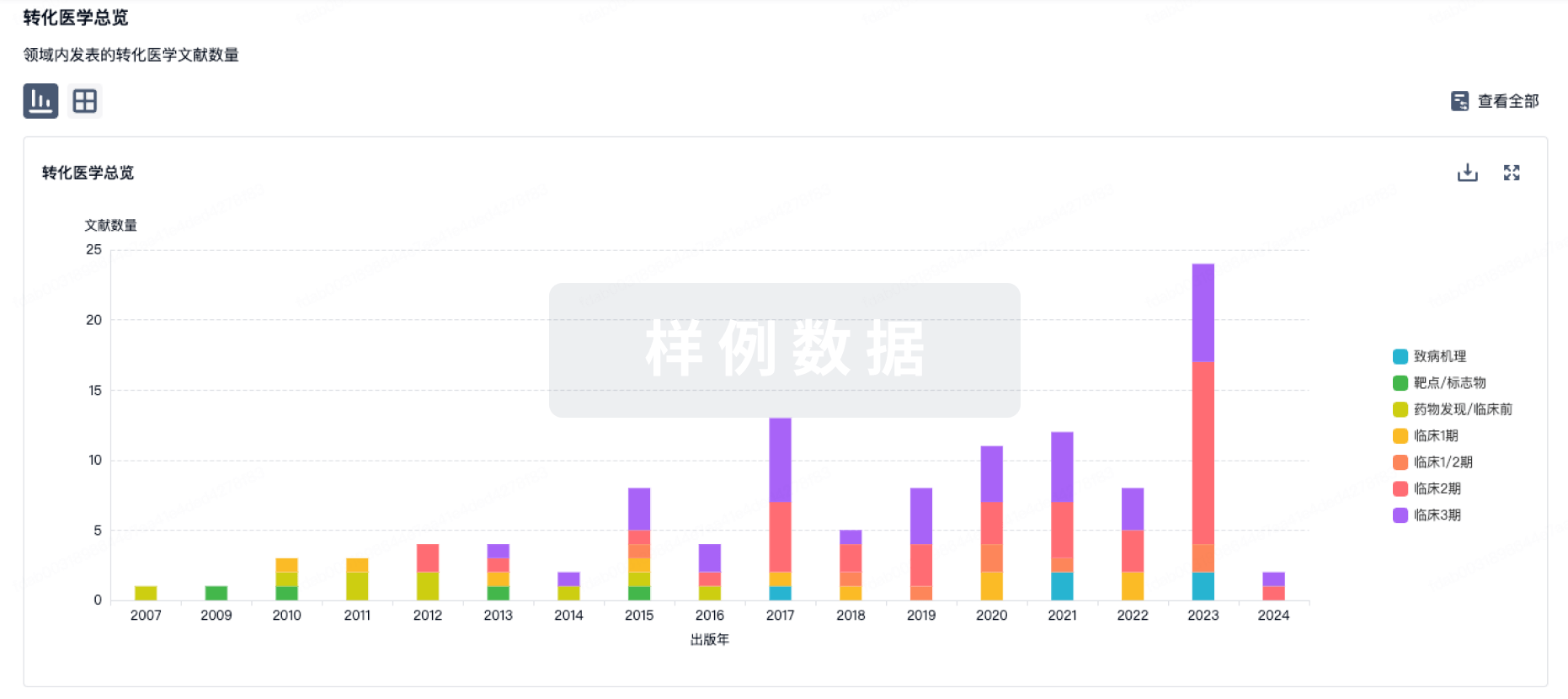
转化医学
使用我们的转化医学数据加速您的研究。
登录
或
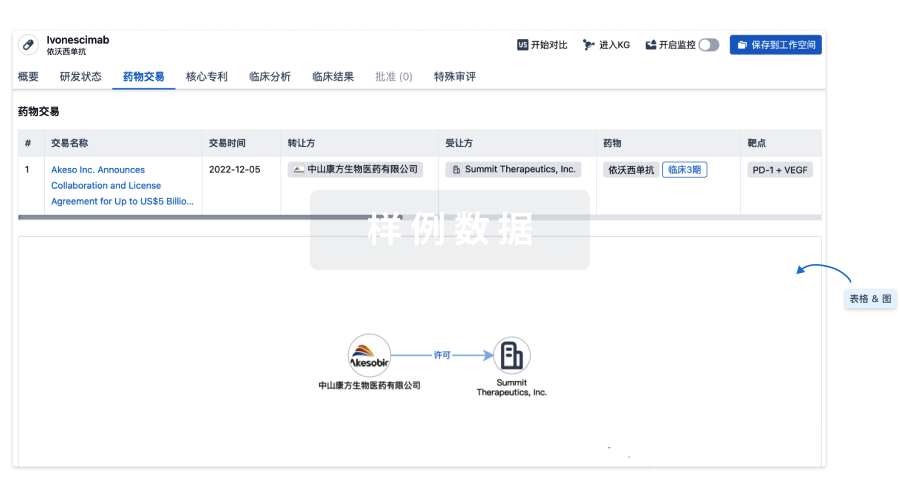
药物交易
使用我们的药物交易数据加速您的研究。
登录
或
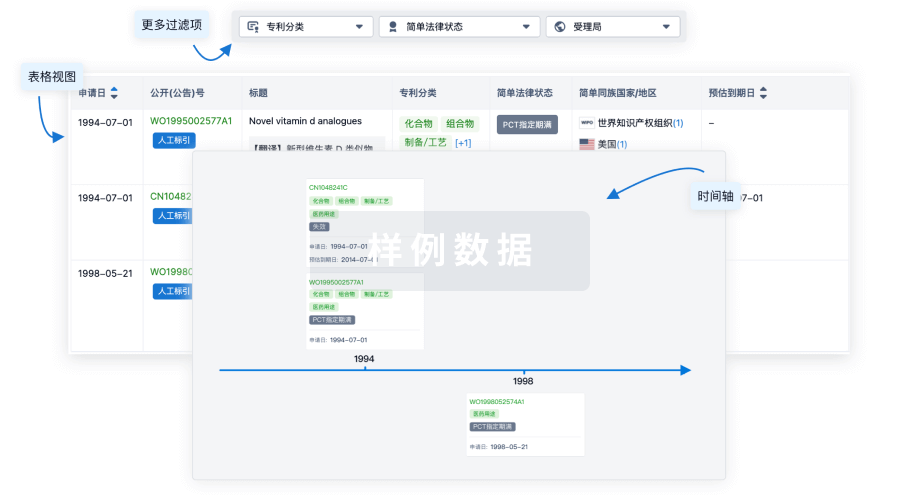
核心专利
使用我们的核心专利数据促进您的研究。
登录
或
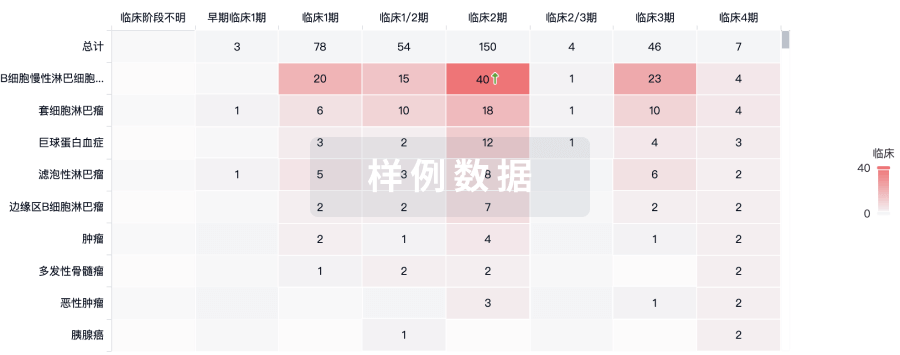
临床分析
紧跟全球注册中心的最新临床试验。
登录
或
批准
利用最新的监管批准信息加速您的研究。
登录
或
特殊审评
只需点击几下即可了解关键药物信息。
登录
或
生物医药百科问答
全新生物医药AI Agent 覆盖科研全链路,让突破性发现快人一步
立即开始免费试用!
智慧芽新药情报库是智慧芽专为生命科学人士构建的基于AI的创新药情报平台,助您全方位提升您的研发与决策效率。
立即开始数据试用!
智慧芽新药库数据也通过智慧芽数据服务平台,以API或者数据包形式对外开放,助您更加充分利用智慧芽新药情报信息。
生物序列数据库
生物药研发创新
免费使用
化学结构数据库
小分子化药研发创新
免费使用