预约演示
更新于:2026-01-28
Gemifloxacin Mesylate
甲磺酸吉米沙星
更新于:2026-01-28
概要
基本信息
权益机构- |
最高研发阶段批准上市 |
最高研发阶段(中国)批准上市 |
特殊审评- |



登录后查看时间轴
结构/序列
分子式C19H24FN5O7S |
InChIKeyJIYMVSQRGZEYAX-CWUUNJJBSA-N |
CAS号210353-53-0 |
关联
12
项与 甲磺酸吉米沙星 相关的临床试验IRCT20130626013776N47
A study to compare the relative bioavailability of Jaber and LG formulations of gemifloxacin 320 mg tablets in 24 healthy adult volunteers under fasting conditions
NCT04692623
EFFECTS OF MOXIFLOXACIN AND GEMIFLOXACIN ON BLOOD GLUCOSE LEVEL OF EUGLYCEMICS:A PRE-CLINICAL AND CLINICAL STUDY

IRCT20210201050197N3
Single-dose bioequivalence studies of Gemifloxacin tablets (320 mg) in healthy volunteers
100 项与 甲磺酸吉米沙星 相关的临床结果
登录后查看更多信息
100 项与 甲磺酸吉米沙星 相关的转化医学
登录后查看更多信息
100 项与 甲磺酸吉米沙星 相关的专利(医药)
登录后查看更多信息
684
项与 甲磺酸吉米沙星 相关的文献(医药)2026-02-01JOURNAL OF CHROMATOGRAPHY B-ANALYTICAL TECHNOLOGIES IN THE BIOMEDICAL AND LIFE SCIENCES
Chiral separation of fluoroquinolones by capillary electrophoresis using glucosamine-functionalized carbon quantum dots as a Pseudostationary phase
Article
作者: Wu, Guoli ; Li, Chen ; Zhang, Yue ; Qu, Tingli
Fluoroquinolones are a class of widely used antibiotics, most of which contain chiral centers. Significant differences exist between their enantiomers in terms of antimicrobial activity, pharmacokinetics, and toxicity. In this study, glucosamine chiral-functionalized carbon quantum dots (GA-CQDs) were successfully synthesized and employed as a pseudostationary phase. By optimizing the chromatographic conditions, an efficient and novel chiral separation platform based on capillary electrophoresis (CE) was established for the enantioseparation of six fluoroquinolones. Compared to the CE system using free glucosamine solely as the chiral selector, the CE system employing GA-CQDs as a pseudostationary phase demonstrated a substantial improvement in chiral resolution (Rs) for all six model analytes (Ofloxacin: 1.56 → 9.21; Pazufloxacin: 0 → 8.53; Prulifloxacin: 1.38 → 7.58; Lomefloxacin: 1.01 → 2.84; Gemifloxacin: 0 → 1.25; Balofloxacin: 0 → 0.88). The incorporation of the pseudostationary phase significantly enhanced the chiral separation capability. This proposed strategy is characterized by its operational simplicity and low cost, thereby offering a valuable conceptual framework and a highly promising approach for developing chiral separation methods for fluoroquinolone antibiotics. This study represents the first report on employing GA-CQDs as a chiral selective medium to construct a capillary electrophoresis system, which achieved satisfactory enantioselectivity. Furthermore, the chiral recognition mechanism of glucosamine was preliminarily investigated through molecular modeling simulations, with the binding energy providing insights into the separation process.
2025-12-01JOURNAL OF COLLOID AND INTERFACE SCIENCE
High-efficiency photocatalytic degradation of multiple quinolone antibiotics using a hybrid heterojunction with synergistic doping of boron and bismuth
Article
作者: Chen, Licheng ; Xin, Junwei ; Wang, Lei ; Jing, Ruosong ; Ren, Jie ; Zhang, Huihui ; Wang, Xudong ; Sun, Han ; Dong, Yonghao
The practical application of conventional photocatalytic technologies in aquatic environmental remediation is significantly limited by rapid charge recombination and insufficient redox capacity. Theoretical calculations and experimental characterization confirmed that the synergistic co-doping of boron (B) and bismuth (Bi) induced tailored modifications to the band structures and Fermi level potential of g-C3N4 (CN) and ZnIn2S4 (ZIS), respectively, successfully transforming the type-II CN/ZIS heterojunction into an S-scheme B-doped CN/Bi-doped ZIS (BCN/BZIS) heterojunction. The subsequent integration of Cd0.5Zn0.5S (CZS) into the BCN/BZIS heterojunction introduced additional type-II and S-scheme photogenerated carrier transfer pathways, thereby establishing a hybrid BCN/BZIS/CZS heterojunction. This configuration exhibited exceptional reduction capacity and optimized photogenerated carrier separation and migration efficiency, leading to excellent degradation performance for gatifloxacin ((26.89 ± 1.94) × 10-2 min-1), sparfloxacin ((10.48 ± 2.03) × 10-2 min-1), moxifloxacin ((8.43 ± 1.02) × 10-2 min-1), and gemifloxacin ((4.13 ± 0.13) × 10-2 min-1). The degradation disparities among these quinolone antibiotics were systematically elucidated through analyses of steric hindrance, frontier molecular orbital energies, Mulliken charge distribution, reaction sites, and active species contribution rates. This study offers guidance for the systematic development of heterojunction photocatalysts to address fluoroquinolone pharmaceutical pollutants in aquatic ecosystems.
2025-08-01MICROBIAL PATHOGENESIS
Assessing multi-drug resistance in Streptococcus agalactiae infecting farmed Nile Tilapia: Findings from Kerala, India
Article
作者: Girijan, Sneha Kalasseril ; Maniyappan, Keerthana Kalathil ; Pillai, Devika ; Gopan, Asha ; Krishnan, Rahul
Streptococcus agalactiae infections in tilapia are indeed a major concern in the global aquaculture industry, leading to significant economic losses. This study describes the isolation, virulence factors, pathogenicity and antibiotic susceptibility pattern of S. agalactiae in cultured Nile tilapia (Oreochromis niloticus) from aquaculture farms in Kerala, India. The diseased fish showed erratic swimming, lethargy, eye opacity, exophthalmia, darkened body, ascites and haemorrhages. Histopathological findings revealed hepatocytic vacuolization and meningitis. Molecular serotyping of the S. agalactiae isolates identified the serotype Ia. In terms of virulence characteristics, the S. agalactiae isolate obtained from tilapia sample had fbsA, cfB and pbp1A/ponA genes, and they were moderate biofilm producers. It is a matter of concern that the isolates were resistant to the tested macrolides, glycopeptides, chloramphenicol, tetracycline, sulphonamides, lincosamides, oxazolidinones and beta lactam group of antibiotics. Pathogenicity of the isolated strain was tested by experimental challenge through intraperitoneal injection of the isolated strain in Nile tilapia.100 %, 80 %, 40 % and 20 % mortality at doses of 1.0 × 10⁸, 1.0 × 10⁶, 1.0 × 10⁴ and 1.0 × 10² CFU/ml, respectively were recorded in the challenged fish. Level of liver enzymes such as Aspartate aminotransferase (AST) and Alanine Aminotransferase (ALT), and glucose were significantly increased compared to that in control. The haematological indices such as RBC and haemoglobin counts were significantly reduced, while WBC count increased in the challenged fish. The haemolysis test on blood agar plate showed beta haemolysis (β). The emergence of multidrug-resistant pathogen S. agalactiae in tilapia farms in the state is an early warning for appropriate preventive measures to be taken to control their spread across farms as tilapia culture is widely popular in the state.
100 项与 甲磺酸吉米沙星 相关的药物交易
登录后查看更多信息
研发状态
10 条最早获批的记录, 后查看更多信息
登录
| 适应症 | 国家/地区 | 公司 | 日期 |
|---|---|---|---|
| 中耳炎 | 韩国 | 2014-11-10 | |
| 呼吸道感染 | 中国 | 2014-10-18 | |
| 泌尿道感染 | 墨西哥 | 2008-11-28 | |
| 鼻窦炎 | 墨西哥 | 2006-09-29 | |
| 细菌感染 | 韩国 | 2003-04-04 | |
| 慢性支气管炎 | 美国 | 2003-04-04 | |
| 社区获得性肺炎 | 美国 | 2003-04-04 | |
| 感染 | 美国 | 2003-04-04 |
登录后查看更多信息
临床结果
临床结果
适应症
分期
评价
查看全部结果
登录后查看更多信息
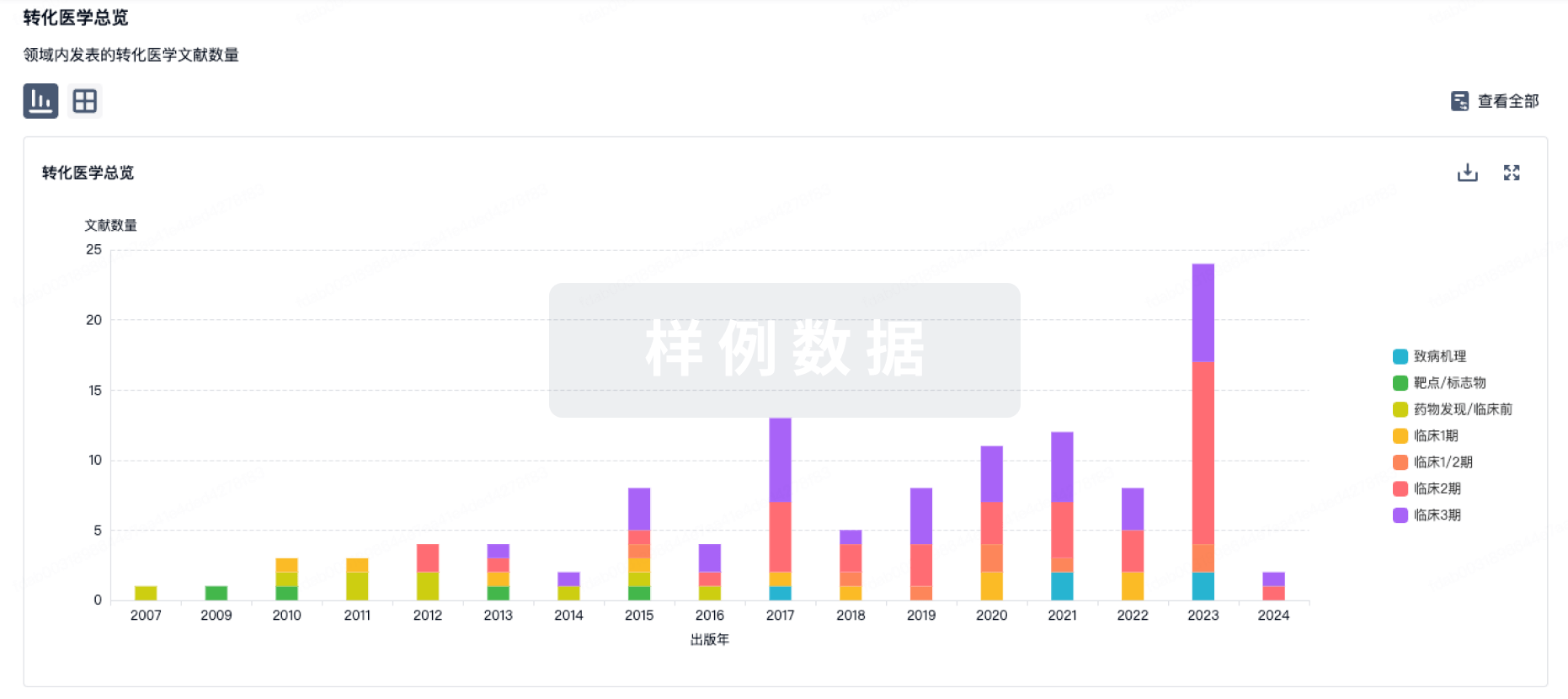
转化医学
使用我们的转化医学数据加速您的研究。
登录
或
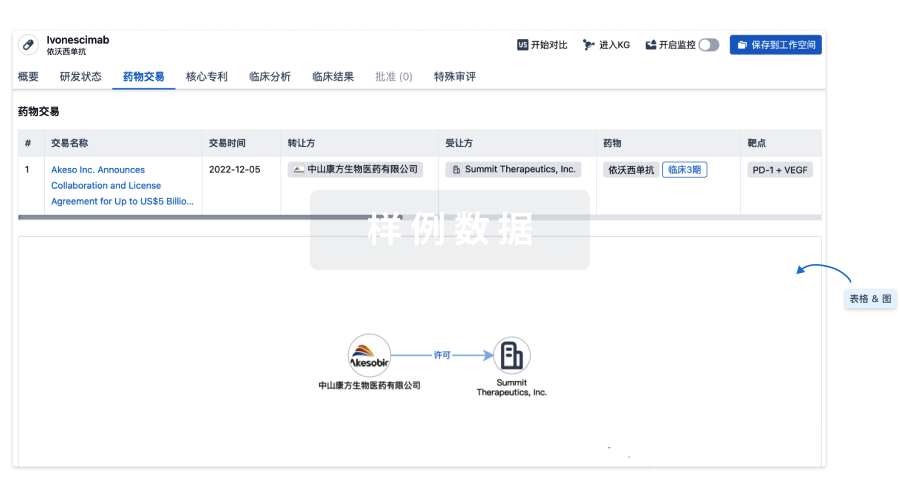
药物交易
使用我们的药物交易数据加速您的研究。
登录
或
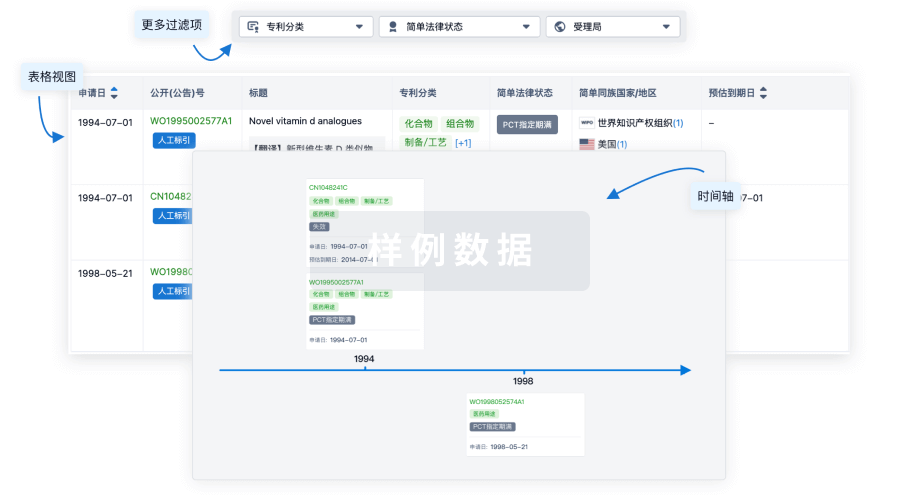
核心专利
使用我们的核心专利数据促进您的研究。
登录
或
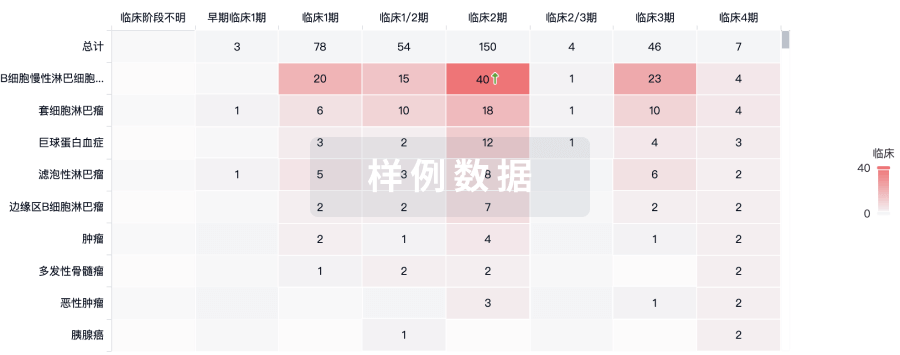
临床分析
紧跟全球注册中心的最新临床试验。
登录
或
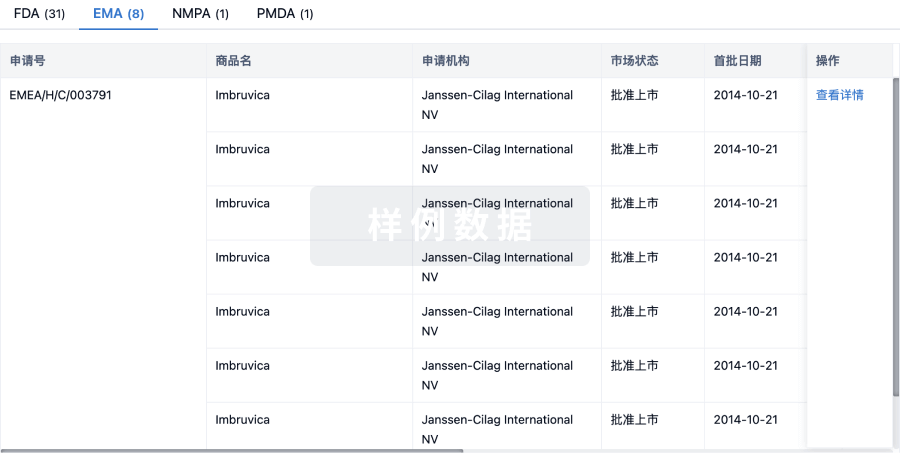
批准
利用最新的监管批准信息加速您的研究。
登录
或
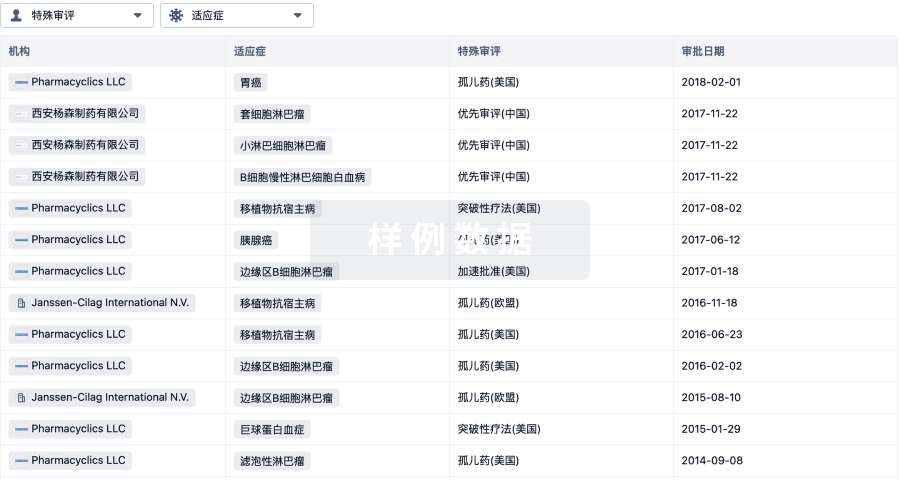
特殊审评
只需点击几下即可了解关键药物信息。
登录
或
生物医药百科问答
全新生物医药AI Agent 覆盖科研全链路,让突破性发现快人一步
立即开始免费试用!
智慧芽新药情报库是智慧芽专为生命科学人士构建的基于AI的创新药情报平台,助您全方位提升您的研发与决策效率。
立即开始数据试用!
智慧芽新药库数据也通过智慧芽数据服务平台,以API或者数据包形式对外开放,助您更加充分利用智慧芽新药情报信息。
生物序列数据库
生物药研发创新
免费使用
化学结构数据库
小分子化药研发创新
免费使用