预约演示
更新于:2026-03-21
CY-09
更新于:2026-03-21
概要
基本信息

结构/序列
分子式C19H12F3NO3S2 |
InChIKeyDJTINRHPPGAPLD-DHDCSXOGSA-N |
CAS号2562390-89-8 |
关联
100 项与 CY-09 相关的临床结果
登录后查看更多信息
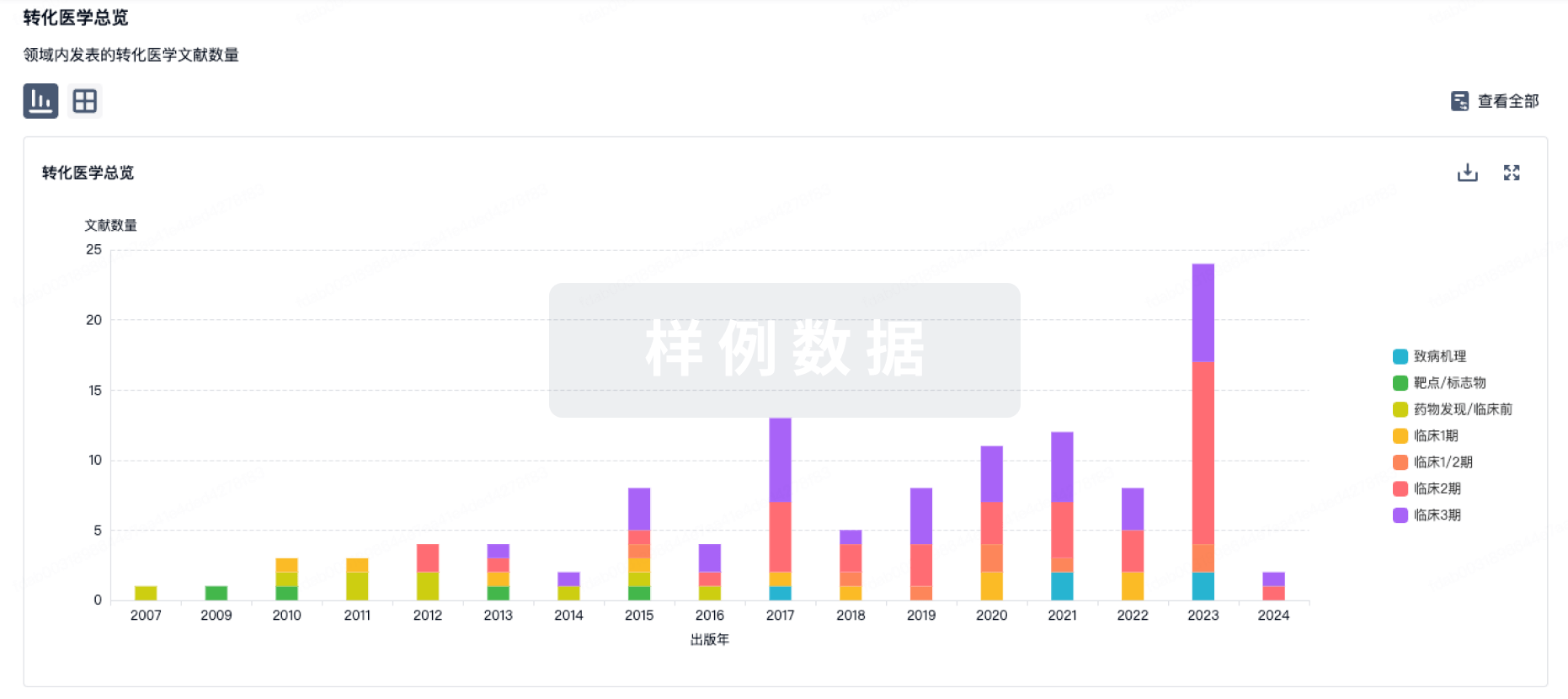
100 项与 CY-09 相关的转化医学
登录后查看更多信息
100 项与 CY-09 相关的专利(医药)
登录后查看更多信息
39
项与 CY-09 相关的文献(医药)2026-02-01·Neuroscience Bulletin
Single-Cell Sequencing Reveals Circadian Sensitivity of Noise-Induced Hearing Loss Mediated by Macrophage-Driven NLRP3 Inflammasome Activation
Article
作者: Zhou, Qian ; Wang, Qixuan ; Ma, Qingping ; Li, Teng ; Chen, Zechuan ; Zhang, Xiaoming ; Zhu, Zixuan ; Wang, Zhongying ; Huang, Zhiwu ; Qian, Minfei ; Wang, Xueling ; Gu, Xixi
Abstract:
Circadian sensitivity significantly influences the severity of noise-induced hearing loss (NIHL), but the underlying mechanisms remain unclear. Here, we applied single-cell RNA sequencing to 97,043 cochlear cells, identifying macrophages as the primary immune responders to acoustic trauma, with a notable increase in their proportion in the cochlea. Immunofluorescence confirmed significant recruitment and activation of cochlear macrophages following noise exposure, while
in vivo
macrophage depletion resulted in the recovery of hearing. Furthermore, analyses of differentially-expressed genes and pathways revealed pronounced activation of NLRP3 inflammasome signaling in macrophages during night-time noise exposure. Measurements of elevated IL-1β and IL-18 expression in cochlear macrophages by multiplex immunohistochemistry correlated with heightened inflammation in the night-time exposure group. These findings were further confirmed by the administration of the selective NLRP3 inhibitor CY-09, which mitigated inflammasome activation, preserved synaptic integrity, and protect against hearing loss. In conclusion, our findings underscore the role of macrophage-driven NLRP3 inflammasome activation in mediating circadian variations in cochlear damage, offering a potential therapeutic target for mitigating NIHL.
2026-01-01·Bioactive Materials
An intelligent nanoreservoir system promotes heart valve regeneration via ROS scavenging and immunomodulation
Article
作者: Liu, Yuqi ; Qiu, Xiang ; Tong, Lu ; Wang, Yunbing ; Xu, Yin ; Xu, Li ; Fan, Pengning ; Qian, Xingyu ; Zheng, Yidan ; Zeng, Teng ; Luo, Hanshen ; Tong, Fuqiang ; Li, Jinsheng ; Li, Fei ; Fan, Zhengfeng
In situ regeneration of tissue-engineered heart valves (TEHV) is a promising strategy to overcome the limitations of existing heart valve prostheses. Although, decellularized aortic valves (DAVs) are widely regarded as a scaffold in the construction of TEHV, the poor hemocompatibility and adverse immune responses make DAV scaffolds prone to thrombosis and degradation, thus hindering recellularization and in situ regeneration. Our study developed an immune-regulatory strategy involving the use of hydrogel-encapsulated nanoparticles to modify DAV scaffolds. Specifically, folic acid- and hyaluronic acid-modified mesoporous silica nanoparticles (FA-HA-MSNs@CY-09) were engineered to deliver NOD-like receptor family, pyrin domain containing 3 (NLRP3) inhibitor CY-09, thereby targeting macrophages, modulating their polarization and establishing a pro-regenerative immune microenvironment. The reactive oxygen species (ROS)-responsive hydrogel delivering FA-HA-MSNs@CY-09 enabled intelligent nanoparticle release and ROS scavenging. Results demonstrated that the hydrogel-modified DAV scaffold exhibited ROS-responsive release of FA-HA-MSNs@CY-09, which effectively induced macrophage polarization toward the pro-remodeling M2 phenotype. In vitro, the scaffold showed favorable mechanical properties, cytocompatibility, and hemocompatibility. Transcriptome sequencing elucidated the macrophage-reprogramming mechanism of the scaffold. In vivo, the scaffolds promoted significant M2 macrophage infiltration shortly after implantation, facilitating endothelial tissue formation. This resulted in enhanced endothelialization and interstitial cell infiltration under blood flow, without thrombosis or calcification. The novel heart valve overcomes various limitations of conventional heart valve prostheses and demonstrates considerable promise for clinical translation, particularly as an immunomodulatory biomaterial strategy.
2025-12-01·Chinese Journal of Integrative Medicine
Resveratrol Attenuates Inflammation in Acute Lung Injury through ROS-Triggered TXNIP/NLRP3 Pathway
Article
作者: Huang, Wen-Han ; Sheng, Yi-Ting ; Fan, Kai-Ying ; Cai, Wan-Ru
OBJECTIVE:
To evaluate the protective effects of resveratrol against acute lung injury (ALI) and investigate the potential mechanisms underlying the reactive oxygen species (ROS)-triggered thioredoxin-interacting protein (TXNIP)/NOD-, LRR- and pyrin domain-containing protein 3 (NLRP3) pathway.
METHODS:
C57BL/6 mice and J774A.1 cells were selected as the research subjects. Thirty Mice were randomly divided into 5 groups of 6 in each group: control with 0.9% saline, 5 mg/kg lipopolysaccharide (LPS) 24 h, 25 mg/kg resveratrol + 5 mg/kg LPS, 100 mg/kg resveratrol + 5 mg/kg LPS, and 4 mg/kg NLRP3 inhibitor CY-09 + 5 mg/kg LPS. For cell stimulation, cells were pretreated with 5 and 20 µmol/L resveratrol for 2 h, and stimulated with or without 1 µg/mL LPS and 3 mmol/L ATP for 2 h. The antioxidant N-acetyl-L-cysteine (NAC, 2 µmol/L) was used as the positive control group. Hematoxylin and eosin staining was used to evaluate the degree of lung LPS-induced tissue damage, and enzyme-linked immunosorbent assay was used to evaluate the contents of interleukin-1 β (IL-1 β) and IL-18 in the serum and cell supernatant. ROS and malondialdehyde (MDA) levels in the lung tissue were detected using the corresponding kits. Western blotting was used to detect the expressions of TXNIP, high-mobility group box 1 (HMGB1), NLRP3, as well as cysteine-aspartic acid protease 1 (caspase-1) and gasdermin D (GSDMD) along with their cleaved forms in lung tissue. Additionally, reverse transcription quantitative polymerase chain reaction was performed to analyze the expression of related inflammatory cytokines. ROS content was detected using flow cytometry and confocal laser microscopy. Mitochondrial morphological changes were observed using transmission electron microscopy, and HMGB1 expression was detected using immunofluorescence.
RESULTS:
Resveratrol significantly alleviated LPS-induced lung damage with reduced inflammation, interstitial edema, and leukocyte infiltration (P<0.01). It also decreased serum levels of IL-1 β and IL-18 (P<0.05), while downregulating the expressions of NLRP3, IL-6, and other inflammatory markers at both the protein and mRNA levels (P<0.05). Notably, the higher dose (100 mg/kg) demonstrated a better effect than the lower dose (25 mg/kg). In macrophages, resveratrol reduced IL-1 β and IL-18 following LPS and ATP stimulation, suppressed HMGB1 translocation, and inhibited formation and activation of the NLRP3 inflammasome (P<0.05 or P<0.01). These anti-inflammatory effects were mediated through the suppression ROS accumulation (P<0.01) and mitochondrial dysfunction. Transmission electron microscopy revealed that resveratrol preserved mitochondrial structure, preventing the mitochondrial damage seen in LPS-treated groups (P<0.01). The expressions of cleaved caspase-1, cleaved GSDMD, and cytoplasmic HMGB1 were all reduced following resveratrol treatment (P<0.01). Moreover, resveratrol inhibited dissociation of TXNIP from thioredoxin, blocking subsequent activation of NLRP3 and downstream inflammatory cytokines (P<0.01). Similarly, the higher concentration of resveratrol (20 µ mol/L) exhibited superior efficacy in vitro.
CONCLUSION:
Resveratrol can reduce the inflammatory response following ALI and inhibit the activation of NLRP3 inflammasome and the level of HMGB1 in the cytoplasm by inhibiting ROS overproduction.
5
项与 CY-09 相关的新闻(医药)2026-03-13
NLRP3炎症小体是一种关键的多蛋白复合物,在先天免疫反应中起着核心作用,负责识别病原体相关分子模式和损伤相关分子模式,并激活下游的炎症反应。然而,NLRP3炎症小体的过度激活与多种炎症性疾病和自身免疫性疾病密切相关。
NLRP3炎症小体的激活过程
在探讨抑制剂的作用机制之前,有必要了解NLRP3炎症小体的正常激活过程。NLRP3的激活通常分为两个步骤:启动和激活。启动步骤涉及转录因子NF-κB的激活,导致NLRP3和炎症细胞因子前体(如pro-IL-1β和pro-IL-18)的上调。
激活步骤则涉及NLRP3与ASC和pro-caspase-1的组装,形成炎症小体复合物,最终导致caspase-1的激活和炎症细胞因子的成熟与释放。
NLRP3炎症小体抑制剂的作用点
NLRP3炎症小体抑制剂可以通过多种机制干预上述激活过程。
干扰NLRP3寡聚化
一些小分子抑制剂,如OLT1177(dapansutrile),能够直接结合NLRP3,阻止其寡聚化,从而抑制NLRP3炎症小体的组装和激活。这类抑制剂通过破坏NLRP3的结构完整性,阻止其与ASC的结合,进而抑制caspase-1的激活。
抑制NLRP3 ATPase结构域
NLRP3的ATPase结构域对其激活至关重要。某些抑制剂,如INF4E和CY-09,通过抑制NLRP3 ATPase的活性,阻止NLRP3的构象变化,从而抑制其激活。这类抑制剂通过干扰NLRP3的能量代谢,影响其与其他蛋白的相互作用,最终抑制炎症小体的形成。
阻断ASC聚合
ASC是NLRP3炎症小体中的关键衔接蛋白。一些抑制剂通过阻断ASC的聚合,防止其形成功能性的炎症小体复合物。例如,某些化合物能够与ASC结合,阻止其与NLRP3和pro-caspase-1的相互作用,从而抑制炎症小体的激活。
抑制钾离子外流
钾离子外流是NLRP3激活的共同信号之一。某些抑制剂通过抑制细胞膜上的钾离子通道,如P2X7受体,减少钾离子的外流,从而抑制NLRP3的激活。这类抑制剂通过调节细胞内的离子平衡,影响NLRP3的激活信号,进而抑制炎症反应。
中和炎症细胞因子
除了直接抑制NLRP3炎症小体的激活外,一些生物制剂如IL-1β和IL-18的抗体或受体拮抗剂,能够中和已释放的炎症细胞因子,从而减轻炎症反应。这类抑制剂通过阻断炎症细胞因子的生物学活性,减轻组织损伤和炎症症状。
已知的NLRP3炎症小体抑制剂
目前,已有多种NLRP3炎症小体抑制剂进入临床试验或已获批用于治疗特定疾病。例如:
Anakinra:一种重组人IL-1受体拮抗剂,用于治疗类风湿性关节炎和自身炎症性疾病。
Canakinumab:一种抗IL-1β的单克隆抗体,用于治疗周期性发热综合征和痛风。
Rilonacept:一种IL-1陷阱,用于治疗自身炎症性疾病。
OLT1177(dapansutrile):一种口服的NLRP3抑制剂,正在临床试验中用于治疗多种炎症性疾病。
临床结果ASCO会议
2026-02-07
关键词:阿尔茨海默病,NLRP3炎症小体,神经炎症,β-淀粉样蛋白,线粒体功能障碍,治疗靶点
keyword:Alzheimer's, NLRP3 inflammasome, Neuroinflammation, Amyloid-β, Mitochondrial dysfunction, Therapeutic targets
期刊名:《Inflammopharmacology》影响因子(IF):5.3,分区(JCR):Q1
标题:NLRP3 inflammasome and Alzheimer's disease: bridging inflammation and neurodegeneration(NLRP3炎症小体与阿尔茨海默病:桥接炎症与神经退行)
第一作者及单位:Rufaida Wasim(印度勒克瑙积分大学药学院), Sumaiya Azmi(印度勒克瑙Career牙科研究生学院牙周病学系), Asad Ahmad(印度勒克瑙积分大学药学院), Akash Srivastava(印度勒克瑙HYGIA药学教育与研究学院药剂学系)
发表时间:2026年1月5日
主要结论概要:本综述系统阐述了NLRP3 inflammasome在阿尔茨海默病病理中的核心作用,指出其激活促进神经炎症、Aβ沉积和tau病理,而抑制NLRP3可能改善认知功能,为AD治疗提供新策略。
阿尔茨海默病(AD)作为一种渐进性神经退行性疾病,全球患者人数持续上升,其病理特征包括β-淀粉样蛋白(Aβ)斑块和tau蛋白缠结,导致神经元死亡和认知衰退。近年来,神经炎症被确认为AD的关键驱动因素,其中NLRP3 inflammasome作为先天免疫系统的多蛋白复合物,在连接炎症与神经退行过程中扮演重要角色。NLRP3 inflammasome能够识别内源性危险信号(如Aβ寡聚体)和外源性刺激,激活后通过caspase-1切割,释放白细胞介素-1β(IL-1β)和IL-18等促炎细胞因子,触发细胞焦亡和慢性神经炎症循环。在AD中,Aβ和tau聚集体直接激活NLRP3,形成正反馈环路:Aβ通过Toll样受体(TLR)途径启动NLRP3表达,而tau聚集体则增强NLRP3依赖性炎症反应,加速神经元损伤。
NLRP3 inflammasome的激活涉及经典和非经典通路。经典通路需要两个信号:初始信号(如TLR激动剂)通过NF-κB上调NLRP3和pro-IL-1β表达;激活信号(如Aβ或ATP)则促进NLRP3与适配蛋白ASC结合,形成ASC speck,进而激活caspase-1。非经典通路则由caspase-4/5(人类)或caspase-11(小鼠)介导,响应脂多糖(LPS)刺激。线粒体功能障碍在NLRP3激活中至关重要,例如线粒体活性氧(mtROS)和线粒体DNA(mtDNA)释放,通过线粒体-内质网接触位点(MAMs)促进炎症小体组装。自噬和线粒体自噬作为负调控机制,通过清除损伤线粒体和Aβ聚集体,抑制NLRP3过度激活。
在AD病理中,NLRP3活化不仅加剧神经炎症,还直接影响Aβ和tau动力学。动物模型显示,NLRP3或caspase-1缺陷能增强小胶质细胞吞噬能力,减少Aβ沉积并改善认知功能。例如,Heneka等人[2]在APP/PS1小鼠中发现,NLRP3缺失可减轻Aβ负担;Ising等人[3]则证明Aβ纤维通过NLRP3依赖性方式促进tau过度磷酸化。临床样本研究也支持这一机制,AD患者脑组织中NLRP3、caspase-1及IL-1β水平显著升高。
靶向NLRP3的治疗策略包括小分子抑制剂、天然化合物和生物制剂。直接抑制剂如MCC950能特异性阻断NLRP3 ATP酶活性,在AD模型中减少炎症并改善记忆;CY-09通过结合NLRP3 NACHT结构域抑制寡聚化;而OLT1177(dapansutrile)已进入临床试验阶段。下游靶点如caspase-1抑制剂VX-765和IL-1β抗体(如canakinumab)也显示潜力,但血脑屏障穿透性和长期安全性仍是挑战。天然化合物如姜黄素、白藜芦醇通过调节自噬和氧化应激抑制NLRP3,提供多靶点优势。非甾体抗炎药(NSAIDs)如甲芬那酸虽在 preclinical 模型中有效,但临床结果不一致,凸显了治疗时机的重要性。
未来研究需聚焦于提高药物选择性、优化血脑屏障穿透性,并探索组合疗法(如同时靶向Aβ清除和炎症)。个性化医疗基于生物标志物可能实现早期干预。
NLRP3 inflammasome的激活机制复杂,涉及多个细胞器互动。如图1所示,Aβ寡聚体和tau聚集体通过TLR/NF-κB途径启动NLRP3表达,并引发线粒体功能障碍,导致mtROS和mtDNA释放,进而促进炎症小体组装。
Fig.1: NLRP3炎症小体在AD中的激活示意图。该图概括了Aβ和tau如何通过TLR/NF-κB信号启动NLRP3表达,并在线粒体功能障碍下促进炎症小体组装,最终导致IL-1β释放和神经炎症。
药理靶点研究显示,NLRP3抑制剂可作用于多个节点。如图2所示,化合物如MCC950、CY-09直接靶向NLRP3结构域,而天然物质如姜黄素则通过上游信号调控。
Fig.2: NLRP3炎症小体的药理靶点。该图展示了抑制剂如何靶向NLRP3上游激活因子(如LPS/TLR)、结构域(如NACHT)和适配蛋白(如ASC),以阻断炎症通路。相关研究
本综述与多项经典研究高度相关。例如,Heneka等人[2]于2013年首次在APP/PS1小鼠中证实NLRP3激活促进Aβ沉积,为NLRP3在AD中的作用提供了直接证据;Ising等人[3]在2019年发现Aβ纤维通过NLRP3依赖性方式驱动tau病理,扩展了炎症与tau退行的关联。此外,Stancu等人[4]显示tau聚集体直接激活NLRP3,提示双重靶向策略的可能。该团队之前的研究基础包括Wasim[5]在生物能学失败和氧化应激方面的工作,以及Wasim等人[6]对姜黄素在代谢疾病中的探讨,这些研究为理解NLRP3与线粒体功能障碍的联系提供了背景。
参考文献
[1] Wasim, Rufaida et al. “NLRP3 inflammasome and Alzheimer's disease: bridging inflammation and neurodegeneration.” Inflammopharmacology (2026). doi:10.1007/s10787-025-02092-3
[2] Heneka, M.T. et al. “NLRP3 is activated in Alzheimer's disease and contributes to pathology in APP/PS1 mice.” Nature, vol. 493, 2013, pp. 674-678. doi:10.1038/nature11729
[3] Ising, C. et al. “NLRP3 inflammasome activation drives tau pathology.” Nature, vol. 575, 2019, pp. 669-673. doi:10.1038/s41586-019-1769-z
[4] Stancu, I.C. et al. “Aggregated Tau activates NLRP3-ASC inflammasome exacerbating Tau pathology in vivo.” Acta Neuropathologica, vol. 137, 2019, pp. 599-617. doi:10.1007/s00401-019-01998-9
[5] Wasim, R. “Bioenergetic failure and oxidative stress: mitochondrial contributions to Alzheimer's disease.” Inflammopharmacology, 2025. doi:10.1007/s10787-025-01916-6
[6] Wasim, R. et al. “Curcumin in type 2 diabetes mellitus: a natural approach to modulating metabolic dysfunction.” Drug Research, 2025. doi:10.1055/a-2604-4115
本文内容来自公开信息及研究文献,不代表临床建议。
如需投稿、转载、商务合作后台留言,回复有一定延迟敬请谅解。
辅助编辑:腾讯元宝or(GPT、Gemini、Claude等)
扫码加入ima知识库,获取本公众号所有文献全文资料,AI问答了解更多信息,文献实时更新
2025-12-29
·灵与新
NLRP3炎症小体是炎症性疾病、代谢性疾病及神经退行性疾病中经过验证的治疗靶点。表观遗传调控因子,尤其是组蛋白去乙酰化酶(HDACs),已成为调控炎症小体启动与激活的关键调节因子。药物化学领域的最新进展为探究NLRP3信号传导机制及其潜在治疗调节提供了新的化学手段。最近发表在《Journal of Medicinal Chemistry》上的综述文章“Crosstalk between NLRP3 Signaling and Histone Deacetylases in Inflammasome-Driven Diseases”深入探讨了表观遗传调控如何影响炎症小体活性,并为炎症相关疾病的治疗提供了新思路。研究背景与意义
自身炎症性疾病通常归因于先天免疫系统的失调,而自身免疫性疾病则主要由适应性免疫反应驱动。然而,炎症/自身免疫状态实际呈现为一个连续谱系,不同疾病可能以自身炎症或自身免疫特征为主导。在这里重点关注先天免疫的关键组分——NLRP3炎症小体,及其在细胞焦亡与炎症小体驱动疾病中的作用机制。细胞焦亡是一种炎症形式的程序性细胞死亡,由炎症小体和炎症性半胱天冬酶的激活所驱动,并受到表观遗传过程的调控。在癌症中,细胞焦亡可通过诱导细胞溶解和炎症来增强免疫反应,从而促进肿瘤免疫治疗。焦亡相关基因的转录水平可以反映肿瘤发生过程中的焦亡状态,并有助于预测患者的预后。除了癌症,细胞焦亡在心血管疾病、自身免疫性疾病和神经系统疾病中也起着关键作用。神经炎症是一个多因素、复杂的过程,依赖于多种类型的胶质细胞和外周免疫细胞,并受到表观遗传改变的影响。在脑损伤发生时,胶质细胞被激活,释放炎症介质并产生活性氧(ROS)。一旦启动,神经炎症过程可能过度激活,导致细胞损伤和神经元功能丧失。表观遗传变化在不改变DNA序列的情况下影响基因表达。DNA甲基化、组蛋白修饰以及微小RNA相关的转录后基因沉默构成了三个关键的表观遗传机制。炎症/自身免疫性疾病的病理生理学与遗传易感性以及暴露于环境所引发的表观遗传修饰密切相关。在本文中,作者深入探讨了组蛋白去乙酰化酶(HDACs)调节NLRP3炎症小体的机制。讨论HDAC抑制作为一种潜在的治疗方法,用于抗炎策略。为此,作者回顾了HDACs在炎症及其他相关疾病中的作用和机制。旨在为炎症相关疾病和药物发现的未来研究提供新思路。希望阐明表观遗传学与NLRP3信号通路之间的相互作用,并期望在药物开发领域开辟新的途径。NLRP3炎症小体的结构与功能
核苷酸结合寡聚化结构域富含亮氨酸重复序列和热蛋白结构域蛋白3(NLRP3),亦称冷热蛋白或NALP3,是NLR家族成员之一。该三联体蛋白由N端热蛋白结构域、中央NACHT结构域及C端富含亮氨酸重复序列(LRR)结构域组成。
NLRP3炎症小体作为细胞内多蛋白复合物,结构组成如下:
传感器:NLRP3(含PYD、NACHT、LRR结构域)
适配器:ASC(含CARD结构域)
效应器:Caspase-1
经典炎症小体激活遵循连续双步骤机制:首先通过识别外源性或内源性危险信号(包括病原相关分子模式、危险相关分子模式及环境刺激物),启动Toll样受体(TLR)介导的NLRP3炎症小体组分及细胞因子前体(pro-IL-1β与pro-IL-18)的上调。启动步骤完成后,NLRP3炎症小体需次级刺激诱导其寡聚化组装。当NLRP3感受器被激活,中央NACHT结构域发生核苷酸交换,诱导蛋白从球状结构转变为同心十聚体组装。NLRP3募集衔接蛋白ASC形成朊病毒样纤维,随后ASC通过CARD-CARD相互作用结合酶原procaspase-1,最终形成超分子NLRP3炎症小体复合物。经典的炎症小体激活
第一步:启动(Priming)
• 通过TLR/IL-1R信号激活NF-κB
• 上调NLRP3和pro-IL-1β表达
第二步:激活(Activation)
• K⁺外流、ROS等信号诱导
• NLRP3寡聚化与炎症小体组装
• Caspase-1激活 → 切割GSDMD → 焦亡
• 释放IL-1β、IL-18等炎症因子
对NLRP3进行翻译后修饰(PTMs)的诱导作用,可确保其在非活性状态与信号传导活性状态之间保持动态平衡。泛素化、磷酸化及类泛素化等PTMs修饰,发生于炎症小体激活的不同阶段——这些修饰既能在早期触发非转录性启动,也参与后期NLRP3的调控过程。E3泛素连接酶介导的泛素化修饰,可通过蛋白酶体降解或维持NLRP3失活状态来调控炎症小体激活。NLRP3炎症小体的过度激活与多种人类炎症性疾病的发病机制密切相关,这提示NLRP3炎症小体是治疗此类疾病的潜在靶点。因此,NLRP3在先天免疫中的核心作用已成为药物研发领域的热点方向。
目前已有从小分子化合物到复杂天然产物在内的多种物质作为NLRP3抑制剂被深入研究。如抑制肥大细胞IgE介导组胺释放的抗过敏药物曲尼司特(图1),被证实能干扰NLRP3炎症小体组装。通过囊性纤维化跨膜传导调节因子抑制剂筛选发现2-硫代噻唑烷-4-酮衍生物CY-09(图1),能与NLRP3的NACHT结构域结合,干扰其三磷酸腺苷(ATP)结合基序。MCC950(图1),亦称为CRID3或CP-456,773,是最受瞩目的NLRP3炎症小体抑制剂之一。其对骨髓源性巨噬细胞释放IL-1β的半抑制浓度(IC50)为7.5 nM,对人单核细胞源性巨噬细胞的IC50值为8.1 nM。该化合物通过可逆性结合NLRP3蛋白的NACHT结构域,稳定其非活性构象,阻止ATP水解反应,从而有效阻断NLRP3活化过程。尽管该化合物在II期临床试验中因出现肝脏毒性问题而终止研发,但至今仍是研究最深入、特异性最高的NLRP3炎症小体药理研究工具化合物。以MCC950分子结构为基础,结构修饰与优化开发了诸多新型NLRP3抑制剂。此外,蛋白降解靶向嵌合体技术的兴起为靶向调控疾病相关蛋白提供了新策略——通过泛素-蛋白酶体系统促进靶蛋白降解。最近已公开报道了首例靶向降解NLRP3的PROTAC分子(V2,图1)。
图1、NLRP3抑制剂代表性化合物结构及NLRP3降解剂V2结构HDAC家族分类与功能特点
组蛋白去乙酰化酶与组蛋白乙酰转移酶是通过翻译后修饰调控染色质可及性、实现表观遗传基因表达调控的关键酶系。组蛋白去乙酰化酶能去除组蛋白及非组蛋白赖氨酸残基的酰基修饰,导致染色质凝缩与转录抑制。人类18种组蛋白去乙酰化酶亚型可分为四类:I类(HDAC1、2、3、8)、IIa类(HDAC4、5、7、9)、IIb类(HDAC6、10)、III类(SIRT1-7)及IV类(HDAC11)。异常的组蛋白去乙酰化酶表达与多种疾病相关,包括肿瘤、神经退行性疾病、炎症及感染性疾病。在炎症调控领域,组蛋白去乙酰化酶参与关键信号通路与炎症基因表达的调节。最新证据表明,组蛋白去乙酰化酶在NLRP3炎症小体(免疫系统的核心组分及炎症反应调节器)的调控中发挥重要作用。
HDAC6在NLRP3调控中的核心作用
在启动阶段,HDAC6通过增强TLR信号、促进ROS产生和NF-κB激活来为NLRP3激活做准备。在激活阶段,它则通过调节氧化还原平衡和细胞骨架等直接影响炎症小体组装。特别值得注意的是,HDAC6是调控NLRP3最关键的HDAC亚型,它通过多种机制影响炎症小体,已成为NLRP3炎症小体的关键调节因子。该酶主要定位于细胞质,其结构特殊性在于拥有两个功能性去乙酰化催化结构域及C末端锌指泛素结合结构域。与I类酶不同,HDAC6主要靶向非组蛋白如α-微管蛋白、皮层肌动蛋白、热休克蛋白90、过氧化物还原酶I/II等。尽管HDAC6是NLRP3炎症小体背景下研究最深入的亚型,最新证据也提示其他组蛋白去乙酰化酶家族成员参与NLRP3炎症小体调节。然而,组蛋白去乙酰化酶在NLRP3炎症小体信号通路中的具体分子机制尚未完全阐明,仍存在学术争议。特别值得注意的是,不同研究间的结果差异可能源于实验设计的区别,包括巨噬细胞类型选择、小鼠模型或药理工具化合物的差异等因素。
最近的研究强调了 HDAC6 在调节 NLRP3 炎性体信号通路中的关键作用,尤其是在启动阶段。多项研究通过使用选择性 HDAC6 抑制剂、降解剂或基因敲减方法,已逐步揭示其相关机制。HDAC6在调节炎性体激活启动阶段(Priming)的作用
1. 与MyD88互作 → 增强TLR信号 → 激活NF-κB(图2A)
2. 激活Nox2 → 增加ROS产生 → 促进炎症(图2B)
3. 去乙酰化微管蛋白 → 影响IκBα降解 → 激活NF-κB(图2C)
4. 去乙酰化p65(NF-κB亚基)→ 促进其核转位 (图2D)
图2、HDAC6在NLRP3炎症小体的启动和NF-κB调节中的作用
新近研究表明,HDAC6不仅参与NLRP3炎症小体的启动阶段,也涉及其激活阶段。然而值得注意的是,这些抑制剂在人类巨噬细胞中未能显现相同效果,提示在人类巨噬细胞的NLRP3炎性体激活过程中,HDAC6对IL-1β释放并非必需,表明HDAC6在人类NLRP3炎症小体活化过程中的作用可能与小鼠存在本质差异。HDAC6在调节炎性体激活阶段(Activation)的作用
1. 氧化还原调节蛋白Prx I/II去乙酰化 → 降低抗氧化能力 → 增加ROS → 激活NLRP3(图3A)
2. 抑制F-actin表达 → F-actin负调控NLRP3 → 促进炎症小体组装(图3B)
3. 调控DDX3X → 影响应激颗粒形成 → 间接调控NLRP3(图3C)
DDX3X被证实具有双重功能:一方面,在细胞应激条件下,DDX3X可通过与NLRP3的NACHT结构域相互作用促进炎症小体组装;另一方面,细胞应激也可诱导应激颗粒的形成,此时DDX3X会被隔离至其中参与促生存性应激颗粒的组装。这种竞争机制导致可用于激活炎症小体的DDX3X分子减少,从而抑制NLRP3炎症小体的活化。由于现有研究结论存在矛盾,且HDAC6在DDX3X调控中的具体作用尚不明确,未来需要采用更具选择性的抑制剂等工具开展深入研究,以更清晰地阐明HDAC6在DDX3X及NLRP3炎症小体调控网络中的作用机制。
图3、HDAC6在NLRP3炎症小体激活中的作用
HDAC6不仅依赖其酶活性,其泛素结合域也发挥着重要的支架功能。除了两个催化结构域外,HDAC6还拥有一个C端锌指泛素结合结构域(ZnF-UBD),使其能够独立于去乙酰化酶活性与泛素化底物相互作用。尽管部分研究认为HDAC6的去乙酰化酶活性至关重要,但其他研究则强调其泛素结合结构域及受调控的泛素化过程更为关键。锌指泛素结合结构域在NLRP3炎症小体中的作用
1. ZnF-UBD结构域直接结合 → NLRP3泛素化→ 抑制炎症小体激活(图4A)
2. 作为动力蛋白接头分子,介导NLRP3炎症小体组分向微管组织中心的逆向运输,并在该位置完成炎症小体的完全组装(图4B)
图4、锌指泛素结合结构域(简称:UBD)在NLRP3炎症小体中的作用HDAC6抑制剂与降解剂的研发进展
为了研究HDAC6的功能并开发潜在药物,科学家们开发了多种选择性抑制剂和降解剂。早期的抑制剂如Tubastatin A选择性不够理想,新一代抑制剂通过结构优化提高了选择性。PROTAC降解剂是新兴策略,它能彻底清除HDAC6蛋白。靶向HDAC6的抑制剂
• Tubastatin A:经典工具分子,但有一定HDAC10抑制活性
• Ricolinostat(ACY-1215):进入临床试验,但选择性仍有争议
• CAY10603:高效力,但选择谱需进一步确认
• 新型抑制剂(如8k, 8m):基于咪唑并吡啶骨架,选择性显著提高
图5、NLRP3 炎症小体调控相关研究中报道的 HDAC6 抑制剂及其选择性靶向HDAC6的PROTAC降解剂
传统的小分子HDAC6抑制剂仅靶向该酶的催化结构域,因而其作用仅限于抑制催化活性。相比之下,靶向降解HDAC6提供了一种更高效的策略,它可能同时消除其催化结构域和ZnF-UBD结构域的功能。PROTAC技术已成功应用于HDAC6的靶向降解,其双功能降解剂利用带有羟肟酸、乙基酰肼或二氟甲基-1,3,4-噁二唑弹头作为锌结合基团的各种配体组装而成。然而,它们在NLRP3炎性体信号通路中的功能影响尚未得到评估。
基于伏立诺他的选择性HDAC6的 PROTAC A6(图6)的开发,使得人们能够更深入地探究HDAC6缺失对NLRP3炎性体激活的影响。Bockstiegel等人通过使用该降解剂及其相应的阴性对照nc-A6证明,仅抑制HDAC6的第二个催化结构域,就足以减少Pam3CSK4介导的TNF释放和IL-1β释放。因此,在人THP-1巨噬细胞中,并不需要通过靶向降解HDAC6来抑制NLRP3炎性体激活。此外,NLRP3激活研究表明,HDAC6干扰TLR启动信号,因为当THP-1巨噬细胞已用Pam3CSK4启动后,再用tubastatin A处理并不会降低IL-1β水平。免疫调节药物(如沙利度胺)也可能负向调控TLR反应,从而降低NLRP3的激活。
另一个已报道的靶向HDAC6的PROTAC 14a(图6),衍生自基于靛红骨架的HDAC6抑制剂,也显示出能够减弱NLRP3炎症小体激活。在脂多糖启动的人THP-1细胞中,14a降低了切割型caspase-1的水平和IL-1β的分泌,表明其作用于炎性体激活阶段。然而,无论是基于靛红的HDAC6抑制剂还是其对应的PROTAC,都抑制了NLRP3介导的IL-1β释放;由于缺乏阴性对照化合物,尚不确定此效应是源于HDAC6的降解,还是仅源于对其催化去乙酰化酶活性的抑制。有趣的是,在脂多糖诱导的小鼠模型中,基于靛红的PROTAC处理能降低血清IL-1β水平,而抑制剂则未产生相同效果。
需要进一步的研究来阐明HDAC6的催化结构域或ZnF-UBD结构域是否参与调控NLRP3炎症小体。尽管抑制第二个催化结构域似乎足以抑制炎性体激活,但ZnF-UBD结构域的作用仍不清楚,因为抑制催化结构域也可能破坏HDAC6与动力蛋白之间的相互作用,从而使得其泛素结合功能变得不必要。
图6、HDAC6代表性PROTACs A6和14a 结构其他HDAC亚型对NLRP3的调控
除了HDAC6,其他HDAC亚型也参与NLRP3调控,但作用可能不同甚至相反。例如,HDAC2和HDAC10在某些情况下抑制NLRP3,而HDAC9则促进其激活。这说明HDAC家族对炎症小体的调控是一个精细而复杂的网络,单一亚型的抑制可能不足以完全控制炎症反应,也可能解释为何有些广谱抑制剂效果更好。
值得注意的是,选择性I类HDAC抑制剂恩替诺特(图7)已在脊髓损伤模型中展现出神经保护作用。在小鼠脊髓损伤模型中,该抑制剂能降低caspase-1活性、减少IL-1β与IL-18水平、抑制NLRP3表达,从而改善运动功能并减轻神经元损伤。同时另一项针对11种锌依赖性HDAC的系统性筛选研究发现,HDAC2对NLRP3炎症小体激活具有负向调控作用。在TLR4体外刺激及结核分枝杆菌感染小鼠模型中,推测为HDAC1/2抑制剂的4-(二甲氨基)-N-[6-(羟氨基)-6-氧代己基]苯甲酰胺(DHOB)(图7)通过增强NLRP3表达,促进了巨噬细胞与树突状细胞中IL-1β的产生。针对HDAC1和HDAC2的基因敲低实验表明,仅HDAC2(而非HDAC1)能够上调感染巨噬细胞中IL-1β与NLRP3的表达水平,提示HDAC2在调控NLRP3炎症小体激活中具有特定作用。但需要指出的是,DHOB的选择性特征尚未明确——除I类HDAC外,其还被报道可抑制HDAC6,这使得观察到的效应是否完全归因于HDAC2抑制仍存在不确定性。
通过质谱分析和免疫共沉淀技术,发现IIa类HDAC亚型HDAC4是GSDMD的特异性去乙酰化酶,这表明其在炎症小体相关通路及GSDMD介导的细胞焦亡翻译后修饰中发挥作用。在体外和体内模型中,HDAC4介导的GSDMD去乙酰化已被证实能够抑制细胞焦亡。此外,IIa类亚型HDAC9也被报道在NLRP3炎症小体激活及影响血管病理过程中起关键作用。在小鼠中删除保守调控元件(CRE)会增加骨髓细胞和骨髓源性巨噬细胞中HDAC9的表达,从而加剧动脉粥样硬化。无论是通过基因敲除还是使用IIa类HDAC抑制剂TMP195(图7)进行药理抑制HDAC9,均能降低剪切型caspase-1的水平,进而减少IL-1β的释放。免疫共沉淀实验和微量热泳动分析表明,HDAC9与NLRP3之间存在相互作用,其中HDAC9介导的NLRP3 NACHT和LRR结构域的去乙酰化在激活步骤中促进了NLRP3的寡聚化。
在脑出血背景下,HDAC10(IIb类)通过蛋白酪氨酸磷酸酶非受体型22(PTPN22)通路与NLRP3炎症小体抑制相关。PTPN22对NLRP3的去磷酸化会导致NLRP3激活和IL-1β分泌。该研究表明,HDAC10通过与PTPN22启动子结合并去酰化,下调PTPN22的表达,从而调控NLRP3炎症小体的激活。相反,近期一项研究提出HDAC10负向调控NLRP3炎症小体。HDAC10似乎能使NLRP3蛋白在Lys496位点去乙酰化,导致NLRP3泛素化并通过蛋白酶体介导降解。
与经典HDAC不同,去乙酰化酶SIRT1-7是NAD+依赖性的,也可能在调节炎症和先天免疫中发挥作用。通过抑制剂AGK2和shRNA介导的敲低抑制SIRT2,可提高乙酰化α-微管蛋白的水平,从而促进炎症小体激活。另一项使用多种去乙酰化酶抑制剂的研究发现,2-硫尿嘧啶衍生物cambinol(一种SIRT1/2抑制剂)能够抑制暴露于微生物产物的多种免疫细胞中细胞因子(TNF、IL-1β、IL-6、IL-12p40和IFN-γ)及CD40的表达。Cambinol还抑制LPS诱导的NLRP3上调,这可能损害炎症小体激活的启动步骤。然而,其对ATP刺激后IL-1β释放的影响仍有待探索,以进一步阐明NLRP3炎症小体激活的相关机制。值得注意的是,选择性SIRT1抑制剂(EX-527、CHIC-35)和SIRT2抑制剂(AGK2、AK-7)并未复现这些效果,这表明需要更广泛地抑制去乙酰化酶才能产生作用。从机制上看,cambinol可能通过靶向MAPK和MEK激活来调节TLR信号通路。
综上所述,近期研究强调了多种HDAC亚型参与调控NLRP3炎症小体。尽管在理解亚型特异性作用方面已取得一定进展,但已有报道中存在相互矛盾的结果,提示I类、II类和IV类HDAC以及NAD+依赖性去乙酰化酶之间存在功能冗余的调控机制。未来研究需使用高选择性HDAC抑制剂或亚型特异性遗传学方法,以明确单个HDAC的具体作用,并阐明其在炎症小体驱动病理中的治疗潜力。
图7、已报道的与NLRP3炎性体调节有关的HDAC抑制剂HDAC抑制剂在疾病模型中的治疗潜力
大量的临床前研究证明了靶向HDAC-NLRP3轴的治疗潜力。从神经系统到代谢性疾病,多种HDAC抑制剂在动物模型中显示出良好的效果。这张表格精选了部分代表性研究,我们可以看到,针对不同疾病,可能需要选择不同的HDAC亚型作为靶点。这强调了开发亚型选择性药物的必要性。
表1、HDAC抑制剂在NLRP3驱动疾病的临床前模型中的应用
注:6-OHDA = 6-羟多巴胺, AKI = 急性肾损伤, ALF = 急性肝衰竭, ATL = 成人T细胞白血病/淋巴瘤, CFA = 弗氏完全佐剂, CIBP = 癌症痛, CKD = 慢性肾脏病, CS = 香烟烟雾, DSS = 硫酸钠右旋糖, HFD = 高脂饮食, IRI = 肝脏缺血再灌注损伤, IVH = 脑室内出血, n.d. = 不确定, PBMCs = 外周血单个核细胞, PCOS = 多囊卵巢综合症, SAH = 蛛网膜下腔出血, STZ = 链脲霉素.当前挑战与未来方向
NLRP3炎症小体信号通路与HDAC介导的表观遗传调控之间的复杂交互,是众多炎症及免疫疾病发病机制的核心。研究表明,HDAC各亚型(尤其HDAC6)通过催化与非催化双重机制,在NLRP3通路的启动与激活阶段发挥关键调控作用,且该机制在神经、心血管、代谢、自身免疫及肿瘤等疾病中具广泛病理意义。尽管亚型选择性抑制剂和PROTAC降解剂已展现治疗潜力,但物种差异、代偿性信号及HDAC结构域功能认知不足等因素导致研究结论存在矛盾。HDAC通过调控NLRP3/IL-1β表达及炎症小体组装实现多层次干预,而当前非选择性工具化合物与异质实验体系则增加了机制解析的难度。因此,亟需开发高选择性HDAC抑制剂与能区分催化/支架功能的蛋白降解剂,并借助新型锌结合基团等配体设计提升亚型选择性。同时,建立标准化的酶学与细胞分析平台,以获取可靠、可比的选择性数据。未来需结合亚型特异性化学探针、基因工具及人类疾病模型,以阐明各HDAC亚型的具体贡献,并探索HDAC靶向治疗与直接NLRP3抑制剂联用的协同策略,最终推动针对炎症小体驱动疾病的精准疗法发展。结论
总结来说,通过干预HDAC与NLRP3之间的对话,我们有可能为众多炎症性疾病开发出更有效、更精准的治疗方法。这不仅是一个基础科学问题,更是一个直接关系到未来药物研发和临床治疗的重要方向。核心结论
1. HDACs(尤其是HDAC6)是NLRP3炎症小体功能的关键调控因子,贯穿启动与激活全过程。
2. 针对特定HDAC亚型的精准调控,是治疗炎症性疾病极具前景的新策略。
3. 新型化学工具(亚型选择性抑制剂、PROTACs)的快速发展正在深化机制认知并推动药物发现。
4. 理解物种差异、功能冗余和细胞类型特异性是实现临床转化的前提。最终展望
• 推动“精准表观免疫学”发展,为基础与临床研究架起桥梁。
• 开发基于HDAC-NLRP3交互作用的创新疗法,用于神经系统疾病、自身免疫病、代谢综合征等多种顽疾。
Reference:
Kathrin Tan, M. Mercedes Rodríguez-Fernández, Tim Keuler, Finn K. Hansen, Michael Gütschow, Günther Weindl, and José Marco-Contelles; Crosstalk between NLRP3 Signaling and Histone Deacetylases in Inflammasome-Driven Diseases;
https://doi.org/10.1021/acs.jmedchem.5c02657
免疫疗法
100 项与 CY-09 相关的药物交易
登录后查看更多信息
研发状态
临床结果
临床结果
适应症
分期
评价
查看全部结果
| 研究 | 分期 | 人群特征 | 评价人数 | 分组 | 结果 | 评价 | 发布日期 |
|---|
No Data | |||||||
登录后查看更多信息
转化医学
使用我们的转化医学数据加速您的研究。
登录
或
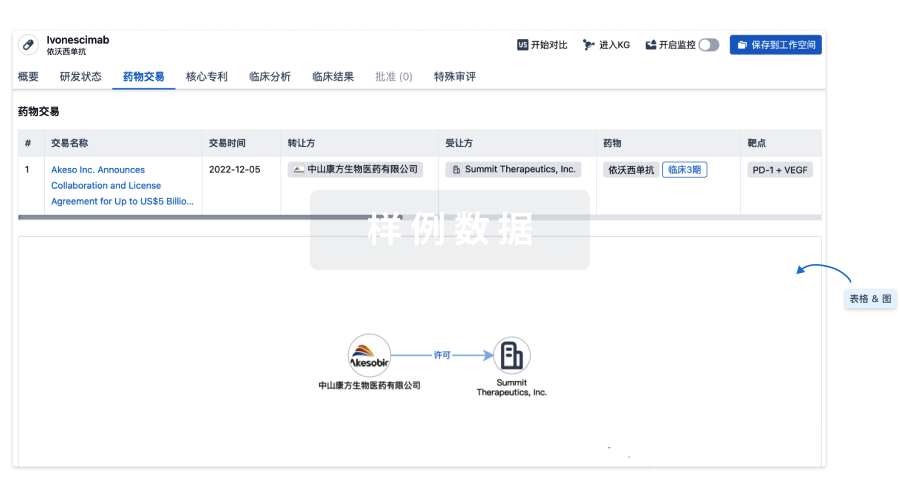
药物交易
使用我们的药物交易数据加速您的研究。
登录
或
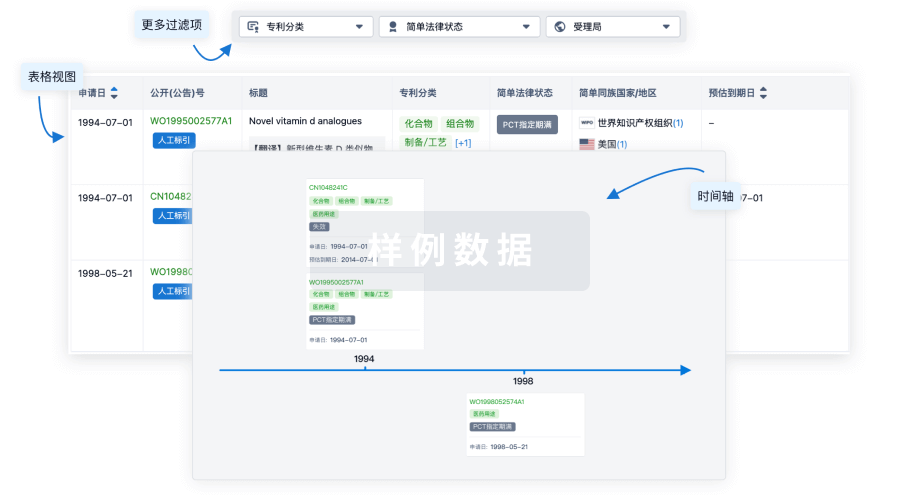
核心专利
使用我们的核心专利数据促进您的研究。
登录
或
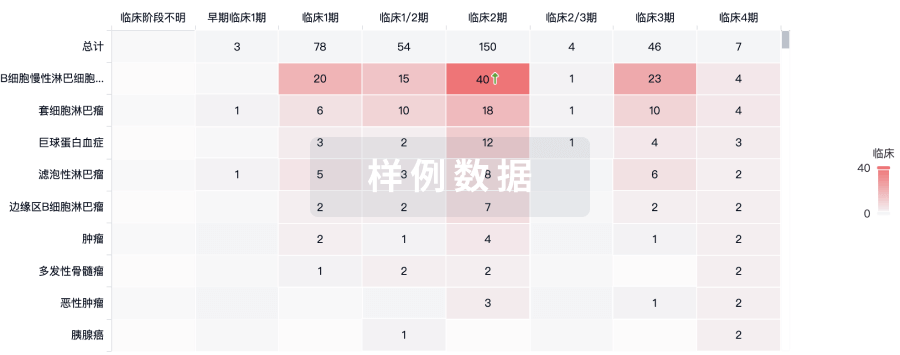
临床分析
紧跟全球注册中心的最新临床试验。
登录
或
批准
利用最新的监管批准信息加速您的研究。
登录
或
特殊审评
只需点击几下即可了解关键药物信息。
登录
或
生物医药百科问答
全新生物医药AI Agent 覆盖科研全链路,让突破性发现快人一步
立即开始免费试用!
智慧芽新药情报库是智慧芽专为生命科学人士构建的基于AI的创新药情报平台,助您全方位提升您的研发与决策效率。
立即开始数据试用!
智慧芽新药库数据也通过智慧芽数据服务平台,以API或者数据包形式对外开放,助您更加充分利用智慧芽新药情报信息。
生物序列数据库
生物药研发创新
免费使用
化学结构数据库
小分子化药研发创新
免费使用