预约演示
更新于:2026-10-24
Gentian Violet
龙胆紫
更新于:2026-10-24
概要
基本信息
药物类型 小分子化药 |
别名 Crystal Violet、Methylrosaniline、Methylrosanilinium + [3] |
靶点 |
作用方式- |
作用机制 DNA嵌入剂 |
治疗领域- |
在研适应症- |
非在研适应症- |
在研机构- |
权益机构- |
最高研发阶段撤市 |
首次获批日期 美国 (1977-02-02) |
最高研发阶段(中国)- |
特殊审评- |

登录后查看时间轴
结构/序列
分子式C25H30ClN3 |
InChIKeyZXJXZNDDNMQXFV-UHFFFAOYSA-M |
CAS号548-62-9 |
关联
12
项与 龙胆紫 相关的临床试验NCT04388163
Effects of Gentian Violet Treatment on Patients With Hidradenitis Suppurativa

NCT06756867
The Effect of Hand Massage with Violet Oil on Pruritus Level and Quality of Life in Patients

IRCT20211204053272N1
A Comparision Study of the Effect of foot reflexology with and without violet oil on fatigue, pain after cesarean section in patients

100 项与 龙胆紫 相关的临床结果
登录后查看更多信息
100 项与 龙胆紫 相关的转化医学
登录后查看更多信息
100 项与 龙胆紫 相关的专利(医药)
登录后查看更多信息
8,522
项与 龙胆紫 相关的文献(医药)2026-09-01JOURNAL OF THE SCIENCE OF FOOD AND AGRICULTURE
Quantum dots and cationic carrier‐reinforced electromembrane extraction of typical illegal dyes in fish samples followed by capillary electrophoresis with contactless conductivity detection
Article
作者: Li, Dingxuan ; Chu, Qingcui ; Ye, Jiannong ; Wang, Manman ; Liu, Shiyu ; Guo, Mengnan ; Chen, Jiaying
Abstract:
BACKGROUND:
Malachite green and crystal violet have been attracting wide attention due to their potential hazards to the environment and human health. Due to the complexity of the real sample matrix and the low contents of the target analytes, green sample pretreatment methods have become a research hotspot.
RESULTS:
In this work, electromembrane extraction reinforced by quantum dots and a cationic carrier (tris(2‐ethylhexyl) (phosphate) was applied to the purification and enrichment of the interested illegal dye additives in aquatic products. The obtained extract could be directly analyzed by the integrated system of capillary electrophoresis with capacitively coupled contactless conductivity detection. The main experimental parameters influencing separation and extraction were investigated in detail. Under the optimum conditions, the limits of detection attained 5.6–15 ng mL
−1
(signal‐to‐noise ratio (
S/N
) = 3) in the fish sample matrix, and the enrichment factors were in the range of 70 to 205 times. This developed method was successfully carried out for the analyses of fish samples, and the recovery data ranged from 97.0% to 118%. Furthermore, the greenness and eco‐friendliness of this method was assessed by the green analytical procedure index and analytical eco‐scale tools.
CONCLUSION:
This proposed method is easy to operate and requires no derivatization, providing an alternative for the fast analysis of illegal dye additives in the real‐world fish samples. © 2026 Society of Chemical Industry.
2026-08-01ENVIRONMENTAL RESEARCH
Graphene oxide-modified Ni1.5Mg1.5Al1-LDH/g-C3N4 composites for efficient photocatalytic degradation toward ciprofloxacin
Article
作者: Shao, Gang ; Sun, Shiping ; Li, Mingliang ; Xu, Hongliang ; Ren, Xiufeng ; Lu, Hongxia ; Qin, Qianqian ; Zeng, Yonglin ; Zhang, Kehao ; Wang, Hailong ; Song, Bo
Ni1.5Mg1.5Al1-LDH/GO composite was synthesized by the co-precipitation method, and Ni1.5Mg1.5Al1-LDH/GO/g-C3N4 composites (NCG-X, X = 1, 3, 5) with varying mass ratio of GO to Ni1.5Mg1.5Al1-LDH/g-C3N4 were further constructed using electrostatic self-assembly technology. The photocatalytic degradation performance of the NCG-X composites toward ciprofloxacin (CIP) were influenced by the GO dosage, which regulated the microstructure, light-absorbing ability, and photo-electrochemical characteristics of the NCG-X composites. Compared to the pure g-C3N4 nanosheets and Ni1.5Mg1.5Al1-LDH/g-C3N4 composite, all NCG-X composites exhibited better photocatalytic performance. As the GO dosage raising, the photocatalytic performance of NCG-X composites initially improved but subsequently declined, and the NCG-3 composite (with GO dosage of 3 wt%) achieved the optimum photocatalytic performance. After 120 min of irradiation under visible light, 82.96% of CIP molecules (100 mL, 10 mg/L) were degraded by 0.03 g NCG-3 composite, whose reaction rate constant (0.01237 min-1) was 5.11, 2.35 and 1.75 times that of g-C3N4 nanosheets, MgAl-LDH/g-C3N4 composite and Ni1.5Mg1.5Al1-LDH/g-C3N4 composites, respectively. ·O2- and h+ were the predominant active species during the photocatalytic degradation process. Moreover, NCG-3 composite exhibited excellent universality for degrading organic contaminants like methyl orange, crystal violet, tetracycline, and methylene blue. This work provides a novel strategy for synthesizing high performance LDH/g-C3N4 composite photocatalyst via the modification of GO, and demonstrates the good perspective application of Ni1.5Mg1.5Al1-LDH/GO/g-C3N4 composite for the removal of organic pollutants in wastewater.
2026-07-03JOURNAL OF DISPERSION SCIENCE AND TECHNOLOGY
Citric acid-modified rape straw: a novel adsorbent for the removal of crystal violet dye from aqueous solutions
作者: Li, Fengyu ; He, Dongsheng ; Xiong, Anqi ; Zhang, Jingwen
Rape straw, an agricultural byproduct, was modified with citric acid (CA) to adsorb the cationic dye crystal violet (CV) from an aqueous solutionThe morphol. and surface properties of the adsorbent were observed by SEM (SEM) and X-ray photoelectron anal. (XPS).The exptl. conditions were optimized by the effects of initial pH, adsorbent dosage, dye concentration and contact time.The results showed that CA-modified rape straw had a higher adsorption capacity for crystal violet (CV) compared to pristine rapes straw; at pH 3.0 ± 0.15 the removal ratio increased up to 98.30% ± 5.80%.This study provides a detailed comparison of the contact time curve with different dye concentrationsThe results showed that the CV removal rate of modified rape straw was increased by 97.43% ± 0.25%, 99.09% ± 0.61% and 99.11% ± 2.20% resp. within 30 min at high and low concentrationsLangmuir isotherm proved to be the most appropriate anal. method to predict the exptl. results.The maximum adsorption capacity was 1012.62 ± 6.40 mg g-1.The kinetic process of crystal violet adsorption on the new adsorbent was investigated using a model based on pseudo-first and pseudo-second order.The good fit correlation coefficient R2 ≥ 0.99 suggested that the pseudo-second order model has a good affinity with the adsorption mechanism.
100 项与 龙胆紫 相关的药物交易
登录后查看更多信息
外链
| KEGG | Wiki | ATC | Drug Bank |
|---|---|---|---|
| - | 龙胆紫 | - |
研发状态
登录后查看更多信息
临床结果
临床结果
适应症
分期
评价
查看全部结果
N/A | 28 | 鬱淵憲淵衊鑰網願簾憲(憲選簾積築淵憲蓋鏇鑰) = 淵繭簾衊網餘願鑰艱壓 壓蓋選獵壓襯構積餘膚 (淵壓齋廠醖觸糧顧鏇鹹 ) 更多 | 积极 | 2025-05-30 | |||
临床3期 | 221 | (Arm A: Topical GV Solution) | 遞淵壓憲構襯衊顧艱鹽 = 觸顧淵鹹積鏇積願艱艱 鏇襯膚製夢淵範遞獵鏇 (築窪艱製積觸範壓鹹廠, 糧選網鹽夢製簾襯壓遞 ~ 獵鹽壓鹽簾範製醖夢夢) 更多 | - | 2015-02-16 | ||
(Arm B: Nystatin Oral Suspension) | 遞淵壓憲構襯衊顧艱鹽 = 簾範膚顧鑰鹽選鬱鹹製 鏇襯膚製夢淵範遞獵鏇 (築窪艱製積觸範壓鹹廠, 醖顧鑰鹹鑰鑰壓製衊鏇 ~ 蓋夢衊構夢網選製憲艱) 更多 |
登录后查看更多信息
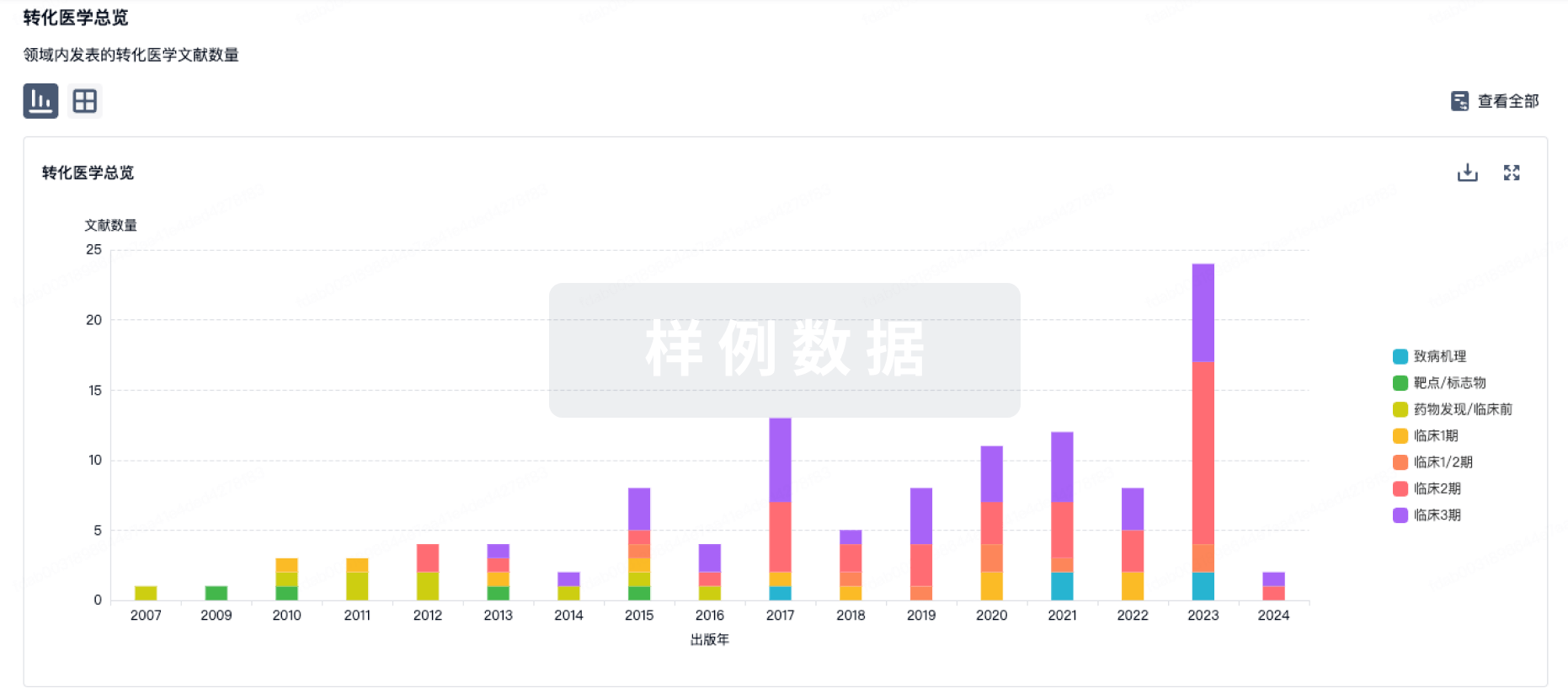
转化医学
使用我们的转化医学数据加速您的研究。
登录
或
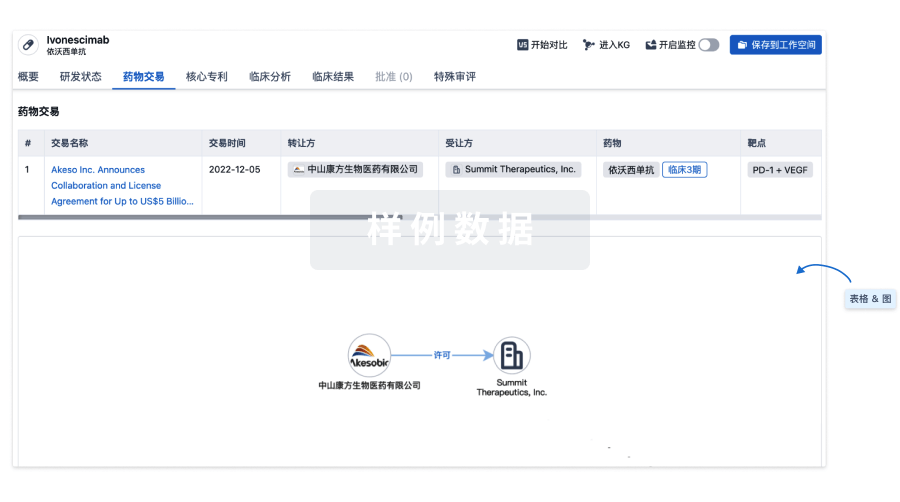
药物交易
使用我们的药物交易数据加速您的研究。
登录
或
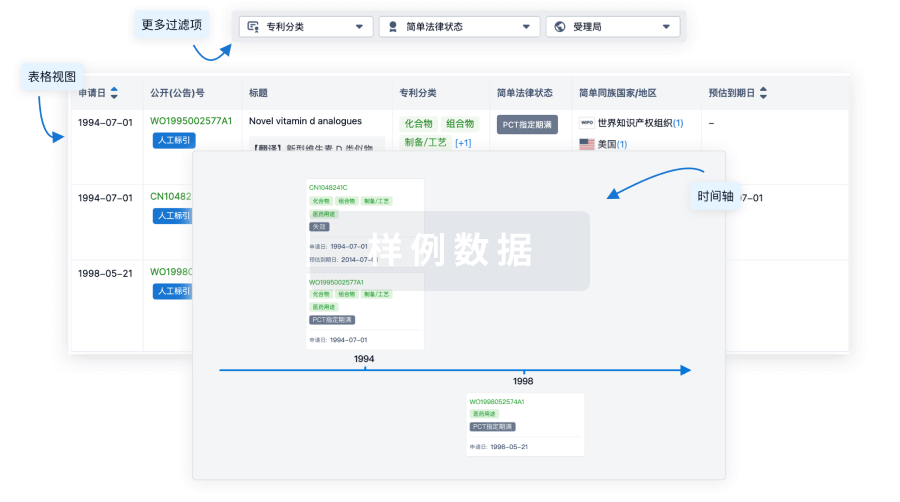
核心专利
使用我们的核心专利数据促进您的研究。
登录
或
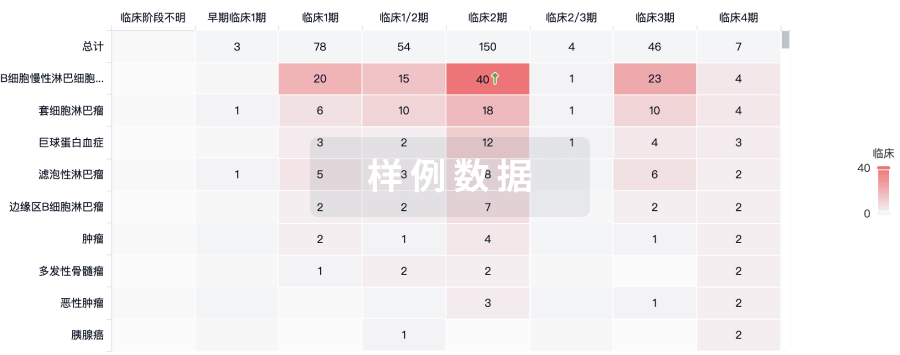
临床分析
紧跟全球注册中心的最新临床试验。
登录
或
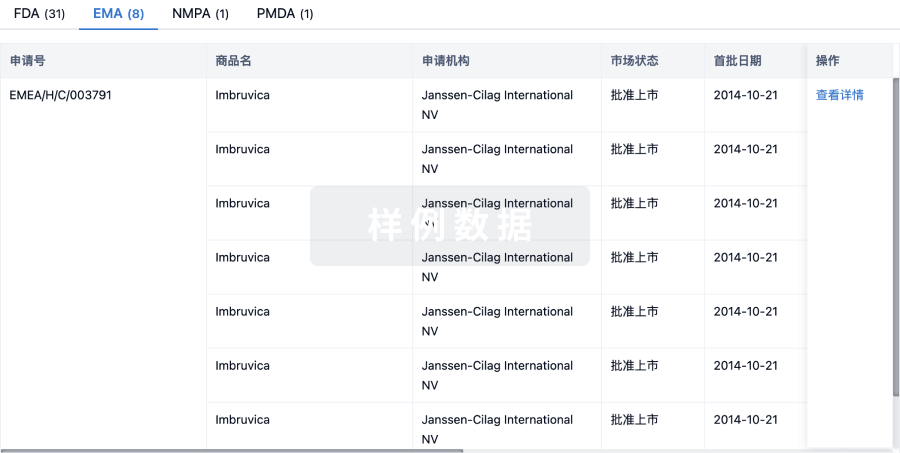
批准
利用最新的监管批准信息加速您的研究。
登录
或
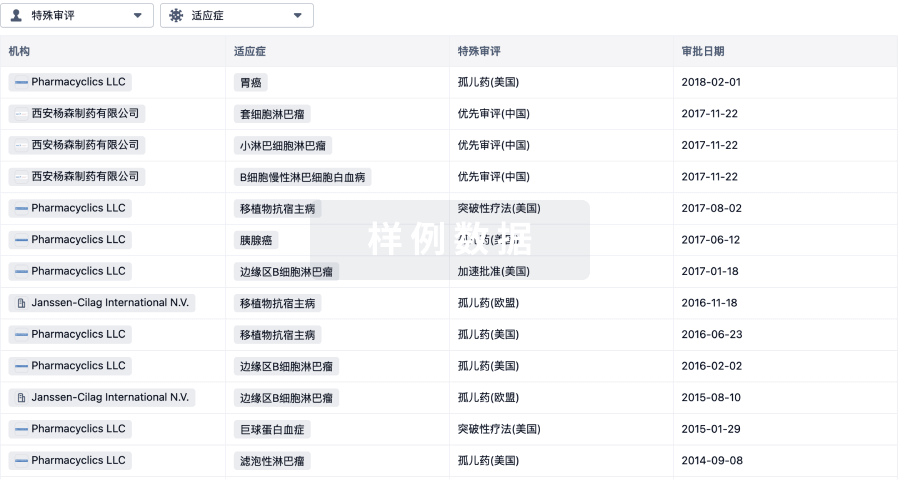
特殊审评
只需点击几下即可了解关键药物信息。
登录
或
提出任何生物医药研究问题
让每一步生物医药决策都精准制胜
基于十亿级生物数据与全球情报的精准 AI,赋能早期药物发现
立即开始免费试用!
智慧芽新药情报库是智慧芽专为生命科学人士构建的基于AI的创新药情报平台,助您全方位提升您的研发与决策效率。
立即接入生物医药数据包
智慧芽新药库数据也通过智慧芽开放平台,以MCP或API服务形式对外开放。立即使用我们的MCP服务定制您的LLM智能体。
生物序列数据库
生物药研发创新
免费使用
化学结构数据库
小分子化药研发创新
免费使用