预约演示
更新于:2026-07-11
Tioconazole
噻康唑
更新于:2026-07-11
概要
基本信息
药物类型 小分子化药 |
别名 Tioconazole (JAN/USP/INN)、UK-20349、TZ-3 + [3] |
作用方式 抑制剂 |
作用机制 fungal CYP51A1抑制剂(真菌细胞色素P450家族成员51抑制剂) |
在研适应症 |
非在研适应症 |
在研机构 |
权益机构- |
最高研发阶段批准上市 |
首次获批日期 美国 (1983-02-18), |
最高研发阶段(中国)无进展 |
特殊审评- |



登录后查看时间轴
结构/序列
分子式C16H13Cl3N2OS |
InChIKeyQXHHHPZILQDDPS-UHFFFAOYSA-N |
CAS号65899-73-2 |
关联
2
项与 噻康唑 相关的临床试验CTRI/2025/10/095909
COMPARATIVE CLINICAL EVALUATION OF EFFICACY AND SAFETY OF TIOCONAZOLE VAGINAL FILM VS CANESTEN V6 VAGINAL TABLET IN THE MANAGEMENT OF SYMPTOMATIC VULVOVAGINAL CANDIDIASIS IN NON-PREGNANT WOMEN - OPEN LABEL, RANDOMIZED, PARALLEL, PROSPECTIVE, MULTICENTRIC STUDY.

NCT05999474
Combined Fractional CO2 Laser With Topical Tioconazole Versus Q-switched Nd:YAG Laser in the Treatment of Onychomycosis; a Randomized Controlled Trial

100 项与 噻康唑 相关的临床结果
登录后查看更多信息
100 项与 噻康唑 相关的转化医学
登录后查看更多信息
100 项与 噻康唑 相关的专利(医药)
登录后查看更多信息
427
项与 噻康唑 相关的文献(医药)2026-01-01Methods in molecular biology (Clifton, N.J.)
Chiral Separation in Capillary Electrophoresis Using Cyclodextrins in Combination with Hydrophobic Deep Eutectic Solvents
Article
作者: Xu, Yu ; Zhang, Qi ; Xue, Song
Hydrophobic deep eutectic solvents (HDESs) can serve as pseudostationary phases (PSPs) in capillary electrophoresis (CE). Their integration into conventional chiral CE methodologies, such as cyclodextrin-based electrokinetic chromatography, demonstrates a synergistic effect that notably enhances chiral separation efficiency. This chapter presents an example elucidating the enantioseparation of four azole antifungal drugs (tioconazole, isoconazole, miconazole, and econazole) employing carboxymethyl-β-cyclodextrin and the HDES methyltrioctylammonium chloride-octanoic acid.
2025-11-01DRUG METABOLISM AND DISPOSITION
Metabolic flux analysis of bile acid biosynthesis acidic pathway in HepG2 cells reveals CYP8B1 inhibition of azole antifungals
Article
作者: Huang, Liang ; Zeng, Wushuang ; Gui, Lanlan ; Zhang, Xinjie ; Wang, Yutong ; Lan, Ke ; Yu, Tingting ; Wang, Yixuan
Sterol 12α-hydroxylase (CYP8B1) is a key regulator of bile acid (BA) homeostasis and an emerging therapeutic target for metabolic disorders. To address the challenge of cellular CYP8B1 inhibition characterization, this work developed a pharmacologically optimized HepG2 cells model using triiodothyronine-dexamethasone-bezafibrate (TDB) induction, which significantly enhances the 12α-hydroxylation activity along the acidic pathway of BA biosynthesis in HepG2 cells. Employing stable isotope tracing with apolipoprotein A1-solubilized 2,3,4-13C3-cholesterol, we established a liquid chromatography-mass spectrometry-based flux analysis platform to track de novo BA synthesis. Combined with a recombinant CYP8B1 assay, flux analysis revealed that CYP8B1 participates in cholic acid synthesis in HepG2 cells, typically via 12α-hydroxylation of 7α-hydroxy-3-oxo-4-cholestenoic acid and dihydroxycholestanoic acid. In TDB-HepG2 cells, azole antifungals exhibited differentiated inhibition of 12α-hydroxylation activity, generally mirroring the enzymatic data. Econazole acted as a relatively selective CYP8B1 inhibitor with a cellular half-maximal inhibitory concentration of 0.31-0.45 μM, tioconazole and posaconazole dually inhibited CYP8B1 and sterol 27-hydroxylase (CYP27A1), itraconazole and voriconazole primarily inhibited CYP27A1, and fluconazole showed no activity toward either enzyme. This study provides the first direct evidence that CYP8B1 participates in cholic acid synthesis via the acidic pathway and establishes a high-throughput cellular platform for screening CYP8B1 inhibitors, revealing azoles as effective modulators of this pathway. SIGNIFICANCE STATEMENT: Optimized HepG2 model using a 13C3-cholesterol flux assay provides direct evidence that CYP8B1 participates in cholic acid biosynthesis via the acidic pathway and establishes a high-throughput cellular platform for screening CYP8B1 inhibitors, revealing azoles as effective modulators of this pathway.
2025-10-01Photodiagnosis and Photodynamic Therapy
Analysis of the efficacy of photodynamic therapy in treating cervical lesions and HPV infections and its influencing factors
Article
作者: Ma, Hui ; Xu, Yanying ; Li, Honglin ; Hu, Xueliang ; Sha, Jing ; Dou, Yu ; Guo, Xuewang
OBJECTIVE:
To evaluate the efficacy of photodynamic therapy (PDT) in patients with human papillomavirus (HPV) infection and cervical lesions, meanwhile factors influencing the efficacy of PDT were analyzed.
METHODS:
A retrospective analysis was performed on 110 patients with HPV infection and cervical lesions. All patients underwent HPV genotyping, ThinPrep Cytology Test (TCT), and pathological examination, the changes before and after PDT treatment for 6 months were analyzed. In evaluating the therapeutic effect, if HPV is completely eliminated or cervical lesions return to normal, it was counted in the negative conversion rate; If HPV is partially eliminated or cervical lesions are downgraded but not return to normal, it was counted in the effective rate. Meanwhile, patients were grouped according to HPV vaccination history, menopausal status, transformation zone type and previous HPV infection history, and the therapeutic effects of anti-HPV and cervical lesion were compared among different groups.
RESULTS:
After PDT, the negative conversion rate of HPV was 45.45 % with an effective rate of 64.54 %; the negative conversion rate of TCT was 63.51 % with an effective rate of 68.91 %; and the negative conversion rate of pathology was 72.22 % with an effective rate of 79.62 %. The HPV negative conversion rate (78.57 % vs. 35.36 %) and TCT negative conversion rate (83.33 % vs. 57.14 %) in the vaccinated population were significantly higher than those in the unvaccinated population (p < 0.05). The non-menopausal population showed significantly higher TCT negative conversion rate (72.00 % vs. 45.83 %) and effective rate (78.00 % vs. 45.83 %), as well as pathological negative conversion rate (85.36 % vs. 30.76 %) and effective rate (87.80 % vs. 46.15 %) compared with the menopausal population (p < 0.05). Patients with type Ⅰ and Ⅱ transformation zone (TZ) show significantly better outcomes than those with TZ3 in anti-HPV treatment and cervical lesion management (p < 0.05). Patients without a history of HPV infection had significantly higher TCT negative conversion rate (73.33 % vs. 35.89 %) and effective rate (73.33 % vs. 46.15 %) than those with a previous infection history (p < 0.05).
CONCLUSION:
PDT shows good therapeutic effects in both HPV infection and cervical lesions. In addition, better therapeutic effects are observed in populations with a history of HPV vaccination, non-menopausal populations, populations without previous HPV infection, and those with type Ⅰ or Ⅱ cervical transformation zones.
100 项与 噻康唑 相关的药物交易
登录后查看更多信息
研发状态
10 条最早获批的记录, 后查看更多信息
登录
| 适应症 | 国家/地区 | 公司 | 日期 |
|---|---|---|---|
| 外阴阴道念珠菌病 | 美国 | 1997-02-11 | |
| 花斑癣 | 美国 | 1983-02-18 |
登录后查看更多信息
临床结果
临床结果
适应症
分期
评价
查看全部结果
登录后查看更多信息
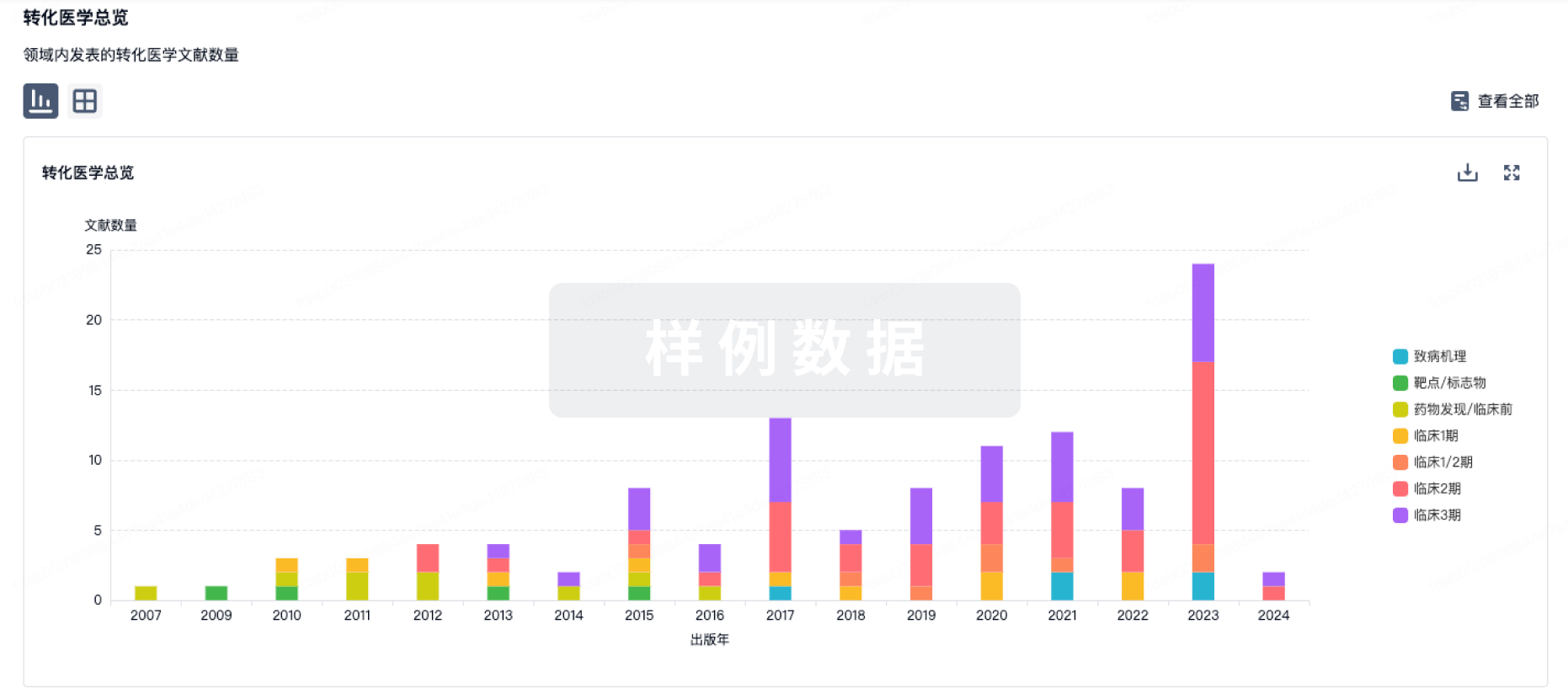
转化医学
使用我们的转化医学数据加速您的研究。
登录
或
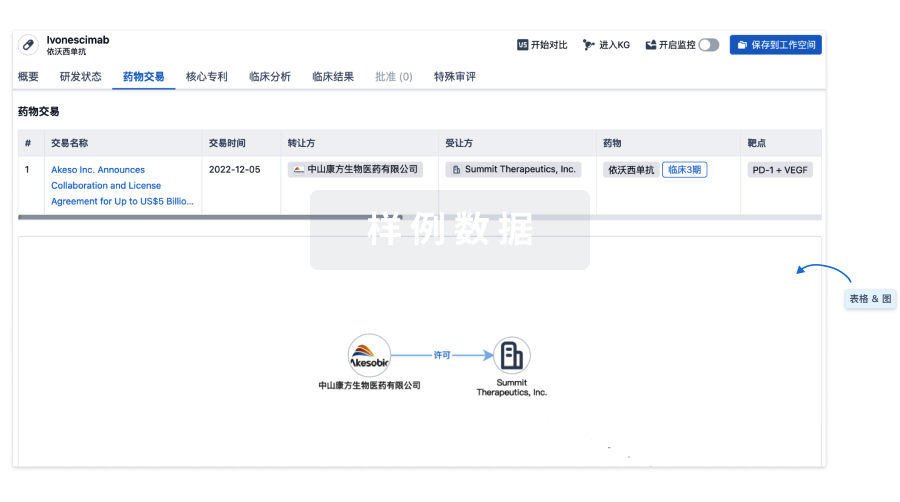
药物交易
使用我们的药物交易数据加速您的研究。
登录
或
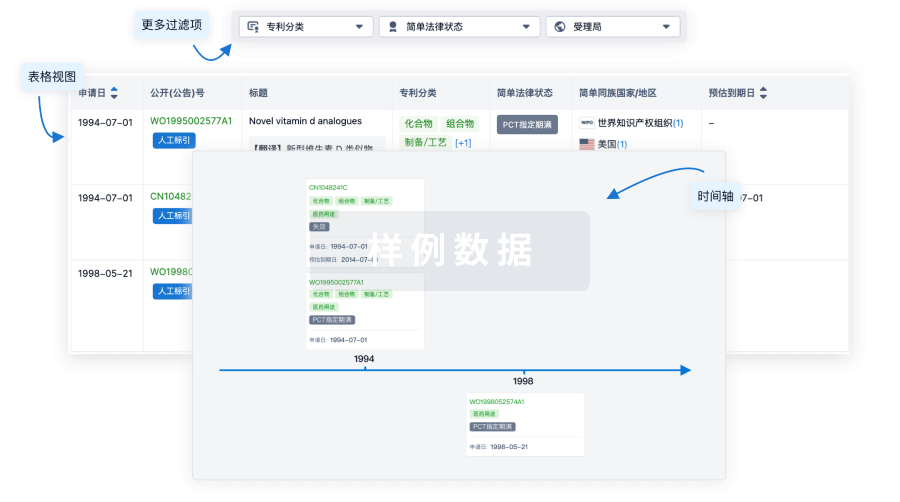
核心专利
使用我们的核心专利数据促进您的研究。
登录
或
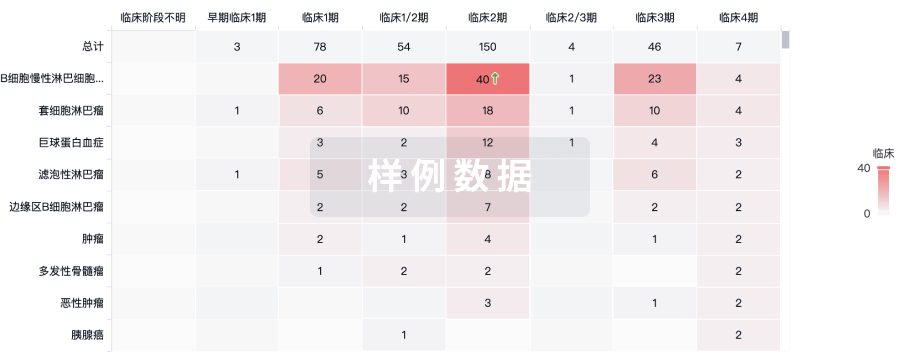
临床分析
紧跟全球注册中心的最新临床试验。
登录
或
批准
利用最新的监管批准信息加速您的研究。
登录
或
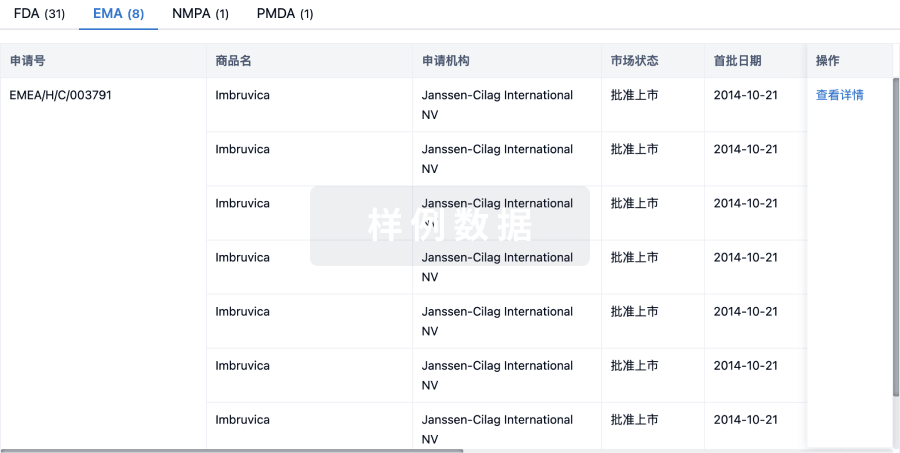
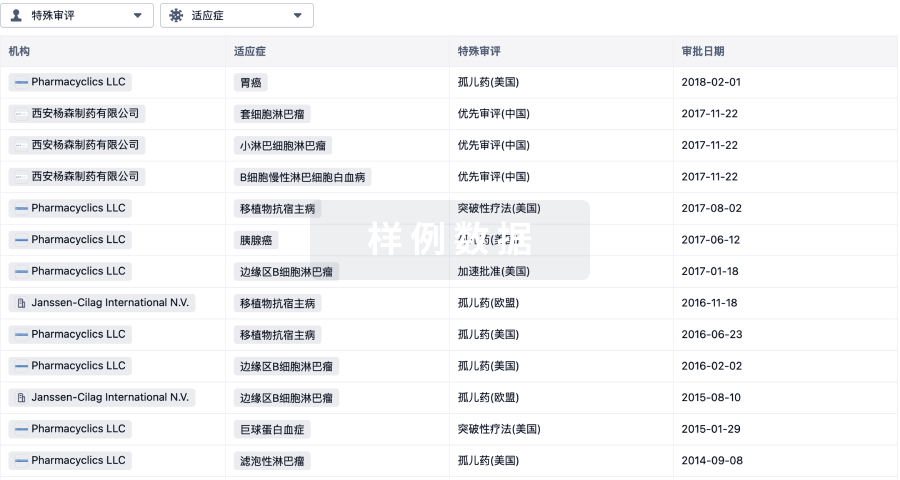
特殊审评
只需点击几下即可了解关键药物信息。
登录
或
芽仔
全新生物医药AI Agent 覆盖科研全链路,让突破性发现快人一步
立即开始免费试用!
智慧芽新药情报库是智慧芽专为生命科学人士构建的基于AI的创新药情报平台,助您全方位提升您的研发与决策效率。
立即开始数据试用!
智慧芽新药库数据也通过智慧芽数据服务平台,以API或者数据包形式对外开放,助您更加充分利用智慧芽新药情报信息。
生物序列数据库
生物药研发创新
免费使用
化学结构数据库
小分子化药研发创新
免费使用