预约演示
更新于:2026-05-11
Tadalafil/Finasteride
他达拉非/非那雄胺
更新于:2026-05-11
概要
基本信息
药物类型 小分子化药 |
别名 FINASTERIDE/TADALAFIL、Entadfi、Tadfin + [1] |
作用方式 抑制剂 |
作用机制 5α-reductase抑制剂(类固醇5α还原酶抑制剂)、PDE5A抑制剂(磷酸二酯酶-5A抑制剂) |
治疗领域 |
在研适应症- |
非在研适应症 |
原研机构 |
在研机构- |
最高研发阶段撤市 |
首次获批日期 美国 (2021-12-09), |
最高研发阶段(中国)- |
特殊审评- |


登录后查看时间轴
结构/序列
分子式C45H55N5O6 |
InChIKeyNTOAYDUNGJUQKH-ORNWFWRGSA-N |
CAS号912537-63-4 |
关联
1
项与 他达拉非/非那雄胺 相关的临床试验CTR20232262
非那雄胺他达拉非胶囊在健康受试者中单中心、开放、随机、单剂量、双周期、双交叉空腹状态下的生物等效性试验

100 项与 他达拉非/非那雄胺 相关的临床结果
登录后查看更多信息
100 项与 他达拉非/非那雄胺 相关的转化医学
登录后查看更多信息
100 项与 他达拉非/非那雄胺 相关的专利(医药)
登录后查看更多信息
2
项与 他达拉非/非那雄胺 相关的文献(医药)2026-01-05MOLECULAR PHARMACEUTICS
Drug–Drug Coamorphous System of Tadalafil and Finasteride for Enhanced Pharmaceutical Performance
Article
作者: shah, Saurabh ; Dikundwar, Amol G. ; Suradkar, Rushikesh V. ; Doijad, Nandkumar S. ; Khemchandani, Rahul ; Samanthula, Gananadhamu ; Bhale, Nagesh A. ; Vambhurkar, Ganesh ; Srivastava, Saurabh ; Patel, Ramakanta ; Subha Jahnavi, Avvaru
We report a modified bicomponent solid-state form of tadalafil (TDF) and finasteride (FNS), prepared at a 1:1 molar stoichiometric ratio, corresponding to the USFDA-approved combination marketed under the trade name Entadfi, for the treatment of benign prostatic hyperplasia. Individually, both constituent drugs suffer from the limitation of low aqueous solubility, belonging to class-II of the biopharmaceutical classification system. A drug-drug coamorphous system of TDF and FNS was prepared by mechanochemical synthesis. Characterization of this novel phase was carried out by powder X-ray diffraction, thermal analysis, and FT-IR spectroscopy. Particle characteristics and morphological features of the coamorphous system were studied by scanning electron microscopy and 3D-laser scanning microscopy. Possible intermolecular interactions between TDF and FNS, facilitating the formation of the coamorphous phase, as indicated by spectroscopic analysis, were validated by the computational study employing density functional theory. Interestingly, in vitro dissolution studies showcased significant improvement in the dissolution profile of the coamorphous system compared with the physical mixture, which was successfully translated to the in vivo study in SD rats. Physical stability of the developed coamorphous system evaluated under accelerated as well as long-term stability conditions indicated reasonable stability for potential drug product usage. Considering its industrial applicability due to obvious benefits, viz., single solid phase, improved solubility, dissolution, and better pharmacokinetic parameters leading to higher bioavailability, the developed coamorphous system could prove to be a better therapeutic alternative over the marketed physical mixture.
2022-12-01BMC chemistry
Simultaneous spectrophotometric determination of finasteride and tadalafil in recently FDA approved Entadfi™ capsules
Article
作者: Ramzy, Sherif ; Abdelazim, Ahmed H
Abstract:
Entadfi™ is a recently FDA approved pharmaceutical combination capsule of finasteride and tadalafil. It was prescribed for the treatment of urinary tract disorders caused by benign prostatic hyperplasia in men. This paper introduced the first spectrophotometric methods for simultaneous determination of finasteride and tadalafil in the pure form and in the pharmaceutical capsules. UV absorption spectra of finasteride and tadalafil exhibited overlap hindered the direct simultaneous determination of the cited drugs. The UV absorption spectra of finasteride and tadalafil were transformed to the second order derivative. Finasteride could be determined selectively at 230.80 nm without interference from tadalafil. Moreover, tadalafil could be determined selectively at 292 nm without interference from finasteride. The ratio spectra of the studied drugs were derived and the derived ratio spectra of each drug were transformed to the first order derivative. Finasteride could be determined selectively at 218.80 nm without interference from tadalafil. Moreover, tadalafil could be determined selectively at 289.60 nm without interference from finasteride. The methods showed linearity with an excellent correlation coefficient in the concentration range of 10–140 µg/mL for finasteride and 3–40 µg/mL for tadalafil. The methods were validated following ICH guidelines for accuracy, precision, robustness, limit of detection, limit of quantification, and selectivity. The methods were found to be sensitive with LOD values for finasteride and tadalafil of 2.406 µg/mL and 0.876 µg/mL using the second derivative with zero crossing method and 2.229 µg/mL and 0.815 µg/mL using the first derivative of ratio spectra method. The methods were successfully applied for the determination of the studied drugs in their laboratory prepared mixtures, with mean percent recovery for finasteride and tadalafil of 99.37% and 99.17% using the second derivative with zero crossing method and 99.74% and 99.56% using the first derivative of ratio spectra method. Furthermore, the described methods were successfully applied for determination of the studied drugs in Entadfi™ capsules without interference from excipients. Based on the proposed results, the described methods could be utilized as simple method for the quality control of the studied drugs.
100 项与 他达拉非/非那雄胺 相关的药物交易
登录后查看更多信息
研发状态
10 条最早获批的记录, 后查看更多信息
登录
| 适应症 | 国家/地区 | 公司 | 日期 |
|---|---|---|---|
| 前列腺增生症 | 美国 | 2021-12-09 |
登录后查看更多信息
临床结果
临床结果
适应症
分期
评价
查看全部结果
登录后查看更多信息
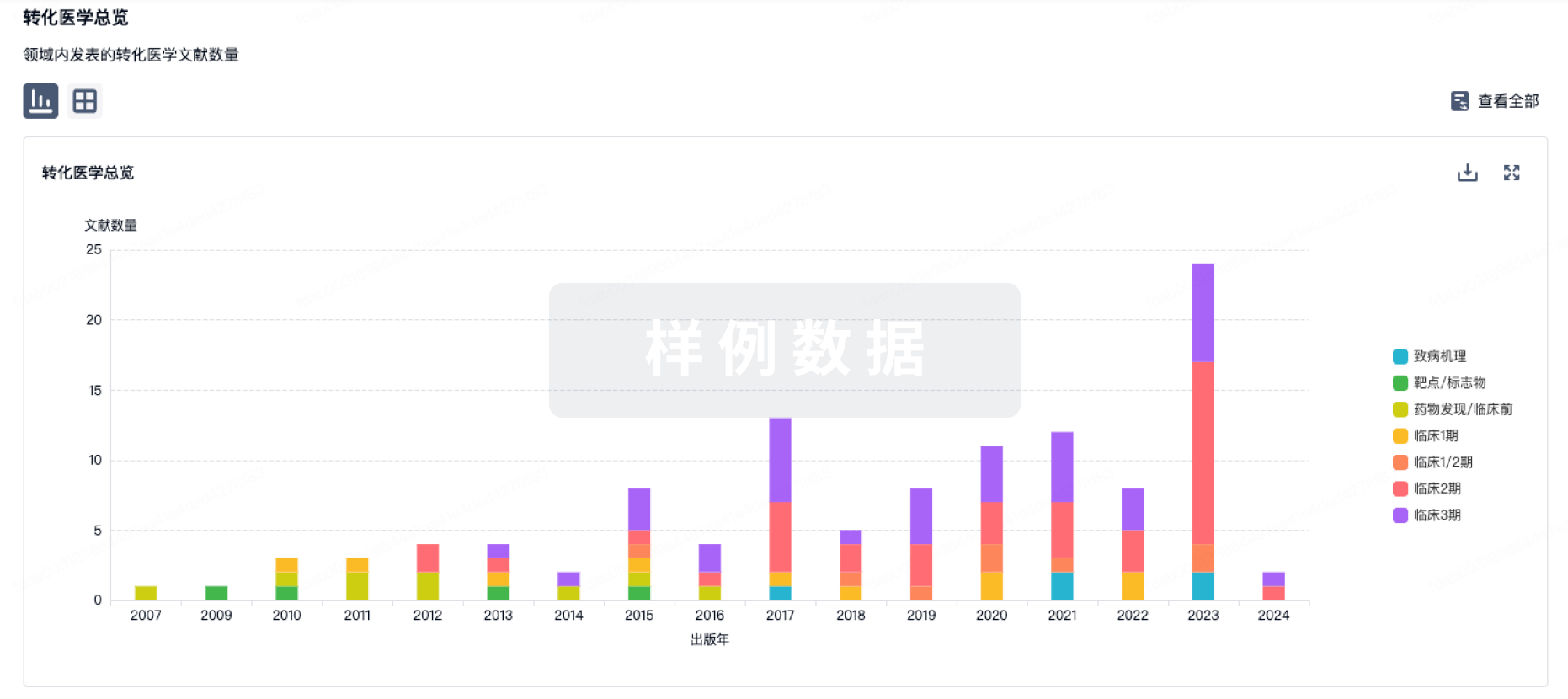
转化医学
使用我们的转化医学数据加速您的研究。
登录
或
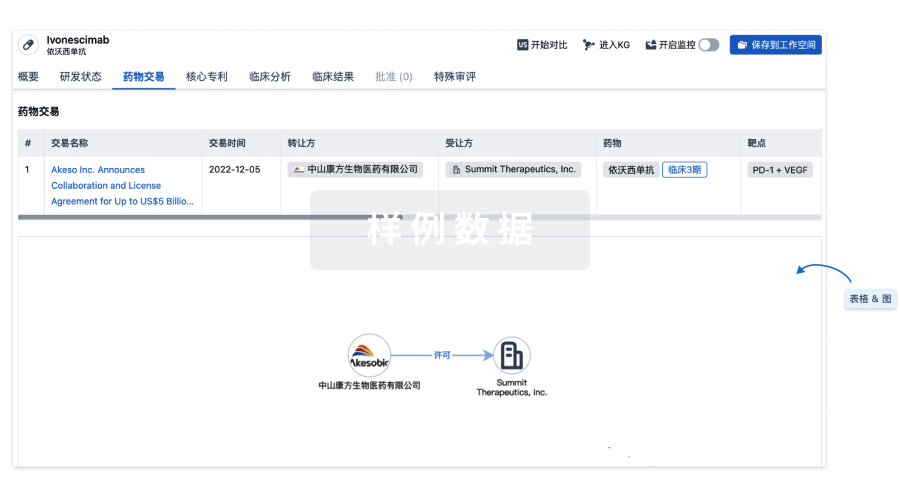
药物交易
使用我们的药物交易数据加速您的研究。
登录
或
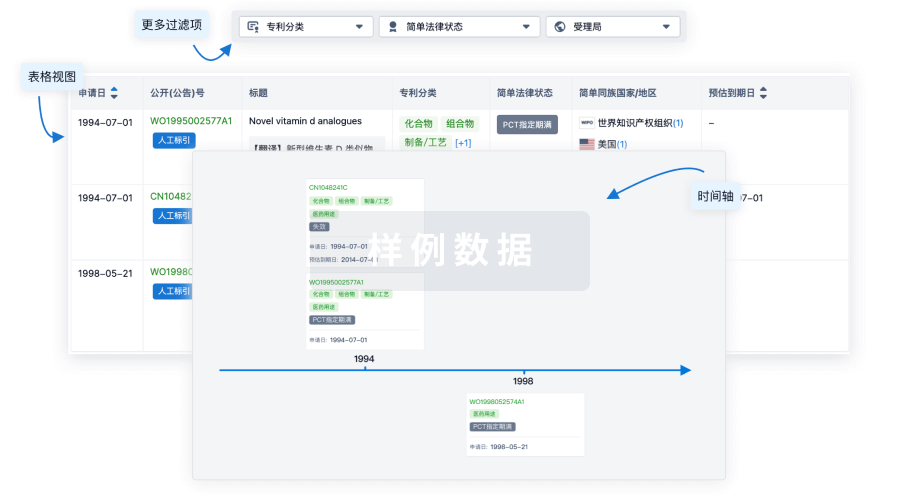
核心专利
使用我们的核心专利数据促进您的研究。
登录
或
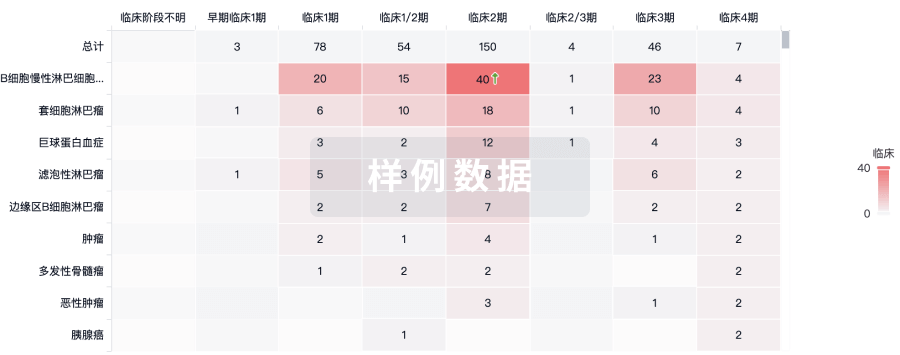
临床分析
紧跟全球注册中心的最新临床试验。
登录
或
批准
利用最新的监管批准信息加速您的研究。
登录
或
特殊审评
只需点击几下即可了解关键药物信息。
登录
或
生物医药百科问答
全新生物医药AI Agent 覆盖科研全链路,让突破性发现快人一步
立即开始免费试用!
智慧芽新药情报库是智慧芽专为生命科学人士构建的基于AI的创新药情报平台,助您全方位提升您的研发与决策效率。
立即开始数据试用!
智慧芽新药库数据也通过智慧芽数据服务平台,以API或者数据包形式对外开放,助您更加充分利用智慧芽新药情报信息。
生物序列数据库
生物药研发创新
免费使用
化学结构数据库
小分子化药研发创新
免费使用