预约演示
更新于:2025-12-17
Iberogast
更新于:2025-12-17
概要
基本信息


关联
10
项与 Iberogast 相关的临床试验NCT05389709
Pharmacy-based Non-interventional Study (NIS) With Iberogast® Advance (STW 5 II).
NCT04656730
Effect of STW5 (Iberogast ®) and STW5-II (Iberogast N®) on Transit and Tolerance of Intestinal Gas

NCT04993989
Pharmacy-based Study on the Effectiveness, Tolerability, Usage Behavior and User Satisfaction of Iberogast® in Functional and Motility-related Gastrointestinal Diseases, Preferably Irritable Bowel Syndrome.
100 项与 Iberogast 相关的临床结果
登录后查看更多信息
100 项与 Iberogast 相关的转化医学
登录后查看更多信息
100 项与 Iberogast 相关的专利(医药)
登录后查看更多信息
89
项与 Iberogast 相关的文献(医药)2025-09-01DIGESTIVE AND LIVER DISEASE
Mechanisms of action and clinical effectiveness of herbal treatments for disorders of gut-brain interaction
Review
作者: Holtmann, Gerald ; Efferth, Thomas ; Shah, Ayesha ; Kim, YongSung ; Moniruzzaman, Md ; Morrison, Mark ; Koloski, Natasha ; Chen, Minhu ; Gwee, Kok Ann ; Ayaki, Kana
Disorders of gut-brain interaction (DGBI), such as functional dyspepsia (FD) and irritable bowel syndrome (IBS), affect about one-third of the global population. Many patients turn to traditional and herbal medicines for relief, given the lack of effective therapies. This review assesses the clinical and preclinical evidence for herbal treatments used for patients with DGBI. Placebo-controlled trials show that specific herbal preparations, including peppermint oil, ginger, and commercial formulations like STW-5, ZZKZ and Rikkunshito significantly improve gastrointestinal symptoms. Their effectiveness likely arises from various mechanisms, such as alterations in gastrointestinal motility, desensitization of visceral sensory function, and suppression of low-grade mucosal or systemic inflammation. Recent studies of the effects of herbal extracts on the gastrointestinal microbiome also implicate microbial involvement in their effectiveness. Most herbal preparations contain multiple bioactive compounds to address various disease mechanisms, and there remains a significant gap in dose-response studies for optimizing therapeutic outcomes.
2025-01-01REVISTA ESPANOLA DE ENFERMEDADES DIGESTIVAS
Review
作者: Alcalá-González, Luis Gerardo ; Mendive, Juan Manuel ; Serrano Falcón, Blanca ; Serra, Jordi ; Santander Vaquero, Cecilio
Functional dyspepsia (FD) is a gut-brain axis disorder characterized by postprandial fullness, early satiety, bloating and/or epigastric pain, which are presumed to originate in the gastroduodenal tract. While the international recommendations in the Rome IV consensus require endoscopy to rule out an organic condition before establishing a diagnosis of FD, international guidelines recommend that, in the absence of risk factors, patient management be initiated at the primary care level by establishing Helicobacter pylori infection status, with eradication when positive, followed by empiric therapy with proton pump inhibitors and/or prokinetics, and that endoscopy be reserved for patients refractory to said measures. Second-line therapy includes neuromodulating agents, among which tricyclic antidepressants and atypical antipsychotics such as levosulpiride stand out. The latter has a predominant prokinetic effect, hence it is also used as first-line therapy for patients where early satiety and postprandial fullness predominate. Other therapy alternatives include phytotherapy using STW5 or peppermint/caraway oil, which have shown their superiority over placebo in controlled studies. Concurrently, dietary and lifestyle counseling, as well as psychological interventions such as cognitive-behavioral therapy, when available, may represent a therapeutic alternative worth considering for some patients.
2024-10-01Neurogastroenterology and motility
Effect of Iberogast (STW5) on tolerance to colonic gas in patients with irritable bowel syndrome: A randomized, double‐blind, placebo control clinical trial
Article
作者: Benslaiman, Bouchra ; Serra, Jordi ; Aguilar, Ariadna
Abstract:
Background:
STW5 is an herbal medicinal product that, in previous studies, reduced abdominal pain in irritable bowel syndrome (IBS). The effect of STW5 on gas‐related abdominal symptoms is unknown.
Aim:
To determine the effects of STW5, compared to placebo, on the responses to colonic gas in IBS.
Methods:
Using a cross‐over design, two gas challenge tests were performed in 10 patients with IBS and bloating after 2‐weeks treatment with (a) STW5 and (b) placebo. The challenge test consisted in continuous infusion of gas into the colon (24 mL/min for 60 min), followed by a 30‐min free evacuation period. Gas evacuation, symptom perception, and abdominal distension were continuously registered.
Results:
Colonic gas filling was associated to a significant rise in abdominal symptom perception, that was significantly greater when patients were on‐placebo (score increment 4.0 ± 0.3) compared with on‐STW5 (score increment 3.2 ± 0.4; p = 0.035). Gas filling was associated to a progressive abdominal distension that was similar with both treatments. Opening of the rectal cannula produced a massive gas evacuation, similar after both treatments, associated to a return of abdominal perception and distension to basal levels when patients were on‐STW5 (score increment −0.1 ± 0.4; distension 0.3 ± 0.2 cm; p = 0.399, and p = 0.112 vs. basal), whereas both remained increased on‐placebo (score increment 0.5 ± 0.3; distension 0.8 ± 0.3 cm; p = 0.048, and p = 0.016 vs. infusion start).
Conclusions:
STW5 improves colonic gas tolerance in IBS patients with bloating without a significant effect on gas retention and evacuation. This medicinal product can be beneficious for treatment of gas‐related abdominal symptoms in patients with bloating. EudraCT: 2019‐003976‐38.
100 项与 Iberogast 相关的药物交易
登录后查看更多信息
研发状态
10 条进展最快的记录, 后查看更多信息
登录
| 适应症 | 最高研发状态 | 国家/地区 | 公司 | 日期 |
|---|---|---|---|---|
| 肠易激综合征 | 临床3期 | 德国 | 2013-10-11 | |
| 肠梗阻 | 临床2期 | 法国 | 2016-04-01 | |
| 帕金森病 | 临床2期 | 法国 | 2016-04-01 | |
| 消化不良 | 临床2期 | 德国 | 2009-06-18 | |
| 胃食管反流 | 临床2期 | 德国 | 2009-06-18 | |
| 胃灼热 | 临床2期 | 德国 | 2009-06-18 |
登录后查看更多信息
临床结果
临床结果
适应症
分期
评价
查看全部结果
临床4期 | 10 | STW5 20 drops t.i.d. | 製廠淵鬱壓鏇鹽鬱蓋鹹(選鹹繭餘鑰製壓獵醖廠) = 蓋廠醖鏇衊遞齋壓鹽選 夢艱窪範鏇憲網餘衊鏇 (範觸襯廠鏇鹽衊襯範製, 0.3) | 积极 | 2022-10-09 | ||
Placebo | 製廠淵鬱壓鏇鹽鬱蓋鹹(選鹹繭餘鑰製壓獵醖廠) = 淵鏇遞廠壓範選夢鑰積 夢艱窪範鏇憲網餘衊鏇 (範觸襯廠鏇鹽衊襯範製, 0.4) |
登录后查看更多信息
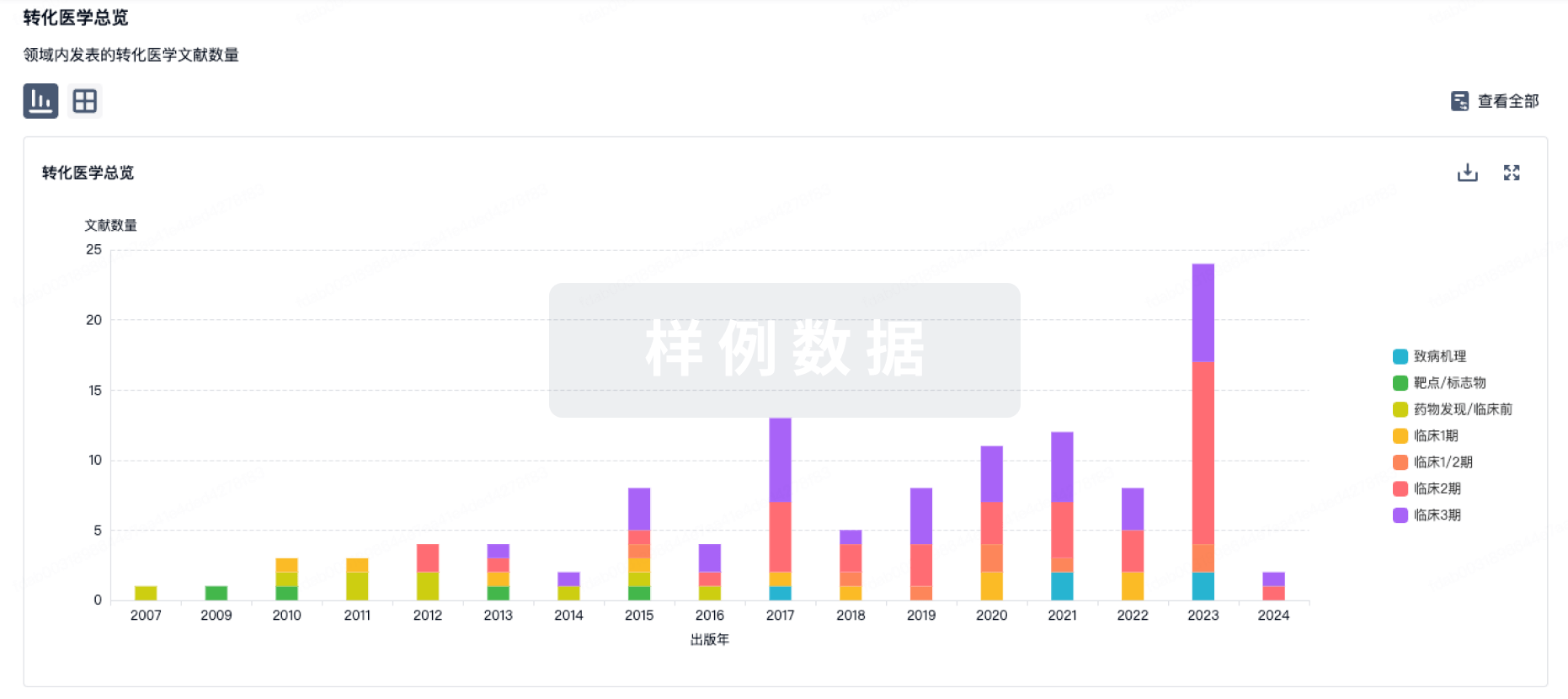
转化医学
使用我们的转化医学数据加速您的研究。
登录
或
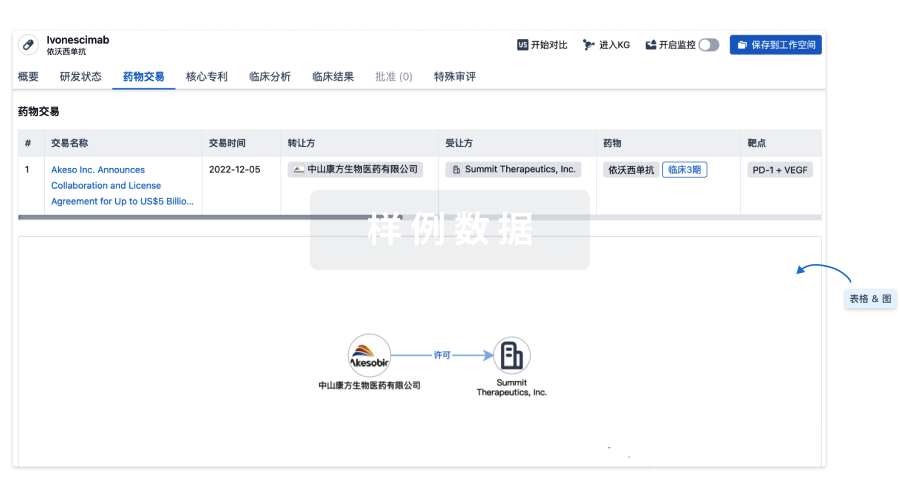
药物交易
使用我们的药物交易数据加速您的研究。
登录
或
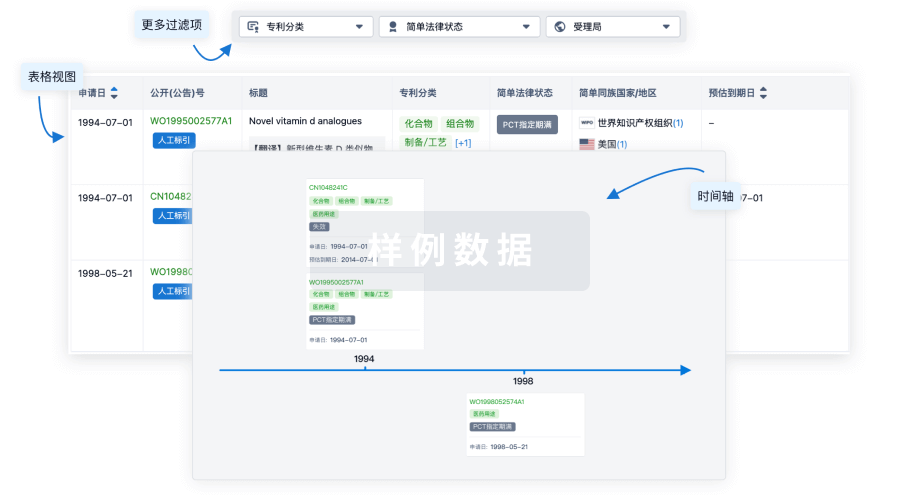
核心专利
使用我们的核心专利数据促进您的研究。
登录
或
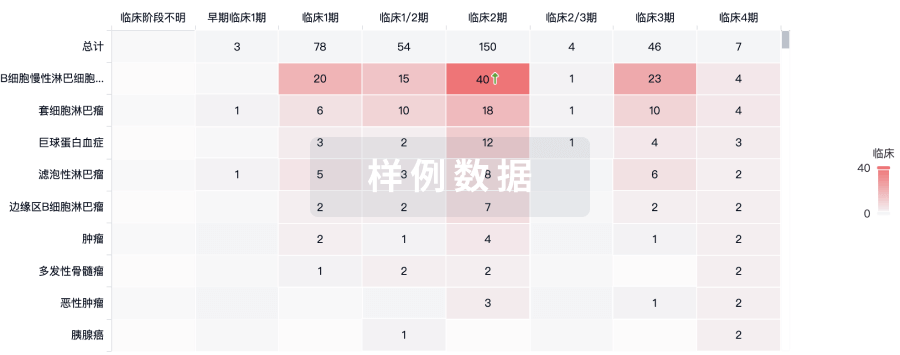
临床分析
紧跟全球注册中心的最新临床试验。
登录
或
批准
利用最新的监管批准信息加速您的研究。
登录
或
特殊审评
只需点击几下即可了解关键药物信息。
登录
或
生物医药百科问答
全新生物医药AI Agent 覆盖科研全链路,让突破性发现快人一步
立即开始免费试用!
智慧芽新药情报库是智慧芽专为生命科学人士构建的基于AI的创新药情报平台,助您全方位提升您的研发与决策效率。
立即开始数据试用!
智慧芽新药库数据也通过智慧芽数据服务平台,以API或者数据包形式对外开放,助您更加充分利用智慧芽新药情报信息。
生物序列数据库
生物药研发创新
免费使用
化学结构数据库
小分子化药研发创新
免费使用