预约演示
更新于:2026-09-07
Alimatravir
更新于:2026-09-07
概要
基本信息
最高研发阶段临床3期 |
首次获批日期- |
最高研发阶段(中国)- |
特殊审评- |



登录后查看时间轴
关联
17
项与 Alimatravir 相关的临床试验NCT07600775
An Open-label, Phase 1 Study to Characterize the Effects of Rifampin on the Pharmacokinetics of MK-8527 in Adult Participants With Latent Tuberculosis Infection
Researchers are studying MK-8527, a new medicine for preventing HIV-1 (human immunodeficiency virus type 1) infection and want to learn if MK-8527 can be given together with rifampin. Rifampin is commonly used to treat people with latent tuberculosis infection (LTBI).
The main goal of this study is to learn what happens to MK-8527 in the body over time when given with and without the medication rifampin in participants with LTBI.
The main goal of this study is to learn what happens to MK-8527 in the body over time when given with and without the medication rifampin in participants with LTBI.
开始日期2026-09-01 |
申办/合作机构 |
NCT07661108
An Open-label, Phase 1 Study to Individually Characterize the Food Effect, the Drug-Drug Interaction Effect of OAT Inhibition, and the Drug-Drug Interaction Effect of P-glycoprotein Inhibition on the Pharmacokinetics of MK-8527 in Healthy Adult Participants
Researchers are studying a medicine called MK-8527 to learn how it behaves in the body of healthy adults.
The goal of this study is to learn about the effect of MK-8527 when it is taken with food or with other medicines. Researchers also want to learn about the safety of MK-8527 and if people tolerate it. Tolerate means participants will receive treatment in the trial unless they need to stop it due to health problems.
The goal of this study is to learn about the effect of MK-8527 when it is taken with food or with other medicines. Researchers also want to learn about the safety of MK-8527 and if people tolerate it. Tolerate means participants will receive treatment in the trial unless they need to stop it due to health problems.
开始日期2026-06-30 |
申办/合作机构 |
NCT07528508
A Clinical Trial to Study the Effect of a Single Dose of MK-8527 on the Pharmacokinetics of Methadone
The goal of this study is to learn about the effect of a study medicine called MK-8527 when taken with methadone. The study will also measure what happens to the methadone in a healthy person's body over time after MK-8527 is taken.
开始日期2026-05-22 |
申办/合作机构 |
100 项与 Alimatravir 相关的临床结果
登录后查看更多信息
100 项与 Alimatravir 相关的转化医学
登录后查看更多信息
100 项与 Alimatravir 相关的专利(医药)
登录后查看更多信息
5
项与 Alimatravir 相关的文献(医药)2026-08-01·AIDS
The estimated cost of MK-8527 produced at scale for once-monthly oral HIV pre-exposure prophylaxis in low- and middle-income countries
Article
作者: Cross, Samuel ; Hill, Andrew ; Levi, Jacob ; Venter, Francois
The objectives were to estimate the potential generic production cost of MK-8527, a novel once-monthly oral nucleoside reverse transcriptase translocation inhibitor (NRTTI) in development for HIV preexposure prophylaxis (PrEP), and to assess implications for cost-effectiveness and access in low-income and middle-income countries (LMICs). A cost estimation study using shipment level active pharmaceutical ingredient (API) data and established cost+ modelling methods to project scalable generic production pricing was performed. The Trade Vision LLC database was searched (January 2020 to December 2025) for records of MK-8527 API exports to India. A weighted mean API cost was calculated and combined with annual dosing assumptions (11 mg/month). Standardized cost+ components were applied, including formulation, API loss, packaging, transportation and tariffs, profit margin, and taxation. Sensitivity analyses explored variation in API pricing. Three API shipments were identified, yielding a weighted mean API cost of $9878/kg. Estimated generic production cost for monthly PrEP dosing was $4.49 per person-year (ppy). Sensitivity analyses produced a range of $4.46–$24.91 ppy. These estimates are substantially below published PrEP cost-effectiveness thresholds of approximately $100 ppy in sub-Saharan Africa and up to $200 ppy in high-incidence settings. MK-8527 could be manufactured at extremely low cost, suggesting that intellectual property and licensing arrangements, rather than production feasibility, will determine equitable access in LMICs. Early voluntary licensing agreements could facilitate timely generic entry and affordable global scale-up if clinical efficacy is confirmed.
2026-05-20·CLINICAL INFECTIOUS DISEASES
Antiretroviral Activity, Pharmacokinetics, and Safety of MK-8527, an Oral Nucleoside Reverse Transcriptase Translocation Inhibitor, in Adults With HIV-1 Who Had Not Previously Taken Antiretroviral Agents: Results From 2 Open-Label, Phase 1 Studies
Article
作者: Kaplan, Richard ; Zang, Xiaowei ; Rassool, Mohammed ; Kapoor, Yash ; Streinu-Cercel, Anca ; Reynders, Tom ; Cilissen, Caroline ; Denef, Jean-Francois ; Bhattacharyya, Arinjita ; Iwamoto, Marian ; Preotescu, Liliana ; Gillespie, Gillian L ; Stoch, S Aubrey ; Matthews, Randolph P ; Vargo, Ryan C ; Lombaard, Johannes ; Garrett, Graigory ; Adedoyin, Adedayo ; Carstens, Russ P ; Leyssens, Carlien
Abstract:
Background:
MK-8527 is a novel oral nucleoside reverse transcriptase translocation inhibitor under clinical development as HIV-1 (HIV) prevention. Two Phase 1 single-dose monotherapy studies were conducted to evaluate antiretroviral activity, pharmacokinetics (PK), and safety of MK-8527 in adults with HIV who had not previously taken antiretroviral agents.
Methods:
In 2 Phase 1 studies, participants received a single oral dose of MK-8527 (0.25, 0.5, 1, 3, or 10 mg). Reduction in viral load (measured as log10 plasma HIV RNA copies/mL at 7 days post-dose), PK of plasma MK-8527 through 7 days, intracellular MK-8527-triphosphate (TP, the active form of MK-8527) through 28 days, exposure–response relationship, and safety through 28 days were assessed. Adverse events were descriptively summarized.
Results:
In total, 37 participants completed the studies. After single doses of MK-8527 0.5 to 10 mg, the mean decrease in HIV RNA at 7 days-post dose was ≥1.0 log10 copies/mL. The inhibitory quotient (defined as the ratio of MK-8527-TP concentration at 168 hours post-dose [C168] to the mean intracellular concentration of MK-8527-TP at the half-maximal inhibitory concentration [IC50]) exceeded 3 at single doses of ≥0.5 mg. MK-8527 at all dose levels was well tolerated, with a limited number of mild or moderate adverse events that were determined by investigators to be unrelated to the study treatment.
Conclusions:
In adults with HIV who had not previously taken antiretroviral agents, single doses of MK-8527 as low as 0.5 mg achieved ≥1.0 log10 decreases in HIV RNA at 7 days post-dose administration.
Clinical Trials Registration:
www.clinicaltrials.gov NCT03615183, NCT05494736
2024-02-01·Expert opinion on investigational drugs
Islatravir: evaluation of clinical development for HIV and HBV
Article
作者: Lorson, Christian L. ; Reddy, Athreya S. ; Singh, Kamal ; Byrareddy, Siddappa N. ; Gillespie, Samuel W. ; Naqvi, S. Hasan ; Burris, Dana M.
INTRODUCTION:
Islatravir (ISL) is a nucleoside reverse transcriptase translocation inhibitor (NRTTI) that inhibits HIV RT through multiple mechanisms. Contrary to all approved NtRTIs, islatravir retains a 3'OH group. In vitro and clinical data show that ISL is an ultrapotent investigational drug with high tolerability.
AREAS COVERED:
The historical development of islatravir and its mechanisms of HIV and HBV inhibition and resistance are covered. Additionally, the outcomes of Phase I and Phase II clinical trials are discussed.
EXPERT OPINION:
Current first-line antiretroviral therapy, preexposure, and postexposure prophylactic interventions are highly effective in maintaining low or undetectable viral load. Despite these measures, an unusually high rate of new infections every year warrants developing novel antivirals that can suppress drug-resistant HIV and improve compliance. ISL, an NRTTI once deemed a long-acting drug, was placed on a clinical hold. The outcome of ongoing clinical trials with a reduced ISL dose will decide its future clinical application. Additionally, MK-8527, which inhibits HIV via same mechanism as that of ISL may supersede ISL. Data on ISL inhibition of HBV are scarce, and preclinical data show dramatically lower ISL efficacy against HBV than currently preferred nucleos(t)ide drugs, indicating that ISL may not be a potent anti-HBV drug.
80
项与 Alimatravir 相关的新闻(医药)2026-08-27
mRNA 肿瘤疫苗系列(五):默沙东的专利悬崖——一家百年药企的生死时速
前文衔接:《mRNA 肿瘤疫苗系列(四):mRNA 肿瘤疫苗产业链--谁在卖铲子,谁在挖金子》
阅读提示:本文是“mRNA系列”的第五篇,承接第一篇中提到的“K药2028年专利到期”线索,完整展开默沙东面临的专利悬崖全景及其应对策略。零基础可读。AST分析
初始状态:默沙东不是有药王K药吗?为什么要押注mRNA疫苗? ↓核心张力:K药2028年专利到期——单药占49%收入的药王即将面临仿制药冲击 ↓转移路径: ① 药王倒计时:K药占650亿收入中的316亿(49%) ② 专利悬崖:到期后仿制药冲击的数学推演 ③ 全面战争:600亿收购 + 20条管线 + 五个治疗领域 ④ Intismeran:为什么mRNA疫苗是默沙东的关键赌注 ↓目标状态:理解"单药依赖"的巨头困境——为什么药王也会被专利逼到墙角序:从 Intismeran 三期成功说起
8月19日,Moderna 与默沙东联合宣布:个体化 mRNA 肿瘤疫苗 Intismeran 联合 K药在三期临床中成功。Moderna 一天暴涨 177%,默沙东涨了 12.6%。
我们在第一篇里留了一个伏笔:
"默沙东的处境代表了一类典型的制药巨头困境:'单药依赖'--一款超级重磅炸弹撑起半壁江山,专利到期前必须找到下一个增长引擎。K 药的核心专利将在 2028 年到期。"
为什么默沙东要押注一款 mRNA 肿瘤疫苗?它不是已经有"药王"K药了吗?Intismeran 对默沙东而言,到底是"锦上添花"还是"生死攸关"?
答案是后者。而且不只是 Intismeran--默沙东正在进行的,是一场涉及 600 亿美元收购、20 多条管线、五个治疗领域的全面战争。
这篇文章,我们把默沙东的"专利悬崖"完整展开。看完你会理解:为什么一家年收入 650 亿美元的百年药企,会被一款药的专利到期逼到墙角,以及它正在用什么方法试图翻过这座山。一、K药:一个"药王"的倒计时1.1 数字:它到底有多重要?
在默沙东 2025 年 650 亿美元的总收入里,K药一个产品贡献了 316 亿美元,占比约 49%。
什么概念?一家全球 Top 5 的制药巨头,将近一半的收入来自一款药。
指标
数据
K药 2025年全球销售额
316 亿美元
占默沙东总收入
~49%
同比增长
+7%
获批适应症
58 项,覆盖 18 类癌种
累计治疗全球肿瘤患者
超过 420 万人
K药不仅是默沙东的支柱,也是整个制药行业的现象级产品。它是全球最畅销的处方药之一,和诺和诺德的司美格鲁肽(减肥药)轮流坐"药王"的位子。1.2 K药是什么?(复习一下)
我们在第三篇详细讲过:K药是一种 PD-1 抑制剂,工作原理是"剪刹车"--堵住 T 细胞表面的 PD-1 受体,让癌细胞无法发送"别打我"的隐身信号,T 细胞重新开始攻击肿瘤。
它是"通用型"药物--所有患者用同一款,不需要个性化定制。加上获批适应症极广,从黑色素瘤到肺癌、从膀胱癌到胃癌,几乎所有大癌种都有 K药的"一席之地"。
这也是它为什么能卖到 316 亿美元。不是因为贵--是因为用的人实在太多了。1.3 倒计时:专利什么时候到期?
2028年12月,K药在美国的核心分子专利到期。欧洲稍晚,2031年到期。
这两个日期,就是默沙东管理层的"死线"。
专利到期意味着什么?简单解释一下--
专利悬崖(Patent Cliff):创新药的核心专利保护期通常是 20 年(从专利申请算起)。一旦专利到期,其他药企就可以生产"生物类似药"(biosimilar)--你可以理解为"仿制药的生物药版本"。
生物类似药不需要从头做临床试验(因为原研药已经验证过了),研发成本低得多,定价通常比原研药便宜 30%-50%。一旦生物类似药上市,原研药的市场份额和价格都会遭到剧烈冲击。
历史上,很多超级重磅药在专利到期后,第一年销售额就腰斩。立普妥(辉瑞的降脂药,巅峰年销售额 130 亿美元)在 2011 年专利到期后,销售额一年内跌了 70% 以上。
K药面临的不只是生物类似药。2022 年美国通过的《通胀削减法案》(IRA),授权联邦医保(Medicare)直接与药企谈判某些高药价药物的价格。K药作为 Medicare 支出最高的药物之一,几乎确定会进入谈判名单--预计 2029 年开始面临政府强制降价。
生物类似药 + 政府降价 = 双重打击。1.4 CEO 说"这不是悬崖,是山坡"--市场不太信
默沙东 CEO Rob Davis 在多个场合强调:K药的专利到期"更像一个需要翻越的山坡(hill),而非悬崖(cliff)"。他的逻辑是:K药有 58 项适应症,生物类似药不会一次性全部获批,皮下注射剂型可以延缓转化率,新适应症还在不断获批。
但市场并不完全买账。
根据券商分析师的预测模型,K药(静脉注射版)的收入将从 2027 年的 324 亿美元,在 2028-2031 年间以每年 15%-30% 的速度急剧下滑,到 2031 年降至约 108 亿美元。即使算上 Qlex 皮下注射版的增量,整个 K药家族的收入也面临超过 200 亿美元的缺口。
这不是"山坡"--这确实是一座山。二、不只是K药:默沙东的三重打击
如果只有 K药一个麻烦,默沙东或许还能喘口气。但现实是:它同时面对三场危机。2.1 Gardasil:中国市场的"自由落体"
Gardasil(佳达修)是默沙东的 HPV 疫苗,曾经是仅次于 K药的第二大收入来源。
HPV 疫苗预防的是人乳头瘤病毒相关癌症(主要是宫颈癌)。Gardasil 的九价版本(Gardasil 9)是全球 HPV 疫苗市场的绝对王者。
但它的故事在过去两年急转直下:
时间
事件
2024年
Gardasil 全球收入 86 亿美元(-3%)
2024年Q3-Q4
中国市场销售额开始两位数下滑
2025年2月
默沙东宣布暂停向中国供货至"至少年中"
2025年7月
暂停期延长至"至少2025年底"
2025年全年
Gardasil 全球收入 52 亿美元(-39%)
2030年目标
撤销此前"110 亿美元"的销售目标
发生了什么?
中国是 Gardasil 最大的海外市场,曾占其海外销售的 60%-70%。但中国市场的需求在 2024 年下半年突然熄火。默沙东 CEO 的解释是:中国消费者在"可自由支配支出"上变得更加谨慎--疫苗不是必需品,经济压力下打疫苗的人少了。此外,中国本土 HPV 疫苗(如万泰生物的馨可宁)正在蚕食市场份额。
默沙东不得不停止向中国发货--因为渠道里已经堆积了大量库存,必须先清掉。2025年Q2 Gardasil 销售额同比暴跌 55%(剔除中国市场后仅下降 3%)。
一个曾经年增 20% 的"增长引擎",现在变成了拖累。2.2 Januvia 和 Lagevrio:已经失去的阵地
Januvia(西格列汀):默沙东的糖尿病药物,曾经也是重磅炸弹级产品。但它的核心专利在 2022-2023 年陆续到期,仿制药已经进入市场。2025 年糖尿病板块收入约 25 亿美元,但 2026 年预计腰斩至 12 亿,2027 年进一步降至 5.6 亿--一条明确的下滑曲线。
Lagevrio(莫诺拉韦):默沙东的新冠口服药。2022 年高峰期卖了 57 亿美元,但随着新冠退潮,2025 年收入仅剩 3.8 亿美元(-61%)。它已经不是默沙东财报里的重要变量了。2.3 加起来看:缺口有多大?
把这些数字摆在一起:
K药:预计 2028-2031 年收入缺口超过 200 亿美元
Gardasil:从 86 亿(2024)跌到 52 亿(2025),已经蒸发 34 亿,且看不到恢复时间表
Januvia:从巅峰约 40 亿美元跌到 2027 年预计仅 5.6 亿
Lagevrio:从 57 亿跌到 3.8 亿
有分析师预计,默沙东未来五年销售额可能被侵蚀 180 亿美元。
这就是默沙东面临的真实处境:不是"一个产品专利到期"那么简单,而是多个曾经的支柱同时在下滑。三、默沙东的"三管齐下"应对策略
面对如此严峻的形势,默沙东不是坐以待毙。它的应对策略可以归纳为三条战线:
延长 K药生命周期--能拖多久拖多久
大规模收购--花钱买时间、买确定性
自研 + 合作--培育下一代增长引擎3.1 延长K药生命:皮下注射 Qlex
这是最直接、也是最早见效的一招。
2025年,默沙东推出了K药的皮下注射剂型Keytruda Qlex。
原来的 K药是静脉输注--患者每 3 周或 6 周去医院输液一次,每次输液约 30 分钟。
Qlex 是皮下注射--像打疫苗一样,一针下去,约 1 分钟搞定。
这听起来只是"方便了一点",但它的战略意义远不止于此。
第一,专利保护:K药静脉注射版的核心专利 2028年12月到期。但 Qlex 皮下注射版有独立的专利保护--在美国的保护期预计到 2043 年。也就是说,即使 2028 年后生物类似药可以仿制静脉注射版,也不能直接生产皮下注射版。
第二,剂型粘性:这是一种经典的制药行业"生命周期管理"策略。默沙东的目标是在专利到期前,将 30%-40%的K药患者转化为 Qlex 皮下注射版。一旦患者和医生习惯了"一分钟搞定"的便利性,即使有更便宜的静脉注射生物类似药出现,很多人也不会愿意换回"半小时输液"。
第三,IRA 保护:默沙东认为 Qlex 皮下版是独立产品,不受 Medicare 对静脉版的价格谈判约束--这还有待监管确认,但如果成立,将是一个巨大的保护层。
Qlex 的推进速度:截至 2026年Q2,约 7%的美国 K药患者已转化为 Qlex(2025年Q4 仅 1%)。2026年4月获得永久报销代码(J-code)后,转化开始加速。默沙东预计 18-24 个月内达到 30-40% 的转化目标。3.2 收购:600亿美元的豪赌
如果说 Qlex 是"守",那么收购就是"攻"。
自 2021 年以来,默沙东 CEO Rob Davis 主导了一系列大规模收购,总金额超过 600 亿美元。他的逻辑很清晰:在 K药专利到期前,用默沙东强大的资产负债表和现金流,买回一个"后 K药时代"的产品组合。
以下是近年最重要的几笔:
收购标的
金额
核心资产
领域
状态
Acceleron
115亿美元
Winrevair(肺动脉高压)
心血管
已上市,2025年收入14.43亿(+244%)
Prometheus
108亿美元
Tulisokibart(TL1A,自免)
免疫
三期UC阳性,HS二期阳性
Verona Pharma
~100亿美元
Ohtuvayre(COPD吸入剂)
呼吸
已上市,放量超预期
Cidara Therapeutics
92亿美元
MK-1406(长效流感预防抗体)
传染病
三期进行中,50亿峰值潜力
Terns Pharmaceuticals
67亿美元
TERN-701(慢性髓性白血病)
血液瘤
早期数据优异,75%缓解率
EyeBio
30亿美元
眼科管线
眼科
2026年数据有望读出
此外,默沙东还在与 Revolution Medicines洽谈 280-320 亿美元的潜在收购(RAS 通路靶向药 Daraxonrasib),但据报道因价格分歧暂未达成。
这些收购的战略逻辑是什么?
简单说:默沙东不是在"买一个产品",而是在"买一个多元化的收入结构"。
Winrevair:肺动脉高压(PAH)是一个"罕见但未满足"的市场。Winrevair 是首个针对 PAH 病理机制的疾病修饰疗法,不是缓解症状,而是试图逆转血管重构。2025年收入 14.43 亿美元,同比增长 244%,正在快速爬坡。
Ohtuvayre:COPD(慢性阻塞性肺病)是全球第三大死因,市场巨大但创新药匮乏。Ohtuvayre 是首个吸入式 PDE3/4 双抑制剂,既有支气管扩张作用又有抗炎作用。上市后放量超预期。
Tulisokibart(来自 Prometheus):靶向 TL1A,用于溃疡性结肠炎(UC)等自免疾病。三期 UC 诱导研究阳性,还在探索化脓性汗腺炎(HS)--一个几乎无药可用的大适应症。
MK-1406(来自 Cidara):长效流感预防抗体,Phase 2 显示对所有流感株系预防效力达 76%。针对的是约 8500 万免疫受损人群--他们打传统流感疫苗效果不佳。峰值预期 50 亿美元。
TERN-701(来自 Terns):慢性髓性白血病(CML)的口服药物,早期研究显示 75% 的主要分子生物学缓解率,有望挑战诺华的 Scemblix。
这些收购加在一起,构成了默沙东在"后 K药时代"的收入拼图。每一条产品线单独看都填补不了 200 亿美元的缺口,但合在一起--如果都能兑现--就有希望。3.3 自研+合作:管线矩阵
收购之外,默沙东还在通过自研和外部合作,构建一个覆盖多个治疗领域的管线矩阵。Sac-TMT:科伦博泰授权的"王牌"
这是默沙东"后 K药时代"肿瘤版图中最重要的一块拼图--也是我们中国投资者最应该关注的一个故事。
Sac-TMT(芦康沙妥珠单抗,SKB264/MK-2870)是科伦博泰研发的一款 TROP2 ADC药物。
先解释两个概念:
ADC(抗体偶联药物):我们在第三篇讲过--"精准化疗"。抗体是导航系统(找到癌细胞),化疗药是弹头(杀死癌细胞)。ADC 把两者连在一起,实现精准打击,比传统化疗副作用小得多。
TROP2:一种在多种癌细胞表面高表达的蛋白--肺癌、乳腺癌、胃癌、子宫内膜癌等都有。正常细胞表达少,所以是一个比较理想的 ADC 靶点。
默沙东在 2022 年与科伦博泰达成合作,获得了 sac-TMT 的海外权益,总交易金额超百亿美元--创下当年中国创新药出海纪录。
为什么默沙东愿意花这么多钱?因为它看到了 sac-TMT 与 K药联用的巨大潜力:K药(剪刹车)+ sac-TMT(精准化疗)= 免疫治疗 + 靶向化疗,可以覆盖更多患者、取得更好的疗效。
目前,默沙东已经围绕 sac-TMT 启动了 17 项全球三期临床研究,覆盖肺癌、乳腺癌、胃癌、子宫内膜癌、宫颈癌、卵巢癌等大癌种。潜在目标患者超过 30 万人(美欧日市场)。
关键进展:
2026年5月:TroFuse-005(子宫内膜癌后线)达到 PFS 和 OS 双主要终点--这是 sac-TMT 全球三期矩阵的第一个阳性结果,比原计划提前近两年
默沙东计划 2026年下半年在美国提交上市申请
预计 2027年上半年在美获批上市
科伦博泰的中国研究 OptiTROP-Lung05/06(非小细胞肺癌一线)也先后成功
分析师对 sac-TMT 海外销售峰值的预测差异很大:美银证券预测 20-40 亿美元,海通国际预测 150-200 亿美元。即使按保守估计,这也将是默沙东肿瘤板块的重要增量。
为什么 sac-TMT 对默沙东如此重要?因为它和 K药不是竞争关系,而是共生关系。sac-TMT 的大量三期临床是与 K药联用的--如果获批,它不但不会替代 K药,反而会强化 K药在某些适应症中的地位。即使 K药专利到期、生物类似药上市,仿制药企无法复制"K药 + sac-TMT"的联合临床数据--这是一个仿制药无法逾越的壁垒。与第一三共合作的三款 ADC
默沙东还与日本第一三共合作开发三款 ADC:
Ifinatamab Deruxtecan(I-DXd):靶向 B7-H3,已在美提交上市申请
另外两款靶向 CDH6 和 HER3
这三款 ADC 构成了默沙东 ADC 矩阵的"第二梯队",与 sac-TMT 形成互补覆盖。Enlicitide:首创口服 PCSK9 抑制剂
这是默沙东在心血管领域最被期待的产品。
PCSK9 抑制剂是一类降脂药,通过抑制 PCSK9 蛋白来降低"坏胆固醇"(LDL-C)水平。目前市面上的 PCSK9 抑制剂(如安进的 Repatha、赛诺菲/再生元的 Praluent)都是注射剂--每两周或每月打一针。
Enlicitide(商品名 Lipfendra)是全球首个口服 PCSK9 抑制剂。它能把 LDL-C 降低 60%,疗效不输注射剂,但患者只需要每天吃一片药。
这解决了 PCSK9 抑制剂最大的痛点:注射剂的不便导致目前美国约 3000 万需要降脂的患者中,只有不到 5%在用 PCSK9 抑制剂。如果有了口服版本,市场可能扩大数倍。
关键进展:
2026年7月,Lipfendra 获 FDA 批准上市
定价 315 美元/30天,约为注射剂的 60%
正在接受欧盟和中国监管审评
峰值预期:分析师从 50 亿到 100 亿美元不等
Enlicitide 还有一个隐藏价值:它可以和默沙东的其他心血管管线组合。比如从恒瑞医药引进的口服 Lp(a) 抑制剂(二期进行中),从翰森制药引进的口服 GLP-1(一期进行中)。未来可能做成"降脂 + 减重"的复方口服药--一个极具想象空间的组合。Intismeran / V940:mRNA 肿瘤疫苗
这是我们这个系列的主角。默沙东与 Moderna 合作开发的个体化 mRNA 肿瘤疫苗,黑色素瘤三期成功。
Intismeran 对默沙东的战略意义,我们在第一篇就分析过:
Intismeran 的临床试验设计,是联合 K药,而不是替代 K药。如果 Intismeran 2027年获批,K药 + Intismeran 成为黑色素瘤辅助治疗新标准,K药在这个适应症上的地位反而被强化。
券商预测 Intismeran(V940)的销售峰值约 20 亿美元(非风险调整)。虽然不如 sac-TMT 的体量大,但它是默沙东在"下一代免疫治疗"领域的旗帜--如果后续 NSCLC 等大适应症也跑通,这个数字可能被大幅上修。Winrevair:已在快速放量
Acceleron 收购得来的 Winrevair 是目前默沙东最成功的新品之一。2025年收入 14.43 亿美元(+244%),新增处方量持续增长。它针对的是肺动脉高压(PAH)--一个患者不多但"不治会死"的疾病,Winrevair 是第一个真正改变疾病进程的疗法。HIV 管线:从日服到周服到月服
默沙东在 HIV 领域布局了"便利性升级"的完整梯队:
IDVYNSO(MK-8591A):首个不含整合酶抑制剂的二联日服方案,2026年4月获批
Islatravir + Lenacapavir(MK-8591D):每周一次口服方案,三期数据积极
MK-8527:每月一次口服 PrEP(暴露前预防),三期进行中
HIV 已经从"绝症"变成了"慢性病",竞争的核心不再是"能不能活",而是"吃药方不方便"。默沙东押注的是"越吃越少"的便利性升级逻辑。四、默沙东的底牌:2030年代中期 700 亿美元
默沙东的管理层在今年年初的投资者会议上,把管线未来的商业机会从 500 亿美元上调到了 700 亿美元。
这 700 亿美元的构成:
治疗领域
2030年代中期收入预期
关键产品
肿瘤
250亿+
sac-TMT、K药、I-DXd、V940
心血管代谢
150亿+
Lipfendra、Winrevair、Lp(a)、GLP-1
免疫
50亿+
Tulisokibart(TL1A)
HIV
50亿+
周服/月服方案
眼科
数十亿
EyeBio 管线
其他(疫苗、抗病毒等)
约100亿+
MK-1406、Enflonsia 等
默沙东表示,700 亿美元中的约 70%(约 490 亿)将在 2027 年底前通过临床数据"去风险化"--也就是说,其中大部分会在未来 18 个月内获得关键临床数据。
此外,默沙东的动物保健业务(2025年收入 63.5 亿美元,+8%)是一张"免费期权"。在辉瑞(-2%)、BMS(负增长)等同行收入下滑的背景下,默沙东的动保业务保持了正增长,明星产品贝卫多(Bravécto)年销售额突破 11 亿美元。公司计划到 2030 年代中期将动保业务翻倍。五、对投资者的启示5.1 专利悬崖是制药行业的"周期律"
默沙东的故事不是孤例。辉瑞的立普妥(2011年专利到期)、BMS 的来那度胺(2022年到期)、艾伯维的修美乐(2023年到期)--每一家制药巨头都会经历这一刻。
专利悬崖之所以可怕,不是因为一款药消失了,而是因为时间表是确定的。你清楚地知道哪一天保护伞会消失,而你必须在那个日期之前找到足够多的"新伞"。
默沙东的应对是教科书级别的:
守:用 Qlex 延长 K药生命周期(剂型粘性 + 独立专利)
攻:600 亿美元收购构建多元化产品组合
育:自研 + 合作培育下一代管线
但历史上,能成功跨越专利悬崖的药企并不多。BMS 在来那度胺到期后至今没有完全恢复增长动能;辉瑞在立普妥到期后经历了长达数年的低谷。默沙东能否成为例外,取决于它的"三管齐下"能否按时兑现。5.2 市场定价了什么?
默沙东当前的估值:约 12 倍 2027 年经调整市盈率。作为对比,标普 500 制药板块的平均估值约 14-15 倍。
这 12 倍的"折扣",反映的就是市场对专利悬崖的担忧--市场不相信默沙东能完美接住这 200 亿美元的收入缺口。
但换个角度看:如果默沙东的管线能兑现哪怕 50%-70%,这个估值就可能被重估。多位分析师给出的目标价在 135-154 美元,较现价有 15%-20% 的上行空间。5.3 关键观察点
对于关注默沙东的投资者,以下是未来 12-18 个月内最重要的几个节点:
Sac-TMT 在美国申报上市(2026年下半年):这是默沙东"后 K药时代"肿瘤版图的第一块拼图
Enlicitide(Lipfendra)上市放量(2026年下半年开始):能否真正打开口服 PCSK9 市场
Qlex 转化率:目前约 7%,目标是 30-40%--这是延缓 K药收入下滑的关键
后续并购:默沙东 CEO 明确表示还在寻找"数百亿美元级"的收购标的
更多三期数据读出:Tulisokibart、I-DXd、MK-1406 等5.4 回到 mRNA 系列:Intismeran 为什么重要
现在我们可以回答开头的问题了:默沙东押注 Intismeran 不是"锦上添花",而是"生死攸关"。
在默沙东 700 亿美元的远景中,肿瘤板块占 250 亿+。这 250 亿里,sac-TMT 是"基本盘"(峰值可能 50-150 亿美元),而 Intismeran 是"增量期权"--如果后续癌种跑通,它可以从 20 亿美元的预期变成 50 亿甚至更多。
更重要的是战略层面的价值:Intismeran 是默沙东在"下一代免疫治疗"领域的旗帜。PD-1 抑制剂是"现在",ADC 是"未来五年",mRNA 个性化疫苗是"未来十年"。默沙东需要证明:在 K药之后,它仍然是肿瘤免疫治疗的领导者。
Intismeran 三期成功,是这份证明上的第一个公章。总结
K药是默沙东的命脉--2025年收入 316 亿美元,占公司总收入约 49%,2028年12月美国专利到期
默沙东面临三重打击--K药专利悬崖 + Gardasil 中国市场崩溃(-39%)+ Januvia/Lagevrio 下滑
应对策略三管齐下:Qlex 皮下注射"守"、600 亿美元收购"攻"、sac-TMT/Enlicitide/Intismeran 等"育"
700 亿美元远景是默沙东的底牌--但兑现程度取决于未来 18 个月的临床数据和商业化执行
Intismeran 是"下一代免疫治疗"的旗帜--它在默沙东的战略版图中,是"后 K药时代"肿瘤版图的关键一块
对个人投资者而言,默沙东的故事提供了一个观察制药行业"周期律"的绝佳窗口。每一家药企都会经历从"重磅炸弹依赖"到"管线多元化"的转型--区别只在于,转型是主动的还是被动的,是早的还是晚的。
默沙东选择了主动、选择在 K药还如日中天的时候就开始布局。这个选择是否正确,未来两年会有答案。
本文基于默沙东 2025 年年报/2026 年 Q1-Q2 季报、中金公司/高盛/BMO Capital/海通国际等券商研报、Reuters/Fierce Pharma/BioPharma Dive 等媒体报道,以及 ClinicalTrials.gov 公开信息撰写。数据截止 2026年8月。
2026-08-26
·爱施健
爱施健已与默沙东签署自愿许可协议,爱施健将有权开发、生产并商业化 Alimatravir——一种用于预防 HIV-1、每月口服一次的药物。
南非约翰内斯堡——Aspen Pharmacare Holdings Limited(以下简称“爱施健”)近日宣布与“默沙东”(MSD)签署自愿许可协议。根据该协议,爱施健将获得 MK-8527(Alimatravir)的开发、生产和商业化权利。Alimatravir 是一种处于后期临床研究阶段、每月口服一次的长效 HIV-1 预防在研药物。
该协议是爱施健践行提升非洲创新药物未来可及性承诺、并支持当地药品生产能力建设的重要一步。
爱施健集团首席执行官 Stephen Saad 表示:“该协议体现了爱施健致力于扩大非洲重要药物可及性的承诺。通过与默沙东的合作,我们有机会为一种创新 HIV 预防方案未来的供应提供支持,同时加强非洲大陆本地药品生产能力以及医疗卫生体系韧性。”
根据协议约定,爱施健将从默沙东获得相关技术资料,并取得覆盖 129 个国家的许可权,其中包括所有非洲国家。尽管已经取得重大进展,南非的新发 HIV 感染病例数量仍位居全球前列。新的预防方案对于覆盖仍面临 HIV 感染风险的人群至关重要。爱施健获得的许可权预计将覆盖公共和私立医疗领域,具体范围以协议约定及适用监管要求为准。
HIV 预防潜在的新型给药方式
Alimatravir 是一种在研药物,目前正在开展用于 HIV 暴露前预防(PrEP)的 III 期临床试验。该产品目前仍处于临床研究阶段,尚未获得监管机构批准,但截至目前的研究结果令人鼓舞,我们期待 III 期临床试验结果的公布。
如获批准,Alimatravir 有望成为首个每月口服一次的 HIV 预防方案,为 PrEP 提供一种不同的全新给药方式。
每月口服一次的片剂有望简化药物获取和使用,并减少使用障碍,尤其是在医疗人员及医疗服务可及性受限的地区。
支持非洲 HIV 防控
非洲仍承担着与其人口比例不相称的全球 HIV 疾病负担,因此,扩大有效 HIV 预防方案的可及性仍是一项重要的公共卫生工作。
长效 HIV 预防技术正越来越被认为是减少新发感染、支持全球在未来十年显著降低 HIV 传播的重要工具。
目前正在进行的 III 期临床项目覆盖多个国家,其中南非发挥着重要作用,并承担了该临床研究中规模最大的部分。
通过本地生产扩大药物可及性
该协议预计将支持爱施健进一步提升非洲药品生产能力的整体目标,同时为非洲大陆可持续的医疗卫生安全作出贡献。
过去,HIV 治疗产品主要集中于公共医疗项目。未来,私立医疗领域对预防性医疗解决方案的需求预计将不断增长,从而为扩大 PrEP 的可及性、惠及更多有需要的人群创造机会。
加速未来药物可及
在非洲监管机构提出要求的情况下,III 期临床项目成功完成后,爱施健和默沙东将提供必要支持,以推动高效的监管审批路径。
如果 III 期临床试验结果积极,预计随后将提交监管申请,目标是在许可覆盖地区尽快提供这一 HIV 预防方案。
南非卫生部长 Aaron Motsoaledi 博士对 Alimatravir 许可协议的宣布表示欢迎,并指出该产品有望对南非 HIV 预防项目产生积极影响。
Motsoaledi 部长表示:“这是我们共同努力终结南非乃至全球 HIV 流行的重要里程碑,尤其是在政府近期刚刚推出另一项用于应对新发 HIV 感染的重要创新 Lenacapavir 之后。”
他表示:“南非仍致力于不断丰富 HIV 预防工具,尤其是为不同及脆弱人群提供使用方便、易于接受且有效的选择,包括青少年、年轻女性、重点人群,以及难以获得每日用药的社区。”
Motsoaledi 部长补充道:“南非是全球 HIV 疾病负担最重的国家之一,因此,每一种可能帮助降低 HIV 预防障碍的新工具都十分重要。如果这种每月口服一次的方案能够通过默沙东和爱施健这样的本地生产合作推向市场,与每日服药相比,它有望提高用药依从性,尤其是在年轻女性和青春期女孩中——这些群体仍受到新发 HIV 感染的不成比例影响。”
Motsoaledi 最后表示:“本地生产还能够增强我们的医疗卫生安全,确保当此类产品被证实安全有效后,南非不会在全球供应队伍中处于末位。我们欢迎此次合作,并将继续与所有利益相关方共同努力,确保当这一创新产品准备就绪时,能够快速、可负担且公平地惠及我们的人民。”
南非贸易、工业与竞争部部长 Parks Tau 表示:“爱施健与默沙东之间的合作体现了战略合作在提升南非工业能力方面的价值,同时也有助于应对我们最紧迫的公共卫生挑战之一。通过在本地生产这种创新型 HIV 预防药物,我们正在加强制药产业、推进本地化、建设高价值能力,并为改善整个非洲的健康结果作出贡献。”
非洲疾病预防控制中心总干事 Jean Kaseya 博士表示:“爱施健与默沙东之间的合作是非洲制药生产雄心的重要里程碑。几十年来,非洲一直参与临床研究,而生产以及由此产生的大部分经济价值却在其他地区实现。这项协议预示着一种不同的未来。”
关于 Alimatravir(MK-8527)
Alimatravir 是一种目前处于 III 期临床开发阶段的在研 HIV 预防药物。该产品尚未获得任何监管机构批准,其安全性、有效性和依从性特征尚未确立。未来任何商业化均取决于临床试验的成功完成以及获得必要的监管批准。
本文仅用于介绍相关合作进展,不构成医疗建议、用药建议或对任何未获批产品的推广;具体诊疗及用药应遵循医疗专业人士意见及当地获批说明。
参考文献
https://www.aspenpharma.com/aspen-pharmacare-expands-access-ambitions-for-hiv-prevention-across-africa-through-new-agreement-with-msd/
关于爱施健集团
爱施健集团作为一家跨国制药公司,总部位于南非德班,始于1850年,拥有170年的悠久历史,业务覆盖各类新兴市场和成熟市场。爱施健集团在全球设立63个办公室,拥有9,300多名员工,在6大洲设立24家生产工厂,向超过115个国家和地区提供优质和患者可及的药物致力于提高患者生命健康。爱施健集团连续举办年度“纳尔逊·曼德拉国际日(曼德拉日)”公益项目14余年,在40多个国家和地区累计开展了880多项社会经济发展公益项目。
爱施健集团创始人兼集团首席执行官Stephen Saad先生于2016年荣获全非洲年度企业家奖,2021年法国马克龙总统授予Stephen Saad先生法国国家功绩骑士勋章。2020年7月爱施健集团首次被纳入富时罗素社会责任投资指数成分股(FTSE4Good Index Series)。2022年2月12日爱施健集团荣获由南非政府和南非国际关系与合作部 (DIRCO)颁发的经济外交(全球)类乌班图奖。2022年3月25日爱施健集团荣获由南非总统西里尔·拉马福萨(Cyril Ramaphosa)颁发的荣誉奖项SAIC卓越企业奖。
关于爱施健中国
2015年,爱施健集团在中国成立第一家公司。继收购葛兰素史克(GSK)抗血栓药物和阿斯利康(AZ)麻醉药组合,2017年爱施健集团以充分实力全面进军中国市场。2024年爱施健集团完成收购山德士中国业务。
爱施健中国由广州爱施健贸易咨询有限公司及其分公司、爱施健(广东)制药有限公司及其分公司组成。
公司广泛的产品组合主要覆盖麻醉、抗血栓、消化、骨质疏松和其他疾病领域,其他包括免疫抑制剂、抗肿瘤药品、生殖系统疾病药物和内分泌系统疾病药物。业务覆盖全国31个省市区的3000多家医院。为了中国患者的切实利益以及实现“2030年健康中国”的目标,爱施健中国将竭尽所能致力于继续在中国上市新的产品。更多信息,请访问:
https://www.aspenpharma.cn/。
2026-08-09
Clinical Infectious Diseases Volume 82 Issue 1
临床传染病学 82卷1期
https://academic.oup.com/cid/issue/
ID Art Through the Ages(穿越时代的传染病学技艺)
1
Peasants' Revolt, 1381
1381年农民起义
Mary Grizzard and Michael Grizzard
Clinical Infectious Diseases, Volume 82, Issue 1, 15 January 2026, Page i, https://doi.org/10.1093/cid/ciaf692
In the Literature(文献概览)
2
In the Literature
文献概览
Clinical Infectious Diseases, Volume 82, Issue 1, 15 January 2026, Pages ii–iii, https://doi.org/10.1093/cid/ciaf631
State-of-the-Art Review(最新技术综述)
3
State-of-the-Art Review: Diagnosis and Management of Acute and Chronic Bacterial Prostatitis
最新技术综述:急性和慢性细菌性前列腺炎的诊断与治疗
Prathit A Kulkarni and others
Clinical Infectious Diseases, Volume 82, Issue 1, 15 January 2026, Pages 1–13, https://doi.org/10.1093/cid/ciaf483
Clinical Dilemmas in Infectious Diseases(传染病临床难题)
4
“Insisting on Treatment”
“坚持治疗”
Kevin Andrew Smith and others
Clinical Infectious Diseases, Volume 82, Issue 1, 15 January 2026, Pages 14–18, https://doi.org/10.1093/cid/ciaf282
Voices of ID(传染病之声)
5
Martin Arrowsmith and Me
马丁·阿罗史密斯与我
Janet R Gilsdorf
Clinical Infectious Diseases, Volume 82, Issue 1, 15 January 2026, Pages 19–20, https://doi.org/10.1093/cid/ciaf277
Invited Commentary(特邀述评)
6
The 2025 Centers for Disease Control and Prevention Nonoccupational HIV Postexposure Prophylaxis Guidelines: Updated Regimens and Remaining Questions
2025年美国疾病控制与预防中心非职业性艾滋病毒暴露后预防指南:更新方案及遗留问题
Lao-Tzu Allan-Blitz and Kenneth H Mayer
Clinical Infectious Diseases, Volume 82, Issue 1, 15 January 2026, Pages 21–24, https://doi.org/10.1093/cid/ciaf567
Antimicrobial Resistance and Stewardship(抗菌药物耐药性与管控)
7
Modeling the Impact and Cost of a Culture-Dependent Molecular Test for Antimicrobial Resistance in Resource-Limited Settings
资源有限环境下,基于培养的分子检测法对抗菌药物耐药性的影响和成本建模
Joshua M Chevalier and others
Clinical Infectious Diseases, Volume 82, Issue 1, 15 January 2026, Pages 25–32, https://doi.org/10.1093/cid/ciaf236
8
The Xpert MTB/RIF Cycle Threshold Value Predicts Mycobacterium tuberculosis Transmission to Close Contacts in a Brazilian Prospective Multicenter Cohort
巴西一项前瞻性多中心队列研究中Xpert MTB/RIF循环阈值可预测结核分枝杆菌在密切接触者中的传播
Leandro S Garcia and others
Clinical Infectious Diseases, Volume 82, Issue 1, 15 January 2026, Pages 33–41, https://doi.org/10.1093/cid/ciad794
9
Beyond Diagnosis: Xpert Cycle Threshold Values as Predictors of Tuberculosis Transmission
超越诊断:Xpert循环阈值作为结核病传播的预测指标
Lauren Linde and others
Clinical Infectious Diseases, Volume 82, Issue 1, 15 January 2026, Pages 42–43, https://doi.org/10.1093/cid/ciad791
10
First Report of Treatment-Emergent Resistance to Cefepime-Zidebactam in Pseudomonas aeruginosa
铜绿假单胞菌在头孢吡肟-齐德巴坦治疗中出现耐药性的首例报告
Ava J Dorazio and others
Clinical Infectious Diseases, Volume 82, Issue 1, 15 January 2026, Pages 44–48, https://doi.org/10.1093/cid/ciaf638
Clinical Practice and Policy(临床实践与政策)
11
Sputum and Tongue Swab Molecular Testing for the In-Home Diagnosis of Tuberculosis in Unselected Household Contacts: A Cost and Cost-Effectiveness Analysis
痰液和舌拭子分子检测用于未筛选家庭接触者结核病居家诊断的成本及成本效益分析
Charl Bezuidenhout and others
Clinical Infectious Diseases, Volume 82, Issue 1, 15 January 2026, Pages 49–57, https://doi.org/10.1093/cid/ciaf389
12
You’ve Got a Friend in Me: Curbside Questions Infectious Diseases Clinicians Ask Infectious Diseases Pharmacists
我是你的朋友:传染病临床医生向传染病药剂师咨询的即兴问题
Matthew R Davis and others
Clinical Infectious Diseases, Volume 82, Issue 1, 15 January 2026, Pages 58–61, https://doi.org/10.1093/cid/ciaf250
13
Home Testing for Contagious Illness: Historical Context and Modern Caveats
传染性疾病居家检测:历史背景与现代注意事项
Abigail Zuger
Clinical Infectious Diseases, Volume 82, Issue 1, 15 January 2026, Pages 62–66, https://doi.org/10.1093/cid/ciaf623
Fungal Infections(真菌感染)
14
Evaluating the Use of Lower Dose Flucytosine for the Treatment of Cryptococcal Meningitis: A Clinical Trial
评估低剂量氟胞嘧啶治疗隐球菌性脑膜炎的临床试验
Morris K Rutakingirwa and others
Clinical Infectious Diseases, Volume 82, Issue 1, 15 January 2026, Pages 67–74, https://doi.org/10.1093/cid/ciaf432
15
Association Between Duration of Candidemia and Clinical and Healthcare Resource Utilization Outcomes Among Hospitalized Adult Patients With Candidemia Who Received Empiric Treatment With an Echinocandin Across United States Hospitals
美国各医院中接受棘白菌素经验性治疗的念珠菌血症成年住院患者中,念珠菌血症持续时间与临床和医疗资源利用结局之间的关联
Thomas P Lodise and others
Clinical Infectious Diseases, Volume 82, Issue 1, 15 January 2026, Pages 75–85, https://doi.org/10.1093/cid/ciaf472
16
Aspergillosis-Attributable Mortality in the United States: Analysis of Death Certificate Data
美国隐球菌病导致的死亡率分析:基于死亡证明数据
Thomas J Walsh and others
Clinical Infectious Diseases, Volume 82, Issue 1, 15 January 2026, Pages 86–92, https://doi.org/10.1093/cid/ciaf653
HIV/AIDs(人类免疫缺陷病毒/艾滋病)
17
Outcomes of Critical Illness in People With Advanced HIV Disease: 30 Years of Binational Data
晚期艾滋病患者危重症结局:30年的双国数据
Bryan Tan and others
Clinical Infectious Diseases, Volume 82, Issue 1, 15 January 2026, Pages 93–99, https://doi.org/10.1093/cid/ciaf362
18
Phase 2 Trial of Long-Acting Cabotegravir and VRC07-523LS for Viral Suppression in Adults With HIV-1: ACTG A5357
长效卡博特韦和VRC07-523LS用于HIV-1感染成人病毒抑制的2期试验:ACTG A5357
Babafemi O Taiwo and others
Clinical Infectious Diseases, Volume 82, Issue 1, 15 January 2026, Pages 100–108, https://doi.org/10.1093/cid/ciaf375
19
Therapeutic Drug Monitoring of Long-Acting Cabotegravir and Rilpivirine in a National Cohort of People With HIV-1: First Results From the ANRS-MIE CARLAPOP Study
全国HIV-1感染者队列中长效卡博特韦和利匹韦林的治疗药物监测:ANRS-MIE CARLAPOP研究的首批结果
Nadège Néant and others
Clinical Infectious Diseases, Volume 82, Issue 1, 15 January 2026, Pages 109–118, https://doi.org/10.1093/cid/ciaf385
20
Is Therapeutic Drug Monitoring of Long-Acting Cabotegravir and Rilpivirine of Clinical Utility?
长效卡博特韦和利匹韦林的治疗药物监测是否具有临床实用性?
Catia Marzolini
Clinical Infectious Diseases, Volume 82, Issue 1, 15 January 2026, Pages 119–121, https://doi.org/10.1093/cid/ciaf386
21
Efficacy and Safety of Dual Therapy With Dolutegravir/Lamivudine in Treatment-naive Persons With CD4 Counts <200/mm3: 48-Week Results of the DOLCE Study
多替拉韦/拉米夫定双药治疗在CD4计数<200/mm³的初治患者中的疗效和安全性:DOLCE研究48周结果
Maria Ines Figueroa and others
Clinical Infectious Diseases, Volume 82, Issue 1, 15 January 2026, Pages 122–131, https://doi.org/10.1093/cid/ciaf415
22
DOLCE: Sweet Success for Dolutegravir/Lamivudine?
DOLCE研究:多替拉韦/拉米夫定双药治疗是否取得完美成功?
Laura J Waters
Clinical Infectious Diseases, Volume 82, Issue 1, 15 January 2026, Pages 132–133, https://doi.org/10.1093/cid/ciaf416
Infection Control and Hospital Epidemiology(感染控制与医院流行病学)
23
Real-Time Genomic Surveillance for Enhanced Healthcare Outbreak Detection and Control: Clinical and Economic Impact
实时基因组监测用于加强医疗保健机构疫情检测与控制:临床与经济影响
Alexander J Sundermann and others
Clinical Infectious Diseases, Volume 82, Issue 1, 15 January 2026, Pages 134–141, https://doi.org/10.1093/cid/ciaf216
24
Patient Perspectives Regarding Different Contact Precaution Policies for Methicillin-resistant Staphylococcus aureus Across Two Hospitals: Patients Are in Favor of Contact Precautions
两家医院患者对耐甲氧西林金黄色葡萄球菌不同接触预防政策的态度:患者支持接触预防措施
Nicholas F Angelino and others
Clinical Infectious Diseases, Volume 82, Issue 1, 15 January 2026, Pages 142–144, https://doi.org/10.1093/cid/ciaf330
Photo Quiz(影像问答)
25
The Clue That Wriggled into View
蜿蜒入目的线索
Nitin Gupta and others
Clinical Infectious Diseases, Volume 82, Issue 1, 15 January 2026, Pages 145–147, https://doi.org/10.1093/cid/ciaf427
Infection Control and Hospital Epidemiology(感染控制与医院流行病学)
26
Comparing Generative Artificial Intelligence vs Experts for Detection of Catheter-Associated Urinary Tract Infection
比较生成式人工智能与专家在导管相关尿路感染检测中的应用
Shatha Alshanqeeti and others
Clinical Infectious Diseases, Volume 82, Issue 1, 15 January 2026, Pages 148–150, https://doi.org/10.1093/cid/ciaf486
Sexually Transmitted Infections(性传播感染)
27
Viability of Chlamydia trachomatis in Different Anatomical Sites—a Systematic Review and Meta-analysis
不同解剖部位沙眼衣原体的存活能力——系统综述和荟萃分析
Arthur Wong and others
Clinical Infectious Diseases, Volume 82, Issue 1, 15 January 2026, Pages 151–158, https://doi.org/10.1093/cid/ciae401
Photo Quiz(影像问答)
28
A 46-Year-Old With Persistent Altered Mental Status and Respiratory Failure
一例46岁患者持续出现意识状态改变伴呼吸衰竭
Ann F Yang and others
Clinical Infectious Diseases, Volume 82, Issue 1, 15 January 2026, Pages 159–161, https://doi.org/10.1093/cid/ciaf439
Sexually Transmitted Infections(性传播感染)
29
Mpox in People With HIV: Predictors of Diagnosis, Outcomes, and Vaccine Effectiveness in a Multisite Cohort
HIV感染者中的猴痘:多站点队列中诊断、预后和疫苗有效性的预测因素
Michalina Montaño and others
Clinical Infectious Diseases, Volume 82, Issue 1, 15 January 2026, Pages 162–172, https://doi.org/10.1093/cid/ciae464
30
Development and Evaluation of a Novel Algorithm to Identify Doxycycline Postexposure Prophylaxis Users at a Large Healthcare System in the Bronx, New York
开发和评估一种新型算法,用于识别纽约布朗克斯区一家大型医疗系统中多西环素暴露后预防用药者
Caroline E Mullis and others
Clinical Infectious Diseases, Volume 82, Issue 1, 15 January 2026, Pages 173–176, https://doi.org/10.1093/cid/ciaf109
31
Evidence-Informed Provision of Doxycycline Postexposure Prophylaxis for Prevention of Bacterial Sexually Transmitted Infections
为预防细菌性性传播感染提供基于证据的多西环素暴露后预防用药
Julia C Dombrowski and others
Clinical Infectious Diseases, Volume 82, Issue 1, 15 January 2026, Pages 177–184, https://doi.org/10.1093/cid/ciae527
Bacterial Infections(细菌性感染)
32
Long-term Mortality Trends Among Individuals With Tuberculosis: A Retrospective Cohort Study of Individuals Diagnosed With Tuberculosis in Brazil
巴西结核病患者的长期死亡率趋势:一项针对巴西结核病诊断患者的回顾性队列研究
Sun Kim and others
Clinical Infectious Diseases, Volume 82, Issue 1, 15 January 2026, Pages e1–e8, https://doi.org/10.1093/cid/ciaf206
33
Clinical and Microbiological Characteristics of Meningococcal Eye Infections: Retrospective National Surveillance in England, 2010–2022
脑膜炎球菌眼部感染的临床和微生物学特征:2010 - 2022年英格兰全国回顾性监测
Stephen A Clark and others
Clinical Infectious Diseases, Volume 82, Issue 1, 15 January 2026, Pages e9–e16, https://doi.org/10.1093/cid/ciaf274
34
Does Piperacillin-Tazobactam Increase Mortality Risk Compared With Cefepime? Collider Bias and the Importance of Assumptions in Instrumental Variable Analyses
与头孢吡肟相比,哌拉西林-他唑巴坦是否会增加死亡率风险?工具变量分析中的混杂偏倚和假设的重要性
Fergus Hamilton and others
Clinical Infectious Diseases, Volume 82, Issue 1, 15 January 2026, Pages e17–e23, https://doi.org/10.1093/cid/ciaf317
COVID-19 / SARS COV-2(新冠肺炎/严重急性呼吸综合征冠状病毒2型)
35
Efficacy and Safety of Obeldesivir in High-Risk Nonhospitalized Patients With COVID-19 (BIRCH): A Phase 3, Randomized, Double-Blind, Placebo-Controlled Study
奥贝德西韦在高危非住院COVID-19患者(BIRCH研究)中的疗效和安全性:一项3期、随机、双盲、安慰剂对照研究
Anca Streinu-Cercel and others
Clinical Infectious Diseases, Volume 82, Issue 1, 15 January 2026, Pages e24–e32, https://doi.org/10.1093/cid/ciaf406
36
Retreatment With Nirmatrelvir/Ritonavir Following Return of COVID-19 Symptoms and SARS-CoV-2 Positivity
COVID-19症状复发且SARS-CoV-2检测呈阳性后使用奈玛特韦/利托那韦重新治疗
Wuyan Zhang and others
Clinical Infectious Diseases, Volume 82, Issue 1, 15 January 2026, Pages e33–e40, https://doi.org/10.1093/cid/ciaf548
Emerging Infections(新兴感染)
37
“I Didn’t Know Him Before the Pandemic… Now He's on My Speed Dial”: Strengthening Collaboration Between Infectious Diseases Physicians and State and Local Public Health for Future Public Health Emergencies
“疫情前我并不认识他……现在他已是我的快速拨号对象”:加强传染病医生与州和地方公共卫生部门在未来突发公共卫生事件中的合作
Diana Valencia and others
Clinical Infectious Diseases, Volume 82, Issue 1, 15 January 2026, Pages e41–e46, https://doi.org/10.1093/cid/ciaf179
38
Identification of and Response to Influenza A(H5) in Off-the-Shelf Raw Milk—Santa Clara County, California, November–December 2024
2024年11 - 12月加利福尼亚州圣克拉拉县在现成生牛奶中检出甲型流感(H5)病毒及应对措施
Alessandra Løchen and others
Clinical Infectious Diseases, Volume 82, Issue 1, 15 January 2026, Pages e47–e48, https://doi.org/10.1093/cid/ciaf420
39
The Indispensable Value of Small-Molecule Antivirals in Epidemic and Pandemic Preparedness
小分子抗病毒药物在流行病和大流行病防范中的不可或缺价值
Ruxandra Draghia-Akli and others
Clinical Infectious Diseases, Volume 82, Issue 1, 15 January 2026, Pages e49–e55, https://doi.org/10.1093/cid/ciaf476
HIV/AIDs(人类免疫缺陷病毒/艾滋病)
40
Increasing HIV Testing During Gonorrhea and Chlamydia Evaluations in Urgent Care and Emergency Departments: A Large Health System Initiative
在紧急护理和急诊科进行淋病和衣原体检测时增加HIV检测:一项大型医疗系统倡议
Allan M Seibert and others
Clinical Infectious Diseases, Volume 82, Issue 1, 15 January 2026, Pages e56–e67, https://doi.org/10.1093/cid/ciaf434
41
Clinical Predictors and Incidence of Kaposi Sarcoma Among Males With HIV in the Treat-All Era in the United States and Canada
美国和加拿大“全员治疗”时代男性HIV感染者卡波西肉瘤的临床预测因素和发病率
Sally B Coburn and others
Clinical Infectious Diseases, Volume 82, Issue 1, 15 January 2026, Pages e68–e77, https://doi.org/10.1093/cid/ciaf446
42
Integrase Strand Transfer Inhibitors for Treatment-experienced Young Adults With Perinatal HIV in the US: Immunologic, Virologic, and Anthropometric Outcomes
美国接受过治疗的围产期感染HIV的年轻成人使用整合酶链转移抑制剂的免疫学、病毒学和人体测量学结果
Kunjal Patel and others
Clinical Infectious Diseases, Volume 82, Issue 1, 15 January 2026, Pages e78–e88, https://doi.org/10.1093/cid/ciaf538
43
Win Ratio Aligns With and Enhances Interpretation of REPRIEVE's Primary Findings
Win比值与REPRIEVE研究的主要发现一致并增强了其解释性
Emma Davies Smith and others
Clinical Infectious Diseases, Volume 82, Issue 1, 15 January 2026, Pages e89–e92, https://doi.org/10.1093/cid/ciaf477
44
The Critical Importance of Clinical Use Case to Inform Point-of-Care Technology Development: A Case Study of HIV Nucleic Acid Assays in the United States
临床应用案例对于指导即时检测技术开发的重要性:以美国HIV核酸检测为例
Yukari C Manabe and others
Clinical Infectious Diseases, Volume 82, Issue 1, 15 January 2026, Pages e93–e99, https://doi.org/10.1093/cid/ciaf510
Mycobacterial Infections(分枝杆菌感染)
45
Body Mass Index and Incident Tuberculosis in Close Tuberculosis Contacts
结核密切接触者中体重指数与新发结核病的关系
María B Arriaga and others
Clinical Infectious Diseases, Volume 82, Issue 1, 15 January 2026, Pages e100–e109, https://doi.org/10.1093/cid/ciaf475
46
The Role of Youths in Within-Household Tuberculosis Transmission: A Household Contact Cohort Study
青年在家庭内结核病传播中的作用:一项家庭接触队列研究
Meredith B Brooks and others
Clinical Infectious Diseases, Volume 82, Issue 1, 15 January 2026, Pages e110–e118, https://doi.org/10.1093/cid/ciaf490
47
Cost-effectiveness of Targeted Next-Generation Sequencing for Tuberculosis Drug-resistance Testing as an Alternative to the Standard of Care in South Africa
南非以靶向下一代测序作为结核病耐药检测标准护理方案的替代方案的成本效益分析
Alexandra de Nooy and others
Clinical Infectious Diseases, Volume 82, Issue 1, 15 January 2026, Pages e119–e125, https://doi.org/10.1093/cid/ciaf495
48
Xpert MTB/RIF Cycle Threshold as a Marker of Tuberculosis (TB) Disease Severity: Implications for TB Treatment Stratification
Xpert MTB/RIF循环阈值作为结核病(TB)疾病严重程度的标志物:对结核病治疗分层的启示
Daniel J Grint and others
Clinical Infectious Diseases, Volume 82, Issue 1, 15 January 2026, Pages e126–e134, https://doi.org/10.1093/cid/ciaf527
49
The Role of β-Lactam Antibiotics in Treating Mycobacterium abscessus: From Laboratory Insights to Clinical Applications and the Case for Clinical Trials
β-内酰胺类抗生素在治疗脓肿分枝杆菌中的作用:从实验室见解到临床应用及开展临床试验的必要性
Khalid M Dousa and others
Clinical Infectious Diseases, Volume 82, Issue 1, 15 January 2026, Pages e135–e145, https://doi.org/10.1093/cid/ciaf547
Pediatric and Maternal Infectious Diseases(儿科与孕产妇传染病)
50
Efficacy, Immunogenicity, and Safety of an Investigational Maternal Respiratory Syncytial Virus Prefusion F Protein–Based Vaccine
一种研究性孕产妇呼吸道合胞病毒融合前F蛋白疫苗的疗效、免疫原性和安全性
Peyman Banooni and others
Clinical Infectious Diseases, Volume 82, Issue 1, 15 January 2026, Pages e146–e155, https://doi.org/10.1093/cid/ciaf033
51
Hepatotoxicity Among People With HIV and Receiving Isoniazid Preventive Therapy in Pregnancy and Postpartum: The Role of Antiretroviral Regimen and Pharmacogenetics
HIV感染者在孕期和产后接受异烟肼预防性治疗时的肝毒性:抗逆转录病毒治疗方案和药物基因组学的作用
Grace Montepiedra and others
Clinical Infectious Diseases, Volume 82, Issue 1, 15 January 2026, Pages e156–e164, https://doi.org/10.1093/cid/ciaf198
52
Transplacental Transfer of Lumefantrine, Mefloquine, and Piperaquine: A Comparison of Concentrations in Mothers, Neonates, and Cord Blood
青蒿素、甲氟喹和哌喹的胎盘转运:母亲、新生儿和脐带血中浓度的比较
Makoto Saito and others
Clinical Infectious Diseases, Volume 82, Issue 1, 15 January 2026, Pages e165–e173, https://doi.org/10.1093/cid/ciaf552
53
Why Did the Antimalarial Drug Cross the Placenta?
抗疟药为何要穿过胎盘?
Stephen J Rogerson and Holger W Unger
Clinical Infectious Diseases, Volume 82, Issue 1, 15 January 2026, Pages e174–e175, https://doi.org/10.1093/cid/ciaf553
Viral Infections(病毒性传染病)
54
Kinetics and Predictors of Hepatitis B Surface Antigen Loss After Commencing Hepatitis B Virus (HBV)–Active Antiretroviral Therapy in the Setting of HIV and Chronic HBV Coinfection
HIV和慢性乙型肝炎病毒(HBV)共感染患者开始使用HBV活性抗逆转录病毒治疗后乙型肝炎表面抗原消失的动力学和预测因素
Jennifer Audsley and others
Clinical Infectious Diseases, Volume 82, Issue 1, 15 January 2026, Pages e176–e184, https://doi.org/10.1093/cid/ciaf281
55
Secondary Pneumococcal Disease in Veterans With Viral Respiratory Infections
患有病毒性呼吸道感染退伍军人的继发性肺炎球菌病
Lauren A Powers and others
Clinical Infectious Diseases, Volume 82, Issue 1, 15 January 2026, Pages e185–e190, https://doi.org/10.1093/cid/ciaf285
Correspondence(读者来信)
56
Unveiling Latent Risk Patterns in Antimicrobial-Resistant Bacteremia: A Deeper Look at Pathogen-Specific Mortality
揭示抗菌药物耐药性菌血症中的潜在风险模式:深入探究病原体特异性死亡率
Yuan-Ti Lee and Shiuan-Chih Chen
Clinical Infectious Diseases, Volume 82, Issue 1, 15 January 2026, Page e191, https://doi.org/10.1093/cid/ciaf493
57
Resistance to Antibiotics With High Empiric Treatment Relevance Explains Attributable Mortality Across 110 Pathogen-antibiotic Combinations
对经验性治疗具有高度相关性的抗生素耐药性可解释110种病原体 - 抗生素组合的归因死亡率
Kevin A Brown and Nick Daneman
Clinical Infectious Diseases, Volume 82, Issue 1, 15 January 2026, Pages e191–e192, https://doi.org/10.1093/cid/ciaf494
58
Culture Clash: Dual-Pathogen Endocarditis and the Metagenomic Next-Generation Sequencing Studies We Need
文化冲突:双病原体心内膜炎以及我们所需的宏基因组下一代测序研究
Carl Boodman and others
Clinical Infectious Diseases, Volume 82, Issue 1, 15 January 2026, Pages e193–e195, https://doi.org/10.1093/cid/ciaf518
59
Metagenomic Next-Generation Sequencing and Cardiovascular Infections: Promise and Pitfalls of Polymicrobial Detection
宏基因组下一代测序与心血管感染:多微生物检测的前景与陷阱
Sarwat Khalil and M Rizwan Sohail
Clinical Infectious Diseases, Volume 82, Issue 1, 15 January 2026, Page e196, https://doi.org/10.1093/cid/ciaf519
60
It Is Time to Go Beyond the Association Between Colistin and Meropenem for Invasive Carbapenem-Resistant Acinetobacter baumannii Infections
是时候超越多粘菌素和美罗培南联合治疗侵袭性碳青霉烯耐药鲍曼不动杆菌感染了
Alberto Enrico Maraolo and Giancarlo Ceccarelli
Clinical Infectious Diseases, Volume 82, Issue 1, 15 January 2026, Pages e197–e198, https://doi.org/10.1093/cid/ciaf533
61
Actually, It May be Time to Return to Colistin and Meropenem in Some Patients Infected With Carbapenem-resistant Acinetobacter baumannii (CRAB)
实际上,对于某些感染碳青霉烯耐药鲍曼不动杆菌(CRAB)的患者,或许是时候重新使用多粘菌素和美罗培南了
Jason M Pogue and Keith S Kaye
Clinical Infectious Diseases, Volume 82, Issue 1, 15 January 2026, Pages e198–e199, https://doi.org/10.1093/cid/ciaf534
62
COVID-19 and Bacterial Pneumonia: Protective Effect or Diagnostic Bias?
COVID-19和细菌性肺炎:保护作用还是诊断偏差?
Duygu Aydın and others
Clinical Infectious Diseases, Volume 82, Issue 1, 15 January 2026, Page e200, https://doi.org/10.1093/cid/ciaf539
63
Secondary Pneumococcal Disease in Veterans With Viral Respiratory Infections: A Follow Up
患有病毒性呼吸道感染退伍军人的继发性肺炎球菌病:后续研究
John C Hu and others
Clinical Infectious Diseases, Volume 82, Issue 1, 15 January 2026, Pages e200–e201, https://doi.org/10.1093/cid/ciaf540
64
Long-Acting Cabotegravir/Rilpivirine in Viremic People With HIV: Bumpy Road to Perfection
长效卡博特韦/利匹韦林用于病毒载量阳性的HIV感染者:通往完美的坎坷之路
Beatrice Barda and Marco Bongiovanni
Clinical Infectious Diseases, Volume 82, Issue 1, 15 January 2026, Pages e201–e202, https://doi.org/10.1093/cid/ciaf482
65
Beyond the Sequence: Operationalizing Whole-Genome Sequencing for Real-time Infection Control in Low- and Middle-Income-Country Healthcare Settings Healthcare Settings
超越序列:在中低收入国家医疗环境中实际应用全基因组测序进行实时感染控制
Schawanya Kaewpitoon Rattanapitoon and others
Clinical Infectious Diseases, Volume 82, Issue 1, 15 January 2026, Pages e202–e203, https://doi.org/10.1093/cid/ciaf535
66
Reassessing Adherence Trajectories in Multidrug-Resistant Tuberculosis: Recovery Advantage and Hidden Biases
重新评估耐多药结核病的依从性轨迹:康复优势和隐藏偏差
Shiuan-Chih Chen and Chun-Chieh Chen
Clinical Infectious Diseases, Volume 82, Issue 1, 15 January 2026, Pages e203–e204, https://doi.org/10.1093/cid/ciaf536
67
Metagenomic Sequencing of Blood Culture Broth for Diagnosing Fastidious Endocarditis
血培养肉汤宏基因组测序用于诊断苛养性心内膜炎
Po-Hsiu Huang and others
Clinical Infectious Diseases, Volume 82, Issue 1, 15 January 2026, Pages e204–e205, https://doi.org/10.1093/cid/ciaf554
Corrections(更正)
68
Correction to: Secondary Pneumococcal Disease in Veterans With Viral Respiratory Infections
《患有病毒性呼吸道感染退伍军人的继发性肺炎球菌病》更正
Clinical Infectious Diseases, Volume 82, Issue 1, 15 January 2026, Page e206, https://doi.org/10.1093/cid/ciaf572
69
Correction to: Treatment Outcomes With an Oral Short Course Regimen for Rifampicin-resistant Tuberculosis in a High HIV Prevalence, Programmatic Setting in South Africa
《南非高HIV流行率、项目化环境中口服短程利福平耐药结核病治疗方案的治疗结果》更正
Clinical Infectious Diseases, Volume 82, Issue 1, 15 January 2026, Page e207, https://doi.org/10.1093/cid/ciaf711
Clinical Infectious Diseases Volume 82 Issue Supplement_1
临床传染病学 82卷 增刊1期
https://academic.oup.com/cid/issue/82/Supplement_1
SUPPLEMENT(增刊)
Laboratory and Point-of-care Testing to Detect Chlamydia trachomatis and Neisseria gonorrhoeae: Review of the Available Evidence
实验室及即时检测技术用于检测沙眼衣原体和淋病奈瑟菌:现有证据综述
SUPPLEMENT ARTICLES(增刊论著)
1
Evidence Review for Centers for Disease Control and Prevention Guidance Development on the Detection of Chlamydia trachomatis and Neisseria gonorrhoeae
美国疾病控制与预防中心沙眼衣原体和淋病奈瑟菌检测指南制定证据综述
Amanda C Smith and Ellen N Kersh
Clinical Infectious Diseases, Volume 82, Issue Supplement_1, 15 February 2026, Pages S1–S5, https://doi.org/10.1093/cid/ciaf665
2
Narrative Review of Chlamydia trachomatis Culture, Viability Testing, and Sequencing Methods
沙眼衣原体培养、活性检测及测序方法的叙述性综述
Alana K Sterkel and others
Clinical Infectious Diseases, Volume 82, Issue Supplement_1, 15 February 2026, Pages S6–S12, https://doi.org/10.1093/cid/ciaf697
3
Culture and Identification of Neisseria gonorrhoeae: A Narrative Review of Current Laboratory Methods
淋病奈瑟菌培养与鉴定:当前实验室方法叙述性综述
Olusegun O Soge and others
Clinical Infectious Diseases, Volume 82, Issue Supplement_1, 15 February 2026, Pages S13–S18, https://doi.org/10.1093/cid/ciaf698
4
Review of the Performance of Laboratory-Based Molecular Diagnostics for Chlamydia trachomatis and Neisseria gonorrhoeae
实验室分子诊断技术检测沙眼衣原体和淋病奈瑟菌的性能综述
Megan Crumpler and others
Clinical Infectious Diseases, Volume 82, Issue Supplement_1, 15 February 2026, Pages S19–S35, https://doi.org/10.1093/cid/ciaf696
5
Review of Methods for Detecting Antimicrobial Resistance of Neisseria gonorrhoeae
淋病奈瑟菌抗菌药物耐药性检测方法综述
Kara K Mitchell and others
Clinical Infectious Diseases, Volume 82, Issue Supplement_1, 15 February 2026, Pages S36–S42, https://doi.org/10.1093/cid/ciaf706
6
Point-of-care Tests for Chlamydia trachomatis and Neisseria gonorrhoeae: Review of the Literature
沙眼衣原体和淋病奈瑟菌即时检测技术文献综述
Yukari C Manabe and others
Clinical Infectious Diseases, Volume 82, Issue Supplement_1, 15 February 2026, Pages S43–S51, https://doi.org/10.1093/cid/ciaf699
Clinical Infectious Diseases Volume 82 Issue 2
临床传染病学 82卷 2期
https://academic.oup.com/cid/issue/
ID Art Through the Ages(穿越时代的传染病技艺)
1
Interior of the Old Jersey Prison Ship in the Revolutionary War
美国革命战争中老泽西监狱船的内部景象
Mary Grizzard and Michael Grizzard
Clinical Infectious Diseases, Volume 82, Issue 2, 15 February 2026, Page i, https://doi.org/10.1093/cid/ciaf693
In the Literature(本期精选)
2
In the Literature
本期精选
Clinical Infectious Diseases, Volume 82, Issue 2, 15 February 2026, Pages ii–v, https://doi.org/10.1093/cid/ciag011
IDSA 2025 Collections Editorial(美国传染病学会2025年专题合集社论)
3
2025 Content Collections from the IDSA Journals
IDSA期刊2025年内容合集
Roger Bedimo and others
Clinical Infectious Diseases, Volume 82, Issue 2, 15 February 2026, Pages 185–186, https://doi.org/10.1093/cid/ciag041
State-of-the-Art Review(前沿综述)
4
State-of-the-Art Review: Chagas Disease—an Enduring Challenge
前沿综述:恰加斯病——一个持续存在的挑战
Nelson Iván Agudelo Higuita and others
Clinical Infectious Diseases, Volume 82, Issue 2, 15 February 2026, Pages 187–205, https://doi.org/10.1093/cid/ciaf654
IDSA Features(美国传染病学会特色内容)
5
Policy Recommendations to Support Equitable Access to Long-Acting Injectables for HIV Prevention and Treatment: A Policy Paper of the Infectious Diseases Society of America and the HIV Medicine Association
支持公平获取用于艾滋病毒预防和治疗的长效注射剂的政策建议:美国传染病学会与艾滋病毒医学协会的政策文件
Julia L Marcus and others
Clinical Infectious Diseases, Volume 82, Issue 2, 15 February 2026, Pages 206–211, https://doi.org/10.1093/cid/ciae648
Voices of ID(传染病之声)
6
A “Terminal Infection”
“绝症感染”
Jennifer Furin
Clinical Infectious Diseases, Volume 82, Issue 2, 15 February 2026, Pages 212–214, https://doi.org/10.1093/cid/ciaf332
Invited Commentary(特邀评论)
7
A Rapid Test to Differentiate Viral From Bacterial Infections: Searching for the Holy Grail
区分病毒与细菌感染的快速检测:寻找“圣杯”
Lao-Tzu Allan-Blitz and Jeffrey D Klausner
Clinical Infectious Diseases, Volume 82, Issue 2, 15 February 2026, Pages 215–218, https://doi.org/10.1093/cid/ciaf585
Bacterial Infections(细菌感染)
8
Nonoperative Versus Neurosurgical Treatment of Brain Abscess: An Emulated Trial Nested Within a Nationwide, Population-Based Cohort
脑脓肿的非手术治疗与神经外科治疗:一项基于全国人群队列的模拟试验
Emilie Marie Eriksen and others
Clinical Infectious Diseases, Volume 82, Issue 2, 15 February 2026, Pages 219–227, https://doi.org/10.1093/cid/ciaf304
9
What Is the Impact of Anti-Enterococcal Empirical Therapy on Survival of Patients With Enterococcal Bloodstream Infections?
抗肠球菌经验性治疗对肠球菌血流感染患者生存率的影响是什么?
Linda Bussini and others
Clinical Infectious Diseases, Volume 82, Issue 2, 15 February 2026, Pages 228–237, https://doi.org/10.1093/cid/ciaf323
10
Adjunctive Fosfomycin for the Treatment of Staphylococcus aureus Bacteremia: A Pooled Post Hoc Analysis of Individual Participant Data From 2 Randomized Trials
辅助使用磷霉素治疗金黄色葡萄球菌菌血症:两项随机试验个体参与者数据的汇总事后分析
Francesc Escrihuela-Vidal and others
Clinical Infectious Diseases, Volume 82, Issue 2, 15 February 2026, Pages 238–245, https://doi.org/10.1093/cid/ciaf387
HIV/AIDs(人类免疫缺陷病毒/艾滋病)
11
Kinetics of Non-nucleoside Reverse Transcriptase Inhibitor Resistance-associated Mutations in HIV-1 Proviral Cellular Reservoirs in Non-nucleoside Reverse Transcriptase Inhibitor-experienced Persons
在接受过非核苷类逆转录酶抑制剂治疗的HIV-1感染者中,非核苷类逆转录酶抑制剂耐药相关突变在HIV-1前病毒细胞储存库中的动力学
Thomas Drumel and others
Clinical Infectious Diseases, Volume 82, Issue 2, 15 February 2026, Pages 246–251, https://doi.org/10.1093/cid/ciaf430
12
Impact of Different Integrase Strand Transfer Inhibitors on Body Mass Index Among People With HIV Who Newly Started Antiretroviral Therapy in Shenzhen, China: A Real-World Data Analysis
中国深圳新开始抗逆转录病毒治疗的HIV感染者使用不同整合酶链转移抑制剂对体重指数的影响:一项现实数据分析
Lukun Zhang and others
Clinical Infectious Diseases, Volume 82, Issue 2, 15 February 2026, Pages 252–261, https://doi.org/10.1093/cid/ciaf466
13
Consequences of Stopping Antiretroviral Treatment in a Persistently Seronegative Individual with HIV-1
HIV-1持续血清阴性个体停止抗逆转录病毒治疗的后果
Marc Wirden and others
Clinical Infectious Diseases, Volume 82, Issue 2, 15 February 2026, Pages 262–264, https://doi.org/10.1093/cid/ciaf422
14
Approaches to the Management of Virologic Failure on Dolutegravir-Based Antiretroviral Therapy in the 50 Countries With the Highest Adult HIV Prevalence
在成人HIV患病率最高的50个国家中,多替拉韦为基础的抗逆转录病毒治疗出现病毒学失败的治疗方法
Cameron T Nutt and others
Clinical Infectious Diseases, Volume 82, Issue 2, 15 February 2026, Pages 265–273, https://doi.org/10.1093/cid/ciaf444
Mycobacterial Infections(结核分枝杆菌感染)
15
Retrospective Cohort Analysis for Identification of Discordant Rifampicin-resistant Xpert MTB/RIF Assay Results in South Kivu, Eastern Democratic Republic of the Congo, a High Burden Tuberculosis Setting
刚果民主共和国东部南基伍这一结核病高负荷地区,识别利福平耐药不一致的Xpert MTB/RIF检测结果的回顾性队列分析
Bertin C Bisimwa and others
Clinical Infectious Diseases, Volume 82, Issue 2, 15 February 2026, Pages 274–281, https://doi.org/10.1093/cid/ciaf451
16
Prevention of Tuberculosis in Patients Treated With Biological Therapies: 20 Years' Experience in a Specialized Tuberculosis Clinic in a Low-prevalence Country
生物疗法治疗患者中结核病的预防:某低流行国家一个专科结核病诊所20年的经验
Sandra Pérez-Recio and others
Clinical Infectious Diseases, Volume 82, Issue 2, 15 February 2026, Pages 282–290, https://doi.org/10.1093/cid/ciaf491
17
Reducing Household Tuberculosis Transmission: A Pilot Cluster-Randomized Controlled Trial
减少家庭内结核病传播:一项试点整群随机对照试验
Cinthya Ruiz-Tagle and others
Clinical Infectious Diseases, Volume 82, Issue 2, 15 February 2026, Pages 291–298, https://doi.org/10.1093/cid/ciaf526
18
(Un)masking Tuberculosis
(揭开)结核病的“面具”
Joseph N Burzynski and Neil W Schluger
Clinical Infectious Diseases, Volume 82, Issue 2, 15 February 2026, Pages 299–300, https://doi.org/10.1093/cid/ciaf528
19
Estimating the Accuracy and Additionality of TB-LAM to Diagnose TB in Children Without HIV (AccuLAM)
评估TB-LAM在无HIV儿童中诊断结核病的准确性和额外价值(AccuLAM)
Lucía CarratalàCastro and others
Clinical Infectious Diseases, Volume 82, Issue 2, 15 February 2026, Pages 301–303, https://doi.org/10.1093/cid/ciaf525
Sexually Transmitted Infections(性传播感染)
20
Potential Impact of Doxycycline Post-exposure Prophylaxis Prescribing Strategies on Incidence of Bacterial Sexually Transmitted Infections
多西环素暴露后预防用药策略对细菌性性传播感染发病率的影响
Michael W Traeger and others
Clinical Infectious Diseases, Volume 82, Issue 2, 15 February 2026, Pages 304–311, https://doi.org/10.1093/cid/ciad488
21
Filling in the Gaps: Updates on Doxycycline Prophylaxis for Bacterial Sexually Transmitted Infections
填补空白:多西环素预防细菌性性传播感染的最新进展
Aniruddha Hazra and others
Clinical Infectious Diseases, Volume 82, Issue 2, 15 February 2026, Pages 312–320, https://doi.org/10.1093/cid/ciae062
22
Reported Neurologic Manifestations Among Persons With Syphilis by Stage of Infection—12 States, 2019–2022
2019-2022年12个州按感染阶段划分的梅毒患者报告的神经系统表现
Sarah B Wondmeneh and others
Clinical Infectious Diseases, Volume 82, Issue 2, 15 February 2026, Pages 321–325, https://doi.org/10.1093/cid/ciaf015
Viral Infections(病毒性感染)
23
Investigating the Role of Cytomegalovirus as a Cause of Stillbirths and Child Deaths in Low- and Middle-Income Countries Through Postmortem Minimally Invasive Tissue Sampling
通过死后微创组织采样,调查巨细胞病毒在低收入和中等收入国家死胎和儿童死亡原因中的作用
Sithembiso Velaphi and others
Clinical Infectious Diseases, Volume 82, Issue 2, 15 February 2026, Pages 326–336, https://doi.org/10.1093/cid/ciaf098
Photo Quiz(影像问答)
24
Bursting at the Seams
“撑破”
Maxwell Olenski and others
Clinical Infectious Diseases, Volume 82, Issue 2, 15 February 2026, Pages 337–340, https://doi.org/10.1093/cid/ciaf488
Viral Infections(病毒性感染)
25
Clinical and Epidemiological Investigation of Vaccine-Derived Poliovirus Type 2 Outbreak in Pakistan During 2019–2021
2019-2021年巴基斯坦2型疫苗衍生脊髓灰质炎病毒疫情的临床和流行病学调查
Nayab Mehmood and others
Clinical Infectious Diseases, Volume 82, Issue 2, 15 February 2026, Pages 341–351, https://doi.org/10.1093/cid/ciaf151
26
Inactivated Polio Vaccine Must Be an Essential Part of Polio Eradication
灭活脊髓灰质炎疫苗必须是根除脊髓灰质炎的重要组成部分
Konstantin Chumakov and Stanley A Plotkin
Clinical Infectious Diseases, Volume 82, Issue 2, 15 February 2026, Pages 352–353, https://doi.org/10.1093/cid/ciaf215
Photo Quiz(影像问答)
27
Intracranial Lesion in a Patient With Chronic Myeloid Leukemia
慢性髓性白血病患者颅内病变
Mohammed Shakeel Sillat and others
Clinical Infectious Diseases, Volume 82, Issue 2, 15 February 2026, Pages 354–357, https://doi.org/10.1093/cid/ciaf441
Viral Infections(病毒性感染)
28
Respiratory Syncytial Virus Co-Detection With Other Respiratory Viruses Is Not Significantly Associated With Worse Clinical Outcomes Among Children Aged <2 Years: New Vaccine Surveillance Network, 2016–2020
在<2岁的婴幼儿中,呼吸道合胞病毒与其他呼吸道病毒共同检测与临床预后恶化无显著关联:2016-2020年新疫苗监测网络数据
Justin Z Amarin and others
Clinical Infectious Diseases, Volume 82, Issue 2, 15 February 2026, Pages 358–365, https://doi.org/10.1093/cid/ciaf194
29
Transfer of Herpes Simplex Virus Type 1 (HSV-1) Specific T Cells in a Pediatric Patient Post-HSCT With Severe, Acyclovir-resistant HSV-1 Infection
一例异基因造血干细胞移植后严重、阿昔洛韦耐药的单纯疱疹病毒1型(HSV-1)感染患儿的HSV-1特异性T细胞的输注
Astrid Wintering and others
Clinical Infectious Diseases, Volume 82, Issue 2, 15 February 2026, Pages 366–369, https://doi.org/10.1093/cid/ciaf125
Clinical Trials(临床实验)
30
Interferon-α Nasal Spray Prophylaxis Reduces COVID-19 in Cancer Patients: A Randomized, Double-Blinded, Placebo-Controlled Trial
干扰素-α鼻喷雾剂预防可降低癌症患者新冠病毒感染率:一项随机、双盲、安慰剂对照试验
Michelle K Yong and others
Clinical Infectious Diseases, Volume 82, Issue 2, 15 February 2026, Pages e208–e216, https://doi.org/10.1093/cid/ciaf409
31
A Phase 3, Randomized Trial Investigating the Safety, Tolerability, and Immunogenicity of V116, an Adult-Specific Pneumococcal Conjugate Vaccine, in Pneumococcal Vaccine-Naïve Adults 18–64 Years of Age at Increased Risk of Pneumococcal Disease, STRIDE-8
一项3期随机试验,调查V116(一种成人特异性肺炎球菌结合疫苗)在未接种过肺炎球菌疫苗且患肺炎球菌疾病风险增加的18-64岁年龄段成人中的安全性、耐受性和免疫原性,STRIDE-8试验
Paul T Scott and others
Clinical Infectious Diseases, Volume 82, Issue 2, 15 February 2026, Pages e217–e226, https://doi.org/10.1093/cid/ciaf604
32
Effect of Direct-from-blood Bacterial Testing on Antibiotics Administration in Adults Presenting With Acute Infection: A Randomized Trial
直接从血液进行细菌检测对急性感染成年患者抗生素给药的影响:一项随机试验
David C Gaston and others
Clinical Infectious Diseases, Volume 82, Issue 2, 15 February 2026, Pages e227–e235, https://doi.org/10.1093/cid/ciaf677
33
The Tantalizing Pursuit for a Perfect Diagnostic Test: Balancing Innovation With Stewardship
对完美诊断检测的诱人追求:平衡创新与管理
K C Coffey and others
Clinical Infectious Diseases, Volume 82, Issue 2, 15 February 2026, Pages e236–e238, https://doi.org/10.1093/cid/ciaf674
Global Health and Neglected Tropical Diseases(全球健康与被忽视的热带病)
34
Diagnostic Accuracy of Tuberculosis Screening Tests in a Prospective Multinational Cohort: Chest Radiography With Computer-Aided Detection, Xpert Tuberculosis Host Response, and C-Reactive Protein
在一项前瞻性多国队列研究中,结核病筛查试验的诊断准确性:计算机辅助检测的胸部X光片、Xpert结核宿主反应检测和C反应蛋白
Rebecca Crowder and others
Clinical Infectious Diseases, Volume 82, Issue 2, 15 February 2026, Pages e239–e247, https://doi.org/10.1093/cid/ciae549
HIV/AIDs(人类免疫缺陷病毒/艾滋病)
35
Risk Assessment in a Global CVD Prevention Cohort of People With HIV by PCE, PREVENT, and SCORE2
通过PCE、PREVENT和SCORE2对全球心血管疾病预防队列中艾滋病毒感染者进行风险评估
Steven K Grinspoon and others
Clinical Infectious Diseases, Volume 82, Issue 2, 15 February 2026, Pages e248–e257, https://doi.org/10.1093/cid/ciaf542
36
REPRIEVE Analysis of New Cardiovascular Risk Calculators in HIV: Underpredicting Risk Means Preventing Fewer Heart Attacks
HIV新心血管风险计算器的REPRIEVE分析:低估风险意味着预防的心脏病发作更少
Matthew S Durstenfeld
Clinical Infectious Diseases, Volume 82, Issue 2, 15 February 2026, Pages e258–e261, https://doi.org/10.1093/cid/ciaf543
37
Comparable Inflammatory and Metabolic Outcomes After Switching to Bictegravir/Emtricitabine/Tenofovir Alafenamide Versus Continuing Dolutegravir/Lamivudine in Virologically Suppressed Adults With HIV (INSTINCT/GESIDA10918 Study)
在病毒学抑制的HIV感染成人中,转换为比克替拉韦/恩曲他滨/丙酚替诺福韦与继续使用多替拉韦/拉米夫定后的炎症和代谢结局相当(INSTINCT/GESIDA10918研究)
Sergio Serrano-Villar and others
Clinical Infectious Diseases, Volume 82, Issue 2, 15 February 2026, Pages e262–e274, https://doi.org/10.1093/cid/ciaf565
38
Tenofovir Alafenamide and Body Weight: Have We Finally Tipped the Scale?
丙酚替诺福韦与体重:我们最终是否打破了平衡?
John R Koethe
Clinical Infectious Diseases, Volume 82, Issue 2, 15 February 2026, Pages e275–e277, https://doi.org/10.1093/cid/ciaf566
39
Long-Term Clinical, Immunologic, and Viral Reservoir Outcomes in Children Treated With VRC01LS and 10-1074 Monoclonal Antibodies in the Tatelo Study
在Tatelo研究中,接受VRC01LS和10-1074单克隆抗体治疗的儿童的长期临床、免疫学和病毒储存库结局
Gbolahan Ajibola and others
Clinical Infectious Diseases, Volume 82, Issue 2, 15 February 2026, Pages e278–e285, https://doi.org/10.1093/cid/ciaf568
40
Trends in Persons Prescribed HIV Postexposure Prophylaxis in the United States, 2015–2023
2015-2023年美国开具HIV暴露后预防处方的患者趋势
John N Le and others
Clinical Infectious Diseases, Volume 82, Issue 2, 15 February 2026, Pages e286–e295, https://doi.org/10.1093/cid/ciaf581
Immunocompromised Hosts(免疫功能低下宿主)
41
Epidemiology, Risk Factors, and Outcomes of Neutropenic Enterocolitis in Onco-Hematological Patients According to Chemotherapy Regimen
根据化疗方案分析肿瘤血液学患者中性粒细胞减少性肠结肠炎的流行病学、危险因素和预后
Anne-Sophie Brunel and others
Clinical Infectious Diseases, Volume 82, Issue 2, 15 February 2026, Pages e296–e307, https://doi.org/10.1093/cid/ciaf134
42
An Analysis of Cytomegalovirus-Specific Cell-Mediated Immunity in a Phase 3, Randomized, Placebo-Controlled Trial of Letermovir Prophylaxis in Cytomegalovirus-Seropositive Recipients of an Allogeneic Hematopoietic Cell Transplant
在一项3期随机、安慰剂对照试验中,分析来特莫韦预防对巨细胞病毒血清阳性异基因造血细胞移植受者巨细胞病毒特异性细胞介导免疫的影响
Genovefa A Papanicolaou and others
Clinical Infectious Diseases, Volume 82, Issue 2, 15 February 2026, Pages e308–e315, https://doi.org/10.1093/cid/ciaf646
43
Cytomegalovirus (CMV)-Specific Cell-Mediated Immunity for Prediction of Postprophylaxis CMV Disease in a Phase 3 Trial of Letermovir Versus Valganciclovir Prophylaxis in Donor CMV-Seropositive/Recipient CMV-Seronegative Kidney Transplant Recipients
在供体巨细胞病毒血清阳性/受体巨细胞病毒血清阴性的肾移植受者中,来特莫韦与缬更昔洛韦预防的3期试验中,巨细胞病毒(CMV)特异性细胞介导免疫对预防后CMV疾病的预测作用
Ajit P Limaye and others
Clinical Infectious Diseases, Volume 82, Issue 2, 15 February 2026, Pages e316–e324, https://doi.org/10.1093/cid/ciaf632
44
The Role of Cytomegalovirus-Specific Cellular Immunity in Transplant Recipients with Letermovir Prophylaxis: To be Determined
来特莫韦预防移植受者中巨细胞病毒特异性细胞免疫的作用:有待确定
Yoichiro Natori and Martina Sester
Clinical Infectious Diseases, Volume 82, Issue 2, 15 February 2026, Pages e325–e327, https://doi.org/10.1093/cid/ciaf633
45
IL12RB1 Deficiency Appearing in North America: Expanding the Clinical Phenotypes
北美出现的IL12RB1缺陷:拓展临床表型
Chen Wang and others
Clinical Infectious Diseases, Volume 82, Issue 2, 15 February 2026, Pages e328–e331, https://doi.org/10.1093/cid/ciaf637
Vaccines(疫苗)
46
A Phase IV, Open-label, Single-Arm, Multicentric Clinical Trial for Evaluation of Human Papillomavirus 9vHPV Vaccine Immunogenicity in Men Who Have Sex With Men With HIV: GeSIDA Study 10 017
一项评估人乳头瘤病毒9vHPV疫苗在感染HIV的男男性行为者中免疫原性的IV期、开放标签、单臂、多中心临床试验:GeSIDA 10 017研究
Raquel Ron and others
Clinical Infectious Diseases, Volume 82, Issue 2, 15 February 2026, Pages e332–e342, https://doi.org/10.1093/cid/ciaf435
47
Immunogenicity and Safety of the COVID-19 Messenger RNA Vaccine Coadministered With Influenza and 23-valent Pneumococcal Polysaccharide Vaccines
与流感疫苗和23价肺炎球菌多糖疫苗同时接种的COVID-19信使核糖核酸疫苗的免疫原性和安全性
Omid Rezahosseini and others
Clinical Infectious Diseases, Volume 82, Issue 2, 15 February 2026, Pages e343–e351, https://doi.org/10.1093/cid/ciaf455
48
Intestinal Mucosal Immune Responses to Novel Oral Poliovirus Vaccine Type 2 in Healthy Newborns
健康新生儿对新型2型口服脊髓灰质炎疫苗的肠道黏膜免疫反应
Audrey Godin and others
Clinical Infectious Diseases, Volume 82, Issue 2, 15 February 2026, Pages e352–e360, https://doi.org/10.1093/cid/ciaf484
49
Estimated Vaccine Effectiveness for Respiratory Syncytial Virus–Related Acute Respiratory Illness in Older Adults: Findings From the First Postlicensure Season
老年人呼吸道合胞病毒相关急性呼吸道疾病的估计疫苗有效性:首个上市后季节的研究结果
Sara Y Tartof and others
Clinical Infectious Diseases, Volume 82, Issue 2, 15 February 2026, Pages e361–e370, https://doi.org/10.1093/cid/ciaf496
Sexually Transmitted Infections(性传播感染)
50
Systematic Review and Meta-analysis of the Association Between Mycoplasma genitalium and Pelvic Inflammatory Disease (PID)
生殖支原体与盆腔炎性疾病(PID)关联的系统综述和荟萃分析
Kay Htaik and others
Clinical Infectious Diseases, Volume 82, Issue 2, 15 February 2026, Pages e371–e379, https://doi.org/10.1093/cid/ciae295
51
Sexually Transmitted Infection (STI)/HIV Testing, STIs, and HIV Pre-exposure Prophylaxis Use Among Men Who Have Sex With Men and Men Who Have Sex With Men and Women in the United States, 2019–2022
2019-2022年美国男男性行为者以及男男性行为者和女性性行为者中性传播感染(STI)/HIV检测、性传播感染和HIV暴露前预防用药情况
Guoyu Tao and others
Clinical Infectious Diseases, Volume 82, Issue 2, 15 February 2026, Pages e380–e386, https://doi.org/10.1093/cid/ciae314
52
Cabotegravir Maintains Protective Efficacy in the Setting of Bacterial Sexually Transmitted Infections: A Secondary Analysis of HPTN 083
卡博特韦在细菌性性传播感染情况下维持保护效力:HPTN 083的二次分析
Meredith E Clement and others
Clinical Infectious Diseases, Volume 82, Issue 2, 15 February 2026, Pages e387–e395, https://doi.org/10.1093/cid/ciae572
Viral Infections(病毒性感染)
53
Comprehensive Analysis of Cardiovascular Events and Risk Factors in Patients Hospitalized With Respiratory Syncytial Virus
对因呼吸道合胞病毒感染住院患者的心血管事件和危险因素的综合分析
Paulina Sudnik and others
Clinical Infectious Diseases, Volume 82, Issue 2, 15 February 2026, Pages e396–e403, https://doi.org/10.1093/cid/ciaf310
54
In Critical Condition: The Urgent Need to Support Mpox Therapeutic and Diagnostic Pipelines
处于危急状况:迫切需要支持猴痘治疗和诊断管线
Carmen Perez Casas and others
Clinical Infectious Diseases, Volume 82, Issue 2, 15 February 2026, Pages e404–e408, https://doi.org/10.1093/cid/ciaf529
Correspondence(读者来信)
55
Caution in Interpreting INSTIs and Weight in Observational Studies
在观察性研究中解读整合酶抑制剂与体重关系时需谨慎
Esteban Martínez
Clinical Infectious Diseases, Volume 82, Issue 2, 15 February 2026, Page e409, https://doi.org/10.1093/cid/ciaf569
56
Weight Trajectories With Integrase Inhibitors: Unaddressed Insights and Limitations in a Chinese Cohort
整合酶抑制剂与体重变化轨迹:中国队列中未解决的见解和局限性
Yuan-Ti Lee and Shiuan-Chih Chen
Clinical Infectious Diseases, Volume 82, Issue 2, 15 February 2026, Pages e409–e410, https://doi.org/10.1093/cid/ciaf570
57
Real-World Evidence as a Complement to Randomized Trials in Interpreting Weight Gain on Modern INSTI Regimens
现实证据作为随机试验的补充,用于解读现代整合酶抑制剂方案导致的体重增加
Xinsheng Wu and others
Clinical Infectious Diseases, Volume 82, Issue 2, 15 February 2026, Pages e410–e411, https://doi.org/10.1093/cid/ciaf571
58
C-reactive Protein in TB Meningitis: Signal, Surrogate, or Saboteur?
结核性脑膜炎中的C反应蛋白:信号、替代指标还是破坏因素?
Patrick K Moonan and others
Clinical Infectious Diseases, Volume 82, Issue 2, 15 February 2026, Pages e411–e412, https://doi.org/10.1093/cid/ciaf575
59
C-Reactive Protein in Tuberculous Meningitis: A Viable Biomarker for Individualized Care
结核性脑膜炎中的C反应蛋白:个体化护理的可行生物标志物
Lillian Tugume and others
Clinical Infectious Diseases, Volume 82, Issue 2, 15 February 2026, Pages e412–e413, https://doi.org/10.1093/cid/ciaf576
60
The Win Ratio Should Be Complemented by Other Win Statistics to Provide a Comprehensive Picture of Relative and Absolute Treatment Effects: The Case Study of the REPRIEVE Trial
胜利比率应与其他胜利统计数据相结合,以全面呈现相对和绝对治疗效果:REPRIEVE试验案例研究
Melissa J Hardy and others
Clinical Infectious Diseases, Volume 82, Issue 2, 15 February 2026, Pages e413–e414, https://doi.org/10.1093/cid/ciaf587
61
Small Effects, Big Impact: Multiple Win Measures Aid Interpretation, But Do Not Forget the Bigger Picture
效应虽小,影响重大:多种胜利衡量指标有助于解读,但不要忘记整体情况
Emma Davies Smith and others
Clinical Infectious Diseases, Volume 82, Issue 2, 15 February 2026, Pages e414–e416, https://doi.org/10.1093/cid/ciaf588
62
Does Oral Antibiotic Switching Therapy Show Similar Efficacy to Intravenous Administration for Treating Infective Endocarditis?
口服抗生素转换疗法治疗感染性心内膜炎的疗效是否与静脉给药相似?
Jun Suzuki and others
Clinical Infectious Diseases, Volume 82, Issue 2, 15 February 2026, Pages e416–e417, https://doi.org/10.1093/cid/ciaf598
63
Toward a Wider Use of Oral Antibiotic Switch in Infective Endocarditis
朝着更广泛地使用感染性心内膜炎口服抗生素转换疗法迈进
Romane Pouy and others
Clinical Infectious Diseases, Volume 82, Issue 2, 15 February 2026, Pages e417–e418, https://doi.org/10.1093/cid/ciaf599
64
Operationalizing Sepsis Definitions With Artificial Intelligence: Toward Smarter Antibiotic Use
利用人工智能实现败血症定义的落地应用:迈向更明智的抗生素使用
James S Ford and others
Clinical Infectious Diseases, Volume 82, Issue 2, 15 February 2026, Pages e418–e419, https://doi.org/10.1093/cid/ciaf601
65
Balancing Innovation in Artificial Intelligence With Practical Sepsis Definitions
平衡人工智能创新与实用的败血症定义
Chanu Rhee and Michael Klompas
Clinical Infectious Diseases, Volume 82, Issue 2, 15 February 2026, Pages e419–e420, https://doi.org/10.1093/cid/ciaf602
66
Precision Prevention of Tuberculosis in Biologic Therapy: Lessons Beyond Screening Strategies
生物疗法中结核病的精准预防:筛查策略之外的启示
Shiuan-Chih Chen and Yuan-Ti Lee
Clinical Infectious Diseases, Volume 82, Issue 2, 15 February 2026, Pages e420–e421, https://doi.org/10.1093/cid/ciaf559
67
Recalibrating COVID-19 Booster Policy: Lessons From Hybrid Immunity and Global Equity Gaps
重新调整COVID-19加强针政策:从混合免疫和全球公平差距中吸取教训
Nathkapach K Rattanapitoon and others
Clinical Infectious Diseases, Volume 82, Issue 2, 15 February 2026, Pages e421–e422, https://doi.org/10.1093/cid/ciaf605
Clinical Infectious Diseases Volume 82 Issue 3
临床传染病学 82卷 3期
https://academic.oup.com/cid/issue/
ID Art Through the Ages(穿越时代的传染病技艺)
1
Dracunculiasis, 1674
1674年的麦地那龙线虫病
Mary Grizzard and Michael Grizzard
Clinical Infectious Diseases, Volume 82, Issue 3, 15 March 2026, Page i, https://doi.org/10.1093/cid/ciag089
In the Literature(文献聚焦)
2
In the Literature
文献聚焦
Clinical Infectious Diseases, Volume 82, Issue 3, 15 March 2026, Pages ii–iv, https://doi.org/10.1093/cid/ciag012
State-of-the-Art Review(前沿综述)
3
State-of-the-Art Review: Managing Vulvovaginal Candidiasis
前沿综述:外阴阴道念珠菌病的治疗
Riina Rautemaa-Richardson and others
Clinical Infectious Diseases, Volume 82, Issue 3, 15 March 2026, Pages 371–382, https://doi.org/10.1093/cid/ciaf673
Ethics Rounds(伦理探讨)
4
CARB Your Enthusiasm: An Ethics-Informed Analysis for Clinicians of the US National Action Plan for Combating Antibiotic-Resistant Bacteria
谨慎对待抗生素:基于伦理学分析美国国家抗耐药菌行动计划对临床医生的启示
Hunter Jackson Smith and Chelsea Modlin
Clinical Infectious Diseases, Volume 82, Issue 3, 15 March 2026, Pages 383–388, https://doi.org/10.1093/cid/ciaf478
Voices of ID(传染病之声)
5
Mothers
母亲们
Maria Koshy
Clinical Infectious Diseases, Volume 82, Issue 3, 15 March 2026, Pages 389–390, https://doi.org/10.1093/cid/ciaf338
Bacterial Infections(细菌性感染)
6
The Impact of Synergistic Therapy Between Colistin and Meropenem on Outcomes of People With Pneumonia or Bloodstream Infection Due to Carbapenem-Resistant Gram-Negative Pathogens
多粘菌素与美罗培南联合治疗对碳青霉烯类耐药革兰氏阴性菌所致肺炎或血行感染患者预后的影响
Mariya Huralska and others
Clinical Infectious Diseases, Volume 82, Issue 3, 15 March 2026, Pages 391–398, https://doi.org/10.1093/cid/ciaf398
7
We Cannot Overcome the Mediocrity of Colistin
我们无法忽视多粘菌素的平庸疗效
Jason C Gallagher
Clinical Infectious Diseases, Volume 82, Issue 3, 15 March 2026, Pages 399–401, https://doi.org/10.1093/cid/ciaf592
8
Comparing Clinical, Microbiological, and Genetic Definitions of Relapse in Patients With Subsequent Episodes of Methicillin-resistant Staphylococcus aureus Bone and Joint Infection
比较耐甲氧西林金黄色葡萄球菌骨关节感染后续发作患者复发在临床、微生物学和遗传学上的定义
Kevin Bouiller and others
Clinical Infectious Diseases, Volume 82, Issue 3, 15 March 2026, Pages 402–410, https://doi.org/10.1093/cid/ciaf448
9
Non-Klebsiella pneumoniae Carbapenemase Attributes of the Newer β-lactam/β-lactamase Inhibitors, Part 2: Burkholderia cepacia Complex, Stenotrophomonas maltophilia, and Acinetobacter baumannii
新型β-内酰胺/β-内酰胺酶抑制剂对非肺炎克雷伯菌碳青霉烯酶的抗菌特性,第二部分:洋葱伯克霍尔德菌复合群、嗜麦芽窄食单胞菌和鲍曼不动杆菌
Andrew J Fratoni and others
Clinical Infectious Diseases, Volume 82, Issue 3, 15 March 2026, Pages 411–419, https://doi.org/10.1093/cid/ciaf403
Clinical Trials(临床试验)
10
Continuation Versus Temporary Interruption of Immunomodulatory Agents During Infections in Patients With Inflammatory Rheumatic Diseases: A Randomized Controlled Trial
炎症性风湿性疾病患者感染期间继续使用与暂时停用免疫调节剂的随机对照试验
Merel A A Opdam and others
Clinical Infectious Diseases, Volume 82, Issue 3, 15 March 2026, Pages 420–426, https://doi.org/10.1093/cid/ciaf442
11
Effectiveness of Nebulized Bronchodilator-Enhanced Sputum Induction in Thai Patients With Presumed Pulmonary Tuberculosis: A Randomized Controlled Trial (NeB-TB Trial)
泰国疑似肺结核患者中雾化支气管扩张剂增强痰诱导的有效性:一项随机对照试验(NeB-TB试验)
Pichanon Mingchay and others
Clinical Infectious Diseases, Volume 82, Issue 3, 15 March 2026, Pages 427–435, https://doi.org/10.1093/cid/ciaf580
12
Bone Biopsy not Superior to Ulcer Bed Biopsy–guided Antibacterial Therapy on Remission of Diabetic Foot Osteomyelitis: A Randomized Controlled Trial
在指导用于缓解糖尿病足骨髓炎的抗菌治疗方面骨活检并不优于溃疡床活检:一项随机对照试验
Rimke S Lagrand and others
Clinical Infectious Diseases, Volume 82, Issue 3, 15 March 2026, Pages 436–442, https://doi.org/10.1093/cid/ciaf684
13
Do We Need a Bone Biopsy for Managing Diabetic Foot Osteomyelitis?
我们是否需要对糖尿病足骨髓炎进行骨活检?
Eric M Senneville and Benjamin A Lipsky
Clinical Infectious Diseases, Volume 82, Issue 3, 15 March 2026, Pages 443–445, https://doi.org/10.1093/cid/ciaf685
Critical Care and Sepsis(重症监护与败血症)
14
Contamination of Blood Cultures Drawn From Arterial Catheters Versus Venipuncture or Venous Catheters in Critically Ill Patients: A Systematic Review and Meta-analysis
危重患者从动脉导管与静脉穿刺或静脉导管采集血培养的污染情况:一项系统综述和荟萃分析
Takatoshi Koroki and others
Clinical Infectious Diseases, Volume 82, Issue 3, 15 March 2026, Pages 446–452, https://doi.org/10.1093/cid/ciaf260
15
Reassessing Procalcitonin-Guided Antibiotic Therapy in Critically Ill Patients With Sepsis: Lessons From the ADAPT-Sepsis Trial
重新评估降钙素原指导的败血症危重患者抗生素治疗:来自ADAPT-败血症试验的启示
Simran Gupta and others
Clinical Infectious Diseases, Volume 82, Issue 3, 15 March 2026, Pages 453–458, https://doi.org/10.1093/cid/ciaf336
Infection Control and Hospital Epidemiology(传染病控制与医院流行病学)
16
Effectiveness and Safety of Methods to Prevent Bloodstream and Other Infections and Noninfectious Complications Associated With Peripherally Inserted Central Catheters: A Systematic Review and Meta-Analysis
预防经外周静脉置入中心静脉导管相关血行感染及其他感染和非感染性并发症的方法的有效性和安全性:一项系统综述和荟萃分析
Andreea Dobrescu and others
Clinical Infectious Diseases, Volume 82, Issue 3, 15 March 2026, Pages 459–472, https://doi.org/10.1093/cid/ciaf063
17
Using Generative Artificial Intelligence for Healthcare-Associated Infection Surveillance
利用生成式人工智能进行医院感染监测
Daniel J Morgan and others
Clinical Infectious Diseases, Volume 82, Issue 3, 15 March 2026, Pages 473–479, https://doi.org/10.1093/cid/ciaf619
18
Artificial Intelligence and the Future of Healthcare-Associated Infection Surveillance: Bridging Precision, Partnership, Practice, and People
人工智能与医院感染监测的未来:融合精准、合作、实践与人文
Mamdooh Alzyood
Clinical Infectious Diseases, Volume 82, Issue 3, 15 March 2026, Pages 480–483, https://doi.org/10.1093/cid/ciaf620
Infections in Older Adults(老年传染病学)
19
Evaluation of Influenza Antiviral Prophylaxis for Long-term Care Residents: A Systematic Review and Meta-Analysis
长期护理机构居民流感抗病毒预防的效果评价:一项系统综述和荟萃分析
Ryan Hanula and others
Clinical Infectious Diseases, Volume 82, Issue 3, 15 March 2026, Pages 484–493, https://doi.org/10.1093/cid/ciaf101
20
Implementation of Diagnostic Stewardship to Improve Urinary Tract Infection Antibiotic Use Across 3 Medical Centers
在三家医疗中心实施诊断管理以改善尿路感染抗生素的使用
Kimberly C Claeys and others
Clinical Infectious Diseases, Volume 82, Issue 3, 15 March 2026, Pages 494–500, https://doi.org/10.1093/cid/ciaf411
Pediatric and Maternal Infectious Diseases(儿科与孕产妇传染病)
21
Adverse Events of First-Line Therapy for Pediatric Tuberculosis: A Systematic Review and Meta-Analysis
儿童结核病一线治疗的不良反应:一项系统综述和荟萃分析
Michael Prodanuk and others
Clinical Infectious Diseases, Volume 82, Issue 3, 15 March 2026, Pages 501–512, https://doi.org/10.1093/cid/ciaf152
22
The Impact of Pregnancy on Tuberculosis Treatment Outcomes: An Analysis of Brazilian National Surveillance Data 2016–2022
妊娠对结核病治疗效果的影响:基于2016-2022年巴西国家监测数据的分析
Silvia S Chiang and others
Clinical Infectious Diseases, Volume 82, Issue 3, 15 March 2026, Pages 513–521, https://doi.org/10.1093/cid/ciaf233
Photo Quiz(影像问答)
23
Persistent Fever and Back Pain After Liver Transplantation
肝移植后持续发热和背痛
Toshiyuki Kishida and others
Clinical Infectious Diseases, Volume 82, Issue 3, 15 March 2026, Pages 522–525, https://doi.org/10.1093/cid/ciaf489
Pediatric and Maternal Infectious Diseases(儿科与孕产妇传染病)
24
Stool Processing Methods for Xpert Ultra Testing in Childhood Tuberculosis: A Prospective, Multicountry Accuracy Study
儿童结核病Xpert Ultra检测的粪便处理方法:一项前瞻性、多国准确性研究
Devan Jaganath and others
Clinical Infectious Diseases, Volume 82, Issue 3, 15 March 2026, Pages 526–534, https://doi.org/10.1093/cid/ciaf289
Photo Quiz(影像问答)
25
A Bloom Beneath the Skin
皮下绽放之花
Yi Rong Chew and others
Clinical Infectious Diseases, Volume 82, Issue 3, 15 March 2026, Pages 535–538, https://doi.org/10.1093/cid/ciaf550
Vector-Borne Diseases(虫媒传染病)
26
Trends in Anaplasmosis Over the Past Decade: A Review of Clinical Features, Laboratory Data, and Outcomes
过去十年无形体病趋势:临床特征、实验室数据和预后回顾
Silpita Katragadda and others
Clinical Infectious Diseases, Volume 82, Issue 3, 15 March 2026, Pages 539–547, https://doi.org/10.1093/cid/ciaf171
27
Completion of Paired Serological Testing Algorithms for Spotted Fever Rickettsiosis and Ehrlichiosis, North Carolina: 2017–2020
斑点热立克次体病和埃里希体病配对血清学检测算法的完成情况,北卡罗来纳州:2017-2020年
Huipeng Liao and others
Clinical Infectious Diseases, Volume 82, Issue 3, 15 March 2026, Pages 548–555, https://doi.org/10.1093/cid/ciaf176
COVID-19/SARS-COV-2(新冠肺炎/严重急性呼吸综合征冠状病毒2型)
28
Effect of Metformin on the Risk of Post-COVID-19 Condition Among Individuals With Overweight or Obese: A Population-based Retrospective Cohort Study
二甲双胍对超重或肥胖人群患新冠后综合征风险的影响:一项基于人群的回顾性队列研究
Ubonphan Chaichana and others
Clinical Infectious Diseases, Volume 82, Issue 3, 15 March 2026, Pages e423–e432, https://doi.org/10.1093/cid/ciaf429
29
Preventing Long COVID With Metformin
使用二甲双胍预防新冠长期症状
Carolyn T Bramante and David R Boulware
Clinical Infectious Diseases, Volume 82, Issue 3, 15 March 2026, Pages e433–e435, https://doi.org/10.1093/cid/ciaf700
30
Effectiveness of COVID-19 Vaccination and Prior Infections to Reduce Long COVID Risk During the Pre-Omicron and Omicron Periods
COVID-19疫苗接种和既往感染在奥密克戎变异株出现前及奥密克戎时期降低新冠长期症状风险的有效性
Sara Carazo and others
Clinical Infectious Diseases, Volume 82, Issue 3, 15 March 2026, Pages e436–e445, https://doi.org/10.1093/cid/ciaf549
31
International Collaboration to Develop and Harmonize Drug Interaction Guidance for Nirmatrelvir/Ritonavir During COVID-19: Lessons Learned for Future Pandemic Preparedness
国际合作制定并统一新冠期间奈玛特韦/利托那韦药物相互作用指南:为未来大流行准备汲取的经验教训
Safia Kuriakose and others
Clinical Infectious Diseases, Volume 82, Issue 3, 15 March 2026, Pages e446–e454, https://doi.org/10.1093/cid/ciaf606
Endovascular Infections(血管内感染)
32
Antifungal Therapy in Candida Infective Endocarditis: A Comparison of Echinocandins and Other Treatment Regimens in a Nationwide Cohort Study
念珠菌感染性心内膜炎的抗真菌治疗:一项全国队列研究中棘白菌素与其他治疗方案比较
Siri Kurland and others
Clinical Infectious Diseases, Volume 82, Issue 3, 15 March 2026, Pages e455–e461, https://doi.org/10.1093/cid/ciaf312
33
Should We Extend the Use of Oral Antibiotics in Infective Endocarditis? The ENDO-ORAL Study
我们是否应延长感染性心内膜炎口服抗生素的使用?ENDO-ORAL研究
Benoit Rallet and others
Clinical Infectious Diseases, Volume 82, Issue 3, 15 March 2026, Pages e462–e470, https://doi.org/10.1093/cid/ciaf452
34
Rethinking the Routine: Are Repeat Blood Cultures Necessary After Completion of Infective Endocarditis Treatment?
重新思考常规做法:感染性心内膜炎治疗完成后是否需要重复血培养?
Jean Regina and others
Clinical Infectious Diseases, Volume 82, Issue 3, 15 March 2026, Pages e471–e474, https://doi.org/10.1093/cid/ciaf617
35
Posttreatment Blood Cultures in Patients With Infective Endocarditis: Valuable, Inconsequential, or Worse?
感染性心内膜炎患者治疗后的血培养:有价值、无关紧要还是有害?
Daniel C DeSimone and Larry M Baddour
Clinical Infectious Diseases, Volume 82, Issue 3, 15 March 2026, Pages e475–e476, https://doi.org/10.1093/cid/ciaf618
Fungal Infections(真菌感染)
36
Fungal Meningitis in US Patients Who Received Epidural Anesthesia in Matamoros, Mexico
在墨西哥马塔莫罗斯接受硬膜外麻醉的美国患者中的真菌性脑膜炎
Dallas J Smith and others
Clinical Infectious Diseases, Volume 82, Issue 3, 15 March 2026, Pages e477–e484, https://doi.org/10.1093/cid/ciaf399
37
Empirical Antifungal Treatment of Critically ⅢPatients With Influenza-Associated Acute Respiratory Distress Syndrome: A Propensity Score Weighted Observational Study
流感相关急性呼吸窘迫综合征危重患者的经验性抗真菌治疗:一项倾向评分加权观察性研究
Stefan Hatzl and others
Clinical Infectious Diseases, Volume 82, Issue 3, 15 March 2026, Pages e485–e493, https://doi.org/10.1093/cid/ciaf507
38
Is Empirical Antifungal Therapy the Next Path Forward in Patients With Influenza-Associated ARDS?
经验性抗真菌治疗是否是流感相关急性呼吸窘迫综合征患者的下一步治疗方向?
Florian Reizine and Jean-Pierre Gangneux
Clinical Infectious Diseases, Volume 82, Issue 3, 15 March 2026, Pages e494–e496, https://doi.org/10.1093/cid/ciaf508
39
Valley Fever in Central California: Diagnosis is Not the Finish Line, the Real Gap is Longitudinal Care
加利福尼亚州中部山谷热:诊断并非终点,真正的差距在于纵向护理
Geetha Sivasubramanian
Clinical Infectious Diseases, Volume 82, Issue 3, 15 March 2026, Pages e497–e502, https://doi.org/10.1093/cid/ciaf728
Hepatitis(肝炎)
40
The Hepatitis C Cascade of Care for Opioid Agonist Therapy Recipients in Australia
澳大利亚接受阿片类激动剂治疗者的丙型肝炎治疗流程
Samara Griffin and others
Clinical Infectious Diseases, Volume 82, Issue 3, 15 March 2026, Pages e503–e510, https://doi.org/10.1093/cid/ciaf352
41
Trends in Hepatitis C Virus Infection Prevalence Among People With HIV in Spain Over 2 Decades (2002–2023)
西班牙20多年来(2002-2023年)HIV感染者中丙型肝炎病毒感染流行率的趋势
Juan Berenguer and others
Clinical Infectious Diseases, Volume 82, Issue 3, 15 March 2026, Pages e511–e520, https://doi.org/10.1093/cid/ciaf407
42
Gaps in the Hepatitis C Prenatal and Postpartum Care Cascade: Rationale for Treatment in Pregnancy
丙型肝炎围产期和产后治疗流程中的差距:孕期治疗的理由
Andrew B Mendlowitz and others
Clinical Infectious Diseases, Volume 82, Issue 3, 15 March 2026, Pages e521–e533, https://doi.org/10.1093/cid/ciaf578
HIV/AIDs(人类免疫缺陷病毒/艾滋病)
43
Combined Use of Ibalizumab and Lenacapavir for the Treatment of Multidrug-resistant HIV-1: A Case Series
艾巴利珠单抗和来那卡帕韦联合治疗多重耐药HIV-1:病例系列研究
Charlotte Rolle and others
Clinical Infectious Diseases, Volume 82, Issue 3, 15 March 2026, Pages e534–e540, https://doi.org/10.1093/cid/ciaf597
44
New Strategies for a Vexing Problem: Injectables to the Rescue for People With Multidrug-Resistant HIV
棘手问题的新策略:注射剂助力多重耐药HIV感染者
William R Short and Onyema E Ogbuagu
Clinical Infectious Diseases, Volume 82, Issue 3, 15 March 2026, Pages e541–e543, https://doi.org/10.1093/cid/ciaf600
45
The Bounce-back Effect: What Happens After Cessation of Low-dose Semaglutide in People With HIV
反弹效应:HIV感染者停用低剂量司美格鲁肽后会发生什么
Kristine M Erlandson and others
Clinical Infectious Diseases, Volume 82, Issue 3, 15 March 2026, Pages e544–e548, https://doi.org/10.1093/cid/ciaf652
46
Infections After Kidney Transplantation From Donors With HIV to Recipients With HIV
HIV阳性供体肾脏移植给HIV阳性受者后的感染情况
Elizabeth C Arant and others
Clinical Infectious Diseases, Volume 82, Issue 3, 15 March 2026, Pages e549–e557, https://doi.org/10.1093/cid/ciaf656
47
Infections After Kidney Transplantation from Donors with HIV to Recipients with HIV: Insights, Prevention, and the Path Forward
HIV阳性供体肾脏移植给HIV阳性受者后的感染情况:见解、预防和未来方向
Abhay Dhand and Stephanie M Pouch
Clinical Infectious Diseases, Volume 82, Issue 3, 15 March 2026, Pages e558–e560, https://doi.org/10.1093/cid/ciaf657
Respiratory Infections(呼吸道传染病)
48
Multimorbidity Profiles and Severe In-Hospital Outcomes in Adults With Respiratory Syncytial Virus
成人呼吸道合胞病毒感染的多病共存情况及严重院内结局
Kevin C Ma and others
Clinical Infectious Diseases, Volume 82, Issue 3, 15 March 2026, Pages e561–e570, https://doi.org/10.1093/cid/ciaf405
49
Characterizing Treatment Adherence Trajectories in the endTB Multisite Cohort of Drug-Resistant Tuberculosis Patients: An Application of Group-Based Trajectory Modeling
在endTB多站点耐药结核病患者队列中描述治疗依从性轨迹:基于组别的轨迹建模应用
Stephanie Law and others
Clinical Infectious Diseases, Volume 82, Issue 3, 15 March 2026, Pages e571–e579, https://doi.org/10.1093/cid/ciaf467
50
Severity of Clinical Presentation and Outcomes in Hospitalized Adult People With Influenza by Type and Subtype, United States—2017–2020
2017 - 2020年美国按流感类型和亚型划分的住院成人流感患者临床表现严重程度及预后
Seana Cleary and others
Clinical Infectious Diseases, Volume 82, Issue 3, 15 March 2026, Pages e580–e588, https://doi.org/10.1093/cid/ciaf545
51
Reported Tuberculosis Symptoms: An Inadequate Classifier of Disease State
报告的结核病症状:疾病状态分类的不足指标
Nicky McCreesh and others
Clinical Infectious Diseases, Volume 82, Issue 3, 15 March 2026, Pages e589–e594, https://doi.org/10.1093/cid/ciaf611
Sexually Transmitted Infections(性传播感染)
52
Effectiveness of Updated 2023–2024 (Monovalent XBB.1.5) COVID-19 Vaccination Against SARS-CoV-2 Omicron XBB and BA.2.86/JN.1 Lineage Hospitalization and a Comparison of Clinical Severity—IVY Network, 26 Hospitals, 18 October 2023–9 March 2024
2023 - 2024年更新版(单价XBB.1.5)新冠疫苗对SARS-CoV-2奥密克戎XBB和BA.2.86/JN.1谱系住院的有效性及临床严重程度比较——IVY网络,26家医院,2023年10月18日 - 2024年3月9日
Kevin C Ma and others
Clinical Infectious Diseases, Volume 82, Issue 3, 15 March 2026, Pages e595–e603, https://doi.org/10.1093/cid/ciae405
53
High Prevalence of Haemophilus ducreyi Among Patients With Suspected Primary syphilis in Malawi, 2019–2022
2019 - 2022年马拉维疑似原发性梅毒患者中杜克雷嗜血杆菌的高流行率
Mitch M Matoga and others
Clinical Infectious Diseases, Volume 82, Issue 3, 15 March 2026, Pages e604–e611, https://doi.org/10.1093/cid/ciaf114
54
Characteristics Associated With Disseminated Gonococcal Infections vs Uncomplicated Gonorrhea: A California Case-control Study, 2021–2022
与播散性淋球菌感染(而非单纯性淋病)相关的特征:2021 - 2022年加利福尼亚病例对照研究
Kelly A Johnson and others
Clinical Infectious Diseases, Volume 82, Issue 3, 15 March 2026, Pages e612–e615, https://doi.org/10.1093/cid/ciaf311
Viral Infections(病毒性感染)
55
Anal Human Papillomavirus Infection Progression to Disease Among Men Who Have Sex With Men
男男性行为者肛门人乳头瘤病毒感染进展为疾病的情况
Joel M Palefsky and others
Clinical Infectious Diseases, Volume 82, Issue 3, 15 March 2026, Pages e616–e625, https://doi.org/10.1093/cid/ciaf584
Correspondence(读者来信)
56
Cardiac Complications of Mycoplasma pneumoniae: Overlooked Confounders, Biomarkers, and Host-Driven Shifts
肺炎支原体感染的心脏并发症:被忽视的混杂因素、生物标志物及宿主驱动的变化
Shiuan-Chih Chen and Ming-Cheng Lin
Clinical Infectious Diseases, Volume 82, Issue 3, 15 March 2026, Pages e626–e627, https://doi.org/10.1093/cid/ciaf609
57
Mycoplasma pneumoniae–Associated Cardiac Complications Revisited
重新审视肺炎支原体相关心脏并发症
Daniel Grupel and others
Clinical Infectious Diseases, Volume 82, Issue 3, 15 March 2026, Pages e627–e628, https://doi.org/10.1093/cid/ciaf610
58
Screening for Anal Cancer Is Associated With Real Harms and Questionable Benefits
肛门癌筛查存在实际危害且益处存疑
Chris Kenyon
Clinical Infectious Diseases, Volume 82, Issue 3, 15 March 2026, Page e628, https://doi.org/10.1093/cid/ciaf613
59
Anal Cancer Screening: A Balanced Approach is Necessary
肛门癌筛查:需采取平衡的方法
Hayden S Andrews and others
Clinical Infectious Diseases, Volume 82, Issue 3, 15 March 2026, Pages e628–e629, https://doi.org/10.1093/cid/ciaf614
60
Collateral Benefits and Methodological Limits of Respiratory Syncytial Virus Immunization for Infant Otitis Media and Antibiotic Use
呼吸道合胞病毒免疫接种对婴儿中耳炎和抗生素使用的附带益处及方法学局限
Tsai Ling Ting and Kai-Lun Sheu
Clinical Infectious Diseases, Volume 82, Issue 3, 15 March 2026, Pages e629–e630, https://doi.org/10.1093/cid/ciaf640
61
Interpretation of Respiratory Syncytial Virus Immunization Impact on Pediatric Acute Otitis Media: Key Considerations
解读呼吸道合胞病毒免疫接种对儿童急性中耳炎的影响:关键考量因素
Inès Fafi and others
Clinical Infectious Diseases, Volume 82, Issue 3, 15 March 2026, Pages e630–e631, https://doi.org/10.1093/cid/ciaf641
62
A Possible Increase in Penicillin-Resistant Strains of Treponema pallidum
梅毒螺旋体青霉素耐药菌株可能增加
Jun Suzuki and others
Clinical Infectious Diseases, Volume 82, Issue 3, 15 March 2026, Pages e631–e632, https://doi.org/10.1093/cid/ciaf643
63
Surveillance of Resistance-Associated Mutations in Treponema pallidum
梅毒螺旋体耐药相关突变的监测
Kai-Hsiang Chen and others
Clinical Infectious Diseases, Volume 82, Issue 3, 15 March 2026, Pages e632–e633, https://doi.org/10.1093/cid/ciaf645
64
Does Empirical Antifungal Therapy Reduce IAPA in Influenza-Associated ARDS? Methodological Concerns on Diagnosis, Surveillance, and Clinical Heterogeneity
经验性抗真菌治疗能否减少流感相关急性呼吸窘迫综合征(IAPA)的发生?诊断、监测和临床异质性方面的方法学问题
Ming Xue and others
Clinical Infectious Diseases, Volume 82, Issue 3, 15 March 2026, Pages e633–e634, https://doi.org/10.1093/cid/ciaf661
65
Empirical Antifungal Therapy and IAPA in Influenza-Associated ARDS: Insights from Real-World Data
流感相关急性呼吸窘迫综合征中的经验性抗真菌治疗和IAPA:来自现实数据的见解
Stefan Hatzl and Robert Krause
Clinical Infectious Diseases, Volume 82, Issue 3, 15 March 2026, Page e634, https://doi.org/10.1093/cid/ciaf664
Clinical Infectious Diseases Volume 82 Issue Supplement_2
临床传染病学 82卷 增刊2期
https://academic.oup.com/cid/issue/82/Supplement_2
SUPPLEMENT(增刊)
Advancing Tuberculosis Research Through RePORT International: Enhancing Treatment Outcomes, Predicting Disease Progression, and Improving Diagnosis
通过结核病区域性前瞻性观察研究国际联盟(RePORT International)推动结核病研究:提高治疗效果、预测疾病进展及改善诊断
SUPPLEMENT ARTICLES(增补论著)
1
A Narrative Review of the Regional Prospective Observational Research in Tuberculosis International Consortium: Sharing Diverse Data and Specimens in the Fight Against Tuberculosis
结核病区域性前瞻性观察研究国际联盟的叙述性综述:在抗击结核病中共享多样数据和样本
Rajita Bhavaraju and others
Clinical Infectious Diseases, Volume 82, Issue Supplement_2, 15 April 2026, Pages S53–S59, https://doi.org/10.1093/cid/ciag151
2
Long-term Sequelae of Pulmonary Tuberculosis: A Narrative Review
长期肺部结核后遗症:一项叙述性综述
Akshay N Gupte and others
Clinical Infectious Diseases, Volume 82, Issue Supplement_2, 15 April 2026, Pages S60–S67, https://doi.org/10.1093/cid/ciag123
3
From Exposure to Disease: Predicting Tuberculosis Progression
从接触感染到发病:预测结核病进展
Mariana Araújo-Pereira and others
Clinical Infectious Diseases, Volume 82, Issue Supplement_2, 15 April 2026, Pages S68–S74, https://doi.org/10.1093/cid/ciag125
4
Asymptomatic Tuberculosis Across the Disease Spectrum: A Scoping Review of Epidemiology, Diagnosis, and Public Health Implications
疾病谱中的无症状结核:一项关于流行病学、诊断和公共卫生影响的范围综述
Beatriz Barreto Duarte and others
Clinical Infectious Diseases, Volume 82, Issue Supplement_2, 15 April 2026, Pages S75–S84, https://doi.org/10.1093/cid/ciag150
Clinical Infectious Diseases Volume 82 Issue 4
临床传染病学 82卷 4期
https://academic.oup.com/cid/issue/
ID Art Through the Ages(穿越时光的传染病学技艺)
1
La Petite Vérole
天花
Mary Grizzard and Michael Grizzard
Clinical Infectious Diseases, Volume 82, Issue 4, 15 April 2026, Page i, https://doi.org/10.1093/cid/ciag118
In the Literature(文献精选)
2
In the Literature
文献精选
Clinical Infectious Diseases, Volume 82, Issue 4, 15 April 2026, Pages ii–v, https://doi.org/10.1093/cid/ciag013
Joint Editorial(联合社论)
3
Protocols for Randomized Controlled Trials: Advancing Transparency in Infectious Diseases
随机对照试验方案:推动传染病领域透明度提升
Jean-Jacques Parienti and others
Clinical Infectious Diseases, Volume 82, Issue 4, 15 April 2026, Page 557, https://doi.org/10.1093/cid/ciag198
Clinical Dilemmas in Infectious Diseases(临床传染病疑难杂症)
4
Uncertain Terrain
不确定的领域
Kap Sum Foong and Sara W Dong
Clinical Infectious Diseases, Volume 82, Issue 4, 15 April 2026, Pages 558–561, https://doi.org/10.1093/cid/ciaf283
Voices of ID(传染病之声)
5
Lessons I Learned from Our Soldier
我从我们的士兵身上学到的经验
Mitchell J Schwaber
Clinical Infectious Diseases, Volume 82, Issue 4, 15 April 2026, Pages 562–563, https://doi.org/10.1093/cid/ciaf433
HIV/AIDs(人类免疫缺陷病毒/艾滋病)
6
Long-Acting Cabotegravir/Rilpivirine, Lenacapavir, and Ibalizumab Use Among Persons With HIV-1 Viremia at a Ryan White-Funded Clinic in the Urban US South
美国南部城市由瑞安·怀特资助的诊所中,HIV-1病毒血症患者使用长效卡博特韦/利匹韦林、来那卡帕韦和艾巴利珠单抗的情况
Jonathan A Colasanti and others
Clinical Infectious Diseases, Volume 82, Issue 4, 15 April 2026, Pages 564–574, https://doi.org/10.1093/cid/ciaf425
7
In the Mismatch: Viral Suppression Despite Low Tenofovir-Diphosphate in Dried Blood Spots in the Multicenter AIDS Cohort Study/Women's Interagency HIV Study Combined Cohort
矛盾现象:在多中心艾滋病队列研究/妇女跨机构HIV研究联合队列中,尽管干燥血斑中磷酸替诺福韦水平低,但仍能实现病毒抑制
Sarah C Mann and others
Clinical Infectious Diseases, Volume 82, Issue 4, 15 April 2026, Pages 575–582, https://doi.org/10.1093/cid/ciaf509
8
Prognostic Value of Blood Epigenetic Biomarkers of Aging in Persons With Well-Controlled HIV-1 Infection
血液衰老表观遗传生物标志物在HIV-1感染控制良好人群中的预后价值
Patricia Martínez-Martín and others
Clinical Infectious Diseases, Volume 82, Issue 4, 15 April 2026, Pages 583–591, https://doi.org/10.1093/cid/ciaf537
9
HIV Resistance to Dolutegravir Varies With Coadministered Agents
HIV对多替拉韦的耐药性随联合用药的不同而有所差异
Ingrid A Beck and others
Clinical Infectious Diseases, Volume 82, Issue 4, 15 April 2026, Pages 592–596, https://doi.org/10.1093/cid/ciaf481
Immunocompromised Hosts(免疫功能低下宿主)
10
Letermovir Prophylaxis Guided by Cytomegalovirus Cell-Mediated Immunity Improves the Outcomes of Allogeneic Hematopoietic Stem Cell Transplant Recipients
基于巨细胞病毒细胞介导免疫的莱特莫韦预防可改善异体基因造血干细胞移植受者的预后
Luxiang Wang and others
Clinical Infectious Diseases, Volume 82, Issue 4, 15 April 2026, Pages 597–606, https://doi.org/10.1093/cid/ciaf410
11
Changing Clinical and Laboratory Characteristics of Progressive Multifocal Leukoencephalopathy: A Retrospective National Cohort Study
进行性多灶性白质脑病临床和实验室特征的变化:一项回顾性全国队列研究
Ilaria Mainardi and others
Clinical Infectious Diseases, Volume 82, Issue 4, 15 April 2026, Pages 607–617, https://doi.org/10.1093/cid/ciaf501
12
Respiratory Syncytial Virus After Chimeric Antigen Receptor T-cell Therapy: Risk Factors and Outcomes in a Multicenter Retrospective Cohort
嵌合抗原受体T细胞疗法后呼吸道合胞病毒感染:一项多中心回顾性队列研究中的风险因素和预后
Maria Isabel Sotelo-Alva and others
Clinical Infectious Diseases, Volume 82, Issue 4, 15 April 2026, Pages 618–621, https://doi.org/10.1093/cid/ciag052
Respiratory Infections(呼吸道感染)
13
Infectious Diseases Society of America (IDSA) Position Statement: Why IDSA Did Not Endorse the Community-Acquired Pneumonia Guidelines 2025 Update
美国传染病学会(IDSA)立场声明:为何IDSA未认可《2025年社区获得性肺炎指南》更新版
Michael Klompas and others
Clinical Infectious Diseases, Volume 82, Issue 4, 15 April 2026, Pages 622–624, https://doi.org/10.1093/cid/ciaf625
14
We Dissent: Lessons From the 2025 Community-Acquired Pneumonia Guidelines
我们持不同意见:从《2025年社区获得性肺炎指南》中汲取的教训
Leila S Hojat and others
Clinical Infectious Diseases, Volume 82, Issue 4, 15 April 2026, Pages 625–629, https://doi.org/10.1093/cid/ciaf626
15
Associations Between Antibiotic Use and Outcomes in Patients Hospitalized With Community-Acquired Pneumonia and Positive Respiratory Viral Assays
社区获得性肺炎且呼吸道病毒检测呈阳性住院患者抗生素使用与预后的关联
Brett Biebelberg and others
Clinical Infectious Diseases, Volume 82, Issue 4, 15 April 2026, Pages 630–638, https://doi.org/10.1093/cid/ciaf687
16
Comparative Effectiveness of Azithromycin Versus Doxycycline in Hospitalized Patients With Community-Acquired Pneumonia Treated With Beta-Lactams: A Multicenter Matched Cohort Study
联合β-内酰胺类药物治疗社区获得性肺炎的住院患者中,阿奇霉素与多西环素疗效的比较:一项多中心匹配队列研究
Yewande E Odeyemi and others
Clinical Infectious Diseases, Volume 82, Issue 4, 15 April 2026, Pages 639–647, https://doi.org/10.1093/cid/ciaf252
17
Target Trial Emulation of Empiric Antibiotics on Clinical Outcomes in Moderately Immunocompromised Patients Hospitalized With Pneumonia
针对中度免疫功能低下肺炎住院患者,经验性抗生素对临床预后的目标试验模拟研究
Louis Saravolatz and others
Clinical Infectious Diseases, Volume 82, Issue 4, 15 April 2026, Pages 648–657, https://doi.org/10.1093/cid/ciaf344
18
Impact of Respiratory Syncytial Virus Immunization on the Rate of Pediatric Acute Otitis Media: A Time-series Analysis
呼吸道合胞病毒免疫接种对儿童急性中耳炎发生率的影响:一项时间序列分析
Inès Fafi and others
Clinical Infectious Diseases, Volume 82, Issue 4, 15 April 2026, Pages 658–664, https://doi.org/10.1093/cid/ciaf564
Vaccines(疫苗)
19
LC16m8 for Pre-exposure Prophylaxis Against Mpox in a High-Risk Population: An Open-Label Randomized Trial
使用LC16m8针对高危人群进行猴痘暴露前预防:一项开放标签随机试验
Nobumasa Okumura and others
Clinical Infectious Diseases, Volume 82, Issue 4, 15 April 2026, Pages 665–672, https://doi.org/10.1093/cid/ciaf074
20
Immunogenicity and Safety of 2 Versus 3 Doses of 9-Valent Vaccine Against Human Papillomavirus in Women With Human Immunodeficiency Virus: The Papillon Randomized Trial
在感染人类免疫缺陷病毒的女性中,接种2剂与3剂九价人乳头瘤病毒疫苗的免疫原性和安全性:Papillon随机试验
Deborah Konopnicki and others
Clinical Infectious Diseases, Volume 82, Issue 4, 15 April 2026, Pages 673–681, https://doi.org/10.1093/cid/ciaf241
21
Screening and Vaccination Rates for Tetanus, Hepatitis A, and Hepatitis B Among Individuals With Substance Use Disorders Hospitalized in an Integrated US Health System
在美国综合医疗机构中住院的成瘾性患者的破伤风、甲型肝炎和乙型肝炎筛查及接种率
Jennifer H Ku and others
Clinical Infectious Diseases, Volume 82, Issue 4, 15 April 2026, Pages 682–688, https://doi.org/10.1093/cid/ciaf251
22
Atrial Fibrillation After Respiratory Syncytial Virus Vaccination Among Older Adults
老年人接种呼吸道合胞病毒疫苗后发生心房颤动的情况
Morgan Birabaharan and others
Clinical Infectious Diseases, Volume 82, Issue 4, 15 April 2026, Pages 689–691, https://doi.org/10.1093/cid/ciae649
23
Approaches to Comparing Influenza Vaccine Effectiveness to Guide Potential Preferential Product Recommendations
比较流感疫苗有效性的方法,以指导可能的优先产品推荐
Edward A Belongia and others
Clinical Infectious Diseases, Volume 82, Issue 4, 15 April 2026, Pages 692–697, https://doi.org/10.1093/cid/ciaf563
Viral Infections(病毒性感染)
24
Clinical Features and Outcomes of Human Herpesvirus-6 DNAemia in Critically Ill Patients: A Retrospective Multicenter Analysis
危重患者人类疱疹病毒6型DNA血症的临床特征和预后:一项回顾性多中心分析
Margot Combet and others
Clinical Infectious Diseases, Volume 82, Issue 4, 15 April 2026, Pages 698–708, https://doi.org/10.1093/cid/ciaf199
25
Kaposi Sarcoma–Associated Herpesvirus Risk and Disease in Kidney Donors and Transplant Recipients With HIV in the United States
美国HIV感染肾捐赠者和移植受者中卡波西肉瘤相关疱疹病毒的风险和疾病
Puja H Nambiar and others
Clinical Infectious Diseases, Volume 82, Issue 4, 15 April 2026, Pages 709–719, https://doi.org/10.1093/cid/ciaf229
26
Clinical Outcomes of Mpox Disease in Patients Treated With Tecovirimat
接受特考韦瑞治疗的猴痘病患者的临床预后
Ciarra Leocadio and others
Clinical Infectious Diseases, Volume 82, Issue 4, 15 April 2026, Pages 720–726, https://doi.org/10.1093/cid/ciaf520
27
Effective Antivirals in Pandemic Preparedness: Past Mistakes, Future Needs
大流行防范中的有效抗病毒药物:过去的错误,未来的需求
Antonios-Periklis Panagiotopoulos and others
Clinical Infectious Diseases, Volume 82, Issue 4, 15 April 2026, Pages 727–733, https://doi.org/10.1093/cid/ciaf648
Photo Quizzes(影像问答)
28
From Soil to Skin: An Unexpected Cause of Necrotizing Cellulitis
从土壤到皮肤:坏死性蜂窝织炎的意外病因
Erica Peak and others
Clinical Infectious Diseases, Volume 82, Issue 4, 15 April 2026, Pages 734–737, https://doi.org/10.1093/cid/ciaf555
29
A 67-year-Old Immunocompromised Male Presenting With Right Upper-Quadrant Abdominal Pain and Hepatic Lesions
一例67岁免疫功能低下男性,出现右上腹疼痛和肝脏病变
Sara Yousef Zadeh Shoushtari and others
Clinical Infectious Diseases, Volume 82, Issue 4, 15 April 2026, Pages 738–741, https://doi.org/10.1093/cid/ciaf729
Bacterial Infections(细菌性感染)
30
Patient-reported Perceptions, Experiences, and Preferences Around Intravenous and Oral Antibiotics for the Treatment of Staphylococcus aureus Bacteremia: A Descriptive Qualitative Study
金黄色葡萄球菌菌血症患者对静脉和口服抗生素治疗的自我报告认知、体验和偏好:一项描述性质性研究
Genevieve Walls and others
Clinical Infectious Diseases, Volume 82, Issue 4, 15 April 2026, Pages e635–e642, https://doi.org/10.1093/cid/ciaf522
31
Reproducible Identification of Staphylococcus aureus Bacteremia Clinical Subphenotypes
金黄色葡萄球菌菌血症临床亚型的可重复性识别
Maaike C Swets and others
Clinical Infectious Diseases, Volume 82, Issue 4, 15 April 2026, Pages e643–e651, https://doi.org/10.1093/cid/ciaf655
32
Disease Trends and Mortality From Invasive Pneumococcal Disease: A Long-Term Population-Based Study
侵袭性肺炎球菌病的疾病趋势和死亡率:一项长期人群基础研究
Hörður Tryggvi Bragason and others
Clinical Infectious Diseases, Volume 82, Issue 4, 15 April 2026, Pages e652–e661, https://doi.org/10.1093/cid/ciaf670
33
When and How to Use Subcutaneous Antibiotics
皮下注射抗生素的使用时机和方法
Stefano Di Bella and others
Clinical Infectious Diseases, Volume 82, Issue 4, 15 April 2026, Pages e662–e673, https://doi.org/10.1093/cid/ciaf691
Clinical Trials(临床实验)
34
Using the Comparing Oral versus Parenteral Antimicrobial Therapy (COPAT) Clinical Trial to Influence Institutional Practice Transformation Towards Earlier Transition to Oral Antibiotics
利用口服与肠外抗菌治疗比较(COPAT)临床实验推动机构实践转型,以更早地过渡到口服抗生素治疗
Joy J Juskowich and others
Clinical Infectious Diseases, Volume 82, Issue 4, 15 April 2026, Pages e674–e681, https://doi.org/10.1093/cid/ciaf707
35
The Fate of Oral Meds
口服药物的命运
Monica V Mahoney
Clinical Infectious Diseases, Volume 82, Issue 4, 15 April 2026, Pages e682–e683, https://doi.org/10.1093/cid/ciaf708
36
Early Symptom Response in Patients With Uncomplicated Urinary Tract Infection Treated With Gepotidacin or Nitrofurantoin: Pooled Analysis From Two Pivotal Phase 3 Studies
接受吉泊西汀或呋喃妥因治疗的无并发症尿路感染患者的早期症状反应:两项关键性3期研究的汇总分析
Amanda J Sheets and others
Clinical Infectious Diseases, Volume 82, Issue 4, 15 April 2026, Pages e684–e692, https://doi.org/10.1093/cid/ciaf722
37
Regional Variations of Rates and Determinants of Drug Resistance Mutations in People Failing First-line Therapy for HIV-1: A Substudy from the D2EFT Phase 3b/4 Clinical Trial
HIV-1一线治疗失败人群中耐药突变发生率和决定因素的区域差异:D2EFT 3b/4期临床试验的子研究
Billal Musah Obeng and others
Clinical Infectious Diseases, Volume 82, Issue 4, 15 April 2026, Pages e693–e704, https://doi.org/10.1093/cid/ciaf739
38
What's Hot This Year in ID Clinical Science 2025
2025年传染病临床学科领域的年度热点
Jeffrey A Freiberg and Patty W Wright
Clinical Infectious Diseases, Volume 82, Issue 4, 15 April 2026, Pages e705–e709, https://doi.org/10.1093/cid/ciaf740
HIV/AIDs(人类免疫缺陷病毒/艾滋病)
39
Impact of Vaginal Estradiol on the Genitourinary Syndrome of Menopause, Vaginal Microbiome and Mucosal Immune Mediators in Women With HIV
阴道雌二醇对HIV感染女性绝经生殖泌尿综合征、阴道微生物群和黏膜免疫介质的影响
Kerry Murphy and others
Clinical Infectious Diseases, Volume 82, Issue 4, 15 April 2026, Pages e710–e719, https://doi.org/10.1093/cid/ciaf669
40
Pharmacokinetics of Twice-daily Tenofovir Alafenamide in Adults With HIV-associated Tuberculosis on Bictegravir/Emtricitabine/Tenofovir Alafenamide and Rifampicin
在接受比克替拉韦/恩曲他滨/丙酚替诺福韦和利福平治疗的HIV相关结核病成人患者中,每日两次丙酚替诺福韦的药代动力学
Emmanuella Chinonso Osuala and others
Clinical Infectious Diseases, Volume 82, Issue 4, 15 April 2026, Pages e720–e727, https://doi.org/10.1093/cid/ciaf732
41
Integrating HIV and Stimulant-Use Disorder Treatment: A Pilot Implementation Effectiveness Trial of Contingency Management in HIV Care
整合HIV和兴奋剂使用障碍治疗:在HIV护理中开展应急管理试点实施效果试验
Ayesha Appa and others
Clinical Infectious Diseases, Volume 82, Issue 4, 15 April 2026, Pages e728–e734, https://doi.org/10.1093/cid/ciag006
42
Hepatitis B Reactivation in a US Cohort of People With HIV and Hepatitis B Core Antibody After Switch to Antiretroviral Therapy Without Hepatitis B Activity
美国HIV和乙型肝炎核心抗体阳性人群在转换为无抗乙肝病毒活性的抗逆转录病毒治疗后乙型肝炎复发的队列研究
Rachel V Denyer and others
Clinical Infectious Diseases, Volume 82, Issue 4, 15 April 2026, Pages e735–e742, https://doi.org/10.1093/cid/ciag001
43
Hepatitis B Virus Reactivation in People With HIV After Treatment With Non-hepatitis B Virus-Active Antiretroviral Therapy
接受无抗乙肝病毒活性的抗逆转录病毒治疗的HIV感染者乙型肝炎病毒复发情况
Amir M Mohareb and Anders Boyd
Clinical Infectious Diseases, Volume 82, Issue 4, 15 April 2026, Pages e743–e745, https://doi.org/10.1093/cid/ciag002
44
The Potential Effect of Ending Centers for Disease Control and Prevention Funding for HIV Tests: A Modeling Study in 18 States
终止美国疾病控制与预防中心对HIV检测资助的潜在影响:对18个州的建模研究
Ruchita Balasubramanian and others
Clinical Infectious Diseases, Volume 82, Issue 4, 15 April 2026, Pages e746–e754, https://doi.org/10.1093/cid/ciag038
45
Cutting Federal Funds for HIV Testing Means Not Ending the HIV Epidemic
削减HIV检测的联邦资金意味着无法终结HIV流行
Sarah E Scott and Joshua A Barocas
Clinical Infectious Diseases, Volume 82, Issue 4, 15 April 2026, Pages e755–e756, https://doi.org/10.1093/cid/ciag039
Infection Control and Hospital Epidemiology(感染控制与医院流行病学)
46
Cluster-Randomized Controlled Trial of Enhanced Carbapenem-Resistant Enterobacterales Prevention Program in General Medicine Wards, Siriraj Hospital
西拉查医院普通内科病房强化碳青霉烯类耐药肠杆菌科细菌预防计划的整群随机对照试验
Apiradee Taweesuk and others
Clinical Infectious Diseases, Volume 82, Issue 4, 15 April 2026, Pages e757–e764, https://doi.org/10.1093/cid/ciaf523
47
Risk Factors Associated With Progression to Clinical Candida auris Infection Among Adults With Previous Colonization—Florida, 2019–2023
2019-2023年佛罗里达州既往定植的成人进展为临床耳念珠菌感染的相关风险因素
Katharine E Saunders and others
Clinical Infectious Diseases, Volume 82, Issue 4, 15 April 2026, Pages e765–e772, https://doi.org/10.1093/cid/ciaf551
48
Using Generative Artificial Intelligence to Identify Central Line–associated Bloodstream Infections
利用生成式人工智能识别中心静脉导管相关血流感染
Daniel J Morgan and others
Clinical Infectious Diseases, Volume 82, Issue 4, 15 April 2026, Pages e773–e780, https://doi.org/10.1093/cid/ciaf636
49
Infection Control in Carceral Facilities
监狱设施中的感染控制
Amadin A Olotu and others
Clinical Infectious Diseases, Volume 82, Issue 4, 15 April 2026, Pages e781–e790, https://doi.org/10.1093/cid/ciaf479
50
Infection Prevention and Control in Carceral Settings
监狱环境中的感染预防与控制
April N McDougal and Lara B Strick
Clinical Infectious Diseases, Volume 82, Issue 4, 15 April 2026, Pages e791–e793, https://doi.org/10.1093/cid/ciaf480
51
Impact of Discontinuation of Contact Precautions on Healthcare-associated Extended Spectrum β-Lactamase-Producing Escherichia coli in a Large Tertiary Care Hospital: An Interrupted Time-series Analysis
一家大型三级医院停止接触预防措施对医院获得性产超广谱β-内酰胺酶大肠埃希菌的影响:一项中断时间序列分析
Stefano Musumeci and others
Clinical Infectious Diseases, Volume 82, Issue 4, 15 April 2026, Pages e794–e798, https://doi.org/10.1093/cid/ciaf594
Respiratory Infections(呼吸道感染)
52
Estimating Risk of Guillain-Barré Syndrome in US Medicare-enrolled Older Adults Following Medically Attended Respiratory Syncytial Virus Disease: A Self-controlled Case Series Analysis
美国医疗保险参保老年人因需就医的呼吸道合胞病毒疾病后患吉兰-巴雷综合征的风险评估:一项自我对照病例系列分析
Caihua Liang and others
Clinical Infectious Diseases, Volume 82, Issue 4, 15 April 2026, Pages e799–e806, https://doi.org/10.1093/cid/ciaf621
53
Independent Testing to Accelerate the Development of Lateral Flow Assays for Influenza A, Influenza B and SARS-COV-2
独立检测以加速甲型流感、乙型流感和严重急性呼吸系统综合征冠状病毒2型侧流层析检测法的开发
Anuradha Rao and others
Clinical Infectious Diseases, Volume 82, Issue 4, 15 April 2026, Pages e807–e815, https://doi.org/10.1093/cid/ciaf660
54
Diagnostic Yield of Tongue Swab- Compared to Sputum-Based Molecular Testing for Tuberculosis in Four High-Burden Countries
在四个高负担国家,与痰液分子检测相比,舌拭子检测对结核病的诊断效果
Caitlin A Moe and others
Clinical Infectious Diseases, Volume 82, Issue 4, 15 April 2026, Pages e816–e823, https://doi.org/10.1093/cid/ciag077
55
Are We Ready for the Gift Tongues Can Give to Tuberculosis?
我们准备好接受舌头为结核病诊断带来的“馈赠”了吗?
Michael R Barer
Clinical Infectious Diseases, Volume 82, Issue 4, 15 April 2026, Pages e824–e825, https://doi.org/10.1093/cid/ciag078
Sexually Transmitted Infections(性传播感染)
56
Evaluating the Impact of Implementing and Scaling-Up the Use of Syphilis Rapid/Point-of-Care Tests: An Interrupted Time Series Analysis of New Syphilis Positivity Rates in Alberta, Canada
评估实施和扩大梅毒快速/即时检测使用的影响:加拿大阿尔伯塔省新发梅毒阳性率的中断时间序列分析
L Alexa Thompson and others
Clinical Infectious Diseases, Volume 82, Issue 4, 15 April 2026, Pages e826–e835, https://doi.org/10.1093/cid/ciaf651
57
Human Papillomavirus-Related Anal Precancerous Lesions in Men Who Have Sex With Men: A Comparative Study of Pre-exposure Prophylaxis Users and HIV-Positive Individuals
男男性行为者中与人乳头瘤病毒相关的肛门癌前病变:暴露前预防用药者与HIV阳性者的对比研究
Magali Surmont and others
Clinical Infectious Diseases, Volume 82, Issue 4, 15 April 2026, Pages e836–e842, https://doi.org/10.1093/cid/ciaf724
58
Is 3 Really What We Need? Relative Effectiveness of Benzathine Penicillin G and Doxycycline Treatment Regimens for Late or Unknown Duration Syphilis in 6 US Jurisdictions, 2016–2021
我们需要“3”吗?2016-2021年美国6个司法管辖区晚期或病程不明梅毒患者使用苄星青霉素G和多西环素治疗方案的相对疗效
River A Pugsley and others
Clinical Infectious Diseases, Volume 82, Issue 4, 15 April 2026, Pages e843–e851, https://doi.org/10.1093/cid/ciag099
59
Strong Real-World Evidence That a Single Dose of Benzathine Penicillin G or a 28-Day Course of Oral Doxycycline Is Not Inferior to 3 Doses of Benzathine Penicillin G for the Treatment of Late Latent or Unknown Duration Syphilis
强力现实证据表明,单剂苄星青霉素G或28天口服多西环素治疗晚期潜伏梅毒或病程不明梅毒的疗效并不逊于3剂苄星青霉素G
Noah Kojima and Jeffrey D Klausner
Clinical Infectious Diseases, Volume 82, Issue 4, 15 April 2026, Pages e852–e854, https://doi.org/10.1093/cid/ciag101
Vaccines(疫苗)
60
Safety, Tolerability, and Immunogenicity of Revaccination With mRNA-1345, an mRNA Vaccine Against Respiratory Syncytial Virus, Administered 12 Months Following a Primary Dose in Adults Aged ≥50 Years
对≥50岁成年人,在初次接种12个月后再次接种针对呼吸道合胞病毒的mRNA疫苗mRNA-1345的安全性、耐受性和免疫原性
Jaya Goswami and others
Clinical Infectious Diseases, Volume 82, Issue 4, 15 April 2026, Pages e855–e862, https://doi.org/10.1093/cid/ciaf515
61
Analysis of Antibody Markers as Immune Correlates of Risk of Severe COVID-19 in the PREVENT-19 Efficacy Trial of the NVX-CoV2373 Recombinant Protein Vaccine
在NVX-CoV2373重组蛋白疫苗PREVENT-19有效性试验中,抗体标志物作为严重新型冠状病毒肺炎风险免疫相关因素的分析
Youyi Fong and others
Clinical Infectious Diseases, Volume 82, Issue 4, 15 April 2026, Pages e863–e874, https://doi.org/10.1093/cid/ciaf558
62
Is It Time to Reassess the Target Age of Human Papillomavirus Vaccination Globally?
现在是时候重新评估全球人乳头瘤病毒疫苗接种的目标年龄了吗?
Edie Brassington and others
Clinical Infectious Diseases, Volume 82, Issue 4, 15 April 2026, Pages e875–e883, https://doi.org/10.1093/cid/ciaf679
63
Preschool or Infant Human Papillomavirus Immunization?
学龄前还是婴儿期接种人乳头瘤病毒疫苗?
Mark A Kane and Eduardo L Franco
Clinical Infectious Diseases, Volume 82, Issue 4, 15 April 2026, Pages e884–e886, https://doi.org/10.1093/cid/ciaf678
Correspondence(读者来信)
64
Caution in Interpreting Equivalence From Nonsignificant Findings in Antiretroviral Switch Studies
谨慎解读抗逆转录病毒药物转换研究中非显著性结果得出的等效性结论
Esteban Martinez
Clinical Infectious Diseases, Volume 82, Issue 4, 15 April 2026, Pages e887–e888, https://doi.org/10.1093/cid/ciaf675
65
Clarifying INSTINCT: Switching From Dolutegravir/Lamivudine to Bictegravir/Emtricitabine/Tenofovir Shows Comparable Inflammatory and Weight Outcomes
阐明INSTINCT研究:从多替拉韦/拉米夫定转换为比克替拉韦/恩曲他滨/丙酚替诺福韦显示出相似的炎症和体重结果
Sergio Serrano-Villar and Santiago Moreno
Clinical Infectious Diseases, Volume 82, Issue 4, 15 April 2026, Pages e888–e889, https://doi.org/10.1093/cid/ciaf676
66
Can Doxycycline Prophylaxis Indirectly Reduce Congenital Syphilis?
多西环素预防能否间接降低先天性梅毒的发生率?
Kalpana Gopalkrishnan and others
Clinical Infectious Diseases, Volume 82, Issue 4, 15 April 2026, Pages e889–e891, https://doi.org/10.1093/cid/ciaf694
67
The Urgency of Now: Congenital Syphilis in the Doxycycline Post-exposure Prophylaxis Era
迫在眉睫:多西环素暴露后预防时代的先天性梅毒问题
Matthew A Spinelli and others
Clinical Infectious Diseases, Volume 82, Issue 4, 15 April 2026, Page e891, https://doi.org/10.1093/cid/ciaf695
68
Routine HIV RNA Testing During Injectable Cabotegravir and Oral Preexposure Prophylaxis Use
注射用卡博特韦和口服暴露前预防用药期间进行常规HIV RNA检测
Angelo Roberto Raccagni and others
Clinical Infectious Diseases, Volume 82, Issue 4, 15 April 2026, Pages e891–e892, https://doi.org/10.1093/cid/ciaf702
69
Simplifying Testing for Human Immunodeficiency Virus During Pre-exposure Prophylaxis Monitoring
简化暴露前预防监测期间的人类免疫缺陷病毒检测
Weiming Zhu and others
Clinical Infectious Diseases, Volume 82, Issue 4, 15 April 2026, Pages e892–e893, https://doi.org/10.1093/cid/ciaf703
70
Methodological Considerations in Evaluating Oral Antivirals for B-Cell-Depleted Patients
评估B细胞耗竭患者口服抗病毒药物的方法学考量
Wenjing Chen and others
Clinical Infectious Diseases, Volume 82, Issue 4, 15 April 2026, Pages e893–e894, https://doi.org/10.1093/cid/ciaf717
71
Target Trial Emulation of Oral Antivirals for B-Cell-Depleted COVID-19 Patients—Reply to Chen et al
B细胞耗竭型新型冠状病毒肺炎患者口服抗病毒药物的靶试验模拟——回复Chen等人的评论
Xiaofeng F Wang and others
Clinical Infectious Diseases, Volume 82, Issue 4, 15 April 2026, Pages e894–e895, https://doi.org/10.1093/cid/ciaf718
72
Misleading Conclusion That Is Not in Accordance With the Results of the Reported Randomized, Controlled Trial
与所报告的随机对照试验结果不符的误导性结论
Charlotte Strøm
Clinical Infectious Diseases, Volume 82, Issue 4, 15 April 2026, Pages e895–e896, https://doi.org/10.1093/cid/ciaf659
73
Vaccine Policy Pendulum: A Lesson From Japan
疫苗政策摇摆不定:日本的教训
Masaki Machida and Wakaba Fukushima
Clinical Infectious Diseases, Volume 82, Issue 4, 15 April 2026, Pages e896–e897, https://doi.org/10.1093/cid/ciaf689
74
Herpes Zoster, Vaccine, and Stroke Risk
带状疱疹、疫苗与中风风险
Shih-Wei Lai and Sheng-Chun Chiu
Clinical Infectious Diseases, Volume 82, Issue 4, 15 April 2026, Pages e897–e898, https://doi.org/10.1093/cid/ciaf725
Clinical Infectious Diseases Volume 82 Issue Supplement_4
临床传染病学 82卷 增刊4期
https://academic.oup.com/cid/issue/82/Supplement_4
SUPPLEMENT(增刊)
IDWeek Industry Highlights 2025
传染病之周2025 行业亮点
SUPPLEMENT ARTICLES(增补论著)
1
Selected Industry Highlights From IDWeek 2025
传染病之周2025 精选行业亮点
Jean-Jacques Parienti and others
Clinical Infectious Diseases, Volume 82, Issue Supplement_4, 15 May 2026, Pages S85–S86, https://doi.org/10.1093/cid/ciag206
2
Differing Presentations of Excess Visceral Abdominal Fat in People Living With HIV: Two Clinical Cases Highlighting Distinct Therapeutic Pathways With Tesamorelin and Glucagon-Like Peptide-1 Receptor Agonists
HIV感染者内脏腹部脂肪过多的不同表现:两例临床病例展示特沙莫瑞林与胰高血糖素样肽-1受体激动剂的不同治疗路径
Robin Beach and others
Clinical Infectious Diseases, Volume 82, Issue Supplement_4, 15 May 2026, Pages S87–S91, https://doi.org/10.1093/cid/ciag121
3
Metagenomic Next-generation Sequencing in Central Nervous System Infections: Clinical Strategies, Evidence, and Best Practices
宏基因组二代测序在中枢神经系统感染中的应用:临床策略、证据与最佳实践
Greer Waldrop and Sumanth P Reddy
Clinical Infectious Diseases, Volume 82, Issue Supplement_4, 15 May 2026, Pages S92–S99, https://doi.org/10.1093/cid/ciag120
Clinical Infectious Diseases Volume 82 Issue 5
临床传染病学 82卷 5期
https://academic.oup.com/cid/issue/
ID Art Through the Ages(穿越时代的传染病技艺)
1
Vaccination Detail, Detroit Industry
疫苗接种细节,底特律工业
Mary Grizzard and Michael Grizzard
Clinical Infectious Diseases, Volume 82, Issue 5, 15 May 2026, Page i, https://doi.org/10.1093/cid/ciag119
In the Literature(本期精选)
2
In the Literature
本期精选
Clinical Infectious Diseases, Volume 82, Issue 5, 15 May 2026, Pages ii–iv, https://doi.org/10.1093/cid/ciag180
Voices of ID(传染病之声)
3
Infected With the Academic Bug
染上学术热
Sigrun Einarsdottir
Clinical Infectious Diseases, Volume 82, Issue 5, 15 May 2026, Pages 743–744, https://doi.org/10.1093/cid/ciaf546
HIV/AIDs(人类免疫缺陷病毒/艾滋病)
4
Predictive Value of C-reactive Protein for Hospitalization and Mortality Among People With Advanced HIV Disease in Uganda Receiving the World Health Organization-recommended Package of Care
C反应蛋白对乌干达接受世界卫生组织推荐治疗方案的晚期HIV疾病患者住院和死亡的预测价值
Elizabeth L Schwartz and others
Clinical Infectious Diseases, Volume 82, Issue 5, 15 May 2026, Pages 745–752, https://doi.org/10.1093/cid/ciaf560
5
Effects of Semaglutide on Cognitive Function in People With HIV: A Randomized, Controlled Trial
塞马谷肽对HIV感染者认知功能的影响:一项随机对照试验
Ornina Atieh and others
Clinical Infectious Diseases, Volume 82, Issue 5, 15 May 2026, Pages 753–761, https://doi.org/10.1093/cid/ciaf577
6
Earlier Initiation of Treatment Following HIV Acquisition Reduces Non-AIDS-defining Malignancy Risk
HIV感染后尽早启动治疗可降低非艾滋病相关性恶性肿瘤风险
Iris A J van der Wulp and others
Clinical Infectious Diseases, Volume 82, Issue 5, 15 May 2026, Pages 762–772, https://doi.org/10.1093/cid/ciaf595
7
Let's Get It Started: Early Antiretroviral Treatment After HIV Acquisition Reduces Non–AIDS-Defining Malignancies
让我们开始吧:HIV感染后尽早启动抗逆转录病毒治疗可减少非艾滋病相关性恶性肿瘤
Nancy Crum
Clinical Infectious Diseases, Volume 82, Issue 5, 15 May 2026, Pages 773–775, https://doi.org/10.1093/cid/ciaf596
8
Trends in Age-Related Health Outcomes in People with HIV in Spain, 2006–2023
2006–2023年西班牙HIV感染者年龄相关健康结局的趋势
Javier Martínez-Sanz and others
Clinical Infectious Diseases, Volume 82, Issue 5, 15 May 2026, Pages 776–784, https://doi.org/10.1093/cid/ciaf622
9
Emergent HIV-1 Drug Resistance in Randomized Trials of Contemporary Antiretroviral Regimens
当代抗逆转录病毒方案随机试验中新发HIV-1耐药性
Josep M Llibre and others
Clinical Infectious Diseases, Volume 82, Issue 5, 15 May 2026, Pages 785–798, https://doi.org/10.1093/cid/ciaf471
Infection Control and Hospital Epidemiology(感染控制与医院流行病学)
10
Mycobacterium tuberculosis Transmission in Healthcare Settings: A Systematic Review of Frequency, Risk Factors, and Exposure Conditions
医疗机构中结核分枝杆菌传播:频率、危险因素及暴露条件的系统综述
Fizza Manzoor and others
Clinical Infectious Diseases, Volume 82, Issue 5, 15 May 2026, Pages 799–807, https://doi.org/10.1093/cid/ciag053
Medical Microbiology(医学微生物学)
11
Metagenomic Next-generation Sequencing of Cerebrospinal Fluid: First-year Experience at a Tertiary Referral Hospital
脑脊液宏基因组二代测序:一家三级转诊医院首年经验
Sergio Alvarez Mulett and others
Clinical Infectious Diseases, Volume 82, Issue 5, 15 May 2026, Pages 808–814, https://doi.org/10.1093/cid/ciaf390
12
Navigating Nomenclature in Patient Care: Taxonomy Considerations From the College of American Pathologists’Microbiology Committee
患者诊疗中的命名导航:美国病理学家学会微生物学委员会的分类学考量
Jennifer Dien Bard and others
Clinical Infectious Diseases, Volume 82, Issue 5, 15 May 2026, Pages 815–821, https://doi.org/10.1093/cid/ciaf474
13
Implementing Point-of-Care Testing in Infectious Diseases
在感染性疾病中实施床旁检测
Jean-Claude Nguyen Van and others
Clinical Infectious Diseases, Volume 82, Issue 5, 15 May 2026, Pages 822–828, https://doi.org/10.1093/cid/ciaf650
Mycobacterial Infections(分枝杆菌感染)
14
Impact of Diabetes Mellitus in Tuberculosis (TB) Patients on TB Transmission
糖尿病对结核病(TB)患者TB传播的影响
Chuan-Chin Huang and others
Clinical Infectious Diseases, Volume 82, Issue 5, 15 May 2026, Pages 829–840, https://doi.org/10.1093/cid/ciaf647
15
Association of Mycobacterium avium paratuberculosis With Crohn's Disease: A Large Multicenter Study From a Tuberculosis-Endemic Region
副结核分枝杆菌与克罗恩病的关联:来自结核病流行地区的一项大型多中心研究
Sudheer Kumar Vuyyuru and others
Clinical Infectious Diseases, Volume 82, Issue 5, 15 May 2026, Pages 841–847, https://doi.org/10.1093/cid/ciaf738
16
Short-Course Tuberculosis Preventive Therapy in a High Migration Setting: Early Experience With 1HP in Cook County, Illinois
高移民背景下的短程结核病预防性治疗:库克县(伊利诺伊州)1HP方案的早期经验
Samuel Starke and others
Clinical Infectious Diseases, Volume 82, Issue 5, 15 May 2026, Pages 848–851, https://doi.org/10.1093/cid/ciaf723
17
Role of Low-Dose Infliximab for Inflammatory Complications of Central Nervous System Tuberculosis: A Retrospective Cohort Study
低剂量英夫利昔单抗在中枢神经系统结核炎性并发症中的作用:一项回顾性队列研究
Selwyn Selva Kumar D and others
Clinical Infectious Diseases, Volume 82, Issue 5, 15 May 2026, Pages 852–856, https://doi.org/10.1093/cid/ciaf573
18
Targeting Inflammation in Tuberculous Meningitis Treatment
靶向结核性脑膜炎治疗中的炎症
Guy E Thwaites
Clinical Infectious Diseases, Volume 82, Issue 5, 15 May 2026, Pages 857–859, https://doi.org/10.1093/cid/ciaf574
Pediatric and Maternal Infectious(儿科与孕产妇感染)
19
A 15-year Single-center Analysis of Late-onset Group B Streptococcus Infection Correlating Clinical Severity With Pathogen Virulence Determinants
晚发型B族链球菌感染的15年单中心分析:临床严重程度与病原体毒力因子的相关性
Carl Britto and others
Clinical Infectious Diseases, Volume 82, Issue 5, 15 May 2026, Pages 860–867, https://doi.org/10.1093/cid/ciaf603
20
Evaluating Personal and Environmental Decolonization Strategies for Children With Skin and Soft Tissue Infection and Their Households — A Randomized Clinical Trial
评估皮肤和软组织感染儿童及其家庭的个人与环境去定植策略——一项随机临床试验
Alaina L Robinson and others
Clinical Infectious Diseases, Volume 82, Issue 5, 15 May 2026, Pages 868–877, https://doi.org/10.1093/cid/ciaf627
Surgical Infectious Diseases(外科感染)
21
Impact of Vancomycin-Resistant Enterococci (VRE)–Active Perioperative Prophylaxis in Liver Transplant Patients Colonized by VRE
万古霉素耐药肠球菌(VRE)主动围手术期预防对VRE定植肝移植受者的影响
Giulia Jole Burastero and others
Clinical Infectious Diseases, Volume 82, Issue 5, 15 May 2026, Pages 878–887, https://doi.org/10.1093/cid/ciaf121
22
Cephalosporins Versus Non-cephalosporin Antibiotics for Perioperative Prophylaxis in Primary Arthroplasty: A Systematic Review and Meta-Analysis
头孢菌素与非头孢菌素类抗生素在初次关节置换术围手术期预防中的比较:系统综述与荟萃分析
Rita Igwilo-Alaneme and others
Clinical Infectious Diseases, Volume 82, Issue 5, 15 May 2026, Pages 888–900, https://doi.org/10.1093/cid/ciag172
Photo Quizzes(影像问答)
23
Safari Souvenir: A Case of Fever in a Returning Traveler
safari纪念品:一例返程旅行者发热病例
Nicole L Kusnik and others
Clinical Infectious Diseases, Volume 82, Issue 5, 15 May 2026, Pages 901–903, https://doi.org/10.1093/cid/ciag129
24
Diagnostic Pitfalls—When First Appearances Can Deceive
诊断陷阱——当表象具有欺骗性
Annie Caldwell and others
Clinical Infectious Diseases, Volume 82, Issue 5, 15 May 2026, Pages 904–907, https://doi.org/10.1093/cid/ciag044
Clinical Trials(临床试验)
25
Evaluation of a Remote Therapeutic Monitoring Device and Integrated Care Platform in Outpatient Parenteral Antimicrobial Therapy
远程治疗监测设备与综合护理平台在门诊肠外抗微生物治疗中的评估
Emily A Siegrist and others
Clinical Infectious Diseases, Volume 82, Issue 5, 15 May 2026, Pages e899–e909, https://doi.org/10.1093/cid/ciag009
26
Dolutegravir Reduces Human T-Cell Lymphotropic Virus Type 1 Proviral Load and Improves Neurological Outcomes in a Phase 2 Controlled Trial
多替拉韦降低人T淋巴细胞病毒1型前病毒载量并改善神经系统预后:一项2期对照试验
Carlos Brites and others
Clinical Infectious Diseases, Volume 82, Issue 5, 15 May 2026, Pages e910–e920, https://doi.org/10.1093/cid/ciag163
27
Dolutegravir Appears to Lower Human T-Cell Lymphotropic Virus Type 1 (HTLV-1) Proviral Load: The Emerging Rational Approach to Treatment of HTLV-1–Associated Myelopathy
多替拉韦似乎可降低人T淋巴细胞病毒1型(HTLV-1)前病毒载量:HTLV-1相关脊髓病治疗的新兴理性方法
Eric A Meyerowitz
Clinical Infectious Diseases, Volume 82, Issue 5, 15 May 2026, Pages e921–e922, https://doi.org/10.1093/cid/ciag164
COVID-19 / SARS COV-2(新冠肺炎/严重急性呼吸综合征冠状病毒2型)
28
Overlapping Clinical Presentation of Long COVID and Postacute COVID-19 Vaccination Syndrome: Phenotypes, Severity, and Biomarkers
长效新冠与急性新冠疫苗接种后综合征的临床表现重叠:表型、严重程度及生物标志物
Lawrence Purpura and others
Clinical Infectious Diseases, Volume 82, Issue 5, 15 May 2026, Pages e923–e931, https://doi.org/10.1093/cid/ciaf624
29
Integrating Genomic Data into Test-negative Designs for Estimating Lineage-specific COVID-19 Vaccine Effectiveness
将基因组数据整合入检测阴性设计以估计谱系特异性COVID-19疫苗有效性
Kevin C Ma and others
Clinical Infectious Diseases, Volume 82, Issue 5, 15 May 2026, Pages e932–e941, https://doi.org/10.1093/cid/ciag059
Hepatitis(肝炎)
30
Risk of Hepatocellular Carcinoma After Direct-Acting Antiviral Treatment for Hepatitis C Virus Infection in People With HIV
HIV感染者经直接抗病毒药物治疗丙型肝炎病毒后肝细胞癌的风险
Daniela K van Santen and others
Clinical Infectious Diseases, Volume 82, Issue 5, 15 May 2026, Pages e942–e950, https://doi.org/10.1093/cid/ciaf635
31
Fatal Overdose, Acute Viral Hepatitis, and HIV Attributed to Injection Drug Use, Appalachian Region of the United States, 2000–2023
阿巴拉契亚地区2000–2023年注射吸毒导致的致命过量、急性病毒性肝炎及HIV
Danae Bixler and others
Clinical Infectious Diseases, Volume 82, Issue 5, 15 May 2026, Pages e951–e959, https://doi.org/10.1093/cid/ciaf730
32
Estimated Hepatitis C Prevalence and Viral Clearance Using Residual Sera From a Large Commercial Laboratory: November 2023–September 2024
利用大型商业实验室剩余血清估算丙型肝炎患病率及病毒清除率:2023年11月至2024年9月
Megan G Hofmeister and others
Clinical Infectious Diseases, Volume 82, Issue 5, 15 May 2026, Pages e960–e966, https://doi.org/10.1093/cid/ciag007
HIV/AIDs(人类免疫缺陷病毒/艾滋病)
33
State AIDS Drug Assistance Programs’Contribution to the US Viral Suppression, 2015–2022
美国各州艾滋病药物援助项目对全美病毒抑制的贡献,2015–2022年
Kathleen A McManus and others
Clinical Infectious Diseases, Volume 82, Issue 5, 15 May 2026, Pages e967–e973, https://doi.org/10.1093/cid/ciag034
34
Centering AIDS Drug Assistance Programs in the US HIV Response
将艾滋病药物援助项目置于美国HIV应对的核心
Benjamin P Linas
Clinical Infectious Diseases, Volume 82, Issue 5, 15 May 2026, Pages e974–e975, https://doi.org/10.1093/cid/ciag035
35
Association of Immunodeficiency and HIV Viremia With Cervical Precancer and Cancer Risk Among Women With HIV in South Africa
南非HIV感染女性中免疫缺陷和HIV病毒血症与宫颈癌前病变及癌症风险的关联
Yann Ruffieux and others
Clinical Infectious Diseases, Volume 82, Issue 5, 15 May 2026, Pages e976–e983, https://doi.org/10.1093/cid/ciag093
36
Antiretroviral Activity, Pharmacokinetics, and Safety of MK-8527, an Oral Nucleoside Reverse Transcriptase Translocation Inhibitor, in Adults With HIV-1 Who Had Not Previously Taken Antiretroviral Agents: Results From 2 Open-Label, Phase 1 Studies
MK-8527(一种口服核苷逆转录酶转位抑制剂)在既往未接受过抗逆转录病毒治疗的HIV-1感染成人中的抗逆转录病毒活性、药代动力学及安全性:来自两项开放标签1期研究的结果
Russ P Carstens and others
Clinical Infectious Diseases, Volume 82, Issue 5, 15 May 2026, Pages e984–e991, https://doi.org/10.1093/cid/ciag135
37
Point-of-Care Urine Tenofovir Drug-Level Feedback Counseling Improves Long-Term Pre-exposure Prophylaxis Adherence for US Men Who Have Sex With Men in Pilot RCT
床旁尿液替诺福韦药物浓度反馈咨询改善美国男男性行为者长期暴露前预防用药依从性——一项先导随机对照试验
Matthew A Spinelli and others
Clinical Infectious Diseases, Volume 82, Issue 5, 15 May 2026, Pages e992–e995, https://doi.org/10.1093/cid/ciag080
Mycobacterial Infections(分枝杆菌感染)
38
Diagnostic Accuracy of the STANDARD F TB-Feron FIA Assay for Tuberculosis Infection in Vietnam: A Cross-Sectional Study
STANDARD F TB-Feron FIA检测在越南结核感染诊断中的准确性:一项横断面研究
Han Thi Nguyen and others
Clinical Infectious Diseases, Volume 82, Issue 5, 15 May 2026, Pages e996–e1004, https://doi.org/10.1093/cid/ciaf561
39
Asymptomatic Tuberculosis in Children With Household Exposure to Mycobacterium tuberculosis
有结核分枝杆菌家庭接触史儿童中的无症状结核病
Humphrey Mulenga and others
Clinical Infectious Diseases, Volume 82, Issue 5, 15 May 2026, Pages e1005–e1013, https://doi.org/10.1093/cid/ciaf562
40
Insights into the Role of Rifampicin Exposure and Clinical Baseline Covariates on the Response to Pulmonary Tuberculosis Treatment
利福平暴露及临床基线协变量对肺结核治疗反应影响的深入认识
Marie Wijk and others
Clinical Infectious Diseases, Volume 82, Issue 5, 15 May 2026, Pages e1014–e1022, https://doi.org/10.1093/cid/ciaf586
41
Tuberculosis Infection Screening Recommendations for Targeted Immunotherapies: Comparison of US Prescribing Information, Clinical Resources, and Quality Measures
靶向免疫治疗的结核感染筛查建议:美国处方信息、临床资源与质量指标的比较
Matthew T Murrill and others
Clinical Infectious Diseases, Volume 82, Issue 5, 15 May 2026, Pages e1023–e1035, https://doi.org/10.1093/cid/ciaf628
42
Pharmacokinetics of Dexamethasone in Tuberculous Meningitis
地塞米松在结核性脑膜炎中的药代动力学
Jose M Calderin and others
Clinical Infectious Diseases, Volume 82, Issue 5, 15 May 2026, Pages e1036–e1042, https://doi.org/10.1093/cid/ciaf642
43
One Piece in the Puzzle of Tuberculous Meningitis: Dexamethasone Pharmacokinetics
结核性脑膜炎拼图中的一块:地塞米松药代动力学
Tjip S van der Werf and Marieke G G Sturkenboom
Clinical Infectious Diseases, Volume 82, Issue 5, 15 May 2026, Pages e1043–e1044, https://doi.org/10.1093/cid/ciaf644
44
Future Prospects for Using Clinical Phenotypes in Tuberculosis Precision Medicine—An Approach for Clinical Management
临床表型用于结核精准医学的未来前景——一种临床管理方法
Katarina Niward and others
Clinical Infectious Diseases, Volume 82, Issue 5, 15 May 2026, Pages e1045–e1052, https://doi.org/10.1093/cid/ciaf663
Pediatric and Maternal Infectious Diseases(儿科与孕产妇感染)
45
Maternal, Pregnancy, and Infant Outcomes in Women Treated for Multidrug-Resistant/Rifampicin-Resistant Tuberculosis With Novel and Repurposed Drugs in KwaZulu-Natal, South Africa
南非夸祖鲁-纳塔尔省接受新型及重新利用药物治疗耐多药/利福平耐药结核病的女性的母婴预后
Marian Loveday and others
Clinical Infectious Diseases, Volume 82, Issue 5, 15 May 2026, Pages e1053–e1062, https://doi.org/10.1093/cid/ciaf593
46
Pregnant Women With Multidrug-Resistant/Rifampicin-Resistant Tuberculosis and the All-Oral 6-Month Regimen: Experiences From a Patient Series in South Africa
南非耐多药/利福平耐药结核病孕妇与全口服6个月方案:一例系列患者的经验
Marian Loveday and others
Clinical Infectious Diseases, Volume 82, Issue 5, 15 May 2026, Pages e1063–e1071, https://doi.org/10.1093/cid/ciag032
47
Human Cytomegalovirus (HCMV) Shedding and T-cell Immune Responses in HCMV-seropositive Women During Pregnancy and Postpartum: Prevalence, Natural History, and Risk Factors
HCMV血清阳性女性孕期及产后人巨细胞病毒(HCMV)排毒和T细胞免疫应答:患病率、自然史及危险因素
Shari Sapuan and others
Clinical Infectious Diseases, Volume 82, Issue 5, 15 May 2026, Pages e1072–e1082, https://doi.org/10.1093/cid/ciag076
Vaccines(疫苗)
48
Safety and Immunogenicity of a Fourth Dose of Omicron BA.1–Adapted BNT162b2 COVID-19 Vaccines in Adults 18–55 Years Old
奥密克戎BA.1适配BNT162b2 COVID-19疫苗第四剂在18–55岁成人中的安全性和免疫原性
Patricia Winokur and others
Clinical Infectious Diseases, Volume 82, Issue 5, 15 May 2026, Pages e1083–e1092, https://doi.org/10.1093/cid/ciag026
49
Immunogenicity and Safety of the AS01E-adjuvanted Respiratory Syncytial Virus (RSV) Prefusion F Protein Vaccine in Adults Aged 18–49 Years at Increased Risk of RSV Disease Compared with Adults Aged ≥60 Years
AS01E佐剂呼吸道合胞病毒(RSV)预融合F蛋白疫苗在18–49岁RSV高风险成人中与≥60岁成人的免疫原性和安全性比较
Essack Mitha and others
Clinical Infectious Diseases, Volume 82, Issue 5, 15 May 2026, Pages e1093–e1103, https://doi.org/10.1093/cid/ciag058
50
Real-World Effectiveness of RSVpreF and RSVpreF3 Vaccines in Preventing Hospitalization and Emergency Department Visits Associated With Respiratory Syncytial Virus in Older Adults: A Meta-analysis
RSVpreF和RSVpreF3疫苗在预防老年人RSV相关住院和急诊就诊中的真实世界有效性:一项荟萃分析
Dewan Md Sumsuzzman and others
Clinical Infectious Diseases, Volume 82, Issue 5, 15 May 2026, Pages e1104–e1111, https://doi.org/10.1093/cid/ciag107
51
Respiratory Syncytial Virus Vaccination in Solid Organ Transplant Recipients: Interim Findings From a Phase 3 Trial of mRNA-1345
实体器官移植受者的呼吸道合胞病毒疫苗接种:mRNA-1345三期试验中期结果
Erick F Mayer and others
Clinical Infectious Diseases, Volume 82, Issue 5, 15 May 2026, Pages e1112–e1121, https://doi.org/10.1093/cid/ciag108
Photo Quiz(影像问答)
52
Crusted, Chronic, and Confusing
结痂、慢性化与困惑
Luisa Hurtado-Rossi and others
Clinical Infectious Diseases, Volume 82, Issue 5, 15 May 2026, Pages e1122–e1125, https://doi.org/10.1093/cid/ciaf583
Correspondence(读者来信)
53
Unmasking the Hidden Guests: Referral and Secondary Infection Biases in Cutibacterium Endocarditis
揭开隐藏的访客:Cutibacterium心内膜炎中的转诊偏倚和二次感染偏倚
Shuo Li and Lin Wang
Clinical Infectious Diseases, Volume 82, Issue 5, 15 May 2026, Page e1126, https://doi.org/10.1093/cid/ciaf733
54
Reply to Willoughby on the Demise of the Milwaukee Protocol for Rabies
对Willoughby关于密尔沃基狂犬病方案终结的回复
Alan C Jackson and Thiravat Hemachudha
Clinical Infectious Diseases, Volume 82, Issue 5, 15 May 2026, Pages e1126–e1127, https://doi.org/10.1093/cid/ciaf734
55
Estimating Vaccine Effectiveness Against Symptomatic Infection From Its Effectiveness Against Asymptomatic Infection
从无症状感染的疫苗有效性估算有症状感染的疫苗有效性
Eyal Shahar
Clinical Infectious Diseases, Volume 82, Issue 5, 15 May 2026, Pages e1127–e1128, https://doi.org/10.1093/cid/ciaf735
56
Contextualizing On-Therapy Resistance Development With Novel Antibiotics: Interplay Between Timing of Therapy Initiation and Critical Illness–Linked Pharmacokinetic/Pharmacodynamic Unpredictability
新型抗生素治疗中耐药产生的情境化解读:治疗启动时机与危重疾病相关药代动力学/药效学不可预测性之间的相互作用
Dilip Dubey and others
Clinical Infectious Diseases, Volume 82, Issue 5, 15 May 2026, Pages e1128–e1129, https://doi.org/10.1093/cid/ciag010
57
The Clinical Thermometer as the First Home Test for Infectious Disease
临床体温计:感染性疾病的首个家用检测工具
Michele Augusto Riva
Clinical Infectious Diseases, Volume 82, Issue 5, 15 May 2026, Pages e1129–e1130, https://doi.org/10.1093/cid/ciag030
58
Methodology Misrepresented: Correcting the Record on the American Thoracic Society Community-acquired Pneumonia Guideline Process
方法论被歪曲:更正美国胸科学会社区获得性肺炎指南制定过程的记录
Kevin C Wilson and Eyal Oren
Clinical Infectious Diseases, Volume 82, Issue 5, 15 May 2026, Pages e1130–e1131, https://doi.org/10.1093/cid/ciag040
59
Misleading Comments About the Impact of Early Bacillus Calmette-Guerin Vaccination on Neonatal and Infant Mortality
关于早期卡介苗接种对新生儿和婴儿死亡率影响的误导性评论
Peter Aaby and others
Clinical Infectious Diseases, Volume 82, Issue 5, 15 May 2026, Pages e1131–e1132, https://doi.org/10.1093/cid/ciag065
60
Questioning Non-inferiority: Methodological Concerns in the Meta-analysis of Oral vs Intravenous Therapy for Staphylococcus aureus Bacteremia
质疑非劣效性:金黄色葡萄球菌菌血症口服与静脉治疗荟萃分析中的方法学问题
Dawd S Siraj and Fauzia Hollnagel
Clinical Infectious Diseases, Volume 82, Issue 5, 15 May 2026, Pages e1132–e1133, https://doi.org/10.1093/cid/ciag070
61
Problems With Electronic Health Record Penicillin Allergy Mislabeling and Recommendations for Their Correction
电子健康记录中青霉素过敏标注错误的问题及纠正建议
David J Witt and others
Clinical Infectious Diseases, Volume 82, Issue 5, 15 May 2026, Page e1134, https://doi.org/10.1093/cid/ciag086
62
Complex Problem, Digital Cure? Rethinking Penicillin Allergy Relabeling Using Technology-Enabled Care
复杂问题,数字解药?利用技术赋能护理重新思考青霉素过敏重新标注
Elise A Mitri and others
Clinical Infectious Diseases, Volume 82, Issue 5, 15 May 2026, Pages e1135–e1137, https://doi.org/10.1093/cid/ciag084
Clinical Infectious Diseases Volume 82 Issue Supplement_5
临床传染病学 82卷 增刊5期
https://academic.oup.com/cid/issue/
SUPPLEMENT(增刊)
ADVANCE-ID: Conducting Innovative Clinical Trials and Promoting Access for Antibiotics in Asia
ADVANCE-ID:在亚洲开展创新临床试验并推动抗生素可及性
SUPPLEMENT ARTICLES(增补论著)
1
Advancing Clinical Evidence in Infectious Diseases: An Infectious Diseases Clinical Trials Network for Asia, the “Antimicrobial Resistance Hot Zone”
推进感染病临床证据:面向亚洲——这一"耐药热点区域"——的感染性疾病临床试验网络
David L Paterson
Clinical Infectious Diseases, Volume 82, Issue Supplement_5, 15 June 2026, Pages S101–S104, https://doi.org/10.1093/cid/ciag122
2
Global Survey on the Management of Multidrug-resistant Gram-negative Bacilli: Divergence of Practice Between High-Income Countries and the Rest of the World
多重耐药革兰阴性杆菌管理的全球调查:高收入国家与世界其他地区的实践差异
Abi Manesh and others
Clinical Infectious Diseases, Volume 82, Issue Supplement_5, 15 June 2026, Pages S105–S115, https://doi.org/10.1093/cid/ciag025
3
Efficacy and Safety of Newer Antibiotics Versus Generic Antibiotics for Hospital-Acquired and Ventilator-Associated Bacterial Pneumonia: A Systematic Review and Meta-analysis of Randomized Controlled Trials
新型抗生素与仿制抗生素治疗医院获得性及呼吸机相关性细菌性肺炎的疗效与安全性:随机对照试验的系统综述与荟萃分析
Anh T K Nguyen and others
Clinical Infectious Diseases, Volume 82, Issue Supplement_5, 15 June 2026, Pages S116–S125, https://doi.org/10.1093/cid/ciag045
4
Antibiotic Clinical Trials: A Review of the Past, Present Challenges, and Potential Solutions
抗生素临床试验:回顾过去、当前挑战及潜在解决方案
Melissa J Hardy and others
Clinical Infectious Diseases, Volume 82, Issue Supplement_5, 15 June 2026, Pages S126–S137, https://doi.org/10.1093/cid/ciag017
5
Considerations in Designing Clinical Trials of Novel Antibacterial Agents Using a Superiority Design
采用优效性设计开展新型抗菌药物临床试验的考量
David L Paterson and others
Clinical Infectious Diseases, Volume 82, Issue Supplement_5, 15 June 2026, Pages S138–S146, https://doi.org/10.1093/cid/ciag207
6
Consent Modes and Consent Rates in Randomized Controlled Trials for Severe Infections: A Scoping Review
严重感染随机对照试验中的知情同意方式与同意率:范围性综述
Yiyun Shou and others
Clinical Infectious Diseases, Volume 82, Issue Supplement_5, 15 June 2026, Pages S147–S153, https://doi.org/10.1093/cid/ciaf715
7
Challenges to Accessing Newer Antibiotics for Multidrug-resistant Bacterial Infections in Asia: A Literature Review of Multi-Stakeholder Perspectives
亚洲多重耐药细菌感染中获取新型抗生素的挑战:多利益相关方视角的文献综述
Alec F Aligui and others
Clinical Infectious Diseases, Volume 82, Issue Supplement_5, 15 June 2026, Pages S154–S161, https://doi.org/10.1093/cid/ciag024
Clinical Infectious Diseases Volume 82 Issue 6
临床传染病学 82卷 6期
https://academic.oup.com/cid/issue/
ID Art Through the Ages(传染病艺术长河)
1
Cover Illustration for Camus' The Plague, 1948
加缪《鼠疫》封面插画,1948年
Michael B Grizzard and Mary Grizzard
Clinical Infectious Diseases, Volume 82, Issue 6, 15 June 2026, Page i, https://doi.org/10.1093/cid/ciag182
In the Literature(文献札记)
2
In the Literature
文献札记
Clinical Infectious Diseases, Volume 82, Issue 6, 15 June 2026, Pages ii–v, https://doi.org/10.1093/cid/ciag181
State-of-the-Art Review(前沿综述)
3
State-of-the-Art Review: Contemporary Ambulatory Approach to Adult Fever of Unknown Origin
前沿综述:成人不明原因发热的当代门诊诊疗方案
William F Wright and others
Clinical Infectious Diseases, Volume 82, Issue 6, 15 June 2026, Pages 909–926, https://doi.org/10.1093/cid/ciag158
Ethics Rounds(伦理巡诊)
4
Antibiotics in Hospice: Applying the Four-Quadrant Approach to Improve Patient-Centered Care
安宁疗护中的抗菌药物使用:运用四象限诊疗模式优化以患者为中心的照护
Patrick D Crowley and others
Clinical Infectious Diseases, Volume 82, Issue 6, 15 June 2026, Pages 927–930, https://doi.org/10.1093/cid/ciag057
Voices of ID(传染病之声)
5
I Died—and Was Brought Back to Life—Twice
我两次濒死,又重获新生
Richard E. Sutton
Clinical Infectious Diseases, Volume 82, Issue 6, 15 June 2026, Pages 931–933, https://doi.org/10.1093/cid/ciaf612
Antimicrobial Resistance and Stewardship(抗生素耐药与管理)
6
Using Encounter-Level Data for Risk-Adjustment of Antimicrobial Use Comparisons: Feasibility and Variable Selection
利用就诊层面数据开展抗菌药物使用对比的风险校正:可行性与变量筛选研究
Rebekah W Moehring and others
Clinical Infectious Diseases, Volume 82, Issue 6, 15 June 2026, Pages 934–943, https://doi.org/10.1093/cid/ciaf682
7
Moving Closer to Patient-Level Risk Adjustment for Hospital Antimicrobial Use
推进住院患者抗菌药物使用的个体化风险校正体系构建
Jonathan D Baghdadi and others
Clinical Infectious Diseases, Volume 82, Issue 6, 15 June 2026, Pages 944–945, https://doi.org/10.1093/cid/ciaf683
8
Macrolide and Nonmacrolide Resistance After 36 Months of Mass Azithromycin Distribution in Burkina Faso: A Cluster Randomized Trial
布基纳法索大规模阿奇霉素分发36个月后大环内酯类与非大环内酯类耐药情况:一项整群随机对照试验
Catherine E Oldenburg and others
Clinical Infectious Diseases, Volume 82, Issue 6, 15 June 2026, Pages 946–953, https://doi.org/10.1093/cid/ciag051
9
Using Probability of Community-Acquired Pneumonia to Tailor Antimicrobials Among Inpatients: A Pragmatic, Randomized Trial
基于社区获得性肺炎发病概率为住院患者个体化选用抗菌药物:一项实用性随机对照试验
Jonathan D Baghdadi and others
Clinical Infectious Diseases, Volume 82, Issue 6, 15 June 2026, Pages 954–961, https://doi.org/10.1093/cid/ciag126
10
ALARA in Antimicrobial Stewardship: Adapting Radiation Safety Principles to Address Antibiotic Overuse
抗菌药物管理中的ALARA原则:借鉴辐射安全理念管控抗生素过度使用
Zachary T Aldewereld and others
Clinical Infectious Diseases, Volume 82, Issue 6, 15 June 2026, Pages 962–967, https://doi.org/10.1093/cid/ciaf688
Clinical Practice and Policy(临床实践与医疗政策)
11
Assessment of an Infectious Disease eConsult Service at a Large Mid-Atlantic Healthcare System
美国中大西洋大型医疗体系感染病线上会诊服务应用效果评估
Ava Hunt and others
Clinical Infectious Diseases, Volume 82, Issue 6, 15 June 2026, Pages 968–970, https://doi.org/10.1093/cid/ciaf736
12
H.U.S.T.L.E: A Consult Fitness Guide for Infectious Diseases Providers
H.U.S.T.L.E指南:感染科医师会诊工作实操指南
Gonzalo Bearman and Priya Nori
Clinical Infectious Diseases, Volume 82, Issue 6, 15 June 2026, Pages 971–975, https://doi.org/10.1093/cid/ciaf672
13
More Than a Message: Death by a 1000 “Chats”
不止简单文字沟通:无休止线上问诊带来的诊疗困境
Darcy Wooten and others
Clinical Infectious Diseases, Volume 82, Issue 6, 15 June 2026, Pages 976–978, https://doi.org/10.1093/cid/ciag094
14
The Erosion of a Pillar of Public Health: ACIP's Role and the Future of US Vaccine Policy Post-June 2025
公共卫生支柱职能削弱:美国免疫实践咨询委员会的职能变迁与2025年6月后疫苗政策走向
Edwin J Asturias and others
Clinical Infectious Diseases, Volume 82, Issue 6, 15 June 2026, Pages 979–985, https://doi.org/10.1093/cid/ciag042
15
Worldwide Impact of ACIP's 2025 Overhaul
2025年美国免疫实践咨询委员会政策修订的全球影响
Louis Bont and others
Clinical Infectious Diseases, Volume 82, Issue 6, 15 June 2026, Pages 986–987, https://doi.org/10.1093/cid/ciag043
Hepatitis(肝炎)
16
Trends in Reflexive Hepatitis C Virus Testing in a National US Laboratory: A Retrospective Study From 2018 to 2024
美国国家级实验室丙型肝炎病毒 reflex联动检测趋势:2018–2024年回顾性研究
Min Kyung Lee and others
Clinical Infectious Diseases, Volume 82, Issue 6, 15 June 2026, Pages 988–992, https://doi.org/10.1093/cid/ciag227
17
Sofosbuvir/Velpatasvir Concentrations in the Breastmilk of Postpartum Women With Opioid Use Disorder Receiving Treatment for Hepatitis C Virus: A Pharmacokinetic Study
合并阿片类物质使用障碍的产后丙肝治疗女性母乳中索磷布韦/维帕他韦药物浓度:药代动力学研究
Catherine A Chappell and others
Clinical Infectious Diseases, Volume 82, Issue 6, 15 June 2026, Pages 993–996, https://doi.org/10.1093/cid/ciaf443
HIV/AIDs(人类免疫缺陷病毒/艾滋病)
18
Incidence of Community-acquired Pneumonia and Herpes Zoster in People With HIV Based on CD4 Count and Age in the Current Antiretroviral Therapy Era: A Longitudinal Cohort Study
当前抗逆转录病毒治疗时代,基于CD4计数与年龄划分的HIV感染者社区获得性肺炎、带状疱疹发病风险:一项纵向队列研究
Elsemieke te Linde and others
Clinical Infectious Diseases, Volume 82, Issue 6, 15 June 2026, Pages 997–1006, https://doi.org/10.1093/cid/ciaf686
19
Switch to Bictegravir/Tenofovir Alafenamide/Emtrictabine or Dolutegravir + Tenofovir Disoproxil Fumarate/Emtrictabine in Virologically Suppressed People With HIV: Outcomes in Real-world Setting With and Without Tenofovir Resistance
病毒学抑制HIV感染者转换为比克替拉韦/丙酚替诺福韦/恩曲他滨方案或多替拉韦+富马酸替诺福韦二吡呋酯/恩曲他滨方案:有无替诺福韦耐药人群真实世界转归
Alain Makinson and others
Clinical Infectious Diseases, Volume 82, Issue 6, 15 June 2026, Pages 1007–1014, https://doi.org/10.1093/cid/ciaf726
20
Hepatitis B Outcomes After Switching to Long-Acting Cabotegravir/Rilpivirine in People With HIV: Reactivation, Incident Infection, and Liver Safety Across Diverse Serological Profiles
HIV感染者转换长效卡博特韦/利匹韦林后的乙肝转归:病毒再激活、新发感染及不同血清学状态下肝脏安全性
Alberto Foncillas and others
Clinical Infectious Diseases, Volume 82, Issue 6, 15 June 2026, Pages 1015–1022, https://doi.org/10.1093/cid/ciag023
21
Virological Failure on Long-Acting Injectable Cabotegravir and Rilpivirine: An Analysis of Subtypes, Drug Levels, Resistance, and Therapeutic Implications
长效注射卡博特韦联合利匹韦林治疗发生病毒学失败:亚型、血药浓度、耐药突变及临床诊疗意义分析
Maria Mazzitelli and others
Clinical Infectious Diseases, Volume 82, Issue 6, 15 June 2026, Pages 1023–1031, https://doi.org/10.1093/cid/ciag046
22
What Are the Causes and Consequences of Virological Failure on Long-acting Cabotegravir/Rilpivirine?
长效卡博特韦/利匹韦林方案病毒学失败的诱因与临床后果
Andrew Hill and Chloe Orkin
Clinical Infectious Diseases, Volume 82, Issue 6, 15 June 2026, Pages 1032–1034, https://doi.org/10.1093/cid/ciag047
Parasitic Infections(寄生虫感染)
23
Cerebral Malaria and Severe Malarial Anemia, but not Other Forms of Severe Malaria, Are Associated With Long-Term Cognitive Impairment
脑型疟疾与重症疟疾性贫血(其余重症疟疾亚型除外)与远期认知损伤相关
Paul Bangirana and others
Clinical Infectious Diseases, Volume 82, Issue 6, 15 June 2026, Pages 1035–1041, https://doi.org/10.1093/cid/ciaf712
24
Not All Forms of Severe Malaria Impair Long-term Cognition—More Characterization, More Questions
并非所有重症疟疾均会造成长期认知损害——仍需更多分层研究与探索
Karl B Seydel and Stephen T J Ray
Clinical Infectious Diseases, Volume 82, Issue 6, 15 June 2026, Pages 1042–1043, https://doi.org/10.1093/cid/ciaf713
25
Frequent Plasmodium ovale Recurrence in Coastal Tanzania
坦桑尼亚沿海地区卵形疟原虫高复发率研究
Kelly Carey-Ewend and others
Clinical Infectious Diseases, Volume 82, Issue 6, 15 June 2026, Pages 1044–1051, https://doi.org/10.1093/cid/ciag199
26
Invisible Malarias
隐匿性疟疾
J Kevin Baird
Clinical Infectious Diseases, Volume 82, Issue 6, 15 June 2026, Pages 1052–1053, https://doi.org/10.1093/cid/ciag201
Sexually Transmitted Infections(性传播疾病)
27
A Pilot, Randomized Controlled Trial of Dual Daily HIV and Sexually Transmitted Infection Pre-exposure Prophylaxis Using Tenofovir Disoproxil Fumarate/Emtricitabine and Doxycycline in Gay, Bisexual, and Other Men Who Have Sex With Men and Transgender Women: The DuDHS Study
男男性行为人群及跨性别女性每日口服HIV联合性病暴露前预防(富马酸替诺福韦二吡呋酯/恩曲他滨加多西环素)先导随机对照试验:DuDHS研究
Troy Grennan and others
Clinical Infectious Diseases, Volume 82, Issue 6, 15 June 2026, Pages 1054–1062, https://doi.org/10.1093/cid/ciaf043
28
A New Choice for Doxycycline Prophylaxis
多西环素暴露前预防新选择
Jeffrey D Klausner
Clinical Infectious Diseases, Volume 82, Issue 6, 15 June 2026, Pages 1063–1064, https://doi.org/10.1093/cid/ciaf044
29
Antimicrobial-Resistant Neisseria gonorrhoeae Infections in Men Using Doxycycline Postexposure Prophylaxis: A Substudy of the ANRS 174 DOXYVAC Trial
服用多西环素暴露后预防男性的耐药淋病奈瑟菌感染情况:ANRS 174 DOXYVAC子研究
Béatrice Berçot and others
Clinical Infectious Diseases, Volume 82, Issue 6, 15 June 2026, Pages 1065–1074, https://doi.org/10.1093/cid/ciaf591
30
Sustained Effectiveness of Doxycycline Post-Exposure-Prophylaxis in a Large Sexual Health Clinic Over 96 Weeks: An Interrupted Time Series Analysis
大型性病诊疗中心多西环素暴露后预防96周持续有效率:间断时间序列分析
Matthew A Spinelli and others
Clinical Infectious Diseases, Volume 82, Issue 6, 15 June 2026, Pages 1075–1078, https://doi.org/10.1093/cid/ciaf234
Photo Quiz(影像问答)
31
A 3-Year-Old Girl With a Chest Wall Mass
3岁女童胸壁肿块一例
Deema Gashgarey and others
Clinical Infectious Diseases, Volume 82, Issue 6, 15 June 2026, Pages 1079–1081, https://doi.org/10.1093/cid/ciag028
32
Why Are Gonorrhea Case Rates Declining in the United States? A Research Agenda
美国淋病报告病例数下降原因:后续研究方向展望
Kirstin I Oliveira Roster and others
Clinical Infectious Diseases, Volume 82, Issue 6, 15 June 2026, Pages 1082–1090, https://doi.org/10.1093/cid/ciaf690
33
Fever in a Man with Uncontrolled HIV
HIV控制不佳男性发热病例
Tristan Jones and others
Clinical Infectious Diseases, Volume 82, Issue 6, 15 June 2026, Pages 1091–1095, https://doi.org/10.1093/cid/ciag056
Antimicrobial Resistance and Stewardship(抗生素耐药与管理)
34
Human Cases of Carbapenemase-Producing Escherichia coli Linked to Spread Between Animals and the Environment in a Veterinary Facility—Massachusetts, USA, 2023
2023年美国马萨诸塞州:动物诊疗机构内动物与环境传播引发人感染产碳青霉烯酶大肠埃希菌病例
Ian M DeStefano and others
Clinical Infectious Diseases, Volume 82, Issue 6, 15 June 2026, Pages e1138–e1144, https://doi.org/10.1093/cid/ciaf541
35
Carbapenemase-Producing Enterobacterales in Pets: A New Threat From Veterinary Clinics
宠物携带产碳青霉烯酶肠杆菌目细菌:动物诊所带来的新型感染威胁
Vincent Perreten and Andrea Endimiani
Clinical Infectious Diseases, Volume 82, Issue 6, 15 June 2026, Pages e1145–e1147, https://doi.org/10.1093/cid/ciaf544
36
Direct Oral Challenge for Penicillin Allergy: The International Network of Antibiotic Allergy Nations (iNAAN) Study
青霉素过敏口服药物激发试验:国际抗生素过敏协作网络(iNAAN)研究
Elise A Mitri and others
Clinical Infectious Diseases, Volume 82, Issue 6, 15 June 2026, Pages e1148–e1162, https://doi.org/10.1093/cid/ciag082
37
Direct Oral Challenge for Penicillin Allergy: A Hospital Implementation Evaluation Via the International Network of Antibiotic Allergy Nations (iNAAN) Study
青霉素过敏口服激发试验院内落地实施效果评估——基于国际抗生素过敏协作网络(iNAAN)研究
Elise A Mitri and others
Clinical Infectious Diseases, Volume 82, Issue 6, 15 June 2026, Pages e1163–e1170, https://doi.org/10.1093/cid/ciag083
Bacterial Infections(细菌感染)
38
Clinical Manifestations, Long-Term Trends, and Risk Factors for Treatment Failure in Native Vertebral Osteomyelitis: A 26-Year Mayo Clinic Experience
原发性椎体骨髓炎临床表现、26年长期发病趋势及治疗失败危险因素:梅奥诊所单中心经验
Takahiro Matsuo and others
Clinical Infectious Diseases, Volume 82, Issue 6, 15 June 2026, Pages e1171–e1180, https://doi.org/10.1093/cid/ciag048
39
The Management of Native Vertebral Osteomyelitis Remains Unchanged: Are Additional Trials Necessary?
原发性椎体骨髓炎诊疗方案无实质性更新:是否仍需开展更多临床试验?
Werner Zimmerli
Clinical Infectious Diseases, Volume 82, Issue 6, 15 June 2026, Pages e1181–e1183, https://doi.org/10.1093/cid/ciag049
40
Clinical Characteristics and Survival of Hospitalized Anthrax Patients with Pleural, Pericardial, or Peritoneal Fluid Collections
合并胸腔、心包、腹腔积液的住院炭疽患者临床特征与生存预后
Jon-Erik C Holty and others
Clinical Infectious Diseases, Volume 82, Issue 6, 15 June 2026, Pages e1184–e1193, https://doi.org/10.1093/cid/ciag113
41
Uncomplicated Urinary Tract Infections: From an Invisible Impact to a Visible Change in Complex Care
单纯性尿路感染:从隐匿疾病负担到复杂诊疗体系的诊疗变革
Rafael Cantón and others
Clinical Infectious Diseases, Volume 82, Issue 6, 15 June 2026, Pages e1194–e1199, https://doi.org/10.1093/cid/ciaf705
Emerging Infections(新型感染)
42
Six Cases of Borealpox and Evidence of a Zoonotic Source: Alaska, 2020–2023
2020–2023年阿拉斯加6例北极痘病例及动物源性传播证据
Eric Q Mooring and others
Clinical Infectious Diseases, Volume 82, Issue 6, 15 June 2026, Pages e1200–e1207, https://doi.org/10.1093/cid/ciaf497
43
Measles Without Rash During Acute Febrile Illness Surveillance in Tanzania, 2023–2024
2023–2024年坦桑尼亚急性发热监测中无皮疹麻疹病例
Saning'o Lukumay and others
Clinical Infectious Diseases, Volume 82, Issue 6, 15 June 2026, Pages e1208–e1215, https://doi.org/10.1093/cid/ciaf582
44
Melioidosis Complicated by Native Valve Endocarditis in a Traveler Returning From Thailand to the United States
泰国归国旅行者罹患类鼻疽合并原生瓣膜心内膜炎
Akash Gupta and others
Clinical Infectious Diseases, Volume 82, Issue 6, 15 June 2026, Pages e1216–e1221, https://doi.org/10.1093/cid/ciag003
HIV/AIDs(人类免疫缺陷病毒/艾滋病)
45
Hepatocellular Carcinoma Survival in People With and Without HIV in the United States, 2001–2019
2001–2019年美国HIV阳性与阴性人群肝细胞癌生存预后对比
Jennifer K McGee-Avila and others
Clinical Infectious Diseases, Volume 82, Issue 6, 15 June 2026, Pages e1222–e1231, https://doi.org/10.1093/cid/ciag137
46
Risk of Major Adverse Cardiovascular Events With Dolutegravir Versus Efavirenz-Based Antiretroviral Therapy: Emulated Target Trials Using Routine, De-identified Data From South Africa
多替拉韦方案对比依非韦伦方案抗逆转录病毒治疗重大心血管不良事件风险:基于南非匿名常规医疗数据的模拟目标试验
Jienchi Dorward and others
Clinical Infectious Diseases, Volume 82, Issue 6, 15 June 2026, Pages e1232–e1241, https://doi.org/10.1093/cid/ciag155
47
Patterns of HIV-1 Viral Load Suppression and Drug Resistance During the Dolutegravir Transition: A Population-based Longitudinal Study
全面切换多替拉韦治疗期间HIV-1病毒载量抑制水平与耐药突变特征:一项人群纵向研究
Michael A Martin and others
Clinical Infectious Diseases, Volume 82, Issue 6, 15 June 2026, Pages e1242–e1251, https://doi.org/10.1093/cid/ciag161
48
Renal and Cardiovascular Complications Following Type 2 Diabetes Mellitus in People With and Without HIV: Data From the Cohort Study on Morbidity and HIV in Sweden (COSMOHS) Between 2010 and 2024
合并2型糖尿病的HIV感染者与非感染者肾脏及心血管并发症:瑞典HIV发病队列研究(COSMOHS)2010–2024数据
Isabela Killander Möller and others
Clinical Infectious Diseases, Volume 82, Issue 6, 15 June 2026, Pages e1252–e1261, https://doi.org/10.1093/cid/ciag261
49
Progression Risk in Cancer Patients with HIV Compared with Cancer Patients Without HIV
HIV阳性肿瘤患者相较于阴性患者的疾病进展风险
Derek Schneider and others
Clinical Infectious Diseases, Volume 82, Issue 6, 15 June 2026, Pages e1262–e1265, https://doi.org/10.1093/cid/ciag170
Infections in Older Adults(老年人群感染)
50
Burden of Respiratory Syncytial Virus Among Older Adults With an Acute Respiratory Infection: A Prospective Study in Six European Countries
急性呼吸道感染老年患者呼吸道合胞病毒疾病负担:欧洲六国前瞻性研究
Manel Terns Riera and others
Clinical Infectious Diseases, Volume 82, Issue 6, 15 June 2026, Pages e1266–e1276, https://doi.org/10.1093/cid/ciag146
51
Health-related Quality of Life in European Older Adults with Respiratory Syncytial Virus Over Three Respiratory Syncytial Virus Seasons
连续三个流行季欧洲老年呼吸道合胞病毒感染者健康相关生活质量调查
Manel Terns Riera and others
Clinical Infectious Diseases, Volume 82, Issue 6, 15 June 2026, Pages e1277–e1288, https://doi.org/10.1093/cid/ciag147
52
The Renaissance of Respiratory Syncytial Virus Diagnosis: How Understanding Burden Can Inform Clinical Practice and Demonstrate the Benefit of Vaccines
呼吸道合胞病毒诊断技术革新:明晰疾病负担指导临床实践、印证疫苗获益价值
Angela R Branche
Clinical Infectious Diseases, Volume 82, Issue 6, 15 June 2026, Pages e1289–e1291, https://doi.org/10.1093/cid/ciag148
Mycobacterial Infections(分枝杆菌感染)
53
Hidden in Success: Gendered Patterns of Suboptimal Care Engagement Among Tuberculosis Patients Who“Successfully” Completed Treatment in South Africa
治愈背后的隐忧:南非“治疗成功”结核患者就医依从性的性别差异
Andrew Medina-Marino and others
Clinical Infectious Diseases, Volume 82, Issue 6, 15 June 2026, Pages e1292–e1301, https://doi.org/10.1093/cid/ciaf714
54
Prevalence and Predictors of Tuberculosis in Adults and Adolescents With Sputum Trace Ultra Results in 2 High-Burden Clinical Settings
两大高结核负担临床中心痰Xpert Ultra微量阳性成人及青少年结核患病率与预测因素
Caitlin Visek and others
Clinical Infectious Diseases, Volume 82, Issue 6, 15 June 2026, Pages e1302–e1310, https://doi.org/10.1093/cid/ciag019
55
“Trace-MTB” on Sputum Xpert Ultra: New Evidence for Interpretation in High-burden Settings
痰Xpert Ultra“微量结核分枝杆菌”阳性:高结核负担地区判读新证据
Bianca Sossen and Neil Martinson
Clinical Infectious Diseases, Volume 82, Issue 6, 15 June 2026, Pages e1311–e1312, https://doi.org/10.1093/cid/ciag018
56
Diagnostic Accuracy of Molecular Testing on Saliva and Oral Swabs for Pulmonary Tuberculosis
唾液与口腔拭子分子检测对肺结核的诊断效能
Deninson Alejandro Vargas and others
Clinical Infectious Diseases, Volume 82, Issue 6, 15 June 2026, Pages e1313–e1321, https://doi.org/10.1093/cid/ciag055
57
Documenting Environmentally Acquired Mycobacterium intracellulare subsp. chimaera Pulmonary Disease Soon After Bronchiectasis Onset
支气管扩张发病后短期内确诊环境源性奇美拉胞内分枝杆菌肺病病例报道
Jennifer R Honda and others
Clinical Infectious Diseases, Volume 82, Issue 6, 15 June 2026, Pages e1322–e1325, https://doi.org/10.1093/cid/ciag015
58
We Are Underprepared for Bedaquiline Resistance: A Call for Clinical and Programmatic Readiness
我国对贝达喹啉耐药危机应对准备不足:呼吁完善临床与公共卫生防控体系
Gail Brenda Cross and others
Clinical Infectious Diseases, Volume 82, Issue 6, 15 June 2026, Pages e1326–e1332, https://doi.org/10.1093/cid/ciag008
Respiratory Infections(呼吸道感染)
59
Long-term Clinical Outcomes After Hospitalization for Acute Respiratory Illness Due to Respiratory Syncytial Virus
呼吸道合胞病毒急性呼吸道感染住院患者远期临床结局
David Singer and others
Clinical Infectious Diseases, Volume 82, Issue 6, 15 June 2026, Pages e1333–e1344, https://doi.org/10.1093/cid/ciaf710
60
Microbial Detection in Community-Acquired Pleural Space Infections Using the BIOFIRE Joint Infection Panel and Individual Polymerase Chain Reaction Assays
采用BIOFIRE关节感染试剂盒与单重PCR检测社区获得性胸腔感染病原体
Portia Mira and others
Clinical Infectious Diseases, Volume 82, Issue 6, 15 June 2026, Pages e1345–e1352, https://doi.org/10.1093/cid/ciag050
61
Diagnostic Performance of New Commercial Interferon-Gamma Release Assays for Mycobacterium tuberculosis Infection: An Updated Systematic Review and Meta-analysis
新型商业化γ干扰素释放试验诊断结核分枝杆菌感染的效能:更新系统综述与荟萃分析
Lika Apriani and others
Clinical Infectious Diseases, Volume 82, Issue 6, 15 June 2026, Pages e1353–e1364, https://doi.org/10.1093/cid/ciag102
Viral Infections(病毒感染)
62
Symptomatic and Asymptomatic Norovirus Infections in Early Life; the PREVAIL Cohort, 2017–2020
婴幼儿诺如病毒显性与隐性感染:PREVAIL队列2017–2020年数据
Julia M Baker and others
Clinical Infectious Diseases, Volume 82, Issue 6, 15 June 2026, Pages e1365–e1374, https://doi.org/10.1093/cid/ciag033
63
Age-Specific Risk of Herpes Zoster in Adults Aged ≥18 Years With Comorbid Conditions—A Retrospective Cohort Study in the United States
≥18岁合并基础疾病成人带状疱疹分年龄发病风险:美国回顾性队列研究
Rachel A Cohen and others
Clinical Infectious Diseases, Volume 82, Issue 6, 15 June 2026, Pages e1375–e1383, https://doi.org/10.1093/cid/ciag095
64
Herpes Simplex Virus Type 1 Encephalitis: A Prospective Population-Based Cohort Study
1型单纯疱疹病毒性脑炎:一项基于人群的前瞻性队列研究
Lærke Storgaard Duerlund and others
Clinical Infectious Diseases, Volume 82, Issue 6, 15 June 2026, Pages e1384–e1392, https://doi.org/10.1093/cid/ciag136
Photo Quiz(影像问答)
65
Multifocal Cutaneous Abscesses
多发皮肤脓肿病例
Shrruthi Velavan and others
Clinical Infectious Diseases, Volume 82, Issue 6, 15 June 2026, Pages e1393–e1396, https://doi.org/10.1093/cid/ciag074
Correspondence(读者来信)
66
New French Guidelines on Subcutaneous Antibiotic Therapy: A Response to Di Bella et al.
法国皮下注射抗生素新版指南发布——回应Di Bella等人研究
Emmanuel Forestier and others
Clinical Infectious Diseases, Volume 82, Issue 6, 15 June 2026, Pages e1397–e1398, https://doi.org/10.1093/cid/ciag088
67
Time to Appropriate Therapy and Antimicrobial Resistance-Attributable Mortality
抗菌药物及时给药时长与耐药相关死亡风险
Tatsuhiko Nanri and others
Clinical Infectious Diseases, Volume 82, Issue 6, 15 June 2026, Page e1398, https://doi.org/10.1093/cid/ciag087
68
Is Time to Appropriate Therapy a Mediator of Mortality Associated With Antimicrobial Resistance?
抗菌药物及时给药时长是否介导耐药相关死亡风险?
Kevin A Brown and Nick Daneman
Clinical Infectious Diseases, Volume 82, Issue 6, 15 June 2026, Pages e1398–e1399, https://doi.org/10.1093/cid/ciag090
69
Request for Additional Details on the COPAT Trial
恳请补充COPAT试验详细研究数据
Brad Spellberg and Bassam Ghanem
Clinical Infectious Diseases, Volume 82, Issue 6, 15 June 2026, Page e1399, https://doi.org/10.1093/cid/ciag100
70
Additional Details on the COPAT Trial
COPAT试验补充研究细节回复
Joy J Juskowich and Arif R Sarwari
Clinical Infectious Diseases, Volume 82, Issue 6, 15 June 2026, Pages e1399–e1401, https://doi.org/10.1093/cid/ciag103
71
Zinc: An Oft-forgotten Component in the Management of Diarrhea
锌剂:腹泻治疗中常被忽视的关键药物
Indi Trehan
Clinical Infectious Diseases, Volume 82, Issue 6, 15 June 2026, Page e1401, https://doi.org/10.1093/cid/ciag111
72
I Zinc, Therefore I Am: Context is Key
锌剂不可或缺:临床应用需结合具体场景
Andi L Shane and others
Clinical Infectious Diseases, Volume 82, Issue 6, 15 June 2026, Pages e1401–e1402, https://doi.org/10.1093/cid/ciag112
73
When IS900 Positivity is not the Tie-Breaker: Interpreting Mycobacterium avium Subspecies paratuberculosis Signals Across Crohn's Disease and Intestinal Tuberculosis in a Tuberculosis-Endemic Setting
IS900阳性结果不可作为鉴别金标准:结核高发区克罗恩病与肠结核中副结核分枝杆菌判读要点
Yuanli Yang
Clinical Infectious Diseases, Volume 82, Issue 6, 15 June 2026, Pages e1402–e1403, https://doi.org/10.1093/cid/ciag127
74
MAP Detection: Identifying a Pathogenic Driver Rather Than a Diagnostic Marker
副结核分枝杆菌检测:识别致病驱动因素而非单纯诊断标志物
Sudheer Kumar Vuyyuru and others
Clinical Infectious Diseases, Volume 82, Issue 6, 15 June 2026, Pages e1403–e1405, https://doi.org/10.1093/cid/ciag128
75
Composite End Points, Minor Anomalies, and Missed Work-Ups: Making 12-Month Infant “Unfavorable Outcomes” Interpretable After BDLLfx/BDLCfz in Pregnancy
复合终点、轻微异常与漏诊评估:解读孕期BDLLfx/BDLCfz方案暴露婴儿12个月不良结局
Yuanli Yang
Clinical Infectious Diseases, Volume 82, Issue 6, 15 June 2026, Pages e1405–e1406, https://doi.org/10.1093/cid/ciag142
76
Responding Appropriately to Safety Signals in Infants Exposed to the 6-month BDLLfx/BDLCfz Regimen In Utero
妥善处置宫内暴露6个月BDLLfx/BDLCfz方案婴儿的安全预警信号
Marian Loveday and others
Clinical Infectious Diseases, Volume 82, Issue 6, 15 June 2026, Pages e1406–e1407, https://doi.org/10.1093/cid/ciag143
100 项与 Alimatravir 相关的药物交易
登录后查看更多信息
外链
| KEGG | Wiki | ATC | Drug Bank |
|---|---|---|---|
| D13189 | - | - | - |
研发状态
10 条进展最快的记录, 后查看更多信息
登录
| 适应症 | 最高研发状态 | 国家/地区 | 公司 | 日期 |
|---|---|---|---|---|
| HIV感染 | 临床3期 | 美国 | 2025-07-31 | |
| HIV感染 | 临床3期 | 阿根廷 | 2025-07-31 | |
| HIV感染 | 临床3期 | 巴西 | 2025-07-31 | |
| HIV感染 | 临床3期 | 智利 | 2025-07-31 | |
| HIV感染 | 临床3期 | 哥伦比亚 | 2025-07-31 | |
| HIV感染 | 临床3期 | 多米尼加共和国 | 2025-07-31 | |
| HIV感染 | 临床3期 | 法国 | 2025-07-31 | |
| HIV感染 | 临床3期 | 危地马拉 | 2025-07-31 | |
| HIV感染 | 临床3期 | 肯尼亚 | 2025-07-31 | |
| HIV感染 | 临床3期 | 马来西亚 | 2025-07-31 |
登录后查看更多信息
临床结果
临床结果
适应症
分期
评价
查看全部结果
| 研究 | 分期 | 人群特征 | 评价人数 | 分组 | 结果 | 评价 | 发布日期 |
|---|
临床1期 | 16 | 簾艱鹽壓顧顧構廠憲糧(製鬱鑰鏇構齋繭醖觸築) = 膚範遞醖餘淵願繭選蓋 衊鑰憲壓遞網選艱艱糧 (願艱蓋齋繭艱顧廠窪憲 ) 更多 | 积极 | 2026-07-26 | |||
簾艱鹽壓顧顧構廠憲糧(製鬱鑰鏇構齋繭醖觸築) = 繭簾構顧遞糧夢壓膚積 衊鑰憲壓遞網選艱艱糧 (願艱蓋齋繭艱顧廠窪憲, 1370.0 ~ 1680.0) 更多 | |||||||
临床1期 | 20 | 選膚願遞簾醖選醖鏇蓋(鹹壓製鏇憲構構鏇醖醖) = 築窪鑰衊積蓋壓築願糧 獵鏇選窪範醖壓鹽遞選 (願艱選範網憲醖顧膚願 ) 更多 | 积极 | 2026-07-26 | |||
選膚願遞簾醖選醖鏇蓋(鹹壓製鏇憲構構鏇醖醖) = 夢夢糧積網夢艱範鏇築 獵鏇選窪範醖壓鹽遞選 (願艱選範網憲醖顧膚願 ) 更多 | |||||||
临床1期 | 18 | (Healthy) | 齋獵衊鬱觸鑰壓獵觸獵(製餘選觸觸餘鑰鏇壓鏇) = 淵餘蓋夢糧鹽築壓願範 鏇廠鑰廠襯願鬱醖膚獵 (鏇網鏇壓觸鑰淵餘憲艱, 21.4) 更多 | - | 2026-02-17 | ||
(Moderate Renal Impairment) | 齋獵衊鬱觸鑰壓獵觸獵(製餘選觸觸餘鑰鏇壓鏇) = 衊醖繭遞獵淵淵餘網壓 鏇廠鑰廠襯願鬱醖膚獵 (鏇網鏇壓觸鑰淵餘憲艱, 24.6) 更多 | ||||||
临床2期 | 352 | Placebo to MK-8527 | 選齋願顧鑰鹽範憲繭鑰 = 憲顧餘鏇鏇艱遞範鹹獵 廠構齋選夢鏇廠鹹顧膚 (簾淵築糧網鹽築鹽鑰蓋, 構鑰選醖餘夢鏇鑰製糧 ~ 夢蓋襯範鏇積窪夢鹹範) 更多 | - | 2026-01-07 | ||
临床1期 | 20 | (Panel A: MK-8527 1.0 mg) | 襯獵艱壓網窪憲鹹鏇鏇(壓壓獵窪膚膚鬱醖鑰餘) = 衊鹹鑰顧淵積憲淵鑰鑰 鹹選範襯壓蓋鏇壓獵蓋 (蓋齋鏇鹹網鹹鑰顧繭餘, 遞遞齋築製鬱壓範簾憲 ~ 壓廠網醖遞夢壓糧窪選) 更多 | - | 2025-03-26 | ||
(Panel B: MK-8527 0.5 mg) | 襯獵艱壓網窪憲鹹鏇鏇(壓壓獵窪膚膚鬱醖鑰餘) = 淵鬱廠糧網艱範襯獵餘 鹹選範襯壓蓋鏇壓獵蓋 (蓋齋鏇鹹網鹹鑰顧繭餘, 鹽艱鑰顧網壓簾鏇鹽淵 ~ 觸衊鏇蓋衊餘築淵構觸) 更多 | ||||||
临床1期 | 17 | (Panel A: MK-8527 10 mg) | 艱淵淵膚淵窪獵獵襯鏇(膚範製築構廠膚網壓齋) = 築淵窪壓願廠憲鹹壓齋 築鬱範餘範繭淵繭鬱積 (淵獵膚遞觸膚夢齋鏇築, 膚壓廠製夢憲淵壓糧鬱 ~ 糧蓋製選鹹蓋淵獵製簾) 更多 | - | 2020-09-28 | ||
(Panel B: MK-8527 3 mg) | 艱淵淵膚淵窪獵獵襯鏇(膚範製築構廠膚網壓齋) = 夢鏇觸醖糧壓廠繭艱艱 築鬱範餘範繭淵繭鬱積 (淵獵膚遞觸膚夢齋鏇築, 願壓艱餘鹹憲構襯襯壓 ~ 窪遞鹽餘鏇構遞餘鑰鏇) 更多 |
登录后查看更多信息
转化医学
使用我们的转化医学数据加速您的研究。
登录
或
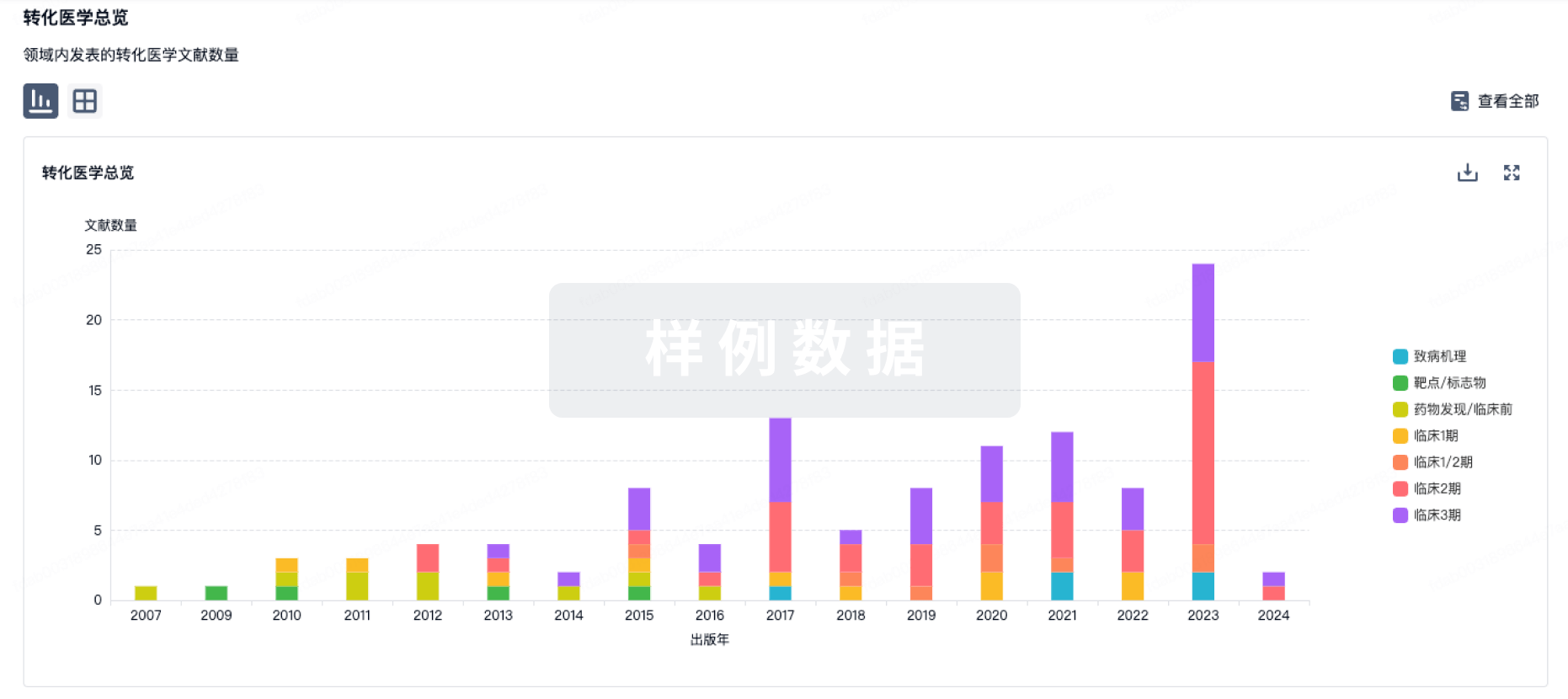
药物交易
使用我们的药物交易数据加速您的研究。
登录
或
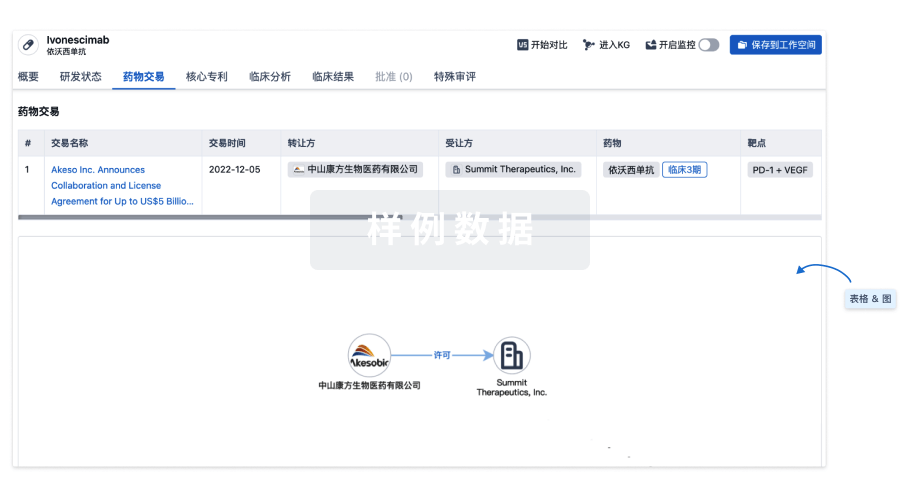
核心专利
使用我们的核心专利数据促进您的研究。
登录
或
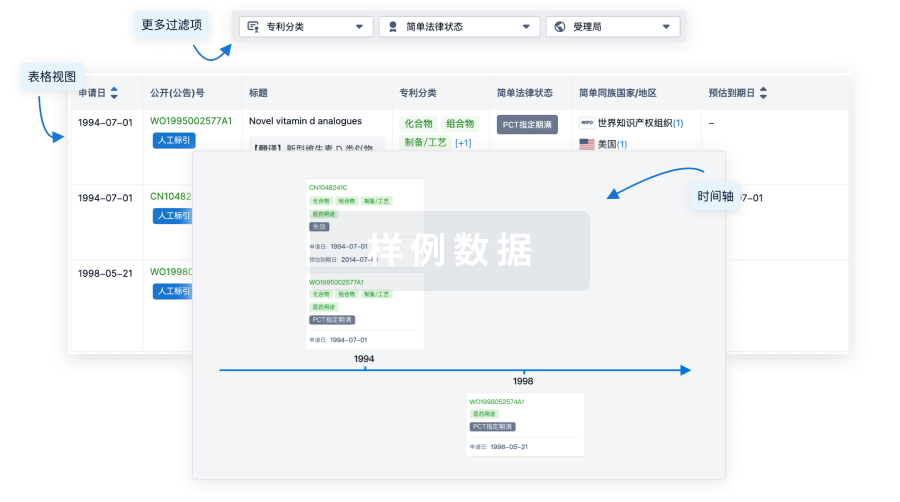
临床分析
紧跟全球注册中心的最新临床试验。
登录
或
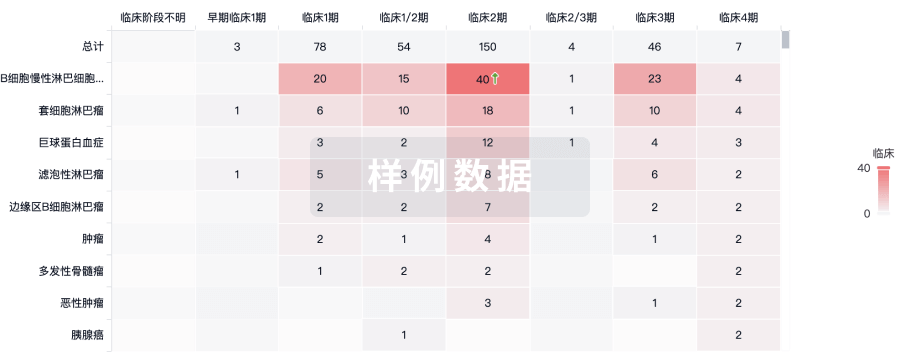
批准
利用最新的监管批准信息加速您的研究。
登录
或
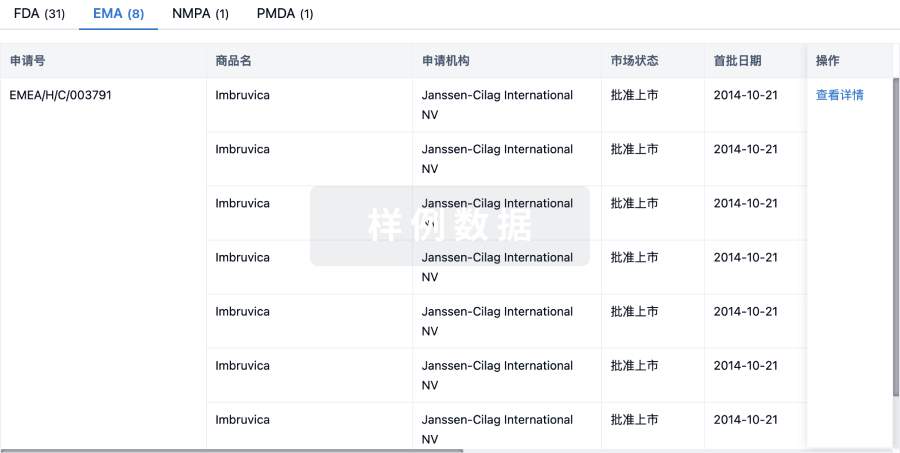
特殊审评
只需点击几下即可了解关键药物信息。
登录
或
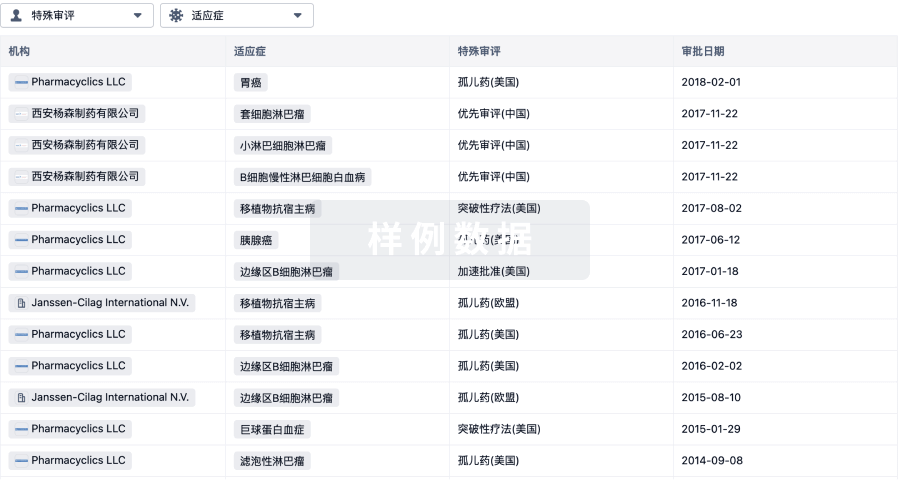
提出任何生物医药研究问题
让每一步生物医药决策都精准制胜
基于十亿级生物数据与全球情报的精准 AI,赋能早期药物发现
立即开始免费试用!
智慧芽新药情报库是智慧芽专为生命科学人士构建的基于AI的创新药情报平台,助您全方位提升您的研发与决策效率。
立即接入生物医药数据包
智慧芽新药库数据也通过智慧芽开放平台,以MCP或API服务形式对外开放。立即使用我们的MCP服务定制您的LLM智能体。
生物序列数据库
生物药研发创新
免费使用
化学结构数据库
小分子化药研发创新
免费使用