预约演示
更新于:2026-02-07
BRD4770
更新于:2026-02-07
概要
基本信息
在研机构- |
权益机构- |
最高研发阶段无进展临床前 |
首次获批日期- |
最高研发阶段(中国)- |
特殊审评- |

结构/序列
分子式C25H23N3O3 |
InChIKeyUCGWYCMPZXDHNR-UHFFFAOYSA-N |
CAS号1374601-40-7 |
关联
100 项与 BRD4770 相关的临床结果
登录后查看更多信息
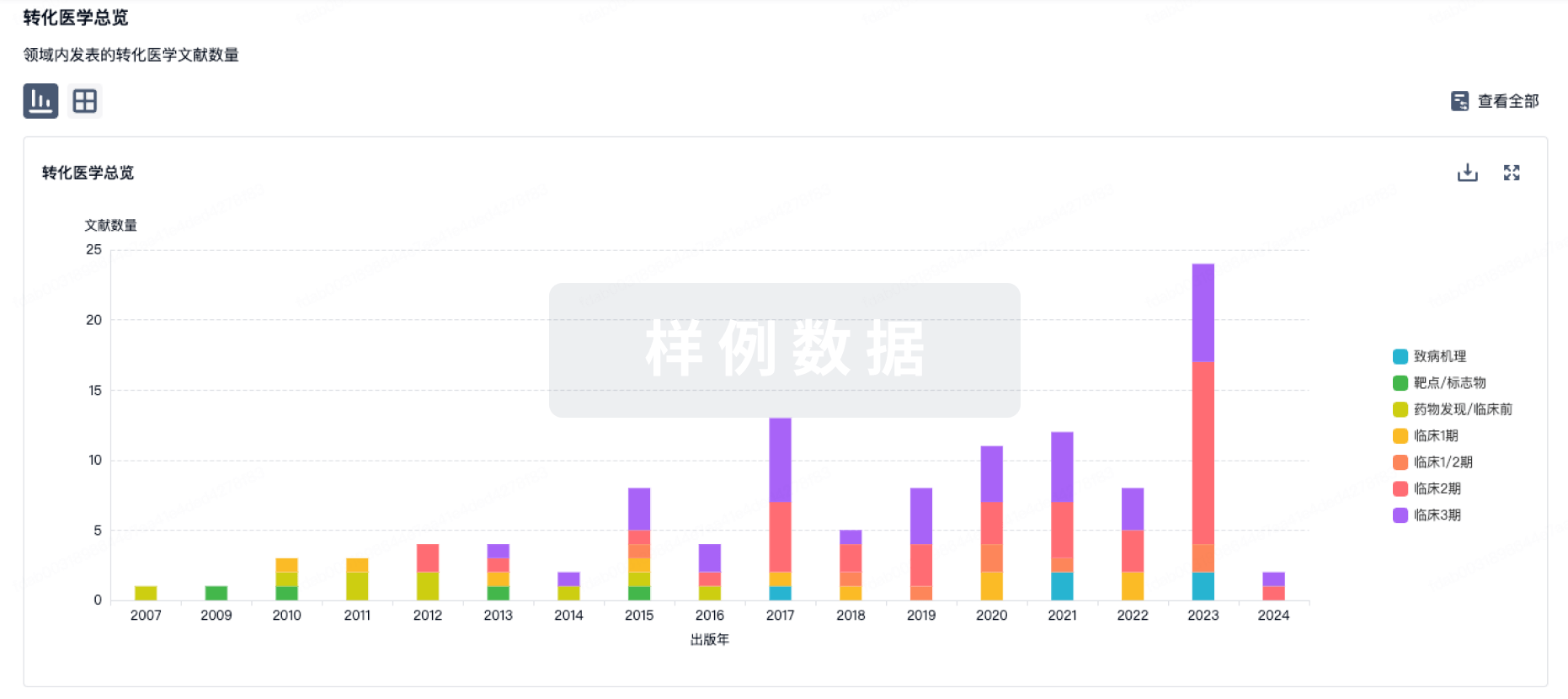
100 项与 BRD4770 相关的转化医学
登录后查看更多信息
100 项与 BRD4770 相关的专利(医药)
登录后查看更多信息
21
项与 BRD4770 相关的文献(医药)2026-03-01·JOURNAL OF NUTRITIONAL BIOCHEMISTRY
Maternal carbohydrate-programming enhances carbohydrate utilization in zebrafish offspring by histone H3K9 methylation
Article
作者: You, Jun-Jie ; He, Shan ; Lu, Hong-Liang ; Li, Ling ; Miao, Yun-Liang ; Hu, Zi-Jun ; Zou, Jia-Ming
Accompanied by the increased intake of carbohydrate-rich foods, the utilization of carbohydrate is enhanced across generations of humans, but little is known about its epigenetic mechanism. In this study, zebrafish fed with carbohydrate-rich diets for two months (carbohydrate-programming group, PG), showed the better utilization of carbohydrates than those fed with carbohydrate-normal diets (normal group, NG) in the first and the second high-carbohydrate diet challenge, including the preference for ingesting glucose, and the enhanced carbohydrate absorption and metabolism. The maternal zebrafish were mated with wild type males, and the utilization of carbohydrates was also improved in the offspring from the PG. Through RNA-seq and ATAC-seq of offspring, beside of the higher expression of glut2 gene related to glucose absorption and phip gene related to carbohydrate metabolism, the mRNA level of H3K9me2-specific histone methyltransferase gene ehmt2 was down-regulated, while the demethylase gene kdm4a was significantly up-regulated, and then the protein levels of H3K9me2 was decreased in the PG. Furthermore, the regulatory relationship of H3K9me2 with glut2 and phip was demonstrated by the treatment with the ehmt2 inhibitor BRD4770 in vitro, administration of the kdm4a inhibitor PKF-118-310 in vivo, combining with the methods of dual-luciferase, ChIP and siRNA. Therefore, the improved carbohydrate utilization induced by maternal programming could be inherited through epigenetics, provide new insights into human dietary nutrition plans and therapeutic targets for diabetes.
2025-07-11·Science Advances
BRD4770 protects against DOX-induced cardiotoxicity by inhibiting apoptosis and ferroptosis
Article
作者: Wang, Ting ; Zuo, Shengkai ; Wang, Fengshuo ; Zhang, Dongli ; Wang, Bei ; Shao, Jingrong ; Liu, Jiao ; Xiao, Rui ; Li, Jingchao ; Wang, Lulu
Doxorubicin (DOX) is an effective anticancer drug, but its clinical utility is limited mainly by cardiotoxicity causing cardiomyocyte ferroptosis and apoptosis. While DOX-induced cardiotoxicity (DIC) involves epigenetic changes, no systematic epigenetic intervention studies have been reported. Here, we identified BRD4770 as a potential small molecule against DIC through the Epigenetics Compound Library screening. BRD4770 inhibited DOX-induced cardiomyocyte ferroptosis and apoptosis by reducing reactive oxygen species (ROS) production and lipid peroxidation and maintaining glutathione homeostasis. BRD4770 treatment alleviated DIC without affecting the antitumor effects of DOX. Mechanistically, BRD4770 promoted nuclear factor erythroid 2-related factor 2 (Nrf2)/activating transcription factor 4 (ATF4)–solute carrier family 7 member 11 (SLC7A11) signaling and suppressed DOX-induced cardiomyocyte death by reducing methylation of lysine 9 on histone 3. Last, we constructed a ROS-responsive nanoliposome loaded with BRD4770 and conjugated with the cardiac-targeting peptide for primary cardiomyocyte, which provided better protection against DIC. These findings suggest that BRD4770 has the potential to prevent cardiomyocyte death–related cardiomyopathy.
2025-06-01·JOURNAL OF PHOTOCHEMISTRY AND PHOTOBIOLOGY B-BIOLOGY
Mechanistic insights into temoporfin-based photodynamic therapy: Ferroptosis as a critical regulator under normoxic and hypoxic conditions in head and neck cancer
Article
作者: Shen, Yen-Wen ; Shieh, Tzong-Ming ; Shih, Yin-Hwa ; Chou, Li-Fang ; Lin, Nan-Chin ; Wang, Tong-Hong
Temoporfin is a second-generation photosensitizer used in photodynamic therapy (PDT) for the clinical treatment of head and neck cancer. However, its role in inhibiting cancer cell viability under normoxic and hypoxic conditions remains unclear. The oral squamous cell carcinoma (OSCC) cell lines, SAS and OECM-1 were cultured under normoxic or hypoxic conditions to investigate temoporfin-based PDT-induced cell death and the underlying mechanisms. Cell viability was analyzed using the MTT assay. Intracellular reactive oxygen species (ROS) levels, cell apoptosis, intracellular ROS, iron levels, lipid peroxidation, and glutathione (GSH) levels were assessed by flow cytometry. The expression of proteins related to oxidative stress, apoptosis, autophagy, and ferroptosis was verified by western blotting. Results showed that increasing the temoporfin dose, absorption time, and illumination time was positively correlated with the inhibition of oral cancer cells. Hypoxic conditions attenuated the toxicity of temoporfin in cancer cells. OECM-1 cells were more sensitive to temoporfin than SAS cells. Temoporfin-based PDT-induced ROS exhibited similar trends to oxidative stress-inducing enzymes under both normoxic and hypoxic conditions and triggered cell autophagy and ferroptosis. Administration of the ferroptosis inhibitor BRD4770 under normoxic conditions reversed temoporfin-based PDT-induced reductions in glutathione peroxidase 4 (GPx4), increasing in light chain 3-II (LC3-II) and cleaved poly (ADP-ribose) polymerase (cleaved-PARP). This study confirms that hypoxia weakens the anticancer effects of temoporfin-based PDT and that ferroptosis plays a key role in temoporfin-based PDT-mediated cancer cell inhibition.
1
项与 BRD4770 相关的新闻(医药)2025-12-21
·今日头条
Bold Journeys, Beating Futures
在心血管研究领域,表观遗传学正日益成为揭示疾病机制的新路径。天津医科大学
左胜锴教授
在该领域的科研探索始于实验中的意外发现与学术环境的启迪,其工作始终秉持药理学者的独特视角——以临床需求为导向,致力于实现从基础研究到临床应用的转化。本期访谈将带您走进他的科研世界,共同探讨学术求索与研究思维、领域演进的机遇和挑战,以及专业期刊的建设和发展方向等多元议题。
在心血管领域科研前沿,青年医师不仅是创新生力军,更是突破未来的关键力量。为充分展现我国心血管领域杰出青年才俊的学术风采,促进科研经验与思想的深度交流,苏州工业园区东方华夏心血管健康研究院特别策划系列访谈,邀请
Cardiology Plus
青年编委会成员及科研领域表现卓越的青年医生,分享科研历程与真知灼见,以期发挥其榜样力量,激发更多青年医生的创新热情,共同推动我国心血管领域的学术繁荣与进步。
左胜锴 教授
天津医科大学药学院
展青年群星风采
筑心血管学术银河
「心路·研途」
PART.
01
从发现到聚焦,逐步确立“表观遗传修饰与心血管疾病”科研方向
Q
您的主要研究领域是“表观遗传修饰与心血管疾病”,最初是什么契机让您决定专注于这一方向?在您的研究历程中,有哪些重要的关键节点或令您难忘的时刻?
左胜锴教授:
最初转向这一方向,源于研究中的意外发现与学术环境的启发。在独立开展研究前,我的研究主要聚焦于前列腺素信号在心血管疾病中的作用,但在解析前列腺素合成酶的上游调控机制时,我们意外发现组蛋白乙酰化修饰可直接结合其启动子区域调控表达。这让我意识到,表观遗传修饰就像心血管信号网络中的精细调节元件,能在不改变DNA序列的情况下,动态响应病理刺激。
真正坚定这一方向是源自博士后期间的一项研究:我们团队发现组蛋白甲基转移酶(Dot1L)可通过介导H3K79me2激活Tbx6促进压力过载诱发的小鼠心脏肥大。相关成果近期发表于
Circulation Research
。这一过程让我深刻体会到表观遗传修饰的临床转化潜力,相比传统靶点,表观酶类更易被小分子药物调控。 我独立之后,首项成果就是筛选并验证了调控组蛋白甲基化的小分子化合物BRD4770,在阿霉素诱导的心脏毒性模型中该小分子具有极大治疗潜力,相关成果今年发表在 Science Advances 杂志上,并已申请相关专利 。
此外,天津医科大学医学表观遗传学省部共建协同创新中心的学术氛围也至关重要:中心定期邀请表观遗传领域权威专家分享前沿进展,例如在一次关于“非编码RNA与心血管稳态”的讲座中,我了解到表观修饰可实现“细胞特异性调控”,这恰好解决了我之前担忧的靶点脱靶问题。正是这些研究中的发现、关键成果的积累与学术视野的拓展,让我最终决定将表观遗传修饰与心血管疾病作为独立的科研方向。
指导学生进行实验
进行学术报告
PART.
02
药理学思维助力:从临床需求倒推研究方向,避免与临床实践脱节
Q
您的专业背景是药理学,这一背景为您的心血管疾病机制研究提供了哪些独特的视角、思维或研究习惯?
左胜锴教授:
药理学背景让我始终带着临床转化的思维开展基础研究,不只是解析机制,更要思考这些发现能否解决临床问题。以心力衰竭(简称心衰)的临床治疗现状为例:“金三角”方案即血管紧张素转换酶抑制剂/血管紧张素受体拮抗剂/血管紧张素受体脑啡肽酶抑制剂(ACEI/ARB/ARNI)、β受体阻滞剂、醛固酮受体拮抗剂(MRA),虽能改善心衰患者预后,但长期应用存在明显局限,ACEI类药物的副作用干咳会导致30%的患者停药,MRA的高钾血症风险限制了肾功能不全患者的使用。
基于对临床瓶颈的深刻理解,我在筛选表观遗传靶点时,会额外增加安全评估维度:例如在研究组蛋白去乙酰化酶(HDACs)时,优先检测其对肾脏排钾通道(如ROMK)的影响,避免重蹈现有药物的安全覆辙;在设计表观药物分子时,也会借鉴药理学中的药代动力学原理,确保药物能穿透心肌组织且半衰期适配临床给药频率。
简而言之,药理学背景让我养成了从临床需求倒推研究方向的习惯,避免基础研究与临床实践脱节。
参加“中国药”的系列活动
PART.
03
从瓶颈到突破:CRTH2非经典功能的发现与科研思维的转型
Q
您以第一作者或通讯作者已经发表了10余篇SCI论文,请您介绍一下其中印象最深刻的研究成果?以及这些研究成果的临床价值、启示或意义?
左胜锴教授:
印象最深的是博士期间关于前列腺素D2受体CRTH2的研究,该课题持续 5年,几乎贯穿了我的博士生涯,让我完成了从“科研新手”到“能独立思考”的转变。 研究初期,我遵循CRTH2的经典功能,即调控TH2细胞介导的炎症反应,设计实验探索其在急性心肌梗死(简称心梗)中的作用。但连续一年的结果显示,CRTH2敲除小鼠的炎症细胞浸润和炎症因子(如白介素[IL-4]、IL-13)水平与野生型无显著差异,使研究一度陷入瓶颈。直至一次实验中的偶然观察,我发现CRTH2敲除小鼠的心肌细胞凋亡率显著低于对照组。这一意外发现让我跳出炎症调控的固定思维,转向心肌细胞自主调控方向。后续通过蛋白互作、免疫共沉淀等实验,我们最终解析出机制:CRTH2可通过钙信号活化钙蛋白酶,从而激活Caspase-12介导的内质网凋亡途径,促进心肌细胞死亡。这项研究的意义不仅在于发现了CRTH2的非经典功能,更给了我重要启示:科研不能只遵循经典,要敢于质疑现有认知。
从临床价值看,这项研究为急性心梗治疗提供了非抗炎的新靶点。我们后续探索了CRTH2小分子抑制剂,发现其在小鼠心梗模型中可明显减少心梗面积,且无传统抗炎药物的免疫抑制副作用,为临床转化奠定了基础。我在博士后期间关于CRTH2在成纤维细胞、B细胞中的功能研究,也正是基于上述课题建立的细胞特异性调控思路展开。
PART.
04
未来方向:构建“图谱-机制-干预”表观遗传研究体系,推动临床转化
Q
基于现有研究成果和经验,您未来会在哪些研究方向上继续深入?有哪些初步规划或设想?
左胜锴教授:
未来,我仍会聚焦表观遗传修饰与心血管疾病,但会从机制解析向精准调控升级,具体将通过三个步骤有序推进:
第一步,构建心血管疾病表观修饰图谱。我们计划以病理性心肌肥厚、急性心梗、心衰为核心模型,结合空间修饰组学、单细胞测序技术,绘制不同疾病阶段、不同细胞类型(心肌细胞、成纤维细胞、内皮细胞)的表观修饰动态变化谱系。例如,明确心肌肥厚早期组蛋白H3K27ac升高,而晚期转为H3K9me3升高,为疾病分期提供表观标志物。
第二步,解析关键表观酶的功能机制。目前我们已发现线粒体组蛋白去乙酰化酶(SIRT3)可通过调控线粒体代谢关键酶的乙酰化水平,改善心肌能量代谢;下一步将深入探索其与心肌细胞焦亡的关联,明确能否通过激活SIRT3同时实现能量保护与抗炎的双重效果。
第三步,开发精准干预策略。针对已验证的靶点,我们将联合药学团队设计特异性干预手段,如基于组蛋白修饰位点的肽类抑制剂,减少对其他组织的脱靶效应;同时探索表观药物与现有药物的联合应用,如HDAC抑制剂与ARNI联用,能否进一步降低心衰患者的再住院率。
最终目标是构建“图谱-机制-干预”三位一体的表观遗传研究体系,推动表观遗传靶点从基础研究走向临床转化。
PART.
05
直面当代科研领域的机遇与挑战,夯实基础,敢于试错
Q
从您的经验来看,从事心血管疾病机制研究可能面临哪些核心机遇与挑战?对青年研究者进入类似领域您有何建议?
左胜锴教授:
这是一个非常好的问题。当前领域的机遇与挑战,本质上都源于技术革新与学科交叉。
机遇方面,新技术为我们打开了前所未有的研究视角:例如,空间转录组学能让我们在心梗的“梗死区-交界区-正常区”原位观察表观修饰的差异,不再依赖传统的组织匀浆分析。人工智能(AI)辅助的多组学分析可快速从海量数据中筛选出关键调控节点,我们团队曾用AI分析心肌肥厚的修饰组数据,将候选靶点从200个缩小到12个,极大提升了研究效率。
而挑战则在于学科交叉带来的能力要求提升:比如要解读空间修饰组数据,需要掌握生物信息学的分析工具;要开发表观药物,需要了解药物化学的基本原理。这就要求研究者突破传统心血管领域的知识边界,主动建立跨学科的合作与交流。
对青年研究者的建议,核心是打好基础,敢于试错:打好基础不是指重复做基础实验,而是在每次实验中积累“问题意识”,比如做 Western blot时,不仅要看条带强弱,还要思考“为什么这个蛋白在病理状态下有差异”、“是否有其他修饰影响其表达”;敢于试错则是指不要害怕实验失败,我博士期间的CRTH2研究,前半年动物实验都以失败告终,但正是这些失败让我排除了错误方向。此外,建议多参加学术会议,哪怕只是听报告,也能拓宽学术视野。我本人正是在一次会议上听到表观遗传与心血管的关联报告后,才萌生了转向这一研究领域的想法。
PART.
06
立足中国,面向世界,搭建连接基础与临床、国内与国际的桥梁
Q
作为
Cardiology Plus
期刊的青年编委,您认为(或期待)期刊在推动心血管领域的学术交流和创新成果传播上,可以发挥哪些作用?您对期刊未来的发展有何建议或期许?
左胜锴教授:
Cardiology Plus
涵盖基础到临床的全领域内容,这是其独特优势,我期待期刊能成为“连接基础研究与临床实践、链接国内与国际学术资源”的桥梁,具体有三点建议:第一,坚持国际化评审标准,兼顾青年学者成长。建议建立“双盲评审 + 领域专家复核”机制,既确保稿件质量(如邀请国际知名学者参与评审),又为青年研究者提供建设性意见(比如在评审意见中指出具体的实验设计改进方向,而非单纯拒稿),帮助更多青年学者的优质成果获得认可。第二,搭建“临床与基础对话”平台。可以定期举办诸如“临床问题直通车”活动:由临床医生提出实际难题(如心衰患者对β受体阻滞剂的应答差异原因、心梗后心律失常的预警指标等),基础研究者分享相关机制研究进展,促进“临床需求牵引基础研究,基础成果解决临床问题”。若能围绕这些话题组织专题讨论,可能会碰撞出很多新思路。第三,加强热点领域引领与权威观点传播。针对心血管领域前沿方向(如单细胞表观遗传、AI辅助心血管药物研发等),邀请领域权威专家撰写综述或评论文章,帮助读者快速把握领域动态;同时对重大突破成果(如新型表观药物的临床试验结果)组织“专家点评”,解读其科学价值与临床意义,提升期刊的学术引领性。
最后,我相信
Cardiology Plus
一定能逐步成长为国际心血管领域认可的权威期刊,藉此能让中国学者的优秀成果被更多国际同行看到,也让国际前沿进展快速传递到国内,真正推动全球心血管领域的学术繁荣。
快
问
快
答
Q
论文“小白”医生想发第一篇SCI,您会建议他先做什么?
A
建议从写综述入手,但不是简单罗列文献,先通过PubMed、Web of Science梳理领域内近5年的高被引论文,找出“未解决的关键问题”(比如“表观遗传修饰在心衰中的细胞特异性机制尚未明确”),再围绕这个问题组织综述结构,既展现对领域的理解,也能为后续研究找到方向。
Q
您最常在什么时间段写论文?
A
没有固定时间段,但必须保证2小时以上的连续时间。写论文需要“思路连贯”,碎片化时间容易打断逻辑,我通常会在周末上午或晚上孩子睡后,集中精力撰写,效率更高。
Q
您改论文最晚曾改到几点?
A
改论文最晚到过凌晨1点,但不会通宵,论文修改需要“清晰的逻辑判断”,熬夜容易忽略细节;不过曾经为了赶国家自然科学基金标书,通宵过一次,之后还是尽量提前规划,避免熬夜。
Q
熬夜时您通常喝什么饮料/吃什么零食“续命”?
A
会喝含糖的可口可乐,快速补充能量,偶尔也会吃点坚果。
Q
论文写作时,哪一部分您写得最快?哪一部分最“煎熬”?
A
Method部分最快;最“煎熬”的是Discussion部分,需要把结果放在领域大背景下,既要突出创新点,也要客观分析不足,每一句话都要反复斟酌,确保严谨。
Q
您最常用到的图表工具是什么?
A
Prism-GraphPad。
Q
论文修改最多的一篇达到多少次?
A
不太记得了,肯定有20次以上。
Q
研究或投稿不顺利时,您如何有效应对挫折/进行心理调适?
A
不顺利时会先停一停,把数据打印出来逐行捋,找核心卡点;或实在闷了就去操场跑两圈,汗水能冲走焦虑,回头再看问题往往没那么难。
Q
您认为 “神仙”科研搭档最重要的特质是什么?
A
敢说真话;能互补;相互理解,能扛事。
Q
用两三个词或一句话来概括您的医学或科研之路?
A
感恩,不放弃。
Q
回顾发表论文的经历,您最想提醒萌新们避开的“深坑”是什么?
A
如果意见和导师不一致时,要听从老师的建议。
专家简介
左胜锴 教授
天津医科大学药学院
教授,独立PI,博士生导师。2018年1月于中科院上海生命科学研究院获得博士学位。2022年1月加入天津医科大学药学院。主要研究方向为表观遗传修饰在心血管疾病中的作用机制,目标是解析心血管疾病的内在分子机制和寻找潜在的干预靶点。曾获得中国博士后创新人才支持计划和面上项目一等资助,主持国自然青年和面上等项目。共发表研究论文三十余篇,其中以第一或通讯作者发表在
EMBO J、Circ Res
和
Adv Sci
等学术期刊上。社会兼职包括担任中国生理学会循环生理专业委员会委员和天津市药理学会临床药理专业委员会常务委员等,是
Circ Res
和
Redox Biol
等多个杂志的审稿人。
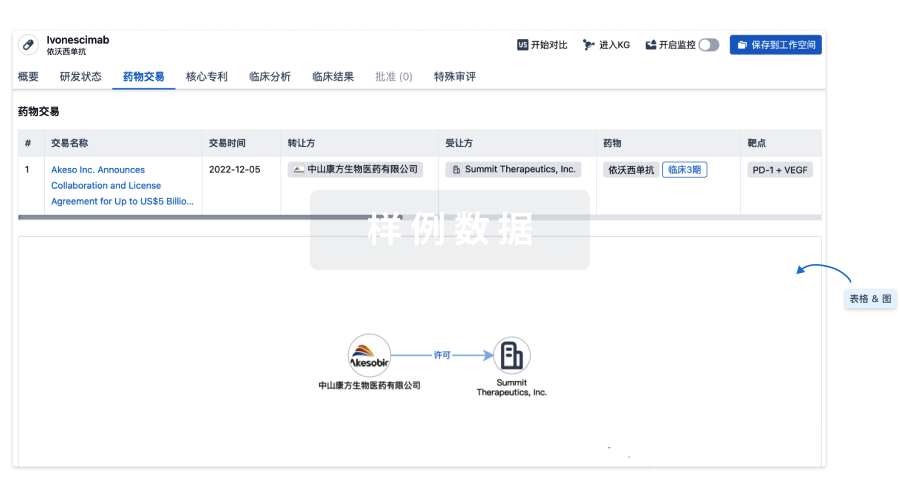
100 项与 BRD4770 相关的药物交易
登录后查看更多信息
研发状态
10 条进展最快的记录, 后查看更多信息
登录
| 适应症 | 最高研发状态 | 国家/地区 | 公司 | 日期 |
|---|---|---|---|---|
| 胰腺癌 | 临床前 | 美国 | 2012-04-30 |
登录后查看更多信息
临床结果
临床结果
适应症
分期
评价
查看全部结果
| 研究 | 分期 | 人群特征 | 评价人数 | 分组 | 结果 | 评价 | 发布日期 |
|---|
No Data | |||||||
登录后查看更多信息
转化医学
使用我们的转化医学数据加速您的研究。
登录
或
药物交易
使用我们的药物交易数据加速您的研究。
登录
或
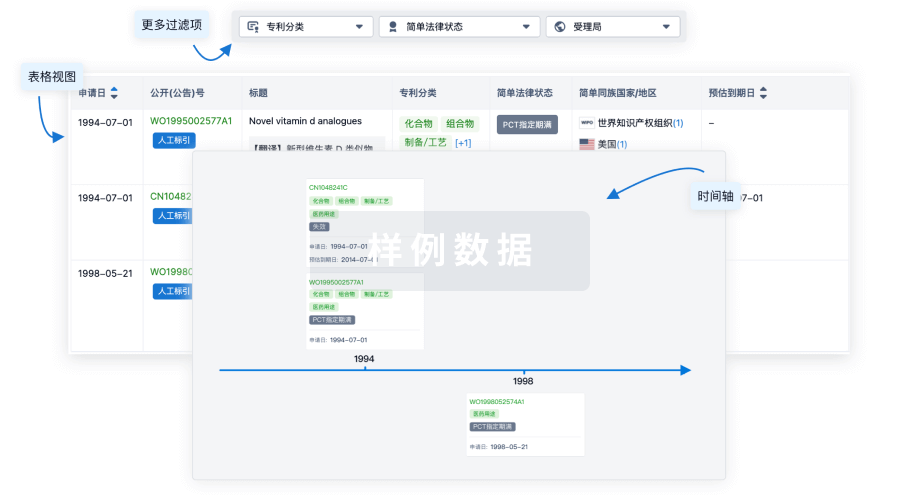
核心专利
使用我们的核心专利数据促进您的研究。
登录
或
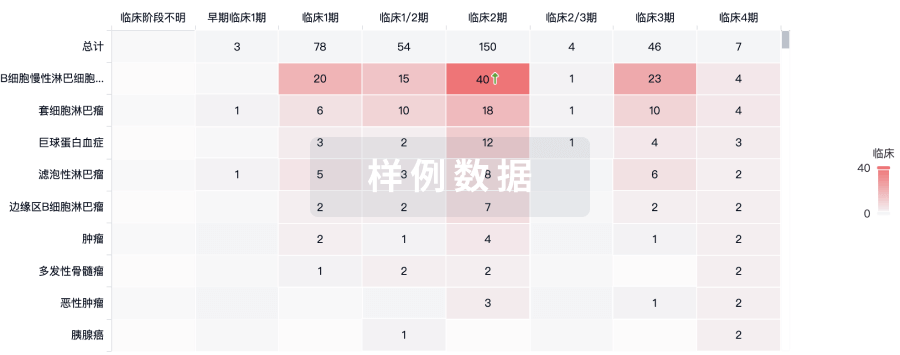
临床分析
紧跟全球注册中心的最新临床试验。
登录
或
批准
利用最新的监管批准信息加速您的研究。
登录
或
特殊审评
只需点击几下即可了解关键药物信息。
登录
或
生物医药百科问答
全新生物医药AI Agent 覆盖科研全链路,让突破性发现快人一步
立即开始免费试用!
智慧芽新药情报库是智慧芽专为生命科学人士构建的基于AI的创新药情报平台,助您全方位提升您的研发与决策效率。
立即开始数据试用!
智慧芽新药库数据也通过智慧芽数据服务平台,以API或者数据包形式对外开放,助您更加充分利用智慧芽新药情报信息。
生物序列数据库
生物药研发创新
免费使用
化学结构数据库
小分子化药研发创新
免费使用