预约演示
更新于:2026-08-18

The Broad Institute, Inc.
更新于:2026-08-18
概览
标签
肿瘤
其他疾病
神经系统疾病
小分子化药
寡核苷酸
腺相关病毒基因治疗
疾病领域得分
一眼洞穿机构专注的疾病领域

技术平台
公司药物应用最多的技术
靶点
公司最常开发的靶点
关联
靶点 |
作用机制 |
在研机构 |
原研机构 |
在研适应症 |
非在研适应症 |
最高研发阶段 |
首次获批国家/地区 |
首次获批日期 |


靶点 |
作用机制 |
在研机构 |
原研机构 |
在研适应症 |
非在研适应症 |
最高研发阶段 |
首次获批国家/地区 |
首次获批日期 |


靶点 |
作用机制 |
在研机构 |
原研机构 |
在研适应症 |
非在研适应症 |
最高研发阶段 |
首次获批国家/地区 |
首次获批日期 |
NCT07717970
Metabolomics-Driven Insights Into Ultra-Processed Foods: Identifying High-Risk UPF Subtypes for T2D Prevention

NCT07444580
An Open-label, Single Ascending Dose Study to Evaluate the Safety, Tolerability, Pharmacokinetics and Pharmacodynamics of Intrathecally Administered PrP-siRNA in Adult Patients Diagnosed With Symptomatic Prion Disease.
NCT06691217
Effects of IL-1 Beta Inhibition on Vascular Inflammation in TET2 Clonal Hematopoiesis

100 项与 The Broad Institute, Inc. 相关的临床结果
登录后查看更多信息
登录后查看更多信息
2026-12-01Med-X
Bioinspired bioadhesion: translating nature’s adhesive strategies into regenerative medicine
Review
作者: Zhang, Yu Shrike ; Chapa, Fabiola ; He, Jacqueline Jialu ; Medina, David Hyram Hernández ; Jetha-Jamal, Tsandni Wasram ; Singh, Bibhor ; Maharjan, Sushila
Abstract:
In nature, many organisms, such as mussels, geckos, tree frogs, octopuses, and salamanders, have evolved remarkable bioadhesion strategies, that enable them to attach to wet environments, climb vertical or inverted surfaces, and capture preys. These strategies rely on chemical interactions mediated by secreted bioadhesives as well as physical forces, including but not limited to friction, van der Waals interactions, capillary forces, and vacuum suction, arising from specialized micro- and nanostructures. Chemical bioadhesives, composed of proteins, polysaccharides, or other macromolecules, facilitate strong, reversible or irreversible adhesion to wet or dynamic surfaces, as exemplified by mussel byssal threads and tree frog toe pad mucus. These adhesives act through mechanisms such as covalent bonding, metal coordination, hydrogen bonding, and electrostatic interactions. This review outlines recent advances in both chemical and physical bioadhesion strategies. We examine the adhesion principles used by mussels, geckos, tree frogs, octopuses, and other organisms that secrete adhesive chemicals, emphasizing the roles of micro- and nanostructures, interfacial forces, and soft contact mechanics. We also present design strategies for creating artificial adhesives inspired by these biological systems and describe their applications in regenerative medicine. Finally, we discuss current challenges and future directions in bioinspired and chemically based adhesion.Graphical Abstract
2026-10-01VIROLOGY
Divergent poxvirus identified in a non-native black rat from Madagascar
Article
作者: Van Der Pol, William J ; Ramboninarimalala, Antsa ; Varsani, Arvind ; Randrianarisoa, Santatriniaina F ; Lefkowitz, Elliot J ; Kraberger, Simona ; Yoder, Anne D ; Finley, Nina L ; Raveloson, Laurent ; Baitchman, Eric ; Johnston, Rachel A ; Raherinirina, Toussaint G ; Paietta, Elise N ; Hendrickson, R Curtis ; Scotch, Matthew ; Razanamahenina, Tahina T
Non-native rodents serve as bridges between anthropogenic and natural landscapes. They have expanded across the planet alongside humans while bringing competition, predation, and pathogens, such as poxviruses, to naïve ecosystems. Although rodents serve as reservoirs for multiple zoonotic poxviruses, limited research has focused on rodents for identification of unknown poxviruses. Here, we characterized a divergent metagenome-assembled poxvirus, madamurpox virus, from the oral swab of a black rat in southeastern Madagascar. While madamurpox virus shares a phylogenetic relationship with human-infecting molluscum contagiosum virus and bat-associated Rousettus poxvirus, madamurpox virus presents extensive genetic variation and represents a putative new species and genus in the Chordopoxvirinae subfamily. Further, although madamurpox virus has a similar genome organization to molluscum contagiosum virus and Rousettus poxvirus, madamurpox virus lacks key immune modulators seen in molluscum contagiosum virus. Our findings highlight that substantial unexplored poxvirus diversity likely exists in rodents, with globally distributed, non-native rodent populations of increased interest.
2026-08-01GENETICS IN MEDICINE
ClinGen variant curation interface workshops: Training variant scientists on an international platform
Article
作者: Hegde, Madhuri ; Mandell, Mark ; Lumaka, Aimé ; Plon, Sharon E ; Carstens, Nadia ; Wright, Matt W ; Preston, Christine ; DiStefano, Marina ; Ngeow, Joanne ; Ritter, Deborah I ; Rehm, Heidi L ; Julius, Rolanda S ; Morales, Joannella ; Bryant, Sahia M
PURPOSE:
The Clinical Genome Resource (ClinGen) is creating a central resource of clinically relevant genetic knowledge to improve genomic medicine. Dissemination and use of the ClinGen Resource is essential to ensure broad community uptake. We report on experiences and sustained use of ClinGen tools through engaging international genetics groups based in India, Africa, and Singapore in variant classification training workshops using the ClinGen Variant Curation Interface (VCI).
METHODS:
We developed pre- and postworkshop questionnaires and analyzed ClinGen tool use following the workshops. We evaluated organizational aspects and costs of creating a dedicated ClinGen VCI instance for each workshop.
RESULTS:
The workshops yielded >200 participants, with local scientists as essential participants. Although ∼55% of participants were unfamiliar with variant classification, we found that ∼79% were likely to use the VCI after the workshop. Furthermore, we identified that ∼10% of workshop participants created permanent accounts. We estimate costs at ∼$3 per VCI instance.
CONCLUSION:
Our efforts highlight the yield of international workshops to sustained use of ClinGen's curation tools and identify areas for future consideration, such as creating user groups by experience level, and the importance of local scientist engagement in workshop deployment and organizational aspects.
2026-08-17
2026-08-17
100 项与 The Broad Institute, Inc. 相关的药物交易
登录后查看更多信息
100 项与 The Broad Institute, Inc. 相关的转化医学
登录后查看更多信息
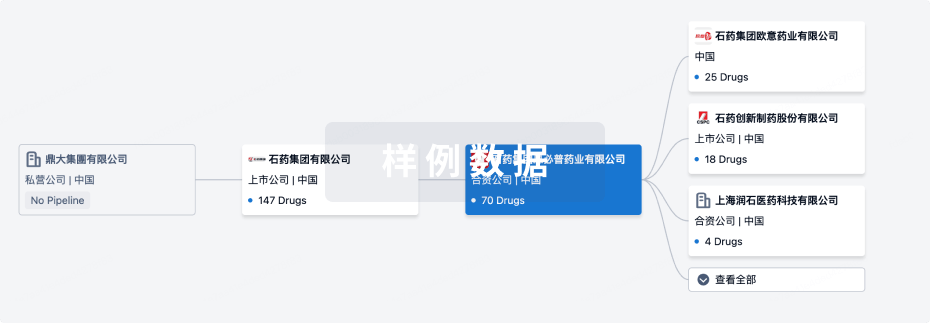
组织架构
使用我们的机构树数据加速您的研究。
登录
或
管线布局
2026年10月19日管线快照
管线布局中药物为当前组织机构及其子机构作为药物机构进行统计,早期临床1期并入临床1期,临床1/2期并入临床2期,临床2/3期并入临床3期
药物发现
11
31
临床前
临床1期
1
46
其他
登录后查看更多信息
当前项目
登录后查看更多信息
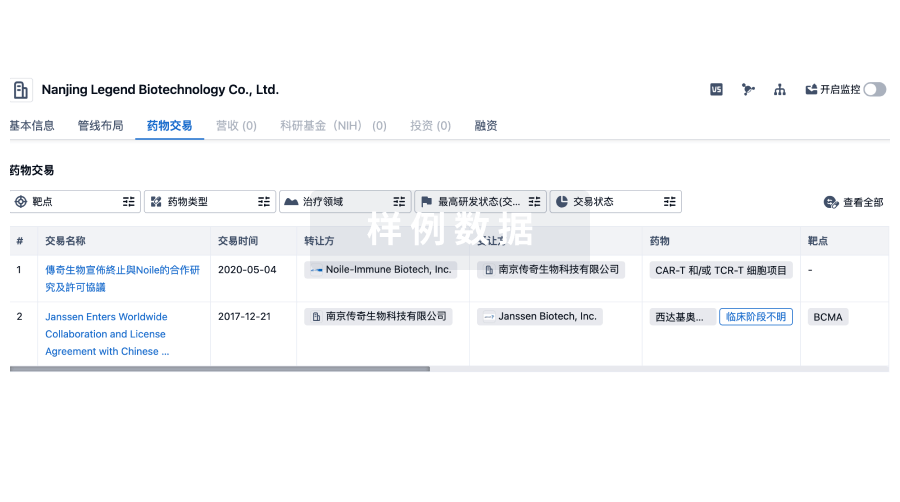
药物交易
使用我们的药物交易数据加速您的研究。
登录
或
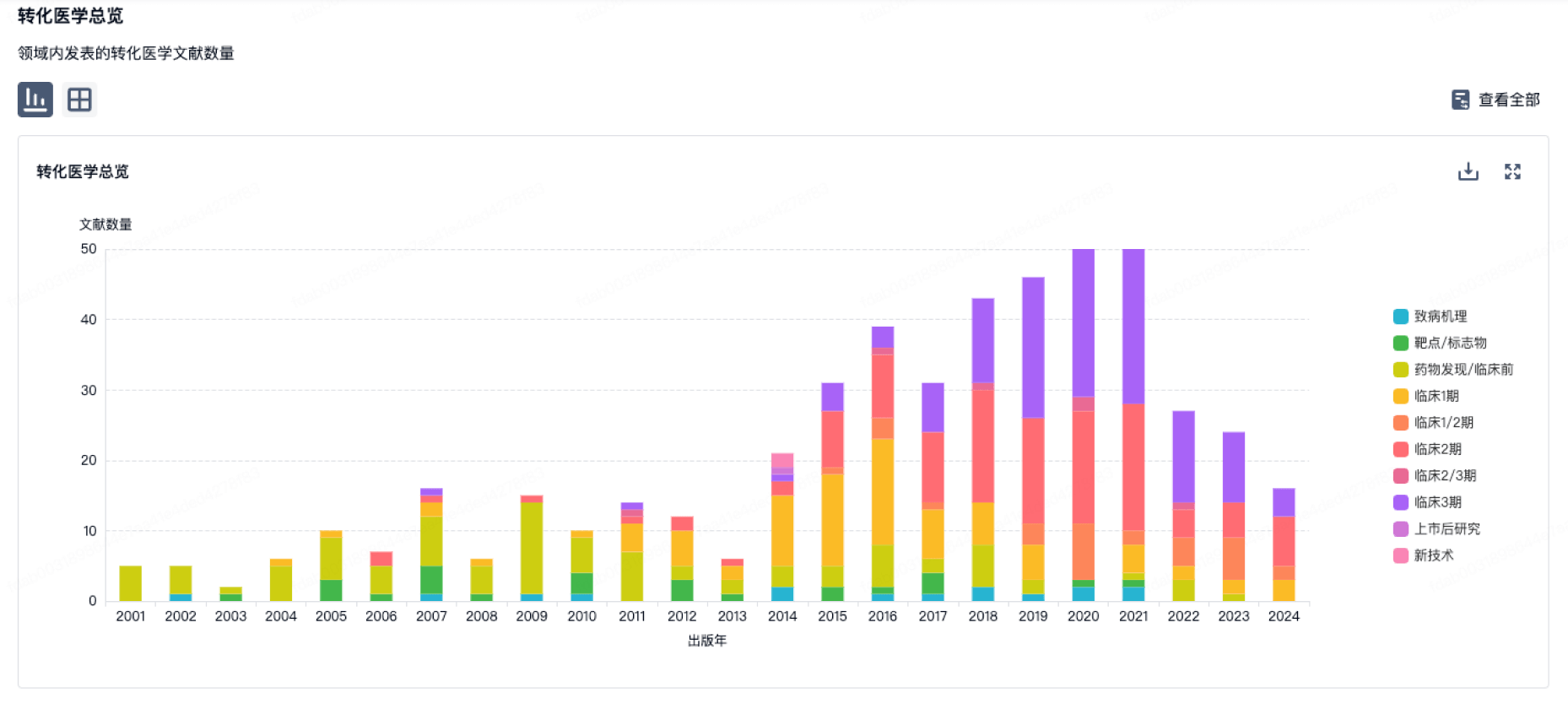
转化医学
使用我们的转化医学数据加速您的研究。
登录
或
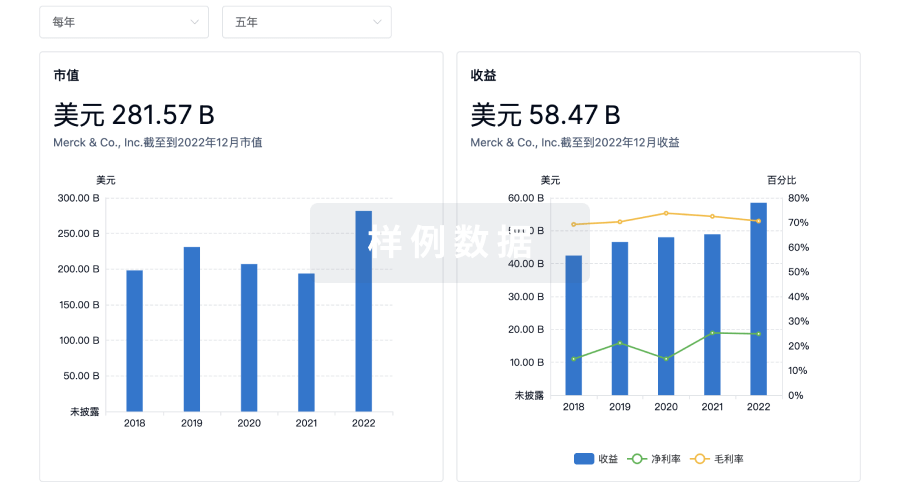
营收
使用 Synapse 探索超过 36 万个组织的财务状况。
登录
或
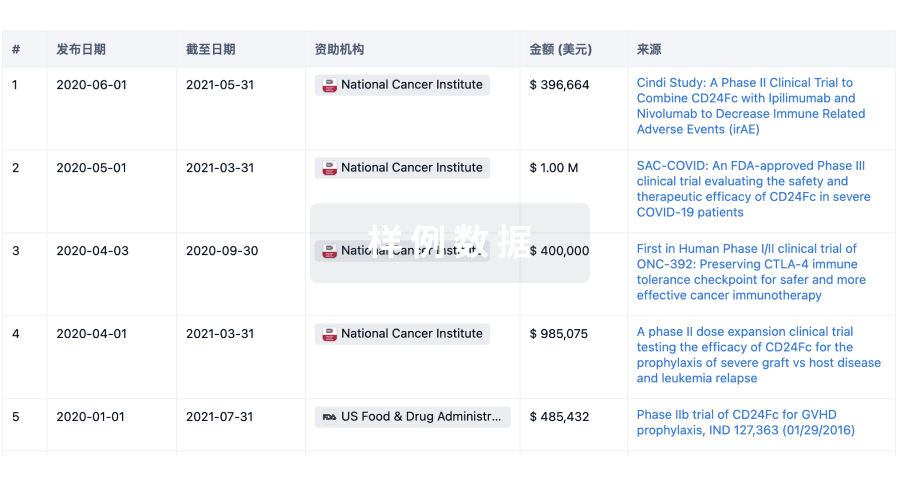
科研基金(NIH)
访问超过 200 万项资助和基金信息,以提升您的研究之旅。
登录
或
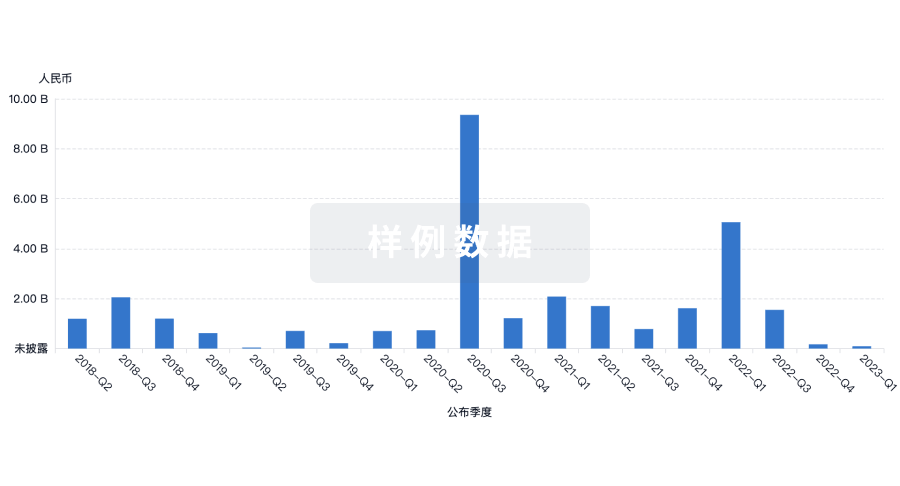
投资
深入了解从初创企业到成熟企业的最新公司投资动态。
登录
或
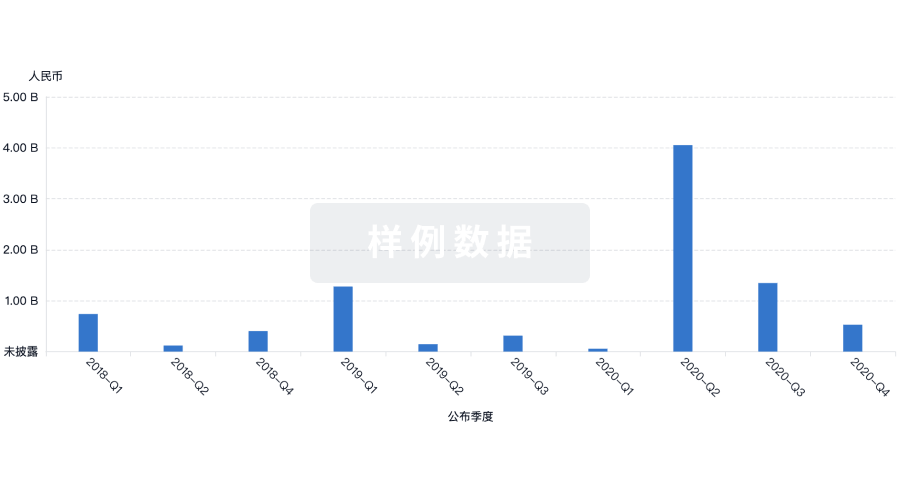
融资
发掘融资趋势以验证和推进您的投资机会。
登录
或
提出任何生物医药研究问题
让每一步生物医药决策都精准制胜
基于十亿级生物数据与全球情报的精准 AI,赋能早期药物发现
立即开始免费试用!
智慧芽新药情报库是智慧芽专为生命科学人士构建的基于AI的创新药情报平台,助您全方位提升您的研发与决策效率。
立即接入生物医药数据包
智慧芽新药库数据也通过智慧芽开放平台,以MCP或API服务形式对外开放。立即使用我们的MCP服务定制您的LLM智能体。
生物序列数据库
生物药研发创新
免费使用
化学结构数据库
小分子化药研发创新
免费使用