预约演示
更新于:2026-02-26
Ranitidine Bismuth Citrate
雷尼替丁枸橼酸铋
更新于:2026-02-26
概要
基本信息

结构/序列
分子式C19H30BiN4O10S |
InChIKeyKMNPCCNMXHDTHJ-UHFFFAOYSA-N |
CAS号128345-62-0 |
关联
10
项与 雷尼替丁枸橼酸铋 相关的临床试验IRCT20190522043672N1
A clinical trial to compare the effects of ranitidine, pantoprazole, and sucralfate on the prevention of gastrointestinal bleeding and ventilator-associated pneumonia in children under mechanical ventilation.

KCT0005871
Influence of pretreatment with ranitidine bismuth citrate on the cure rates of Helicobacter pylori eradication
IRCT2014112611956N3
Comparing the effect of of ranitidine and pantoprazole on the occurrence of ventilated associated pneumonia
100 项与 雷尼替丁枸橼酸铋 相关的临床结果
登录后查看更多信息
100 项与 雷尼替丁枸橼酸铋 相关的转化医学
登录后查看更多信息
100 项与 雷尼替丁枸橼酸铋 相关的专利(医药)
登录后查看更多信息
7,973
项与 雷尼替丁枸橼酸铋 相关的文献(医药)2026-03-16SPECTROSCOPY LETTERS
Ecological and human health risk assessment of pharmaceutical compounds in the Indian river ecosystem
作者: Ruby, Ruby ; Giri, Arup ; Dimple, Dimple ; Jyoti, Jyoti
Pharmaceutical compounds release into aquatic ecosystem has become a critical problem because they can harm aquatic organisms and humans. Humans may have serious effects due to presence of phamaceuticals in drinking water.This study aims to analyze pharmaceutical compound ecol. and human health risk assessments in thirteen Indian River ecosystems. In this study, various pharmaceuticals, such as ciprofloxacin, norfloxacin, aspirin, carbamazepine, caffeine, and ibuprofen, were detected in different river ecosystems across India. This study aims to analyze the concentrations of pharmaceutical compounds, including the risk quotient (RQ), while performing an ecol. risk assessment.For human health risk assessment, metrics such as acceptable daily intake (ADI) and the risk quotient were employed to assess human health (RQH). The health risk models revealed that the Sirsa River posed significant ecol. threats because RQ greater than 1, whereas the other rivers presented moderate risks. Children were found to be more vulnerable to pharmaceutical intake, and all the rivers presented RQH values exceeding 1 for adults, underscoring serious health concerns.This study will help categorize pharmaceutical compounds and analyze the ecol. and human health risks to water systems. This study provides key insights for policymakers and public health efforts to address pharmaceutical pollution in Indian rivers. It also aligns with the UN Sustainable Development Goals, particularly SDGs 6 and 12.
2026-02-01JOURNAL OF ONCOLOGY PHARMACY PRACTICE
Exclusion of ranitidine from premedication regimen during paclitaxel treatment: A retrospective single-center analysis
Article
作者: Iglesias-Santamaría, Araceli
Introduction:
To minimize the risk of hypersensitivity reactions (HSRs) caused by paclitaxel infusion, premedication with corticosteroid, H1-antagonist and H2 antagonist (ranitidine) was standard of care. Discontinuation of ranitidine in 2020 led to adjustments in premedication regimens and a new regimen without ranitidine was implemented in our center. This study aimed to compare the incidence of HSRs during paclitaxel treatment of a standard premedication regimen including ranitidine with a new premedication regimen without ranitidine and with a titrated infusion rate during the first two administrations.
Methods:
Retrospective data analysis was performed on two cohorts of adult patients with solid tumors who started treatment with paclitaxel and received a premedication regimen with and without ranitidine over the years 2021 and 2023 respectively (before and after ranitidine withdrawal). Univariable and multivariable logistic regression models were used to investigate any associations with H2 antagonist treatment adjusting for confounding variables.
Results:
A total of 319 patients were included. 158 patients received the standard premedication regimen with ranitidine compared to 161 patients who did not received ranitidine. HSRs were observed in 10 of 1101 administrations of paclitaxel (0,90%) in ranitidine group compared to 2 of 899 (0,22%) in the ranitidine-free cohort (p = 0.048). Analysis incidence per patient also found results with statistically significant differences: 5.7% (9 of 158 patients) in the ranitidine cohort compared to 1.2% (2 of 161 patients) in the ranitidine-free cohort (p = 0.029).
Conclusions:
The results of the study show the effectiveness of a premedication regimen including only dexchlorpherinamine and dexamethasone, along with a titrated infusion rate during the first two administrations, in reducing the incidence of paclitaxed-induced HSRs.
2026-02-01MOLECULAR NUTRITION & FOOD RESEARCH
Signal‐Level Determinants of Cognitive Decline With PPIs versus H
2
RAs: Transportome (CBLIF/TCN2) and CHRNA7 Nodes
Article
作者: Ahmed‐Farid, Omar A. ; Warda, Mohamad ; Ahmed, Inas M. ; El‐Garhy, Hoda A. S. ; Shadi‐Dizaji, Azizeh ; Yousef, Einas M. ; Nasr, Walaa S. Saif El ; Saihati, Hajir A. Al ; Bakeer, Rofanda M. ; Mosaad, Rehab M. ; Ahmed, Bushra Y.
ABSTRACT:
Emerging evidence suggests that chronic use of gastric acid‐suppressing medications may contribute to neurocognitive decline, yet the underlying mechanisms remain poorly defined. Proton pump inhibitors like omeprazole and histamine‐2 receptor antagonists such as ranitidine are widely prescribed for gastrointestinal disorders, but their long‐term impact on brain function. Forty‐eight male Wistar rats were assigned to six groups receiving either control diet, B
12
alone, omeprazole, ranitidine, or co‐treatment with B
12
for 90 days. Behavioral and cognitive assessments revealed early deficits in the drug‐only‐treated groups (omeprazole and ranitidine). Notably, B
12
ameliorated omeprazole‐induced impairments but failed to reverse ranitidine‐associated deficits, suggesting divergent neurotoxic pathways. Biochemical profiling included serum B
12
, homocysteine, cortisol, glucose, insulin, liver enzymes, and neurotransmitter. To complement these in vivo findings, an in silico approach was employed to explore molecular interactions of omeprazole and ranitidine with proteins critical for vitamin B
12
transport (CBLIF and TCN2) and cholinergic neurotransmission (CHRNA7). Together, these in vivo and in silico results suggest that omeprazole‐induced cognitive decline may involve B
12
depletion and other mechanisms, whereas ranitidine likely acts via alternative pathways. This study provides novel mechanistic insights into differential cognitive risks associated with chronic acid‐suppressing therapy, with implications for long‐term management in populations vulnerable to neurodegeneration.
12
项与 雷尼替丁枸橼酸铋 相关的新闻(医药)
100 项与 雷尼替丁枸橼酸铋 相关的药物交易
登录后查看更多信息
研发状态
临床结果
临床结果
适应症
分期
评价
查看全部结果
登录后查看更多信息
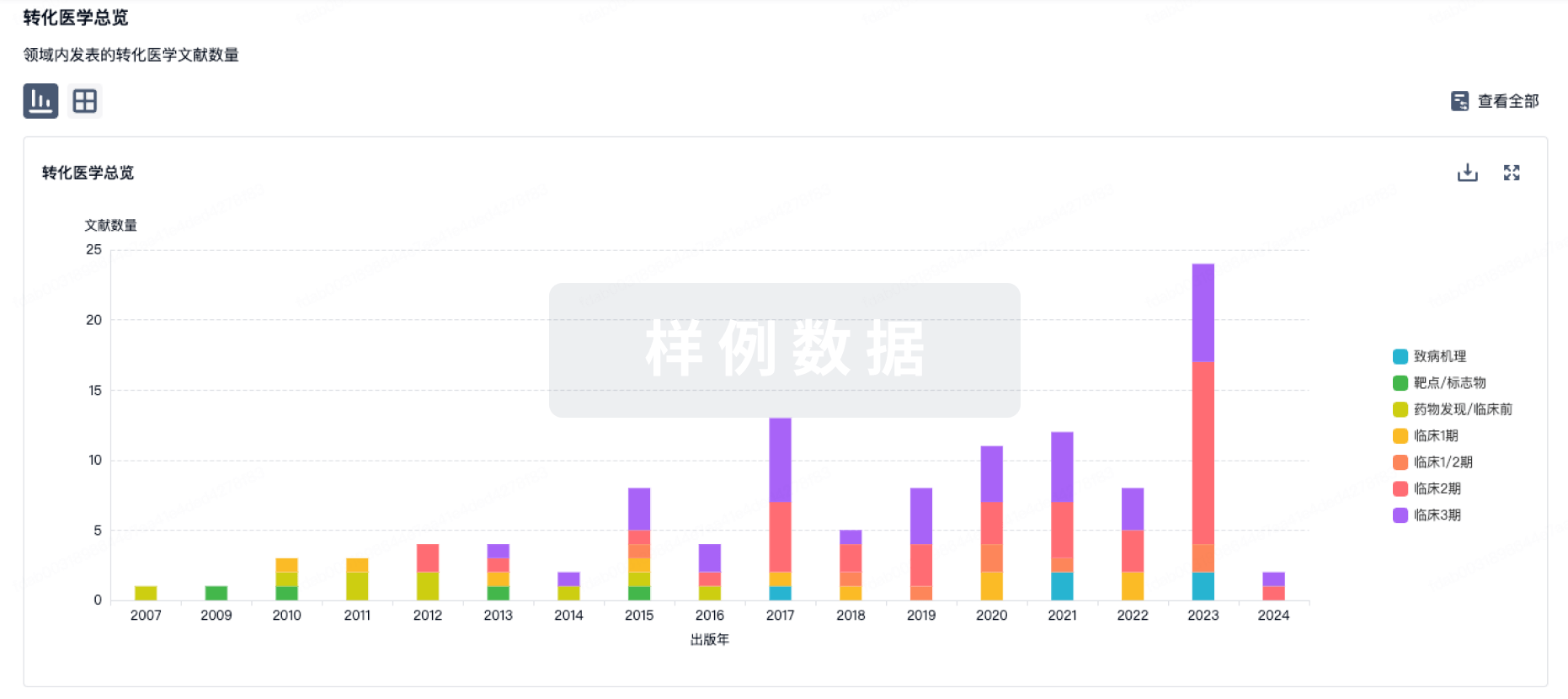
转化医学
使用我们的转化医学数据加速您的研究。
登录
或
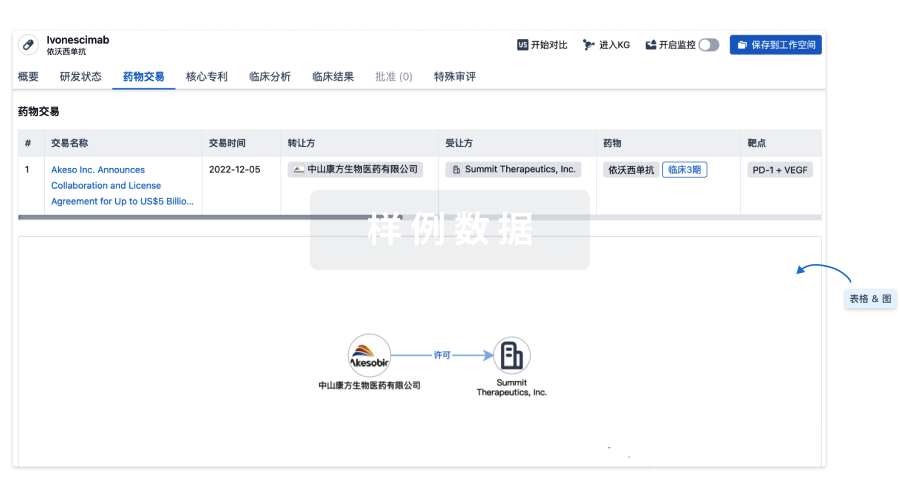
药物交易
使用我们的药物交易数据加速您的研究。
登录
或
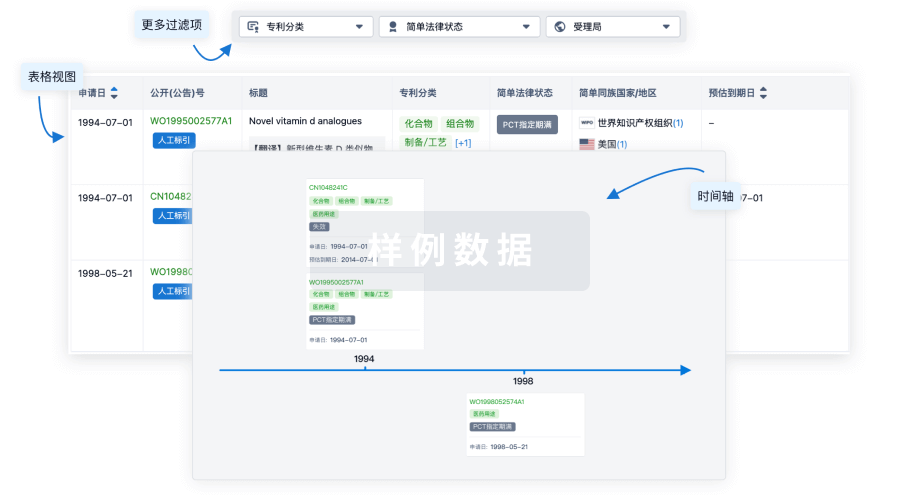
核心专利
使用我们的核心专利数据促进您的研究。
登录
或
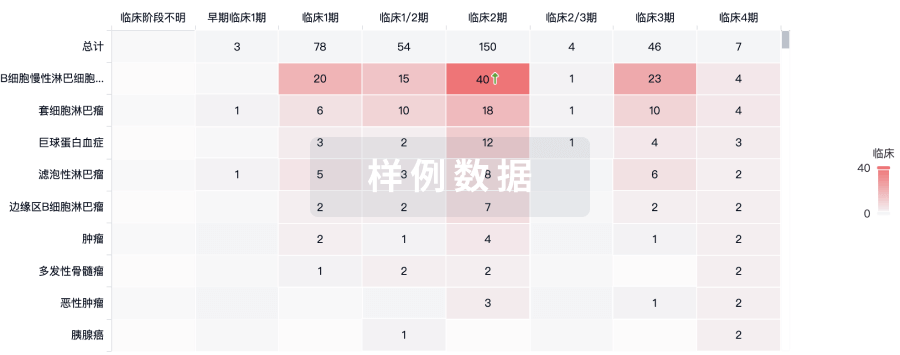
临床分析
紧跟全球注册中心的最新临床试验。
登录
或
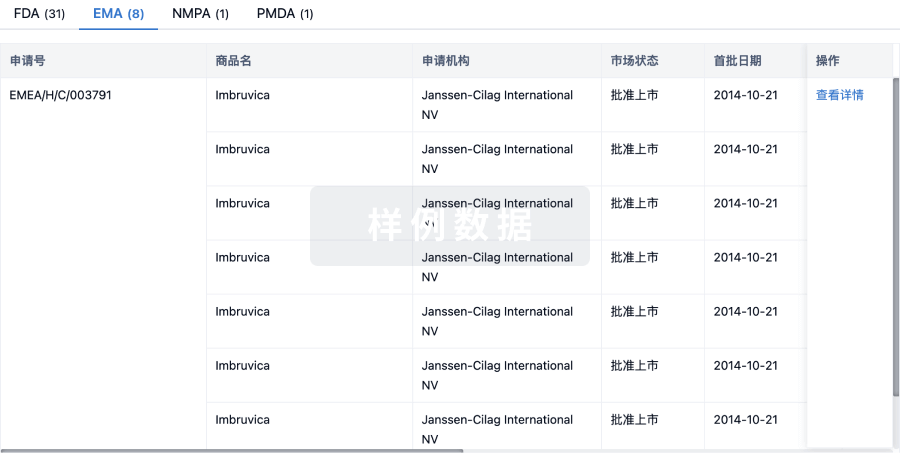
批准
利用最新的监管批准信息加速您的研究。
登录
或
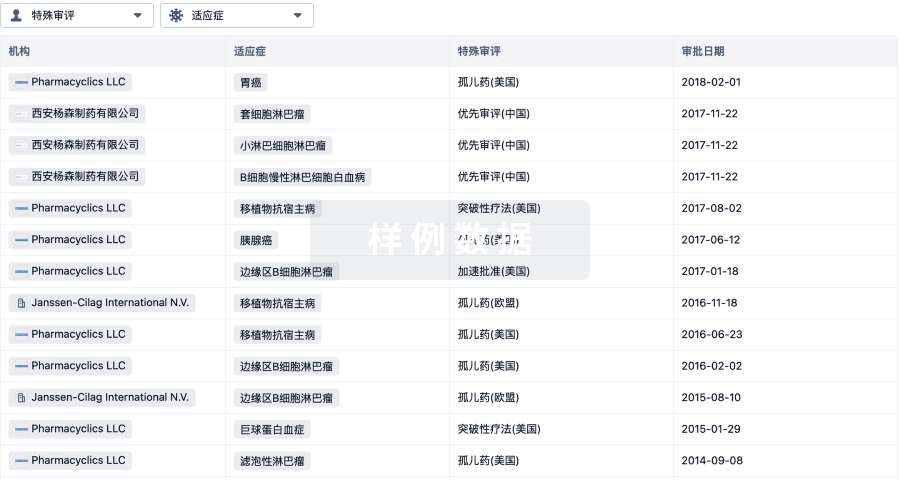
特殊审评
只需点击几下即可了解关键药物信息。
登录
或
生物医药百科问答
全新生物医药AI Agent 覆盖科研全链路,让突破性发现快人一步
立即开始免费试用!
智慧芽新药情报库是智慧芽专为生命科学人士构建的基于AI的创新药情报平台,助您全方位提升您的研发与决策效率。
立即开始数据试用!
智慧芽新药库数据也通过智慧芽数据服务平台,以API或者数据包形式对外开放,助您更加充分利用智慧芽新药情报信息。
生物序列数据库
生物药研发创新
免费使用
化学结构数据库
小分子化药研发创新
免费使用