预约演示
更新于:2026-01-24
AM-1241
更新于:2026-01-24
概要
基本信息
在研机构- |
权益机构- |
最高研发阶段无进展临床前 |
首次获批日期- |
最高研发阶段(中国)无进展 |
特殊审评- |



结构/序列
分子式C22H22IN3O3 |
InChIKeyZUHIXXCLLBMBDW-UHFFFAOYSA-N |
CAS号444912-48-5 |
关联
100 项与 AM-1241 相关的临床结果
登录后查看更多信息
100 项与 AM-1241 相关的转化医学
登录后查看更多信息
100 项与 AM-1241 相关的专利(医药)
登录后查看更多信息
128
项与 AM-1241 相关的文献(医药)2025-12-01·JOURNAL OF NEUROCHEMISTRY
Cannabinoid Ligand‐Mediated Glycogen Depletion in Astrocytes Is Associated With Increased Intracellular Calcium, Energy Metabolism, and Membrane Dynamics
Article
作者: Zorec, Robert ; Kreft, Marko ; Fink, Katja
ABSTRACT:
Astrocytes orchestrate brain energy metabolism and respond to endocannabinoids via cannabinoid receptor type 1 (CB1R), whereas the contribution of CB2R remains uncertain. We combined live‐cell Förster resonance energy transfer sensors for D‐glucose and L‐lactate, intracellular Ca
2+
imaging, glycogen assays, and whole‐cell patch‐clamp capacitance measurements to define how cannabinoid ligands shape astrocyte physiology in primary rat cultures. The CB1‐selective agonist ACEA triggered rapid, transient elevations in [Ca
2+
]ᵢ and metabolic readouts, whereas the CB2‐biased ligands AM1241 and Gp1a produced sustained metabolic effects, including prolonged increases in intracellular D‐glucose and L‐lactate. AM1241 additionally evoked glycogen depletion. Ligand applications also increased membrane capacitance, consistent with enhanced exocytotic activity and altered membrane dynamics. CB1 immunoreactivity predominated over a weak CB2‐like signal, and RT‐qPCR detected Cnr1 but not Cnr2 transcripts under our conditions. Accordingly, we interpret AM1241/Gp1a actions as ligand‐evoked effects that are predominantly CB1‐linked (and/or off‐target at the concentrations used). Together, these results show that cannabinoid ligands robustly remodel astrocytic energy metabolism and membrane behavior chiefly through CB1‐associated pathways, highlighting a functional axis between cannabinoid signaling, Ca
2+
mobilization, glycogen remodeling, and exocytosis in astrocytes.
image
2025-10-01·EUROPEAN JOURNAL OF PHARMACOLOGY
Postconditioning of AM-1241 mitigates myocardial ischemia-reperfusion injury via modulation of inflammatory, fibrosis, apoptotic and autophagy pathway in rats
Article
作者: Yadav, Harlokesh Narayan ; Kumar, Kuldeep ; Singh, Nirmal
BACKGROUND:
Pharmacological postconditioning (PostC) is an emerging and safer cardioprotective strategy against myocardial ischemia-reperfusion injury (MIRI), involving the administration of therapeutic agents at the onset of reperfusion. Activation of the cannabinoid B2 receptor plays a crucial role in cardioprotection across various cardiovascular pathologies. AM-1241, a selective cannabinoid B2 receptor agonist, exhibits multiple pharmacological properties, including anti-oxidant, anti-inflammatory, anti-apoptotic, and cardioprotective effects.
METHODOLOGY:
MIRI was induced in isolated Wistar rat hearts using the Langendorff Power Lab system by subjecting them to 30 min of global ischemia followed by 120 min of reperfusion. AM-1241 PostC (3 μM and 6 μM) was given through four cycles of 30-s ischemia and reperfusion (stoppage/free flow of the drug, respectively) before the prolonged 120-min reperfusion.
RESULTS:
MIRI-induced myocardial damage was evident through increased infarct size, elevated cardiac injury markers such as Lactate dehydrogenase-1 (LDH-1), Creatine kinase-MB (CK-MB), Cardiac troponin-I (C-tPn-I), impaired hemodynamic parameters including heart rate (HR), coronary flow rate (CFR), left ventricular developed pressure (LVDP), rate pressure product (RPP), +dp/dtmax, -dp/dtmin, and biochemical alterations such as increased thiobarbituric acid reactive species (TBARS), tumor necrosis factor-α (TNF-α), transforming growth factor- β (TGF-β), Bax, caspase-3; decreased glutathione reductase (GSH) and catalase. AM-1241 PostC significantly reduced infarct size and cardiac injury markers while improving hemodynamic and biochemical parameters. However, prior PostC of AM-630 (selective cannabinoid B2 receptor antagonist; 25 μM and 50 μM) and BML-275, an AMP activated protein kinase (AMPK) mediated autophagy inhibitor; 10 μM and 20 μM substantially abolished the cardioprotective effects of AM-1241 PostC.
CONCLUSION:
These findings suggest that AM-1241 PostC exerts cardioprotective effects in MIRI through modulation of inflammatory, fibrosis, apoptotic and AMPK-mediated autophagy pathways.
2025-08-01·CNS Neuroscience & Therapeutics
Cannabinoid Receptors CB1 and CB2 Activation Restores Hippocampal Lipid Profiles and Alleviates Autism‐Like Behaviors in Valproic Acid‐Induced ASD Rats
Article
作者: Yang, Sen ; Wang, Haoran ; Sun, Caihong ; Zhang, Mengyuan ; Jiang, Yi ; Wu, Lijie
ABSTRACT:
Objective:
Emerging evidence suggests lipid metabolism dysregulation contributes to autism spectrum disorders (ASD), with the endocannabinoid system (cannabinoid receptors CB1R/CB2R) implicated in lipid homeostasis. This study investigated whether CB1R/CB2R activation improves hippocampal lipid metabolism and ASD‐like behaviors in a valproic acid (VPA)‐induced ASD rat model.
Methods:
Male offspring from dams exposed to VPA (600 mg/kg, i.p.) received the CB1R agonist ACPA (0.1 mg/kg) or the CB2R agonist AM1241 (3 mg/kg) from postnatal days 21–27. ASD‐like behaviors (marble burying, self‐grooming, social interaction, open‐field tests) and hippocampal lipid profiles (UPLC‐MS/MS) were analyzed.
Results:
VPA‐exposed rats displayed heightened repetitive behaviors, social deficits, and hyperactivity, all significantly alleviated by ACPA and AM1241. Lipidomics revealed marked reductions in hippocampal phosphatidylcholines, lysophosphatidylcholines, fatty acids, sphingomyelins, ceramides, and phosphatidylethanolamines in VPA rats. Both agonists restored lipid levels to near normal, comparable to controls.
Conclusions:
CB1R/CB2R activation ameliorates behavioral abnormalities and rectifies hippocampal lipid dysregulation in VPA‐induced ASD models, highlighting cannabinoid receptors as potential therapeutic targets for ASD‐associated metabolic disturbances.
100 项与 AM-1241 相关的药物交易
登录后查看更多信息
研发状态
10 条进展最快的记录, 后查看更多信息
登录
| 适应症 | 最高研发状态 | 国家/地区 | 公司 | 日期 |
|---|---|---|---|---|
| 帕金森病 | 临床前 | 中国 | 2020-01-28 | |
| 疼痛 | 临床前 | 中国 | 2019-09-10 |
登录后查看更多信息
临床结果
临床结果
适应症
分期
评价
查看全部结果
| 研究 | 分期 | 人群特征 | 评价人数 | 分组 | 结果 | 评价 | 发布日期 |
|---|
No Data | |||||||
登录后查看更多信息
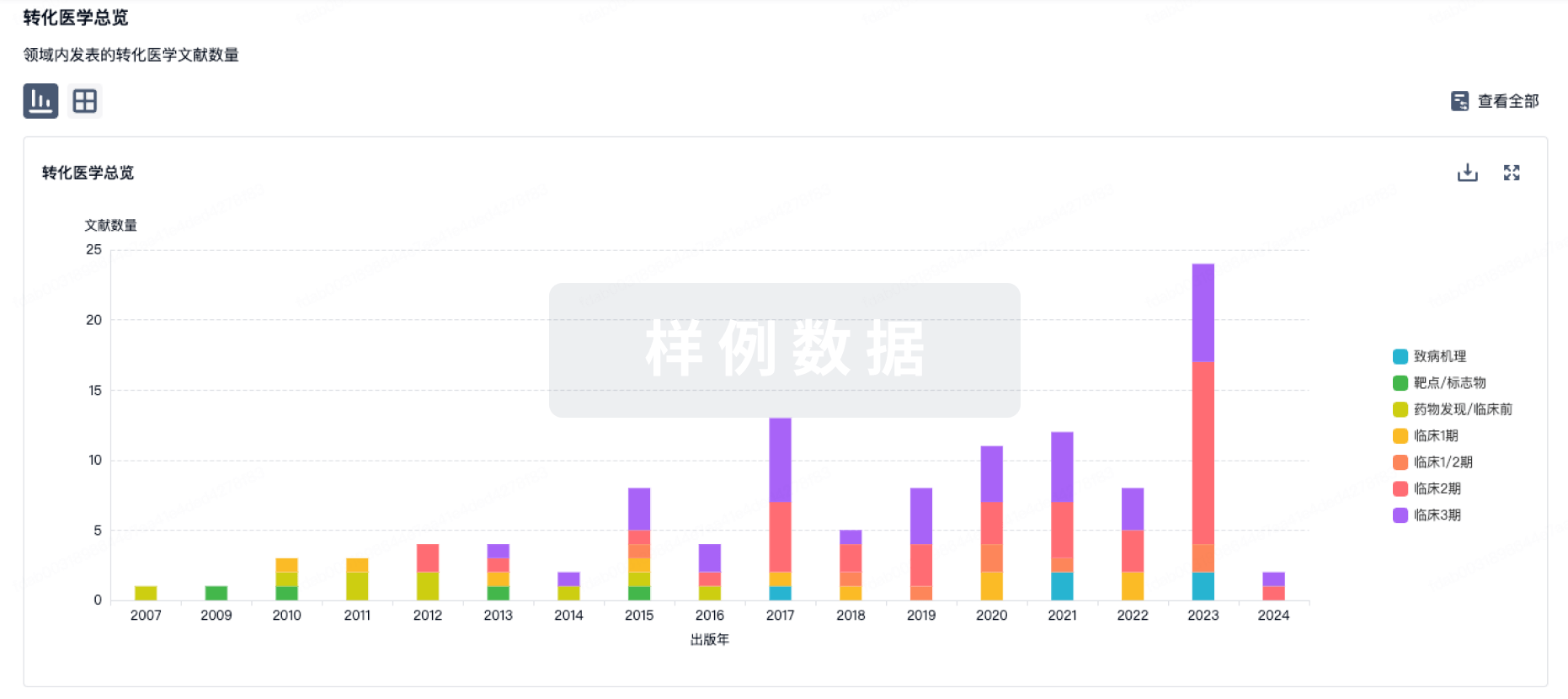
转化医学
使用我们的转化医学数据加速您的研究。
登录
或
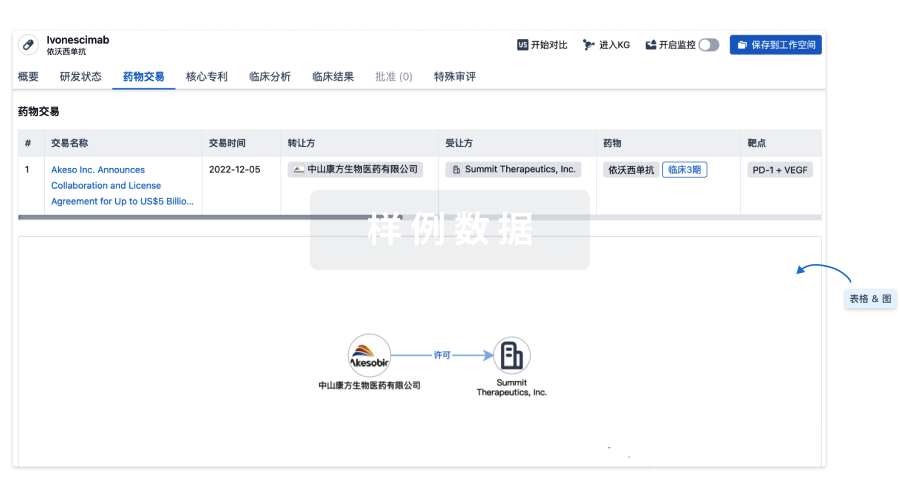
药物交易
使用我们的药物交易数据加速您的研究。
登录
或
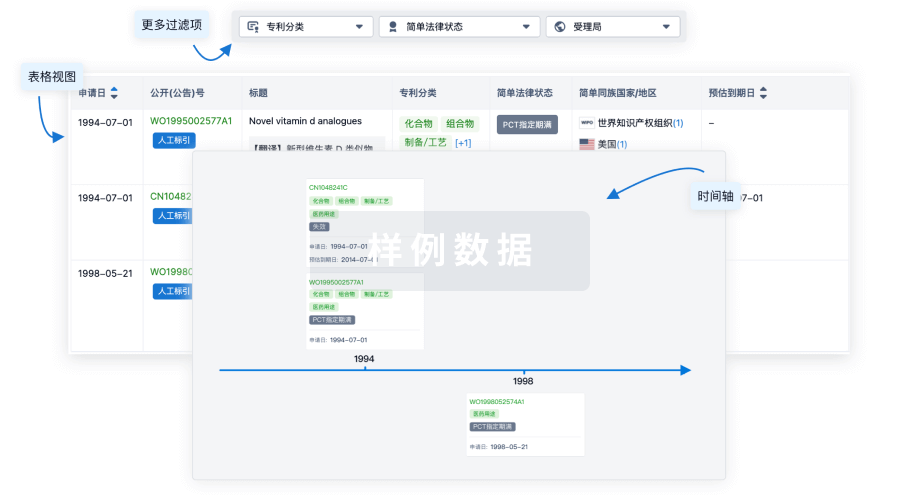
核心专利
使用我们的核心专利数据促进您的研究。
登录
或
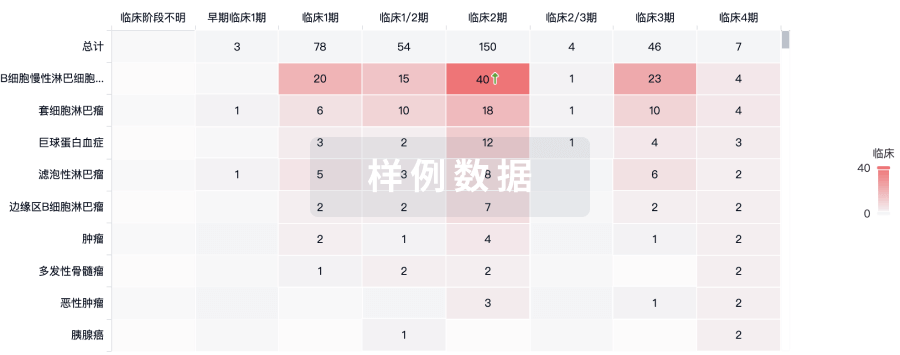
临床分析
紧跟全球注册中心的最新临床试验。
登录
或
批准
利用最新的监管批准信息加速您的研究。
登录
或
特殊审评
只需点击几下即可了解关键药物信息。
登录
或
生物医药百科问答
全新生物医药AI Agent 覆盖科研全链路,让突破性发现快人一步
立即开始免费试用!
智慧芽新药情报库是智慧芽专为生命科学人士构建的基于AI的创新药情报平台,助您全方位提升您的研发与决策效率。
立即开始数据试用!
智慧芽新药库数据也通过智慧芽数据服务平台,以API或者数据包形式对外开放,助您更加充分利用智慧芽新药情报信息。
生物序列数据库
生物药研发创新
免费使用
化学结构数据库
小分子化药研发创新
免费使用