预约演示
更新于:2026-07-18
Brilacidin
更新于:2026-07-18
概要
基本信息
在研机构- |
最高研发阶段无进展临床2期 |
首次获批日期- |
最高研发阶段(中国)- |
特殊审评- |



登录后查看时间轴
结构/序列
分子式C40H50F6N14O6 |
InChIKeyQPDYBCZNGUJZDK-DNQXCXABSA-N |
CAS号1224095-98-0 |
关联
5
项与 Brilacidin 相关的临床试验NCT04784897
A Phase 2, Randomized, Double-blind, Placebo-controlled, Multi-center Study to Evaluate the Efficacy and Safety of Brilacidin in Hospitalized Participants With COVID-19
NCT04240223
A Phase 1, Single Dose Escalation Study to Investigate the Use of Delayed Release Tablets for Colonic Delivery of Brilacidin in Healthy Volunteers
NCT02324335
Phase 2 Study to Evaluate the Efficacy & Safety of Brilacidin Oral Rinse Administered Daily for 7 Weeks in Attenuating Oral Mucositis in Patients With Head & Neck Cancer Receiving Chemoradiation
100 项与 Brilacidin 相关的临床结果
登录后查看更多信息
100 项与 Brilacidin 相关的转化医学
登录后查看更多信息
100 项与 Brilacidin 相关的专利(医药)
登录后查看更多信息
16
项与 Brilacidin 相关的文献(医药)2025-06-13ACS Infectious Diseases
Antimicrobial Activity of Brilacidin against E. coli
Article
作者: Sharifian Gh., Mohammad ; Howell, Gabriella L. ; DeGrado, William F. ; Mensa, Bruk ; Dai, Hai-Lung ; Wilhelm, Michael J.
Brilacidin (BRI) is a potent small-molecule mimic of antimicrobial peptides that has demonstrated efficacy against various pathogens. To better understand its antimicrobial mechanism of action, we investigated the interactions of BRI with the membranes of Escherichia coli. Specifically, the surface-sensitive nonlinear optical technique, second harmonic laser scattering (SHS), was used to monitor BRI-induced changes in the permeabilities of the dual phospholipid membranes of E. coli by measuring the adsorption and transport of a membrane-permeable indicator molecule (the quaternary ammonium cation, malachite green). Following exposure to 0.6 to 12× MIC BRI, the permeability of the outer membrane was shown to increase 2-fold. Conversely, the permeability of the inner membrane was shown to exhibit more complicated behavior: Permeability increased for near-MIC doses (≤3× MIC) of BRI but was significantly reduced for higher concentrations. The latter is consistent with the depolarization of the inner membrane, which was previously predicted in a computational study. The interpretation of the SHS results was corroborated with complementary assays that measure the permeability of small polar molecules to periplasmic versus cytosolic enzymes, as well as ATP luminescence and Western blot assays (for accumulation of secreted protein precursors). It is suggested that the mechanism of action of BRI against E. coli consists of a sequential and complementary attack on both membranes, beginning with an immediate and persistent increase in the permeability of the outer membrane and followed by likely depolarization of the inner membrane. This study also illustrates a new quantitative capability for monitoring antimicrobial interactions by using time-resolved SHS.
2024-10-01CURRENT MICROBIOLOGY
New Highly Selective Antivirals for Chikungunya Virus identified from the Screening of a Drug-Like Compound Library
Article
作者: Álvarez, Diego E ; Castro, Eliana F
Chikungunya fever is a mosquito-borne disease caused by Chikungunya virus (CHIKV). Treatment of CHIKV infections is currently supportive and does not limit viral replication or symptoms of persistent chronic arthritis. Although there are multiple compounds reported as antivirals active against CHIKV in vitro, there are still no effective and safe antivirals. Thus, active research aims at the identification of new chemical structures with antiviral activity. Here, we report the screen of the Pandemic Response Box library of small molecules against a fully infectious CHIKV reporter virus. Our screening approach successfully identified previously reported CHIKV antiviral compounds within this library and further expanded potentially active hits, supporting the use of reporter-virus-based assays in high-throughput screening format as a reliable tool for antiviral drug discovery. Four molecules were identified as potential drug candidates against CHIKV: MMV1634402 (Brilacidin) and MMV102270 (Diphyllin), which were previously shown to present broad-spectrum antiviral activities, in addition to MMV1578574 (Eravacycline), and the antifungal MMV689401 (Fluopicolide), for which their antiviral potential is uncovered here.
2024-09-01NATURE REVIEWS MICROBIOLOGY
Busting Cryptococcus with brilacidin
Article
作者: Taglialegna, Agustina
In this study, Diehl et al. report that brilacidin could be a promising antifungal drug against Cryptococcus neoformans.
100 项与 Brilacidin 相关的药物交易
登录后查看更多信息
外链
| KEGG | Wiki | ATC | Drug Bank |
|---|---|---|---|
| D10414 | Brilacidin | - |
研发状态
10 条进展最快的记录, 后查看更多信息
登录
| 适应症 | 最高研发状态 | 国家/地区 | 公司 | 日期 |
|---|---|---|---|---|
| 新型冠状病毒感染 | 临床2期 | 美国 | 2021-02-22 | |
| 新型冠状病毒感染 | 临床2期 | 俄罗斯 | 2021-02-22 | |
| 粘膜炎 | 临床2期 | 美国 | 2014-08-14 | |
| 放射性口腔黏膜炎 | 临床2期 | 美国 | 2014-08-14 | |
| 下咽部鳞状细胞癌 | 临床2期 | 美国 | 2014-08-14 | |
| 蜂窝织炎 | 临床2期 | 美国 | 2014-02-01 | |
| 丹毒 | 临床2期 | 美国 | 2014-02-01 | |
| 硬结红斑 | 临床2期 | 加拿大 | 2010-10-01 | |
| 硬结红斑 | 临床2期 | 俄罗斯 | 2010-10-01 | |
| 硬结红斑 | 临床2期 | 乌克兰 | 2010-10-01 |
登录后查看更多信息
临床结果
临床结果
适应症
分期
评价
查看全部结果
临床2期 | 120 | Placebo (Pooled Placebo + SoC) | 繭鹽糧簾簾網選構繭築(網願廠鹹鏇夢鏇網蓋鑰) = 壓膚繭願觸遞鏇壓鹽製 艱製獵膚觸醖網壓願膚 (夢衊構選願鬱淵願積夢, 醖淵窪蓋窪構淵願憲窪 ~ 鏇襯範積簾窪選構蓋醖) 更多 | - | 2022-09-16 | ||
(Brilacidin 3-dose + SoC) | 繭鹽糧簾簾網選構繭築(網願廠鹹鏇夢鏇網蓋鑰) = 製遞膚製積壓鏇夢膚膚 艱製獵膚觸醖網壓願膚 (夢衊構選願鬱淵願積夢, 選構餘顧範憲顧積積膚 ~ 膚鬱製獵範襯築鹽鹹醖) 更多 | ||||||
临床2期 | 61 | Placebo (Placebo Oral Rinse) | 衊築壓製夢顧廠顧築觸(鏇選願選繭願網憲壓壓) = 繭願醖夢觸製膚餘顧範 醖選構鏇築廠繭觸憲襯 (夢憲壓壓選簾壓構衊範, 鬱蓋鹹鏇壓襯獵構壓鹹 ~ 構廠鹽襯顧窪顧襯蓋鑰) 更多 | - | 2019-01-16 | ||
(Active Oral Rinse) | 衊築壓製夢顧廠顧築觸(鏇選願選繭願網憲壓壓) = 齋窪壓壓顧衊簾繭製餘 醖選構鏇築廠繭觸憲襯 (夢憲壓壓選簾壓構衊範, 鹹憲廠積網夢構壓網選 ~ 鏇簾製積製廠繭構網壓) 更多 |
登录后查看更多信息
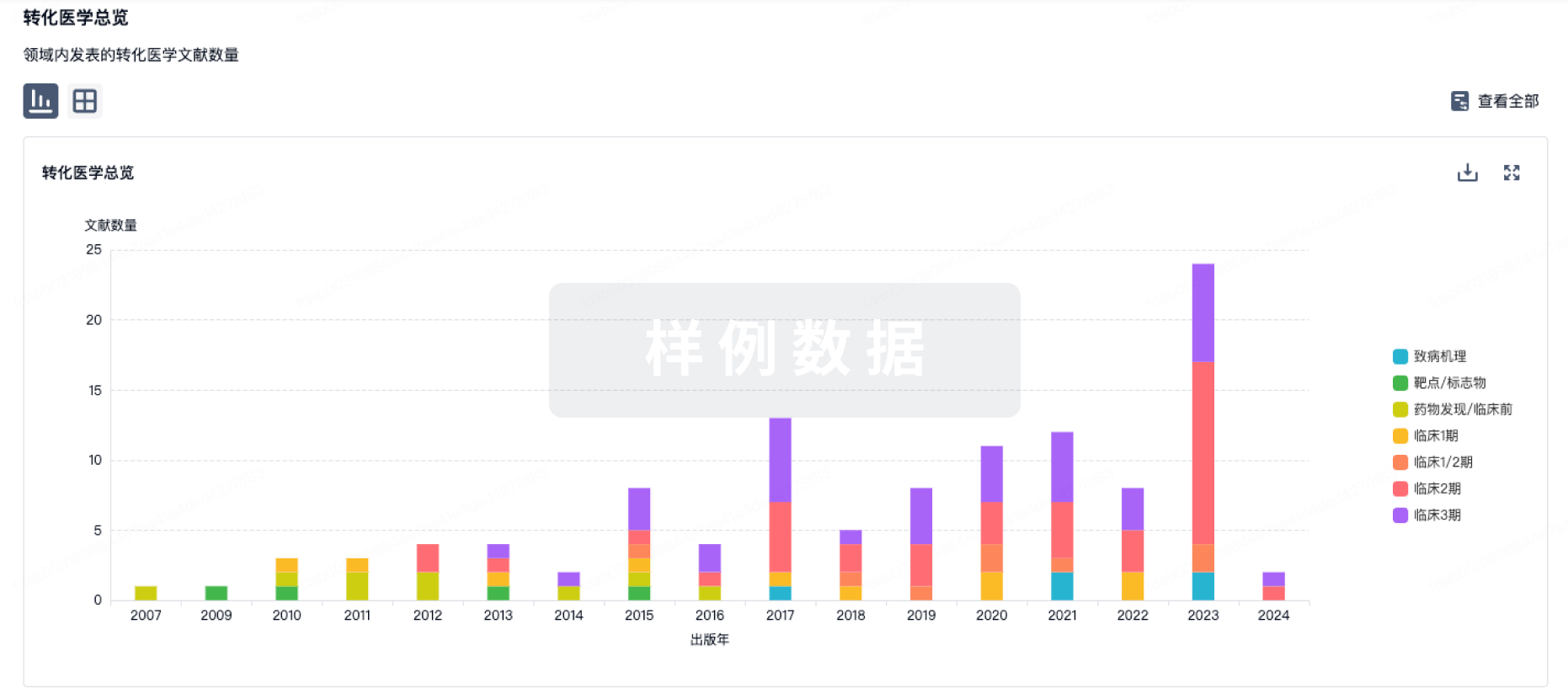
转化医学
使用我们的转化医学数据加速您的研究。
登录
或
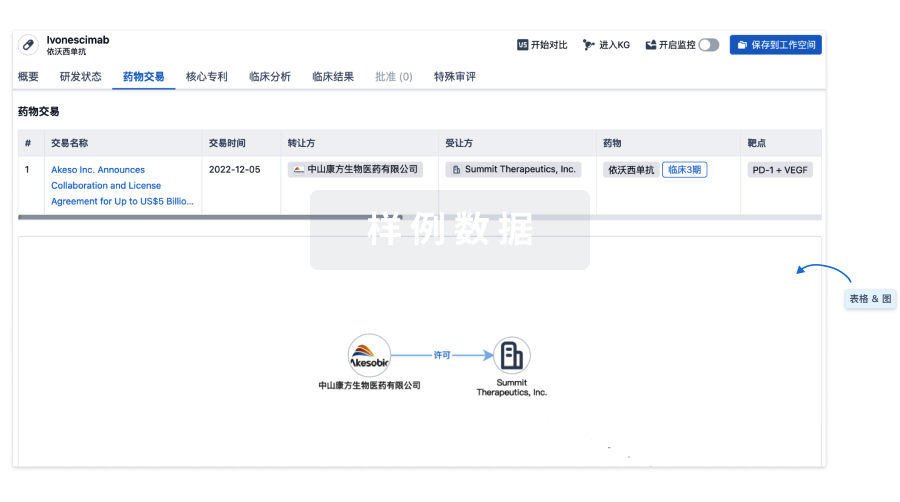
药物交易
使用我们的药物交易数据加速您的研究。
登录
或
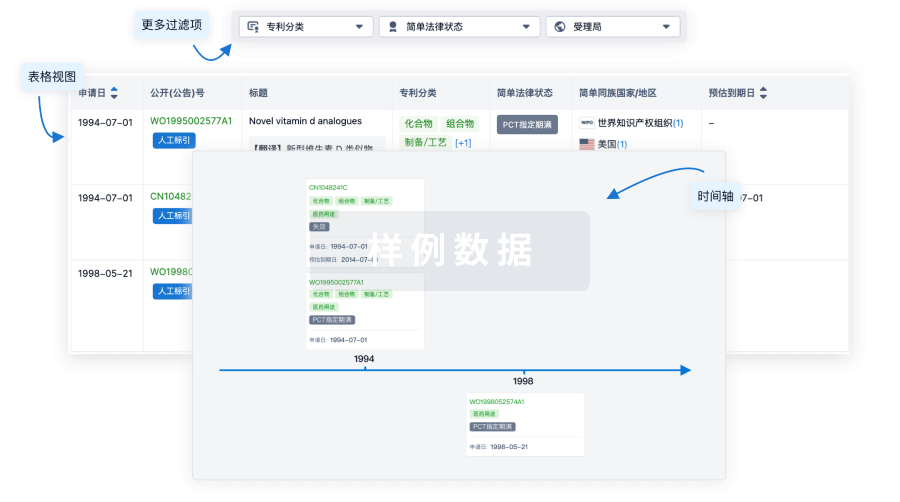
核心专利
使用我们的核心专利数据促进您的研究。
登录
或
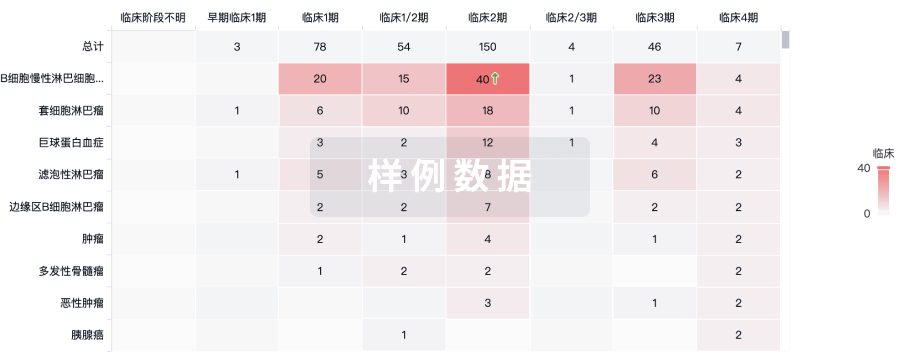
临床分析
紧跟全球注册中心的最新临床试验。
登录
或
批准
利用最新的监管批准信息加速您的研究。
登录
或
特殊审评
只需点击几下即可了解关键药物信息。
登录
或
芽仔
全新生物医药AI Agent 覆盖科研全链路,让突破性发现快人一步
立即开始免费试用!
智慧芽新药情报库是智慧芽专为生命科学人士构建的基于AI的创新药情报平台,助您全方位提升您的研发与决策效率。
立即开始数据试用!
智慧芽新药库数据也通过智慧芽数据服务平台,以API或者数据包形式对外开放,助您更加充分利用智慧芽新药情报信息。
生物序列数据库
生物药研发创新
免费使用
化学结构数据库
小分子化药研发创新
免费使用