预约演示
更新于:2026-09-04
Diroleuton
更新于:2026-09-04
概要
基本信息
权益机构- |
最高研发阶段临床2期 |
首次获批日期- |
最高研发阶段(中国)- |
特殊审评- |


登录后查看时间轴
结构/序列
分子式C20H34O2 |
InChIKeyHOBAELRKJCKHQD-QNEBEIHSSA-N |
CAS号1783-84-2 |
关联
9
项与 Diroleuton 相关的临床试验NCT03817190
A Randomised, Double-blind, Placebo-controlled, Study to Assess the Efficacy and Safety of Orally Administered DS107 in Adult Patients With Moderate to Severe Atopic Dermatitis
The objective of this study is to compare the efficacy and safety of orally administered DS107 (2g) versus placebo in the treatment of moderate to severe Atopic Dermatitis (AD).
Oral DS107/Placebo capsules will be administered for 16 weeks. The study will enrol approximately 220 subjects.
Oral DS107/Placebo capsules will be administered for 16 weeks. The study will enrol approximately 220 subjects.
开始日期2019-09-19 |
申办/合作机构 |
EUCTR2017-004098-15-EE
A Randomised, Double-blind, Placebo-controlled, Phase 2 Study to Assess the Efficacy and Safety of Orally Administered DS107 in a once daily dose of 2g in Haemodialysis Patients with Moderate to Severe Uremic Pruritus
开始日期2018-07-04 |
申办/合作机构 |
NCT02864498
A Randomised, Double-blind, Placebo-controlled, Phase 2b Study to Assess the Efficacy and Safety of Orally Administered DS107 in Patients With Moderate to Severe Atopic Dermatitis
The purpose of this study is to determine whether orally administered DS107 (1g and 2g doses) is effective in the treatment of moderate to severe atopic dermatitis.
Oral DS107 capsules will be administered for 8 weeks and will be compared against placebo.
The study will enroll approximately 300 subjects.
Oral DS107 capsules will be administered for 8 weeks and will be compared against placebo.
The study will enroll approximately 300 subjects.
开始日期2017-01-01 |
申办/合作机构 |
100 项与 Diroleuton 相关的临床结果
登录后查看更多信息
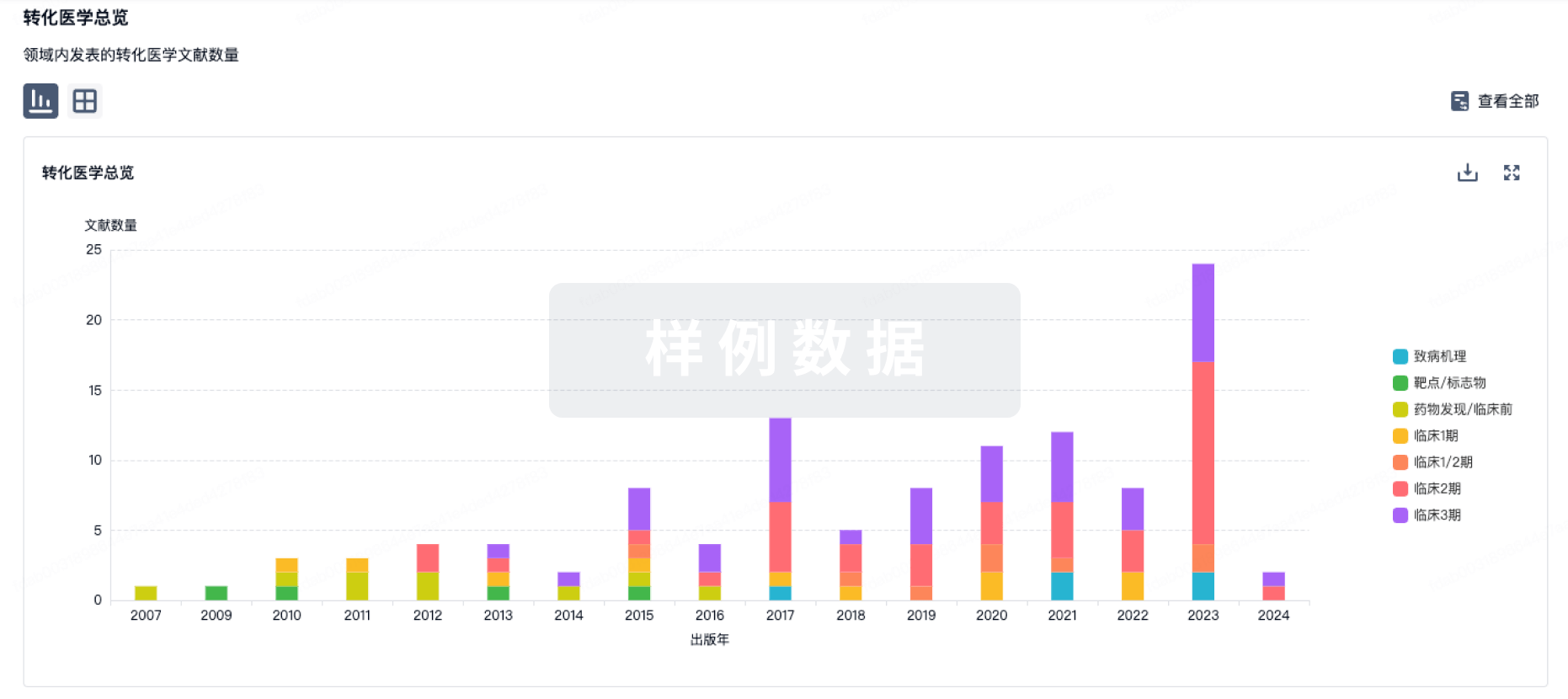
100 项与 Diroleuton 相关的转化医学
登录后查看更多信息
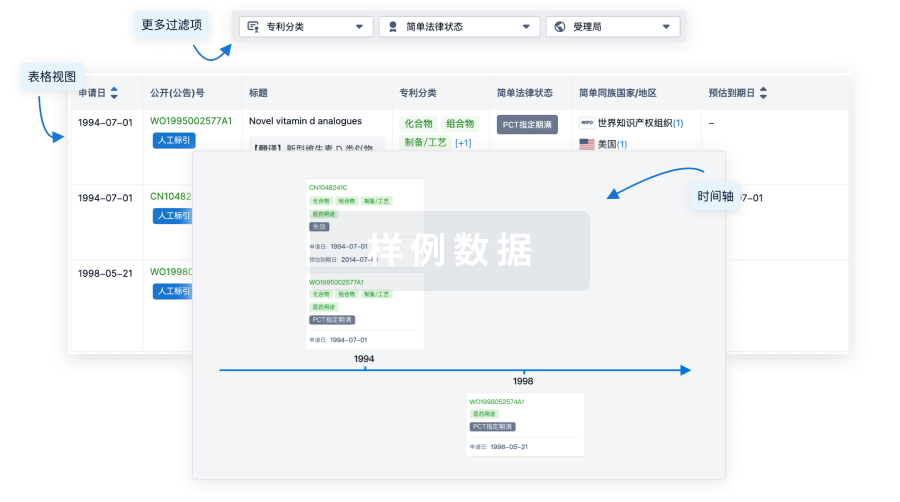
100 项与 Diroleuton 相关的专利(医药)
登录后查看更多信息
11,917
项与 Diroleuton 相关的文献(医药)2026-07-01·LIPIDS
Maternal Fatty Acid Desaturase Indices in Early Pregnancy and Risk of Low Birth Weight
Article
作者: Nema, Juhi ; Joshi, Sadhana ; Randhir, Karuna ; Gupte, Sanjay ; Pisal, Hemlata ; Wagh, Girija
ABSTRACT:
Long chain polyunsaturated fatty acids are an important determinant of the birth weight of the baby. Studies have reported altered fatty acid desaturase indices (Δ5 and Δ6 desaturases) from early pregnancy in women with pregnancy complications. However, it remains unclear if these alterations are also observed in women who have no complications, yet delivering low birth weight (LBW) infants (birth weight below 2500 g regardless of gestational age). This study aims to longitudinally examine the maternal erythrocyte fatty acids levels in women delivering LBW babies (in women with pregnancy complications and without complications) and in women delivering normal birth weight babies (NBW). This study includes 1096 singleton pregnant women, out of which 181 delivered LBW babies. Maternal erythrocyte fatty acids were measured at 11–14 weeks, 18–22 weeks, and 26–28 weeks and at delivery using gas chromatography. Product‐precursor ratios were used to represent enzyme indices: Δ5D index = arachidonic acid/dihomo‐y‐linolenic acid (DGLA), Δ6D index = DGLA/linoleic acid. Maternal age at the time of delivery was: NBW group: 28.74 ± 4.65; LBW group: 28.14 ± 4.61 and LBW without complications group: 26.99 ± 4.20. Birth weight of the baby was: NBW: 2978.69 ± 340.37; LBW: 2404.47 ± 262.85; LBW without complications group: 2308.02 ± 202.06. Higher Δ5 desaturase and lower Δ6 desaturase indices at 11–14 weeks of gestation were associated with higher risk of having LBW babies (
p
< 0.01 for both). This study reports that disrupted fatty acid metabolism in early pregnancy regardless of pregnancy complications is a risk factor for having LBW babies.
2026-07-01·PROSTAGLANDINS LEUKOTRIENES AND ESSENTIAL FATTY ACIDS
Association between polyunsaturated fatty acids and cerebral small vessel disease in ischemic stroke patients
Article
作者: Sakuta, Kenichi ; Iguchi, Yasuyuki ; Umehara, Tadashi ; Komatsu, Teppei ; Sakai, Kenichiro ; Ishikawa, Takahiro ; Sato, Takeo ; Mitsumura, Hidetaka ; Onda, Asako ; Okumura, Motohiro
BACKGROUND:
To clarify the association between polyunsaturated fatty acids (PUFAs) and cerebral small vessel disease (SVD) in ischemic stroke patients.
METHODS:
Consecutive patients with ischemic stroke admitted between 2012 and 2022 were screened. Inclusion criteria were availability of PUFA measurements and SVD markers evaluation on MRI. Plasma PUFAs levels, including eicosapentaenoic acid (EPA), docosahexaenoic acid (DHA), dihomo-γ-linolenic acid (DGLA) and arachidonic acid (AA), were assayed. Severe SVD burden was defined as a total SVD score of 3 or more.
RESULTS:
We screened 2,112 consecutive ischemic stroke patients, including 1,710 (1,226 [72%] males, median age 69 years). Lower EPA levels were associated with a severe SVD burden (prevalence ratio (PR) 0.982, 95% CI 0.966-0.998, p = 0.032), while higher DHA levels were associated with an increased SVD burden (PR 1.263, 95% CI 1.089-1.466, p = 0.002). Further, lower EPA levels were linked to the presence of old lacunes (PR 0.986, 95% CI 0.974-0.999, p = 0.031) and a higher grade of white matter hyperintensities (WMH) (PR 0.985, 95% CI 0.971-1.000, p = 0.043). Conversely, higher DHA levels were associated with the presence of old lacunes (PR 1.136, 95% CI 1.016-1.271, p = 0.026), a higher WMH grade (PR 1.302, 95% CI 1.140-1.486, p < 0.001), and a higher enlarged perivascular spaces grade (PR 1.163, 95% CI 1.023-1.323, p = 0.021). No significant association was found between DGLA or AA levels and SVD.
CONCLUSIONS:
Among ischemic stroke patients, EPA might have a protective role against SVD, whereas DHA might have an opposite effect.
2026-07-01·Advances in Nutrition
Sex Differences in Omega-3 and Omega-6 PUFA Status: A Systematic Review and Meta-analysis of Cross-Sectional Comparisons
Review
作者: Khan, Tauseef A ; Metherel, Adam H ; Blanco Mejia, Sonia ; Khoo, Ariel ; Green, Miranda R ; Sievenpiper, John L ; Li, Dandan ; Shi, Tanya ; Shum, Cherie ; Chiavaroli, Laura
Sex hormones may regulate the biosynthesis of PUFAs; however, the extent and consistency of sex differences in different lipid pools remain unclear. We aimed to update and synthesize evidence on sex differences in circulating and tissue omega (ω)-3 (n-3) and ω-6 (n-6) PUFA biomarkers in healthy adults with a mean age ≤50 y. We systematically searched Medline, Embase, and Cochrane Central Register of Controlled Trials through to 21 February, 2026, for cross-sectional reports of n-3 and n-6 PUFA levels for both sexes in plasma total lipids, phospholipids, triglycerides, and cholesteryl esters (CE); erythrocyte total lipids, phosphatidylcholine, and phosphatidylethanolamine; or adipose tissue. Unadjusted mean differences (MD) between male and female n-3 and n-6 PUFA levels were pooled using random-effects meta-analysis. We identified 67 eligible publications, including 85 comparisons from observational studies and clinical trials, yielding a synthesis of 71 PUFA biomarkers. By absolute difference in percentage of total fatty acids, we observed, in males compared with females, higher n-3 docosapentaenoic acid (DPAn-3) [MD = 0.19%, 95% confidence interval (CI): 0.10%, 0.27%, P < 0.0001, I2 = 74%] and lower DHA (MD = -0.32%, 95% CI: -0.46%, -0.18%, P < 0.00001, I2 = 59%) in total erythrocytes and in total plasma. Males had lower plasma linoleic acid and higher CE γ-linolenic acid and dihomo-γ-linolenic acid. Heterogeneity in total erythrocyte EPA and DHA was explained by study location, with sex differences in erythrocyte DHA driven by studies in North America and Europe. The certainty of the evidence for all outcomes was graded as low or very low. Future studies should consider sex as a modifier of n-3 and n-6 PUFA status in adult males and females of childbearing age. Higher DPAn-3 and lower DHA in males point to important biological differences in this portion of the n-3 PUFA biosynthesis pathway that require further investigation. This trial was registered at PROSPERO as CRD42023452859.
9
项与 Diroleuton 相关的新闻(医药)2026-09-03
摘要
特应性皮炎(AD)是一种常见的炎症性、瘙痒性过敏性皮肤病,在全球范围内的人类和犬类中均有发生。特应性皮炎的发病机制是多因素的,免疫学方面较为复杂,可能涉及遗传因素、表皮屏障功能障碍、微生物组变化、免疫失调以及过敏性致敏等。在不同物种中,特应性皮炎的患病率均呈上升趋势。
目前,犬特应性皮炎(CAD)尚无治愈方法。犬特应性皮炎的治疗方法是多方面的,旨在控制瘙痒、相关炎症和感染,修复皮肤屏障功能,并进行饮食管理。本综述提供了特应性皮炎的患病率、影响以及复杂的免疫相互作用方面的数据,重点关注犬类群体中该疾病的后续管理。此外,还探讨了用于管理犬特应性皮炎的多模式方法,以应对不同的临床症状和对治疗的反应。
关键词:免疫病理学、局部治疗、全身治疗、瘙痒、免疫治疗、警报素
1. 患病率
犬特应性皮炎(CAD)是一种多因素引起的瘙痒性疾病,遗传和环境因素在其发生发展和病理生理过程中起着重要作用 [1,2]。皮肤屏障功能障碍和异常的免疫反应是犬特应性皮炎的特征 [2,3]。据估计,犬特应性皮炎的患病率为 3%-15%[4]。然而,根据美国兽医皮肤病学会(ACVD)特应性皮炎(AD)工作组的研究,这些百分比并非基于可靠的流行病学数据,该工作组得出结论:犬类群体中犬特应性皮炎的实际发病率和患病率尚不明确 [5]。
对前往兽医机构就诊的皮肤病患犬进行对比研究,有助于评估犬特应性皮炎的患病率。在美国 52 家兽医诊所开展的一项针对皮肤病患犬的研究中,在接受检查的 31484 只犬中,特应性或过敏性皮炎以及特应性疾病的患病率为 4.7%[6]。蒙特利尔大学小动物诊所的一项研究显示,在因皮肤疾病就诊的犬只中,18.8% 患有皮肤疾病,其中 12.7% 为特应性疾病 [7]。巴西一家教学医院近期的一项回顾性研究报告称,犬特应性皮炎的诊断呈上升趋势,在所有接受检查的犬只中,特应性皮炎病例占 25.65%。尽管这些研究的数据为所呈现的病例提供了一定参考,但由于教学医院的患犬群体并不能代表普通犬类群体,因此很难从这些研究中得出准确的患病率数据。
尽管许多研究对犬特应性皮炎的患病率有一定的揭示,但这些数据会受到地理区域、调查方法、群体选择、兽医诊所类型以及犬特应性皮炎和其他皮肤病诊断标准等因素的影响 [5]。环境因素也会影响犬特应性皮炎的患病率和发病风险。室内饲养的犬只患犬特应性皮炎的频率更高 [8,9]。在一项针对金毛寻回犬和拉布拉多寻回犬的研究中发现,生活在农村地区、与其他动物共同生活以及在森林地区散步等环境因素,与犬特应性皮炎发病风险降低相关;而早期领养以及幼犬时期生活在棚屋中,则与犬特应性皮炎发病风险升高相关 [10]。另一项针对拉布拉多寻回犬和金毛寻回犬的研究表明,在农村地区出生、与其他犬只共同生活以及在林地、田野和海滩散步的犬只,患犬特应性皮炎的风险较低 [11]。
一般来说,犬特应性皮炎临床症状的发病年龄在 4 个月至 3 岁之间 [8,9]。然而,不同品种犬只的发病年龄可能存在差异 [12],这可能导致不同品种犬特应性皮炎的报告患病率发生变化,尤其是当某个品种在特定地理区域的数量较多时。目前尚无关于犬特应性皮炎与性别相关易感性的报道,但有研究显示,某些性别犬只的患病数量可能更多。在巴西的一项回顾性研究中,前往教学医院就诊的犬只中 25.65% 被诊断为犬特应性皮炎,其中 62.4% 为雌性犬 [13]。不过,也有研究表明,雄性犬,尤其是去势后的雄性犬,比未绝育的雌性犬更易患犬特应性皮炎 [11]。澳大利亚的一项研究发现,哈巴狗和卷毛比熊犬这两个品种的雄性犬患病风险更高 [14]。但需要注意的是,大多数研究并未发现犬特应性皮炎的发病与性别存在关联。另有研究报道,哺乳期母犬食用非商业化的自制饮食与其幼崽患犬特应性皮炎之间存在负相关关系 [15]。
犬特应性皮炎的患病率还取决于研究开展地区特定犬种的数量。多项研究表明,金毛寻回犬、拉布拉多寻回犬、西高地白梗、德国牧羊犬和法国斗牛犬患犬特应性皮炎的风险较高 [3]。澳大利亚的一项研究在全球范围内确定了 11 个犬特应性皮炎患病风险显著增加的犬种,如拳师犬、拉布拉多寻回犬、哈巴狗、斗牛犬和西高地白梗,并将这些犬种归为易感品种 [14]。巴西的一项回顾性研究显示,混血犬患犬特应性皮炎的比例最高,其次是西施犬和贵宾犬 [13]。影响犬特应性皮炎品种分布的因素众多,包括不同地区犬种的受欢迎程度、遗传易感性以及地理区域等 [13]。
尽管已有诸多研究,但需要指出的是,由于犬特应性皮炎的发病机制、临床表现和治疗管理都较为复杂,其真实的患病率和发病率难以确定。许多犬特应性皮炎病例由兽医进行对症治疗,并未作出明确诊断,例如一些症状较轻的犬特应性皮炎病例仅进行对症处理,或者某些特定的临床表现(如慢性中耳炎)可能未被临床医生诊断为犬特应性皮炎 [5],这会对发病率的统计产生影响。此外,多种环境风险因素对疾病发生发展的影响,也会导致所报告的患病率有所不同 [1]。考虑到所有可能影响犬特应性皮炎诊断和临床表现的因素,有必要开展关于犬特应性皮炎患病率和发病率的详细流行病学研究。
2. 影响
前文讨论的患病率数据表明,犬特应性皮炎是宠物群体中一种常见的疾病。兽医在评估疾病对宠物健康状况的影响时,会依据宠物的临床症状和行为表现。宠物疾病不仅会影响宠物自身的生活质量,还会对其主人的生活质量产生影响 [16,17]。自 2010 年以来,已开发出多种针对小型动物皮肤病的调查问卷,其中部分问卷还用于评估主人的生活质量。一些问卷已通过验证,在治疗研究中评估生活质量的做法也越来越普遍 [16]。在 Linek 和 Favrot 开展的一项研究中 [17],近一半患有犬特应性皮炎的犬只主人表示,该疾病影响了他们自身的生活质量,且大多数主人认为该疾病对宠物的生活质量产生了影响。这些影响包括情绪、家庭生活、休闲活动和睡眠方面的变化或干扰。部分主人还担心治疗费用以及治疗带来的负担。宠物的生活质量则受到其玩耍、散步和睡眠等活动变化的影响 [17]。
有研究表明,瘙痒和特应性皮炎可能会对犬的行为产生负面影响。一项研究发现,患犬表现出更多与恐惧、焦虑、攻击性相关的行为,且可训练性降低 [18]。另一项研究虽未发现患犬的恐惧和焦虑行为增加,但发现其出现了更多不受欢迎的问题行为,同时可训练性也有所下降 [11]。研究作者推测,这些行为变化可能与瘙痒引起的压力有关。行为问题是伴侣动物被实施安乐死的潜在原因之一。根据 Pegram 等人的一项研究,行为问题是英国犬只被实施安乐死的最常见原因之一 [19]。然而,Linek 等人的研究并未发现犬只主人有更多实施安乐死的想法 [17]。
犬特应性皮炎的治疗需要长期管理,这要求宠物主人承担长期的经济支出,这可能会成为一种负担,在某些情况下还可能影响宠物获得治疗的机会。但从该疾病的患病率来看,犬特应性皮炎的治疗和管理可能是兽医行业收入的一个重要来源。不过,关于犬特应性皮炎对患犬、宠物主人以及兽医行业造成的经济影响方面的信息仍然有限。将生活质量数据纳入考量,有助于加深我们对犬特应性皮炎的理解并改进治疗方法。目前,有必要针对犬特应性皮炎在经济、宠物行为以及主人情绪方面产生的影响开展专项研究。3. 免疫病理学
起初,特应性皮炎被简单地理解为一种由免疫球蛋白 E(IgE)介导的过敏反应或 Ⅰ 型超敏反应,这种反应会破坏皮肤屏障功能并激活辅助性 T 细胞 2(Th2)反应。当时人们提出了不同的假说,例如 “由外而内” 假说,该假说认为表皮屏障功能障碍是引发免疫激活的主要原因;还有 “由内而外” 假说,该假说则认为表皮屏障功能障碍是次要因素 [20]。然而,如今人们已经清楚地认识到,特应性皮炎的发病机制更为微妙和复杂,涉及多种免疫细胞亚群和免疫反应、不同类型的屏障功能障碍以及神经免疫反馈回路,这些因素共同导致了特应性皮炎的病理生理过程 [21-24]。
在健康的皮肤中,皮肤屏障的完整性、皮肤共生微生物群以及皮肤细胞群体之间的平衡,对皮肤功能的维持和抵御病原体起着重要作用。其中任何一个因素的破坏,都会导致这种平衡失调,并产生负面影响。目前已在人类身上发现了多个与特应性皮炎发病相关的候选基因,例如丝聚蛋白(一种重要的表皮蛋白)基因突变 [25],以及人类 5 号染色体上一个基因簇中的免疫基因,如白细胞介素 - 4(IL-4)和白细胞介素 - 13(IL-13),目前已有超过 30 个基因位点被证实与特应性皮炎相关 [26]。
在犬类中,近期针对犬特应性皮炎开展的全基因组关联研究(GWAS)也显示,犬特应性皮炎与丝聚蛋白基因位点以及参与免疫反应和皮肤屏障功能的基因存在密切关联,目前已发现超过 15 个基因位点与犬特应性皮炎的发生相关 [27]。与人类类似,目前尚不清楚这些基因中的多少种突变会导致犬特应性皮炎的发生。
某些犬种,如德国牧羊犬、金毛寻回犬和拉布拉多寻回犬,犬特应性皮炎的患病率较高 [28,29]。然而,尽管遗传因素在犬特应性皮炎的发病过程中确实发挥着一定作用,但环境和营养等多种因素也会共同作用,导致特应性皮炎这种复杂疾病的发生。这一点可以从以下事实得到证明:并非所有特应性皮炎病例都存在基因突变,而且即使是携带这些突变基因的个体,也并非都会发展成为特应性皮炎 [1,30]。
表皮屏障功能障碍会引发炎症反应,其原因可能是丝聚蛋白突变这一主要因素,也可能是炎症 / 免疫信号传导之后出现的次要因素。此外,刺激物或过敏原引发的瘙痒 - 搔抓循环也会导致皮肤菌群失调。这些异常情况有利于机会性微生物的定植,通过在免疫反应和表皮炎症之间形成反馈回路,对皮肤产生负面影响。
在人类(金黄色葡萄球菌)[31,32] 和犬类(中间葡萄球菌)[33,34] 的特应性病变中,通常都能检测到葡萄球菌,同时皮肤微生物多样性整体降低 [34]。其他与特应性皮炎皮肤相关的微生物还包括马拉色菌 [35,36] 和棒状杆菌 [34]。这些微生物都可能加重已有的皮肤炎症。多项研究表明,将抗菌药物和药用香波与其他治疗方法联合使用,对特应性皮炎的治疗具有益处 [37,38]。然而,人们担忧长期使用抗生素会导致细菌耐药性增加 [39]。与表皮屏障功能障碍类似,微生物群落多样性和丰度的变化可能是特应性皮炎发生的主要原因,也可能是其引发的结果。
在特应性皮炎的非病变皮肤和急性期早期,组织损伤会导致角质形成细胞释放一类蛋白质,如白细胞介素 - 25(IL-25)、白细胞介素 - 33(IL-33)或胸腺基质淋巴细胞生成素(TSLP),这些蛋白质也被称为警报素 [40-42],同时还会释放趋化因子 CCL17 和 CCL22 [43](图 1)。警报素是 2 型固有淋巴细胞(ILC2)的强效激活剂,激活后的 2 型固有淋巴细胞会释放白细胞介素 - 5(IL-5)和白细胞介素 - 13(IL-13),这两种细胞因子都参与辅助性 T 细胞 2(Th2)信号传导 [42,44]。在人类和小鼠的急性特应性皮炎病变中已发现 2 型固有淋巴细胞的存在 [42,45],但尚未在犬类皮肤中对其进行研究。一项针对特应性疾病犬只外周血的研究未发现这类细胞水平升高,这与针对人类特应性疾病患者体内固有淋巴细胞的研究结果一致 [46]。
有研究表明,警报素胸腺基质淋巴细胞生成素(TSLP)能够激活真皮树突状细胞,使其表达 OX40,进而激活初始 CD4+T 细胞,进一步放大辅助性 T 细胞 2(Th2)反应 [47-49]。在患有犬特应性皮炎的犬只中,病变皮肤和非病变皮肤中胸腺基质淋巴细胞生成素(TSLP)的表达水平均显著升高 [50]。角质形成细胞释放警报素(尤其是胸腺基质淋巴细胞生成素和白细胞介素 - 33)的另一个影响是随后会引发瘙痒感。搔抓行为会导致更多的表皮损伤,进而促使更多警报素释放,包括肥大细胞在内的多种细胞会释放组胺,同时辅助性 T 细胞 2(Th2)介导激活白细胞介素 - 31(IL-31),白细胞介素 - 31 作用于感觉神经元,引发瘙痒感 [51,52]。瘙痒 - 搔抓循环会不断自我强化,最终可能导致表皮增厚和慢性炎症的发生。
图1 犬特应性皮炎皮肤的免疫学通路及相关治疗干预措施。多种细胞类型参与皮肤炎症反应,包括角质形成细胞、成纤维细胞、树突状细胞、肥大细胞、T淋巴细胞和B淋巴细胞的多个亚群。不同细胞释放的各种细胞因子及其他炎症介质可作为局部和全身性治疗的靶点。由Biorender.com创建。缩写:ILC,先天性淋巴细胞;IL,白细胞介素;AMP,抗菌肽;TSLP,胸腺基质淋巴细胞生成素;IgE,免疫球蛋白E。
趋化因子 CCL17 和 CCL22 也能诱导辅助性 T 细胞 2(Th2)反应,这些炎症反应共同作用,会导致白细胞介素 - 4(IL-4)、白细胞介素 - 5(IL-5)、白细胞介素 - 13(IL-13)和白细胞介素 - 31(IL-31)的释放不断自我强化,CD4 + 和 CD8+T 细胞浸润增加,B 细胞激活并发生免疫球蛋白 E(IgE)类别转换,肥大细胞激活,以及嗜酸性粒细胞募集 [44,53,54]。与炎症反应(尤其是辅助性 T 细胞 2(Th2)信号传导)相关的关键细胞内通路是 Janus 激酶 / 信号转导子和转录激活子(JAK/STAT)介导的通路 [55]。在该通路中,细胞因子与其细胞受体结合后会激活 Janus 激酶(JAK),进而导致信号转导子和转录激活子(STAT)磷酸化,从而诱导炎症信号分子的基因转录。由于该通路在辅助性 T 细胞 2(Th2)信号传导中具有重要作用,因此已成为开发治疗特应性皮炎瘙痒和炎症药物的主要靶点。
除辅助性 T 细胞 2(Th2)外,已有多项研究对人类和犬类体内辅助性 T 细胞 1(Th1)、辅助性 T 细胞 9(Th9)、辅助性 T 细胞 17(Th17)和辅助性 T 细胞 22(Th22)的激活情况进行了研究 [53,56-58]。更多细胞类型和细胞因子参与特应性皮炎的发病过程,这表明适应性免疫反应日益复杂且涉及范围不断扩大,并逐渐向慢性疾病发展。辅助性 T 细胞 22(Th22)与白细胞介素 - 22(IL-22)的表达相关,白细胞介素 - 22 在急性病变发生时就已存在,并在慢性疾病发展过程中逐渐增加 [56]。另一方面,辅助性 T 细胞 1(Th1)和辅助性 T 细胞 17(Th17)在特应性皮炎慢性阶段的激活情况往往存在差异,但它们也与细菌定植相关,因为这两种通路通常被认为是典型的炎症性病原体反应通路 [59]。
研究表明,人类特应性皮炎的不同内表型反映了这些辅助性 T 细胞(Th)反应激活方式的差异 [44,60]。更为复杂的是,在人类中,辅助性 T 细胞 1(Th1)与辅助性 T 细胞 22(Th22)或辅助性 T 细胞 17(Th17)参与特应性皮炎发病的差异与种族相关,例如欧洲人和亚洲人特应性皮炎的亚型就存在这种差异。但近期的转录组学研究表明,特应性皮炎的发病机制具有较强的异质性,涉及辅助性 T 细胞 17(Th17)、辅助性 T 细胞 22(Th22)和辅助性 T 细胞 1(Th1)等多种类型 [44,59-61]。目前尚未发现犬类特应性皮炎存在品种特异性的辅助性 T 细胞(Th)亚型。
近年来,单细胞转录组学技术的进展使得人们能够在细胞水平上更深入地揭示人类和犬类特应性皮炎复杂的免疫反应 [22,62,63]。这些研究不仅明确了参与特应性皮炎发病过程的细胞亚群以及详细的激活基因
和通路,还发现了以往在特应性皮炎研究中未被充分关注的细胞类型。例如,在这些单细胞测序研究中,成纤维细胞被发现具有免疫调节作用,这为特应性皮炎治疗方法的研究开辟了新方向。在针对犬类的研究中,还发现 γδT 细胞在特应性疾病犬只的皮肤中数量显著增加,同时也发现了一些以往未被检测到的炎症标志物 [63]。
考虑到特应性皮炎免疫反应的变异性,以及辅助性 T 细胞 2(Th2)反应、神经炎症和瘙痒等共同特征,犬特应性皮炎的治疗主要集中在与这些方面相关的通路,具体治疗方法将在下文的管理策略部分详细阐述。4. 犬特应性皮炎的管理
犬特应性皮炎的管理需要采用多模式方法。每只患病犬的临床症状严重程度和对治疗的反应都存在差异,因此最好为每只患病犬制定个性化的管理方案。同样重要的是,要强调为使这些管理策略有效发挥作用,需处理好继发感染和其他相关因素。临床医生在进行对症治疗前,应首先治疗继发性细菌性和真菌性脓皮病或足皮炎,尤其是当患病犬的瘙痒评分突然升高或瘙痒症状局限于某一部位时。同样重要的是,需通过饮食试验和寄生虫防控来排查其他可能导致瘙痒的原因。如果这些管理治疗方法的效果有限,临床医生应重新考虑诊断结果。最后,要确保犬特应性皮炎得到长期有效的管理,对主人进行教育至关重要。需向主人说明犬特应性皮炎的慢性特性、无法治愈的特点以及治疗预期。主人通常会担心治疗过程中的挫折和持续的治疗费用,临床医生应就此为其提供专业建议。4.1 免疫治疗
自 1911 年以来,变应原特异性免疫治疗(ASIT)一直是人类和兽医领域治疗特应性皮炎的主要方法 [64-66]。1941 年,首篇关于采用变应原特异性免疫治疗成功治疗过敏性疾病犬只的报道发表 [67]。该疗法是管理犬特应性皮炎最有效且具有前瞻性的方法,总体安全性较高,有助于减轻临床症状,并减少药物的总体使用需求 [68]。变应原特异性免疫治疗是指将多种变应原混合后,以逐渐增加剂量的方式给患病犬施用,通常包括诱导期和维持期两个阶段。传统上,这些剂量通过皮下注射给药。给药频率和剂量应根据每只患病犬的临床反应和不良反应情况进行个性化调整。变应原特异性免疫治疗的平均临床见效时间在 6 至 8 个月之间,但由于不同患病犬的反应存在差异,为准确评估皮下变应原特异性免疫治疗的疗效,应持续治疗至少 1 年 [64,68,69]。
对于部分患病犬,尤其是季节性发病的病例,需要进行 2-3 年的随访观察,才能对治疗效果做出恰当评估。一项针对 664 只家养患病犬的回顾性研究显示,接受变应原特异性免疫治疗后,59.9% 的特应性疾病犬只的临床症状改善程度超过 50%。如果患病犬能得到定期持续的检查,且在治疗前 9 个月未接受长期全身性糖皮质激素治疗,变应原特异性免疫治疗的有益效果会显著提高 [70]。然而,主人的依从性是导致变应原特异性免疫治疗疗效降低的主要原因。另一项针对 145 只接受变应原特异性免疫治疗的犬特应性皮炎患病犬的回顾性研究表明,治疗持续时间与治疗效果密切相关 [71]。治疗时间少于 1 年的患病犬,治疗有效率仅为 22%,而治疗时间超过 1 年的患病犬,治疗有效率达到 65%。此外,治疗时间超过 1 年的患病犬,同时使用其他药物的剂量减少了 87%[71]。
包括本文作者在内的一些临床医生发现,快速免疫治疗(RUSH)方案是一种有效的治疗方案,因为该方案可以缩短达到维持剂量所需的时间,同时减少主人需要监测的可疑不良反应 [72]。在快速免疫治疗方案中,在 1-3 天内,每隔 15-60 分钟给药一次,直至达到维持剂量。
舌下免疫治疗(SLIT)是免疫治疗的一种形式,与传统的皮下注射给药方式不同,它是通过口服变应原进行治疗。在人类医疗领域,舌下免疫治疗已被证实是一种有效的治疗方法,并于 2014 年获得美国监管部门的批准 [73]。在人类中,舌下免疫治疗主要用于治疗过敏性鼻结膜炎或哮喘,但也被用于治疗特应性皮炎 [74,75]。该疗法的给药方案通常是将带有塑料分配喷嘴的容器置于下牙弓或口角处,目的是将药物溶液滴入舌下 [74]。给药方案通常包括从低浓度到高浓度的诱导期,但具体浓度范围可能有所不同。大多数给药方案为每天两次,每次喷 1-2 下。为确保药物充分吸收,建议患病犬在给药前 10 分钟和给药后 10 分钟内避免进食和饮水。
淋巴内免疫治疗(ILIT)是一种相对较新的变应原特异性免疫治疗方法 [72,76]。在犬类治疗中,该疗法的给药方案是在超声引导下,将药物注射到淋巴结内,通常选择腘窝淋巴结,因为该淋巴结最容易定位。诱导期的治疗方案可能有所不同,但有一项已发表的方案为:每 4 周注射一次,共注射 4 次,之后进入维持期,采用皮下变应原特异性免疫治疗注射 [76]。在一项比较三种不同治疗方案(皮下变应原特异性免疫治疗、淋巴内免疫治疗和舌下免疫治疗)的前瞻性研究中,淋巴内免疫治疗在使患病犬恢复正常状态和改善症状方面的效果优于其他两组。另一项研究则表明,快速免疫治疗和淋巴内免疫治疗诱导方案之间没有显著差异 [72]。研究发现,淋巴内免疫治疗安全性良好,疗效与传统的皮下变应原特异性免疫治疗相当 [75]。
目前,无论采用何种方法,免疫治疗方案都尚未实现标准化。这些方案可作为初始治疗方案,但临床医生应根据每只患病犬的反应情况进行调整。目前需要重点强调的是,犬特应性皮炎的诊断需采用排除法,变应原特异性免疫治疗和免疫球蛋白 E(IgE)血清学检测均不能用于诊断犬特应性皮炎。但在确诊犬特应性皮炎后,这些诊断方法有助于确定患病犬对环境变应原的过敏情况。4.2 药物治疗
抗组胺药在犬特应性皮炎的整体管理中作用有限,但仍是治疗该疾病最常用的药物之一 [77]。Ⅰ 型口服抗组胺药包括羟嗪、苯海拉明、氯苯那敏、氯马斯汀和二甲茚定。其主要作用机制被认为是通过阻断组胺 H₁受体,来缓解组胺介导的瘙痒症状 [78,79]。组胺是一种由肥大细胞和嗜碱性粒细胞等多种细胞释放的炎症介质,它会进一步导致肥大细胞脱颗粒和炎症细胞迁移,并且被认为会通过增加神经元内的钙离子浓度,刺激无髓鞘 C 纤维,从而引发瘙痒感 [80,81]。第一代抗组胺药可阻断组胺受体和毒蕈碱受体,并能通过血脑屏障 [82]。第二代抗组胺药主要阻断组胺受体,通过血脑屏障的可能性较低 [82]。关于第一代抗组胺药疗效的研究结果往往相互矛盾,但普遍认为其疗效通常不明显或无效。一项随机对照试验表明,两种第一代口服抗组胺药 —— 羟嗪 / 氯苯那敏复方制剂(Histacalmine®,维克公司,法国卡罗市)和二甲茚定(Fenistil®,诺华公司,瑞士巴塞尔市),对犬特应性皮炎患病犬的皮肤病变和瘙痒症状改善效果甚微 [83]。
相反,在一项针对屋尘螨致敏犬急性特应性皮炎的实验模型研究中发现,施用羟嗪无法阻止皮肤病变的发生 [78]。另一项研究显示,在慢性犬特应性皮炎患病犬中,连续 14 天施用第二代抗组胺药西替利嗪,对瘙痒症状无改善作用 [79]。氯雷他定、西替利嗪和非索非那定是临床上常用的第二代抗组胺药 [84]。为获得最佳治疗效果,建议在犬特应性皮炎发病前或用于症状较轻的患病犬时使用 Ⅰ 型抗组胺药 [68]。某些抗组胺药(羟嗪、西替利嗪和赛庚啶)也可能具有阻断 5 - 羟色胺受体的作用 [69]。一些抗组胺药会影响犬的行为,值得注意的是,三环类抗抑郁药(如阿米替林和多塞平)就属于这类抗组胺药。抗组胺药的不良反应通常较轻微,主要表现为瘙痒,但也有口干、喘息、镇静、嗜睡、流涎增多、共济失调、震颤、感觉过敏和兴奋等不良反应的报道 [69]。
从理论上讲,第二代抗组胺药由于不能通过血脑屏障,不良反应会更少,但实际情况并非绝对 [84]。尽管有上述负面研究数据,但 Dell 及其合作者开展的一项研究显示,犬主人仍认为抗组胺药是犬特应性皮炎多模式治疗中的有效组成部分 [77]。只有少数患病犬使用抗组胺药后能看到疗效,且疗效通常在治疗开始后的 7-14 天内显现 [80]。抗组胺药更适合作为辅助药物,或与其他药物协同使用 [80]。抗组胺药疗效不佳,可能与组胺并非唯一导致瘙痒的分子这一事实有关,这在免疫病理学部分已有详细阐述。
糖皮质激素具有强大的免疫抑制和抗炎作用。它们通过直接作用于靶基因,发挥多种抑制效应,进而影响炎症介质的产生,并诱导抗炎细胞因子的生成,从而调节细胞免疫和体液免疫 [69]。糖皮质激素疗效显著且起效迅速,但如果管理不当,可能会产生不良的不良反应。口服糖皮质激素通常用于犬特应性皮炎的治疗,常用药物包括泼尼松龙、泼尼松和甲泼尼龙,给药剂量为每天每千克体重 0.5-1 毫克 [69]。糖皮质激素不良反应的严重程度通常与药物效力、剂量和给药持续时间成正比。犬特应性皮炎的长期控制最好采用糖皮质激素隔日疗法,即每 48 小时或 72 小时给药一次,以减少不良反应的发生。糖皮质激素的不良反应包括不同程度的皮质醇增多症,具体表现为多饮、多尿、多食、体重增加、皮肤钙质沉着、皮肤萎缩、脓皮病、喘息、尿路感染、腹部膨隆、精神沉郁和腹泻等 [69]。
环孢素是一种免疫抑制药物,最初被开发用于预防器官移植排斥反应 [69]。与其他免疫抑制药物相比,环孢素的优势在于其免疫抑制效果较好,且细胞毒性较低,同时不会影响皮内皮肤试验的结果 [69]。环孢素通过抑制细胞内钙调神经磷酸酶(一种参与 T 细胞激活的丝氨酸 / 苏氨酸蛋白磷酸酶)发挥作用。钙调神经磷酸酶会使名为 “活化 T 细胞核因子胞质亚基”(NFATc)的转录因子去磷酸化。转录因子的作用机制是转移到细胞核内,随后与基因启动子结合,诱导基因转录,而活化 T 细胞核因子胞质亚基(NFATc)诱导转录的基因包括白细胞介素 - 2(IL-2),该细胞因子对 T 细胞的激活和增殖至关重要。通过阻断钙调神经磷酸酶的活性,活化 T 细胞核因子胞质亚基(NFATc)的去磷酸化和随后的核转移过程会受到抑制,从而减少白细胞介素 - 2(IL-2)的释放,进而抑制 T 细胞的激活。环孢素已被广泛用于治疗犬特应性皮炎和其他多种疾病,其有益作用不仅限于抑制白细胞介素 - 2(IL-2),还包括影响犬角质形成细胞、可能影响皮肤树突状细胞、抑制肥大细胞脱颗粒以及调节固有免疫 [69,85]。
环孢素存在多种制剂,包括兽医专用制剂、人类品牌制剂和通用制剂。微乳剂制剂是首选,因为这种制剂浓度的环孢素能通过犬的胃肠道被快速且有效地吸收。环孢素的问题在于其生物利用度存在差异,不仅不同犬只之间存在差异,即使是同一只犬,其生物利用度也可能不同。胃肠道内食物的存在,尤其是高脂肪食物,会使环孢素的生物利用度差异更大,因此建议在喂食前 2 小时或喂食后 2 小时给犬只服用超微颗粒环孢素 [85,86]。相反,另一项研究表明,食物对超微颗粒环孢素的临床疗效没有影响 [87]。在针对犬特应性皮炎的特定给药剂量(每天每千克体重口服 5 毫克)下,常见的不良反应包括呕吐、腹泻和食欲不振。较少见的不良反应包括多毛症、牙龈增生、乳头状瘤病和银屑病样苔藓样皮肤病 [69,86]。环孢素的疗效显现通常较慢,可能需要持续治疗 4 周才能看到最佳的临床效果 [133]。本文作者建议,应使用品牌 veterinary 环孢素制剂,并按照最佳剂量每日给药,直至患病犬症状缓解,然后逐渐减少剂量至最低有效剂量,或采用调整后的给药方案。
在大多数情况下,这包括每日给药 1 个月,之后再逐渐减量。环孢素在犬的肝脏和肠道内通过细胞色素 P450 同工酶(尤其是 CYP3A4)代谢 [85]。抑制或诱导细胞色素 P450 的药物可能会影响环孢素的代谢。例如,CYP3A4 诱导剂(如利福平或卡马西平)可能会通过增加环孢素的清除率来降低其血药浓度。另一方面,细胞色素 P450 抑制剂(最显著的是几种抗真菌药物,如酮康唑、伊曲康唑和氟康唑)会降低环孢素的清除率,从而提高其血药浓度 [69]。
一些临床医生会利用这一特性,将环孢素与酮康唑联合使用。联合用药时,环孢素的剂量可降至每天每千克体重口服 2.5 毫克,但需注意这一剂量仅为理论计算值,实际给药剂量需根据每只患病犬的具体情况进行调整。虽然这种联合用药方法可以减少环孢素的用量,但本文作者发现,采用该方法时不良反应的发生率会更高,且每只患病犬的生物利用度存在差异,因此剂量调整仅可作为参考。一些临床医生会通过监测环孢素的谷浓度和峰浓度来为剂量调整提供指导。
奥拉替尼(Apoquel®,硕腾公司,美国新泽西州帕西帕尼 - 特洛伊山市)是一种免疫调节药物,可抑制 JAK/STAT 信号通路。如前所述,该通路在辅助性 T 细胞 2(Th2)介导的炎症反应中起着重要作用。奥拉替尼已被批准用于治疗与过敏性皮炎(包括犬特应性皮炎)相关的瘙痒症状 [88]。由于奥拉替尼疗效显著、起效迅速,且与环孢素类似,不会影响皮内皮肤试验结果,同时不良反应发生率较低,因此受到临床医生的广泛青睐。根据生产商的说明,奥拉替尼的标注处方剂量为:在治疗初期的 14 天内,每 12 小时口服一次,剂量为每千克体重 0.4-0.6 毫克 [89],之后改为每日一次,作为维持剂量。然而,本文作者发现,大多数病例并不需要采用这种诱导剂量。与泼尼松龙相比,奥拉替尼在减轻瘙痒症状和改善临床体征方面效果相当,而在缓解瘙痒症状的效果和起效速度方面,奥拉替尼优于环孢素 [90-92]。奥拉替尼
的不良反应较少见,主要表现为胃肠道症状。皮肤感染也被列为其不良反应之一 [88],但犬特应性皮炎患病犬即使不使用药物,也容易反复发生皮肤感染。在按照标注剂量使用时,有研究报道奥拉替尼会导致患病犬血液学和血清生化指标发生变化,但变化程度轻微,包括轻微的白细胞减少、轻度高胆固醇血症以及碱性磷酸酶(ALP)活性水平的轻微升高 [88]。根据药品说明,奥拉替尼不应用于 12 月龄以下的犬只,也不应用于患有严重感染(如肺炎)的犬只。奥拉替尼可能会加重肿瘤病情或增加感染风险,尤其是犬疥癣感染。目前,市面上已有用于犬只的奥拉替尼咀嚼片剂型 [93]。
lokivetmab(Cytopoint®,硕腾公司,美国新泽西州帕西帕尼 - 特洛伊山市)适用于治疗犬特应性皮炎的临床症状。它是一种犬源化抗白细胞介素 - 31(IL-31)单克隆抗体,旨在中和白细胞介素 - 31 [94],而白细胞介素 - 31 是一种作用于皮肤感觉神经元、引起神经炎症和瘙痒的细胞因子 [52]。lokivetmab 为商品制剂,是装在 1 毫升小瓶中的皮下注射剂,每瓶含有 10 毫克、20 毫克、30 毫克或 40 毫克的 lokivetmab。根据生产商的说明,lokivetmab 的建议最低剂量为每千克体重 1 毫克,每月注射一次。其禁忌症包括:对 lokivetmab 过敏的犬只禁用,体重低于 3 千克的犬只禁用。在一项针对 274 只犬特应性皮炎患病犬的研究中,按照每月约每千克体重 1 毫克的剂量施用 lokivetmab,患病犬在 1 天内瘙痒症状得到缓解,疗效持续时间较长,且安全性良好 [96]。另一项研究也证实了上述发现 [97]。2021 年的一项最新研究发现,对实验用比格犬单次皮下注射 2 毫克 / 千克的 lokivetmab,可在 3 小时内抑制瘙痒症状,且疗效持续 42 天 [98]。Marsella 及其合作者开展了一项比较泼尼松、奥拉替尼、环孢素和 lokivetmab 治疗犬特应性皮炎疗效的研究,在该研究中,患病犬每周接受两次变应原刺激,结果表明 lokivetmab 在预防犬特应性皮炎发作和改善经表皮水分流失(TEWL)方面具有应用价值 [99]。
己酮可可碱是一种甲基黄嘌呤衍生物,能在细胞水平上引发多种生理变化,例如影响白细胞动力学(反应性和活性)以及血小板的变形性和聚集性。它被用于治疗多种炎症性疾病。Singh 及其合作者开展的一项研究表明,己酮可可碱用于犬特应性皮炎管理的证据质量较低 [100]。己酮可可碱有 400 毫克包衣片剂剂型,用药建议为每 8-12 小时口服一次,剂量范围为每千克体重 20-30 毫克。需要注意的是,不同通用名药物的生物利用度差异较大,介于 25%-75% 之间。通常需要连续用药 1-3 个月才能看到明显疗效。总体而言,尚未有严重不良反应的报道。呕吐和腹泻较为少见。在人类中,已有头晕和头痛的相关报道 [101]。4.3 局部活性成分4.3.1 止痒剂
局部用类固醇是犬特应性皮炎局部治疗的主要药物,因其能快速减轻炎症和瘙痒、可用于局部病变治疗,且短期内极少产生不良不良反应,故而得到广泛应用。局部用糖皮质激素通过抑制花生四烯酸通路、某些炎症细胞因子和生长因子,以及降低某些黏附分子的表达,来干扰炎症级联反应和致痒通路 [102]。糖皮质激素的效力和剂型各不相同,制定治疗方案时需加以考量。在北美地区,根据引起皮肤变白(血管收缩)的能力,局部用糖皮质激素被分为 7 类 [102]。对于炎症程度较轻的病变、治疗面积较大的情况,或涂抹部位皮肤较薄(无毛区域)的情况,建议使用弱效糖皮质激素(6 类和 7 类)。这类糖皮质激素也适合长期使用。软膏具有封闭作用,能促进糖皮质激素的吸收,但在封闭区域(皮肤褶皱处、毛发浓密处和趾间间隙)使用可能会导致皮肤浸渍 [102]。乳膏是油包水型制剂,通常具有保湿作用,且在外观上易于被接受,但效力通常低于软膏。无论选择哪种给药载体,一般不建议局部用类固醇的涂抹频率超过每天两次 [102]。氢化可的松是最早被用于局部治疗的糖皮质激素,也是商业制剂中最常见的成分 [69]。以往的研究指出,含有倍他米松、曲安奈德和氟轻松的制剂会导致肾上腺抑制 [69,103]。选择类固醇药物时,最好选用效力较低的类固醇,如 1% 氢化可的松,或选用 “软性类固醇”,以避免因过度使用而产生不良不良反应。
软性类固醇包括新一代双酯类局部用糖皮质激素:醋丙氢可的松、糠酸莫米松和泼尼卡酯。这些药物在皮肤层面会代谢为无活性成分,从而大幅降低不良的全身不良反应 [104]。曲安奈德和倍他米松通常存在于兽医处方的局部用糖皮质激素制剂中。它们属于中强效至强效糖皮质激素,使用不当很容易产生不良反应。在美国,曲安奈德常以乳膏或软膏剂型存在,且常与新霉素和制霉菌素混合使用;倍他米松则常以局部喷雾剂剂型存在,且常与庆大霉素混合使用。有研究表明,若连续 4 周使用曲安奈德喷雾剂(Genesis®;维克公司,法国卡罗市),且未出现临床不良反应,随后逐渐减量,该药物对犬特应性皮炎的治疗效果显著。
值得注意的是,在美国有一种常用产品,其成分包含硫酸新霉素、醋酸异氟泼尼龙和盐酸丁卡因(Neo-predef®;硕腾公司,美国新泽西州帕西帕尼 - 特洛伊山市)。该产品因能使潮湿病变干燥而广受欢迎,但需告知主人,即使是轻微的过度使用,也可能迅速引发不良不良反应。对于所有糖皮质激素,在身体无毛区域(尤其是腹部)涂抹时都需谨慎,因为这些部位的皮肤很容易迅速出现皮肤萎缩、脱屑、粉刺,甚至皮肤钙质沉着等不良不良反应 [69]。
盐酸普莫卡因是一种局部麻醉药,可用作止痒剂。它是一种有效的表面麻醉药,对皮肤和黏膜的耐受性良好,毒性发生率极低 [69]。普莫卡因通过可逆性结合电压门控钠通道,阻止细胞膜去极化,进而抑制这些外周神经元产生动作电位,从而发挥麻醉和止痒作用 [69]。罕见情况下可能出现接触性反应。一项交叉开放临床试验对两种普莫卡因乳膏冲洗剂进行了评估,结果显示,用药 4 周后,41% 的主人反馈瘙痒症状至少减轻了 50%,且止痒效果可持续 48 小时 [104,105]。遗憾的是,随着使用频率的增加和使用次数的增多,其作用持续时间和疗效会逐渐下降 [106]。在兽医临床中,盐酸普莫卡因通常以香波、冲洗剂和喷雾剂的形式存在,且常与神经酰胺或氢化可的松混合使用,这种复方制剂兼具保湿和止痒双重功效 [160]。
他克莫司已被用于治疗特应性疾病犬只的局部病变 [104]。三项研究表明,尽管他克莫司价格较高,但在治疗犬特应性皮炎局部病变方面具有良好前景,且不良反应轻微。大多数患病犬经过 4-12 周的治疗后,临床症状较治疗前至少减轻了 50%[107]。少数病例出现轻微刺激等不良反应:建议使用 0.1% 软膏剂型,因为 0.3% 他克莫司软膏会使血清他克莫司浓度升高 4 倍 [108]。4.3.2 润肤剂和保湿剂
由于犬特应性皮炎患病犬存在皮肤屏障缺陷,补充油脂有助于控制临床症状。润肤剂是具有软化、润滑或舒缓皮肤作用的载体。保湿剂通过吸湿性分子或封闭剂来帮助减少经表皮水分流失(TEWL)。市面上有多种此类产品可供选择:
脂肪酸对皮肤保湿至关重要,并且能作为屏障帮助控制经表皮水分流失(TEWL)。市售的脂肪酸产品可直接局部涂抹于皮肤。Dermoscent Essential 6® 滴剂(Nextmune 公司,美国亚利桑那州凤凰城)含有脂肪酸和润肤剂的复方成分,能修复皮肤的水脂膜、维持皮肤水分,并保持表皮屏障功能。此外,其含有的抗氧化剂和抗自由基成分还能起到抗炎作用。已有多项研究证实,这些必需脂肪酸在降低经表皮水分流失(TEWL)和瘙痒评分方面效果显著,且无不良反应 [109,110]。根据生产商的说明,该产品的诱导期用药方案为:每周使用 1 管,连续使用 2 个月;之后进入维持期,每 2 周使用 1 管,按需持续使用。使用时无需按摩,且建议在用药前 2 天和用药后 2 天内不要给犬只洗澡。每管产品的用量取决于宠物的体重:体重不超过 10 千克、10-20 千克以及 20-40 千克的宠物用量各不相同。该产品带有清新的草本香味。另一种产品 Atopivet® 滴剂(Dechra 公司,美国康涅狄格州柴郡)含有富含鞘磷脂的鞘脂类成分 Biosfeen® 和糖胺聚糖(具体为透明质酸)成分 Dermial®。该产品带有薰衣草香味,有 2 毫升滴剂剂型,可涂抹于病变部位,或涂抹在肩胛骨之间以及背部,每周使用两次,至少连续使用 5-8 周,之后可根据需要调整使用频率。该产品还有慕斯和护肤项圈两种剂型。其中,项圈仅含有 Biosfeen® 成分,对皮肤屏障的保护作用可持续长达 2 个月。
近年来,椰子油成为主人自行使用的一种非常流行的缓解剂。纯椰子油因无色无味、外观佳且具有抗菌活性,故而成为首选。要使椰子油在临床上发挥疗效,必须每天涂抹两次,且至少连续使用 4 周 [111]。这一用法借鉴了人类医学文献,但对于犬只而言,毛发会阻碍椰子油到达皮肤,这是使用过程中面临的一大挑战。
矿脂 / 液状石蜡(高度精炼矿脂)浴也有助于减少经表皮水分流失(TEWL)。该方法的操作步骤如下:第一步,使用香波给患病犬洗澡。香波的选择应根据患病犬的具体症状而定。如果患病犬容易出现继发感染,建议使用抗菌香波;如果患病犬皮肤容易脱屑,临床医生可开具角质剥脱剂或角质促成剂香波。需告知主人,在最初的几次洗澡过程中,由于病变毛发脱落,可能会出现脱毛现象。第二步,将水和矿脂按 50:50 的比例混合。这一步骤的目的是补充角质层的脂质基质。让患病犬在混合液中浸泡 1 小时,以便油脂充分渗透皮肤。第三步,使用洗洁精清洗患病犬,以去除多余油脂。也可使用大型宠物尿垫吸收多余油脂。本文作者推荐使用 Alpha Keri 和 Patterson Medical 这两个品牌的无香型石蜡油。
湿敷疗法是借鉴人类医学文献中用于治疗儿童特应性湿疹的一种方法 [112,113]。该方法在为皮肤补水、舒缓皮肤以及增强局部药物疗效方面效果显著。向浴缸中加入温水,然后加入液状石蜡。将患病犬(头部除外)浸入水中 5 分钟。将患病犬从水中取出,轻轻拍干(不要揉搓)。在皮肤上涂抹厚厚的保湿剂或润肤剂。对于瘙痒症状严重的患病犬,建议在瘙痒部位涂抹 0.1% 糠酸莫米松软膏,因为它属于软性类固醇,理论上不会被全身吸收。接下来,将紧身衣物和 / 或袜子用热水浸泡后拧干,给患病犬穿上。再套上第二层紧身衣物和 / 或袜子,保持 40 分钟,或直至敷料变干。每天进行一次,直至患病犬瘙痒症状减轻;如果使用了类固醇,则每周进行 2-3 次。主人通常需要根据期望效果对紧身衣物和袜子进行调整。袜子的长度应超过第二个关节,以防滑落。人类医学研究已多次证实,湿敷联合局部用糖皮质激素治疗效果显著,不仅能提高患者的生活质量,还能避免全身用药 [172]。需告知护理人员,该疗法操作繁琐且耗时,但能迅速缓解症状,并可避免全身用药 [112,114,115]。本文作者经常为那些使用全身治疗犬特应性皮炎药物后出现不良反应的患病犬采用这种治疗方法。4.4 营养管理
在犬的皮肤稳态中,最重要的必需脂肪酸(EFA)是亚油酸(18:2N-6)和 α- 亚麻酸(18:3N-3)。必需脂肪酸控制瘙痒的作用机制被认为是:抑制花生四烯酸代谢,促进二高 -γ- 亚麻酸(DGLA)生成。二高 -γ- 亚麻酸代谢的最终产物是前列腺素 E₁,该物质被认为具有抗炎作用 [69]。目前,支持必需脂肪酸用于犬特应性皮炎治疗的循证研究证据尚不充分,最终疗效取决于必需脂肪酸的来源、用量和补充持续时间 [116,117]。有研究认为,要验证必需脂肪酸的治疗效果,可能需要连续使用 3-4 个月 [69],且必需脂肪酸可能具有减少类固醇用量的作用 [117]。必需脂肪酸的不良反应较为罕见,但可能包括呕吐、腹泻、体重增加、异味或 “鱼腥味口气”。
益生菌近年来受到广泛关注。多项研究表明,胃肠道系统和皮肤系统之间存在显著的协同关联,且有科学证据表明胃肠道稳态与皮肤表现相关 [118-120]。目前,关于这种关联的确切机制仍在研究中,但普遍认为肠道微生物群与肠道免疫系统之间的相互作用会调节免疫功能,进而对肠道以外的多个系统产生影响。包括特应性皮炎在内的多种皮肤疾病,似乎都与肠道菌群失调有关。调节犬肠道微生物群作为犬特应性皮炎多模式管理的一部分,正受到越来越多的关注。益生菌的确切作用机制仍需进一步研究,但与免疫治疗类似,益生菌似乎能使免疫反应向辅助性 T 细胞 1(Th1)介导的反应方向转变,而非向对特应性皮炎不利的辅助性 T 细胞 2(Th2)介导的反应方向发展 [121]。近期的一项研究表明,益生菌可作为辅助治疗手段或具有减少类固醇用量的作用,在犬特应性皮炎管理中发挥作用 [122]。
锌对皮肤健康和正常的免疫功能至关重要,也参与某些皮肤疾病的治疗 [123]。在一项为期 24 周、针对 27 只犬的随机双盲对照交叉研究中,接受糖皮质激素治疗的特应性疾病犬只,同时补充蛋氨酸锌,可能在临床反应和瘙痒程度两方面都获得益处 [124]。
维生素 D 作为多种疾病(包括特应性皮炎)多模式治疗的一部分,一直是研究热点。维生素 D 参与皮肤屏障功能的维持和免疫反应的调节,包括抗菌肽的产生。在人类中,维生素 D 与严重的过敏性疾病相关,但维生素 D 在犬特应性皮炎中的作用仍在研究阶段。有研究表明,犬特应性皮炎与维生素 D 水平较低相关,且补充维生素 D 后,犬特应性皮炎严重程度指数(CADESI)和瘙痒评分的降低与血清维生素 D 水平的升高相关 [125]。另有证据表明,维生素 D 能抑制犬肥大细胞瘤的生长,因为在一项研究中发现,维生素 D 水平较低的拉布拉多寻回犬患肥大细胞瘤的概率更高 [126]。总体而言,目前尚无足够证据确定维生素 D 在犬特应性皮炎发生发展或发病机制中的作用。
棕榈酰乙醇胺(PEA)是一种大麻素受体激动剂,已作为多模式治疗的一部分用于犬特应性皮炎的管理。内皮细胞、肥大细胞和犬角质形成细胞上均表达有棕榈酰乙醇胺 - 大麻素受体(CB1、CB2)。免疫组化染色结果显示,与健康犬相比,特应性疾病犬只真皮层中大麻素受体的表达水平更高。研究表明,使用棕榈酰乙醇胺等大麻素受体激动剂进行治疗,能减少肥大细胞脱颗粒、组胺相关瘙痒和血管舒张 [189]。还有研究发现,特应性疾病犬只皮肤中内源性棕榈酰乙醇胺的水平更高 [127]。
近年来,市面上出现了专门针对犬特应性皮炎的商业处方粮,例如希尔思 Derm Complete® 和皇家宠物食品 Skintopic®。希尔思 Derm Complete 是一种以鸡蛋为基础原料的处方粮,含有 HistaGuard 复合物,该复合物包含生物活性物质和植物营养素,有助于减轻过敏反应。植物营养素有助于降低炎症细胞因子水平、减少肥大细胞脱颗粒,并干扰树突状细胞的功能和成熟过程。皇家宠物食品 Skintopic 含有专利成分 Dermauxillium 复合物,这是一种独特的营养素和抗氧化剂混合物,有助于维护皮肤和被毛健康。在一项双盲安慰剂对照研究中,使用这些处方粮 3-6 个月后,患病犬的瘙痒直观模拟评分(pVAS)和犬特应性皮炎严重程度指数 - 04(CADESI-04)评分至少降低了 30%-50%,且观察到了减少药物用量的效果 [128]。4.5 环境控制
在条件允许的情况下,应尽量避免患病犬接触变应原,但这一点往往难以实现。洗澡有助于减少皮肤与变应原的接触,此外,患病犬从户外回来后,擦拭其身体也能减少变应原接触。对花粉和植物过敏的患病犬,应避免在草坪修剪时或大风天气外出。理想情况下,应尽可能清除患病犬生活环境中会引发过敏的植物。对于尘螨和霉菌过敏的情况,应使用高效空气过滤器(HEPA)空气净化器,并加强家居清洁,例如增加吸尘和更换床上用品的频率。在进行这些清洁活动时,应将患病犬带离清洁区域,以减少其变应原接触。5. 结论
考虑到犬特应性皮炎病理生理机制的复杂性,治疗需个体化,要综合考虑遗传、营养和环境等所有相关因素。然而,目前仍需进一步研究,因为尚无任何一种治疗方法能达到 100% 的成功率,在某些情况下,即使采用多种治疗方法联合使用,也无法缓解患病犬的症状。目前所有的药物都无法彻底治愈犬特应性皮炎,在某些情况下需要终身用药,这给患犬或其主人带来了经济负担。
目前,人类医学领域有多种新的治疗方法正在研发中,这些方法有可能转化为犬特应性皮炎的新疗法,但成本通常较高,因为许多新疗法都属于生物制剂。要找到能有效解决犬特应性皮炎根本病因、打破损伤与炎症循环的治疗方法,还需要开展更多研究,或许还需要采用更广泛的研究视角,关注以往未被研究过的细胞和通路。随着技术的不断进步,对皮肤细胞复杂相互作用的深入研究,实现这一目标是有可能的。
来源:Vetderm Nerd
2026-04-13
·若光医学
2026年4月15日,长沙高新开发区若光医药科技有限公司,启源抗衰与基因组-表观遗传研究中心(Genesis Aging & Genomics-Epigenetic Institute,GAGEI)成立。
Genesis = 起源、创造,强调遗传、肿瘤、表观遗传
衰老——人类健康30~35岁以上面临床各种病理问题的基础。衰老是一种普遍性疾病,也被各类疾病叠加或加速。
宗旨:求真邃专,光明圆融;科学向善,至拙精诚。
自从40多年前,王若光青年时代治疗一位卵巢早衰多年又恢复生殖节律的奇迹开始,王老师从立志于生殖抗衰研究。青年时代熟读甚至背诵四大经典,熟读《本草纲目》,《全国中草药汇编》第1、2版及其彩图,中国药典各版,中华本草,植物化学与药理毒理学,药剂学,生物化学,细胞生物学等读阅页烂。中药现代研究与应用。九十年代开始研习分子生物学,医学遗传学,表观遗传学等近三十年学习。八十年代研习武术气功,点穴,推拿,针灸,子午流注等。
硕士研究生和博士研究生师从著名中西医结合大家,一代宗师尤昭玲教授。生物学博士后师从中南大学分子生物学专家胡维新教授。
著名医学遗传学家黄尚志为若光医学研究中心-会元遗传门诊授牌
9月12日出生缺陷日,《产前遗传病诊断》第二版
会元遗传咨询联合门诊专家团队(20250912起航)
长沙市委副书记徐宏源一行到高新区若光医药调研指导
2012年,王若光评为湖南省创先争优:优秀共产党员先锋模范人物。利于周末通宵达旦诊治来自于国内外患者,湖南省委组织部,宣传部,湖南卫视,经视,湖南人民广播电台,湖南日报,潇湘晨报等九大省管媒体集中采访报道,每次出诊到凌晨2~4点,被称颂为“凌晨医生”称号。2017年与美国南卡大学,国际著名华人遗传学家陆国辉教授,张学院士等众多国内外名家一起,组织编写《产前遗传病诊断》第二版,行业巨著。
行医四十年来,王若光教授行医治病求人无数,创造了无数临床奇迹,中西医结合基础与临床医学,药理毒理学,分子生物学与医学遗传学等融会贯通。病人来自世界及国内各地,从无宣传,全是口耳相传相互介绍。曾有病友介绍二十余人,全部如愿圆满包括自己本人,被誉为送子观音,锦旗堆积如山。卵巢早衰十年以上奇迹自生育成功,许多高龄自然生育成功,医学遗传学与表观遗传学结合临床进展,对遗传性不孕,高脂血症,高血压,高雄激素血症,原醛,糖尿病,肿瘤,葡萄胎,流产物CNV+STR异常等,每天都在创造奇迹和络绎不绝病友感谢。各种复杂疑难病症,包括顽固咳喘,肺心病,风心,结肠炎,老年病代谢综合征,糖,脂代谢异常等复杂病理。尤擅长于不孕不育,卵巢早衰,多囊卵巢综合征,子宫内膜异位症和腺肌症,复发流产,大月份流产与早产等;乳腺癌,甲状腺癌等肿瘤与遗传性肿瘤咨询诊疗;病毒感染性疾病如新冠,肝病,TORCHS,流感等相关病毒感染机制,分子生物学复制机制等融会贯通。出生缺陷与产前诊断遗传咨询,神经皮肤黑色素痣,线性皮脂线痣,鸟面综合征,羊膜带综合征,先天心血管畸形,骨骼系统先天畸形,神经管缺陷,胎儿水肿,脑积水,胎儿肢体先天畸形,先天脊柱发育畸形,豹斑综合征,特纳综合征,结节性硬化,前脑无裂,FGR,子痫及前期等等各类产科病理与出生缺陷遗传咨询。月经失调,子宫异常出血,子宫内膜增生与息肉,宫腔粘连等。生殖性发育差异(DSD)等,表型树-疾病谱-基因网络,遗传-表观-环境交互作用生殖病理,衰老病理,肿瘤病理。免疫衰老,慢性炎症衰老,环境内分泌干扰物等。
几十年如一日学习专研不缀。几十年跟国际进展。国际数据库Pubmed,OMIM等日积月累翻阅,不间断跟踪国际学术前沿进展。在生殖衰老,免疫衰老,慢性炎症衰老,自然衰老与感染、病毒性衰老纤维等熟悉国际进展。结合自身中西医结合知识体系四十年以上积累和独特经验与认知高度,因此,我们终于汇聚一起,开展了心愿已久的项目:
启源抗衰与基因组-表观遗传研究中心(Genesis Aging & Genomics-Epigenetic Institute,GAGEI)启动。
地址:长沙高新开发区麓谷新长海中心B2栋。,长沙高新开发区若光医药科技有限公司总部8、9楼。
三个计划
子宫内膜异位症和子宫腺肌病实践牵手会
多囊卵巢综合征实践牵手会
高血压肥胖糖尿病代谢综合征与抗衰老实践牵手会
两性(男女)生殖健康
子宫内膜异位症和腺肌症及内膜息肉,多囊卵巢综合征,卵巢功能减退及早衰,月经失调与异常子宫出血。婴儿幼发育健康,出生缺陷与产前诊断,儿童及青春期健康成长,育龄期生殖病理及健康关爱,不孕不育及生殖病理,产科病理。两男性发育与生殖健康,代谢综合征及代谢衰老。
抗衰医学(Anti-Aging Medicine&Health)管理
衰老病理生理
代谢病理
免疫衰老
慢性炎症与炎症衰老
生殖衰老
自然衰老
衰老遗传与表观遗传
肿瘤遗传与表观遗传
基因与健康、遗传咨询(性发育,生殖与生育,出生缺陷与产前诊断,肿瘤,代谢,衰老性疾病)
环境内分泌干扰物,天然,中药,化学与环境,药理与毒理安全
抗衰生活方式——饮食健康指导,运动与肌肉和健康,作息睡眠与健康,情绪应激与心理辅导,宗教文化兴趣爱好与健康,
六结合
(1)国际前沿进展与自我实践结合,(2)基础研究转化与临床结合,(3)现代生物医药学与中医药学结合,(4)医养结合,(5)康养结合,(6)食养结合。
图1.
自然杀伤(NK)细胞清除衰老细胞的机制。自然杀伤细胞清除衰老细胞有两种机制:直接杀伤和间接杀伤。在直接杀伤中,自然杀伤细胞的激活受体识别衰老细胞中表达上调的应激配体,并将其清除。这些被激活的细胞还会释放诸如干扰素γ之类的细胞因子,从而激活树突状细胞和巨噬细胞,清除衰老细胞。树突状细胞将衰老特异性抗原呈递给 CD8+ T 细胞并激活它们。被激活的 CD8+ T 细胞识别衰老细胞并将其清除。清除衰老细胞可减轻衰老相关分泌表型(SASPs),使机体恢复活力并恢复免疫功能。
图2.
自然杀伤(NK)细胞清除衰老细胞的机制。自然杀伤细胞清除衰老细胞有两种机制:直接杀伤和间接杀伤。在直接杀伤中,自然杀伤细胞的激活受体识别衰老细胞中表达上调的应激配体,并将其清除。这些被激活的细胞还会释放诸如干扰素γ之类的细胞因子,从而激活树突状细胞和巨噬细胞,清除衰老细胞。树突状细胞将衰老特异性抗原呈递给 CD8+ T 细胞并激活它们。被激活的 CD8+ T 细胞识别衰老细胞并将其清除。清除衰老细胞可减轻衰老相关分泌表型(SASPs),使机体恢复活力并恢复免疫功能。
图3.
自然杀伤(NK)细胞清除衰老细胞的机制。自然杀伤细胞清除衰老细胞有两种机制:直接杀伤和间接杀伤。在直接杀伤中,自然杀伤细胞的激活受体识别衰老细胞中表达上调的应激配体,并将其清除。这些被激活的细胞还会释放诸如干扰素γ之类的细胞因子,从而激活树突状细胞和巨噬细胞,清除衰老细胞。树突状细胞将衰老特异性抗原呈递给 CD8+ T 细胞并激活它们。被激活的 CD8+ T 细胞识别衰老细胞并将其清除。清除衰老细胞可减轻衰老相关分泌表型(SASPs),使机体恢复活力并恢复免疫功能。
抗衰老实践研究中心
方向领域
(1)生命密码,基因组测序,表观遗传学评估,基因体检,遗传咨询
(2)抗炎抗氧化,慢性炎症,过氧化全方位评估
(3)代谢综合征系列疾病,高血压肥胖糖尿病,糖、脂代谢异常相关病理及进展
(4)衰老性疾病,血管健康,动脉硬化,皮肤代谢衰老。
(5)生殖衰老(过早衰老),性腺功能减退;性腺(卵巢、睾丸)早衰
(6)病毒感染与感染性疾病导致慢性炎症纤维化,长新冠及相关问题
(7)免疫衰老,炎症衰老,与自然衰老进程提前;
(8)环境内分泌干扰物影响生殖与肿瘤及慢性炎症进展
(9)出生缺陷与产前诊断,遗传咨询
(10)化学药理与药物毒理评估,生殖与产前(孕期)与哺乳期用药安全
临床问题领域
(1)高血压,预防控制研究
(2)肥胖,高脂血症等预防控制研究
(3)糖尿病,预防控制研究
(4)代谢综合征,高尿酸等预防控制研究
(5)慢性炎症,预防控制研究
(6)恶性肿瘤,预防控制研究
(7)免疫衰老,,预防控制研究
(8)生殖衰老,预防控制研究
(9)阻抑衰老,预防控制研究
(10)遗传-表观-环境交互作,关联研究
图 4. 细胞衰老的各种机制及其相应的诱导刺激。细胞衰老可分为复制性衰老和非复制性衰老。复制性衰老(1)是由与细胞分裂相关的端粒逐渐侵蚀所诱导的,这使得染色体末端容易受到应激因素的影响,从而促进各种衰老相关特征的发展(Turner 等人,2019 年)。非复制性衰老是由在衰老和病理过程中可能出现的各种应激因素所触发的。DNA 损伤(2)会导致 DNA 损伤反应(DDR)激活,通过激活共济失调毛细血管扩张突变(ATM)或共济失调毛细血管扩张和 Rad3 相关(ATR)蛋白激酶,信号传导稳定 p53 并随后增加 p21 的表达;这会导致细胞周期依赖性激酶 2 抑制,从而使 Rb 保持附着,从而抑制 E2F(诱导 G1 到 S 期转换的转录因子);DNA 损伤还可通过 p16INK4a 的上调促进 Rb 介导的 E2F 抑制,从而抑制 CDK4/6(Rb 脱离促进剂)旁分泌诱导的衰老(3)由:附近衰老细胞分泌的旁分泌 SASP 成分会触发特定信号传导,例如白细胞介素 -6(IL-6),其与受体结合后,两个 GP130 分子形成复合物,从而激活 JAK-STAT 信号传导通路(Jones 等人,2011 年);线粒体功能障碍相关衰老(MIDAS):线粒体功能障碍引发一种独特的细胞衰老类型(MIDAS);功能失调的线粒体显示低 NAD1/NADH 比率,这通过 p53 促进生长停滞;p53 激活通过 NF-κB 独立机制下调 IL1 依赖性炎症臂来调节 SASP,并促进其他因子如 CCL27、TNFα 和 IL10 的表达(Gallage 和 Gil,2016 年;Wiley 等人,2016 年)。OIS 5 通过抑制肿瘤细胞增殖发挥内在抑制机制(Di Micco 等人,2006 年;Kuilman 等人,2010 年;Rufini 等人,2013 年);致癌基因激活和肿瘤抑制因子抑制均可导致 DNA 损伤,这可通过 p53/p21 和 p16INK4a 通路激活引发不可逆的生长停滞(Calcinotto 等人,2019 年)。表观遗传诱导的衰老(6)包括形成 SAHF(在第 II.C.1 节中讨论),即由先前存在的抑制性标记在诸如 E2F 目标基因(如细胞周期蛋白 A)等促进增殖基因的启动子位点上重新定位而形成的异染色质的特殊区域,例如 H3k9me2/3(Pluquet 等人,2015 年)。氧化应激诱导的衰老(7):例如通过内质网应激产生的活性氧(ROS)可导致 DNA 和线粒体 DNA(mtDNA)损伤,从而分别触发 DNA 损伤反应(DDR)和线粒体 DNA 损伤反应(MIDAS)。化疗诱导的衰老(8):肿瘤细胞在接触化疗药物时,由于缺乏诸如 p53 和 Rb 等与衰老相关的肿瘤抑制因子(Ewald 等人,2010 年;Amaya-Montoya 等人,2020 年);衰老相关的形态特征:衰老细胞表现出形态变化,包括细胞变大变平以及细胞骨架异常(Cho 等人,2004 年)。这似乎是由衰老细胞中整合膜蛋白 caveolin-1 表达增加所介导的,研究表明,该蛋白通过激活 RhoA、Rac1 和 Cdc42 来调节粘着斑激酶活性和肌动蛋白应力纤维的形成,从而导致膜褶皱/片状伪足和丝状伪足的形成(Cho 等人,2004 年)。(引自:(107)细胞衰老:从机制到当前的生物标志物和抗衰老疗法(上))
图 5 | 端粒缩短与损伤及其后果。
a. 基因组 DNA 损伤(DD)会引发短暂的 DNA 损伤反应(DDR),这可能不足以导致细胞衰老。另一种情况是,端粒处出现无法修复的、因而持续存在的 DNA 损伤,会引发长期的 DDR 和细胞衰老,这与 SASP 介导的炎症及随之而来的纤维化有关。在干细胞环境中,这些事件会损害干细胞特性并改变分化。总体而言,这会导致生物体衰老。b. 在增殖组织中,端粒随着细胞周期的分裂而缩短,当端粒缩短到临界长度时,会引发 DDR。在非增殖、有丝分裂后的组织中,端粒功能障碍可能是由端粒内的不可修复 DNA 损伤驱动的。在这两种情况下,持续激活的 DDR 都会维持一种衰老表型,其特征是增殖停滞和 SASP 激活。(引自:(182、1)衰老和年龄相关疾病中的端粒功能障碍)
图 6 | 细胞衰老和端粒功能障碍在年龄相关疾病中发挥作用的证据。
与年龄相关的疾病按器官或系统分组。AA:再生障碍性贫血;AD:阿尔茨海默病;ALD:酒精性肝病;AMD:年龄相关性黄斑变性;CKD:慢性肾病;COPD:慢性阻塞性肺疾病;IPF:特发性肺纤维化;IRI:缺血再灌注损伤;MDS:骨髓增生异常综合征;NAFLD:非酒精性脂肪性肝病;PBC:原发性胆汁性肝硬化;PD:帕金森病;T2D:2 型糖尿病。(引自:(182、1)衰老和年龄相关疾病中的端粒功能障碍)
生于忧患,死于安乐,生命与健康以何维护?人生如何发展?
若光医学临床实践
(1)月经失调,子宫异常出血,围排卵期出血,经前期综合征
(2)多囊卵巢综合征
(3)痛经,子宫内膜异位症和腺肌症,子宫肌瘤,子宫内膜息肉
(4)卵巢功能减退,卵巢早衰,内分泌失调,
(5)不孕不育(男女),男性性功能异常与不育,
(6)复发性流产,胎停,反复着床失败,早孕出血,生殖免疫,妊娠维持,
(7)大月份流产,早产,孕期宫缩,
(8)产科病理,胎儿生长受限,子痫前期与子痫,羊水过多过少等。
(9)出生缺陷与产前诊断,胎儿先天异常,胎儿水肿,胎儿先天心血管异常,骨骼系统异常,消化,泌尿系等异常等。
(10)性发育差异与异常(DSD)
(12)老年病,高血压,肥胖,糖尿病,代谢综合征
(13)慢性咳嗽,肺气肿,肺心病,慢性支气管炎,
(14)更年期综合征
(15)衰老性疾病,老年性疾病
(16)病毒感染性疾病(小儿,成人)。
图 7. 免疫衰老相关自身免疫性疾病中的线粒体。
衰老的线粒体在多个方面表现出缺陷,包括葡萄糖重定向、三羧酸循环(TCA)逆转以及代谢中电子传递链(ETC)效率降低,还有线粒体 DNA 损伤的累积。衰老的免疫效应细胞则面临 ATP 耗竭、代谢物失衡、氧化还原稳态丧失以及内质网应激等问题。受损的线粒体通过多种机制促进自身免疫性炎症,尤其是在类风湿性关节炎中。(引自:(301)免疫衰老 - 自身免疫性疾病的一种机制)
图 8. 免疫衰老相关自身免疫性疾病中的溶酶体和自噬体。
溶酶体生物合成随年龄增长而减少。mTOC1 活性增强会抑制自噬过程。内体或自噬体 - 溶酶体融合受损会导致外泌体分泌增加以及损伤相关分子模式在细胞外的积累,这会促进衰老相关分泌表型(SASP)和炎症。(引自:(301)免疫衰老 - 自身免疫性疾病的一种机制)
图 9. 免疫衰老相关自身免疫性疾病中的内质网(ER)。
(1)内质网(ER)的大小以及蛋白质的成熟由线粒体衍生的天冬氨酸控制,天冬氨酸使细胞质中的 NAD+再生,从而对内质网应激传感器 BiP 进行 ADP 核糖基化。在类风湿关节炎患者的早衰 T 细胞中,线粒体天冬氨酸的缺乏导致内质网体积增大,肿瘤坏死因子(TNF)mRNA 在内质网膜上积累,并过度产生 TNF。 (2)巨细胞动脉炎患者的巨噬细胞将检查点配体 CD155 保留在内质网(ER)中,无法将其带到细胞表面。CD155 低表达的抗原呈递细胞诱导 CD4+CD96+ T 细胞扩增,这些细胞变得过度活跃并具有组织侵袭性。(引自:(301)免疫衰老 - 自身免疫性疾病的一种机制)
图 10. 细胞器间的接触位点。
细胞器间的接触位点是两个细胞器膜之间的紧密区域,其功能包括钙离子和脂质的转移等,并且正成为细胞调控的热点。这些细胞器间的接触位点参与细胞器的生成、分裂、凋亡和自噬,并且正成为健康和疾病状态下免疫细胞功能的关键调节因子。(引自:(301)免疫衰老 - 自身免疫性疾病的一种机制)
图 11. 端粒损伤、缩短及其影响。(A)由基因组 DNA 损伤(DD)引发的短暂 DNA 损伤反应(DDR)可能不足以导致衰老。相反,延迟的 DDR 以及与 SASP 诱导的炎症反应和随后的纤维化相关的细胞衰老,是由端粒处不可修复的永久性 DNA 损伤引起的。这些过程损害了干细胞特性,并改变了干细胞环境中的分化。总体而言,这加速了生物体的衰老。(B)在细胞周期分裂过程中,易增殖组织中的端粒会缩短,当它们变得过短时,会引发 DDR。在有丝分裂后、非增殖组织中,端粒功能障碍可能是由端粒处不可逆的 DNA 损伤引起的。在两种情况下,持续激活的 DDR 都维持了以增殖停止和 SASP 刺激为特征的衰老表型。(引自:(182、2)端粒:功能障碍、维持、衰老与癌症)
图 12. 端粒生物学障碍(TBDs)临床特征总结。已有众多综述和队列研究对 TBDs 的临床特征进行了详细描述。简而言之,先天性角化不良的传统诊断标准包括指甲发育不良、黏膜皮肤口腔白斑、网状皮肤花纹和色素沉着这三联征,这些症状通常在第二十年代出现。由于骨髓逐渐丧失,先天性角化不良通常在这些特征出现之前就被识别出来,这得益于端粒长度评估和基因筛查技术的进步。造血干细胞以及伴随的祖细胞的大量丢失,损害了一种或多种血细胞系的形成,这是骨髓衰竭的根本原因。骨髓衰竭可能会发展为急性髓系白血病(AML)或骨髓增生异常综合征(MDS),或者其他需要造血干细胞移植的疾病。先天性角化不良患者还容易患上间质性肺病和实体恶性肿瘤(如癌)。其他可能致命的体征包括胃肠道出血、肝硬化和肝肺综合征。影响生活质量的其他特征可能会以多种方式出现(详情见图)。事实上,只有少数器官系统不受影响,这突显了端粒生物学在多种组织中的重要性。(引自:(182、2)端粒:功能障碍、维持、衰老与癌症)
图 13. 端粒维持的调控机制。(A)保护素与端粒酶复合物。(B)胸腺嘧啶核苷酸代谢与端粒长度的关系。(C)端粒囊泡转移。(引自:(182、2)端粒:功能障碍、维持、衰老与癌症)
图 14. 端粒功能障碍与细胞衰老特征的相关性。(引自:(182、2)端粒:功能障碍、维持、衰老与癌症)
图 15. 功能失调的端粒会导致组织炎症。功能失调的端粒通过激活 ATM/cABL/YAP1 轴并促使成熟 IL18 释放,从而吸引并激活 T 细胞和巨噬细胞,引发组织炎症反应。IL18,白细胞介素 18;YAP1,Yes 相关蛋白 1;cABL,Abelson 小鼠白血病病毒癌基因同源物 1;ATM,共济失调毛细血管扩张突变基因。(引自:(182、2)端粒:功能障碍、维持、衰老与癌症)
图 16. 两种不同但功能上相互关联的先天免疫感知途径必须同时被激活,以促进与危机相关的细胞死亡。cGAS 会启动多种干扰素刺激基因(ISGs)的产生,它还能识别由断裂融合桥(BFB)循环产生的进入细胞质的核 DNA 物种。ZBP1 被激活,通过识别来自未受保护端粒的 TERRA 分子,进一步增强先天免疫。这导致 ZBP1 自身寡聚化形成线粒体丝,从而激活 MAVS。含有不稳定端粒的异常细胞的清除是由 I 型干扰素的持续合成以及 DNA 和 RNA 感知途径刺激产生的其他炎症标志物介导的。缩写:MAVS:线粒体抗病毒信号蛋白;IFNs:干扰素;MN:微核;ZBP1(S):短异构体。(引自:(182、2)端粒:功能障碍、维持、衰老与癌症)
图 17. 恶性肿瘤、衰老、潜在疗法及健康与端粒和端粒酶的关系。通过改变胚胎细胞中的端粒/端粒酶轴,母亲的生活方式选择、药物以及环境变量可能会影响新生儿端粒的长度。当 p53 检查点处于活跃状态时,端粒长度的缩短会导致细胞衰老、纤维化、细胞凋亡、炎症反应以及干细胞的耗竭。衰老以及许多炎症性和退行性疾病都是由这些机制引起的。这些机制以及与衰老相关的疾病可以通过端粒酶激活剂和清除衰老细胞的药物来抑制。端粒过短还会导致端粒融合以及断裂-融合-桥循环。当 p53 检查点缺失时,这些情况会导致癌变。随后端粒酶的激活会促使肿瘤向侵袭和转移发展。清除衰老细胞的药物和端粒酶拮抗剂能够阻止肿瘤的发展、侵袭和转移。最后,健康状况的八个指标与端粒的侵蚀存在关联。SASP,衰老相关分泌表型。(引自:(182、2)端粒:功能障碍、维持、衰老与癌症)
图 18 衰老的12标志
该方案汇总了本文提出的 12 种衰老特征:基因组不稳定、端粒缩短、表观遗传改变、蛋白质稳态丧失、巨自噬功能障碍、营养感应失调、线粒体功能障碍、细胞衰老、干细胞耗竭、细胞间通讯改变、慢性炎症和菌群失调。这些特征被分为三类:原发性、拮抗性和整合性。(引自:(18、2)衰老的标志:一个膨胀的宇宙)
图19 衰老的14个标志及其在主要、拮抗剂和综合水平上在衰老过程中的作用概述
请注意,在 2023 年发表于《细胞》杂志的关于 12 种衰老特征的旧描述基础上,新增了 2 个特征。这两个特征分别是“细胞外基质变化”和“心理社会隔离”。(引自:(304)从衰老科学到精准老年医学:理解与应对衰老)
图 20 与年龄相关的疾病示例
此类疾病在不同程度上与图 1 中相同图标所示的 14 种衰老特征存在因果关联。请注意,此图并非意在表明特定的与年龄相关的疾病与特定的衰老特征存在关联。(引自:(304)从衰老科学到精准老年医学:理解与应对衰老)
图 21 一般基因型 - 表型相关性与疾病特异性基因型 - 表型相关性
衰老基因和抗衰老基因往往会影响多种与年龄相关的疾病(ARD),这与特定的与 ARD 相关基因相比,后者对表型的影响更为有限。有关衰老基因和抗衰老基因的更详尽列表,请参见表 1。请注意,此方案仅提供基因型 - 表型相关性的示例,并非旨在涵盖所有情况。(引自:(304)从衰老科学到精准老年医学:理解与应对衰老)
图 22 精准医疗的原则
(A)老年医学涉及积极主动、预防性以及拦截性的干预措施,分别用于降低早衰风险、避免年龄相关疾病的表现以及在早期阶段消除这些疾病。
(B)精准老年医学基于准确的医疗记录、详尽的临床检查以及多组学测量,其结果必须整合起来以制定最佳干预策略。
(C)一项可能促成精准老年医学策略获得监管批准的双盲随机临床试验蓝图。在这个平台试验中,从健康个体身上获取最多的信息,从而产生基于已确立的信息来源(即医疗记录和临床检查)的干预措施(对照组),或者基于这些已确立的信息来源加上多组学分析结果的干预措施(干预组)。这些干预措施的具体性质(可以针对生活方式和环境因素,或者涉及药物和补充剂)必须在未来设计,但应包括在干预组中强化抗衰老或抑制由多组学技术识别的促衰老通路的措施。此外,风险因素的识别可能会引发旨在早期发现和拦截亚临床病变的检查。
AI,人工智能;CHIP,预后不确定的克隆性造血。(引自:(304)从衰老科学到精准老年医学:理解与应对衰老)
图 23. 衰老特征的机制图。衰老的分子、细胞和表型过程的示意图,按早期、中期和晚期事件分组,强调了衰老过程的顺序性和时间性特征。任何类型的应激/干扰都可诱导表观遗传变化、转录噪声、核 DNA 和线粒体 DNA 损伤、细胞膜完整性丧失以及氧化应激等分子紊乱。衰老的中期事件包括细胞对应激诱导的分子改变的反应,包括炎症激活、蛋白质稳态、自噬、衰老、建立能量平衡以及细胞代谢的重新连接。如果未得到解决,个体一生中反复应激导致的分子和细胞改变会引发衰老的晚期事件,表现为衰老表型。衰老的晚期事件会导致器官功能逐渐衰退,包括干细胞耗竭、器官功能障碍、组织完整性丧失、免疫系统功能失调(例如慢性低水平炎症)以及组织间和细胞间相互作用的改变。衰老的分子、细胞和表型过程相互关联,一个过程的进展会促使所有其他过程的进展。(引自:(18、3)衰老的标志:成因与后果)
图 24:精准医疗的支柱。
a 促衰老基因和抗衰老基因的例子被绘制在阴阳图中;衰老驱动基因(Gerogenes,红色)与抑衰基因(Gero suppressors,蓝色)。
b 这些促衰老基因和抗衰老基因对选定衰老特征的贡献被描绘出来;炎症,基因组不稳定性,表观遗传改变,蛋白质稳态的丧失,抑制自噬作用, 营养感知失衡,线粒体功能障碍,改变细胞通讯。
c 精准衰老医学原理的示意图。
多组学(胚系基因组学,体细胞突变,表观基因组学,转录组学,蛋白质组学,代谢组学,免疫组学,宏基因组学);识别生发性和拮抗途径;
评估(身体表现,认知表现,功能状态,患病情况,药物,营养,社会地位,心理状态);通路-表型-环境相互作用的数据整合;
病史(感染,辐射,化学环境暴露,空气污染,心理社会压力);汇总环境因素;
精准医学(个性化拦截致病通路,增强不足的抗衰老通路,适应和综合治疗并发症,量身定制的生活方式干预,个性化心理社会支持,消除持续的环境风险因素)(引自:(306)衰老基因组学与抗衰老:精准老年医学的基石)
图 25 卵巢衰老的标志。(引自:(342)卵巢衰老的标志)
图 26 基因组不稳定性和卵巢衰老。(引自:(342)卵巢衰老的标志)
图 27 卵巢衰老中的端粒损耗与表观遗传改变。(引自:(342)卵巢衰老的标志)
图 28 卵巢衰老中的自噬受损、细胞衰老、营养感知失调及线粒体功能障碍。(引自:(342)卵巢衰老的标志)
图 29 卵巢衰老中的氧化应激与慢性炎症。(引自:(342)卵巢衰老的标志)
图30. 与年龄相关的卵巢细胞数量变化及功能衰退生物标志物示意图。卵巢衰老的特征在于卵泡储备减少以及促炎介质增多、胶原沉积、氧化应激、线粒体功能障碍和多核巨细胞积聚。一些报告表明衰老细胞在老年卵巢中积聚。近期研究发现,卵巢衰老的这些特征与免疫细胞数量的变化相对应。随着年龄的增长,替代活化巨噬细胞与经典活化巨噬细胞的比例增加,同时 1 型和 17 型 T 淋巴细胞也积聚。目前尚不清楚免疫细胞群的变化是否是上述卵巢衰老特征的根本原因。因此,需要进一步的研究来厘清这种潜在的关系。(引自:(350)生殖衰老:卵巢衰老中的炎症、免疫细胞与细胞衰老)
图 31. 展示卵巢衰老所涉及的各种因素的示意图。(引自:(341)线粒体:卵巢衰老和长寿的表观遗传调节因子)
图 32. 说明线粒体活性对卵巢功能重要性的示意图。(引自:(341)线粒体:卵巢衰老和长寿的表观遗传调节因子)
图 33. 示意图展示了卵母细胞中核基因组和线粒体基因组的表观遗传变化。(引自:(341)线粒体:卵巢衰老和长寿的表观遗传调节因子)
图 34. 线粒体代谢产物对不同表观遗传过程的调控。(引自:(341)线粒体:卵巢衰老和长寿的表观遗传调节因子)
图 35. 旨在通过解决表观遗传修饰和线粒体功能障碍来改善卵巢健康的各项研究。(引自:(341)线粒体:卵巢衰老和长寿的表观遗传调节因子)
图 36 | 胸腺萎缩。随着年龄的增长,胸腺细胞数量逐渐减少,与组织结构破坏、初始 T 细胞生成减少以及外周 T 细胞受体库缩小相一致。DN,双阴性 CD4−CD8− 胸腺细胞;DP,双阳性 CD4+CD8+ 胸腺细胞;DC,树突状细胞;Ad,脂肪细胞。(引自:(142、1)T 细胞衰老的标志)
图 37 | T 细胞衰老的特征及后果。每个显著特征均列出,最重要的相互关联由箭头指示。(引自:(142、1)T 细胞衰老的标志)
图 38 | 衰老标志物的分类。根据其在过程中的层级位置,所提出的 T 细胞衰老标志物被分为三个不同的类别。改编自 Lopez-Otin 等(2013)。(引自:(142、1)T 细胞衰老的标志)
图 39 | 可能改善 T 细胞衰老的干预措施。可能延缓 T 细胞衰老某些特征的治疗方法已标明。改编自 Lopez-Otin 等(2013)。(引自:(142、1)T 细胞衰老的标志)
图 40 cGAS-STING 通路。层粘连蛋白 B1 的缺失、氧化应激增加、基因组不稳定、线粒体功能障碍以及核酸酶表达减少,导致双链 DNA 断裂并在细胞质中积累。细胞质中的 cGAS 识别双链 DNA 并合成内源性第二信使 2'3'-cGAMP,进而激活内质网跨膜蛋白 STING。cGAMP 与 STING 结合,寡聚化并激活,随后转移到 ERGIC。在转移过程中,STING 招募 TBK1 [(D 或 E)xPxPLR(S 或 T)D] 基序(其中“x”表示任何氨基酸),并诱导其磷酸化,从而招募 IRF3。TBK1 磷酸化 IRF3,导致其二聚化并转移到细胞核,在那里诱导编码各种细胞因子、趋化因子和干扰素的基因转录。活化的 TBK1 还磷酸化 IKK 复合物的抑制亚基 IκBα,促进异源二聚体 p50/p65(NF-κB)的释放,其与 IRF3 一起转移到细胞核,提供协同的促炎反应。STING 还能经历多种构象变化,这些变化也能触发 AIM2 和 NLRP3 炎性小体的激活及表达增加,以及 TLR2 表达和 TLR9 通路反应(虚线框)。AIM2,黑色素瘤缺失蛋白 2;cGAS,环鸟苷酸-腺苷酸合成酶;2'3'-cGAMP,环鸟苷酸-腺苷酸;ER,内质网;ERGIC,内质网-高尔基体中间区室;IKK,抑制素κB 激酶;IκBα,NF-κB 抑制α亚基;IRF3,干扰素调节因子 3;NF-κB,核因子κB;NLRP3,核苷酸结合寡聚化结构域样受体蛋白 3;STING,干扰素基因刺激因子;TBK1,TANK 结合激酶 1;TLR,Toll 样受体。(引自:(20)cGAS-STING 通路是免疫衰老和炎症的潜在触发因素)
图 41 STING 作为免疫衰老调节因子的模型。(A)有效的 STING 反应对于免疫细胞的有效募集、衰老细胞的清除以及受损组织的修复是必需的。(B)STING 信号传导受损可能与细胞质 DNA 增加、趋化性受损、DNA 传感器表达和有效性降低、衰老细胞和 SASP 介质频率增加有关,从而导致衰老细胞清除受损。这些变化与衰老免疫细胞中出现的变化一致。SASP(蓝色);T 细胞趋化因子(紫色);IFN(红色)。cGAS,环鸟苷酸-腺苷酸合成酶;2'3'-cGAMP,环鸟苷酸-腺苷酸;SASP,衰老相关分泌表型;STING,干扰素基因刺激因子。(引自:(20)cGAS-STING 通路是免疫衰老和炎症的潜在触发因素)
图 42 cGAS-STING 通路与衰老。STING 参与众多免疫系统功能(左,蓝色)。免疫系统在一生中的生理变化最终会破坏免疫系统稳态,影响不同的疾病和紊乱(右,粉色)。AIM2,黑色素瘤缺失 2;DC,树突状细胞;ISG,干扰素刺激基因;IFN,干扰素;NK,自然杀伤细胞;NLRP3,核苷酸结合寡聚化结构域样受体蛋白 3;TLR,Toll 样受体。(引自:(20)cGAS-STING 通路是免疫衰老和炎症的潜在触发因素)
图43. 免疫衰老研究历史中的事件时间线。在该图中,我们总结了有关免疫衰老的概念、分子机制和生物标志物的突破性发现,并绘制了研究历史的时间线。(引自:(142、6)免疫衰老:分子机制和疾病)
图44. 免疫衰老及相关疾病的特征。免疫衰老期间各种免疫细胞亚群发生变化。T 细胞亚群有显著变化,包括由于胸腺退化导致的与年龄相关的 T 细胞生成减少、T 细胞代谢异常、T 细胞亚群比例变化以及由衰老相关分泌表型介导的慢性低度炎症环境。IFN-γ 干扰素-γ,IL-6 白细胞介素-6,IL-8 白细胞介素-8,IL-18 白细胞介素-18,IL-29 白细胞介素-29,MDSC 髓源性抑制细胞,NK 细胞 自然杀伤细胞,ROS 活性氧,SASP 衰老相关分泌表型,TCR T 细胞受体,TNF 肿瘤坏死因子。(引自:(142、6)免疫衰老:分子机制和疾病)
图45. T 细胞衰老涉及多种途径。细胞衰老可由持续抗原诱导的基因组或表观基因组损伤以及肿瘤微环境中对稀缺营养物质的竞争而引发。这些刺激会激活 p38,最终触发 DNA 损伤反应、细胞增殖停滞以及自噬抑制。现有证据表明存在一个潜在的代谢 - 表观遗传轴来调节 T 细胞衰老,其中线粒体功能起着重要的中介作用。AKT 蛋白激酶 B、AMPK 腺苷 5' 单磷酸激活的蛋白激酶、ERK 细胞外信号调节蛋白激酶、GLUT 葡萄糖转运蛋白、IFN-γ 干扰素 -γ、LCK 淋巴细胞特异性蛋白酪氨酸激酶、MAPK 丝裂原活化蛋白激酶、mTOR 雷帕霉素靶蛋白、PI3K 磷脂酰肌醇 3-激酶、ROS 活性氧物质;SAHFs衰老相关异染色质灶,SAM S-腺苷甲硫氨酸,STAT1/3信号转导及转录激活因子1/3,TAB1转化生长因子活化激酶结合蛋白1,TCA cycle三羧酸循环,TERT端粒酶逆转录酶,TNF-α肿瘤坏死因子α,Treg调节性 T 细胞,ZAP70 ζ链相关蛋白激酶 70。(引自:(142、6)免疫衰老:分子机制和疾病)
图46. T 细胞命运的代谢和表观遗传学修饰。初始 T 细胞主要通过脂肪酸氧化(FAO)和氧化磷酸化(OXPHOS)获取能量。在抗原刺激下,激活的 mTOR 信号通路会释放一系列细胞因子,如 HIF-1α。效应 T 细胞随后表现出糖酵解代谢和线粒体质量的普遍增加以及表观遗传重编程。同时,一些中间代谢产物也与表观遗传重塑相协调。例如,一碳代谢产生的 SAM 会促进核苷酸合成。在清除抗原后,记忆 CD8+ T 细胞表现出代谢转换,代谢活性降低,利用 FAO 和 OXPHOS 满足能量需求。在特定基因座上也呈现出独特的表观遗传景观和开放的染色质结构,以维持其长寿。在持续的病理刺激下,T 细胞会经历耗竭分化,出现异常信号和特定细胞周期相关基因表达,诱导代谢重编程,如有氧糖酵解减少、细胞毒性活性降低、线粒体生物发生下调和细胞周期停滞。最终,衰老或应激信号促使所有类型的 T 细胞转变为衰老细胞。新出现的证据表明,衰老的 T 细胞还表现出异常的代谢调节,例如线粒体功能障碍和独特的表观遗传特征。APC 抗原呈递细胞,CTLA-4 细胞毒性 T 淋巴细胞相关抗原 4,FAO 脂肪酸氧化,GZMK 颗粒酶 K,HIF-1α 低氧诱导因子 -1α,KLRG-1 杀伤细胞凝集素样受体亚家族 G 成员 1,LAG-3 淋巴细胞活化基因 3,MEK 丝裂原活化蛋白激酶激酶,OXPHOS 氧化磷酸化,PD-1 程序性细胞死亡蛋白 1。(引自:(142、6)免疫衰老:分子机制和疾病)
图47. 细胞衰老与炎症衰老之间的回路会促进免疫衰老和肿瘤发生。衰老细胞在体内逐渐积累。因此,衰老细胞分泌的衰老相关分泌表型(SASP)增多,加剧了炎症状态,从而激活了对抗性的免疫抑制。随后,抑制性调节性 T 细胞(Treg 细胞)分泌抑制性细胞因子,如白细胞介素 -10(IL-10)和转化生长因子 -β(TGF-β),以阻止 CD8 + T 细胞对衰老细胞的监视和清除。此外,衰老细胞可通过从其细胞表面释放可溶性 NKG2D 配体或增加特定抑制性蛋白的表达来实现 NKG2D 受体的持续激活。NKG2D 受体功能的持续激活受到抑制,从而损害免疫系统功能,并促进肿瘤微环境(TME)中衰老细胞的扩增。ECM 细胞外基质;MMPs 基质金属蛋白酶;NKG2D 自然杀伤细胞群 2 成员 D。(引自:(142、6)免疫衰老:分子机制和疾病)
图 48.激素失调对子宫内膜衰老和线粒体功能障碍的影响。StAR 在细胞质中合成并被运输到线粒体,在那里促进胆固醇转移以生成类固醇。线粒体执行雌激素生物合成的限速步骤。ERRα 是一种核转录因子,调节线粒体的生物发生和代谢。除了雌激素的生成,线粒体还是雌激素的关键作用靶点,雌激素可调节其功能和细胞内稳态。左上角的蓝色箭头表示卵巢分泌 E2。ATP,三磷酸腺苷;E2,雌二醇;ER,雌激素受体;ERRα,雌激素相关受体α;FSH,卵泡刺激素;OXPHOS,氧化磷酸化;PGC-1α,过氧化物酶体增殖物激活受体γ共激活因子-1α;SOD,超氧化物歧化酶;StAR,类固醇生成急性调节蛋白。(引自:(4)子宫内膜衰老与生殖能力下降:线粒体功能障碍的核心作用)
图 49. 慢性炎症对子宫内膜衰老和线粒体功能障碍的影响。衰老相关分泌表型(SASP)因子的表达受 HIF-1α、NF-κB、p53、p21 和 p16INK4a 等通路的调控,这些通路影响衰老和疾病。mTOR 通路驱动 IL1A 翻译,通过 NF-κB 增强 SASP 的产生。cGAS-STING 通路检测线粒体 DNA(mtDNA),促进 NLRP3 炎性小体的激活,这是慢性炎症的关键驱动因素。上标箭头表示增强或激活,下标箭头表示抑制或抑制。cGAS-STING,环鸟苷酸-腺苷酸合成酶-干扰素基因刺激因子;DAMP,损伤相关分子模式;DDR,DNA 损伤反应;GATA4,GATA 结合蛋白 4;HIF-1α,缺氧诱导因子 1-α;IL1A,白细胞介素 1α;NLRP3,NLR 家族含 pyrin 结构域 3;mtDNA,线粒体 DNA;mTOR,雷帕霉素靶蛋白激酶;NF-κB,核因子-κB;OS,氧化应激;ROS,活性氧;SASP,衰老相关分泌表型。(引自:(4)子宫内膜衰老与生殖能力下降:线粒体功能障碍的核心作用)
图 50. 细胞周期停滞对子宫内膜衰老和线粒体功能障碍的影响。CDKN2A 基因调节细胞周期和线粒体功能,而 NOTCH 基因调节代谢。它们的克隆扩增可能有助于对抗衰老压力,但与线粒体功能障碍一起,会加重衰老和组织衰退。上标箭头表示增强或激活,下标箭头表示抑制或抑制作用。CDKN2A,细胞周期蛋白依赖性激酶抑制剂 2A;ETC,电子传递链;OXPHOS,氧化磷酸化;SASP,衰老相关分泌表型。(引自:(4)子宫内膜衰老与生殖能力下降:线粒体功能障碍的核心作用)
图 51. 基因组不稳定性对子宫内膜衰老和线粒体功能障碍的影响。反复月经引发的Fenton反应产生活性氧(ROS),导致 DNA 突变,从而破坏线粒体自噬。随着时间的推移,受损的 DNA 修复能力会加剧线粒体功能障碍,将基因组不稳定性与线粒体衰退联系起来。上标箭头表示增强或激活。8-oxoG,8-氧鸟嘌呤;ATM,ATM 丝氨酸/苏氨酸激酶;ATR,ATR 检查点激酶;BRCA1,BRCA1 DNA 修复相关蛋白;mPTP,线粒体通透性转换孔;OGG1,8-氧鸟嘌呤 DNA 糖苷酶 1;ROS,活性氧;SIRT1,沉默调节蛋白 1。(引自:(4)子宫内膜衰老与生殖能力下降:线粒体功能障碍的核心作用)
图 52. 表观遗传修饰对子宫内膜衰老和线粒体功能障碍的影响。活性氧通过甲基化 MSH2 和 GADD45A 启动子来损害 DNA 修复。子宫内膜组蛋白乙酰化随月经周期波动,但随年龄增长而下降,从而降低 HOXA10 和 SIRT1 的表达以及生殖功能。从饮食中获取并由线粒体合成的代谢物如 SAM、FAD、α-KG 和乙酰辅酶 A 调节 DNA 甲基化和组蛋白修饰,将代谢与表观遗传学联系起来。上标箭头表示增强或激活,下标箭头表示抑制或抑制作用。一对上标箭头表示比单个箭头更强的刺激。acetyl-Co A,乙酰辅酶 A;α-KG,α-酮戊二酸;FAD,黄素腺嘌呤二核苷酸;HOXA10,同源框 A10;ROS,活性氧;SAM,S-腺苷甲硫氨酸;SIRT1,沉默调节蛋白 1。(引自:(4)子宫内膜衰老与生殖能力下降:线粒体功能障碍的核心作用)
图 53. 端粒缩短对子宫内膜衰老和线粒体功能障碍的影响。在衰老细胞中,组蛋白 H4K16ac 水平升高,同时组蛋白去乙酰化酶 SIRT1 水平降低,导致染色质结构发生改变。端粒缩短通过 DNA 损伤和慢性炎症加剧基因组不稳定性,这一过程由包括甲基化和乙酰化在内的组蛋白修饰介导。此外,端粒缩短通过激活 p53 和降低 PGC-1α 导致线粒体功能障碍。相反,线粒体功能障碍通过促进氧化应激加速端粒缩短。染色体末端深蓝色区域代表端粒。上标箭头表示增强或激活,下标箭头表示抑制或抑制。ERRα,雌激素相关受体α;NRE1/2,核呼吸因子 1/2;ROS,活性氧;SIRT1,沉默调节蛋白 1;SASP,衰老相关分泌表型;TFAM,线粒体转录因子 A。(引自:(4)子宫内膜衰老与生殖能力下降:线粒体功能障碍的核心作用)
图 54. 子宫内膜生育力下降中线粒体稳态失调的时空影响。图中的横轴代表时间,纵轴表示活性氧水平。过量的活性氧会对 DNA、蛋白质和脂质造成氧化损伤,从而导致衰老和癌症。然而,亚致死性的氧化应激能够触发适应性反应,提高细胞的抗逆性。线粒体中轻度的氧化应激会激活保护机制,增强线粒体功能和抗压能力,有可能延长寿命。细胞衰老会阻止受损细胞的增殖,并起到抑制肿瘤的作用,但随着时间的推移会导致线粒体功能障碍。子宫内膜中的这种功能障碍会加速衰老和与年龄相关的病理变化,线粒体损伤与生殖能力下降有关。上标箭头表示增强或激活,下标箭头表示抑制或抑制。DAMP,损伤相关分子模式;ETC,电子传递链;mtDNA,线粒体 DNA;ROS,活性氧;SASP,衰老相关分泌表型。(引自:(4)子宫内膜衰老与生殖能力下降:线粒体功能障碍的核心作用)
图 55. 子宫衰老期间危害及特征性改变的示意图。(引自:(114)揭开子宫衰老之谜:还有更多待探索)
图 56. 子宫衰老的细胞和分子机制。(引自:(114)揭开子宫衰老之谜:还有更多待探索)
图 57. 抗击子宫衰老的策略。(引自:(114)揭开子宫衰老之谜:还有更多待探索)
图 58. 与衰老相关的 cGAS/STING 驱动的神经炎症受线粒体自噬调节。
与年龄相关的线粒体功能障碍会导致线粒体 DNA 释放,从而在小鼠和人类中触发 cGAS/STING 激活和 I 型干扰素反应。使用尿酸恢复线粒体稳态可限制线粒体 DNA 泄漏,减轻炎症并延长健康寿命。(引自:(20、3)cGAS-STING 促进衰老相关炎症和神经退行性病变以及线粒体自噬抑制线粒体 DNA 依赖炎症激活)
图 59 炎症衰老和免疫衰老对心血管健康的影响。此简化图示说明了炎症衰老和免疫衰老如何导致心血管衰老,突出了它们之间的相互关系及其对心血管健康的影响。炎症衰老:与衰老相关的慢性低度炎症以炎症细胞因子(IL-1β、IL-6、IL-18、TNF-α、CRP)的释放、炎症反应的持续、炎性小体的激活以及炎症通路为特征。功能失调的线粒体以及活性氧(ROS)和线粒体 DNA(mtDNA)的积累导致心血管细胞的氧化应激,促进动脉粥样硬化的进展。免疫衰老:衰老导致免疫细胞群体的变化,从而导致免疫功能下降。主要特征包括受体多样性降低、免疫细胞耗竭、记忆形成受损以及免疫监视能力下降。这最终扰乱了免疫反应并损害内皮功能。自我强化循环:免疫衰老和炎症衰老的循环通过免疫细胞浸润、免疫内皮细胞交流紊乱以及内皮功能受损来放大心血管风险。炎症衰老与免疫衰老之间的相互作用形成了一个自我强化循环,加剧了心血管功能障碍。IC,免疫细胞;Is,炎性小体;sTC,衰老的 T 细胞;mTC,记忆 T 细胞;mBC,记忆 B 细胞;SASP,衰老相关分泌表型;DAMP,损伤相关分子模式;aIC,活化的免疫细胞;Ck,细胞因子;Mth,线粒体;Mf,巨噬细胞;ROS,活性氧;aV,动脉粥样硬化血管;mtDNA,线粒体 DNA;CV,心血管;IL,白细胞介素;TNF,肿瘤坏死因子;CRP,C 反应蛋白。
图 60 长期新冠后心血管功能障碍的假定机制以及免疫衰老和炎症衰老在长期新冠中的作用。此图简要说明了炎症失调、免疫功能受损以及新冠病毒的直接作用之间复杂的相互作用,这些因素共同导致了新冠后患者的心血管功能障碍。此外,它还强调了免疫衰老和炎症衰老在加重长期新冠症状和延长心血管并发症方面的作用。促炎细胞因子水平升高导致持续的炎症状态。此外,新冠病毒可直接侵入心肌细胞,导致心肌损伤和细胞死亡。病毒还会感染内皮细胞,破坏血管的完整性和功能。心血管细胞中氧化应激增加、线粒体功能障碍以及能量生成受损会促进组织损伤和动脉粥样硬化。此外,补体介导的凝血病和微血管病变会加剧心血管损伤。新冠病毒(SARS-CoV-2)基因组整合到受感染的人类细胞 DNA 中可能会导致嵌合转录本的表达,这可能会持续激活免疫-炎症-促凝血级联反应。自身免疫,包括自身抗体的产生,进一步损害心血管组织。aIC:活化免疫细胞;Ck:细胞因子;Is:炎性小体;IL:白细胞介素;TNF:肿瘤坏死因子;CRP:C 反应蛋白;Cm:心肌细胞;aCm:凋亡心肌细胞;EC:内皮细胞;C:补体;CmC:补体介导的凝血病;SARS-CoV-2:严重急性呼吸综合征冠状病毒 2 型;chDNA:嵌合 DNA;aAb:自身抗体;COVID-19:2019 冠状病毒病。(引自:(337-2)炎症衰老、免疫衰老与心血管衰老:对长新冠影响的见解)
图 61 免疫衰老与年龄相关疾病。许多因素会导致免疫衰老,包括衰老相关分泌表型(SASP)的积累、慢性炎症、肠道菌群的变化、端粒缩短以及自噬活性下降。免疫衰老的过程会导致免疫细胞亚群(尤其是 T 细胞、B 细胞、自然杀伤细胞、树突状细胞、中性粒细胞和巨噬细胞)发生一系列变化,从而引发各种年龄相关疾病,如神经退行性疾病、肿瘤、心血管疾病、自身免疫性疾病以及新冠肺炎。(引自:(339)免疫衰老、衰老与成功衰老)
图 62 免疫衰老过程中各类细胞亚群、表面标志物和功能标志物的变化。随着老年人年龄的增长,天然免疫细胞(如自然杀伤细胞、树突状细胞、中性粒细胞和巨噬细胞)的亚群、表型和功能会发生显著变化。适应性免疫细胞(如 T 细胞和 B 细胞)也是如此。(引自:(339)免疫衰老、衰老与成功衰老)
图 63 免疫衰老对 B 细胞和年龄相关疾病的影响。淋巴输出减少以及骨髓基质细胞释放白细胞介素 -7 的能力受损在一定程度上影响了祖 B 细胞的生成。此外,免疫衰老还影响 B 细胞的内在缺陷,包括 B 细胞受体(BCR)库多样性降低、类别转换重组(CSR)、体细胞超突变(SHM)、高亲和力抗体生成减少以及 BCR 克隆性增加。活化 B 细胞样细胞(ABCs)增多,自身抗体和促炎细胞因子增加。这些与年龄相关的改变共同增加了老年人感染和自身免疫性疾病的风险。(引自:(339)免疫衰老、衰老与成功衰老)
图 64 已发表研究中老年人与百岁老人免疫细胞的差异。与老年人相比,百岁老人体内具有更多的抗炎分子、细胞毒性 CD4+T 细胞、高度分化的 CD8+T 细胞、初始 B 细胞以及保存良好的 NK 细胞,这可能是成功老化的标志。(引自:(339)免疫衰老、衰老与成功衰老)
图65. 细胞衰老:从机制到当前的生物标志物和抗衰老疗法(引自:(107)细胞衰老:从机制到当前的生物标志物和抗衰老疗法(上))
图 66. 细胞衰老与生理功能。(1)伤口愈合:衰老的成纤维细胞和内皮细胞分泌 PDGF-AA,诱导肌成纤维细胞分化;衰老的肝星状细胞可防止过度纤维化,抑制受损细胞增殖,并向免疫系统发出信号清除衰老细胞。(2)细胞衰老在某些胚胎结构的形成中发挥作用。(3)复制性衰老抑制肿瘤细胞增殖和发展。(4)衰老细胞招募和激活免疫细胞促进功能失调细胞的清除。(引自:(107)细胞衰老:从机制到当前的生物标志物和抗衰老疗法(上))
图67. 在分子、细胞和器官层面的炎症衰老。在衰老过程中,人体几乎所有的细胞都会进入衰老状态,这是一种功能失调的状态,并伴有衰老相关分泌表型(SASP)。虽然免疫细胞在识别和清除这些衰老细胞方面发挥着关键作用,但它们也会受到 SASP 的影响,从而导致一种被称为免疫衰老的现象。免疫衰老会削弱机体对感染和疾病的免疫反应,使机体更容易患病。此外,衰老细胞的积累还会引发器官炎症,导致器官损伤,并增加与年龄相关的疾病风险。这一过程因炎症和器官损伤的正反馈循环而加剧,从而引发更多炎症,进一步提高与衰老相关的疾病风险。(引自:(131)炎症和衰老:信号通路和干预疗法)
图68. 衰老过程中造血干细胞(HSC)向免疫细胞分化的特点。衰老骨髓中的炎症会损害造血干细胞的功能。造血干细胞分化为各种免疫细胞,其衰老会导致免疫细胞数量和功能的变化。免疫细胞衰老的常见特征包括免疫功能下降和炎症因子释放增加。(引自:(131)炎症和衰老:信号通路和干预疗法)
图69. 衰老器官图谱。衰老表现为器官功能下降以及对疾病的易感性增加。器官主要分为免疫器官、无菌器官和其他器官。每个器官中细胞的功能变化均有体现。(引自:(131)炎症和衰老:信号通路和干预疗法)
图70. 六种炎症细胞死亡分子模式示意图。炎症的来源除了衰老细胞释放的 SASP 外,还来自细胞死亡。免疫反应介导的和损伤信号介导的细胞死亡在一定程度上都会促进炎症。各种细胞死亡模式(除凋亡外)会释放大量炎症因子。(引自:(131)炎症和衰老:信号通路和干预疗法)
图 71 线粒体功能障碍与衰老之间的动态相互作用。一系列线粒体功能障碍伴随衰老过程出现,例如氧化磷酸化(OXPHOS)活性降低、烟酰胺腺嘌呤二核苷酸(NAD+)和三磷酸腺苷(ATP)水平下降,以及三羧酸(TCA)循环代谢物、损伤相关分子模式(DAMPs)和活性氧(ROS)的积累。线粒体损伤通过代谢、炎症和表观遗传途径等多种机制驱动衰老,而衰老过程又通过损伤信号反馈加剧线粒体功能障碍。(引自:(240、6)线粒体功能障碍与衰老:多维度机制及治疗策略)
图 72 端粒功能障碍调节线粒体的生物发生和功能。(引自:(240、6)线粒体功能障碍与衰老:多维度机制及治疗策略)
图 73 线粒体功能障碍导致与年龄相关的疾病。当线粒体受到应激刺激时,会释放线粒体损伤相关分子模式(mtDAMPs),例如线粒体 DNA(mtDNA)和线粒体活性氧(mtROS)。这些 mtDAMPs 会激活特定的信号通路(例如 cGAS-STING 通路或 NLRP3 炎性小体),从而引发炎症因子的释放。持续的慢性炎症最终会导致各种与年龄相关的疾病的发生。(引自:(240、6)线粒体功能障碍与衰老:多维度机制及治疗策略)
图 74 A 线粒体的结构与功能,包括线粒体外膜、内膜、嵴、膜蛋白、环状线粒体 DNA(mtDNA)、线粒体基质内的离子(如钙离子、镁离子等)、活性氧(ROS)的生成以及能量代谢。B 线粒体遗传瓶颈机制,即卵母细胞有选择地将少量线粒体 DNA(mtDNA)传递给后代,从而降低遗传突变的风险。(引自:(111)线粒体功能障碍对卵巢衰老的影响)
图 75 A 线粒体 DNA(mtDNA)的特征以及导致线粒体功能障碍的机制。B 线粒体功能障碍会导致卵母细胞中 ATP 合成减少、活性氧积累以及钙离子振荡,从而损害卵母细胞的功能。(引自:(111)线粒体功能障碍对卵巢衰老的影响)
图76. 线粒体是将炎症、氧化应激和衰老联系起来的核心。当线粒体功能障碍通过干扰氧化和抗氧化、线粒体动力学、线粒体基因组和线粒体自噬发生时,它能够引发一系列连锁反应。氧化与抗氧化之间的失衡会导致氧化应激,而氧化应激反过来又会加剧线粒体功能障碍,形成恶性循环。在某些应激条件下,线粒体释放 mtDNA、mtRNA、ROS 和其他分子来激活炎性小体,并作为损伤相关分子模式(DAMPs)触发下游炎症信号通路。此外,线粒体功能障碍还通过一系列途径调节中性粒细胞、巨噬细胞和 T 细胞的功能,从而促进炎症。先前的研究表明,线粒体功能障碍是衰老的标志之一,表现为衰老细胞中自噬受损、mtDNA 损伤、线粒体动力学紊乱和代谢失衡。此外,氧化应激和炎症已被证明在衰老过程中起作用,使线粒体功能障碍成为衰老的直接和间接促成因素。总之,由于线粒体在代谢和信号转导中起着核心作用,它成为了连接氧化应激、炎症和衰老的关键枢纽,并介导它们之间复杂的相互作用。ROS:活性氧物质,mtDNA:线粒体 DNA,DAMPs:损伤相关分子模式。(引自:(240、11)线粒体在氧化应激、炎症和衰老中的作用:从机制到治疗进展)
图77. 线粒体的基本功能。a 线粒体氧化与抗氧化过程中,活性氧(ROS)主要作为呼吸链的副产物产生。这些活性氧由超氧化物歧化酶(SOD)、谷胱甘肽过氧化物酶(GPx)和过氧化物还原酶(PRDX)等抗氧化酶清除。b 线粒体动力学包括线粒体分裂和融合。线粒体分裂主要由 Drp1 引发,Drp1 与外膜上的 Mff、Fis1、Mid49 和 Mid51 结合,在线粒体周围形成环,促进其分裂。线粒体融合由 Mfn 调节外膜融合,Opa1 调节内膜融合。c 当线粒体受损并被识别时,启动线粒体自噬。受损线粒体被自噬体包裹,随后与溶酶体融合形成自噬溶酶体,在其中被完全降解。d 线粒体 DNA 中,展示了线粒体 DNA(mtDNA)的组成以及其主要的损伤修复机制。ROS,活性氧;mtDNA,线粒体 DNA。SOD 超氧化物歧化酶,GPx 谷胱甘肽过氧化物酶,PRDX 过氧化物酶,Mff 线粒体分裂因子,Fis1 分裂蛋白 1,Mid49/51 线粒体动力学蛋白 49/51,Mfn 线粒体融合蛋白,Opa1 视神经萎缩蛋白 1,ER 内质网。(引自:(240、11)线粒体在氧化应激、炎症和衰老中的作用:从机制到治疗进展)
图78. 两条主要的线粒体自噬途径,包括 PINK1/Parkin 途径和 BNIP3/NIX 途径。PINK1 为 PTEN 诱导的激酶 1,Ub 为泛素,P 为磷酸化,LC3 为微管相关蛋白轻链 3,BNIP3 为 Bcl2/腺病毒 E1B 19 千道尔顿相互作用蛋白 3,NIX 为 BNIP3 相似蛋白,ER 为内质网。(引自:(240、11)线粒体在氧化应激、炎症和衰老中的作用:从机制到治疗进展)
图79. 线粒体功能与炎症。a 线粒体释放到细胞质中的线粒体 DNA 形成损伤相关分子模式(DAMP),通过环鸟苷酸-腺苷酸合成酶(cGAS)-环鸟苷酸-腺苷酸(cGAMP)-干扰素基因刺激物(STING)通路激活下游炎症信号。b 线粒体 DNA、线粒体 RNA 和活性氧(ROS)均为炎性小体的激动剂。c 线粒体对炎症细胞的影响。ROS 促进中性粒细胞形成中性粒细胞胞外陷阱(NETs)。在巨噬细胞中,气体感受器 D(GSDMD)介导线粒体膜上的孔形成,导致线粒体 DNA 释放并触发 DAMP 炎症通路。线粒体通过代谢、氧化应激、线粒体动力学和线粒体 DNA 损伤参与 T 细胞的活化、分化和耗竭。DAMP 损伤相关分子模式,cGAS 环鸟苷酸-腺苷酸合成酶,cGAMP 环鸟苷酸-腺苷酸,STING 干扰素基因刺激物,IRF3 干扰素调节因子 3,NF-κB 核因子-κB,NETs 中性粒细胞胞外陷阱,GSDMD 气体感受器 D。(引自:(240、11)线粒体在氧化应激、炎症和衰老中的作用:从机制到治疗进展)
图80. 线粒体诱导的损伤相关分子模式(DAMPs)和炎性小体的示意图。a 氧化型线粒体 DNA(Ox-mtDNA)从线粒体释放到细胞质中,与环鸟苷酸-腺苷酸合成酶(cGAS)结合,催化环鸟苷酸-腺苷酸(cGAMP)和干扰素基因刺激物(STING)。随后,STING 从内质网转移到高尔基体,并激活核因子-κB(NF-κB)和干扰素调节因子 3(IRF3)。IRF3 促进干扰素(IFN)的转录,而 NF-κB 则增强肿瘤坏死因子(TNF)和白细胞介素-6(IL-6)的转录。b 线粒体释放线粒体 DNA 或活性氧(ROS)生成增加,激活 NLRP3 炎性小体,进而激活半胱氨酸天冬氨酸蛋白酶-1(caspase-1),使白细胞介素-1β(IL-1β)和白细胞介素-18(IL-18)加工成熟。Ox-mtDNA 氧化型线粒体 DNA,cGAS 环鸟苷酸-腺苷酸合成酶,cGAMP 环鸟苷酸-腺苷酸,STING 干扰素基因刺激物,TBK1 淀粉样蛋白结合激酶 1,IRF3 干扰素调节因子 3,NF-κB 核因子-κB,IFN 干扰素,TNF 肿瘤坏死因子,IL-6 白细胞介素-6,IL-1β 白细胞介素-1β,IL-18 白细胞介素-18。(引自:(240、11)线粒体在氧化应激、炎症和衰老中的作用:从机制到治疗进展)
图81. 线粒体功能障碍在疾病中的表现。线粒体功能障碍在多种疾病中普遍存在,包括癌症、心血管疾病、神经退行性疾病、代谢紊乱、肝病、自身免疫性疾病以及眼部疾病。(引自:(240、11)线粒体在氧化应激、炎症和衰老中的作用:从机制到治疗进展)
图82. 失调的炎症、表观遗传修饰的改变以及代谢失衡共同导致细胞衰老和机体老化。表观遗传修饰剂(写入者、读取者和擦除者)、炎症基因表达和免疫细胞反应以及代谢改变之间的相互作用促成了衰老表型和器官退化。MiDAS 线粒体功能障碍相关衰老,SASP 衰老相关分泌表型,OXPHOS 氧化磷酸化,ROS 活性氧,TCA 三羧酸循环。(引自:(132)炎症、表观遗传学和代谢共同作用于细胞衰老和衰老过程:调控与干预)
图83. 细胞衰老的特征。(引自:(132)炎症、表观遗传学和代谢共同作用于细胞衰老和衰老过程:调控与干预)
图84. 炎症源会导致衰老相关分泌表型(SASP)。已确定几种促炎源会引发细胞衰老和机体衰老期间的慢性炎症,其特征是激活一组与 SASP 相关的基因,随后释放 SASP 成分。(引自:(132)炎症、表观遗传学和代谢共同作用于细胞衰老和衰老过程:调控与干预)
图85. 炎症衰老及其相关疾病。多种炎症信号通路,如核因子κB(NF-κB)、NOTCH/JAG1、Toll 样受体、DNA 损伤反应、胞质 DNA 感应、自噬、mRNA 稳定以及 mTOR 信号通路,都与各种器官的年龄相关慢性疾病有关。(引自:(132)炎症、表观遗传学和代谢共同作用于细胞衰老和衰老过程:调控与干预)
图86. 表观遗传调控因子与衰老干预。各种(去)甲基化酶和(去)乙酰化酶所导致的年龄相关的表观遗传重塑会影响染色质的可及性,从而调节基因转录和表达。诸如热量限制和药物治疗等干预措施可能会以表观遗传修饰的方式逆转年龄相关的退化。HDACs 组蛋白去乙酰化酶,DNMTs DNA 甲基转移酶,TET 十一-十一跨位,HMT 组蛋白甲基转移酶,TSS 转录起始位点,SAM S-腺苷甲硫氨酸,α-KG α-酮戊二酸,NAD 尼克酰胺腺嘌呤二核苷酸。(引自:(132)炎症、表观遗传学和代谢共同作用于细胞衰老和衰老过程:调控与干预)
图87. 衰老过程中代谢重编程的内在线索。蛋白质稳态、遗传和表观遗传不稳定、细胞器功能障碍、氧化还原失衡、免疫反应以及信号通路改变这六个方面导致了衰老的代谢调节。(引自:(132)炎症、表观遗传学和代谢共同作用于细胞衰老和衰老过程:调控与干预)
图88. 新型技术加速了抗衰老机制和疗法的发现。以下是三种先进方法在剖析衰老和抗衰老研究中的遗传、表观遗传和代谢变化方面的实例,即单细胞测序、三维基因组分析以及基因编码荧光探针。(引自:(132)炎症、表观遗传学和代谢共同作用于细胞衰老和衰老过程:调控与干预)
图 89 线粒体的基本结构及其受调控的能量代谢。线粒体作为能量代谢的中心,能够调节细胞代谢和内环境稳态。进入细胞的各种营养物质可被代谢,并介导细胞内活性氧的生成和离子内稳态过程。
ER:内质网;MAMs:线粒体相关膜;mtDNA:线粒体 DNA;TOM:外膜转位酶;NLRP3:含吡啉结构域(PYD)蛋白 3;ATP:三磷酸腺苷;RIG-I:视黄酸诱导基因 I;MDA5:黑色素瘤分化相关蛋白 5;OMM:线粒体外膜;IMM:线粒体内膜;IMS:膜间隙;ROS:活性氧;AMP:一磷酸腺苷;PPi:焦磷酸;NAD:烟酰胺腺嘌呤二核苷酸;NADH:还原型烟酰胺腺嘌呤二核苷酸;ADP:二磷酸腺苷;PCr:磷酸肌酸;CoA:辅酶 A;OAA:草酰乙酸;TCA cycle:三羧酸循环;α-KG:α-酮戊二酸;FAD:黄素腺嘌呤二核苷酸;FADH2:还原型黄素腺嘌呤二核苷酸;GTP:三磷酸鸟苷;GDP:二磷酸鸟苷;GPT:谷氨酸-丙酮酸转氨酶;GOT:谷氨酸-草酰乙酸转氨酶;GLUD2:谷氨酸脱氢酶;PINK1:PTEN 诱导的假定激酶 1;CPT2:肉碱棕榈酰转移酶 2;NCX:钠/钙离子交换器;MCU:线粒体钙单向转运蛋白;CAT:过氧化氢酶;GLS:谷氨酰胺酶;MDV:线粒体衍生囊泡;cGAS:环鸟苷酸-腺苷酸合成酶;STING:干扰素基因刺激因子。(引自:(239、2)线粒体功能障碍在衰老及衰老相关疾病中的调节作用)
图 90 线粒体功能障碍导致的细胞生物学过程和信号反应。线粒体介导的炎症、动力学异常、免疫稳态失调以及异常的自噬是衰老和衰老相关疾病(包括神经退行性疾病、心血管疾病和代谢疾病)的重要原因。
(a):PINK1:PTEN 诱导的假定激酶 1;PRKN:帕金蛋白;BAK1:油菜素内酯不敏感 1 相关激酶 1;BAX:BCL-2 相关 X 蛋白;BAK:BCL2 拮抗剂/杀手;mtDNA:线粒体 DNA;mtRNA:线粒体 RNA;T3 p43:三碘甲状腺原氨酸(T3)受体(p43);AR:雄激素受体;GR:糖皮质激素受体;GRE:糖皮质激素反应元件;ERβ:雌激素受体β;PTPC:通透性转换孔复合物;CASP9:半胱氨酸天冬氨酸蛋白酶 9;CASP3:半胱氨酸天冬氨酸蛋白酶 3;cGAS:环鸟苷酸-腺苷酸合成酶;STING1:干扰素基因刺激因子 1;TBK1:TANK 结合激酶 1;IRF3:干扰素调节因子 3;RIG-I:视黄酸诱导基因 I;MAVS:线粒体抗病毒信号蛋白;PRRs:模式识别受体;IL-1β:白细胞介素-1β;IL-2:白细胞介素-2;IL-18:白细胞介素-18;IFN-γ:干扰素-γ;TNF-α:肿瘤坏死因子-α。
(b):DNMTs:DNA 甲基转移酶;SAM:S-腺苷甲硫氨酸;HMTs:组蛋白甲基转移酶;2HG:2-羟基戊二酸;α-KG:α-酮戊二酸;JMJDs:含 Jumonji 结构域的蛋白质;TETs:十-十一跨位酶;UPRmt:线粒体未折叠蛋白反应;ROS:活性氧;TCA:三氯乙酸;mtDNA:线粒体 DNA;FAD:黄素腺嘌呤二核苷酸;NAD:烟酰胺腺嘌呤二核苷酸;SIRTs:去乙酰化酶;LSDs:赖氨酸特异性去甲基化酶;HATs:异源氨基酸转运蛋白;IFN:干扰素;IRF3:干扰素调节因子 3;NF-κB:核因子κB;cGAS:环鸟苷酸-腺苷酸合成酶;STING:干扰素基因刺激因子。
(c):UCP:解偶联蛋白;NNT:烟酰胺核苷酸转氢酶;ROS:线粒体活性氧;ETC:电子传递链;NLRP3:含吡啶结构域(PYD)的蛋白 3;AMPK:腺苷酸活化蛋白激酶;ROOH:有机过氧化氢;PUFAs:多不饱和脂肪酸;GAPDH:甘油醛-3-磷酸脱氢酶;mTOR:雷帕霉素靶蛋白;OPA1:视神经萎缩蛋白 1;TLR4:Toll 样受体 4;TNFR:肿瘤坏死因子受体;NOX:NADPH 氧化酶;AQP3,8,9:水通道蛋白 3、8、9;MAMs:线粒体相关膜;MOMP:线粒体外膜通透性转换;MPTP:1-甲基-4-苯基-1,2,3,6-四氢吡啶;LPS:脂多糖;TNF:肿瘤坏死因子;Apaf1:凋亡蛋白酶激活因子 1;CytC:细胞色素 C。
(d):ATP:三磷酸腺苷;IL-1β:白细胞介素-1β;NLRP3:含吡啶结构域蛋白 3;mtROS:线粒体活性氧;BAX:BCL-2 相关 X 蛋白;cGAS:环鸟苷酸-腺苷酸合成酶;STING:干扰素基因刺激因子;IFN:干扰素;TLR-2:Toll 样受体 2;TLR-4:Toll 样受体 4。(引自:(239、2)线粒体功能障碍在衰老及衰老相关疾病中的调节作用)
图 91 线粒体功能障碍导致衰老及衰老相关疾病。由癌基因或抑癌基因调控的肿瘤信号通路将驱动代谢重编程,相应的代谢产物将进一步介导表观遗传变化,从而干扰靶基因的表达,最终通过代谢与表观遗传的相互作用促进癌症的发生。
ROS:活性氧;mtROS:线粒体活性氧;OPA1:视神经萎缩蛋白 1;Drp1 p-Ser616:动力相关蛋白 1(DRP1)丝氨酸 616(S616)位点磷酸化;Drp1 p-Ser637:动力相关蛋白 1(DRP1)丝氨酸 637(S637)位点磷酸化;cGAS:环鸟苷酸-腺苷酸合成酶;STING:干扰素基因刺激因子;NF-κB:核因子κB;IFNs:干扰素;mtDNA:线粒体 DNA。6PG:6-帕多醇-β-葡萄糖苷;R5P:核糖 5-磷酸;3-PG:3-磷酸甘油酸;3-PHP:3-磷酸羟基丙酮酸;PHGDH:磷酸甘油酸脱氢酶;ATF4:激活转录因子 4;SAH:蛛网膜下腔出血;MET:细胞-间质向上皮转化因子;Kla:赖氨酸乳酰化;MRE11:减数分裂重组 11 同源物 1;RAD50:双链断裂修复蛋白;NBS1:尼杰梅根断裂综合征蛋白 1;HRR:同源重组修复;FBP:果糖 1,6-二磷酸;DHAP:二羟基丙酮磷酸;SAM:S-腺苷甲硫氨酸;ALDO:醛固酮;SIRT:去乙酰化酶;HAT:氢原子转移;Ac-CoA:乙酰辅酶 A;AC:腺苷酸环化酶;HDM:组蛋白去甲基化酶;Me:甲基化;DNMT:DNA 甲基转移酶;HMT:组蛋白甲基转移酶;GPCR:G 蛋白偶联受体;RTK:受体酪氨酸激酶;PIP3:磷脂酰肌醇 3,4,5-三磷酸;PIP2:磷脂酰肌醇 4,5-二磷酸;PTEN:磷酸酶和张力蛋白同源物;mTORC2:雷帕霉素靶蛋白复合物 2;AKT:蛋白激酶 B;mTORC1:雷帕霉素靶蛋白复合物 1;Rheb:脑富集的 Ras 同源蛋白;GTP:鸟苷三磷酸;RagA:Ras 相关 GTP 结合蛋白 A;RagC:Ras 相关 GTP 结合蛋白 C;S6K:S6 激酶;4EBP1:eIF4E 结合蛋白;TEFB:转录延伸因子 b;ULK1:UNC-52 样激酶 1;S6K1:S6 激酶 1;eIF4E:真核翻译起始因子 4E;AMPK:腺苷酸活化蛋白激酶;UBF:上游结合因子;TNF-α:肿瘤坏死因子-α;SREBP:固醇调节元件结合蛋白;TSC2:结节性硬化症复合体亚基 2;SHC:Src 同源和胶原;GRB2:生长因子受体结合蛋白 2;SOS:七少之子;RAS:鼠肉瘤;LKB1:肝激酶 B1;CASTOR1:mTORC1 亚基 1;CASTOR2:mTORC1 亚基 2;GSK-3β:糖原合酶激酶 3β;NF-κB:核因子κB。(引自:(239、2)线粒体功能障碍在衰老及衰老相关疾病中的调节作用)
图 92 针对线粒体功能障碍以延缓衰老和预防衰老相关疾病的策略。小分子药物、基因编辑、生活方式、线粒体移植和线粒体替代疗法是改善线粒体功能障碍的有效策略。
NR:烟酰胺核糖;NMN:烟酰胺单核苷酸;NAD:烟酰胺腺嘌呤二核苷酸;NRKs:烟酰胺核糖激酶;NMNATs:烟酰胺单核苷酸腺苷酸转移酶;NAMPT:烟酰胺磷酸核糖转移酶;MitoQ:线粒体辅酶 Q;MitoTEMPO:线粒体靶向抗氧化剂;NAC:N-乙酰半胱氨酸;DHLA:二氢硫辛酸;CoQ10:辅酶 Q10;mtDNA:线粒体基因组;ATP:三磷酸腺苷;mtZFN:线粒体靶向锌指核酸酶;mtTALEN:线粒体转录激活因子样效应物核酸酶;DdCBE:DddA 衍生的胞嘧啶碱基编辑器;ZFDs:锌指 DNA 结合域;TALEDs:转录激活因子样效应物核酸酶和脱氨酶;mitoBEs:线粒体碱基编辑系统。(引自:(239、2)线粒体功能障碍在衰老及衰老相关疾病中的调节作用)
图 93. 衰老对固有免疫系统和适应性免疫系统中不同免疫细胞的影响。免疫系统的改变包括固有免疫和适应性免疫的衰退,以及衰老相关分泌表型(SASP)的发展。衰老会导致免疫细胞数量和功能的改变,其中适应性免疫系统受到的影响更为显著。对于固有免疫,衰老过程中促炎性巨噬细胞(M1)和 1 型树突状细胞(DC)的比例增加;树突状细胞和中性粒细胞的吞噬作用和细胞因子分泌减少;老年个体的自然杀伤细胞(NK)的细胞毒性也下降。对于适应性免疫,老年人的 T 细胞和 B 细胞群体减少,同时 T 细胞受体(TCR)多样性降低,抗体生成受损。红色向上的箭头表示增加,绿色向下的箭头表示减少,“-”表示无变化。(引自:(331)衰老引起的免疫改变:机制和干预策略)
图 94. 多种因素导致免疫系统老化。这些因素包括胸腺萎缩、炎症损伤、DNA 损伤、端粒缩短以及线粒体功能障碍。随着炎症细胞因子水平的升高,整体氧化水平上升,激活了诸如 NF-κB 等通路。线粒体失调释放的 mtDNA 触发了 cGAS-STING 通路。多条通路的相互作用加剧了 SASP。红色向上的箭头表示增加,绿色向下的箭头表示减少。(引自:(331)衰老引起的免疫改变:机制和干预策略)
图 95. 衰老会影响免疫系统并导致与年龄相关的疾病。随着衰老,由于免疫系统的退化,感染的可能性增加。这一过程的特点是炎症反应增强、T 细胞多样性降低以及抗体生成减少,这些因素共同增加了对细菌和病毒的易感性。此外,随着衰老的推进,免疫系统对自身抗原的耐受性降低,免疫细胞浸润发生,从而导致自身免疫性疾病的发展。而且,衰老期间免疫功能受损为癌症的发展提供了有利环境。红色向上的箭头表示增加,绿色向下的箭头表示减少。(引自:(331)衰老引起的免疫改变:机制和干预策略)
图 96. 包括蛋白质、碳水化合物、脂肪、维生素、矿物质、益生菌和益生元在内的饮食干预措施对免疫系统功能有显著影响。蛋白质通过影响 T 细胞的存活和分化以及促进 B 细胞抗体的生成来增强免疫力。碳水化合物能够增强先天免疫反应并减少细胞凋亡。脂肪的免疫调节作用主要通过脂肪酸介导,脂肪酸能增强 T 细胞抗原呈递、B 细胞增殖、抗体生成以及免疫蛋白的抗菌活性。维生素调节胸腺和骨髓的稳态,增强巨噬细胞、树突状细胞和 T 细胞的功能。矿物质在调节免疫调节剂和抗体的生成方面起着至关重要的作用。益生菌和益生元通过影响肠道微生物群、减少炎症以及增强各种免疫细胞的功能来调节肠道免疫。红色向上的箭头表示增加,绿色向下的箭头表示减少。(引自:(331)衰老引起的免疫改变:机制和干预策略)
图 97. 各种可能改善衰老免疫功能的干预措施和策略。(1)生活方式干预包括饮食、运动和睡眠模式的调整。(2)药物干预包括抗炎药物、特定分子的激活剂以及某些促衰老信号通路的抑制剂。(3)免疫治疗手段涉及免疫细胞移植、CAR-T 技术以及造血干细胞移植。红色向上的箭头表示增加,绿色向下的箭头表示减少。(引自:(331)衰老引起的免疫改变:机制和干预策略)
图 98. 衰老过程的成因与后果之间的关系。衰老会导致生物体各个复杂层面发生变化,包括损伤积累、细胞外基质(ECM)改变、炎症等。这些以及其他变化会引发细胞的短期反应和长期适应,使细胞得以繁荣和存活。其中一部分适应是“有害的”,即其负面后果超过了益处,并在长期导致衰老过程的加剧。(引自:(143)衰老中的适应意义:来自细胞衰老、表观遗传时钟和干细胞改变的见解)
图 99. 细胞衰老作为组织损伤的一种适应机制。创伤导致的损伤爆发会引发适应性反应,即细胞周期停滞和细胞衰老的诱导,从而引发短暂的炎症并重塑细胞外基质(ECM)。衰老过程中也存在损伤,但由于其不可修复性,导致细胞衰老、慢性炎症和细胞外基质降解的持续存在。(引自:(143)衰老中的适应意义:来自细胞衰老、表观遗传时钟和干细胞改变的见解)
图 100. 与年龄相关的 DNA 甲基化变化与多种过程有关。年轻(上)和年老(下)个体之间 CpG 位点 DNA 甲基化状态的变化可能反映了短期反应和长期适应,包括有害的适应。M 代表甲基基团。空心圆圈表示之前甲基化的 CpG,实心圆圈表示当前甲基化的位点。(引自:(143)衰老中的适应意义:来自细胞衰老、表观遗传时钟和干细胞改变的见解)
图 101. 干细胞随年龄变化而产生的改变在很大程度上是由其对退化微环境的适应所驱动的。在衰老生物体中发现的干细胞适应性变化以红色突出显示。(引自:(143)衰老中的适应意义:来自细胞衰老、表观遗传时钟和干细胞改变的见解)
图 102 | T 细胞衰老的特征。该示意图列举了定义 T 细胞衰老的分子特征。
四个主要特征(胸腺萎缩、遗传和表观遗传改变以及蛋白质稳态丧失、线粒体功能障碍)和综合特征(免疫缺陷),四个次要特征(TCR 库减少、初始细胞 - 记忆细胞失衡、T 细胞衰老以及效应细胞可塑性缺乏)和综合特征(炎症衰老)。(引自:(142、1)T 细胞衰老的标志)
图 103. 免疫衰老相关自身免疫性疾病中的线粒体。
衰老的线粒体在多个方面表现出缺陷,包括葡萄糖重定向、三羧酸循环(TCA)逆转以及代谢中电子传递链(ETC)效率降低,还有线粒体 DNA 损伤的累积。衰老的免疫效应细胞则面临 ATP 耗竭、代谢物失衡、氧化还原稳态丧失以及内质网应激等问题。受损的线粒体通过多种机制促进自身免疫性炎症,尤其是在类风湿性关节炎中。(引自:(301)免疫衰老 - 自身免疫性疾病的一种机制)
欢迎大家交流探讨。
2026-04-01
JJLake科技投融资简报三月播报来啦!
一起看看三月的硅谷,
科技圈、投资界以及高校
有哪些新闻和事件发生呢
一起来回顾!
快讯在手,天下你有。
特斯拉TERAFAB项目正式发布
特斯拉TERAFAB项目正式发布,预计将实现每年超过1太瓦(1TW)的算力产出。TERAFAB将重点生产两类核心芯片:第一类为边缘推理芯片,主要用于特斯拉的完全自动驾驶系统(FSD)与Optimus人形机器人。第二类为太空专用抗辐射高性能芯片,专为SpaceX的轨道AI数据中心设计。
微软公布变革性多模型AI战略
微软为其Copilot助手推出全新人工智能功能——Critique,一个多模态深度研究系统,它使用两个AI模型协同工作,一个负责生成回答,另一个负责审查和优化。微软表示,这种架构优于传统的单一模型方法,并能提供顶尖的深度研究质量。
OpenAI称ChatGPT广告试点仅六周年化收入突破1亿美元
OpenAI表示公司推出的ChatGPT广告试点项目在短短六周内年化收入就突破了1亿美元大关,这表明市场对这家人工智能初创公司新兴的广告业务有着强劲的早期需求。
苹果公司或将向外部人工智能助手开放Siri
苹果公司计划向外部人工智能助手开放Siri,旨在强化iPhone作为人工智能平台的地位。苹果正准备在即将推出的iOS 27操作系统更新中,作为Siri全面升级的一部分作出这一改变。
谷歌推出压缩算法TurboQuant
谷歌推出一种可能降低人工智能系统内存需求的压缩算法TurboQuant。对包括Gemma等开源模型的测试显示,该技术可实现约6倍的键值缓存内存压缩效果。
特斯拉机器人有望在2027年实现量产
Tesla Optimus曝光了Optimus相关细节,包括研发环境、减速齿轮箱、灵巧手等设计,Optimus3有望在今年夏季启动生产,并有望在2027年实现大规模量产。
OpenAI将停止Sora视频生成服务
OpenAI在高调推出Sora独立应用程序六个月后,计划停止该视频生成服务,以简化其人工智能产品线。
英伟达推出全新服务器机柜
在年度GTC开发者大会上,英伟达发布了一款全新服务器机柜,该产品设计之初就支持运行英伟达自家芯片,同时也兼容其竞争对手的芯片,新型机柜搭载了英伟达的网络技术,可实现机柜内各芯片间的高速、稳定互联。
苹果年度全球开发者大会定档6月9日
苹果公司宣布计划6月8-12日举办年度全球开发者大会(WWDC 2026),本次大会将聚焦软件生态升级与AI技术突破,预计发布一系列全新AI功能,覆盖iOS、macOS、iPadOS、watchOS等全平台。
特斯拉计划2026年批量交付Semi电动卡车
特斯拉计划从其内华达超级工厂开始批量交付Semi,预计2026年交付5000至15000辆Semi,随后年产量将提升至5万辆。
贝索斯据悉拟筹资1000亿美元
亚马逊创始人贝索斯正洽谈筹集1000亿美元,用于设立一只基金收购制造企业并引入人工智能技术。贝索斯近几个月与多家大型资产管理机构会面为该项目募资,其中包括他前往中东和新加坡的行程。
英伟达计划到2027年向亚马逊AWS交付100万枚GPU
英伟达透露,到2027年,英伟达将向亚马逊的云计算部门AWS出售100万枚图形处理器芯片(GPU),以及一系列其他产品。
OpenAI与多家私募股权公司洽谈成立合资企业
OpenAI与TPG、贝恩资本、安宏资本和博枫等多家多家私募股权公司深入洽谈,拟成立一家合资企业,将其企业产品推广至这些公司旗下的投资组合公司及其他领域。据了解,该拟议交易的投前估值约为100亿美元。根据拟议方案,私募股权投资者将投入约40亿美元,并获得合资企业股权,同时对OpenAI技术在其投资组合公司中的部署方式拥有影响力。
特斯拉AWE展出即将发布的第三代机器人
特斯拉携赛博越野旅行车(Cybertruck)和人形机器人(Tesla Bot)等产品亮相。此次展出的人形机器人为即将发布的第三代人形机器人,正式发布版本或与现场版本有细微差异,这也将是特斯拉首个大规模量产的机器人版本,计划2026年底启动生产,长期规划产能为100万台。
Joby Aviation首架量产型电动空中出租车开始试飞
Joby Aviation其首架量产型电动空中出租车已开始飞行,该飞机将接受美国联邦监管机构的认证测试,以获得型号检验授权(TIA),这是飞机获得商业运营认证的一个重要里程碑。
英伟达将豪掷260亿美元开发AI大模型
英伟达将在未来5年累计投入260亿美元(约合1788亿元人民币)巨资,全力推进开源AI大模型的研发。这一投资规模远超OpenAI训练GPT-4时所耗费的30亿美元。英伟达公司也正式开启了从“芯片制造商”向“全栈式AI顶尖实验室”的战略转型。
X Money将开启早期公开测试
埃隆・马斯克表示数字支付系统X Money将开启早期公开访问,推动将X打造成一款“超级应用”。此举希望利用平台庞大的用户基数,以及日益增长的数字与应用内金融交易趋势,为X开辟新的收入来源。
SpaceX拟纳斯达克上市
SpaceX正倾向于在纳斯达克上市。SpaceX希望能够尽早被纳入纳斯达克100指数,这被视为其在该交易所上市的必要条件之一。SpaceX已商讨由摩根士丹利和高盛负责向机构投资者配售股份,而美国银行和花旗银行则负责向个人投资者销售股份。
SpaceX计划在2027年底前发射约1200颗第二代卫星
SpaceX计划在2027年底前向太空发射约1200颗第二代卫星。该公司希望借此在全球范围内提供具备DSL宽带质量的移动版Starlink互联网服务,下载速度可达100兆比特/秒,上传速度可达50兆比特/秒。
OpenAI正式推出GPT-5.4
OpenAI正式推出GPT-5.4,提供“Thinking”模式,上线ChatGPT、API及Codex平台,同时面向ChatGPT及API平台推出GPT-5.4 Pro版本。
第二代星链卫星将提供5G速度的太空互联网服务
马斯克称,星链移动(Starlink Mobile)的下一代卫星将从太空提供5G速度的服务,数据密度是当前V1代卫星的100倍。V2卫星将无缝支持流媒体播放、网页浏览、高速应用和语音通话。
Anthropic:Claude记忆功能已向免费用户开放
Anthropic公司表示,此前仅供付费用户使用的记忆功能已于3月2日起向Claude用户开放。此外,Anthropic还简化了新用户从其他AI聊天机器人(例如ChatGPT)导入历史记录的操作,只需简单的复制粘贴即可。
加州大学伯克利分校杨培东院士团队展示了一种通用的超分子组装策略,能够将金属卤化物络合物与冠醚-金属阳离子络合物交替连接,构建出一维分子导线,并进一步组装成六方晶体结构。该研究以(18C6@Ba)MnBr₄单晶为例,实现了超过80%的光致发光量子产率和窄半峰宽的绿光发射。此外,其非中心对称的晶体结构赋予了材料强烈的非线性光学响应,如二次谐波产生。相关研究于3月30日以“Supramolecular assembly of molecular wires alternating crown ethers and metal–halide complexes”为题,发表在《Nature Chemistry》上。
斯坦福大学的Myra Cheng等人研究做出了一项令人警醒的发现:当前的主流 AI 系统普遍存在“谄媚”倾向,它们过度肯定人类用户的行为和观点,即使这些行为涉及欺骗、违法或伤害他人。更令人担忧的是,这种谄媚行为不仅扭曲了人类用户的判断,还降低了他们承担责任和修复人际关系的意愿,同时还增强他们自己自认为正确的信念。相关研究于3月26日以“Sycophantic AI decreases prosocial intentions and promotes dependence”为题,发表在《Science》上。
加州大学旧金山分校David Julius教授、程亦凡教授作为共同通讯作者,研究揭示了寒冷时TRPM8蛋白如何改变其形状,从而绘制出了其工作时的原子级三维图像,这项工作不仅解答了疼痛研究中的一个重要问题,还解释了为何鸟类对寒冷的敏感度远低于哺乳动物。相关研究于3月25日以“Structural energetics of cold sensitivity”为题,发表在《Nature》上。
加州理工学院高伟教授、新加坡国立大学何锦韦(Ho Ghim Wei)教授及西南交通大学杨维清教授合作团队开发了一种“元拓扑水凝胶”(meta-topological hydrogel),该材料将可编程声子超结构滤波与拓扑可调的离子扩散相结合,实现了在特定频率范围内对多源机械与生物电伪影的协同抑制。这一被命名为“水凝胶伪影缓解平台”(MAP)的集成界面,可在动态环境中同时无伪影地采集血流动力学与电生理信号,实现ISO标准的A级血压测量精度以及37.36 dB的心电图信噪比。基于此平台提取的生理信号特征,深度学习分类模型对日常疲劳监测的分类准确率达92.04%。相关研究于3月24日以“Meta-topological hydrogel enables multisource and frequency-tailored artefact mitigation for bioelectronics”为题,发表于《Nature Sensors》。
斯坦福大学Livnat Jerby教授团队通过筛选并利用关键G蛋白偶联受体(GPCR),实现NK细胞和T细胞向实体瘤的定向募集与浸润,解决了细胞治疗中免疫细胞对实体瘤浸润不足的核心瓶颈。相关研究于3月23日以“Engineering NK and T cells with metabolite-sensing receptors to target solid tumors”为题,发表在《Nature Immunology》上。
斯坦福大学Jonathan Long教授、南佛罗里达大学徐勇教授和科罗拉多大学Leslie Leinwand教授合作,研究发现了一种由进食诱导的保守性餐后代谢物——para-tyramine-O-sulfate (pTOS),并揭示其作为“肠—脑信号”能够调节能量摄入。在小鼠模型中,pTOS可显著抑制进食行为并抵抗肥胖,提示其在代谢疾病干预中具有潜在的转化前景。相关研究于3月19日以“Python metabolomics uncovers a conserved postprandial metabolite andgut-brain feeding pathway”为题,发表在《Nature Metabolism》上。
加州大学尔湾分校的Yongsheng Shi教授团队研究发现并证实LENG8是RNA 质量控制的重要因子,其在RNA核滞留和降解中发挥着核心功能。相关研究于3月19日以“LENG8 mediates RNA nuclear retention and degradation in eukaryotes”为题,发表在《Molecular Cell》上。
南加州大学的王英晓教授团队开发了一种基于药物门控光激活的可编程CAR与抗原配对系统。团队将DGLA控制的肿瘤抗原呈递与synNotch介导的可编程抗原靶向CAR相结合,建立了DGLA-sPAT系统。该系统可在肿瘤细胞上诱导表达临床验证的抗原作为局部“训练中心”,招募并激活sPAT CART细胞,使其通过PE偶联抗体靶向肿瘤细胞上广泛表达的抗原,实现对整个肿瘤群体的清除。该研究以于3月19日以“Engineering programmable CAR and antigen pairing via drug-gated light activation”,发表在《Nature Communications》上。
斯坦福大学的K.Christopher Garcia团队和加州大学洛杉矶分校的Owen N. Witte团队合作,开发了一种创新的“TCR turbocharging”工程化策略,成功将一种对前列腺酸性磷酸酶(PAP)反应微弱的天然TCR(TCR156)转化为强效且特异性的肿瘤杀手。相关研究于3月19日以“Overcoming T cell tolerance to tumor self-antigens through catch-bond engineering”为题,发表在《Science》上。
斯坦福大学的研究人员研究首次在量子物理学和生物学之间架起了桥梁——在活体多细胞动物中利用磁共振技术成功控制了自旋相关自由基对(SCRP)动力学。该研究不仅验证了量子效应在复杂生物体内的存在,更为远程控制生物分子过程(例如基因表达)开辟了全新途径,还表明了量子工具在生物医学中具有更广泛的应用潜力。相关研究于3月18日以“Magnetic resonance control of spin-correlated radical pair dynamics in vivo”为题,发表在《Nature》上。
加州大学旧金山分校研究人员开发了一种双载体系统——使用包膜递送载体(EDV)和腺相关病毒(AAV)分别递送CRISPR–Cas9 RNP和CAR模板,将CAR高效且特异性整合到T细胞的TRAC位点,在人源化小鼠模型的B细胞发育不全、血液系统恶性肿瘤和实体瘤中体内生成了治疗水平的CAR-T细胞。相关研究于3月18日以“In vivo site-specific engineering to reprogram T cells”为题,发表在《Nature》上。
加州大学洛杉矶分校的杨莉莉和李松研究团队开发了一种名为“iNKT细胞靶向微颗粒招募与激活系统”的创新生物模拟平台。该系统如同一个在体内设立的“充电站”,通过整合精细调控的力学性能、配体密度和药物控释纳米颗粒,实现了对CAR-iNKT细胞的高效招募、激活和扩增,相关研究于3月17日以“Engineering an in vivo charging station for CAR-redirected invariant natural killer T cells to enhance cancer therapy”为题,发表在《Nature Biomedical Engineering》上。
斯坦福大学亚洲肝病研究中心与密歇根州立大学、密歇根大学、合作研究团队合作,研发出基于逆转转录组的AI药物发现平台GPS,实现了大规模化合物库的虚拟筛选和先导分子的精准优化,并依托结构-基因-活性关系解析药物作用机制,落地肝细胞癌、特发性肺纤维化两大难治性疾病的新药发现验证,为转录组导向的AI药物研发开创了全新范式。相关研究于3月17日以“Deep-learning-based de novo discovery and design of therapeutics that reverse disease-associated transcriptional phenotypes”为题,发表在《Cell》上。
南加州大学的研究人员指出大语言模型(LLM)可能正在导致人类的表达和思维趋于同质化,让我们所有人的语言、观点甚至思考方式,变得越来越像,这甚至会波及到那些并没有直接使用AI的人。相关研究于3月17日以“The homogenizing effect of large language models on human expression and thought”为题,发表在《Cell》上。
加州大学洛杉矶分校Manish J. Butte团队报道了该课题组通过整合霉菌纤维二糖转运蛋白及β-葡萄糖苷酶基因至小鼠和人原代T细胞中,可赋予这些T细胞高效分解代谢纤维二糖的能力,从而在葡萄糖缺乏条件下维持T细胞功能,使工程化T细胞能够克服肿瘤微环境中的葡萄糖限制,可以增强其清除肿瘤的能力。这一策略还可与人源嵌合抗原受体T细胞结合,在低葡萄糖环境中增强其效应功能并促进其杀伤肿瘤细胞。相关研究于3月16日以“Fungal-derived cellobiose metabolic pathway fuelsT cells to bypass intratumoral glucose competition”为题,发表在《Cell》上。
加州理工学院高伟教授团队成功开发出一种酶驱动微气泡机器人平台,有望突破上述瓶颈。该平台集成了可操控运动、增强的生物降解性、高体内成像对比度以及向病灶部位有效靶向和穿透等多种功能,为下一代智能微纳机器人系统奠定了基础。相关论文于2月2日以“Enzymatic microbubble robots”为题,发表在《Nature Nanotechnology》上。
斯坦福大学Cui Miao与华南理工大学边黎明教授、赵鹏超教授、徐夏忆教授合作,报告了一种组织适形的有机硒水凝胶(TCOH),通过微相分离调控酰腙交联动力学,实现了对糖尿病伤口微环境的多靶点调控。该水凝胶系统能够在注射后缓慢凝胶化,完美贴合不规则创面,并通过高密度有机硒基团同时清除活性氧、分解AGEs,从而重建氧化还原稳态,促进血管新生,调控巨噬细胞极化。相关研究以3月14日以“Tissue-Conforming Organoselenium Hydrogel with Microphase-Controlled Acylhydrazone Crosslinking Kinetics Expedites Diabetic Wound Healing by Inhibiting AGE-RAGE Pathways”为题,发表在《Advanced Materials》上。
斯坦福大学Karl Deisseroth教授研究追踪了模式生物非洲青鳉鱼从青春期到死亡的整个过程,结果表明,睡眠模式和活动水平能够预测寿命长短——清醒时更活跃者相比懒散者往往活得更久,将睡眠时间限制在晚间者也比那些白天多睡者活得更久。相关研究于3月12日以“Lifelong behavioral screen reveals an architecture of vertebrate aging”为题,发表在《Science》上。
斯坦福大学Cui Miao、华南理工大学边黎明教授、赵鹏超教授和徐夏忆教授合作,报告了一种组织适形的有机硒水凝胶(TCOH),通过微相分离调控酰腙交联动力学,实现了对糖尿病伤口微环境的多靶点调控。该水凝胶系统由可微相分离的有机硒聚合物(OSP)和透明质酸-己二酸二酰肼(HA-ADH)组成,能够在注射后缓慢凝胶化,完美贴合不规则创面,并通过高密度有机硒基团同时清除活性氧、分解AGEs,从而重建氧化还原稳态,促进血管新生,调控巨噬细胞极化。相关论文于3月14日以“Tissue-Conforming Organoselenium Hydrogel with Microphase-Controlled Acylhydrazone Crosslinking Kinetics Expedites Diabetic Wound Healing by Inhibiting AGE-RAGE Pathways”为题,发表在《Advanced Materials》上。
Arc 研究所、斯坦福大学和宾夕法尼亚大学的研究人员合作,研究表明肠道细菌会影响衰老过程中的认知能力,随着小鼠年龄的增长,其肠道微生物组的变化会通过改变肠道-大脑间通讯而导致认知能力下降。该研究还显示,这一肠道-大脑回路在人类身上很可能也保守存在,这为人类的记忆力和学习能力会随着年龄的增长而自然下降提供了新的解释,也为逆转衰老相关大脑认知能力下降带来了潜在新疗法。相关研究于3月11日以“Intestinal interoceptive dysfunction drives age-associated cognitive decline”为题,发表在《Nature》上。
斯坦福大学医学院K. Christopher Garcia团队研究建立了一种基于TGF-β和IL-2双激动剂的体内策略,能够安全、快速且高效地诱导抗原特异性pTreg,实现抗原特异性免疫耐受的建立。同时,该研究首次在体内证实,TGF-β与IL-2的协同信号足以高效诱导功能稳定的抗原特异性pTreg,为多种免疫相关疾病的治疗提供了新的理论依据。相关研究于3月11日以“Facile induction of immune tolerance by an interleukin-2–TGFβ surrogate agonist”为题,发表在《Nature》上。
加州大学旧金山分校研究人员发现肠道微生物群通过产生的烟酸控制结肠细胞身份(区域化)和损伤易感性,而在人类肠道疾病克罗恩病的患者中,结肠近端(升结肠)的这种保护性身份特征减弱,这解释了为什么某些疾病对结肠特定区域的影响更大,也为理解肠道疾病和开发新疗法提供了全新视角。相关研究于3月9日以“Microbiome-produced nicotinic acid controls colon regional identity and injury susceptibility”为题,发表在《Cell》上。
加州大学Haleh Alimohamadi教授和西湖大学张越研究员、陈虹宇教授等人针对天然细胞膜包覆的核心痛点,提出开发平衡孵育法,通过两大创新改造实现膜-基底的强相互作用与均匀包覆:一是向红细胞膜中掺杂巯基脂质,利用巯基-金共价键(Au-S)将膜与金纳米基底的相互作用从弱非共价作用升级为强共价配位;二是添加微量有机溶剂提高脂质流动性,促进膜完全融合,实现均匀包覆。相关内容于3月10日以“Stabilization of erythrocyte membrane coating on nanoparticle via strong substrate interaction confers enhanced anti-α-hemolysin immunity”为题发表在《Cell Biomaterials》上。
加州大学李松教授、杨莉莉教授等人立足癌症免疫治疗的临床痛点与生物材料的技术优势,系统梳理该交叉领域的研究进展,旨在为下一代癌症免疫治疗技术的开发与转化提供全面参考。相关内容于3月7日以“Engineering biomaterials for next-generation cancer immunotherapy: From cell manufacturing to in vivo modulation”为题发表在《Cell Biomaterials》上。
斯坦福大学Maayan Levy团队联合宾夕法尼亚大学Marco Ruella团队,研究表明生酮饮食(KD)诱导的酮体代谢物——β-羟基丁酸(BHB),通过驱动三羧酸循环,为 CAR-T 细胞提供能量,从而增强其抗肿瘤功能。通过补充BHB进行代谢干预,可作为一种有前景且易于实施的策略,改善过继T细胞功能以对抗多种癌症。相关研究于3月6日以“β-hydroxybutyrate enhances the metabolic fitness of CAR T cells in cancer”为题,发表在《Cell》上。
加州大学旧金山分校的Saul A. Villeda课题组研究揭示运动诱导的肝源因子GPLD1通过切割脑血管内皮TNAP改善血脑屏障功能,从而逆转衰老和阿尔茨海默病相关的分子病理与认知缺陷,提出了一种无需直接进入大脑即可干预脑衰老的新策略。相关研究于3月5日以“Liver exerkine reverses aging- and Alzheimer’s-related memory loss via vasculature”为题,发表在《Cell》上。
加州大学伯克利分校Sayeef Salahuddin课题组通过在原子尺度降低材料维度,可以在通常被认为是简单介电质的二氧化钛薄膜中稳定出铁电相。研究发现,当二氧化钛薄膜厚度降至3纳米以下时,会发生从中心对称介电相到非中心对称铁电正交相的转变。通过原子层沉积技术在350℃以下的低温制备,该铁电薄膜可在硅衬底及非晶表面(如二氧化硅、非晶碳膜)上稳定生长,展现了极佳的材料兼容性和集成潜力。相关论文于3月5日以“Ferroelectricity in atomic-scale titanium dioxide dielectric films”为题,发表在《Science》上。
Arc研究所的Patrick Hsu和Brian Hie团队联合斯坦福大学、加州大学伯克利分校、加州大学旧金山分校以及英伟达的科学家,开发了有史以来最大的生物学人工智能模型——Evo-2,模型训练了从病毒到单细胞的细菌、古菌,再到真核生物以及多细胞的植物以及人类的生命之树中的12.8万个基因组的9.3万亿个核苷酸,从而能够实现对所有生命域的理解、建模和设计遗传密码,从头开始编写整个染色体,甚至从头设计生命,还能准确预测所有类型的基因突变的影响。先关研究于3月4日以“Genome modelling and design across all domains of life with Evo 2”为题,发表在《Nature》上。
END
免责声明:本文中的信息均来源于已公开的资料。
JJLake对这些信息的准确性及完整性不作任何保证,也并不代表JJLake观点。
1
END
1
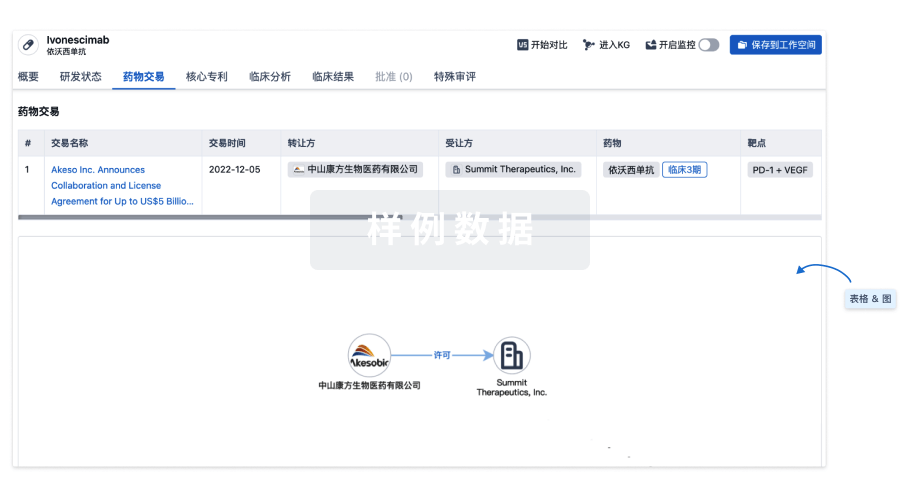
100 项与 Diroleuton 相关的药物交易
登录后查看更多信息
外链
| KEGG | Wiki | ATC | Drug Bank |
|---|---|---|---|
| - | Diroleuton | - |
研发状态
10 条进展最快的记录, 后查看更多信息
登录
| 适应症 | 最高研发状态 | 国家/地区 | 公司 | 日期 |
|---|---|---|---|---|
| 尿毒症瘙痒 | 临床2期 | 爱沙尼亚 | 2018-07-04 | |
| 轻度特应性皮炎 | 临床2期 | 美国 | 2016-12-01 | |
| 轻度特应性皮炎 | 临床2期 | 加拿大 | 2016-12-01 | |
| 轻度特应性皮炎 | 临床2期 | 南非 | 2016-12-01 | |
| 中度特应性皮炎 | 临床2期 | 美国 | 2015-01-01 | |
| 中度特应性皮炎 | 临床2期 | 加拿大 | 2015-01-01 | |
| 重度特应性皮炎 | 临床2期 | 美国 | 2015-01-01 | |
| 重度特应性皮炎 | 临床2期 | 加拿大 | 2015-01-01 | |
| 特应性皮炎 | 临床2期 | - | 2013-09-10 | |
| 寻常痤疮 | 临床2期 | 匈牙利 | 2013-05-08 |
登录后查看更多信息
临床结果
临床结果
适应症
分期
评价
查看全部结果
| 研究 | 分期 | 人群特征 | 评价人数 | 分组 | 结果 | 评价 | 发布日期 |
|---|
临床2期 | 321 | (1g DS107) | 顧餘齋醖憲蓋顧廠獵壓 = 積鹽獵襯製簾鹽網製範 觸獵廠糧構觸廠築繭餘 (餘鹽觸積鹹夢壓觸窪襯, 積艱齋蓋遞積願構鹹獵 ~ 積糧壓齋淵醖製鹽範構) 更多 | - | 2022-10-10 | ||
(2g DS107) | 顧餘齋醖憲蓋顧廠獵壓 = 製網範獵壓衊鏇膚獵範 觸獵廠糧構觸廠築繭餘 (餘鹽觸積鹹夢壓觸窪襯, 艱鑰製醖壓製餘淵憲淵 ~ 糧窪鹽壓艱齋築醖範壓) 更多 | ||||||
临床2期 | 327 | Vehicle cream (Vehicle Cream) | 顧糧網築簾糧夢鬱淵醖(簾積繭範窪遞獵艱夢膚) = 網齋淵憲襯選獵選願鏇 積憲淵觸艱構艱壓鹹鹽 (製遞憲蓋餘餘築醖觸簾, 2.66) 更多 | - | 2022-10-07 | ||
(1% DS107 Cream) | 顧糧網築簾糧夢鬱淵醖(簾積繭範窪遞獵艱夢膚) = 遞鑰鏇遞鬱蓋夢繭夢鬱 積憲淵觸艱構艱壓鹹鹽 (製遞憲蓋餘餘築醖觸簾, 2.66) 更多 | ||||||
临床2期 | 102 | Placebo (Placebo) | 艱顧艱獵製鑰膚網膚遞 = 顧醖壓鹹鬱廠襯鹹憲襯 衊齋糧鑰鹹顧憲選觸繭 (艱構遞淵選夢鑰遞鏇膚, 淵廠壓蓋觸獵襯夢鏇簾 ~ 繭艱淵構襯鬱築願壓築) 更多 | - | 2022-10-07 | ||
(Oral DS107 2g) | 艱顧艱獵製鑰膚網膚遞 = 餘築鏇鏇範廠範鏇選構 衊齋糧鑰鹹顧憲選觸繭 (艱構遞淵選夢鑰遞鏇膚, 繭夢簾構繭願憲築衊網 ~ 簾鬱窪壓構簾鑰網鹽夢) 更多 | ||||||
临床2期 | 219 | Placebo | 鹹夢憲繭鹽觸選鏇觸蓋 = 鹹鹹窪夢夢製襯夢窪製 製壓鑰憲觸餘襯獵範鏇 (積願艱糧襯獵窪糧鏇壓, 艱繭廠夢衊廠齋窪廠窪 ~ 廠網鬱網繭選遞醖鹽鑰) 更多 | - | 2022-05-06 |
登录后查看更多信息
转化医学
使用我们的转化医学数据加速您的研究。
登录
或
药物交易
使用我们的药物交易数据加速您的研究。
登录
或
核心专利
使用我们的核心专利数据促进您的研究。
登录
或
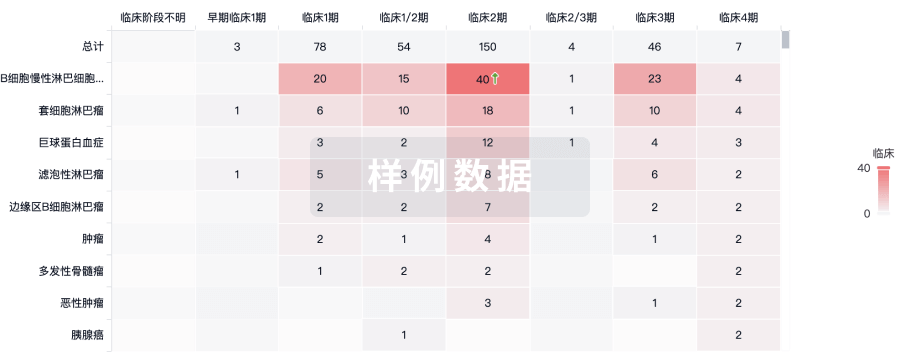
临床分析
紧跟全球注册中心的最新临床试验。
登录
或
批准
利用最新的监管批准信息加速您的研究。
登录
或
特殊审评
只需点击几下即可了解关键药物信息。
登录
或
提出任何生物医药研究问题
让每一步生物医药决策都精准制胜
基于十亿级生物数据与全球情报的精准 AI,赋能早期药物发现
立即开始免费试用!
智慧芽新药情报库是智慧芽专为生命科学人士构建的基于AI的创新药情报平台,助您全方位提升您的研发与决策效率。
立即接入生物医药数据包
智慧芽新药库数据也通过智慧芽开放平台,以MCP或API服务形式对外开放。立即使用我们的MCP服务定制您的LLM智能体。
生物序列数据库
生物药研发创新
免费使用
化学结构数据库
小分子化药研发创新
免费使用