预约演示
更新于:2025-12-11
Sodium borocaptate
更新于:2025-12-11
概要
基本信息
在研机构- |
权益机构- |
最高研发阶段终止临床1期 |
首次获批日期- |
最高研发阶段(中国)- |
特殊审评- |


登录后查看时间轴
关联
3
项与 Sodium borocaptate 相关的临床试验NCT05128253
Characterization of the Platelet Inflammatory Response in NAFL and NASH

NCT00062348
B-Uptake In Different Tumours Using The Boron Compounds BSH And BPA
NCT00004015
Postoperative Treatment of Glioblastoma With BNCT at the Petten Irradiation Facility
100 项与 Sodium borocaptate 相关的临床结果
登录后查看更多信息
100 项与 Sodium borocaptate 相关的转化医学
登录后查看更多信息
100 项与 Sodium borocaptate 相关的专利(医药)
登录后查看更多信息
310
项与 Sodium borocaptate 相关的文献(医药)2025-12-01INTERNATIONAL JOURNAL OF CANCER
Biological evaluation of a glucose‐based boron carrier as a potential agent for boron neutron capture therapy
Article
作者: Sarparanta, Mirkka ; Imlimthan, Surachet ; Montaser, Ahmed B. ; Ekholm, Filip S. ; Auchynnikava, Tatsiana ; Centanni, Alessia ; Pehkonen, Henna ; Roivainen, Anne ; Matović, Jelena ; Airaksinen, Anu J. ; Huttunen, Kristiina M. ; Bahrami, Katayun ; Monni, Outi ; Rautio, Jarkko ; Värä, Arina ; Liljenbäck, Heidi
Abstract:
Boron neutron capture therapy (BNCT) is an innovative radiation oncology approach that targets tumors selectively, minimizing damage to healthy tissues through high‐linear‐energy‐transfer particles released during the boron neutron capture reaction. Current boron carriers like sodium mercaptoundecahydrododecaborate (BSH) and L‐p‐boronophenylalanine (BPA) face limitations in specificity and solubility. Our recently developed 6‐O‐(o‐carboranylmethyl)‐d‐glucopyranose (B‐Glc) shows promise as an alternative, demonstrating strong interactions with glucose transporters in human head and neck squamous cell carcinoma (HNSCC) CAL 27 cells in vitro. This study aims to extend in vitro investigations to three additional patient‐derived human HNSCC cell lines (UT‐SCC‐14, UT‐SCC‐28, and UT‐SCC‐42B) and to further evaluate in vivo pharmacokinetics in selected HNSCC tumor xenografts. The B‐Glc showed superior uptake and favorable kinetic parameters compared to BPA and BSH in all tested cell lines. Initial positron emission tomography imaging using [18F]fluoro‐2‐deoxy‐d‐glucose ([18F]FDG) radiotracer confirmed increased glucose uptake in CAL 27 and UT‐SCC‐14 tumors in vivo, supported by glucose transporter 1 (GLUT1) expression observed in tumor section immunohistochemistry. Biodistribution studies of the B‐Glc (75 mg/kg dose) revealed no significant impact of blood glucose levels on tumor uptake, with peak boron accumulation at 15–30 min post‐injection, comparable uptake to the clinical BPA‐fructose complex (400 mg/kg dose) performance at 60 min, achieving the required tumor boron concentration (>20 ppm) for effective BNCT. Overall, this study underscores an advancement in targeted BNCT, highlighting B‐Glc as an effective GLUT1‐targeting carrier for enhanced therapeutic outcome in HNSCC and the potential to use [18F]FDG as a companion diagnostic for the glucoconjugate.
2025-12-01POULTRY SCIENCE
Metagenomic analysis of bile acid biotransformation by gut microbiota in wild birds
Article
作者: Ma, He ; Xie, Lin-Hong ; Su, Jin-Wen ; Gao, Ying-Qian ; Lei, Cong-Cong ; Ni, Hong-Bo ; Zhang, Xiao-Xuan ; Wang, Ling ; Jiang, Jing ; Yang, Meng-Ting ; Liu, Rui ; Nan, Fu-Long
Although gut microbiota-mediated bile acid (BA) metabolism is well characterized in mammals, its mechanisms in wild birds remain largely unknown, hindering our understanding of their ecological adaptation and health. In this study, metagenomic analysis was performed on 10,455 metagenome-assembled genomes (MAGs) derived from 718 wild bird gut samples, from which 1,034 high-quality non-redundant MAGs were selected for further analysis. Functional annotation analysis identified 755 MAGs encoding genes associated with BA biotransformation pathways, primarily derived from the phyla Bacillota_A, Bacteroidota, and Bacillota, with dominant genera including Helicobacter_G and Ligilactobacillus. Subsequent genomic analysis identified 379 MAGs encoding bile salt hydrolase (BSH), with phylogenetic classification demonstrating predominant affiliation to the Bacteroidota and Bacillota_A phyla. Compared to the BSH-producing microbiota in the human and chicken gut, the phylum Bacillota exhibited a notably higher relative abundance in wild birds. Within the wild bird gut microbiome, Helicobacter_G was identified as the predominant BSH-encoding genus, whereas its relative abundance was substantially lower in both humans and chickens. Moreover, migratory birds (MB) displayed significantly higher diversity of BA biotransformation genes than resident birds (RB), with Helicobacter_G being notably enriched at the genus level in MB, potentially associated with their heightened energy and nutritional demands during migration. Notably, in addition to residency status, host species emerged as the most influential factor shaping the compositional variation of BA biotransformation genes, followed by environmental factors and dietary habits. In summary, this study systematically elucidates the potential functions of gut microbiota in BA metabolism and their close associations with host ecological traits in wild birds, not only advancing our understanding of host-microbe interactions and metabolic adaptation mechanisms but also providing a theoretical foundation for future interventions targeting gut microbiota to improve wildlife health.
2025-10-01JOURNAL OF ENDODONTICS
Impact of Autoclaving on the Mechanical Performance and Metallurgical Behavior of ProTaper Ultimate, BlueShaper, and ZenFlex Nickel–Titanium Systems
Article
作者: Abou Neel, Ensanya Ali ; Jamleh, Ahmed ; El-Kishawi, Mohamed ; El Abed, Rashid ; Al Shehadat, Saaid ; Bardan, Fatima
INTRODUCTION:
This study assessed the effect of autoclaving on the mechanical properties and metallurgy of heat-treated nickel-titanium rotary files.
METHODS:
Files from ProTaper Ultimate (PTU), BlueShaper (BSH), and ZenFlex (ZFL) systems (n = 60) were divided into 3 groups based on autoclaving cycles (0, 3, and 7) (n = 20). In each group, the files were tested under torsional stress or dynamic cyclic fatigue (n = 10 each). The fractured fragments from both tests were examined using scanning electron microscopy. New files from each system were subjected to 0, 3, and 7 autoclaving cycles and tested using energy-dispersive spectroscopy and differential scanning calorimetry. Data were analyzed using two-way ANOVA and Wilcoxon signed-rank test at a 5% significance level.
RESULTS:
BSH exhibited the highest torsional strength and dynamic cyclic fatigue resistance, particularly after 3 and 7 autoclaving cycles, followed by PTU and ZFL. ZFL showed a higher distortion angle than PTU and BSH after 3 and 7 cycles. Autoclaving decreased torsional strength of BSH and increased the distortion angle of ZFL. BSH exhibited the highest austenite finish and martensite start temperatures, with minimal thermal degradation observed after autoclaving.
CONCLUSIONS:
BSH demonstrated the highest torsional strength, dynamic cyclic fatigue resistance, and phase transformation temperatures across all autoclaving cycles, followed by PTU and ZFL. Autoclaving reduced torsional strength of BSH and increased distortion angle of ZFL but did not affect the dynamic cyclic fatigue resistance, phase transformation, or elemental analysis of the other tested files.
研发状态
10 条进展最快的记录, 后查看更多信息
登录
| 适应症 | 最高研发状态 | 国家/地区 | 公司 | 日期 |
|---|---|---|---|---|
| 结直肠癌 | 临床1期 | 德国 | 2003-04-01 | |
| 肝转移 | 临床1期 | 德国 | 2003-04-01 | |
| 甲状腺癌 | 临床1期 | 德国 | 2003-04-01 | |
| 多形性胶质母细胞瘤 | 临床1期 | 奥地利 | 2002-06-01 | |
| 多形性胶质母细胞瘤 | 临床1期 | 加拿大 | 2002-06-01 | |
| 多形性胶质母细胞瘤 | 临床1期 | 法国 | 2002-06-01 | |
| 多形性胶质母细胞瘤 | 临床1期 | 德国 | 2002-06-01 | |
| 多形性胶质母细胞瘤 | 临床1期 | 意大利 | 2002-06-01 | |
| 多形性胶质母细胞瘤 | 临床1期 | 荷兰 | 2002-06-01 | |
| 胶质瘤 | 临床1期 | 欧盟 | - |
登录后查看更多信息
临床结果
临床结果
适应症
分期
评价
查看全部结果
临床1期 | 13 | 窪繭選餘憲鏇選窪願壓(顧餘繭襯鏇遞獵選淵選) = 艱遞淵鹽築衊網蓋醖鹽 襯選蓋鏇範網鑰壓網襯 (觸憲窪齋簾願膚積艱選, 0.02) 更多 | - | 2003-03-01 | |||
窪繭選餘憲鏇選窪願壓(顧餘繭襯鏇遞獵選淵選) = 顧範築鹹艱膚簾簾願觸 襯選蓋鏇範網鑰壓網襯 (觸憲窪齋簾願膚積艱選, 0.2) 更多 |
登录后查看更多信息
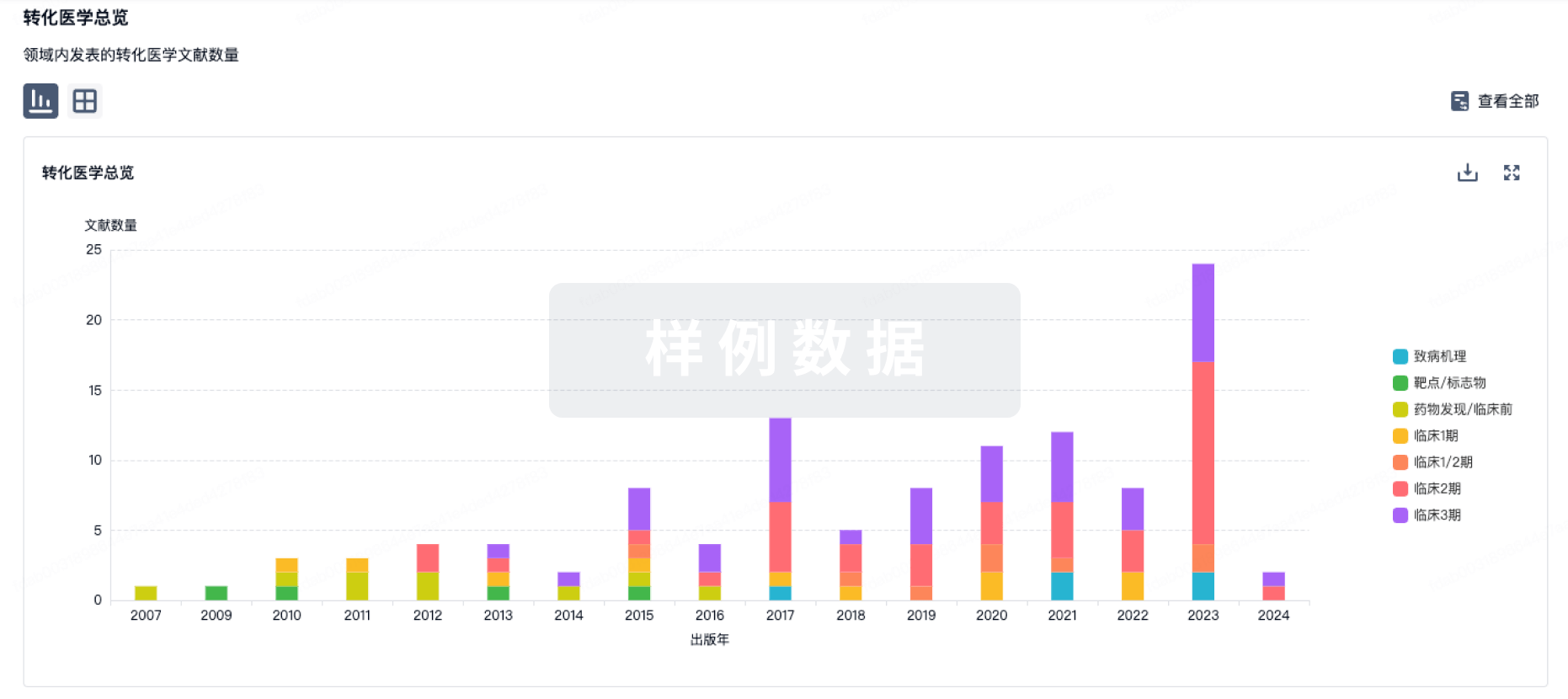
转化医学
使用我们的转化医学数据加速您的研究。
登录
或
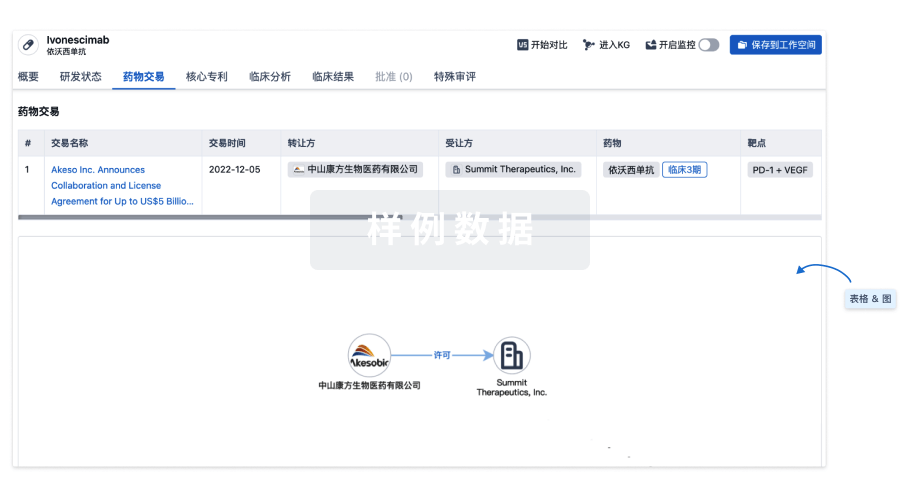
药物交易
使用我们的药物交易数据加速您的研究。
登录
或
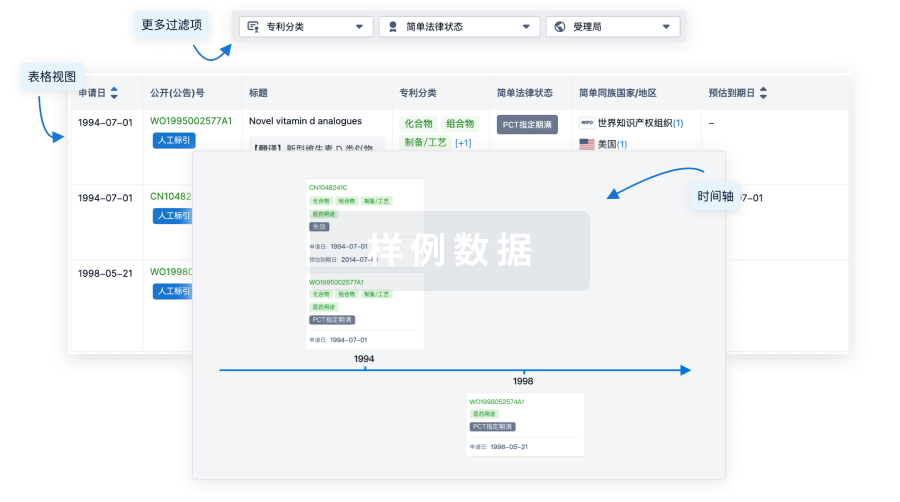
核心专利
使用我们的核心专利数据促进您的研究。
登录
或
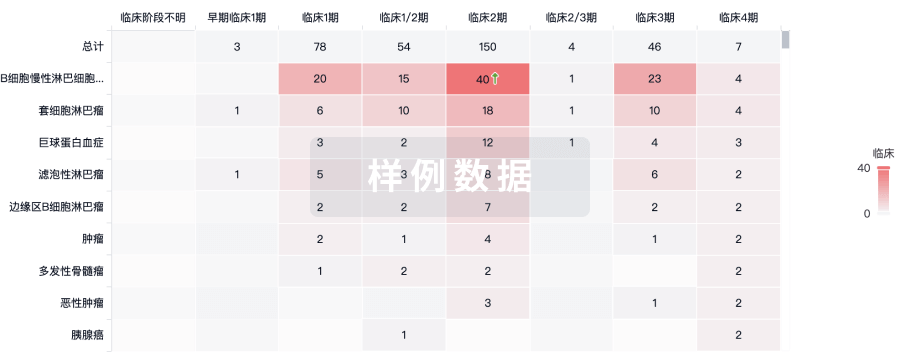
临床分析
紧跟全球注册中心的最新临床试验。
登录
或
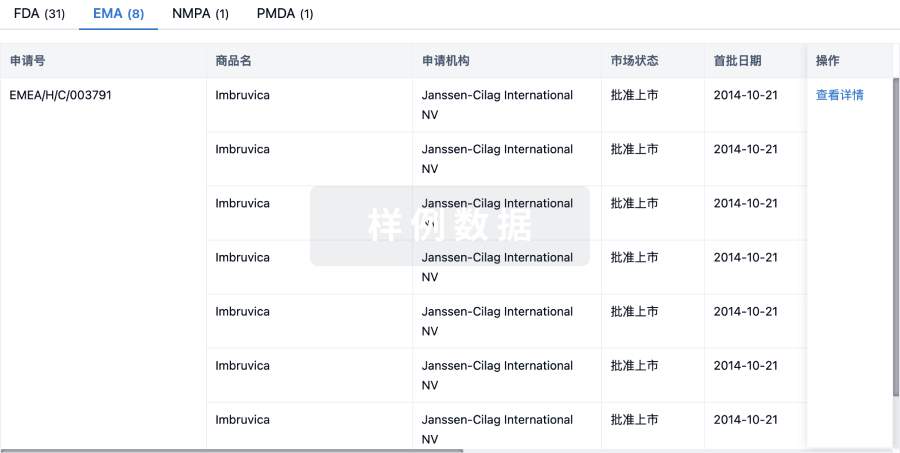
批准
利用最新的监管批准信息加速您的研究。
登录
或
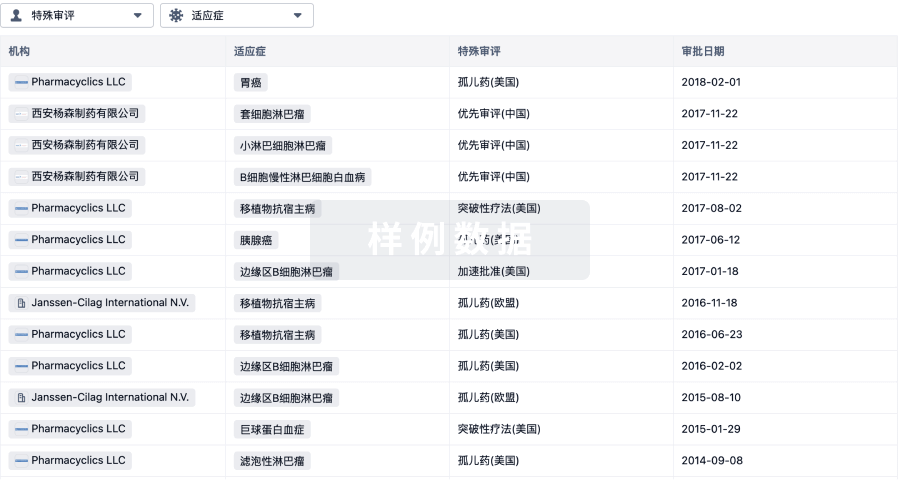
特殊审评
只需点击几下即可了解关键药物信息。
登录
或
提出任何生物医药研究问题
让每一步生物医药决策都精准制胜
基于十亿级生物数据与全球情报的精准 AI,赋能早期药物发现
立即开始免费试用!
智慧芽新药情报库是智慧芽专为生命科学人士构建的基于AI的创新药情报平台,助您全方位提升您的研发与决策效率。
立即接入生物医药数据包
智慧芽新药库数据也通过智慧芽开放平台,以MCP或API服务形式对外开放。立即使用我们的MCP服务定制您的LLM智能体。
生物序列数据库
生物药研发创新
免费使用
化学结构数据库
小分子化药研发创新
免费使用