预约演示
更新于:2026-01-17
ST-410
更新于:2026-01-17
概要
基本信息
在研机构- |
权益机构- |
最高研发阶段无进展临床前 |
首次获批日期- |
最高研发阶段(中国)- |
特殊审评- |

关联
100 项与 ST-410 相关的临床结果
登录后查看更多信息
100 项与 ST-410 相关的转化医学
登录后查看更多信息
100 项与 ST-410 相关的专利(医药)
登录后查看更多信息
3
项与 ST-410 相关的文献(医药)2025-04-02·JOURNAL OF ANTIMICROBIAL CHEMOTHERAPY
Decreased susceptibility to cefepime/zidebactam among carbapenemase-producing Escherichia coli from Stockholm, Sweden with alterations in PBP2
Article
作者: Jonsson, Patrik ; Dunleavy, Chantel ; Giske, Christian G ; Tellapragada, Chaitanya
Abstract:
Objectives:
We aimed to investigate the in vitro activity and genetic determinants of decreased susceptibility (DS; MIC > 4 mg/L) to cefepime/zidebactam of carbapenemase-producing Escherichia coli.
Methods:
Clinical isolates (N = 150) of carbapenemase-producing E. coli (CP-EC) belonging to seven distinct STs, isolated at a university clinical microbiology laboratory during 2019–2023 in Stockholm, Sweden were included. MICs for cefepime/zidebactam were determined using the broth microdilution method and interpreted using the tentative EUCAST clinical breakpoints (Susceptible; MIC < 4 mg/L; based on cefepime breakpoint). Whole genome sequences of the isolates were analysed with an emphasis on identifying alterations in PBPs 2 and 3.
Results:
Of the 150 isolates, 145 (96.6%) isolates had MICs <4 mg/L indicating susceptibility and 5 (3.3%) had MICs >4 mg/L. MICs for zidebactam alone among the five isolates with DS to cefepime/zidebactam were ≥8 mg/L. WGS analysis revealed that these five isolates were NDM-5 producers and belonged to ST405 (n = 1), ST410 (n = 2) and ST648 (n = 2). Presence of four-amino-acid inserts (YRIK/YRIN) in PBP3 was observed in 80/150 (53.3%) isolates, and mutations leading to alterations in PBP2 were observed in 41/150 (27.3%) isolates. Presence of other β-lactamases (CTX-M group) and/or cephalosporinases (blaCMY) did not have an impact on the susceptibility to cefepime/zidebactam. Three of the five isolates with DS had a V522I substitution in PBP2.
Conclusions:
Our results indicate that DS to cefepime/zidebactam among clinical isolates of E. coli could arise due to targeted mutations in PBP2.
2016-01-01·Emerging microbes & infections2区 · 医学
First identification of NDM-4-producing
Escherichia coli
ST410 in China
2区 · 医学
ArticleOA
作者: Wang, Ping ; Chen, Huizhi ; Xu, Hui ; Tao, Hengxun ; Xu, Lijuan ; Qin, Shangshang ; Ye, Yafei ; Zhang, Qijing ; Feng, Xianju ; Zhou, Mengmeng
Dear Editor, The worldwide dissemination of New Delhi metallo-β-lactamase 1 (NDM-1), an Ambler class B metallo-β-lactamase (MBL) conferring resistance to all β-lactams except monobactams, is of great concern for public health.NDM-4, which differs from NDM-1 by a single aminoacid substitution (Met154Leu), was demonstrated to possess increased carbapenemase activity.As an infrequent blaNDM-4 allele, only several sporadic cases of infections due to NDM-4-producing Escherichia coli have been described in India, Austria, and Europe.At present, only one NDM-4 plasmid (pJEG027; GenBank accession NO KM400601) has been characterized.4 Several recent studies revealed that the blaNDM-4 gene was carried by plasmids belonging to different replicon types, including F, FII, L/M and X3 in E. coli and K. pneumoniae; however, only two partial sequences of IncFII plasmids (accession NO KP826711 and KP826707) and one partial sequence of an IncX3 plasmid (accession NO KP826709) except pJEG027 are available for the genetic context of blaNDM-4.A comparative plasmid anal. between pEC55-NDM-4 and pJEG027, which is the only completely sequenced NDM-4 plasmid of a K. pneumoniae strain isolated in Austria, provided support for Espedido et al′s hypothesis that pJEG027 might have arisen from a pNDM-HN380-like plasmid ancestor (for example, pEC55-NDM-4) through the events of a different IS5 insertion and an IS26-mediated flanking deletion of cutA1-groL.The second completely sequenced blaNDM-4 carrying plasmid pEC55-NDM-4, in our study, is nearly identical to the first characterized blaNDM-1-harboring IncX3 plasmid pNDM-HN380, further suggesting that blaNDM-4 might have emerged on IncX3 plasmids via a point mutation in blaNDM-1.The occurrence of a pNDM-HN380-like plasmid carrying blaNDM-4 in this study, together with recent observations of IncX3-type plasmids carrying different blaNDM alleles, including blaNDM-1 (pNDM-HN380), blaNDM-4 (pJEG027), blaNDM-5 (pNDM_MGR194, pNDM5_0215 and pEc1929), and blaNDM-7 (pEC50-NDM7), in different countries (Austria, India, China and Canada) and different species (K. pneumoniae, E. coli, Serratia marcescens, and Enterobacter hormaechei), strongly indicates that IncX3 plasmids, which have a narrow host range in Enterobacteriaceae, might have played a major role in the rapid global dissemination of NDM-type MBLs among Enterobacteriaceae.In summary, our study represents the first report of a NDM-4 producing E. coli isolate recovered from a blood culture of a patient without a history of foreign travel.The FQ-resistant E. coli 14-55 with multiple β-lactamase encoding genes, including blaNDM-4, blaCTX-M-15, blaSHV-12, blaTEM-1 and blaCMY-61, belonged to ST410, a potential international clone for the dissemination of CTX-M-15.Further surveillance is thus warranted to monitor the future dissemination of potentially endemic clones of ST410 that harbor blaNDM.The blaNDM-4 carrying IncX3 plasmid characterized in this study is nearly identical to pNDM-HN380 (with blaNDM-1), which was reported in Hong Kong.This finding, together with recent observations of IncX3 plasmids carrying different blaNDM alleles in different countries, further suggests that IncX3 plasmids might have become a common vehicle for the dissemination of different NDM alleles among Enterobacteriaceae worldwide.To understand the epidemiol. and control the spread of antibiotic-resistant pathogens, we have been investigating carbapenem-resistant Enterobacteriaceae from human patients in China.Previously, we reported a high incidence (33.3%) and endemic spread of NDM-1-pos. Enterobacteriaceae in Henan Province.Here we describe the first NDM-4-producing E. coli ST410 isolate, which, to our knowledge, is the first case in China, and report the characterization of the blaNDM-4 harboring IncX3 plasmid.
PLoS Pathogens
Colanic acid-mediated phage resistance enhances virulence in high-risk global clone Escherichia coli ST410
Article
作者: Bai, Yuman ; Tu, Jieying ; Tao, Pan ; Lv, Luchao ; Feng, Jie ; He, Wanyun ; Liu, Jinghao ; Zhang, Nuoyan ; Song, Kewei ; Wang, Jinghan ; Cai, Zhongpeng ; Yang, Jun ; Liu, Jian-Hua ; Zhu, Bingqing
The global rise of multidrug-resistant
Escherichia coli
ST410 presents a growing clinical threat. We isolated a highly lytic phage targeting ST410, but rapid resistance emerged both
in vitro
and
in vivo
. Beyond receptor mutations, we identified a hypermucoid mutant that evades phage infection primarily through colanic acid overproduction, providing broad phage resistance. This colanic acid overproduction also led to diminished macrophage phagocytosis
in vitro
and accelerated mortality in mice. Transcriptomic and genetic analyses linked this phenotype to activation of the Rcs pathway. Notably, naturally occurring ST410 isolates with colanic acid-overproducing phenotypes were also observed, suggesting that capsule-mediated immune evasion may arise in clinical populations. To overcome resistance, we designed a rational four-phage cocktail with diverse receptors, achieving robust therapeutic efficacy in infection models. Our findings highlight that phage resistance can be accompanied by enhanced virulence potential through capsule-mediated immune evasion, with colanic acid playing a central role, emphasizing important considerations for phage therapy design.
100 项与 ST-410 相关的药物交易
登录后查看更多信息
研发状态
10 条进展最快的记录, 后查看更多信息
登录
| 适应症 | 最高研发状态 | 国家/地区 | 公司 | 日期 |
|---|---|---|---|---|
| 疼痛 | 临床前 | 美国 | 2013-03-01 |
登录后查看更多信息
临床结果
临床结果
适应症
分期
评价
查看全部结果
| 研究 | 分期 | 人群特征 | 评价人数 | 分组 | 结果 | 评价 | 发布日期 |
|---|
No Data | |||||||
登录后查看更多信息
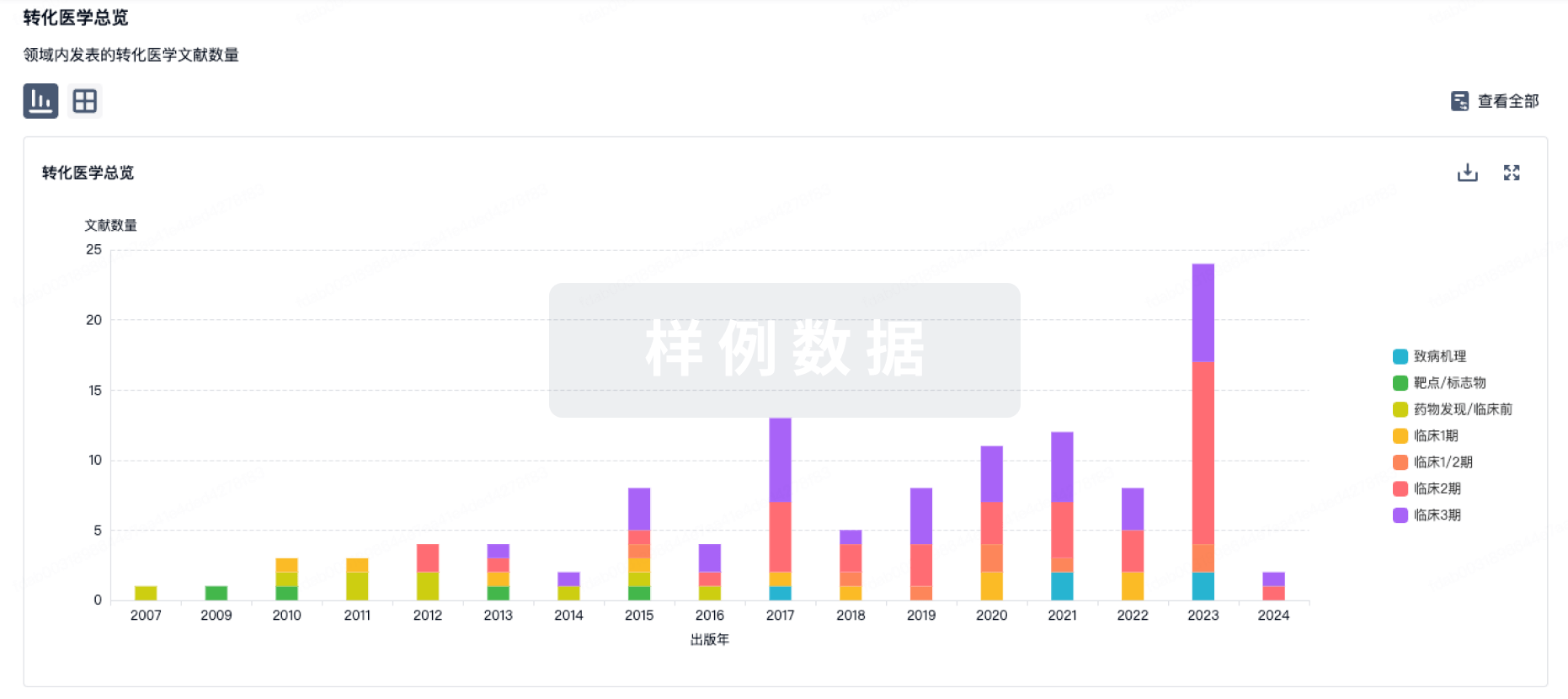
转化医学
使用我们的转化医学数据加速您的研究。
登录
或
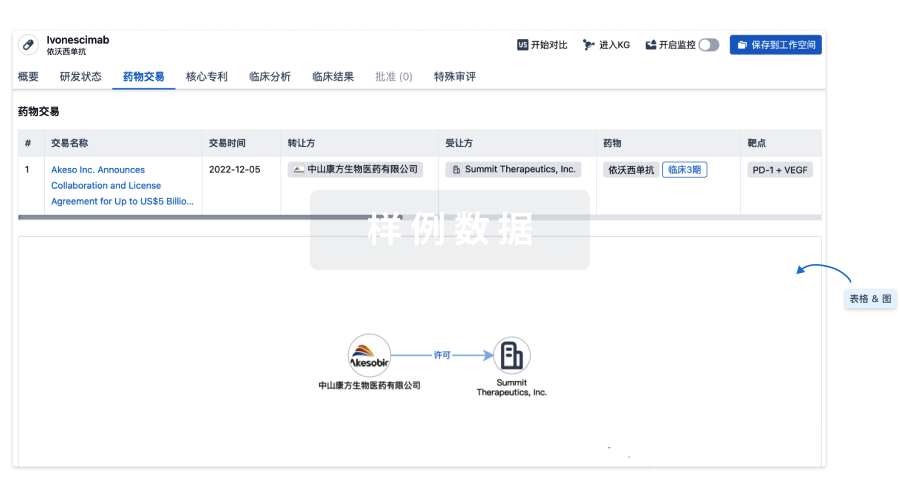
药物交易
使用我们的药物交易数据加速您的研究。
登录
或
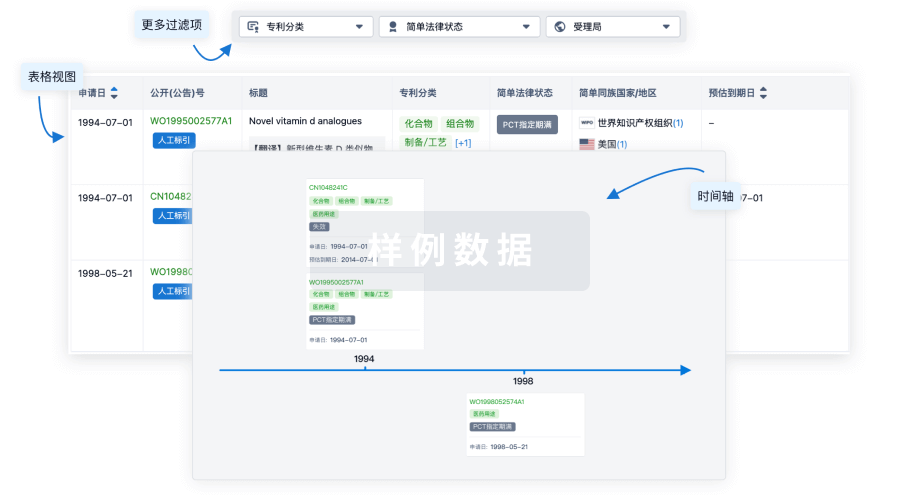
核心专利
使用我们的核心专利数据促进您的研究。
登录
或
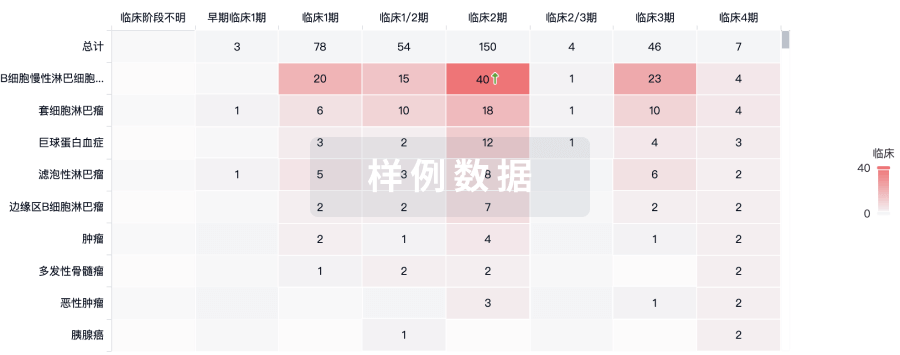
临床分析
紧跟全球注册中心的最新临床试验。
登录
或
批准
利用最新的监管批准信息加速您的研究。
登录
或
特殊审评
只需点击几下即可了解关键药物信息。
登录
或
生物医药百科问答
全新生物医药AI Agent 覆盖科研全链路,让突破性发现快人一步
立即开始免费试用!
智慧芽新药情报库是智慧芽专为生命科学人士构建的基于AI的创新药情报平台,助您全方位提升您的研发与决策效率。
立即开始数据试用!
智慧芽新药库数据也通过智慧芽数据服务平台,以API或者数据包形式对外开放,助您更加充分利用智慧芽新药情报信息。
生物序列数据库
生物药研发创新
免费使用
化学结构数据库
小分子化药研发创新
免费使用